Investor and golden visas
Investor and golden visas, side by side
Earn residency (and sometimes a second passport) by investing. Here are the real 2026 numbers on the programs that actually take Americans.
Move a chunk of capital into a country and it hands you a residency card. Here are the programs that actually take Americans, with the real 2026 numbers.

Reviewed and updated October 1, 2026 · 14 min read
01 · Why buy your way in
Residency you can buy, explained without the sales pitch
Most visas ask for a job, a pension, or a hard-to-fake reason to be somewhere. Investor and golden visas ask a simpler question: can you move a chunk of money into the country and leave it there? If the answer is yes, a dozen governments will hand you a residency card. A few will eventually hand you a passport.
That's the appeal. You don't need an employer, a degree, or fluent Spanish. You need capital and a clean background check. Governments like these programs because they pull in foreign money; investors like them because they buy optionality. For Americans who want a Plan B without uprooting their whole life, that combination's hard to beat; in fact, Americans are now among the biggest buyers of European golden visas.
Here's the catch
The money is real and it's locked up. A golden visa isn't a one-time fee; it's an investment you have to hold, often for five years or more, sometimes in assets that can lose value. The lowest buy-in in our comparison table still needs about $48,200. The most famous one needs 500,000 euros. And 'residency' is not 'citizenship,' so read the fine print before you wire a cent.
There's also homework that the brochures skip. Every program runs a source-of-funds check, so you have to prove where the money came from. Everyone needs a clean criminal record and, usually, a local lawyer. A cheap headline number can hide real costs: legal fees, government fees, and a deposit or property tha you can't touch for years.
The good news is the range is wide. Below, we've lined up every investor path we help Americans with, from an Ecuadorian condo to a Caribbean passport, with honest 2026 numbers and the trade-offs each one hides.
02 · The numbers
The numbers, side by side
Swap any column to compare programs head to head. The buy-in is the money you invest or park; difficulty, processing time, and cost of living update live from each country's page. Tap a country to open its full breakdown.
| Monthly budget, couple | $2,850 | $2,900 | $1,550 |
|---|---|---|---|
| Monthly budget, single | $1,850 | $1,700 | $900 |
| Rent, 1-bed city center | $1,050 | $800 | $350 |
| Inexpensive meal out | $13 | $10 | $4 |
| Safety index | 78 | 60 | 45 |
| English proficiency | 80 | 55 | 35 |
| Visa income floor | 500,000 eurosRegulated fund; real estate no longer counts | $150,000Property or a business; may be rising toward $200,000 | ~$48,200Titled property, in a country that runs on US dollars |
Buy-in figures are the minimum qualifying investment, deposit, or donation, verified against government pages, immigration-law firms, and specialist advisers in 2026; dollar amounts for euro and dirham programs are as of September 2026. Costa Rica's $150,000 sat under a sunset law whose filing window closed in July 2026 and may be moving back toward $200,000, so confirm the live number before you file. Latvia closed its property route in September 2026, so older guides quoting 250,000 euros for a Latvian home are out of date.
What that money actually buys
Two very different things hide under the phrase 'residency by investment.'
A true golden visa, like Portugal's or New Zealand's, is built for people who want the rights without the move. You invest, visit a handful of days a year, and keep your life where it is. The prize is optionality: an EU or Pacific base you can switch on later, plus the right to bring your family and, eventually, apply for a passport. You're buying a door you can walk through whenever you need it.
The dollar-economy investor visas in Latin America work the other way. The buy-in is far lower, often a home you'll actually live in, but they expect you to show up. Costa Rica wants you on the ground roughly half the year before offering permanent residency. Ecuador locks your money to the property until you convert. You're buying a life, not just a card.
Neither option is wrong. The right question is whether you want a hedge you rarely use or a home you move into, because that single choice rules half these programs in or out.
Golden visa vs. citizenship by investment
Most of this page is residency by investment: you get the right to live somewhere, and citizenship only comes after years of holding the visa and meeting presence rules. Citizenship by investment is a different product. You pay once, and the country makes you a citizen without years of residence first; on the donation routes, that money doesn't come back. It's sold mostly by small Caribbean nations, and we now have pages on five of them, starting with Dominica's $200,000 fund route. Either way, a second passport doesn't end your U.S. tax filing.
03 · The routes
The routes, grouped by how much you'll tie up
The marquee golden visas
Portugal's Golden Visa is the one everyone means when they say 'golden visa.' Since real estate was cut in 2023, the standard route is 500,000 euros into a regulated fund, held five years, with as little as seven days a year in the country. It's the clearest path to an EU passport for people who don't want to move yet, though the citizenship clock is now 10 years. New Zealand's Golden Visa is the premium version: about NZD $5 million into active funds or Kiwi businesses, held three years, with only 21 days on the ground.
More of Europe
Greece's Golden Visa kept real estate when Portugal dropped it, and raised the price instead: 400,000 euros in most of the country, 800,000 in Attica, Thessaloniki, Mykonos, Santorini and islands of more than 3,100 people, or 250,000 for a converted commercial building or a restored listed one. Hungary's Guest Investor permit takes about $287,500 (250,000 euros) in an approved real estate fund, held five years, for a 10-year permit with no minimum stay. Malta's Permanent Residence Programme is permanent from the first card: about $112,900 in government payments, plus a home you buy for at least $427,600 or rent from $16,000 a year. Latvia closed its property and bank routes in September 2026; what's left is about $57,000 (50,000 euros) in a Latvian company that pays its taxes.
The dollar-economy investor visas
This is where most Americans actually land. Panama's Friendly Nations Visa takes $200,000 in titled property or a three-year bank deposit and runs on the U.S. dollar. Costa Rica's Investor Visa wants $150,000 in real estate or a business and covers your whole family. Ecuador's real estate route is the cheapest credible option on this list at about $48,200, in a country that's used U.S. dollars since 2000.
The Gulf
The UAE's Golden Visa trades AED 2 million (about $545,000) in property, a bank deposit or a company for 10 years without a sponsor. Bahrain asks for $345,000 in property, Qatar starts at a $200,000 home, and Oman's Golden Residency takes OMR 200,000 (about $520,000), with your spouse, kids and parents on the same approval.
Passports, not permits
If you want citizenship rather than a residency card, five Caribbean countries sell it outright: Dominica from $200,000, Antigua and Barbuda from $230,000 for a family of up to four, Grenada at $235,000, Saint Lucia at $240,000, and St. Kitts and Nevis from $250,000.
Income instead of a lump sum
Not everyone has six figures to lock away. Costa Rica's Rentista lets you qualify with a $60,000 two-year deposit or proof of $2,500 a month, which makes it the soft-landing cousin of the investor visa.
More investor routes worth a look
The table and the routes above are the headline programs. The grid below holds every investor page we've published, and a few fit narrower plans. Cyprus sells permanent residency for $345,000 in a new-build home, shares or fund units. Panama's Qualified Investor Visa costs $300,000 and skips the provisional stage. Builder routes in South Korea, Kenya and Mauritius want a working company, not a passive check. And Uruguay and Paraguay offer low-cost investor routes that are worth a look. Ask us and we'll point you to a vetted partner.
Every investor path we track, in one place
Golden Visa (Residency by Investment)
EU residency for about a week a year on the ground
500,000 euros into a regulated fund keeps an EU permit alive while you spend as little as seven days a year in Portugal.
- Investment in scientific/technological research, cultural heritage preservation, or creation of at least 10 jobs in Portugal (real estate no longer eligible)
- Minimum stay: 7 days per year or 14 days per 2-year period
- Clean criminal record
Greece Golden Visa
Real estate still counts here
Buy a home worth 400,000 euros outside Athens and the big islands (800,000 inside them) for a five-year permit with no stay requirement.
- Minimum real estate investment of €250,000 (residential, commercial, or land)
- Valid passport
- Clean criminal record
Active Investor Plus Visa (Growth)
Serious capital, a very short stay
Roughly NZD $5 million in active funds or Kiwi businesses and only 21 days in the country over three years. A Plan B for people who can write a big check.
- Significant investment in NZ (Growth category)
- Minimal physical presence (21 days)
- Health and character checks
Friendly Nations Visa
Property or a bank deposit
Americans qualify through the Friendly Nations list. Put $200,000 into titled real estate or a three-year deposit and start a two-year path to permanent residency, all in US dollars.
- Citizenship from a country on the Friendly Nations list
- Proof of economic or professional ties to Panama (employment contract with a Panamanian company or property purchase)
- Valid passport
Investor Visa
One investment covers the family
A single $150,000 investment in property, a business, or a national-interest project brings your spouse and kids, with permanent residency after three years.
- Minimum investment of $150,000 in real estate, business, or national interest projects
- Proof of $1,000/month passive income
- Medical insurance valid in Costa Rica
Investment Visa (Real Estate)
A dollarized country for under $50K
A titled property worth about $48,200 buys temporary residency in a country that runs entirely on US dollars, so there's no currency risk to manage.
- Property title worth at least $47,000 (recommended $100,000)
- Proof of investment
- Ecuadorian health insurance
04 · Taxes
The tax question nobody asks until it's too late

Where you invest changes what you owe, and it's the part first-timers skip.
Latin America mostly runs on territorial tax. Panama, Costa Rica, and Ecuador generally don't tax foreign income at all, so your U.S. dividends, rental checks, and pensions stay out of the local system. Most of them also have no wealth tax or inheritance tax between close family. That's a genuine advantage, not a loophole.
Portugal doesn't tax a golden-visa holder's worldwide income as long as you stay a non-resident, which most fund investors do; and distributions from a qualifying fund are generally taxed at zero for non-residents. New Zealand goes further with a transitional exemption: new migrants get about four years with most foreign income untaxed. The country also has no general capital-gains tax, no estate tax, and no wealth tax at all.
The part Americans can't dodge
None of this touches the IRS. As a U.S. citizen, you file every year no matter where you live, on your worldwide income, and you report foreign accounts and funds under the FBAR and FATCA rules. Foreign tax credits and the exclusion usually stop you from paying twice, but the paperwork is real; a foreign fund can trigger ugly U.S. reporting (the PFIC rules) if nobody plans for it. The U.S. also taxes your worldwide estate. This is exactly where a cross-border planner like Beacon Global Advisors earns their fee, ideally before you invest, not after.
You still file with the IRS. Every year.
No residency or golden visa cancels your U.S. filing duty. Wherever your money lands, you still report worldwide income and foreign accounts to the IRS. Budget for a cross-border accountant from day one.
05 · The long game
Residency now, a second passport later (maybe)
A residency card and a passport are not the same thing, and the gap between them is where people get surprised.
Most of these programs start you on temporary or provisional residency, and you renew along the way. Panama gives two years provisional before you can even apply for permanent status. Costa Rica and Ecuador grant temporary residency first, renewable, with permanent status after three years and about 21 months. New Zealand's investor visa turns permanent after three years of holding the funds. Miss a renewal or let the investment lapse, and the clock can reset.
Citizenship is a longer game. Costa Rica and Panama put naturalization around seven and five years, respectively, after permanent residency. Portugal used to be five years to citizenship; the 2026 nationality law pushed it to ten, counted from your first residency card. Ecuador is roughly three years after permanent residency. Good news for Americans: all of these countries allow dual citizenship, so you don't have to give up your U.S. passport to add a second one.
How much time you actually owe
Presence rules are the quiet dealbreaker. Portugal wants only seven days a year and New Zealand only 21 days over three years, so you can keep your life in the States. The Latin American routes are stricter: Costa Rica effectively wants about half the year on the ground to reach permanent residency, while Ecuador limits you to 90 days a year outside the country during the conversion window. In addition, dependents age out: children usually have to be under 18, or in their mid-20s if they're full-time students, when you apply. Pick the presence rule you can actually live with.
06 · Pick your archetype
Which kind of investor are you?

The EU passport-seeker
Europe
You want a European base and a citizenship option, and you'd rather not move to get it. Portugal's fund route or Greece's property route is your play.
The safe-haven planner
Pacific
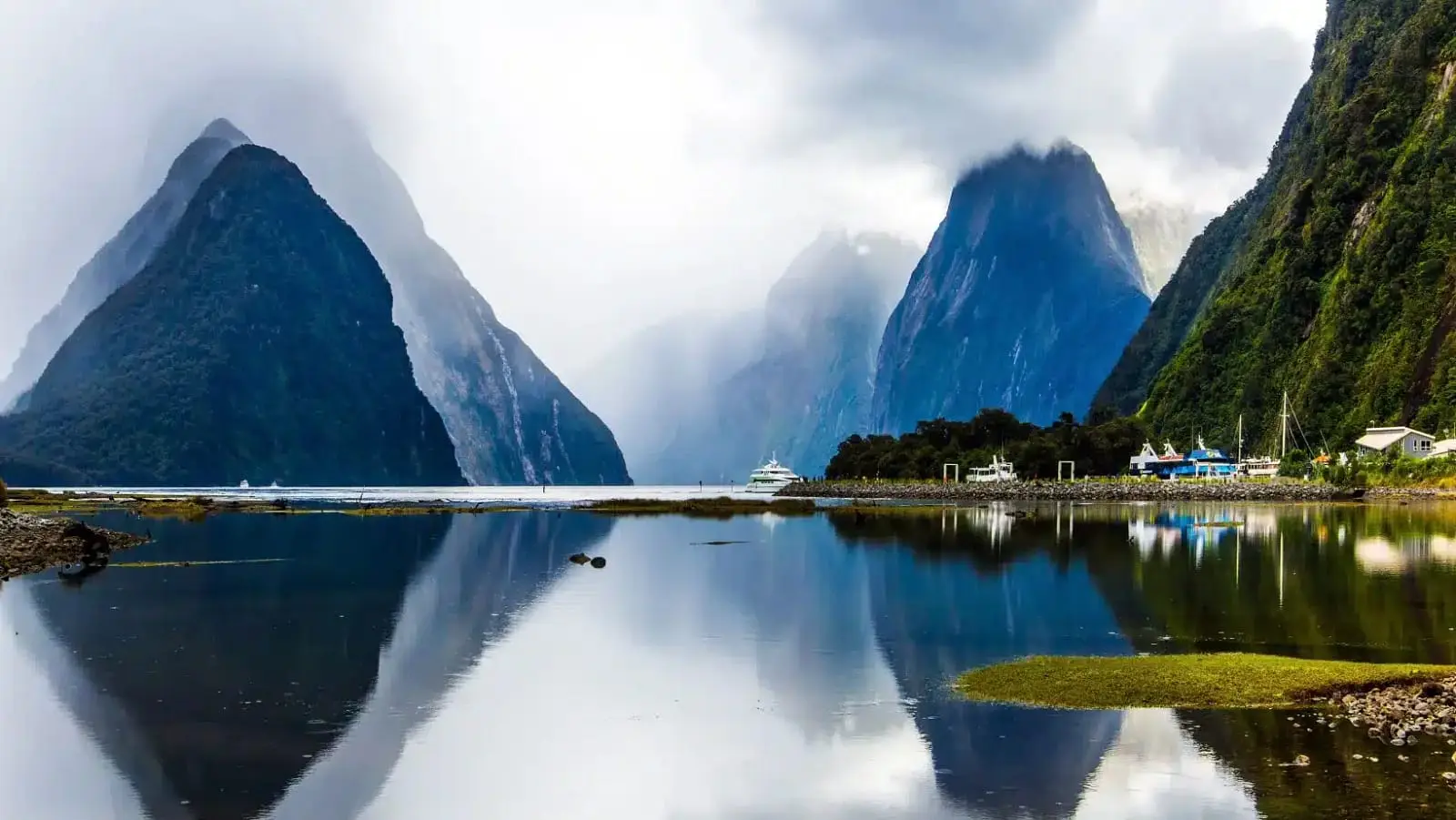
You have serious capital and want a stable, English-speaking bolt-hole with almost no stay requirement. New Zealand fits.
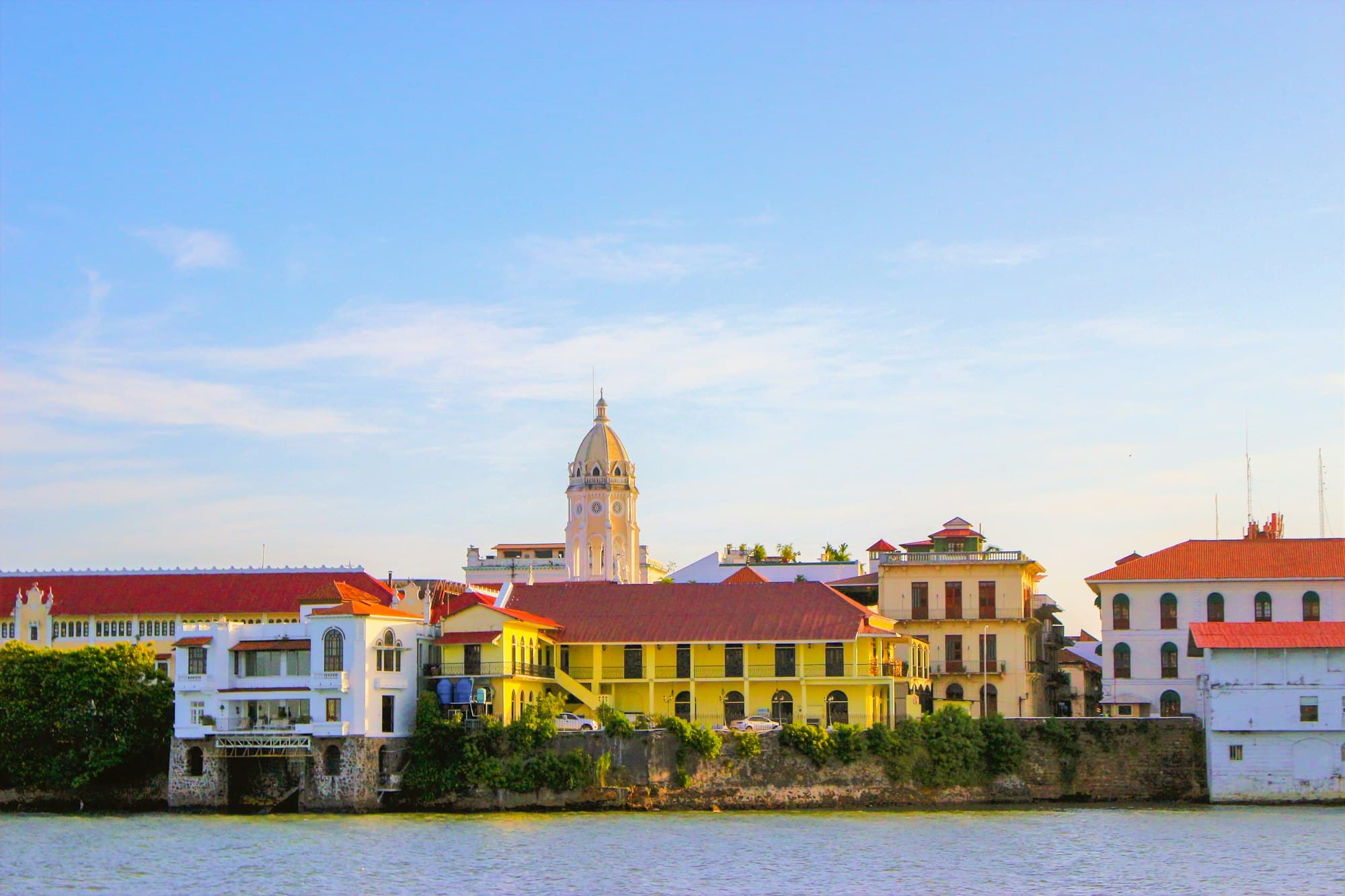
The dollar-economy pragmatist
Central America
You want low currency risk and a hard asset. Panama takes $200,000 in property or a deposit, all in US dollars.
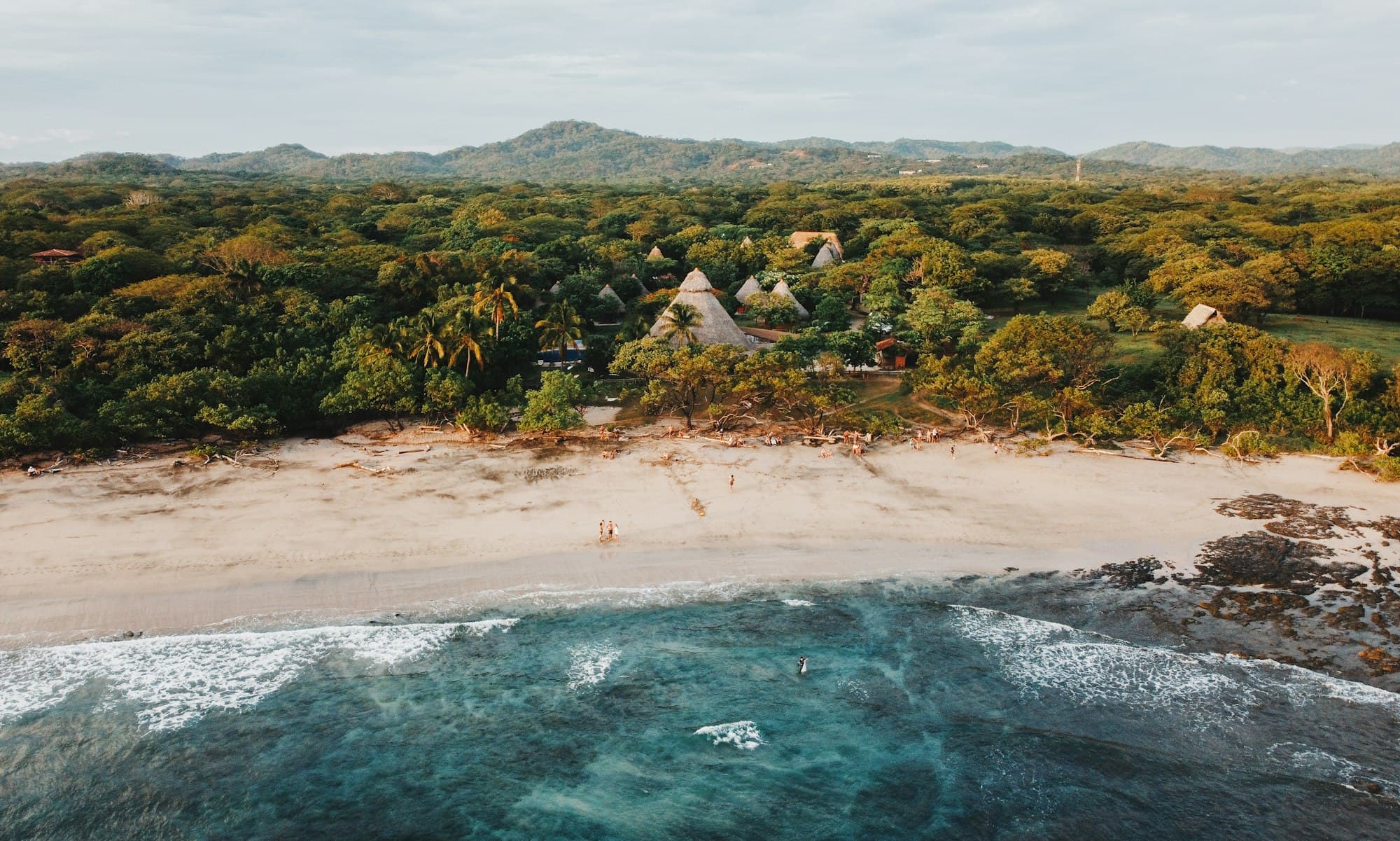
The lifestyle buyer
Pura Vida
You actually want to live there, and the home is the point. Costa Rica and Ecuador turn a house into a residency card.
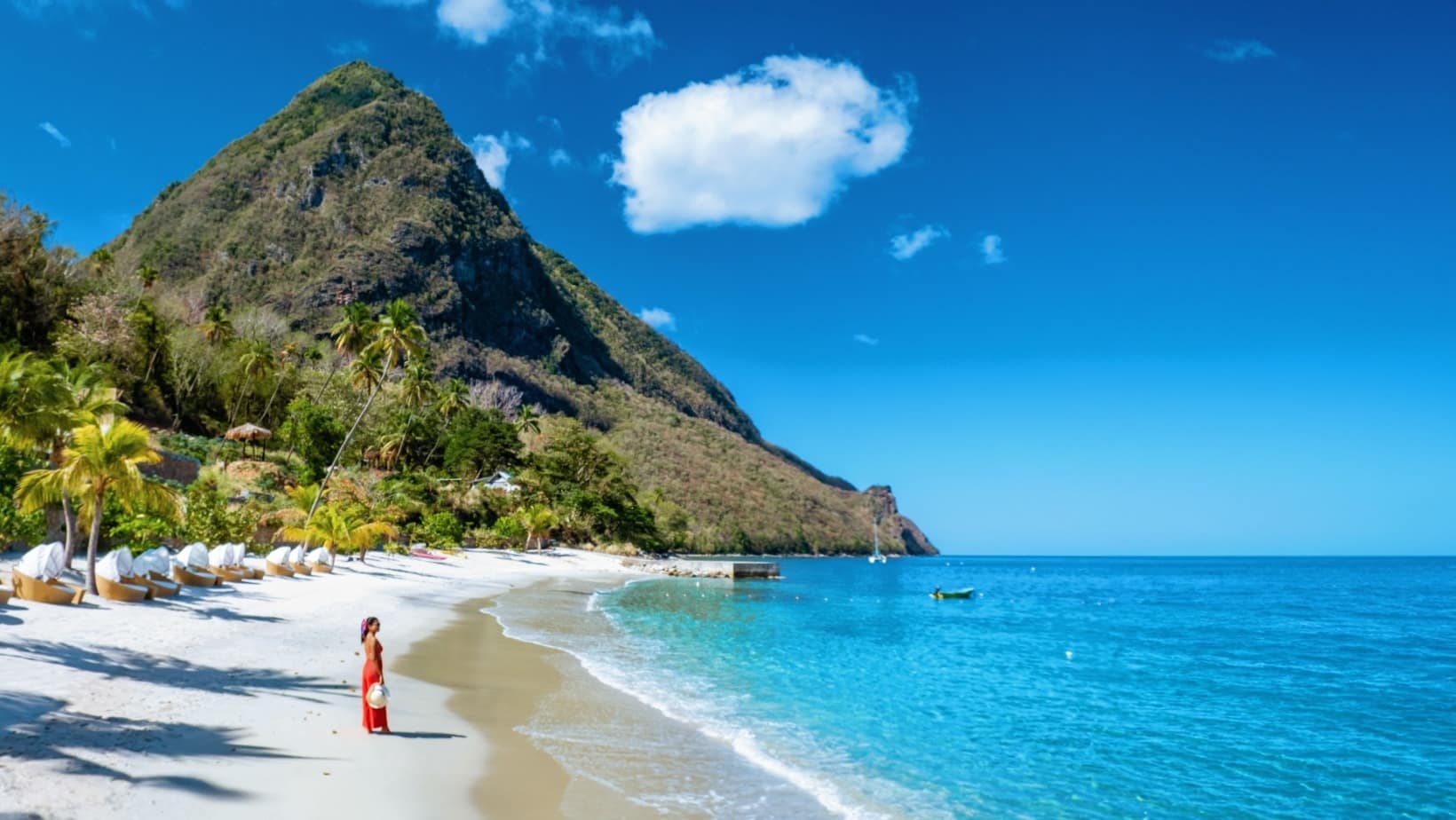
The passport collector
Caribbean
You want a second passport, not a residency card, and you can accept a donation you won't get back. The five Caribbean programs we cover start at $200,000.

The sponsor-free city dweller
Gulf
You want a big-city base where no employer holds your permit. The UAE trades AED 2 million in property, a deposit or a company for 10 years.
The people who actually file these
Investor visas are paperwork-heavy and easy to get wrong, from a mis-titled deed to a fund that doesn't qualify. These are the vetted partners we send Americans to, grouped by what they do best.
Holborn Assets
Portugal Golden Visa
A financial-services firm that runs Portugal's Golden Visa end to end, from choosing a qualifying 500,000 euro fund to the residency paperwork, with offices across the Algarve, Lisbon, and Porto.
Learn more
Greener Pastures
New Zealand Golden Visa
New Zealand golden-visa specialists who guide Active Investor Plus applicants through fund selection, source-of-funds documentation, and the move south.
Learn more
Arton Capital
Golden Visas
An investment-migration advisory firm handling residency and citizenship programs across Europe, the Caribbean, and the UAE, including Greece, Hungary, Malta, Dominica, and Saint Lucia.
Learn more
Lexidy
Greece Visa Services
A Greece-focused firm that pairs visa work with real-estate services, useful when your golden visa runs through a Greek property purchase.
Learn more
ECI Developments
Belize & Panama Real Estate and Investing
Developers and investment advisors covering Panama and Belize real estate, useful when your residency route runs through a property purchase.
Learn more
StartAbroad
Costa Rica Relocation Specialist
Costa Rica relocation and real-estate specialists who handle the investor and rentista routes and the property search behind them.
Learn more
EcuaAssist
Ecuador Relocation Specialist
A Cuenca-based team that coordinates Ecuador's investment visa alongside the property purchase and the health-insurance requirement.
Learn more
Beacon Global Advisors
Financial Planning
US-based cross-border financial planners who help investors structure the move without tripping over IRS reporting or double taxation.
Learn more
Simon Conn
International Mortgage Lending
An international mortgage broker who arranges financing for overseas property in Portugal, New Zealand, and beyond when you'd rather not pay all cash.
Learn moreScout it before you wire a dollar

Portugal: Jun 2027
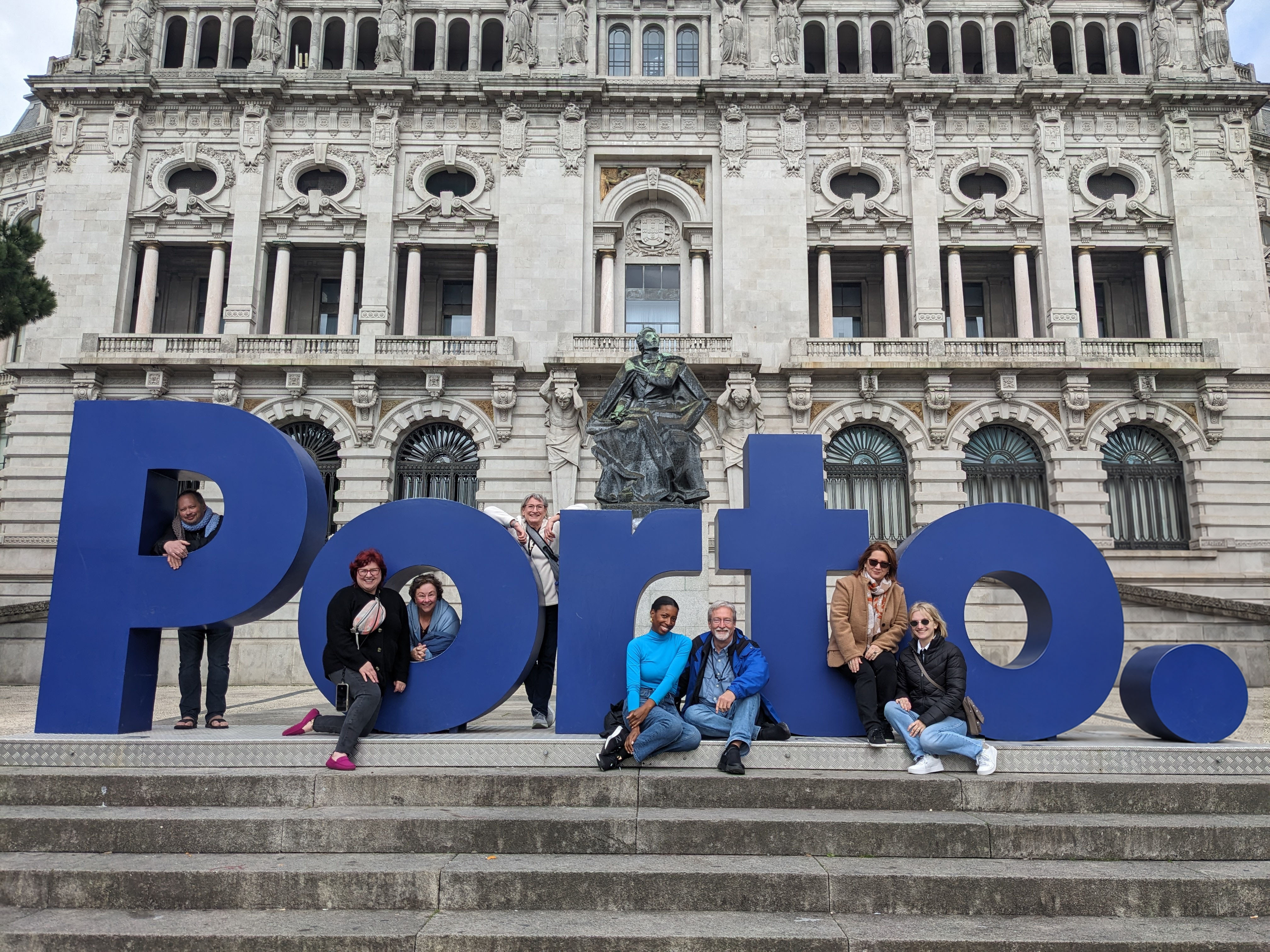
Expatsi’s Portugal trips are designed to give you an authentic sense of life across the country’s most livable regions. From walking the tiled streets of Cascais or Setúbal to exploring Porto's riverfront neighborhoods and the artistic towns in between, you'll experience the full spectrum of Portuguese culture and lifestyle. Along the way, you'll meet relocation experts, connect with locals, and explore real estate options that make it possible to see yourself living in Portugal.
From $1,999
Algarve: Apr 2027
This tour includes a trip to the Algarve, Portugal's sunny southern regions dotted with picturesque villages where people love living. You'll meet relocation experts, connect with locals, and explore real estate options that make it possible to see yourself living in Portugal. Stack this portion onto the Porto/Lisbon trip or join this stand alone portion of the Algarve!
From $1,399
Algarve: Oct 2027
This tour includes a trip to the Algarve, Portugal's sunny southern regions dotted with picturesque villages where people love living. You'll meet relocation experts, connect with locals, and explore real estate options that make it possible to see yourself living in Portugal. Stack this portion onto the Porto/Lisbon trip or join this stand alone portion of the Algarve!
From $1,399
Go deeper before you commit
If you want to get smart before a call, start here. A few of these are free to watch; members-only sessions are included with an Expatsi membership.
Guides and webinars worth your time
Our own sessions on how these programs really work, plus the money questions that come with them.
Understanding Golden Visas
Unlock the secrets of obtaining a golden visa. This webinar guides you through requirements, benefits, and practical steps to secure residency in desired countries.
A plain-English tour of how residency-by-investment programs work and who they actually suit.
Portugal Golden Visa
Golden Visa Expert Jason Swan answers all of your questions regarding Portugal's Golden Visa
The Portugal fund route, walked through step by step. Free to watch.
Greece Golden Visa & Real Estate Investment
Thinking about Greece as a path to Europe through real estate? In this webinar, we’ll cover how Greece’s Golden Visa works, current investment thresholds, and what to know about buying property as a foreigner. You’ll learn how real estate fits into a residency strategy, potential returns, risks, and what to expect from the purchase process so you can decide if Greece is the right move for your lifestyle and investment goals.
How Greece's golden visa and real-estate market compare if the EU is your target.
How To Move To Panama via Investment
Looking for a residency option that doesn't require a seven-figure portfolio? Panama offers some of the most approachable investment-based pathways in the region, with options that are significantly more affordable than many traditional "golden visa" programs. In this webinar, we'll break down the available investment routes, who qualifies, what the process looks like, and how to determine whether Panama could be the right fit for your move abroad plans. We'll also cover timelines, family inclusion, and the practical realities of building a life in Panama after you make the move.
The investor path into Panama, from property to bank deposit.
Do I have enough money?
Our partners at Beacon Financial outline how much money a move abroad could cost you as well as how much you may need to retire.
A gut-check on whether your savings are enough to make a move work.
Moving Money Internationally
Join us for an eye-opening session where we'll break down the must-know strategies for moving money internationally with confidence and ease.
Getting six figures across borders without losing a chunk to fees and exchange rates.
Compare notes with other investors
Visa Path: Golden visas
Expatsi Community
Our golden-visa group is where people swap fund picks, lawyer recommendations, and honest reviews of the programs on this page.
Join the communityInvestor and golden visa FAQ
What's the difference between an investor visa and a golden visa?
In everyday use they overlap. 'Golden visa' usually means a higher-end residency-by-investment program, like Portugal's 500,000 euro fund or New Zealand's NZD $5 million route, aimed at people who won't relocate full-time. 'Investor visa' is the broader term and includes lower-cost options like Costa Rica's $150,000 route or Ecuador's roughly $48,200 property visa. Both trade money for the right to live somewhere; neither is an instant passport.
Is the money safe? Can I get it back?
It's your money, but it's committed. A golden-visa fund or a Panamanian bank deposit stays locked for the holding period, often three to five years, and Ecuador places a lien on your property until you convert to permanent residency. Fund investments can also lose value. Treat the buy-in as capital at risk, not a refundable deposit, and get independent advice on any fund before you subscribe.
How long do I actually have to live in the country?
It varies wildly, and it's the rule to choose around. Portugal asks for just seven days a year and New Zealand's Growth route only 21 days over three years, so you can keep living in the States. Latin American investor visas are stricter: Costa Rica effectively wants around half the year to reach permanent residency, and Ecuador caps you at 90 days a year outside the country during the conversion period.
What's the cheapest investor visa for Americans?
There's no single answer, because some programs set no minimum at all: Serbia's home-owner residence and Madagascar's investor visa publish no threshold. Among programs with a fixed price, Ecuador's real estate route asks for a titled property worth about $48,200 (100 times the 2026 minimum wage), and Latvia's company route about $57,000 (50,000 euros) plus a 10,000 euro state payment. The low buy-ins come with strings: Ecuador caps your time outside the country while you convert to permanent residency, and Latvia's company has to pay 40,000 euros a year in tax to keep your permit valid.
Will I owe US taxes if I get a golden visa?
Yes. US citizens file with the IRS every year on worldwide income no matter where they live or invest, and you report foreign accounts and funds under the FBAR and FATCA rules. The good news is foreign tax credits and the foreign earned income exclusion usually keep you from paying twice. Countries like Panama, Costa Rica, and Ecuador don't tax foreign income locally, which helps, but it doesn't erase your US filing.
Do investor visas lead to citizenship?
Usually, but slowly. Most of these are residency programs first. Panama allows citizenship five years after you reach permanent residency; Costa Rica about seven years of legal residency; Ecuador roughly three years after permanent residency. Portugal's golden visa used to reach citizenship in five years, but the 2026 nationality law moved that to ten. If you want a passport fast, look at citizenship by investment instead: Dominica, for example, grants citizenship for a $200,000 donation in about four to nine months.
Can one investment cover my family?
Often, yes. Costa Rica's $150,000 investment and Panama's $200,000 route both let you include a spouse and dependent children under one qualifying investment, though each person pays their own legal and filing fees. New Zealand and Portugal also include partners and dependent children. Always confirm the dependent age limits, which usually run to 18 or into the mid-20s for full-time students.
Is Costa Rica's investor visa still $150,000?
As of 2026 the published figure is $150,000, but it's built on a temporary law (Law 9996) whose filing window closed on July 14, 2026. The minimum is expected to revert toward the older $200,000 unless Costa Rica's legislature renews it, and the tax perks that came with the law have ended for new filings. Confirm the current number with a Costa Rican immigration lawyer before you commit.
Sources
Sources
- Active Investor Plus Visa · Immigration New Zealand (checked 2026-08)
- Portugal Golden Visa 2026 · Global Citizen Solutions (checked 2026-08)
- Portugal Golden Visa fund route 2026 · Get Golden Visa (checked 2026-08)
- Panama Friendly Nations Visa 2026 · Global Citizen Solutions (checked 2026-08)
- Consequences of the expiration of Law No. 9996 · CRIE (checked 2026-08)
- Costa Rica investor residency 2026 · Global Investments (checked 2026-08)
- Greek Golden Visa New Regulations 2026 · Harvey Law Corporation (checked 2026-10)
- Hungary Golden Visa 2026 · Lincoln Global Partners (checked 2026-10)
- Malta Permanent Residence Programme Requirements · Andersen in Malta (checked 2026-10)
- Latvia reshapes its golden visa under new immigration law · Get Golden Visa (checked 2026-10)
- Golden Visa conditions for real estate investors · UAE Ministry of Economy and Tourism (checked 2026-10)
- Dominica Citizenship by Investment 2026 · Golden Harbors (checked 2026-10)

Not sure which number is your number?
Schedule a call with an Expatsi advisor to discuss your best course of action.
Why not you?