Pakistan for Americans, 2026
Moving to Pakistan: an honest 2026 guide for Americans
Most Americans who make this move have family roots, a Pakistani spouse or an employer behind them. Here's what life there costs, the routes that let you stay, and the risks to weigh first.
What it costs, which routes in actually exist (and which don't), how safety looks in 2026, and who can handle the paperwork that follows you from home.

Reviewed and updated September 28, 2026 · 12 min read
01 · The honest case
Who moves to Pakistan, and who shouldn't
Pakistan isn't on most Americans' shortlists, and we won't pretend it belongs on yours by default. But some people make this move for good reasons: Pakistani Americans going back to be near family, Americans married into Pakistani families, and people sent there by an employer or a university. If that's you, this guide lays out what the move looks like in 2026.
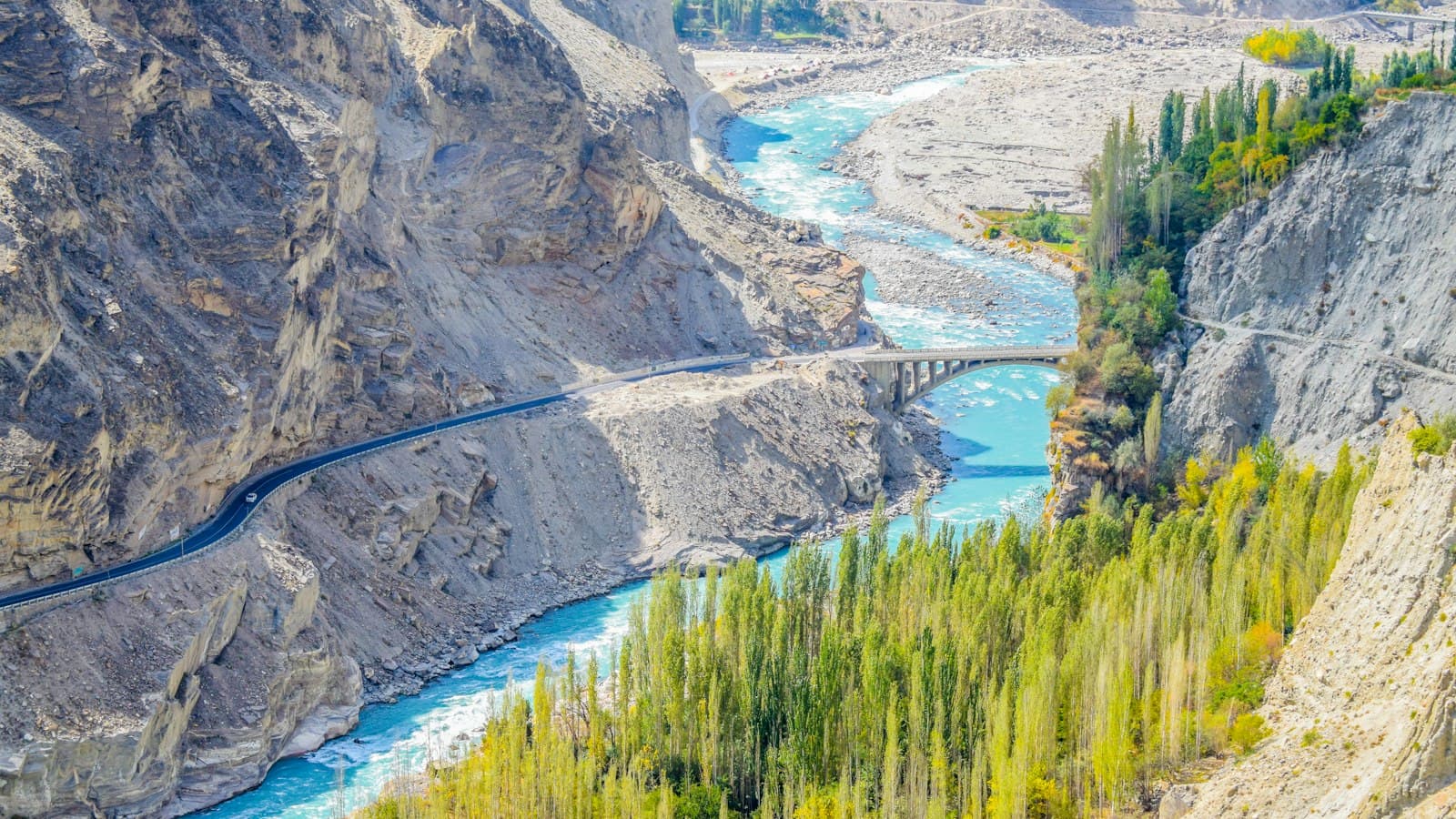
Start with the country itself. Pakistan runs from the Arabian Sea coast at Karachi up to the mountain valleys of the north, like the river valley pictured here. In between are big, busy cities with centuries-old landmarks, a proud food culture, and family life at the center of almost everything.
Language is less of a wall than people expect. The Constitution makes Urdu the national language and allows English for official purposes, so English keeps a formal role alongside Urdu. You'll still want some Urdu for markets, drivers and neighbors, and your in-laws will appreciate the effort.
Money goes a long way here, and section 02 has the numbers. The bigger point is that local salaries are low, so Pakistan works best when your income comes from somewhere else, or when an employer is paying you on an international scale.
Two logistics to know up front. Pakistan stays on UTC+5 all year with no daylight saving, which puts it nine to ten hours ahead of Eastern, by season, so a U.S. remote job means late nights. Getting there takes a connection: PIA's last flight to the U.S. was in October 2017, and its return still needed U.S. government approval when we checked.
Here's the catch
We'd rather be blunt now than after you've shipped your things.
Security is a real factor, not a footnote. As of June 2026, the State Department rates Pakistan Level 3, Reconsider Travel, citing armed conflict, terrorism, crime and kidnapping. Khyber Pakhtunkhwa, Balochistan and the area near the Line of Control are Level 4, Do Not Travel. U.S. government staff need special permission to go outside Islamabad, Lahore and Karachi, and the embassy says it has limited ability to help Americans elsewhere. The capital isn't immune: a February 2026 suicide bombing at a mosque on Islamabad's outskirts killed 32 people.
Some laws will rule people out. Same-sex sexual conduct is illegal, with jail terms from two years to life, so LGBTQ Americans should look elsewhere. Blasphemy laws cover private comments and social media posts and can carry the death penalty. Bringing alcohol into the country is illegal.
There's no easy visa for outsiders. Pakistan has no retirement, digital nomad or investor residence visa. If you don't have Pakistani roots, a Pakistani spouse, a job offer or a school place, there isn't a long-term route built for you.
Still here? You probably have a reason to be. The rest of this guide covers costs, the routes that do exist, healthcare and taxes, and where Americans tend to base themselves.
- Cost of living (single)
- $500/mo
- Safety index
- 45/100
- English proficiency
- 60/100
- Internet speed
- 25 Mbps
- Capital
- Islamabad
- Currency
- Pakistani Rupee (PKR)
02 · The numbers
What a month in Pakistan costs
$500
Single person, per month
all in, local prices
$850
Couple, per month
all in, local prices
$1,450
Family, per month
before private school
$100
One-bedroom, city center
$70 outside center
$2
Simple meal out
per our 2026 data
$7
Transit, per month
local fares
$16
Home internet, per month
about 25 Mbps
45/100
Safety index
moderate crime
How far your money goes, and what it won't cover
Those figures come from our 2026 cost data, in U.S. dollars, and they reflect local prices. A few things shape what you'll actually spend.
Your dollars and the rupee
On September 26, 2026, the open market was buying dollars at 277.85 rupees and selling at 278.3. At that rate, $1,000 turns into roughly 278,000 rupees. Rates move, so check before any big transfer, and use a transfer service rather than airport counters.
Local pay won't fund an American life
Pakistan's 2026-27 budget raised the federal minimum wage from Rs37,000 to Rs40,700 a month, or about $146. That's why Pakistan works best when you earn in dollars: a pension, Social Security, savings, or an expat salary from an international employer or organization.
Where the budget stretches, and where it doesn't
Everyday things like meals out, transit and internet are the easy part. Housing is where your choices matter most. If security is a priority for you, and it should be, expect to pay more than these averages for a place in a well-guarded neighborhood or building. Healthcare is another cash line: the State Department says most hospitals and doctors want payment up front, in cash, so keep a reserve you can reach fast.
Families should budget for private schooling separately.
Why the budget doesn't get you a visa
In most countries, a modest dollar income is exactly what gets you a visa. In Pakistan it isn't: there's no income-based residence visa at all. Your budget tells you whether you can live well here. Your family ties, your employer or your school decide whether you can stay. Section 03 walks through each route.
03 · Your route in
Every way an American can live in Pakistan

Most countries on our site have a visa you can qualify for with a pension or a remote paycheck. Pakistan doesn't. The immigration directorate lists tourist, business, work, study, family visit and medical visas, and none of them is built for retirees, remote workers or investors. What decides your route is your connection to the country.
Pakistani parents, grandparents or spouse: the Pakistan Origin Card
This is the strongest route here if you qualify. NADRA issues the Pakistan Origin Card (POC) to former Pakistani citizens, to foreigners with a Pakistani parent or grandparent (living or deceased), and to foreigners married to a Pakistani citizen or origin person. Spouses who are citizens of India or Bangladesh are excluded. A POC holder can enter without a visa and stay indefinitely while the card is valid, and can buy, sell and own property. A new card costs $150 at normal speed (31 days), $200 urgent or $250 executive, as of September 2026. One trade-off: if you enter on a POC, the State Department says Pakistan treats you as a Pakistani citizen, which can limit the help the U.S. Embassy can give you if you're arrested.
Hired by an employer: the work visa
The work visa starts as a three-month single entry and can be extended for up to two years with multiple entries. Extensions need a security clearance, so build in time.
Running a business: the business visa
Business visas can run up to five years with multiple entries. Pakistan also offers a 30-day single-entry business visa on arrival to businesspeople from 95 countries, applied for online 48 to 72 hours before you fly. Check whether the U.S. is on the current list before counting on it.
Studying: the study visa
Study visas run two years after security clearance and need a no-objection certificate (NOC) from the relevant ministry.
Visiting relatives: the family visit visa
The family visit visa can be valid for five years, with stays of up to one year at a time. If you don't qualify for a POC but have family in Pakistan, ask the embassy whether this fits you.
Everyone else: the tourist e-visa
Pakistan suspended its free visa-prior-to-arrival for 126 nationalities, Americans included, on January 1, 2026. You now apply for a standard e-visa, which costs $60 for U.S. citizens and asks for more paperwork, including proof of where you'll stay. Official processing is up to seven business days, but some applicants report waits of up to 20, so apply four to six weeks ahead. A tourist visa is valid for three months with double entry and can be extended to six months at most. It's a scouting tool, not a way to live here. Overstaying brings fines; anyone more than a year past expiry is blacklisted and given one-time permission to leave.
The long game: citizenship
A foreigner can naturalize after at least four years of residence within a seven-year period, plus a further year immediately before applying, and must show proficiency in one of Pakistan's languages. The U.S. is one of 22 countries on Pakistan's dual-nationality list, so you don't have to give up your U.S. passport. Foreign women married to Pakistani men need five years of total stay in Pakistan to apply through marriage. There's no matching route for foreign husbands of Pakistani women.
Pakistan's visas side by side
| Visa | Category | Application cost | Processing | Difficulty | Guide |
|---|---|---|---|---|---|
| Business-Investor Visa (Long Term, 5 Years) | investment | $200 | ~10 days | 3/5 | Guide |
| Study Visa | student | $120 | ~30 days | 2/5 | Guide |
| Work Visa | skilled work | $100 | ~2 days | 3/5 | Guide |
Six things to sort out before you fly
Six months on your passport
Your U.S. passport needs at least six months of validity beyond your arrival date. Renew before you apply for the visa, not after.
A polio dose before you leave
Residents and long-term visitors need a polio dose four weeks to 12 months before flying out, with a certificate from NIMS NADRA. The WHO extended the rule again in September 2026.
Register your phone
A phone from home works for 120 days once you register it with PTA using your passport and a local SIM in your name. One device per person.
Paperwork for pets
Dogs and cats need a health certificate from a licensed vet. USDA endorsement isn't required for Pakistan, so the vet visit is the step to start early.
Leave the wine at home
Bringing alcohol into Pakistan is illegal for everyone. Non-Muslims and foreigners can buy and drink it only in limited, licensed settings such as licensed hotels; five in Islamabad hold licenses.
Plan the route in
PIA hasn't flown to the U.S. since October 2017, so plan on a connecting route and budget the extra hours for family emergencies.
04 · The practical stuff
Healthcare, taxes, money and daily life
The questions every American asks, answered with what the official sources say.
Healthcare
The State Department says health facilities in major cities vary in quality and range, may be below U.S. standards, and adequate care can be hard to find in rural areas. The top end is strong: Aga Khan University Hospital in Karachi is accredited by Joint Commission International and won JCI Gold Seals for heart bypass and cataract surgery in April 2026. Most hospitals and doctors expect cash payment, so carry international coverage you can claim on afterward and keep cash on hand. Hunter Schultz, a healthcare coach we work with, helps you plan which hospitals to use and what coverage you need, and ExpatInsure can quote the policy.
Taxes
You'll be dealing with two tax systems. You become a Pakistani tax resident once you spend 183 days or more in a tax year, and the tax year runs July 1 to June 30. Residents are taxed on worldwide income. For salaried income, the first PKR 600,000 a year (about $2,160) is taxed at zero and the top rate is 35% above PKR 7,000,000 (about $25,150), per PwC's latest summary. Non-salaried people earning over PKR 10 million a year pay an extra 10% surcharge. The U.S. still taxes you as a citizen, and the two countries have had an income tax treaty since 1957. MyExpatTaxes handles the U.S. return, including the credits and exclusions that stop you paying twice.
Moving money
Banks set their own document rules for foreigners, so ask your chosen bank what it needs before you land. POC holders get help with banking along with property and business matters. For moving dollars into rupees, Moneycorp can set up transfers and lock in a rate.
Daily life
Roads outside the big cities are poorly maintained and weather dependent, and night driving is risky because many vehicles don't have working headlights. The monsoon is serious too: the June to September 2025 floods killed more than 1,037 people, with Khyber Pakhtunkhwa and Punjab hit hardest. One warning the State Department makes directly: some American women in Pakistan have had their passports taken by spouses, parents or other relatives. Keep copies and know where your passport is.
Rules here moved fast in 2026
Pakistan's visa rules changed on January 1, 2026, the WHO renewed its polio travel rule in September 2026, and the travel advisory was last updated in June 2026. Everything here reflects what we found in September 2026. Confirm current rules with the embassy or a licensed professional before you file or book anything.
05 · Choosing a base
Where Americans set up in Pakistan
Pakistan's own geography sorts this for you. The State Department only lets its staff travel outside Islamabad, Lahore and Karachi with special permission, and the embassy has limited ability to help Americans beyond them. If you're choosing a base rather than joining family, these are the three to weigh.
Islamabad
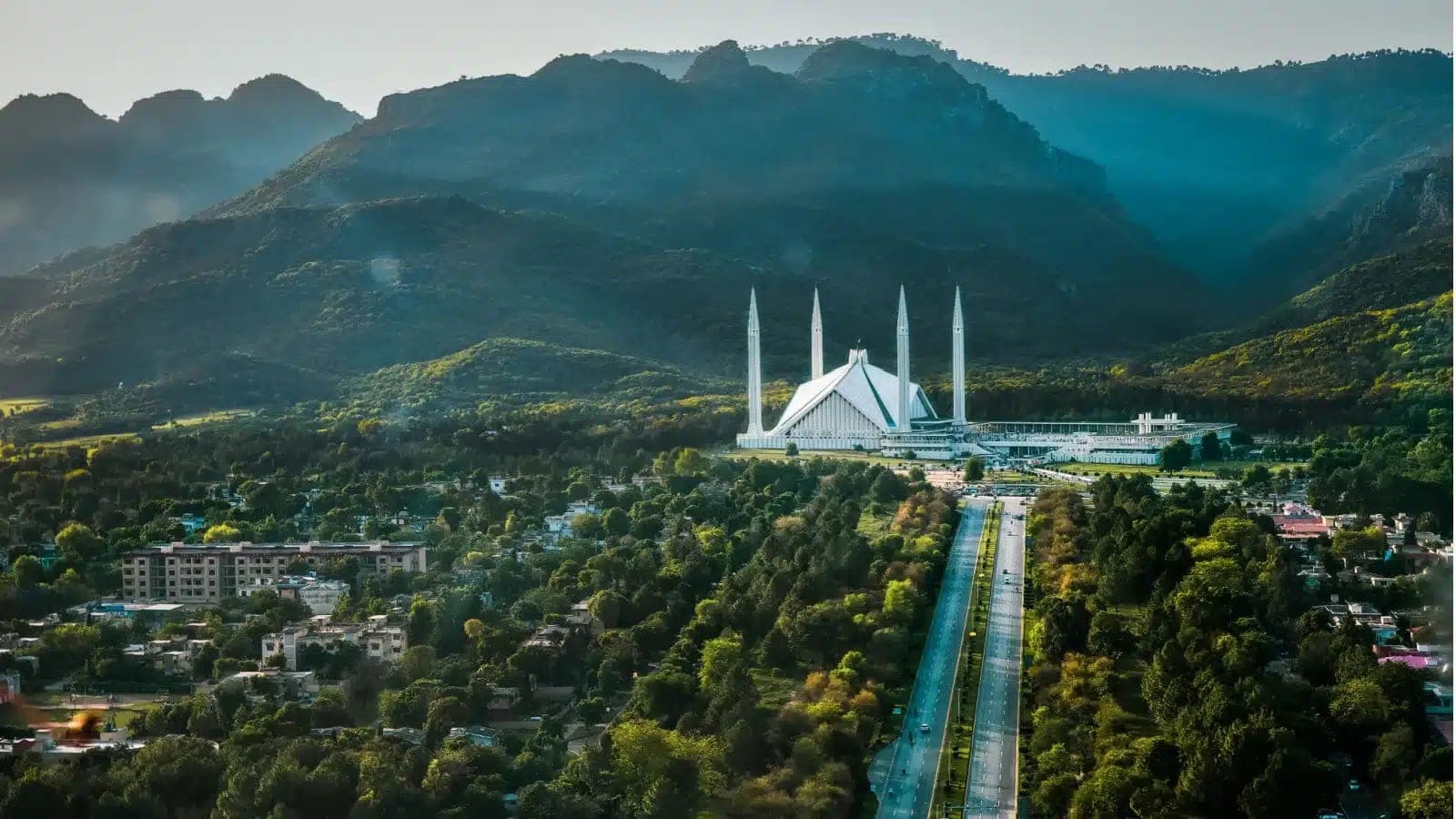
The planned capital, set against green hills, with the embassy and the diplomatic community. It feels orderly and green, but February 2026's mosque bombing on the city's southeastern outskirts is a reminder that the capital isn't insulated.
Lahore
The cultural heart of Punjab, with Mughal landmarks like the fort pictured in section 03 and a serious food scene. The downside is air. IQAir puts Lahore's 2024 average fine-particle pollution at more than 20 times the WHO guideline. Winter is the worst stretch, so anyone with asthma or young kids should think hard.
Karachi
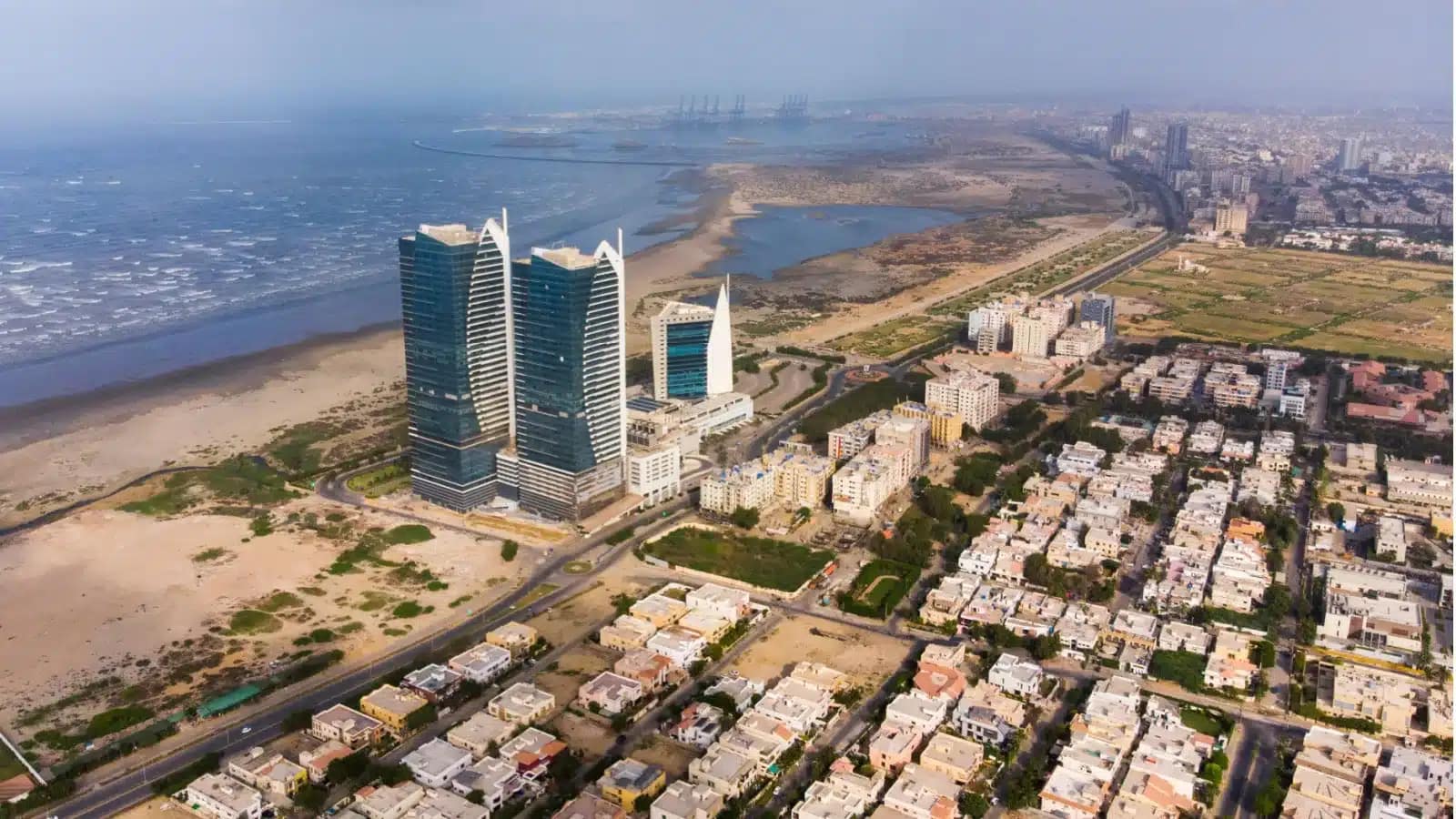
The biggest city and the business center, on the Arabian Sea, with Aga Khan University Hospital. Street crime is the everyday worry: the State Department's security service says phone and motorcycle theft are common.
Moving to a family hometown instead? That can work well socially, but check where it sits on the travel advisory map first.
06 · Help from home
The move team that travels with you
We don't yet have a Pakistan-based partner, so we'll say so plainly. What we do have are the people who handle the parts of any move that travel with you: health coverage, U.S. taxes, money transfers, your pets, your paperwork and your shipment, plus cultural coaching for the adjustment. Here they are, grouped by what they do.

Hunter Schultz
Healthcare Coach
A healthcare coach with more than 20 years of expat living and a background in air medical transport. In a one-hour consult he maps which hospitals and what level of care fit your needs in your new country.
Learn more
ExpatInsure
Global Health Insurance
Expatsi's international health insurance partner, led by Andy Seale and Stephanie Edwards. They match you with a global plan, which matters in a country where hospitals expect payment up front.
Learn more
MyExpatTaxes
U.S. Expat Tax Service
Tax software and support built for Americans abroad, filing U.S. returns since 2018. Useful the first year you're taxed by two countries at once.
Learn more
Moneycorp
Currency Exchange
A currency exchange and international payments firm working since 1979, with Kelly Cutchin as the contact for U.S. clients. They can lock an exchange rate for up to two years and assign you a dedicated specialist.
Learn more
Bodzin Pet Travel Solutions
Pet Relocation
Aliza Bodzin's Pennsylvania-based pet travel advisory gives dog and cat owners worldwide personalized trip and relocation planning and advice.
Learn more
Legalize That Doc
Document Preparation
Melissa Di Nardo's team gets U.S. documents ready for use abroad: birth and marriage certificates, FBI background checks, apostilles and embassy legalizations.
Learn more
Aqua Moving Services
Worldwide Shipping and Moving Service
International movers who survey your belongings once and return three competing quotes from vetted partners, so you can compare shipping costs side by side.
Learn more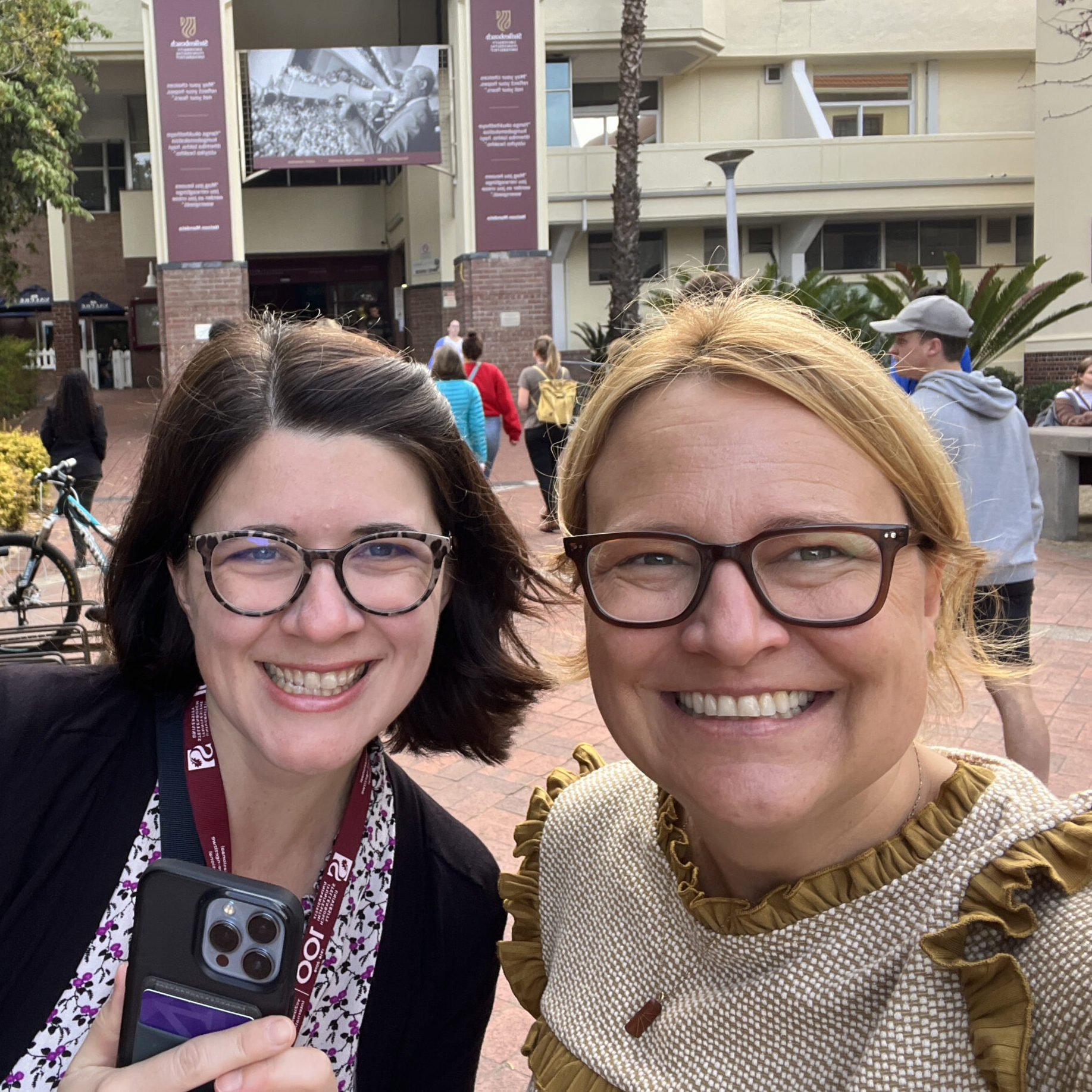
Culturosity Co.
Cultural Skills Coach
Jennifer and Janka run intercultural training through one-on-one coaching and group workshops, built on research-backed cultural frameworks. A good call before you join a family or workplace with very different norms.
Learn more07 · Quick answers
Pakistan questions Americans ask us
Can I retire in Pakistan as an American?
Not on a retirement visa, because Pakistan doesn't have one. If you have a Pakistani parent or grandparent, or a Pakistani spouse, the Pakistan Origin Card lets you enter without a visa and stay indefinitely while the card is valid, and it costs $150 at normal speed as of September 2026. Without those ties, there's no long-term route designed for retirees.
How much does it cost to live in Pakistan?
Expatsi's 2026 cost data puts a single person at about $500 a month and a couple at about $850, with a one-bedroom city-center apartment around $100. Budget more for well-secured housing, private schools and cash for medical care. For comparison, Pakistan's 2026-27 minimum wage is Rs40,700 a month, about $146.
Do Americans living in Pakistan pay Pakistani taxes?
If you spend 183 days or more in Pakistan's July-to-June tax year, you become tax resident and are taxed on worldwide income. You'll still file U.S. returns as a citizen. The two countries have had an income tax treaty since 1957, and U.S. foreign tax credits or exclusions can keep you from paying twice on the same income.
Is Pakistan safe for Americans to live in?
It carries real risk. As of June 2026 the State Department rates Pakistan Level 3, Reconsider Travel, for armed conflict, terrorism, crime and kidnapping, and Khyber Pakhtunkhwa, Balochistan and the Line of Control area are Level 4, Do Not Travel. U.S. staff need special permission to leave Islamabad, Lahore and Karachi, and the embassy has limited ability to help elsewhere.
What is a Pakistan Origin Card and who can get one?
It's a NADRA card for former Pakistani citizens, foreigners with a Pakistani parent or grandparent, and foreigners married to a Pakistani citizen or origin person (spouses from India and Bangladesh are excluded). Holders enter without a visa, stay indefinitely while it's valid, and can own property. Pakistan treats POC holders as citizens, which can limit U.S. consular help.
Can a U.S. citizen move to Pakistan?
Yes, but only through a route tied to a reason to be there. Pakistan has no retirement, digital nomad or investor residence visa. The routes that exist are the Pakistan Origin Card (for people with Pakistani parents, grandparents or a Pakistani spouse), a work visa, a business visa, a study visa or a family visit visa. A tourist e-visa lasts three months and can be extended to six at most.
Can I keep my U.S. citizenship if I become a Pakistani citizen?
Yes. The United States is one of 22 countries on Pakistan's dual-nationality list, and citizens of those countries don't have to renounce their nationality to become Pakistani. Naturalization requires at least four years of residence within seven years, plus one more year immediately before applying, and proficiency in a Pakistani language.
Do Americans need a visa to visit Pakistan in 2026?
Yes. The State Department says U.S. citizens need a visa obtained before travel, and a passport valid for six months beyond arrival. Pakistan suspended its free visa-prior-to-arrival for Americans and 125 other nationalities on January 1, 2026. The standard e-visa now costs $60 for U.S. citizens and takes up to seven business days, though some applicants report waits of up to 20.
Sources
- Pakistan Travel Advisory (Level 3, updated June 2026) · U.S. Department of State (checked September 2026)
- Pakistan International Travel Information · U.S. Department of State (checked September 2026)
- Pakistan Origin Card (POC) · NADRA (checked September 2026)
- Visa Categories · Directorate General of Immigration & Passports (checked September 2026)
- Dual Nationality · Directorate General of Immigration & Passports (checked September 2026)
- Pakistan suspends free visa prior to arrival for 126 nationalities · Passport Index (checked September 2026)
- Pakistan: Taxes on personal income · PwC Worldwide Tax Summaries (checked September 2026)
- Pakistan: Individual residence · PwC Worldwide Tax Summaries (checked September 2026)
- Pakistan tax treaty documents · IRS (checked September 2026)
- Temporary registration of mobile devices: FAQs · Pakistan Telecommunication Authority (checked September 2026)
- Pet travel from the United States to Pakistan · USDA APHIS (checked September 2026)
- Lahore among top 10 most polluted cities in the world · IQAir (checked September 2026)
- Pakistani nationality law · Wikipedia (checked September 2026)
See where you'd fit best
Take the free Expatsi Test to compare Pakistan with other countries on the things that matter to you: cost, safety, healthcare and climate.
Why not you?