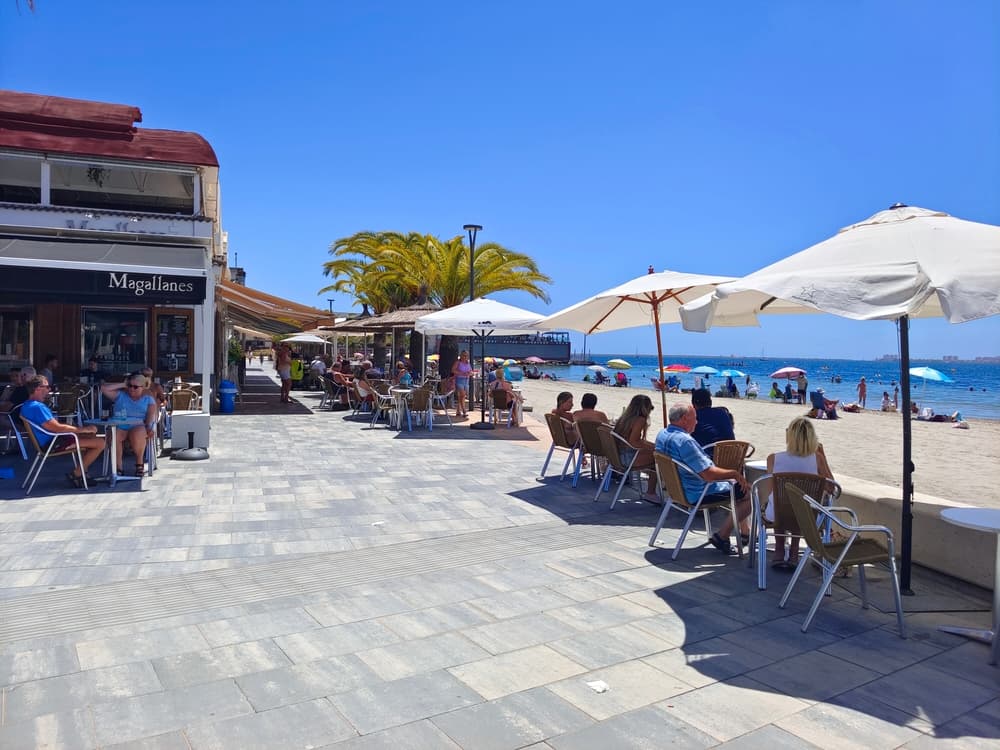
Murcia: real Spanish city life, without the coastal price tag
Spain's seventh-largest city sits in the sunny southeast, close to the Costa Cálida beaches but priced well below Madrid, Barcelona, and the coastal expat hubs.
- 479,405
- Population (2025)
- $1,800/mo
- Monthly budget · single
- 66°F / 19°C
- Avg temperature
Budget about $1,800 a month in U.S. dollars for one person in Murcia, roughly $2,700 for a couple, and around $3,900 for a family. A one-bedroom apartment averages about $750 in the center and about $600 outside it. Murcia is the cheapest of any Spanish city we cover, so housing takes a far smaller bite here than in Madrid, Barcelona, or even nearby Alicante.
Murcia is the capital of its own region, a university city of about 479,000 people set in the fertile river valley locals call the huerta. It suits people who want real Spanish city life at a modest price: retirees stretching a fixed income, remote workers who'd rather fund travel than rent, and families drawn to a walkable city with a safety index around 72. English is less common here than on the coast, so daily life leans on Spanish far more than it does in the beach towns built around tourism.
The trade-off is summer. July and August days here average 94°F; it's dry enough that rain almost never interrupts them. Air conditioning is not optional, and neither is a siesta-shaped schedule from June through September.
At a glance
$1,800
Monthly budget · single person
$750/mo 1-bed rent, center
72/100
Safety index
$35
Internet / month
66°Fannual average
Jan 52° · Aug 83°
Climate
479,405
Population (2025)
Expatsi estimates, updated Aug 2026, based on rental listings, government statistics, and local reporting.
Cost of living
What it costs to live in Murcia
Single person
$1,600–$2,000/mo
about 40% below Austin, TX
Couple
$2,400–$3,000/mo
about 40% below Austin, TX
Family of four
$3,200–$4,600/mo
about 50% below Austin, TX
Compared with Austin, TX (Expatsi estimate, 2026).
- $12 −40%
- Inexpensive meal
- $700–$850/mo −62%
- 1-bed rent, center
- $500–$650/mo −56%
- 1-bed rent, outside
- $35/mo −46%
- Internet
- $35/mo −15%
- Transit pass
- $204/sq ft −69%
- Buy price, center
Expatsi estimates, updated Aug 2026, based on rental listings, government statistics, and local reporting.
Daily life
How Murcia lives
- B grade, 45th percentile among the cities we track
- Dining & caféstypical
- B+ grade, 61st percentile among the cities we track
- Arts & culturestrong
- A grade, 93rd percentile among the cities we track
- Parks & outdoorsstandout
- A- grade, 72nd percentile among the cities we track
- Schools & educationstrong
- B+ grade, 64th percentile among the cities we track
- Healthcare accessstrong
- A- grade, 71st percentile among the cities we track
- Bike infrastructurestrong
- A- grade, 82nd percentile among the cities we track
- Public transitstrong
- A+ grade, good physical accessibility
- Accessibilitygood
Graded on OpenStreetMap amenity density relative to the 298 cities we track. Accessibility is the exception: it's graded against a fixed standard (terrain steepness and sidewalk surfaces), not a curve.
Climate
Weather through the year
Annual average 66°F (19°C) · 11 in of rain a year · Source: Meteostat station normals (08430, 1991-2020)
On the ground
Scenes from Murcia
Getting around
Transport in Murcia
Murcia's compact center does most of the work. The old town, Cathedral quarter, and shopping streets around Gran Vía are dense and flat. Daily errands on foot are the norm for people living centrally.
Public transit is a mix of city buses run under the TMP Murcia banner and the Tranvía de Murcia, a modern V-shaped light rail route linking the northern districts and the Nueva Condomina stadium and mall to the University of Murcia campus at Espinardo. Trams come about every 10 minutes on weekdays and every 30 on weekends. A shuttle branch serves the UCAM campus at Guadalupe, though reaching it means changing at Los Rectores-Terra Natura. About $35 a month covers regular use.
The ground here is genuinely flat, which makes cycling and scooters practical. Bike lanes have also spread along the Segura River and the main avenues. Renfe runs from the del Carmen station to Alicante and Madrid, with AVE high-speed service to the capital since December 2022 at a best time just under three hours.
Whether you need a car depends on your radius. You can live centrally without one, though you'd be in the minority: a 2025 mobility survey found 72 percent of residents use a car as their usual transport, the highest share of any Spanish city. This fits a municipality that's spread across 55 outlying pedanías. For the Mar Menor beaches or the sierras, owning a car helps a lot, since coastal transit thins out once summer ends.
- 58/sq mi
- Transit stops
- 31/sq mi
- Bike infrastructure
- 12/sq mi
- Wheelchair-accessible places
Mapped features per square mile from OpenStreetMap.
Keep exploring
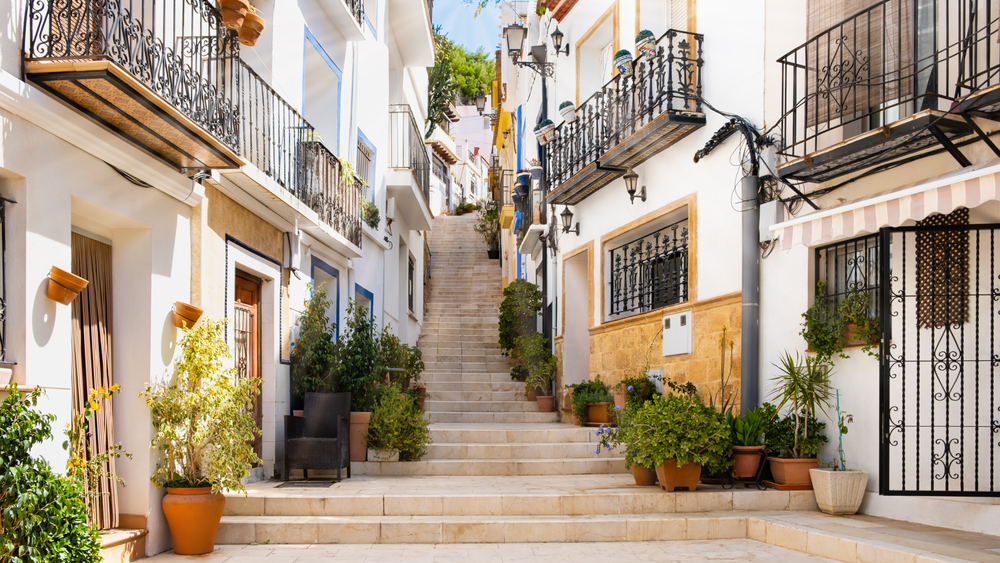
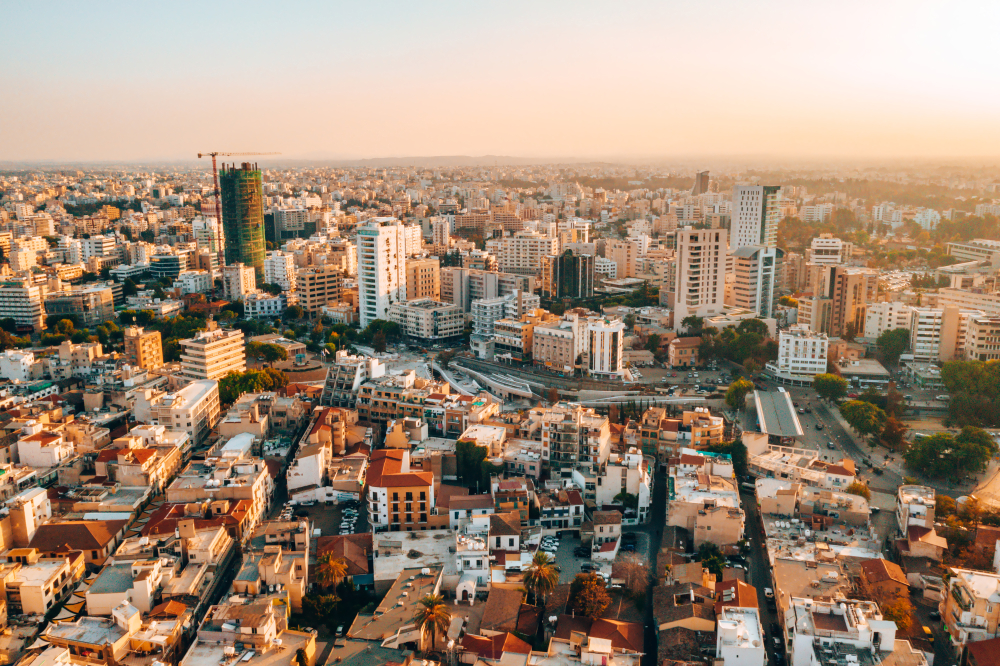
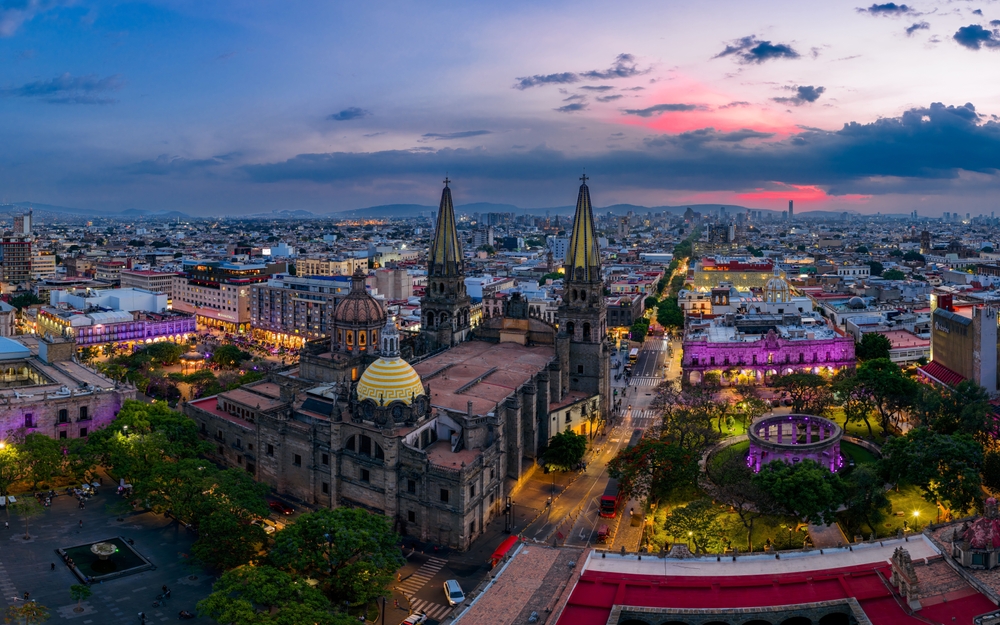
Places like Murcia

Community
Community & practical notes
The expat scene: Murcia's foreign community skews toward students (two universities bring real international churn), Latin American immigrants, and a modest but growing set of British and northern European residents. Many of the English speakers actually live out toward the coast and golf resorts, using the city for services. Americans are still rare enough to be a novelty. Day to day Murcia's a Spanish-speaking city; your social life will grow faster through language exchanges, gyms, and neighbors than through any established American scene.
Healthcare: Spain's public system covers legal residents. Murcia city has good hospital coverage, including the large Hospital Clínico Universitario Virgen de la Arrixaca that's just south of town. As a newcomer on a non-lucrative or digital nomad visa, you'll need private insurance first, typically until you can access the public system through work contributions or convenio especial buy-in after a year of residency. Private policies for visa purposes are affordable by U.S. standards. However, expect paperwork in Spanish and appointment systems that assume you have a local phone number and patience.
Limited mobility: Murcia starts from a real advantage. The city sits on flat valley floor; the hills are all outside the built-up area, and the pedestrianized center removes a lot of curb conflict. The bus operator says every vehicle has a ramp, kneeling system, and low floor, and the tram is step-free end to end. Murcia was also the first Spanish city to fit NaviLens signage, helping blind and low-vision riders, to a complete tram line. The counterweight comes from FAMDIF, the regional disability federation, which says the region falls short of its own 2024 accessibility rules and reports broken ramps, too little wheelchair space, and non-compliant stops on Murcia buses. Older buildings without elevators are the other catch; screen apartments carefully and test the routes you'd actually use.
Remote work: Fiber internet runs about $35 a month. Murcia has a handful of coworking spaces in and around the center, plus university-linked startup activity; the regional economy leans on agriculture and food processing, logistics, and services, so local hiring opportunities in English are limited. Most Americans here work remotely for employers elsewhere; Spain's digital nomad visa makes that a legal, taxable arrangement.
Retirement: Spain's non-lucrative visa is the standard retirement route. It requires proof of passive income (the threshold is pegged to Spain's IPREM index and rises most years), full private health coverage, and a clean background check; it doesn't allow you to work. Murcia's budget levels make the income requirement comfortable for many Social Security plus savings situations. Renewals, the residency card process, and eventual tax residency deserve real planning. Start with our overview of retirement visa options and the full Spain country guide.
Housing
Renting and buying
- 1-bed rent (center)
- $700–$850/mo
- 1-bed rent (outside center)
- $500–$650/mo
- Buy price (center)
- $204/sq ft
- Buy price (outside center)
- $153/sq ft
Expatsi estimates, based on rental listings, government statistics, and local reporting.
Good to know
Frequently asked questions
Do people speak English in Murcia?
Less than in Madrid, Barcelona, or the coastal resort towns. Younger people and university circles manage some English, but daily life, bureaucracy, and healthcare mostly run in Spanish. Treat that as a feature if you want immersion, but budget time and money for Spanish classes early on.
How does healthcare work for expats in Murcia?
New arrivals need private health insurance, which is required for most visas and costs far less than U.S. coverage. Once you're a legal resident working and contributing, or after buying into the public system via the convenio especial, you can use Spain's public healthcare, anchored locally by the large Virgen de la Arrixaca university hospital.
What is the weather like in Murcia? Does it get cold in winter?
Murcia is the driest of the Spanish cities we cover, essentially tied with Alicante, at about 11 inches of rain a year and an annual average near 66°F (19°C). Winters are mild and sunny, with January days averaging 63°F and nights near 42°F, so a light jacket usually does. Summer is the real challenge: July and August days average 94°F, and hotter spells sit on top of that.
Is Murcia safe for Americans?
Yes. Murcia scores about 72 on the safety index with a crime index near 28, higher than every larger Spanish city we cover, including Madrid, Barcelona, and Valencia. OSAC and the State Department describe violent crime in Spain as generally uncommon and put the real risk in pickpocketing and distraction scams, which cluster in the big tourist centers. Neither publishes Murcia-specific guidance.
How much does it cost to live in Murcia, Spain?
One person should plan on roughly $1,800 a month, a couple $2,700, and a family $3,900, all in U.S. dollars. Rent is why those totals land so low: in the center a one-bedroom averages about $750, dropping to roughly $600 further out. An inexpensive restaurant meal runs $12.
Do I need a car in Murcia?
Not for city life. The center is flat and walkable, the tram and city buses cover the urban area, and about $35 a month buys regular transit use. A car earns its keep for the coast and the countryside, and most people here drive as a matter of habit.
Can I retire in Murcia?
Yes, most American retirees use Spain's non-lucrative visa, which requires proof of passive income, private health insurance, and a clean record. Murcia's single budget of about $1,800 a month ties Granada and Oviedo as the lowest of the Spanish cities we cover, so the income requirement stretches further here. Note that after 183 days a year you become a Spanish tax resident, which affects how your retirement income is taxed.
How do Americans move to Murcia?
You need a long-stay visa before arriving. The most common routes are the non-lucrative visa (passive income, no work allowed), the digital nomad visa for remote workers, a student visa, or a work visa with a Spanish employer. Applications start at a Spanish consulate in the U.S., and after arrival you register locally and get your residency card.
See how Murcia fits your life
Take the free Expatsi Test and compare Spain to nearly 200 countries on what actually matters: cost, healthcare, climate, and safety. About five minutes.
Why not you?