Switzerland
Switzerland caps work permits for Americans at 8,500 a year
One person spends about $3,800 a month here, and no country we've published a guide for costs more. Here's what that buys, and how you get a permit at all.
Switzerland is the country that works. Trains leave on the minute. The tap water is glacier melt. The systems do what they say they will. It's also the country that asks you to renew your permission to be there, once a year, for a decade. What follows: what a month costs, which permits exist for an American, what the first year of paperwork looks like, and which cities people land in. Every figure is from September 2026 and it's dated on purpose.

Reviewed and updated September 18, 2026 · 12 min read
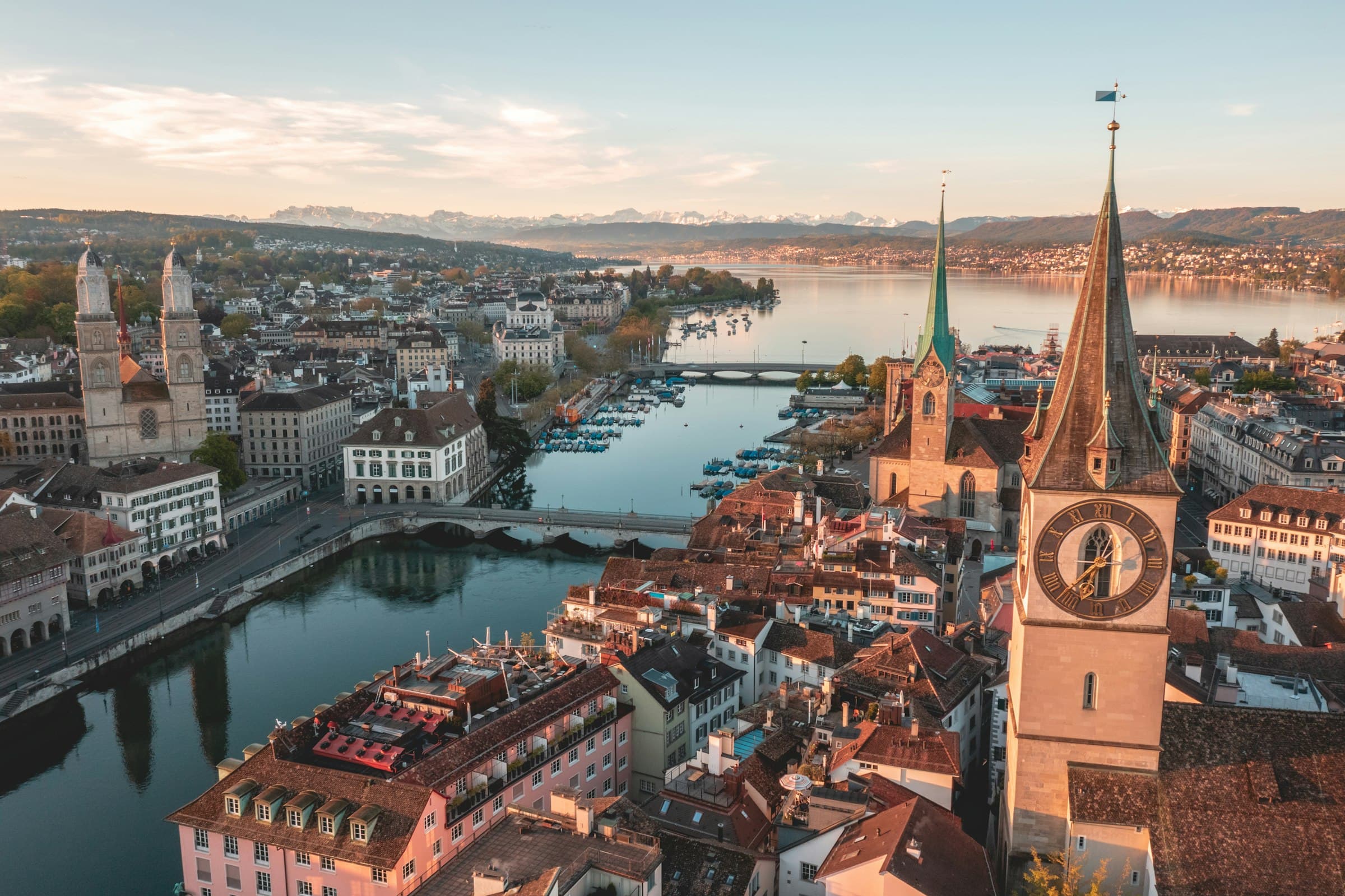
01 · The case for Switzerland
What Switzerland actually gives you for the money
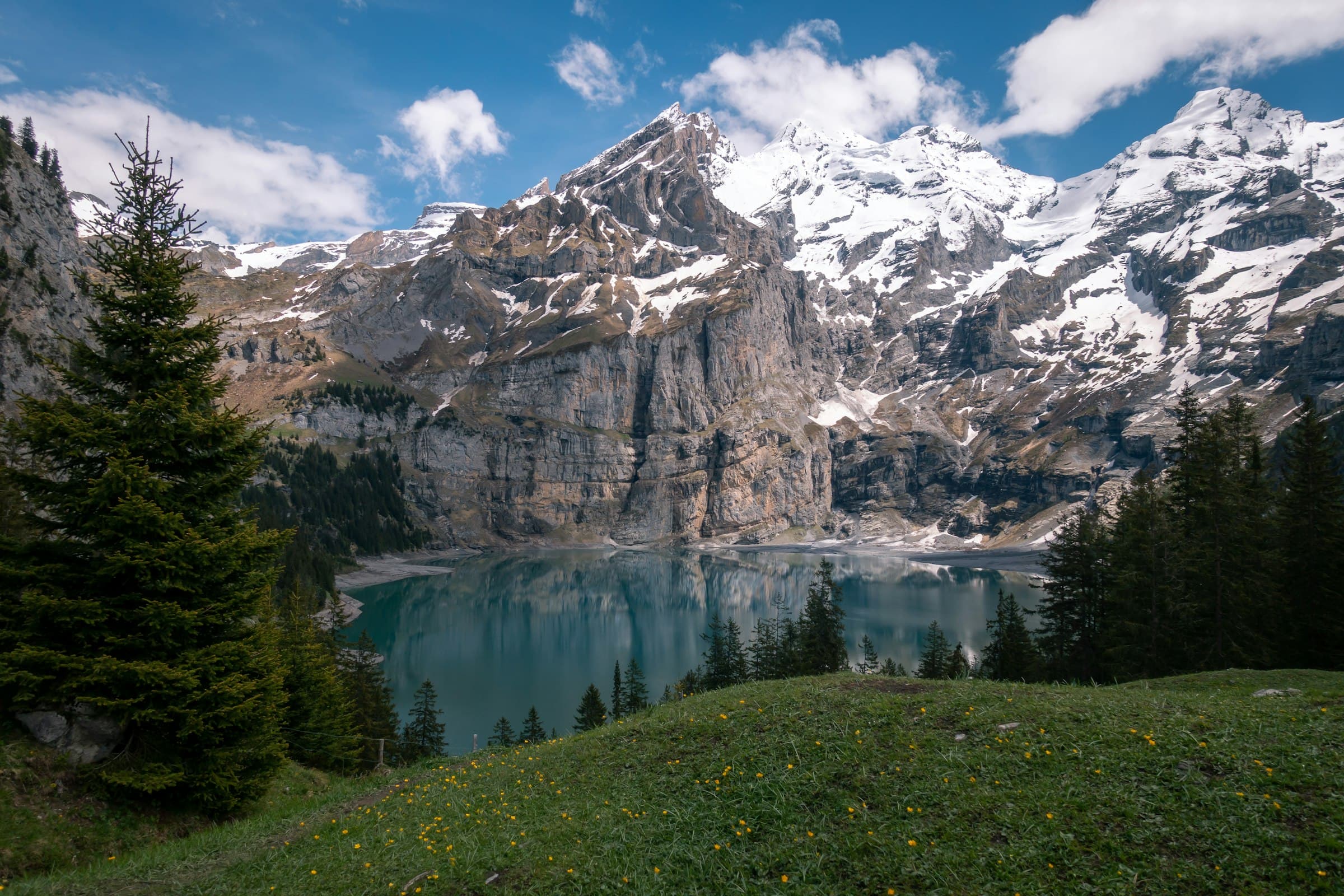
Start with what nobody argues about. Switzerland is small enough to cross in a day and holds four national languages while doing it. Our own country data scores its healthcare 92 out of 100, the highest reading of the 107 countries in that table. Public transport is the default here, not a virtue. You can be on a glacier at lunch and back at a desk by four.
The money is real, too. A median full-time wage works out around $8,600 a month, which Switzerland's federal statistics office publishes as 7,024 francs. A 13th payment at the end of the year is customary on top. Pay isn't evenly spread, though. The bottom tenth of full-time workers earn under 4,635 francs a month. The top tenth clear 12,526 francs.
More than a quarter of the people here are foreign nationals. The population passed 9.13 million at the end of 2025, almost entirely because of migration. That isn't a quiet fact locally. In June 2026, voters were asked to cap the population at ten million and said no - 54.8 percent against. The rules didn't change. The argument didn't end, either.
Here's the catch
Switzerland placed 22nd of 31 countries in the 2026 InterNations Expat Insider survey, and the reasons are social rather than scenic. It came 26th for how easy it is to settle in, 26th for local friendliness and 28th for making local friends. More than half the respondents said their friends are mostly other foreigners. Housing scored 27th. The same survey put Switzerland first in the world for environment and eighth for quality of life, which is the whole problem in one line.
So the tradeoff is legible before you sign anything. You get a country that runs, pays well and feels very safe. You pay for it in francs. Then, you pay again in the years it takes to stop being the new one.
- Safety index
- 82/100
- English proficiency
- 75/100
- Internet speed
- 220 Mbps
- Currency
- Swiss Franc (CHF)
- Capital
- Bern
02 · The price of a month
What a month costs, before you feel rich
$3,800
One person, a month
Rent, food, transit and the rest of it
$6,150
A couple, a month
Before either of you buys a ski pass
$2,000
One-bedroom, city center
Nearer $1,700 outside the core
$568
Health insurance, per adult
Compulsory, and billed to you directly
$31
Lunch out
The number that makes people cook
$100
Monthly transit pass
For a network that runs to the minute
A big salary and a bill for every bit of it
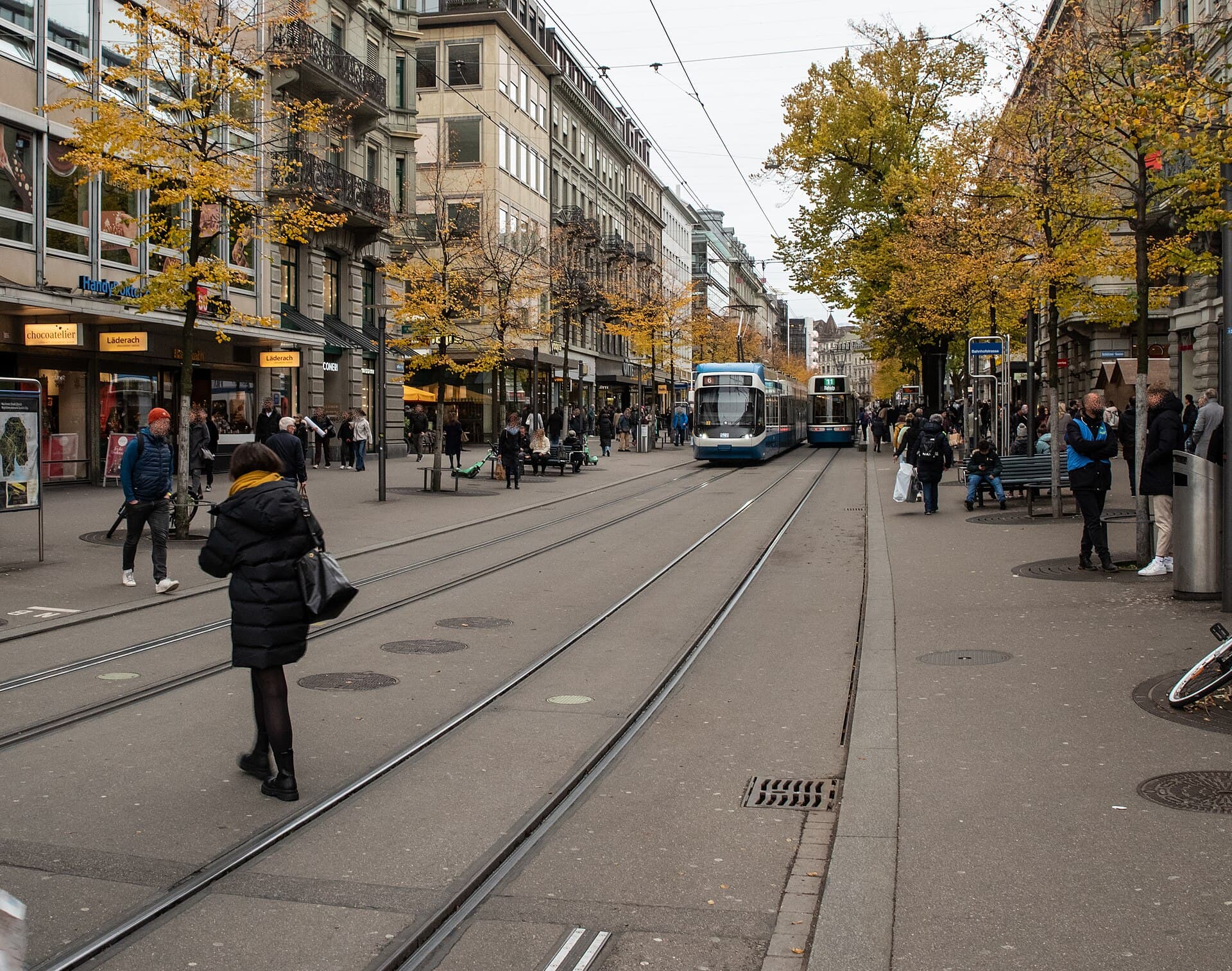
The salary is real, and so is the arithmetic
A Zurich offer worth roughly $183,000 a year gets written as 150,000 francs. It isn't that figure divided by 12. Thirteen payments are normal, so divide by thirteen. Take off social insurance and a pension contribution. If you hold a B or L permit, tax comes off the payslip, too. What lands is still a strong number by European standards. It just isn't the number in the offer letter.
Health insurance is a separate bill, and it isn't small
Basic cover is compulsory for every resident within three months of arrival. You buy it yourself from a private insurer. No employer does it for you. The 2026 average for an adult is about $568 a month, which the federal health office publishes as CHF 465.30, up 4.1 percent on last year. You also choose a yearly deductible between roughly $366 and $3,050, set in law at CHF 300 to CHF 2,500. Above that you pay a 10th of costs up to an annual ceiling. Every insurer has to accept you, whatever your medical history.
Your canton writes most of the bill
Federal income tax tops out at 11.5 percent and barely matters. Cantons and communes do the real work. KPMG puts the top combined rate near 22 percent in Zug and near 43 percent in Geneva for 2026. Those are marginal rates on the last franc, not what an ordinary salary pays. Two more lines trip Americans up. Every canton charges an annual tax on your worldwide net worth, not only on your income. And VAT sits at 8.1 percent, which is part of why a restaurant bill stings less than the rent does.
Why the permit comes before the apartment
The order matters here more than the budget does. A Swiss employer files for you. The canton and the federal migration office decide. Only then does a landlord look at your file. Plan the move around a school district or a favorite valley and you'll be working the sequence backwards. Sort the permit, then the postcode.
03 · The ways in
The doors that are open, and the ones people imagine
A Swiss employer, and a quota
Americans are third-country nationals here with no shortcut. Your employer files with the cantonal labor market office. It has to show the job couldn't be filled by a Swiss or EU candidate. The file then goes to the federal migration office, which draws on a national quota. For 2026, the Federal Council left that quota where it was: 8,500 permits for qualified workers and specialists, split into 4,500 residence permits and 4,000 short-stay permits. Cantons had used about half of the 2025 allocation by the end of that September. So the ceiling is rarely what kills a file. The labor market test is the culprit.
A university place
Study permits sit outside the worker quota, which makes them the one route that doesn't depend on an employer. You need an acceptance letter, proof you can fund the year, and housing. Public university tuition is low by American standards. The permit is tied to the studying, though, and staying afterwards means finding an employer willing to run the process above.
Retirement, at 55, with strings
Switzerland has no retirement visa in the way Portugal or Panama mean it. The route exists anyway. Article 28 of the Foreign Nationals Act lets a canton admit someone aged 55 or over who has stopped working everywhere in the world, can fund themselves without public help, and has close personal ties to Switzerland. Swiss courts read that last test strictly. A sister in Bern doesn't satisfy it on its own. Years of real presence, some language and a documented life here are what persuade a canton, and the canton can still say no.
A tax deal, not an investment program
There's no golden visa and no citizenship by investment. Wealthy arrivals use lump-sum taxation instead, where a canton taxes you on your spending rather than your worldwide income. The federal floor for that deemed base in 2026 is about $530,000, set by ordinance at CHF 434,700. Ordinary rates then apply to it. Five cantons have scrapped the regime, Zurich and both Basels among them.
What is not on the list
There's no digital nomad visa. There's no route through property either. Buying a Swiss apartment grants you exactly nothing in immigration terms. The law runs the other way around: the permit is what lets you buy.
Put the three permits next to each other
| Visa | Category | Application cost | Processing | Difficulty | Guide |
|---|---|---|---|---|---|
| Residency by Investment | investment | $50,000 | ~180 days | 5/5 | Guide |
| Student Visa | student | $88 | ~60 days | 3/5 | Guide |
| Work Visa (Long-Term) | skilled work | $88 | ~60 days | 4/5 | Guide |
About that data card
Those three rows are what our database tracks, not what Switzerland runs. The Article 28 retirement route and family reunification both exist, and neither has a row up there, so read the table as a shortlist. The difficulty score is our own reading rather than a Swiss grade. The $50,000 in the cost column for the investment route is an estimate of what arranging it takes, not a fee we can trace to any published Swiss schedule; the recurring bill is ordinary tax on a deemed base. Every dollar figure here converts at roughly $1.22 to the franc in mid-September 2026. The rate moves. The francs on your Swiss paperwork will not.
04 · Your first year
Your first year, in the order it happens
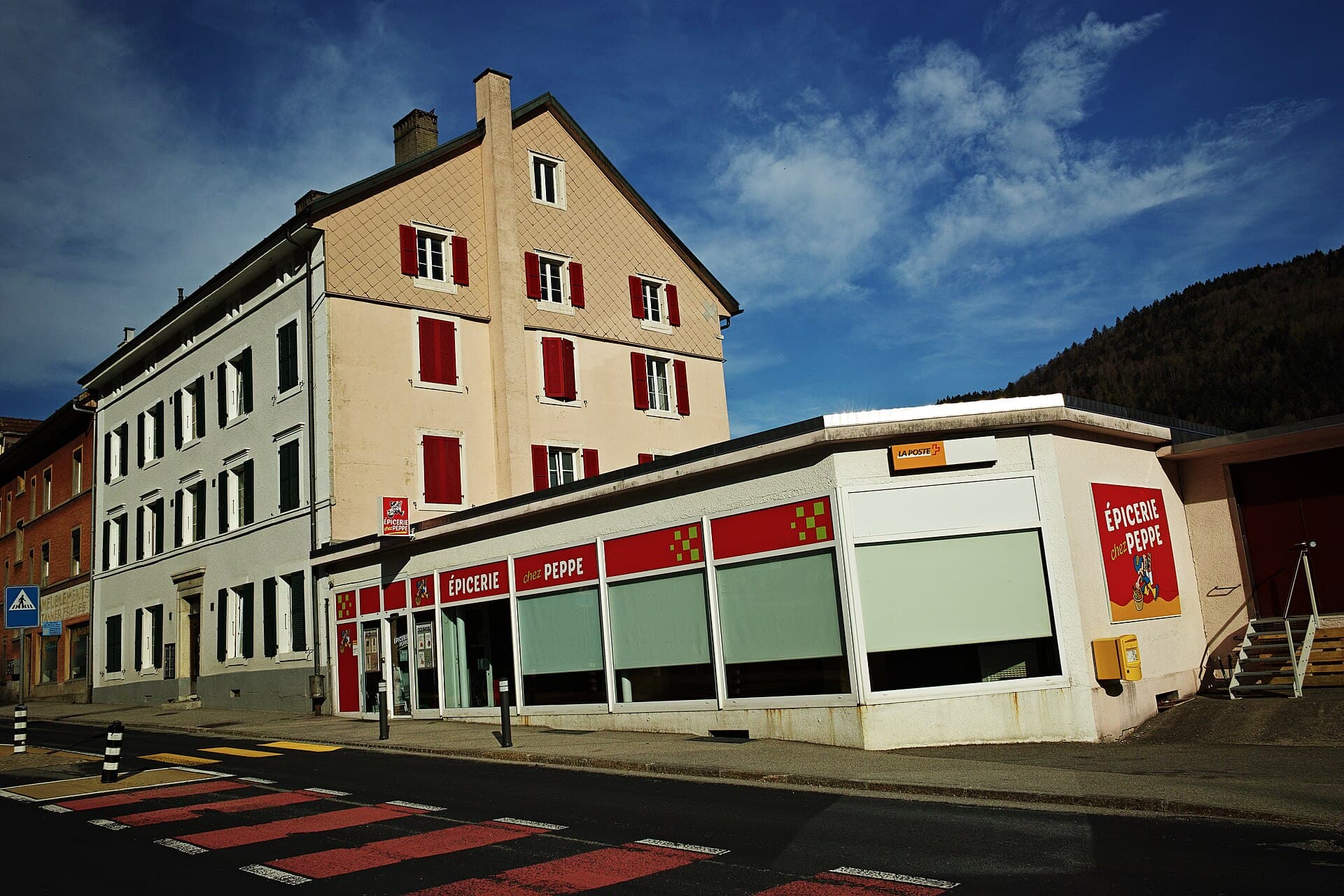
Fourteen days to register
You register with your commune within two weeks of arriving, and before your first day of work. That appointment produces the permit card, and the permit card opens everything else. Bring the lease. That's the quiet part: this step assumes you have already solved housing.
The apartment hunt is the real bottleneck
On June 1, 2026 the federal statistics office counted 45,493 empty homes in the entire country. That's 0.93 percent of the stock, a sixth straight annual fall, and the first reading under one percent since 2013. Fifteen of the 26 cantons sit below one percent. Landlords ask for a debt-collection extract, payslips and liability insurance; they pick the file that has all three attached.
Three months to buy health insurance
Pick an insurer, pick a deductible, send the form. Miss the three-month window and your canton assigns you one, backdated to the day you arrived.
Tax comes out of the payslip, until it doesn't
On a B permit, your employer withholds income tax every month. Below the filing threshold, that withholding is the end of it. Cross about $146,000 of gross salary, a line the law draws at 120,000 francs, and an ordinary return becomes mandatory, with your worldwide assets on it. A settlement permit moves you to ordinary filing for good.
Banking while American
This is the part that blindsides people. Compliance costs around American account holders are high enough that a number of Swiss banks decline them outright, the app-only ones included. The large banks, the postal bank and several cantonal banks still take you. Ask before you accept a job offer, not after.
Which language you actually need
Zurich and Basel run in German, Geneva and Lausanne in French, Lugano in Italian. Large employers work in English and a first year on English alone is survivable in a big city. The commune, the tax office and the people in your building do not.
05 · Where to live
The Swiss cities we're writing up next
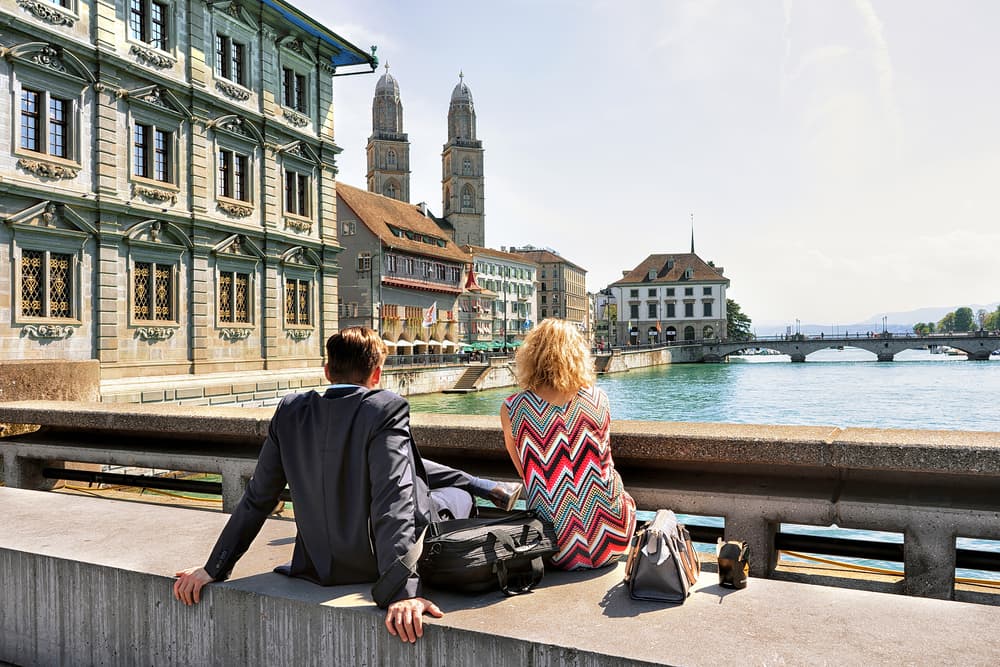
Zurich
Switzerland's money city
The job market is here: banking, insurance and tech, with English widely used at work. Lake Zurich swimming in summer, trams on the minute and the Alps a train ride away. The catch is the rent and a vacancy rate so tight that landlords can pick whoever they like.
Geneva
The international city
UN agencies, NGOs and multinationals mean English works at many jobs, and the lake with the Jet d'Eau is the daily backdrop. France is a tram or bus ride away, and plenty of workers live across the border. The catch is a vacancy rate around a third of a percent, so the apartment hunt is brutal.
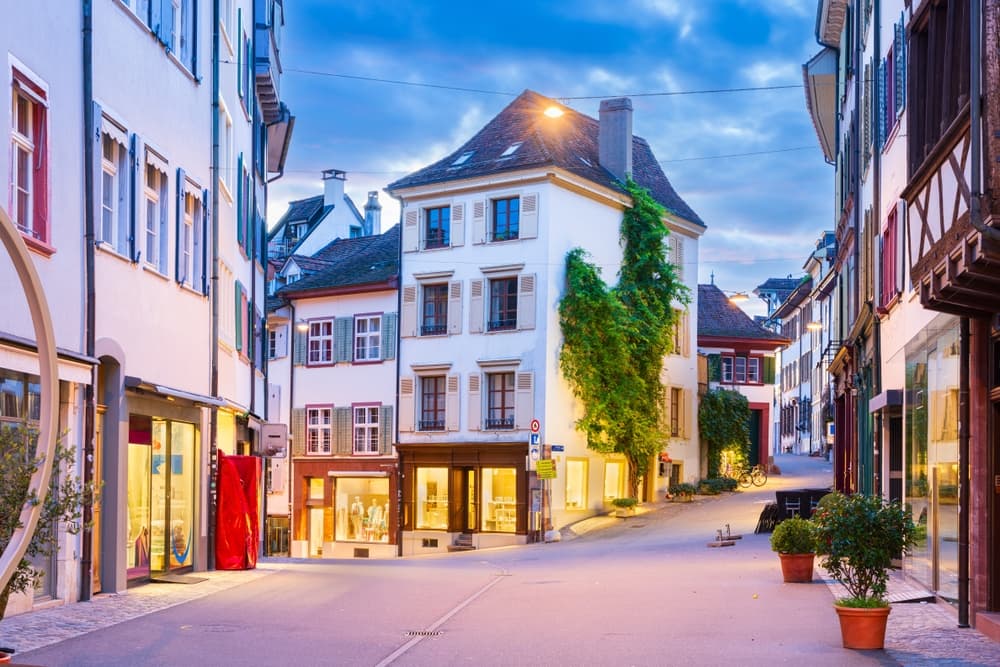
Basel
Pharma and art
Roche and Novartis anchor the jobs, and the museums are far bigger than the city's size suggests. In summer people float down the Rhine after work. Germany and France are minutes away by tram or bike. Fasnacht in late winter is loud, and so is the shortage of apartments.
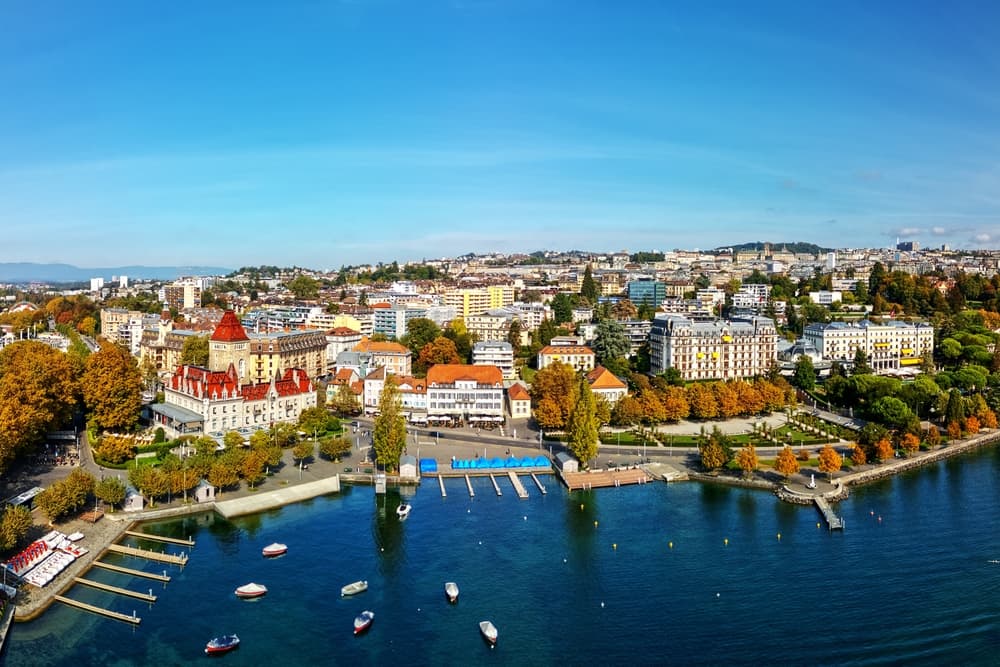
Lausanne
Lake city with hills
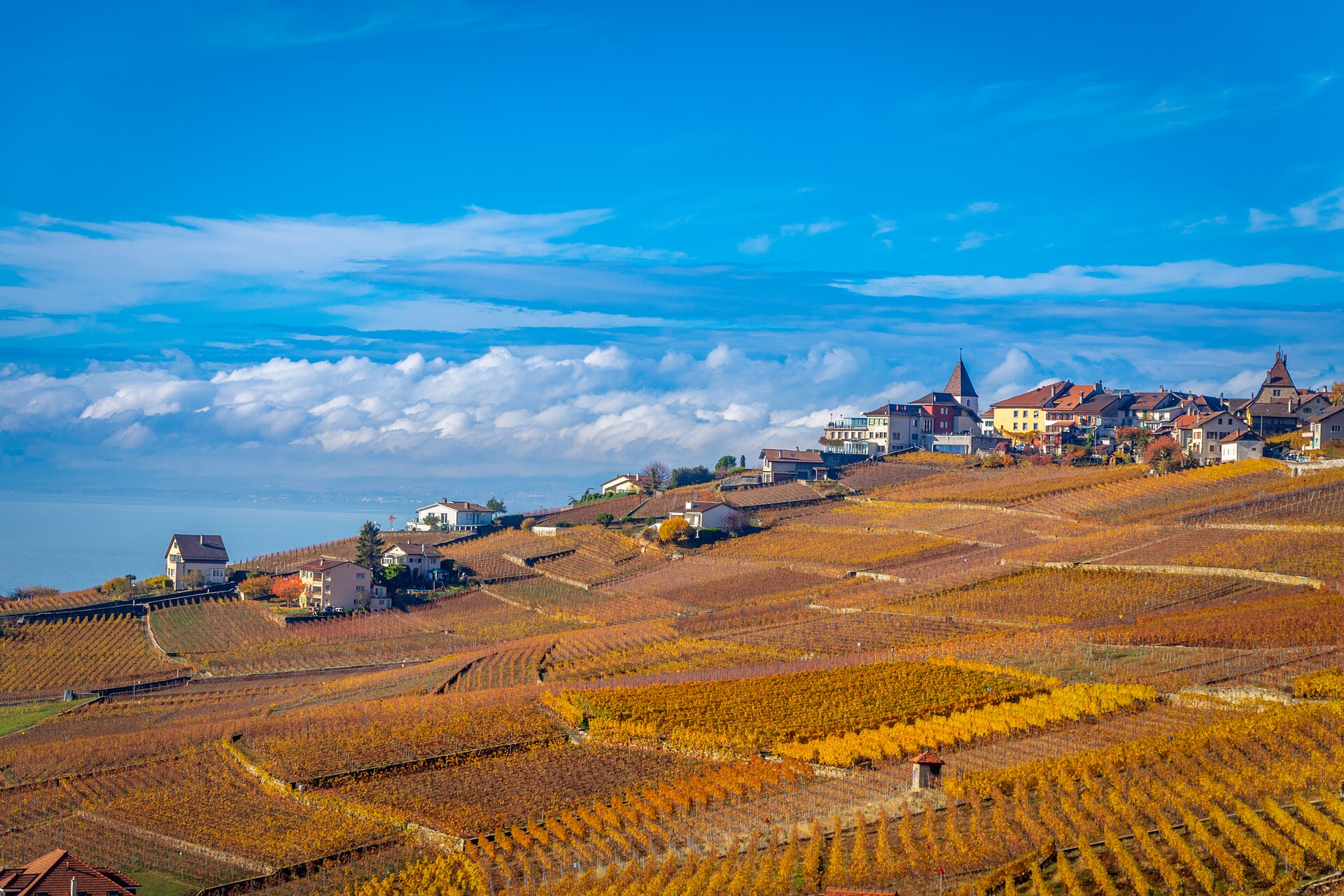
A French-speaking university town on Lake Geneva, with EPFL, the Olympic Committee and a steep old center served by a small metro. Vineyard terraces of Lavaux sit just east. It costs less than Geneva, but the hills are real and finding an apartment takes patience.
Zurich, Geneva, and four quieter answers
The vacancy rates below come from the same federal count of empty homes on June 1, 2026. Read anything close to the national figure as a fight for every listing.
Zurich
Switzerland's financial center and largest city. Banking, insurance and tech drive the hiring. The Zurich region sat at 0.52 percent vacancy, and the rent follows from that.
Geneva
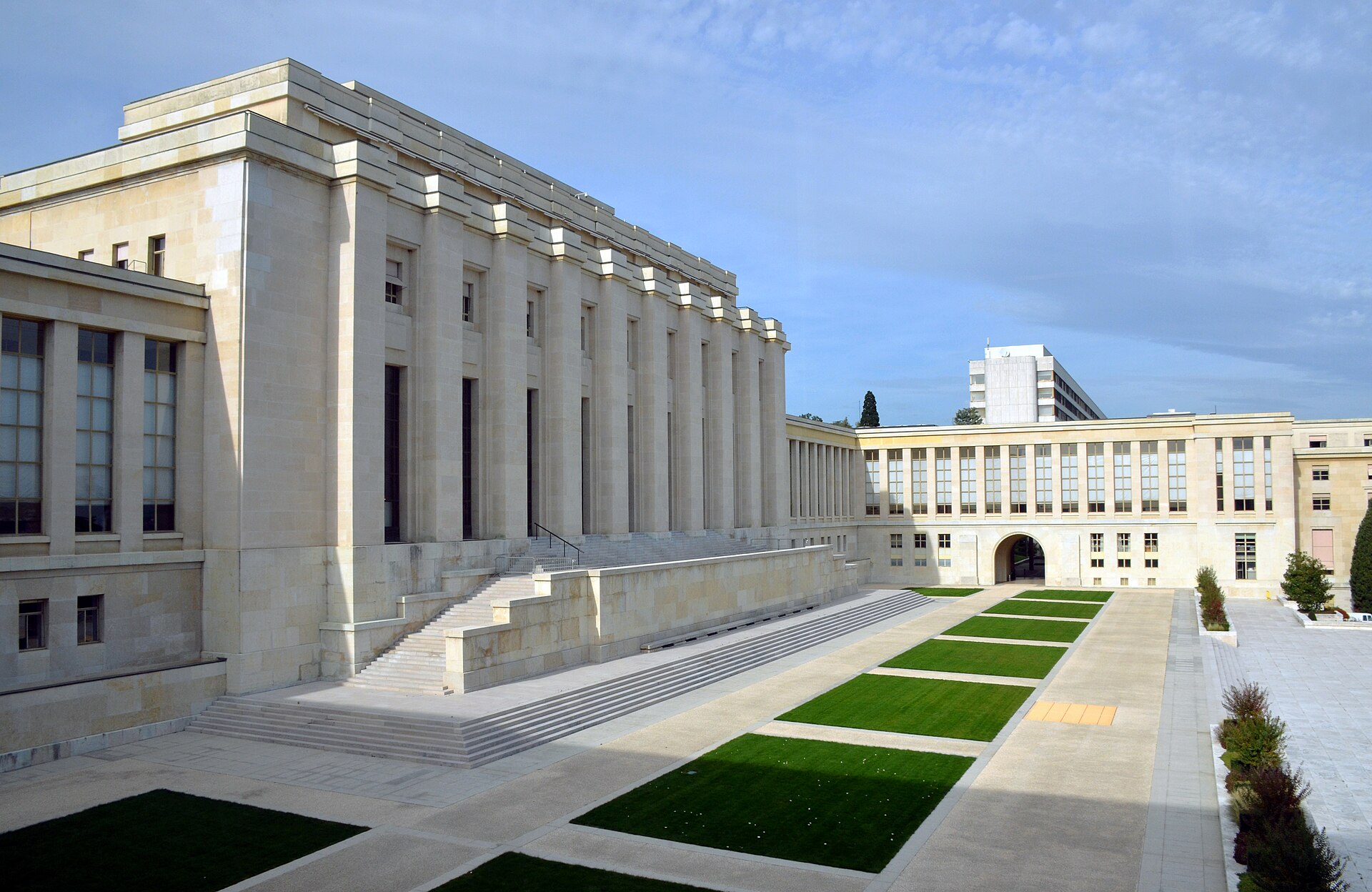
French-speaking and internationally staffed, which is why English-language work exists here outside finance. The UN, the WHO and the Red Cross all sit in the same few streets. Canton Geneva came in at 0.31 percent vacancy, second-tightest in the country behind Zug, which is why so many people who work here live over the border in France.
Basel
Pharma and chemicals, a serious art scene, and a border you can cross twice before lunch. Roche and Novartis anchor the hiring. Both Basel cantons sit under one percent.
Bern
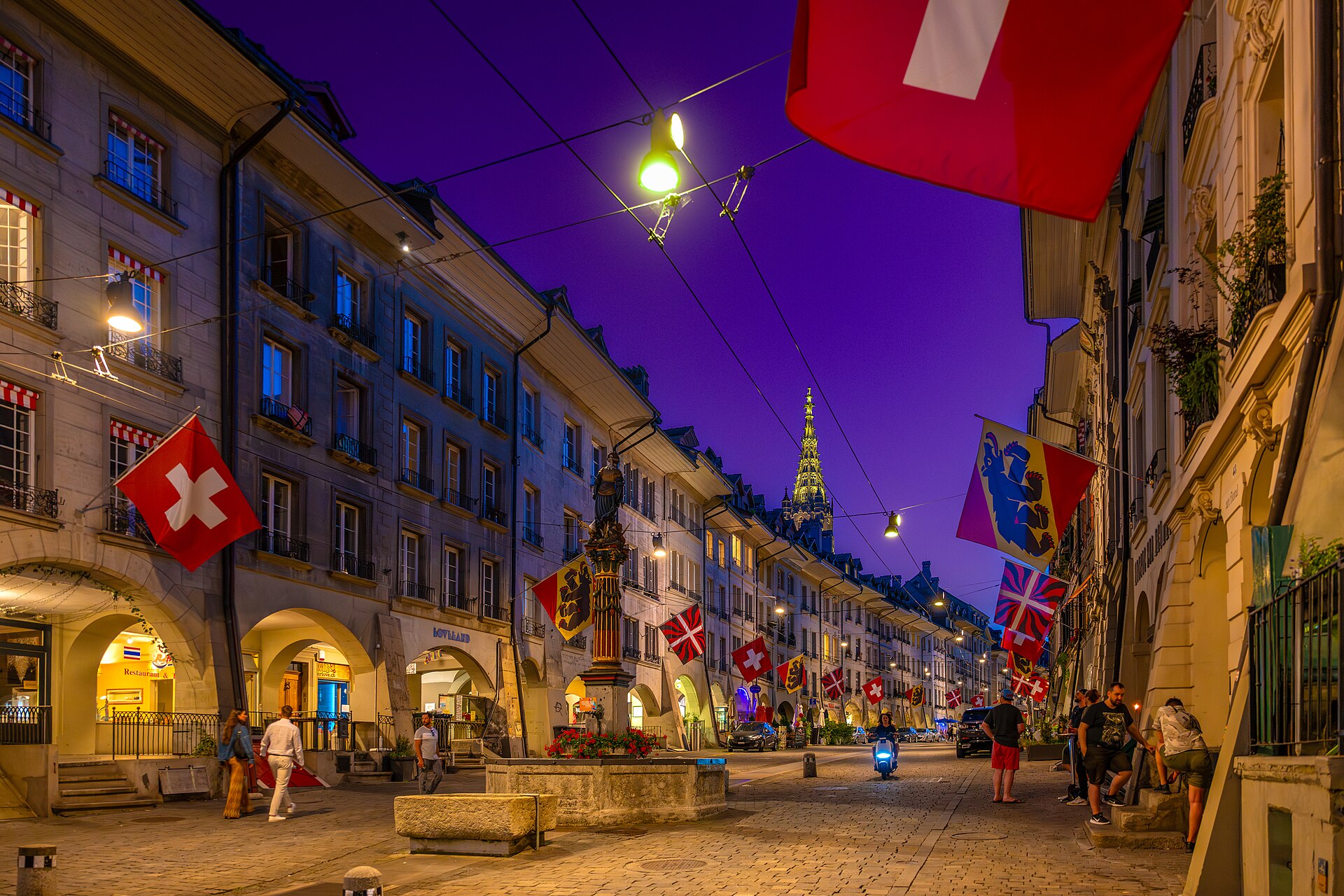
The capital, and far quieter than that word suggests. Federal offices, a medieval center under UNESCO protection, and a river people float home along in summer. Salaries run below Zurich's. So does everything else.
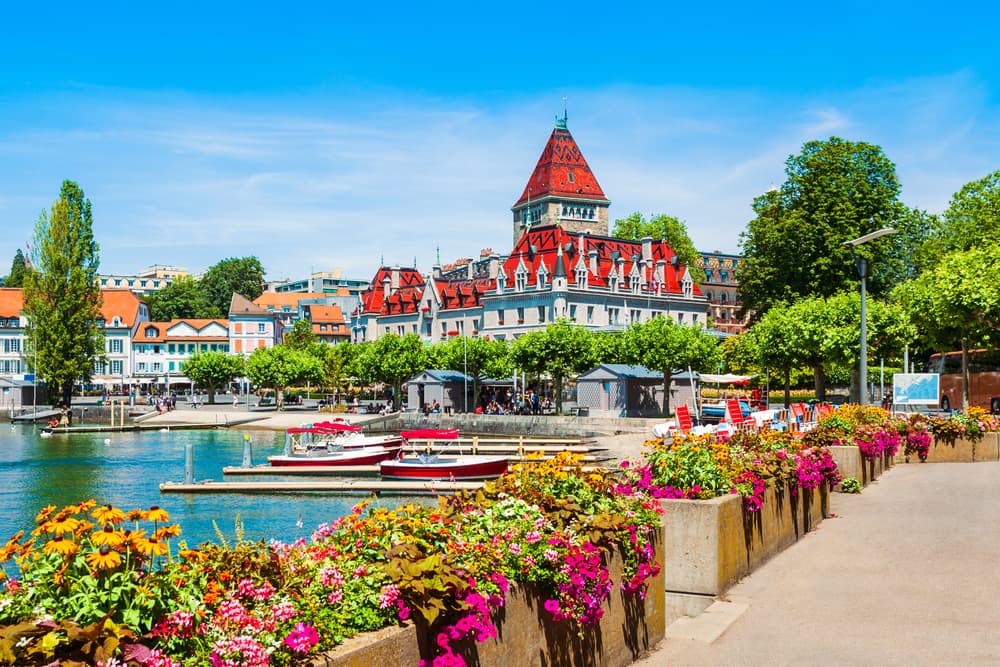
Lausanne
A university town on Lake Geneva, with EPFL, a steep old center and the vineyard terraces of Lavaux behind it. Canton Vaud was at 0.87 percent.
Lugano
Italian-speaking Switzerland, palm trees on the lake, and canton Ticino at 1.78 percent, well above the national figure. Wages run below the Swiss median and the trip to anywhere else is long.
Who to bring in, and when
MyExpatTaxes
U.S. Expat Tax Service
Ask about the wealth tax first. Swiss income tax is creditable against your U.S. bill. The annual cantonal tax on your net worth is not an income tax, so it earns you nothing on Form 1116 and lands as a straight cost.
Learn more
Beacon Global Advisors
Financial Planning
The Swiss retirement account your colleagues rave about is the one to check before you open it. Fund-based pillar 3a products are usually passive foreign investment companies in American eyes. That's a reporting problem long before it's a tax problem.
Learn more
Legalize That Doc
Document Preparation
Cantonal files want American birth and marriage certificates apostilled and translated. An apostille comes from the state that issued the document, not from Washington. Ordering the wrong one costs about three weeks.
Learn more
Lingoda
Language Learning
The language bar is a certificate, not a feeling. Switzerland recognizes specific exams, with the fide test as the local benchmark, and cantons can sit above the federal minimum. Zug moved its citizenship requirement to B2 spoken and B1 written.
Learn more
Go deeper
Two of these are free and two are for members. All four cover a part of a Swiss move that people underestimate.
Switzerland Healthcare Report
Healthcare guide for Switzerland
Our country report on how the compulsory system is built and what it pays for.
Do I have enough money?
Our partners at Beacon Financial outline how much money a move abroad could cost you as well as how much you may need to retire.
A session on sizing the move, which matters here more than almost anywhere.
Strategies for Buying or Renting in Europe
we'll dive into the real-world process of searching for property across some of Europe’s most popular destinations. You'll get practical tips on using the top real estate portals, how to contact agents effectively, what red flags to watch for.
Renting against buying across Europe, useful when the Swiss answer is nearly always renting.
US Expat Taxes 101
Moving abroad doesn't mean leaving the US tax system behind. In this webinar, we'll cover the basics every American expat should know, including filing requirements, foreign income exclusions, tax treaties, reporting foreign bank accounts, and common mistakes to avoid. Whether you're planning your move or already living overseas, this session will help you better understand your tax obligations and where to turn for professional guidance.
The filing that follows an American everywhere, Switzerland very much included.
Before you ask us, ask them
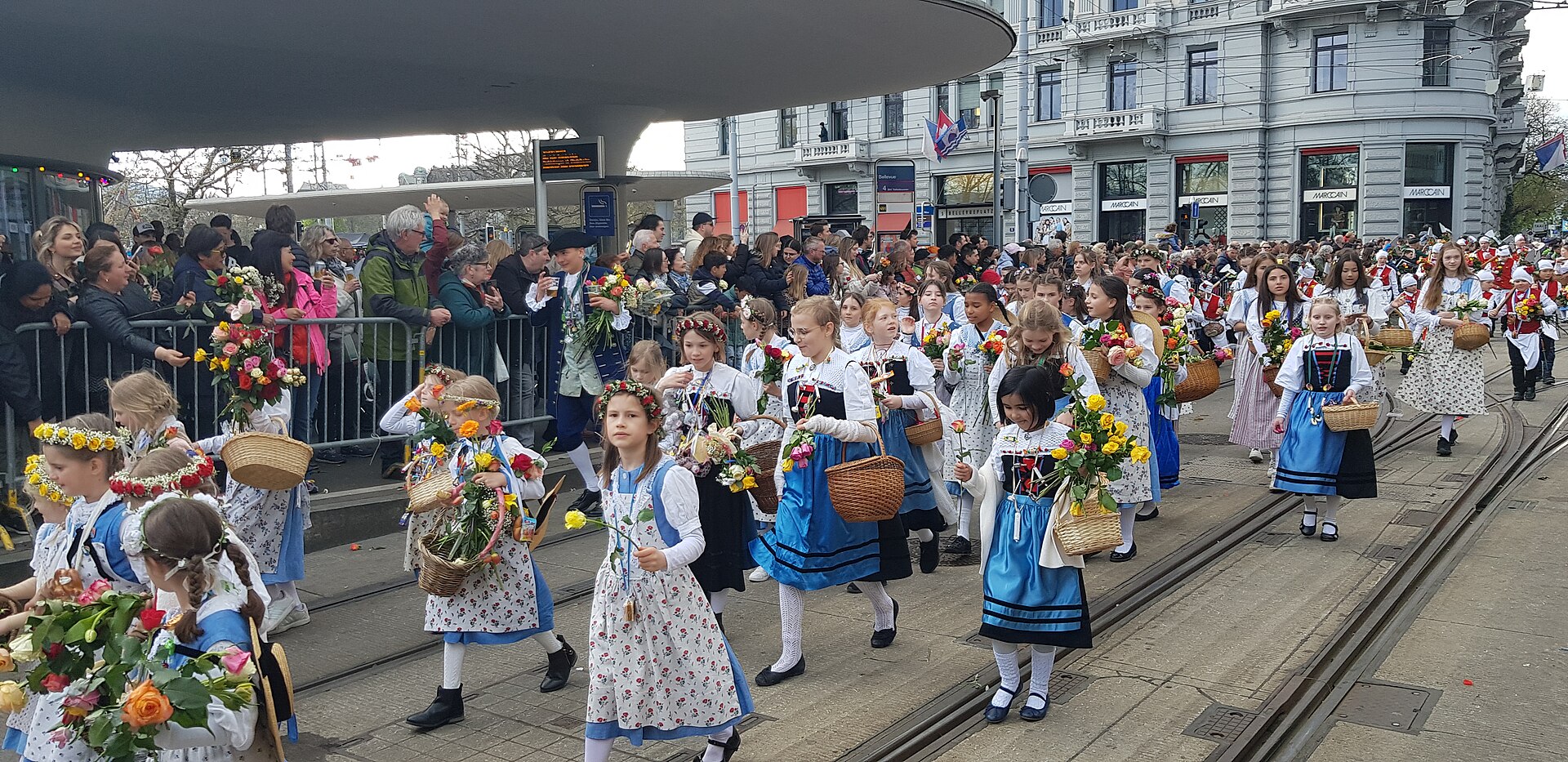
Switzerland
Expatsi Community
Our Switzerland group is where people trade the things that never make it into a guide. Which insurer answered the phone. Which commune wanted which form. Which landlord took an American file without a Swiss payslip behind it.
Join the communityStraight answers on moving to Switzerland
How long does it take to get Swiss citizenship?
Ten years of lawful residence, and you have to hold a settlement permit when you apply. Three of the last five years must be in the country, plus a cantonal and communal residence period of two to five years. Time on a short-stay permit doesn't count at all. The federal language minimum is B1 spoken and A2 written in the local national language, and several cantons ask for more. Switzerland allows dual citizenship.
Is there a retirement visa for Switzerland?
Not a named one. Article 28 of the foreign nationals act lets a canton admit a non-EU applicant who is at least 55, has given up paid work worldwide, can fund themselves without public money, and holds close personal ties to Switzerland. Swiss courts read that tie test strictly, and having relatives in the country doesn't satisfy it by itself. The decision is discretionary, so a canton can refuse a file that looks complete on paper.
Can Americans buy property in Switzerland?
Sometimes, and the permit decides. A settlement permit holder of any nationality buys on the same terms as a Swiss citizen. An American on a residence permit may buy one home to live in at their registered address, and may not rent it out or buy a second. Anyone living outside Switzerland is limited to holiday homes in designated tourist zones, under a national quota of roughly 1,500 approvals a year. A Federal Council proposal opened in April 2026 would require a permit even for that first home and force a sale within two years of leaving, but it is a consultation, not law. Buying grants no residence rights either way.
Can an American just move to Switzerland?
No. Americans count as third-country nationals. A Swiss employer has to apply for you, show no Swiss or EU candidate was available, and draw on a national quota capped at 8,500 permits for qualified workers in 2026. The other real doors are a university place, family reunification, a discretionary retirement permit at 55 or over, and a lump-sum tax agreement with a canton. There is no digital nomad visa and no golden visa.
How much is health insurance in Switzerland?
The average adult premium for 2026 is about $568 a month, published by the federal health office as CHF 465.30 and up 4.1 percent on 2025. Basic cover is compulsory for every resident within three months of arrival, you buy it yourself from a private insurer, and no employer contributes. On top of the premium you choose a yearly deductible between roughly $366 and $3,050, then pay a tenth of further costs up to an annual ceiling.
Do you need to speak German to live in Switzerland?
It depends where you land. Zurich and Basel run in German, Geneva and Lausanne in French, Lugano in Italian. Large employers and the international organizations in Geneva work in English, so a first year on English alone is survivable in a big city. Communal offices, tax letters and the social life around you are in the local language. A recognized certificate is a condition of both the settlement permit and citizenship.
How hard is it to find an apartment in Switzerland?
Harder than anything else about the move. The federal statistics office counted 45,493 empty homes on 1 June 2026, which is 0.93 percent of the housing stock and the first reading below one percent since 2013. Fifteen of the 26 cantons sit under one percent, with canton Zug at 0.20 percent and Geneva at 0.31. Landlords expect a debt-collection extract, recent payslips and liability insurance with the application.
How much money do you need to live in Switzerland?
Expatsi's 2026 country figures put one person at about $3,800 a month, and two people sharing at about $6,150. A central one-bedroom runs near $2,000. Add roughly $568 a month per adult for compulsory health insurance, which is billed to you separately. Local pay absorbs a lot of that. A median full-time wage runs about $8,600 a month, or 7,024 francs. Savings from home will not stretch the way they would in Portugal.
Sources
- Federal Council leaves third-country quotas for 2026 unchanged · Swiss Federal Council (checked 2026-09-18)
- Ordinary naturalization: residence, permit and language rules · State Secretariat for Migration (checked 2026-09-18)
- Health insurance premiums for 2026 · Federal Office of Public Health (checked 2026-09-18)
- Earnings structure survey: median gross monthly wage · Federal Statistical Office (checked 2026-09-18)
- Population of Switzerland at 31 December 2025 · Federal Statistical Office (checked 2026-09-18)
- Swiss housing acutely scarce again: 45,493 empty homes · Le News, on FSO data (checked 2026-09-18)
- The parts of Switzerland worst hit by the rental crisis · The Local Switzerland (checked 2026-09-18)
- Switzerland rejects initiative to cap its population at 10 million · EY (checked 2026-09-18)
- Expat Insider 2026: Switzerland ranks 22nd of 31 · InterNations, via IamExpat (checked 2026-09-18)
- Swiss lump-sum taxation: eligibility, calculation and cantonal differences · KPMG Switzerland (checked 2026-09-18)
- Plans to tighten property acquisition rules for non-Swiss nationals · Deloitte Switzerland (checked 2026-09-18)
- Swiss retirement residence permit under Article 28 · Richmond Chambers Switzerland (checked 2026-09-18)
- Swiss immigration quotas for 2026 · Fragomen (checked 2026-09-18)
- Taxes on personal income in Switzerland · PwC Tax Summaries (checked 2026-09-18)
Switzerland is expensive. That is not the same as wrong.
Speak with an Expatsi advisor to plan your own move abroad. We'll even connect you with the experts who can get you there.
Why not you?