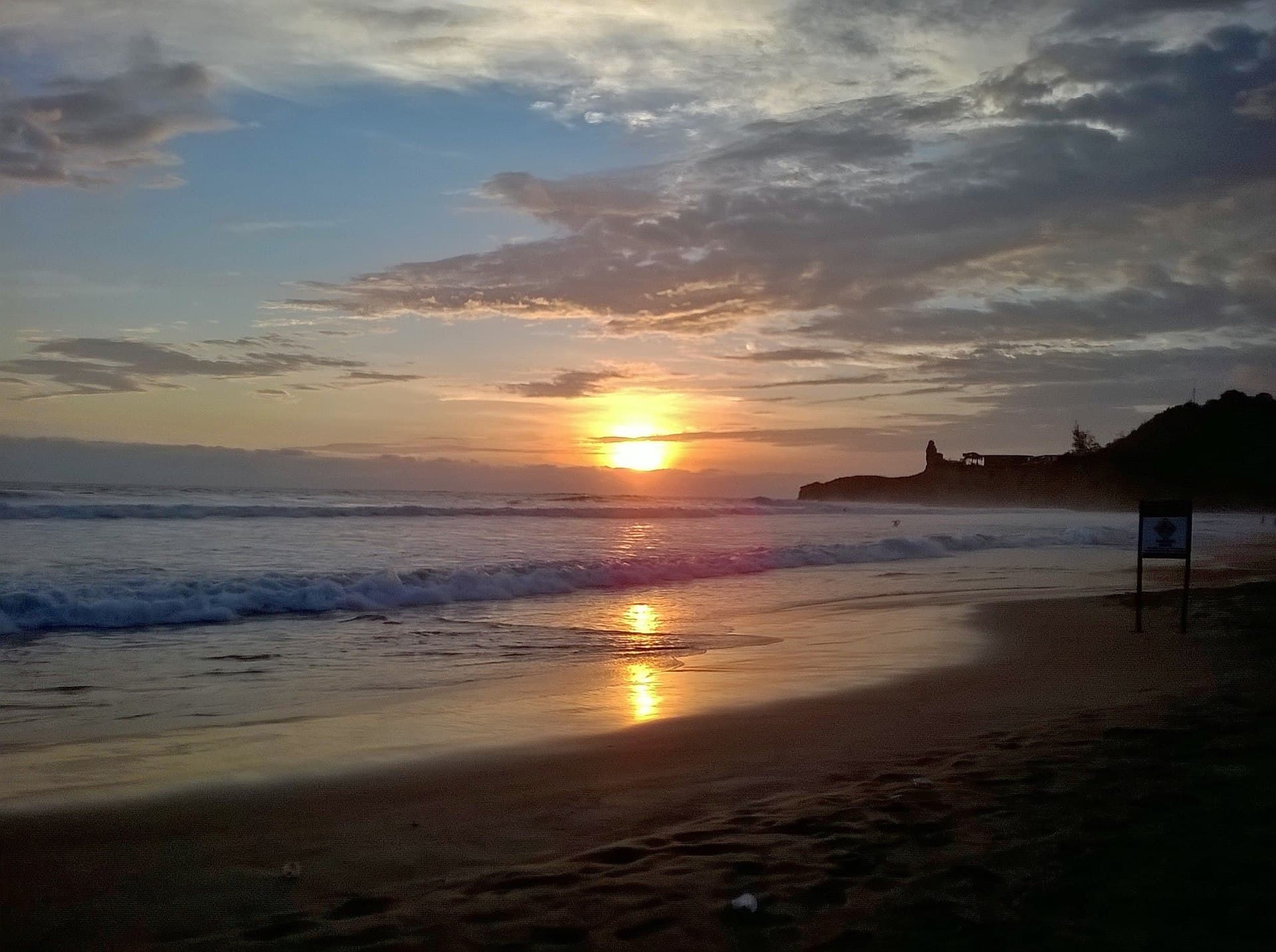
Salinas, Ecuador: life in a beach resort town after the crowds go home
A line of condo towers on the Santa Elena peninsula, two to three hours from Guayaquil, packed from December to April and quiet for much of the rest of the year.
- 35,066
- Population (2022)
- $1,200/mo
- Monthly budget · single
- 74°F / 23°C
- Avg temperature
A single person's budget in Salinas runs about $1,200 a month, and most land somewhere between $1,000 and $1,400. A couple needs around $1,700. Ecuador uses the U.S. dollar, so there's no exchange rate in the way. A one-bedroom near the beach rents for about $450, and $300 gets you one a few blocks back.
Salinas is a resort town of about 35,000 people at the western tip of the Santa Elena peninsula. It suits retirees and remote workers who want a beach and a modest budget, with Guayaquil's airport and hospitals a couple of hours away. It's a weaker fit if you want a full Ecuadorian city around you, or if gray skies wear on you: many residents find June through November cool and overcast.
Safety deserves a clear look before you commit. Salinas scores 42 out of 100 on safety, and in August 2026 the U.S. State Department kept Ecuador at Level 2 overall but told Americans to reconsider travel to Santa Elena province because of crime.

Reviewed and updated October 1, 2026 · 4 min read
At a glance
$1,200
Monthly budget · single person
$450/mo 1-bed rent, center
42/100
Safety index
$30
Internet / month
74°Fannual average
Sep 71° · Mar 78°
Climate
35,066
Population (2022)
Expatsi estimates, updated Aug 2026, based on rental listings, government statistics, and local reporting.
Cost of living
What it costs to live in Salinas
Single person
$1,000–$1,400/mo
about 60% below Austin, TX
Couple
$1,400–$2,000/mo
about 65% below Austin, TX
Family of four
$2,100–$3,000/mo
about 70% below Austin, TX
Compared with Austin, TX (Expatsi estimate, 2026).
- $5 −75%
- Inexpensive meal
- $350–$550/mo −77%
- 1-bed rent, center
- $250–$350/mo −78%
- 1-bed rent, outside
- $30/mo −54%
- Internet
- $111/sq ft −83%
- Buy price, center
Expatsi estimates, updated Aug 2026, based on rental listings, government statistics, and local reporting.
Daily life
How Salinas lives
- C grade, 14th percentile among the cities we track
- Dining & cafésmodest
- C grade, 10th percentile among the cities we track
- Arts & culturemodest
- C grade, 9th percentile among the cities we track
- Parks & outdoorsmodest
- C grade, 8th percentile among the cities we track
- Schools & educationmodest
- C grade, 15th percentile among the cities we track
- Healthcare accessmodest
- C- grade, 0th percentile among the cities we track
- Bike infrastructuremodest
- C grade, 10th percentile among the cities we track
- Public transitmodest
Graded on OpenStreetMap amenity density relative to the 369 cities we track. Accessibility is the exception: it's graded against a fixed standard (terrain steepness and sidewalk surfaces), not a curve.
Climate
Weather through the year
Annual average 74°F (23°C) · 28 in of rain a year · Source: Open-Meteo Historical Weather API (temps: ERA5-Land 0.1°; precip/sunshine: ERA5 best-match; 1991-2020 normals)
On the ground
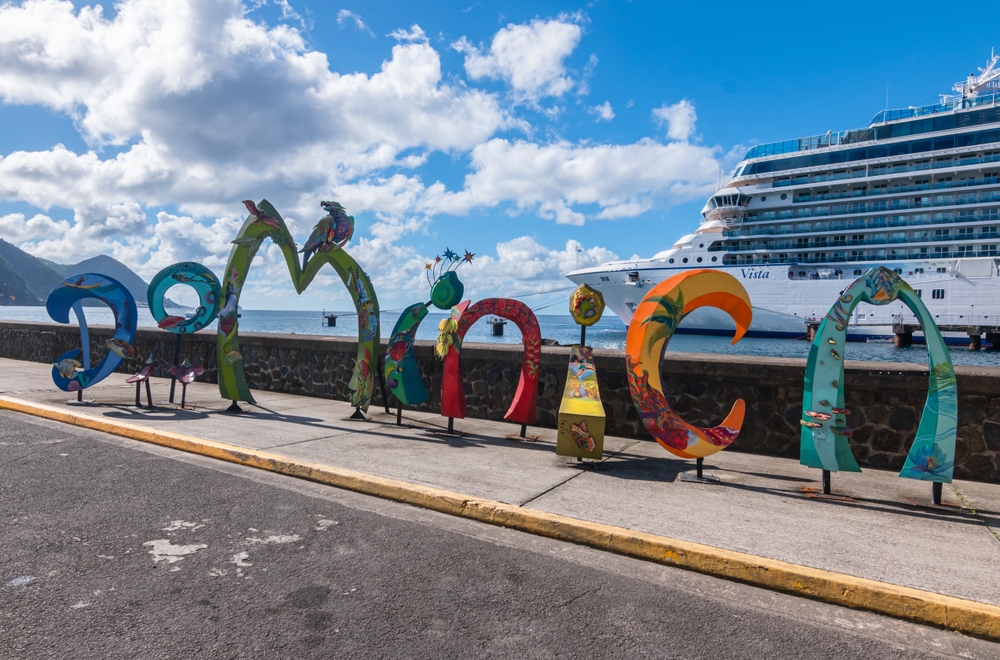
Scenes from Salinas
Photos by Wikimedia Commons contributors; open any photo for its credit and license.
Getting around
Transport in Salinas
Salinas is flat and small. If you live along the malecón or in Chipipe, you can walk to the beach, restaurants and most daily errands. Bigger shopping happens next door in La Libertad, where the SuperMaxi supermarket is a 7 to 10 minute ride away, since Salinas itself is thin on full-size grocery stores.
Taxis are the everyday answer, and a short ride on the peninsula costs a few dollars. Local buses link Salinas, La Libertad and Santa Elena for coins, but the State Department warns that armed robberies on Ecuadorian city buses happen and that U.S. citizens are regular victims, so plenty of residents skip them. Ride-hailing apps have thinner coverage here than in Guayaquil, so keep the number of a taxi driver you trust.
You don't need a car in central Chipipe. One becomes more useful if you settle farther out in San Lorenzo, La Milina or Punta Carnero, or want regular trips along the coast. Intercity buses run from Guayaquil's Terminal Terrestre to the Sumpa terminal on the peninsula, about 129 kilometers (80 miles), in two to three hours. Door to door, Guayaquil's airport is roughly two to two and a half hours away.
- 0.5/sq mi
- Transit stops
- 0.0/sq mi
- Bike infrastructure
- 1.2/sq mi
- Wheelchair-accessible places
Mapped features per square mile from OpenStreetMap.
Keep exploring
Places like Salinas

Day to day
Community, healthcare and the off-season
Who lives here
Salinas has a sizable American and Canadian crowd, and you'll find English-speaking businesses along the waterfront. Most foreigners settle in Chipipe and along the malecón, or in the quieter stretches at San Lorenzo, La Milina and Punta Carnero. Social life runs through local social media groups, language exchanges, book and biking clubs, and the cevicherías by the beach.
The calendar shapes everything. From December to April, and above all at New Year's, visitors from Guayaquil fill the beaches, traffic crawls and the town gets loud. From June to November the towers go quiet and some restaurants close for the season. That's also when humpback whales pass offshore, with the peak in July and August.
Healthcare
Clinics, pharmacies and private doctors on the peninsula handle routine care. Serious cases go to Guayaquil's private hospitals, about two hours away, and long-term residents tend to see Guayaquil specialists for heart care, cancer care and surgery. The State Department names Quito, Guayaquil and Cuenca as the places with well-resourced facilities and describes emergency services in Santa Elena as limited, so work out ahead of time how you'd get to Guayaquil in a hurry.
Internet
Home internet runs about $30 a month, and at least one expat who'd lived elsewhere in Ecuador called it the most reliable they'd had. Plan to work from home or a café.
Retiring here
Salinas suits retirees who want a beach, flat streets and a couple's budget around $1,700 a month, with Guayaquil close enough for specialists. It suits them less if you don't want to plan around a crowded season or a two-hour drive for serious care. Our Ecuador guide covers visas, taxes and healthcare, and the retirement visa hub compares Ecuador's retirement route with other countries.
Limited mobility
Salinas sits barely above sea level and is mostly flat, and the malecón is the easiest place to get around. Away from the waterfront, walk the route from any rental to the shops and taxis before you sign, and beach access means soft sand. For anything beyond routine care, the Guayaquil trip applies to you too.
Staying safe
People who know the area say risk rises the farther you go from the beachfront resort strip. The State Department also warns that criminals sometimes force taxi passengers to withdraw cash at ATMs, which is one more reason to stick with drivers you know, especially at night.
Housing
Renting and buying
- 1-bed rent (center)
- $350–$550/mo
- 1-bed rent (outside center)
- $250–$350/mo
- Buy price (center)
- $111/sq ft
- Buy price (outside center)
- $93/sq ft
Expatsi estimates, based on rental listings, government statistics, and local reporting.
Good to know
Frequently asked questions
How far is Salinas from Guayaquil?
About 129 kilometers (80 miles). Intercity buses from Guayaquil's Terminal Terrestre take two to three hours, and the trip to Guayaquil's airport is roughly two to two and a half hours door to door.
Is there good healthcare in Salinas, Ecuador?
For routine needs, yes: clinics, pharmacies and private doctors on the Santa Elena peninsula cover everyday care. For serious illness, surgery or specialists, residents go to Guayaquil's private hospitals, about two hours away. The State Department describes emergency services in Santa Elena province as limited.
How much does it cost to live in Salinas, Ecuador?
As of 2026, one person typically spends $1,000 to $1,400 a month in Salinas, a couple about $1,700, and a family of four around $2,500. Ecuador uses the U.S. dollar, so those are dollar prices with no currency conversion. Rent is the biggest line: a one-bedroom near the beach runs about $350 to $550 a month.
What is the weather like in Salinas year-round?
Warm and fairly dry. Average highs sit near 82F in March and near 75F from July to September, with average lows around 68F in the coolest months. Most of the roughly 28 inches of yearly rain falls from February to April, and many residents find June to November cool and overcast.
Can you retire in Salinas, Ecuador?
Yes. Many American and Canadian retirees live there, drawn by the beach, flat streets and a couple's budget of about $1,700 a month. Ecuador has a retirement residence visa based on guaranteed pension income. The main trade-offs are a crowded December to April season and a roughly two-hour trip to Guayaquil for specialist and hospital care.
Is Salinas, Ecuador safe for Americans?
It takes some care. In August 2026 the U.S. State Department kept Ecuador at Level 2 but told Americans to reconsider travel to Santa Elena province, where Salinas sits, because of crime and terrorism. Locals say risk rises away from the beachfront resort strip. Residents who stay near the waterfront, use taxi drivers they know and avoid city buses generally manage well.
Where do expats live in Salinas?
Most foreigners live in Chipipe and along the malecón, where daily errands are walkable. Quieter options include San Lorenzo, La Milina and Punta Carnero, where a car becomes more useful. Big grocery runs usually mean a short ride to the SuperMaxi in neighboring La Libertad.
See how Salinas fits your life
Take the free Expatsi Test and compare Ecuador to over 100 countries on what actually matters: cost, healthcare, climate, and safety. About five minutes.
Why not you?