
Living in Francistown, Botswana's northern working city
What a month costs, how safe it feels, how you get around, and who the city actually suits.
- $1,000/mo
- Monthly budget · single
- 69°F / 21°C
- Avg temperature
Plan on about $1,000 a month for one person in Francistown, with $700 to $1,200 as the realistic range depending on how you live. A couple should budget around $1,400, and a family of four around $2,000. A one-bedroom apartment near the center rents for about $350 a month, or about $250 farther out. These are 2026 estimates in U.S. dollars built on thin data, so treat them as a starting point, not a quote.
Francistown is Botswana's second city and the commercial hub of the north, a mining and trading town on the main highway to Zimbabwe. It's practical rather than pretty: malls, private clinics, busy taxi ranks, and the Tati River nearby.
It suits people who already have a reason to be here, like a mining or government contract, an NGO posting, or family in the northeast. If you're retiring or working remotely with no ties to the area, Gaborone or Maun will give you a lot more to do.

Reviewed and updated October 15, 2026 · 4 min read
At a glance
$1,000
Monthly budget · single person
$350/mo 1-bed rent, center
45/100
Safety index
$45
Internet / month
69°Fannual average
Jun 57° · Jan 77°
Climate
Expatsi estimates, updated Oct 2026, based on rental listings, government statistics, and local reporting. Coverage here is thin, so treat these as a rough guide.
Cost of living
What it costs to live in Francistown
Single person
$700–$1,200/mo
about 70% below Austin, TX
Couple
$1,000–$1,800/mo
about 70% below Austin, TX
Family of four
$1,600–$2,500/mo
about 75% below Austin, TX
Compared with Austin, TX (Expatsi estimate, 2026).
- $5 −75%
- Inexpensive meal
- $250–$450/mo −82%
- 1-bed rent, center
- $150–$300/mo −81%
- 1-bed rent, outside
- $45/mo −31%
- Internet
Expatsi estimates, updated Oct 2026, based on rental listings, government statistics, and local reporting. Coverage here is thin, so treat these as a rough guide.
Daily life
How Francistown lives
- C- grade, 4th percentile among the cities we track
- Dining & cafésmodest
- C grade, 10th percentile among the cities we track
- Arts & culturemodest
- C+ grade, 17th percentile among the cities we track
- Parks & outdoorsmodest
- C+ grade, 21st percentile among the cities we track
- Schools & educationmodest
- C+ grade, 19th percentile among the cities we track
- Healthcare accessmodest
- C- grade, 0th percentile among the cities we track
- Bike infrastructuremodest
- C grade, 6th percentile among the cities we track
- Public transitmodest
Graded on OpenStreetMap amenity density relative to the 369 cities we track. Accessibility is the exception: it's graded against a fixed standard (terrain steepness and sidewalk surfaces), not a curve.
Climate
Weather through the year
Annual average 69°F (21°C) · 19 in of rain a year · Source: Meteostat station normals (68054, 1971-2000; no sunshine data)
On the ground
Scenes from Francistown
Getting around
Transport in Francistown
Inside the city, taxis do most of the work. They cover nearly every local route, while combis (shared minibuses) mostly run out to the villages around Francistown. The State Department calls taxis generally safe and notes that tourists usually skip combis. Most expats in Botswana end up driving, and here a car makes life easier, since errands are spread across malls, clinics and the suburbs.
Driving takes some care. Botswana drives on the left, long stretches of two-lane highway have no shoulders or lights, and livestock wander onto the road. The State Department says accident risk is highest on weekends and on end-of-month Friday paydays. Avoid driving outside town after dark.
The A1 highway is the city's spine. It runs about 51 miles north to the Ramokgwebana border post with Zimbabwe and south through Palapye toward Gaborone. Long-distance coaches are the budget way to reach the capital. Don't plan around the railway: Botswana Railways passenger trains were suspended as of early 2026.
For flights, Phillip Gaonwe Matante International Airport sits about 4 miles from the center, and Air Botswana is the airline that serves it, with flights to Gaborone. Check the current schedule before counting on a direct hop to Johannesburg, since that's where most trips home to the U.S. connect.
- 0.3/sq mi
- Transit stops
- 0.0/sq mi
- Bike infrastructure
- 0.0/sq mi
- Wheelchair-accessible places
Mapped features per square mile from OpenStreetMap.
Keep exploring
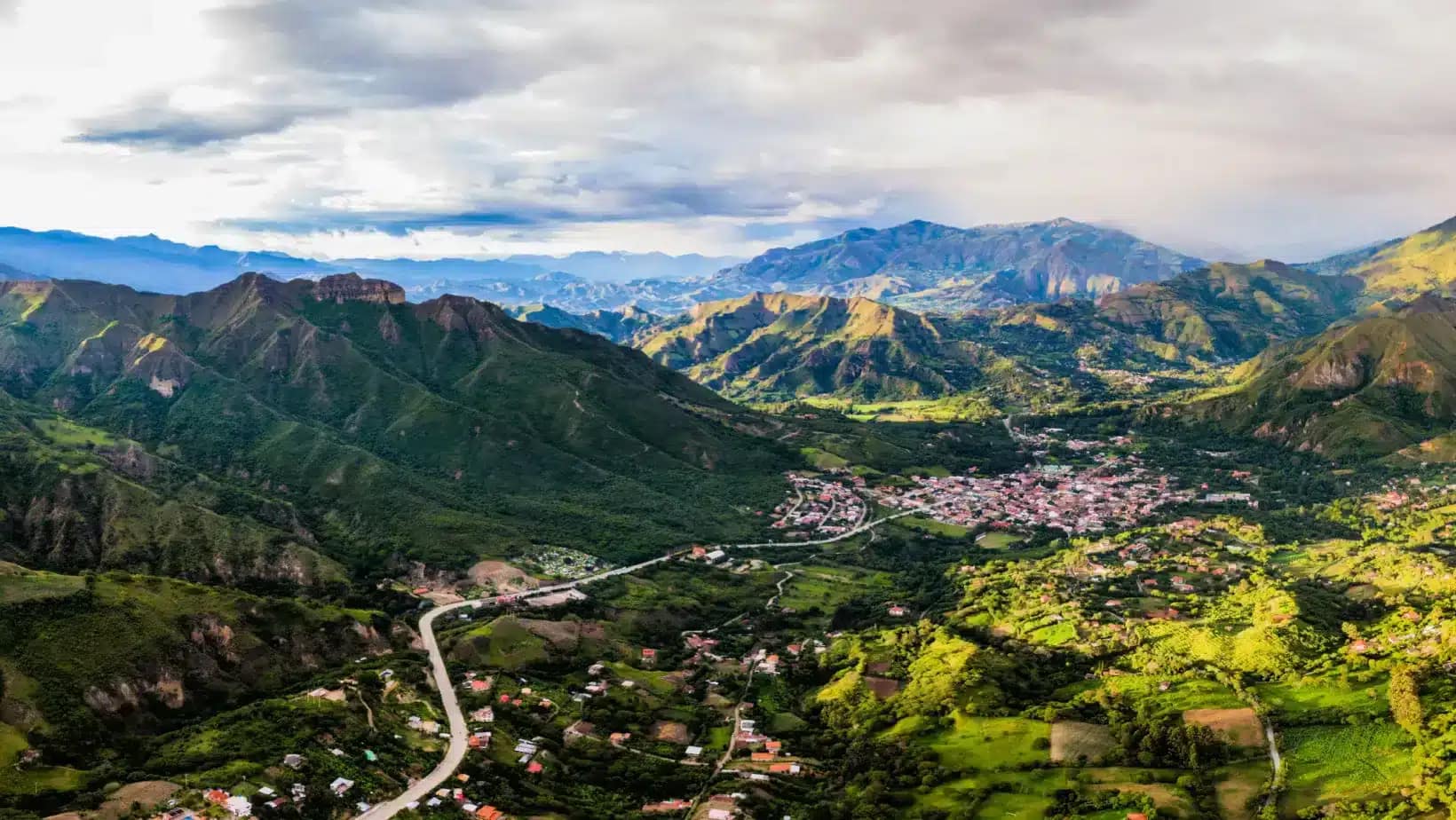
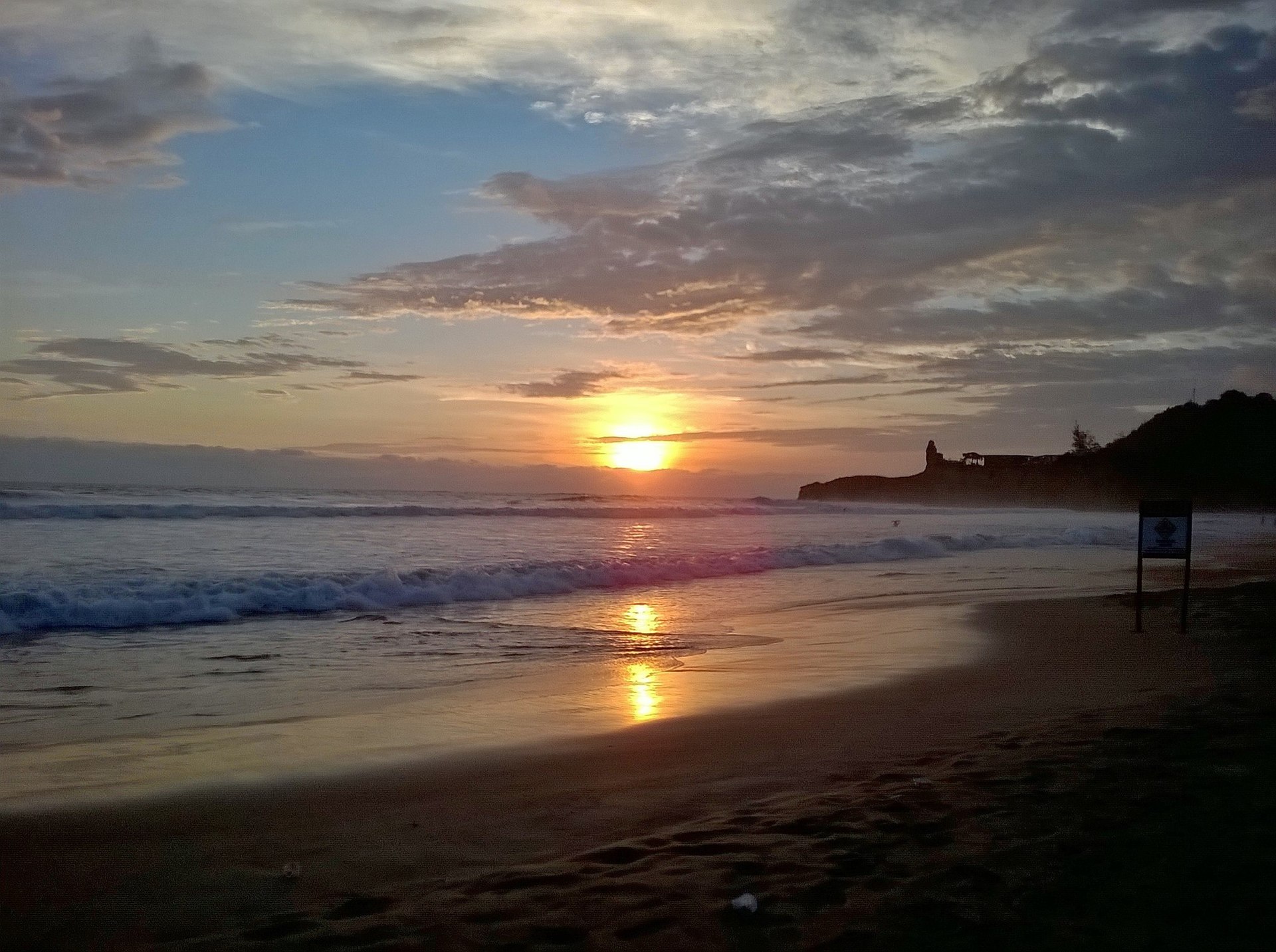
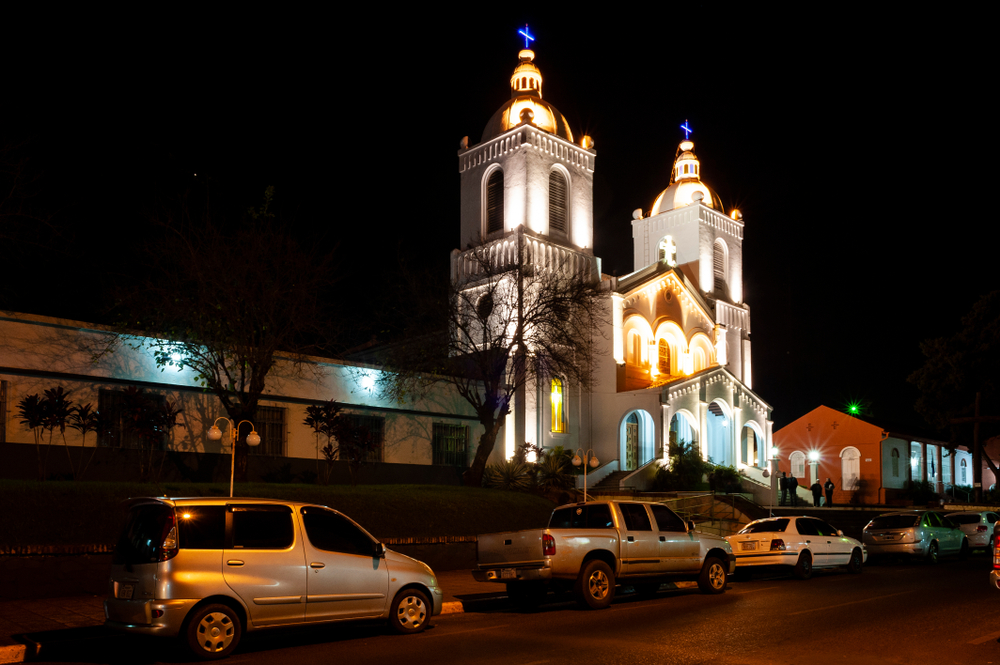
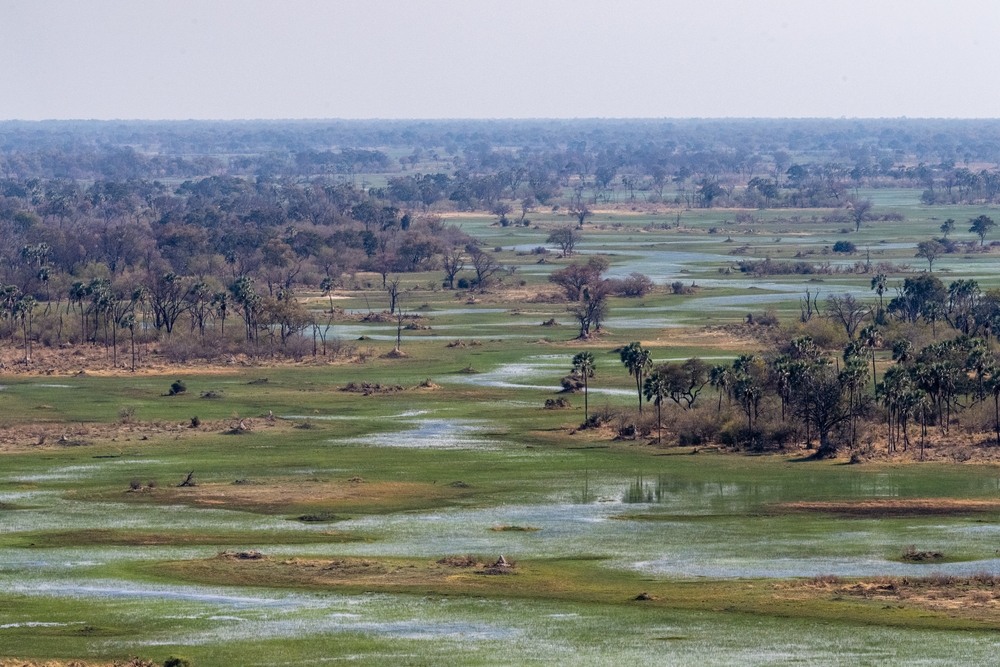
Places like Francistown

Community and practical notes
The practical side of Francistown
Community
Francistown isn't a place people choose for an expat scene. Plan on building your circle through work, neighbors and local clubs. Most Americans here arrive with a job already lined up, and that's how Botswana's permit system is built: see how the Botswana work permit works before you plan anything else.
Healthcare
Nyangabgwe Referral Hospital is the main public hospital for northern Botswana, and it's stretched. In March 2026, its superintendent said the 546-bed hospital often holds up to 600 patients, and staff reported shortages of essential drugs. The city has two private hospitals, Riverside and Francistown Academic Hospital, and expats generally use the private system.
Here's the catch: private hospitals often want payment up front or proof of good insurance before they treat you, and the State Department warns that medical evacuation can be delayed, especially at night. International coverage that includes evacuation is the setup to aim for. Hunter Schultz, a healthcare coach, can help you plan care around where you'll live, and ExpatInsure, which offers global health insurance, can match you with a plan.
Malaria is a real consideration here, unlike in Gaborone. CDC travel guidance has listed the North-East District, including Francistown, as a malaria area. See a travel doctor about prevention before you move, especially for the rainy months.
Internet and remote work
Home internet runs about $45 a month. If your income depends on video calls, test the connection at the exact address before you sign a lease, and keep a mobile hotspot as a backup.
Safety
The State Department rates Botswana Level 2, exercise increased caution, as of June 2026, and lists home invasions, break-ins and muggings as common. Choose housing with solid locks, a wall and an armed-response service, and keep valuables out of sight in the car.
Retiring in Francistown
The budget works on a U.S. pension, but the paperwork is the hurdle. Botswana has no retirement visa, so retirees apply for a residence permit as self-supporting immigrants, and the government publishes no income floor. Francistown also offers retirees less to do than Gaborone or Maun. Compare your options on our retirement visas guide, and read Moving to Botswana for the full permit picture.
LGBTQ expats
Botswana has no laws against same-sex relations. Same-sex marriage isn't recognized, though. The State Department says gay and lesbian people still face discrimination, especially in villages and rural areas. Discretion with public affection is the norm.
Black Americans
We couldn't find firsthand accounts from Black Americans living in Francistown. A scouting trip before you commit is the best way to get a feel for daily life, and the State Department's race and ethnicity travel page is a useful starting point.
Limited mobility
Francistown is hard going with a wheelchair or limited mobility. Botswana's law bans discrimination against people with disabilities, but the State Department notes that many private buildings and older government buildings are still inaccessible, and accessible public transport is limited. Expect to rely on a private car.
Housing
Renting and buying
- 1-bed rent (center)
- $250–$450/mo
- 1-bed rent (outside center)
- $150–$300/mo
Expatsi estimates, based on rental listings, government statistics, and local reporting. Coverage here is thin, so treat these as a rough guide.
Good to know
Frequently asked questions
Do you need a car in Francistown?
It helps. Taxis cover most routes within the city and are generally safe, according to the State Department, but most expats in Botswana drive. Botswana drives on the left, and passenger trains to Gaborone were suspended as of early 2026.
Can Americans retire in Francistown?
Yes, but it's not simple. Botswana has no retirement visa. Retirees apply for a residence permit as self-supporting immigrants, and the government publishes no minimum income, so a local lawyer's advice is worth paying for. Healthcare is limited, and the city has less to offer retirees than Gaborone or Maun.
What is the weather like in Francistown?
Hot and fairly dry. From October to January, average highs sit near 87 to 88F. In June and July, days average in the low to mid 70s F, and nights drop to around 40F. Most rain falls from November to March, and May to September is close to dry.
Is Francistown or Gaborone better for expats?
For most newcomers, Gaborone. It's the capital, has far more private healthcare and amenities, and sits outside the malaria zone. Francistown makes sense when your job or family is in the north, or you want quicker access to the Zimbabwe border.
Is Francistown safe for Americans?
It takes some care. The State Department rates Botswana Level 2, exercise increased caution, as of June 2026, mainly for crime, and says home invasions, break-ins and muggings are common. Secure housing with walls and an armed-response service, plus care on the roads at night, goes a long way.
How much does it cost to live in Francistown, Botswana?
By our 2026 estimates, one person needs about $1,000 a month in Francistown, with a realistic range of $700 to $1,200. A couple should plan on around $1,400. The figures are in U.S. dollars and based on limited data, so check current prices on a scouting trip.
Is there malaria in Francistown?
Yes, there's some risk. CDC travel guidance has listed the North-East District, including Francistown, as a malaria area, while Gaborone is not. See a travel doctor about prevention before you move, especially for the rainy season.
See how Francistown fits your life
Take the free Expatsi Test and compare Botswana to over 100 countries on what actually matters: cost, healthcare, climate, and safety. About five minutes.
Why not you?