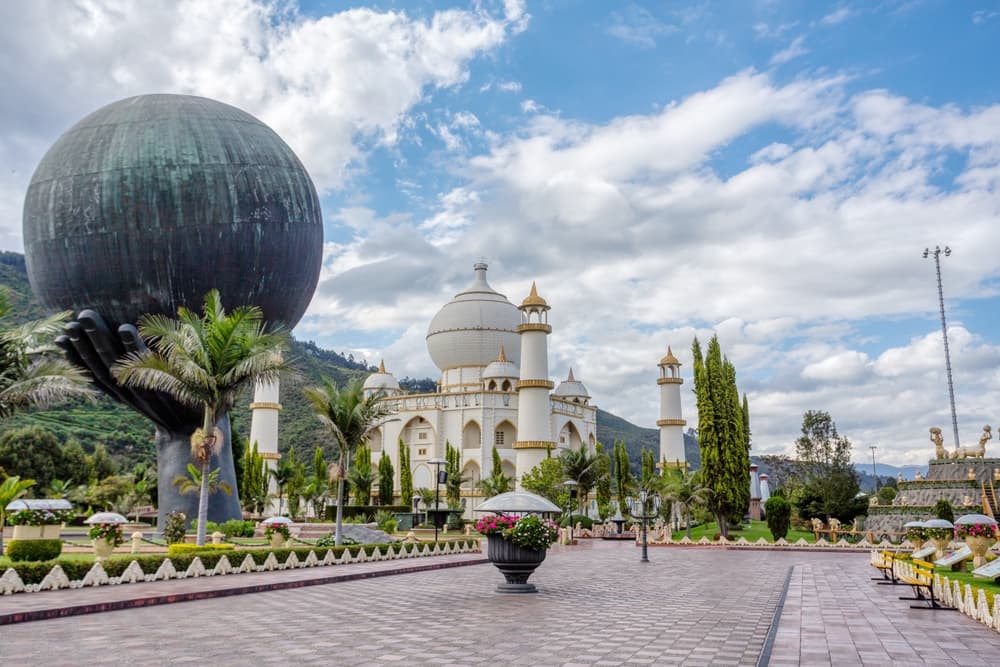
Bogotá: Colombia's capital at 8,500 feet, on about $1,400 a month
Flat streets, gray skies, no metro until 2028, the country's best hospitals, and street crime you plan around.
- 8,034,649
- Population (2024)
- $1,400/mo
- Monthly budget · single
- 57°F / 14°C
- Avg temperature
A single person can live in Bogotá on about $1,400 a month. A couple needs around $2,100 and a family about $3,400. A one bedroom in the central north runs about $700, or about $450 further out.
That makes Colombia's capital cheaper than Medellín, which surprises most Americans: Bogotá is priced for eight million Colombians rather than for foreigners. It suits people who want a large, serious city, with the country's deepest restaurant scene, its big universities, and nonstop flights to several U.S. hubs from El Dorado.
Two things belong in the decision early. The city sits high on an Andean plateau, so it is cool and damp rather than tropical, and most people need a day or two to adjust to the thin air. Safety here rates 37 out of 100, a low score. Neither rules the city out, but both are easier to handle if you knew going in.
At a glance
$1,400
Monthly budget · single person
$700/mo 1-bed rent, center
37/100
Safety index
$25
Internet / month
57°Fannual average
Jan 56° · Apr 58°
Climate
8,034,649
Population (2024)
Expatsi estimates, updated Aug 2026, based on rental listings, government statistics, and local reporting.
Cost of living
What it costs to live in Bogotá
Single person
$1,200–$1,500/mo
about 55% below Austin, TX
Couple
$1,900–$2,400/mo
about 55% below Austin, TX
Family of four
$3,000–$3,800/mo
about 55% below Austin, TX
Compared with Austin, TX (Expatsi estimate, 2026).
- $6 −70%
- Inexpensive meal
- $600–$750/mo −64%
- 1-bed rent, center
- $400–$500/mo −67%
- 1-bed rent, outside
- $25/mo −62%
- Internet
- $40/mo −3%
- Transit pass
- $209/sq ft −68%
- Buy price, center
Expatsi estimates, updated Aug 2026, based on rental listings, government statistics, and local reporting.
Daily life
How Bogotá lives
- A- grade, 84th percentile among the cities we track
- Dining & cafésstrong
- A- grade, 83rd percentile among the cities we track
- Arts & culturestrong
- B+ grade, 65th percentile among the cities we track
- Parks & outdoorsstrong
- B+ grade, 62nd percentile among the cities we track
- Schools & educationstrong
- A- grade, 80th percentile among the cities we track
- Healthcare accessstrong
- B+ grade, 61st percentile among the cities we track
- Bike infrastructurestrong
- B+ grade, 56th percentile among the cities we track
- Public transitstrong
- A grade, good physical accessibility
- Accessibilitygood
Graded on OpenStreetMap amenity density relative to the 298 cities we track. Accessibility is the exception: it's graded against a fixed standard (terrain steepness and sidewalk surfaces), not a curve.
Climate
Weather through the year
Annual average 57°F (14°C) · 35 in of rain a year · Source: Meteostat station normals (80222, 1991-2020)
On the ground
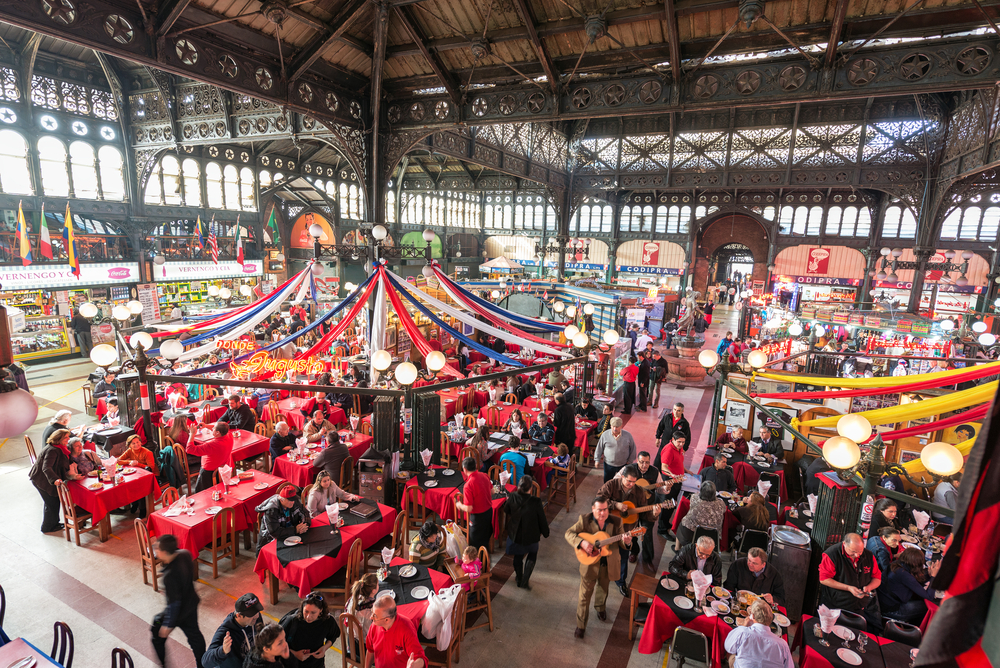
Scenes from Bogotá
Getting around
Transport in Bogotá
Bogotá has no metro yet. The first line was about 80 percent built by mid 2026, and the city has set March 2028 for its first passengers: 24 kilometers of elevated, driverless track with 16 stations. Until then, everything runs on TransMilenio, the bus rapid transit system that opened in 2000, red articulated buses in their own center lanes with feeder buses around them. One flat fare covers the network, transfers are free on a personalized tuLlave card, and getting around costs about $40 a month.
The rule that shapes daily life is pico y placa. Since 1998, the city has kept roughly half the private cars off the street on any weekday from 6 a.m. to 9 p.m., keyed to your plate's last digit and whether the date is odd or even. Motorcycles and taxis are exempt; ride-hailing cars are not. Between that, the traffic and parking, very few foreigners here buy a car, and Uber, DiDi and InDrive get ordered in the app, not flagged down.
Walking works better than the city's reputation suggests because the savanna it sits on is close to level; what interrupts a walk is a broken sidewalk or an afternoon downpour, not a hill. Then there's Sunday. From 7 a.m. to 2 p.m., every week since 1976, the city hands about 120 kilometers of its biggest roads over to bikes for the Ciclovía.
- 31/sq mi
- Transit stops
- 14/sq mi
- Bike infrastructure
- 13/sq mi
- Wheelchair-accessible places
Mapped features per square mile from OpenStreetMap.
Keep exploring
Places like Bogotá


Community
Community & practical notes
The expat scene: Foreigners spread across the northern corridor rather than concentrating in one neighborhood, so the scene is thin and you have to go find it. Chapinero Alto and Quinta Camacho pull in remote workers. Chicó, Rosales and Parque 93 hold the embassies, the corporate transfers and the highest rents. Usaquén, a colonial village the city grew around, is where families and retirees settle.
Healthcare: The strongest argument for the capital. Fundación Santa Fe de Bogotá in Usaquén is JCI accredited, teaches with Universidad de los Andes and collaborates with Johns Hopkins Medicine International. Fundación Cardioinfantil, which everyone calls LaCardio, is JCI accredited too and ranks among Latin America's leading cardiac centers. Clínica del Country in Chicó covers routine care. English-speaking specialists are common privately, rare in public hospitals.
Insurance: Residents join a public EPS plan; most add a private medicina prepagada policy for faster specialist access. Two limits catch older arrivals: prepaid insurers largely close to new applicants around age 60, and people on M visas often cannot enroll in EPS at all, leaving private international policies instead. ExpatInsure can fill in this gap.
Remote work: Home fiber costs about $25 a month and is quick in newer buildings up north. WeWork runs locations across Chicó, Usaquén and Chapinero. HubBOG anchors the startup side, and the coffee shops around Zona G take the rest. Colombia never moves its clocks, so you share New York's hours in winter and sit an hour behind it for the rest of the year.
Schools: Almost every international school sits in the north or just past the city limits. Colegio Nueva Granada opened in 1938 as the Anglo-American School and is still the American flagship, teaching a U.S. college-prep curriculum with Advanced Placement to about 1,660 students, on a year running early August to mid-June. Colegio Anglo Colombiano and Colegio Gran Bretaña are the British options.
Limited mobility: A mixed verdict, and the terrain is the good half. The street grid is close to flat; surfaces are mostly smooth where a sidewalk exists. The problems are the gaps: broken pavement off the main avenues, step-free entrances that thin out beyond newer buildings, and the altitude, which is hard work for anyone with a heart or lung condition.
Retirement: Retiring here trades weather for infrastructure. Colombia grants pensioner residency inside its M visa, and the income test is written in pesos: a pension paying for life, worth at least three times the national minimum wage, recalculated every January. Five unbroken years opens the door to permanent residency. Weigh it against other countries in our guide to retirement visas, and see the Colombia moving guide for the tax, banking and healthcare paperwork.
Housing
Renting and buying
- 1-bed rent (center)
- $600–$750/mo
- 1-bed rent (outside center)
- $400–$500/mo
- Buy price (center)
- $209/sq ft
- Buy price (outside center)
- $153/sq ft
Expatsi estimates, based on rental listings, government statistics, and local reporting.
Good to know
Frequently asked questions
Does the altitude in Bogotá make you sick?
Bogotá sits at roughly 8,500 feet, high enough that most people arriving from sea level feel it. Headache, breathlessness and fatigue for a day or two are common, and Colombians call it soroche. It passes. Move slowly, drink water, skip alcohol at first, and leave the climb up Monserrate until later in the week. For anyone with a heart or lung condition it is a medical question.
What do Americans need to move to Bogotá?
No visa to arrive. You get 90 days on entry, extendable to 180 days within a calendar year, enough runway to test the city before committing. Staying past that takes a visa. The V covers digital nomads earning from foreign clients; the M covers retirees, investors and spouses of Colombians. Any visa over three months also means registering for a cédula de extranjería.
Is Bogotá safe for Americans?
On safety Bogotá rates 37 out of 100, a low score, and the U.S. State Department has kept Colombia at Level 3, Reconsider Travel, since March 2026. The Level 4 zones are rural departments and the Venezuela border, not the city. What reaches foreigners here is mostly theft, and the advisory names the pattern: phones and bags snatched on the street or from a passing motorcycle. The embassy has separately warned about robberies that begin with a spiked drink and a dating app.
Do you need to speak Spanish in Bogotá?
Yes. Bogotá is a working Colombian capital rather than a nomad hub, and English proficiency nationally is very low. English carries you through a private hospital, an international school and a hotel desk. It will not carry you through a landlord, a bank, a utility company or the immigration office.
What is the weather like in Bogotá year round?
Cool and remarkably even. Average highs stay between 62 and 65 degrees Fahrenheit every month and nights average 47 to 52, with hotter and colder spells on top of those figures. The annual swing is about one degree, so heating and air conditioning are both rare. What changes is rain: about 35 inches a year, in two wet seasons, April and May and then October and November.
Which neighborhood should I live in in Bogotá?
Most foreigners start in Chapinero or Chicó and adjust from there. Chapinero Alto is the walkable option, dense with coffee shops and coworking, next to Zona G's restaurants and the hub of the city's LGBTQ+ nightlife; also the loudest. Chicó and Parque 93 are calmer, more corporate and pricier. Usaquén trades access to the rest of the city for cobblestones and a Sunday market. La Candelaria is to visit, not an address.
Can I retire in Bogotá on Social Security?
Yes, if the pension qualifies. The pensioner route sits inside Colombia's M visa and asks you to document a lifetime pension worth at least three times the Colombian minimum wage. That threshold is set in pesos and reindexed every January, so convert the current figure rather than one from last year. Social Security counts; savings, rental income and 401(k) withdrawals point toward the Rentista route instead. There is no minimum age.
How much does it cost to live in Bogotá?
Budget by household: about $1,400 a month solo, $2,100 as a couple, $3,400 for a family. Housing decides most of it: about $700 for a one bedroom in the central north, about $450 further out. The smaller lines stay small: lunch at a neighborhood restaurant about $6, home internet about $25, a month of buses about $40. Buying runs about $2,250 per square meter centrally.
See how Bogotá fits your life
Take the free Expatsi Test and compare Colombia to nearly 200 countries on what actually matters: cost, healthcare, climate, and safety. About five minutes.
Why not you?