Belgium moving guide for Americans
Moving to Belgium: the 2026 guide for Americans
Belgium rewards Americans who arrive with a job offer, a business plan, a university place or a partner already there. Here's what each path asks for in 2026, what life costs in dollars, and where the paperwork trips people up.
Every salary floor, fee and deadline below was checked against Belgian government sources in September 2026, and every euro figure comes with a dollar estimate.

Reviewed and updated October 22, 2026 · 14 min read

01 · The case for Belgium
What Belgium does well, and who should look elsewhere
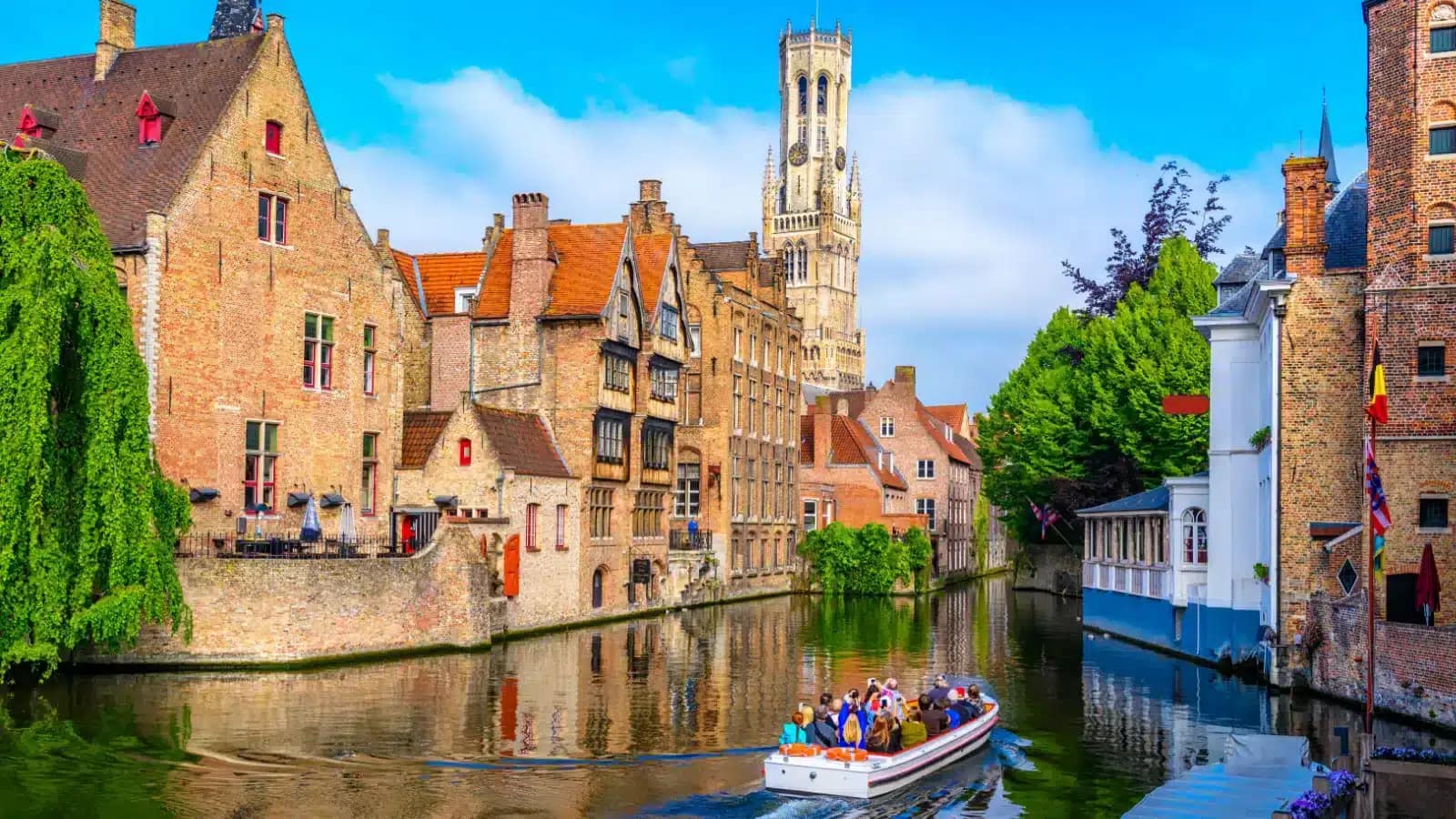
Belgium is a small country of about 11.7 million people with an outsized role in Europe. Brussels hosts the main institutions of the European Union, so the capital runs on a mix of Dutch, French and a lot of English. On our English-proficiency score Belgium lands at 75 out of 100, which means you can get through a first year of errands, doctor visits and small talk in English while you learn a local language.
The day-to-day pitch is practical. Home internet averages about 110 Mbps. Healthcare runs through a compulsory public insurance system that refunds, in principle, about 75% of what you pay for medical and dental care, and a standard visit to a family doctor who accepts the agreed rates leaves you with a copay of a few euros. For trips home, there are year-round nonstop flights to Brussels from New York JFK, Chicago and Washington Dulles, plus seasonal Delta service from Atlanta, and Belgium sits six hours ahead of Eastern time.
Rebecca Poulson, our Belgium local guide, moved from the U.S. in August 2021 on a student visa with her partner. She finished her studies, stayed, and now works as a freelancer at an international center helping other newcomers settle in. Her short version: excellent healthcare, great public transport, a central spot in the EU, and a work-life balance that's easy to get used to.
Here's the catch
Belgium is not an easy country to move to on U.S. income alone, and it's better to know that now.
From the top, it's a job-first country. There's no digital nomad or retirement visa with a published income number. The routes that work are a Belgian employer, a self-employed professional card, a university place or a partner who already lives here. If you want to keep working remotely for a U.S. company, there's no visa built for you.
Second, taxes are high. Belgium taxes residents on their worldwide income, the top 50% federal rate starts at €51,070 of taxable income (about $58,200), and your town adds a surcharge of up to 9% of the tax on top.
Third, the paperwork has real teeth. You register at the town hall within eight working days of arriving, adults with a residence permit in Flanders must follow a civic integration course or risk a fine, and the path to a Belgian passport got more expensive, with stricter language and integration rules expected.
And the weather is gray. Our climate data counts about 200 rainy days and 65 sunny days a year, with an average temperature around 52°F.
If you've got a job offer, a real business idea, a study plan or family ties, none of this is a dealbreaker. The rest of this guide shows what each route asks for and what it costs.
- Cost of living (single)
- $2,100/mo
- English proficiency
- 75/100
- Internet speed
- 110 Mbps
- Language
- Dutch, French, German
- Capital
- Brussels
- Currency
- Euro (EUR)
02 · The numbers
Belgium's monthly costs, in dollars
$3,500
A couple, per month
rent included
$2,100
One person, per month
rent included
$5,500
A family, per month
rent included
$1,000
One-bedroom, city center
$900 further out
$23
Casual restaurant meal
one person
$59
Transit pass, monthly
public transit
$57
Home internet
about 110 Mbps
65/100
Safety score
petty theft is the main risk
Where your money goes in Belgium
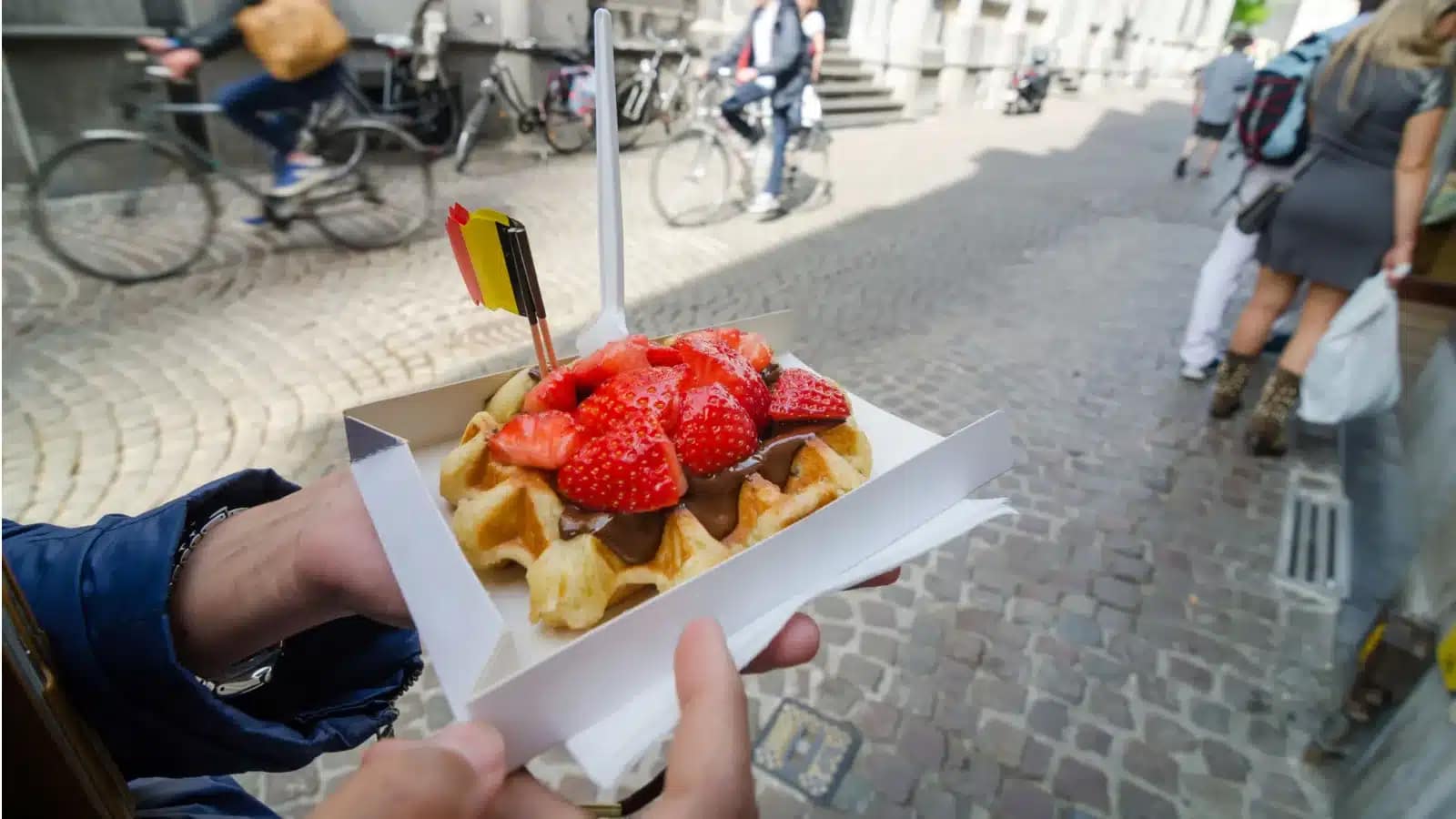
Our estimates put a comfortable life in Belgium at about $3,500 a month for a couple and $2,100 for one person, rent included. A family with kids should plan on around $5,500. These are Expatsi's own cost-of-living figures in U.S. dollars, assuming a modest apartment and normal city life rather than a big house in the suburbs.
Housing is the biggest line. A one-bedroom in a city center averages about $1,000 a month, and about $900 further out, with Brussels at the higher end. Expect to put down a rental guarantee before you get the keys. In the Brussels region, leases signed or renewed since November 1, 2024 cap that guarantee at two months' rent, often held in a blocked account in your name that earns interest and comes back to you at the end of the lease if you've met your obligations.
The rest of daily life is manageable. A casual meal out runs about $23, a monthly transit pass about $59, and home internet about $57. Your public health insurance membership costs between €70 and €160 a year (about $80 to $180), a line most Americans have to read twice.
The number that surprises people is tax. If you earn a Belgian salary, income tax takes a large share of it, so compare job offers on take-home pay, not the gross figure. We'll get to the brackets in the practical chapter.
The money test Belgium actually applies
Your monthly budget matters to you, but it isn't what Belgian immigration checks. Depending on your route, they look at a Belgian salary (a highly qualified work permit in Brussels starts at €3,703.44 gross a month, about $4,220), a sponsor's net income (€2,408.79 a month, about $2,740, for family reunification), or a student's funds (€1,062 a month, about $1,210). Retirees face a case-by-case review with no published figure. Pick your route first, then build the budget around it.
03 · Your route in
Five ways Americans get Belgian residence, and what each one asks
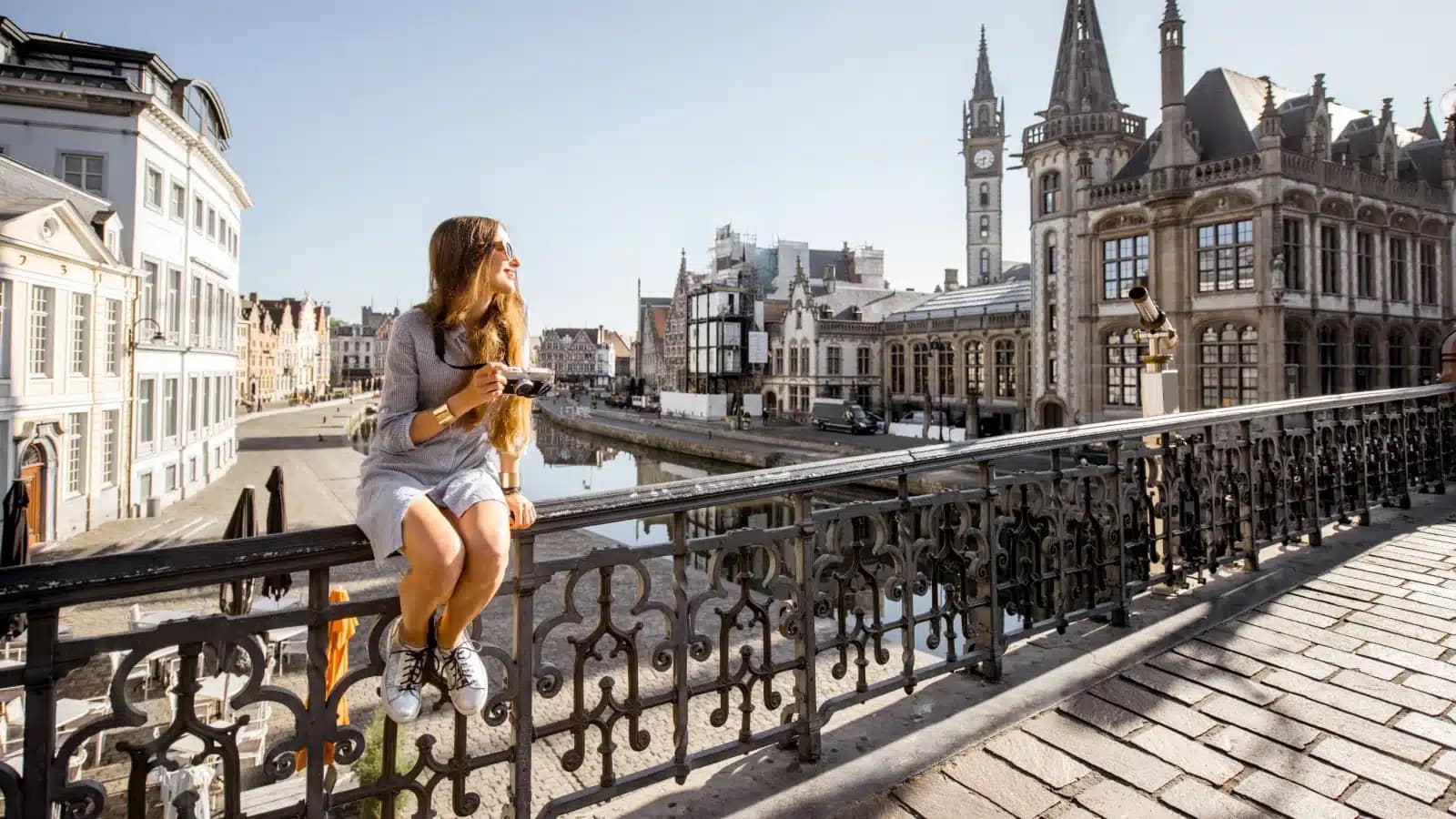
For most routes, you start with a long-stay D visa from the Belgian consulate that covers your home state (Atlanta, New York, Washington or Los Angeles). Signatures must be notarized, applications go through the visaonweb site, and there's no expedited service. Processing runs from about three weeks to six or nine months, depending on the category. Once you land, you register at your town hall within eight working days, the police check that you actually live at your address, and you get an A card, your first residence card, valid for one year and renewable.
Most routes also carry a residence contribution fee. It ranges from nothing to €377 (about $430) as of January 2026: €152 (about $175) for work permit holders and €242 (about $275) for D-visa applicants such as students. Children under 18 are exempt, and a married or legally cohabiting couple applying together on the same basis pays one fee.
Getting hired: the single permit and EU Blue Card
A Belgian employer applies for a single permit that combines your work and residence rights, and each region sets its own salary floor. For 2026, a highly qualified worker needs at least €3,703.44 gross a month in Brussels (about $50,600 a year), €53,220 a year in Wallonia (about $60,600) and €48,912 a year in Flanders (about $55,700), where the 2025 figure stays in force until an update is published. Flanders lowers the bar to 80% of that, €39,129.60 (about $44,600), for workers under 30, nurses and teachers, and asks for a higher-education degree from a program of at least three years. The EU Blue Card sits higher still: €4,748 a month in Brussels, €63,586 a year in Flanders and €68,815 in Wallonia. In Brussels a single permit lasts as long as your contract, up to three years, and renews. Since May 4, 2026, Brussels applications go through the federal One-Stop counter portal. If a U.S. employer sends you over for up to five years, the U.S.-Belgium social security agreement can keep you in U.S. Social Security instead of Belgium's system.
Working for yourself: the professional card
Belgium has no digital nomad visa. Freelancers and founders need a professional card from the region where they'll work, and the region has to see value in your plan. Flanders asks for €22,838 (about $26,000) in a personal account plus a full business plan, and expects your activity to add economic, innovative, cultural or artistic value to Flanders. In Brussels the card costs €140 when you apply and €90 when it's issued, takes about three months once your file is complete, and is often granted for two years at first, up to five. The consulate estimates about three months for the matching D visa.
Studying
A degree program is one of the steadier ways in. From the 2026-2027 academic year, non-EU students must show €1,062 a month (about $1,210), up from €835. If you use a blocked account, it needs twelve months of that, €12,744 (about $14,500). Public university students pay a €251 residence fee.
Joining a partner
If your partner already lives in Belgium legally, family reunification is open to you, with stricter rules since August 18, 2025. Your partner must show net income of €2,408.79 a month (about $2,740), plus 10% for each additional family member joining. Pensions and rental income count; child benefits and the living wage don't. Documents should ideally cover the previous 12 months, and both partners must now be at least 21. The consulate quotes three weeks to six months, depending on the relationship.
Retiring on U.S. income
The consulate lists retirement as a D-visa category with about three months of processing. Here's the gray area: Belgium publishes no minimum income for it, and files are judged case by case. Applicant guides suggest showing roughly €1,500 to €2,000 a month (about $1,700 to $2,300) in stable pension, investment or savings income, plus health coverage valid in Belgium and the Schengen area. Treat this as a route for people with solid, well-documented income, and have a professional review your file first.
The long game: permanent residence and a second passport
After five years of uninterrupted legal residence, you can apply at your town hall for permanent residence. The application is free, and the card itself costs about €33. Belgian nationality by declaration also starts at five years, but you'll need to show knowledge of Dutch, French or German, proof of social integration, and 468 working days or six quarters of social security contributions. After ten years, community participation replaces that work requirement, which matters for retirees. The nationality fee jumped from €150 to €1,000 (about $1,140), indexed each year. The good news is that Belgium doesn't make you give up your U.S. citizenship.
Temporary Residency (e.g., Work, Study, Family Reunification)
Your first card for work, study or family
Your first residence card, tied to a job, a degree program or a partner in Belgium. It's issued for a year at a time and renewed while your reason for being here holds.
- Valid U.S. passport
- Proof of legal residence in Belgium (if already present)
- Proof of income/employment or acceptance letter from educational institution
Permanent Residency
The payoff after five years
Apply at your town hall after five years of uninterrupted legal residence. The application itself is free, and the card costs about €33.
- Valid U.S. passport
- Proof of legal residence in Belgium (if already present)
- Proof of income/employment
04 · Life admin
Healthcare, taxes, banking and your first weeks

The systems here work well once you're inside them. Getting inside is the part to plan.
Healthcare
Everyone who lives in Belgium, expats included, must join a mutual health insurance fund (mutualité in French, ziekenfonds in Dutch) once they move or start work. Membership runs €70 to €160 a year (about $80 to $180). The national health insurance institute sets the reimbursement rates, so they're the same whichever fund you pick, and the fund refunds in principle about 75% of medical and dental costs after you pay. A standard family-doctor visit at a doctor who accepts the agreed rates leaves you paying about €4 if you've opened a global medical file with that doctor, or €6 without one. Your visa file will ask for proof of health insurance before any of this starts, so line up private coverage for the gap. Hunter Schultz, our healthcare coach, can help you decide what care you need, and ExpatInsure can set up the international policy.
Taxes
Here's where Belgium bites. Residents are taxed on worldwide income. For the 2026 assessment year, the federal brackets are 25% up to €16,720, 40% up to €29,510, 45% up to €51,070 and 50% above that, after a tax-free allowance of €11,180. Your town then adds a surcharge of 0% to 9% of the tax, around 7% on average. Interest and dividends paid through Belgian banks and brokers face a flat 30%. The U.S. keeps taxing you as a citizen too, so you'll file in both countries. The U.S.-Belgium tax treaty (the current version was signed in 2006) and U.S. foreign tax credits exist so you aren't taxed twice on the same income, but they only work if both returns are done right. MyExpatTaxes handles the U.S. side, and Beacon Global Advisors can plan how your U.S. accounts and retirement savings fit the move.
Banking
Belgian banks report American account holders to the IRS under FATCA, and Americans without a U.S. taxpayer ID have faced account closures. Bring your Social Security number and be ready to sign U.S. tax forms when you open an account. You'll need a Belgian account for rent, your rental guarantee and utilities. Moneycorp can move dollars into euros for the deposit and ongoing transfers.
Your first weeks
Register at the town hall within eight working days of arriving, with your passport, your lease and photos. A police officer will visit to confirm you live there, and the town then orders your residence card. In Flanders, adults with a residence permit of more than three months must follow a civic integration path: a social orientation course in a language you understand, Dutch lessons and individual guidance. You have to attend at least 80% of classes; skipping it can bring an administrative fine. Wallonia has stretched its own required integration path from 18 months to three years. You can drive on your U.S. license for the first 185 days after registering. After that, you swap it if your license is on Belgium's recognized list, or take the theory and road tests.
Checked in September 2026
Belgian salary floors, student funds and residence fees change every January or academic year, Flanders' 2026 salary figure is still pending, and stricter language and integration rules for citizenship are expected. Everything here reflects the rules we could confirm in September 2026. Check the current figure with the consulate or a licensed professional before you file.
05 · Finding your spot
Pick a region first, then a city
In Belgium, the region you choose shapes more than the scenery. It sets the language you'll deal with at the town hall and in school, the integration course you'll take, and even the salary your employer must pay for your work permit.
Flanders in the north runs in Dutch and has the civic integration path described above. Wallonia, in the south, runs in French and has its own three-year integration path. The Brussels-Capital Region is officially bilingual and home to the EU institutions, with the lowest highly qualified salary floor of the three regions in 2026. Before you sign a lease, check which region's rules will apply to your job and to your home.
Rebecca Poulson, our local guide, loves showing visitors the parts of Belgium most tourists skip. She's a good first call if you want to walk a few neighborhoods before you commit to a lease.
Belgian cities with an Expatsi guide
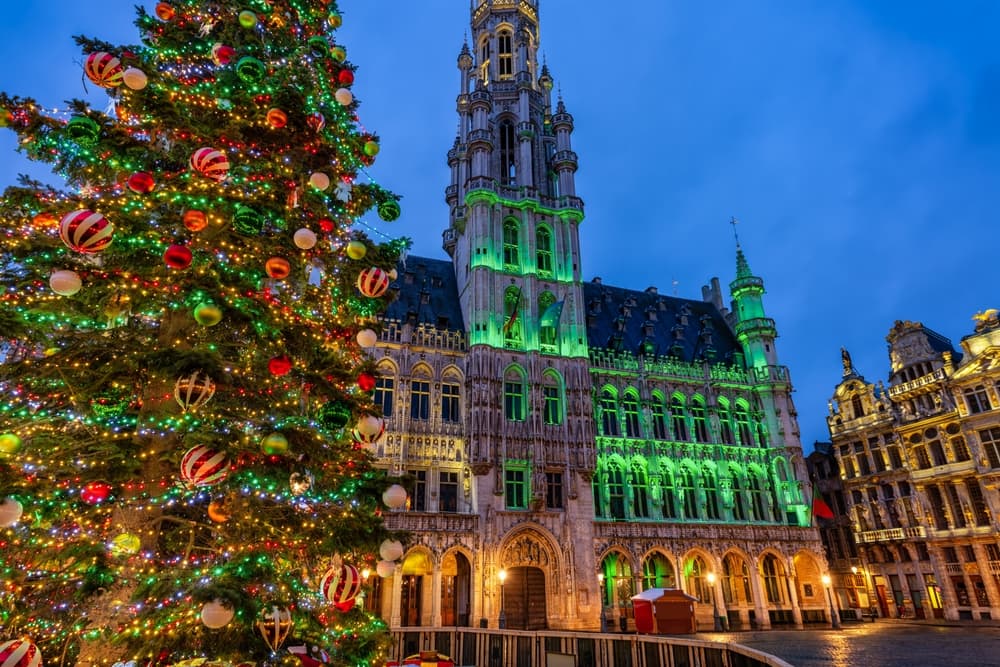
Brussels
The EU capital
For people who want an international city where English carries you far, with French and Dutch on every sign. Ixelles and Saint-Gilles are where many newcomers start, with nonstops home to New York, Chicago and Washington. The catch is crime: pickpocketing is common, and drug-gang shootings keep hitting communes like Anderlecht.

Antwerp
Flemish port city
A Dutch-speaking city for people who like a working-port feel with a design-minded center. The Central Station is a showpiece, Zuid and Het Eilandje are where many newcomers settle, and Brussels is a short train ride away. The catch is that Dutch runs daily life, so English only goes so far outside work.
Ghent
Canal-lined student city
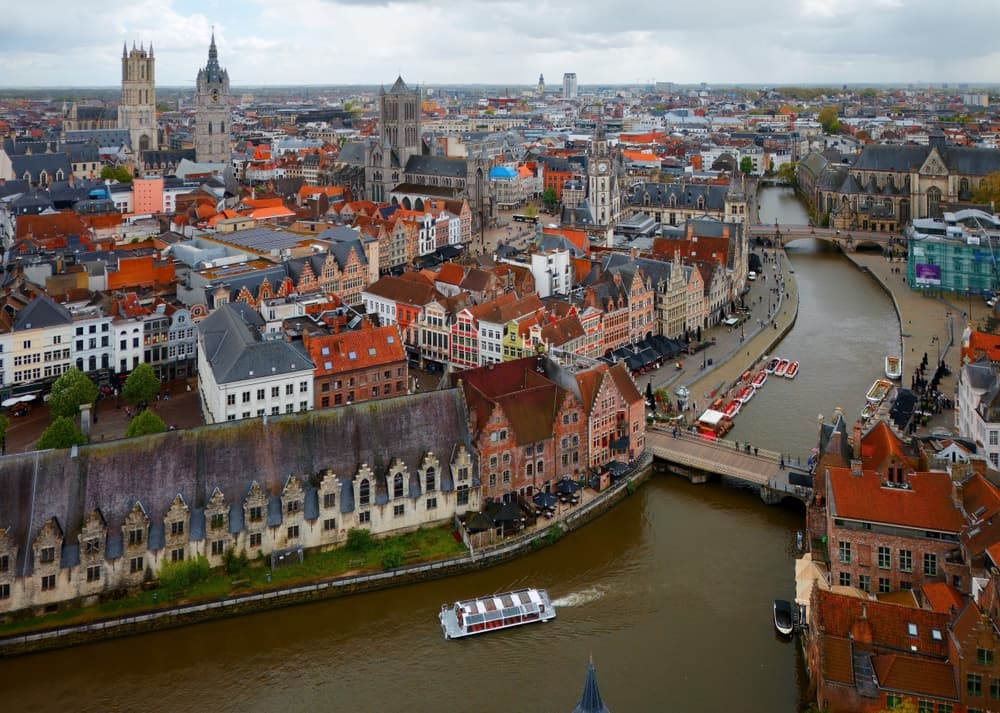
For anyone who wants a medieval center with a young, cycling-first feel and fewer crowds than Bruges. The Graslei and Korenlei quays anchor the old town, and the Gentse Feesten fills the streets every July. The catch is that student demand keeps small apartments competitive, and Dutch rules daily life.
Leuven
Walkable university town
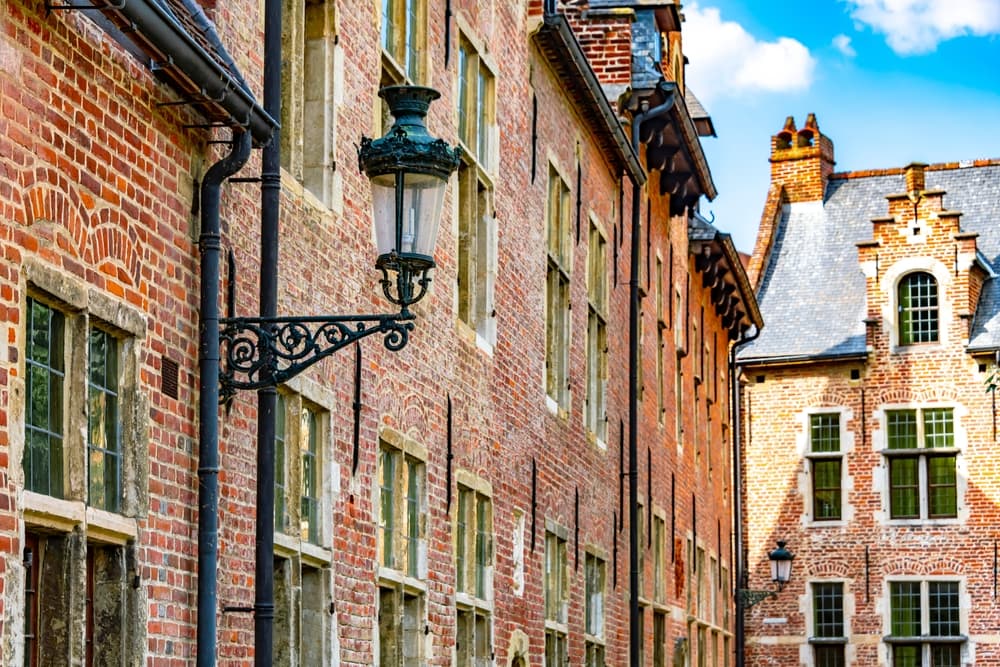
A compact university town for people who want a bike-friendly life with Brussels about half an hour away by train. The town hall on the Grote Markt is the postcard, and KU Leuven keeps the cafes busy all year. The catch is that it's small and student-heavy, and summers go noticeably quiet.
06 · Your move team
People who can take the paperwork off your plate
You've met most of them already. Belgium's rules are clear on paper and slower in person: notarized visa files, regional permits, a town hall appointment within eight working days, and two tax systems at once.
These are the Expatsi-vetted people who can take pieces of that off your plate, from someone who has already made the move from the U.S. to the specialists who handle your health coverage, taxes, money transfers and pets. They're grouped by what they do.

Hunter Schultz
Healthcare Coach
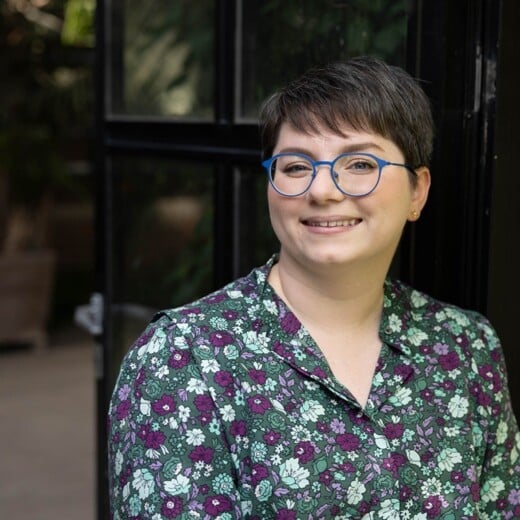
A healthcare coach with more than 20 years of expat living and a background in air medical transport. In a one-hour consultation he maps your health needs to a care plan for the country you're moving to.
Learn more
ExpatInsure
Global Health Insurance
Expatsi's international health insurance partner. They arrange the private coverage your Belgian visa file asks for and that bridges the weeks before your mutual fund membership is in place.
Learn more
MyExpatTaxes
U.S. Expat Tax Service
Tax software and support built for Americans abroad, filing U.S. returns since 2018. Useful the first spring you're taxed as a Belgian resident and still owe the IRS a return.
Learn more
Beacon Global Advisors
Financial Planning
Financial planners for Americans, for the questions a move raises about where your savings, investments and retirement accounts should sit once you live abroad.
Learn more


Lingoda
Language Learning
An online language school with small live classes you can book around work. A practical way to start on the language your region uses before the integration course and, later, the citizenship requirement.
Learn more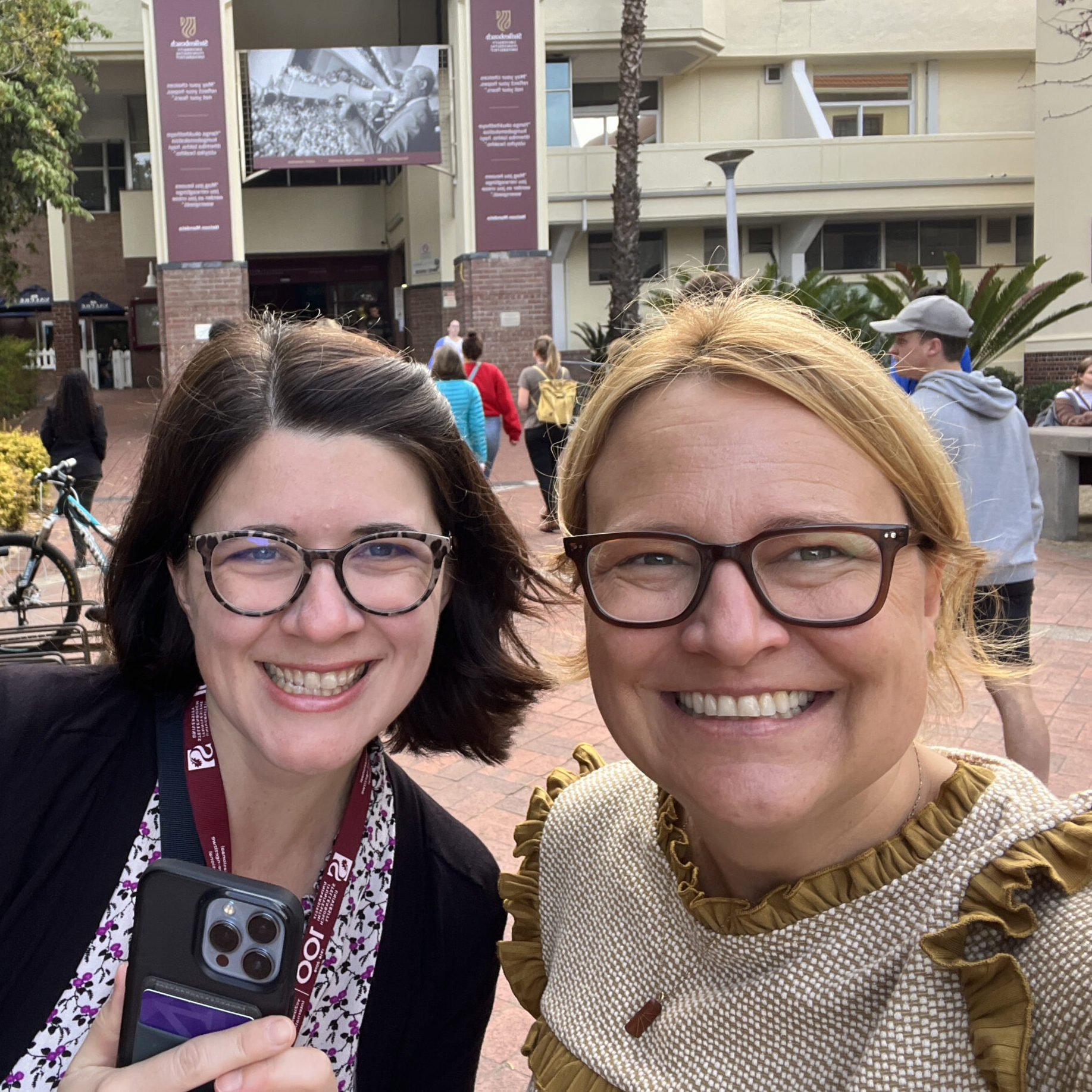
Culturosity Co.
Cultural Skills Coach
A cultural skills coach who helps Americans read the unwritten rules of a new country, from workplace habits to making friends.
Learn more07 · Quick answers
Moving to Belgium: common questions
Do I have to learn Dutch or French to live in Belgium?
Not to get a first residence card, but language comes up quickly. In Flanders, adults from outside the EU with a residence permit of more than three months must follow a civic integration path that includes Dutch lessons, and not following it can lead to a fine. Wallonia has its own required integration path. Belgian citizenship requires knowledge of Dutch, French or German.
What salary do I need for a Belgian work permit in 2026?
It depends on the region. For a highly qualified single permit in 2026, the minimum is €3,703.44 gross a month in Brussels, €53,220 a year in Wallonia and €48,912 a year in Flanders, where the 2025 figure applies until an update is published. The EU Blue Card sets a higher bar in every region.
Does Belgium have a digital nomad visa?
No. As of September 2026, Belgium has no digital nomad visa. Freelancers and business owners apply for a professional card from the region where they'll work, which requires a business plan and, in Flanders, €22,838 (about $26,000) in a personal account. Remote employees of foreign companies have no dedicated route.
How much does it cost to live in Belgium?
Expatsi estimates a comfortable life in Belgium at about $3,500 a month for a couple, $2,100 for one person and $5,500 for a family, rent included. A one-bedroom apartment in a city center averages about $1,000 a month, and Brussels sits at the higher end.
Will I pay taxes in both Belgium and the U.S.?
You'll file in both. Belgium taxes residents on worldwide income, with federal rates from 25% to 50% plus a town surcharge of up to 9% of the tax. The U.S. taxes its citizens wherever they live. The U.S.-Belgium tax treaty and U.S. foreign tax credits are designed to stop you paying twice on the same income, so get both returns done by someone who knows the two systems.
How long does it take to become a Belgian citizen?
The shortest route is nationality by declaration after five years of legal residence. You'll need to show knowledge of Dutch, French or German, social integration, and 468 working days or six quarters of social security contributions. After ten years, community participation can replace the work requirement. The fee rose from €150 to €1,000, and Belgium lets Americans keep their U.S. citizenship.
Can Americans move to Belgium without a job offer?
Yes, but the options are limited. Without a Belgian employer, the realistic routes are a self-employed professional card, a place in a degree program, a partner who already lives legally in Belgium, or a retirement D visa that's reviewed case by case. Belgium has no digital nomad visa, so working remotely for a U.S. company isn't a route on its own.
Can I retire in Belgium as an American?
It's possible, but it's not a sure thing. The Belgian consulates in the U.S. list retirement as a long-stay D-visa category with about three months of processing. Belgium publishes no minimum income for it and decides each file case by case, so retirees should show stable pension or investment income, often cited at roughly €1,500 to €2,000 a month (about $1,700 to $2,300), plus health insurance valid in Belgium and the Schengen area.
Sources
- Belgium: updated 2026 salary criteria for work and single permits · KPMG (checked September 2026)
- Employing a foreigner in Flanders: highly skilled · Flemish Government (checked September 2026)
- Contribution fee · Belgian Immigration Office (checked September 2026)
- Stable, regular and adequate means of subsistence · Belgian Immigration Office (checked September 2026)
- National visa (D-visa) · Embassy of Belgium in the United States (checked September 2026)
- Minister raises minimum financial requirements for non-EU students · European Migration Network Belgium (checked September 2026)
- Professional card for non-European nationals · Brussels Economy and Employment (checked September 2026)
- Requirements for a professional card · Flemish Government (checked September 2026)
- Changes to integration support and migration policy in Belgium · European Commission (checked September 2026)
- Applying for permanent residence · City of Ghent (checked September 2026)
- Tax rates · FPS Finance (checked September 2026)
- Belgium: taxes on personal income · PwC (checked September 2026)
- Travel Advisory: Belgium, July 2026 · U.S. Embassy in Belgium (checked September 2026)
- EUR/USD exchange rate · Trading Economics (checked September 2026)
Put Belgium side by side with your other options
The free Expatsi Test compares Belgium with other countries on cost, healthcare, climate and safety, so you can see where it lands for your life.
Why not you?