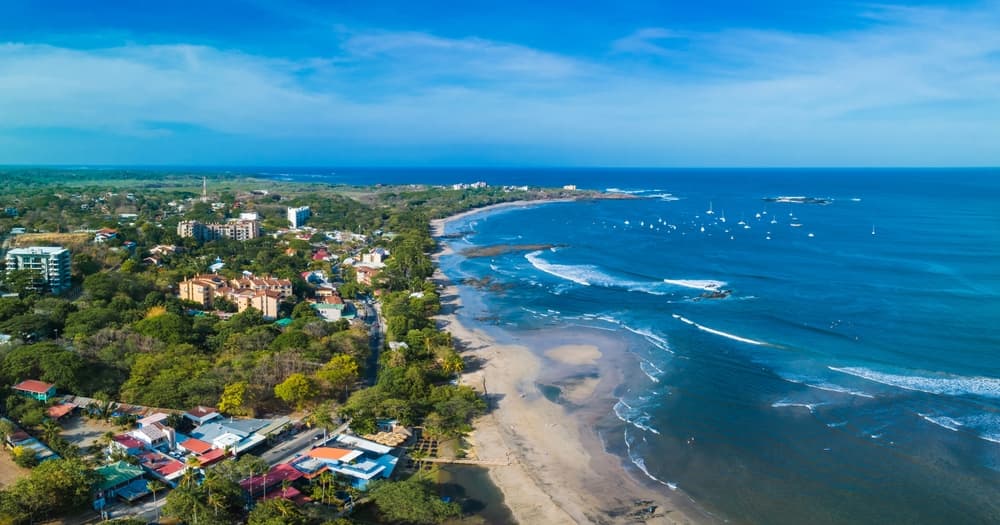
Tamarindo: surf-town living with an easy landing
A Guanacaste surf town where English is everywhere, nights stay warm year round, and direct U.S. flights are an hour up the road.
- 7,132
- Population (2022)
- $2,800/mo
- Monthly budget · single
- 81°F / 27°C
- Avg temperature
Tamarindo budgets run about $2,800 a month for one person and $3,900 for a couple, all in. A one-bedroom in the center of town goes for around $1,550, or about $1,050 if you live a few minutes inland. A family of four should budget close to $5,100. Those are beach-resort prices, not Costa Rica bargain prices: this surf town costs noticeably more than the capital does.
It suits two groups especially well. Remote workers get fiber, a few real coworking rooms and a surf break inside a ten-minute walk. Retirees get nights that average around 75F even in the coolest month, English almost everywhere, and an international airport with direct U.S. flights about an hour up the road.
Here's the catch. You're paying those prices in a town of 7,132 people with no hospital or city bus. Plus, this is the dry corner of Costa Rica, so dry-season water rationing is a normal part of the year.
At a glance
$2,800
Monthly budget · single person
$1,550/mo 1-bed rent, center
56/100
Safety index
$55
Internet / month
81°Fannual average
Oct 79° · Apr 84°
Climate
7,132
Population (2022)
Expatsi estimates, updated Aug 2026, based on rental listings, government statistics, and local reporting.
Cost of living
What it costs to live in Tamarindo
Single person
$2,300–$3,300/mo
about 10% below Austin, TX
Couple
$3,200–$4,600/mo
about 15% below Austin, TX
Family of four
$4,000–$6,200/mo
about 35% below Austin, TX
Compared with Austin, TX (Expatsi estimate, 2026).
- $11 −45%
- Inexpensive meal
- $1,250–$1,850/mo −21%
- 1-bed rent, center
- $850–$1,250/mo −22%
- 1-bed rent, outside
- $55/mo −15%
- Internet
- $242/sq ft −63%
- Buy price, center
Expatsi estimates, updated Aug 2026, based on rental listings, government statistics, and local reporting.
Daily life
How Tamarindo lives
- B- grade, 28th percentile among the cities we track
- Dining & caféstypical
- C grade, 15th percentile among the cities we track
- Arts & culturemodest
- C grade, 7th percentile among the cities we track
- Parks & outdoorsmodest
- C- grade, 1st percentile among the cities we track
- Schools & educationmodest
- C grade, 10th percentile among the cities we track
- Healthcare accessmodest
- C- grade, 0th percentile among the cities we track
- Bike infrastructuremodest
- C grade, 10th percentile among the cities we track
- Public transitmodest
Graded on OpenStreetMap amenity density relative to the 298 cities we track. Accessibility is the exception: it's graded against a fixed standard (terrain steepness and sidewalk surfaces), not a curve.
Climate
Weather through the year
Annual average 81°F (27°C) · 76 in of rain a year · Source: Open-Meteo Historical Weather API (temps: ERA5-Land 0.1°; precip/sunshine: ERA5 best-match; 1991-2020 normals)
On the ground
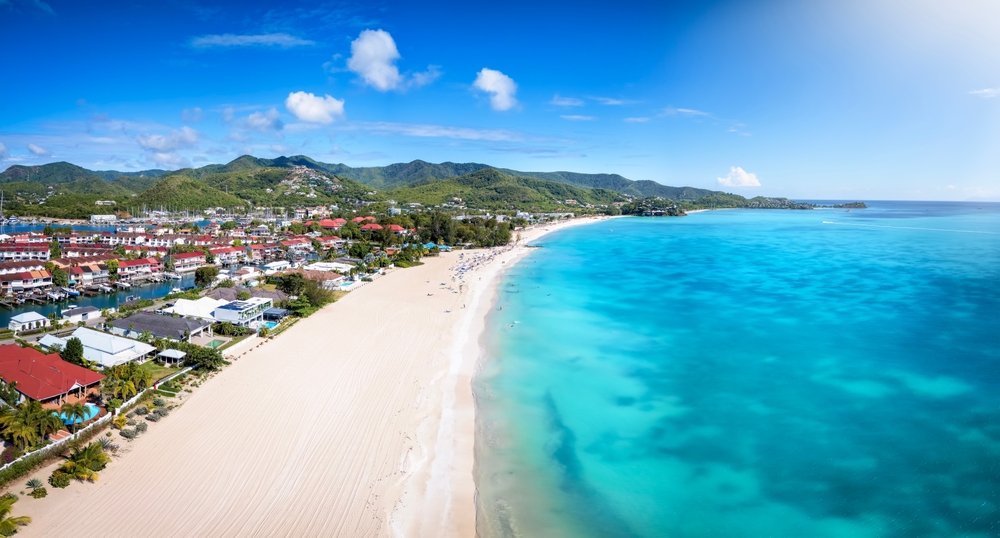
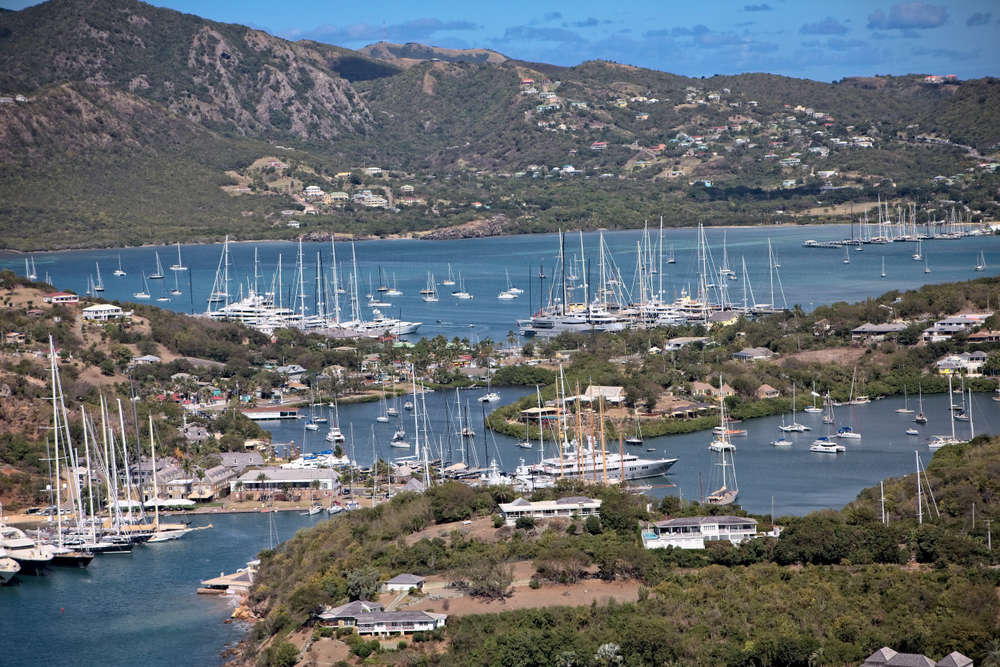
Scenes from Tamarindo
Getting around
Transport in Tamarindo
Tamarindo is roughly a mile of town wrapped around one main street, so most days you won't use a vehicle at all. Beach, supermarkets, banks and clinics are all about fifteen minutes on foot.
The signature local ride is the golf cart. They're street legal with a regular driver's license, and plenty of residents use one as their only vehicle. Bikes, scooters and ATVs are just as common. Uber works here, red taxis wait along the main strip, and shared colectivos run the few kilometers inland to Villarreal, where the post office and public clinic are.
There's no city bus. Buses are the intercity kind, and the useful one is the Liberia run, lasting two to three hours depending on whether it detours through the northern beaches.
Do you need a car? Not to live in town. You need one, or a good driver, the moment you want Playa Grande around the estuary, the schools up the coast, a hospital run to Liberia, or a beach down a dirt road. Liberia's airport is about an hour off on paved highway, and San Jose's is four to five hours away. In the wet months, ground clearance earns its keep.
- 0.8/sq mi
- Transit stops
- 0.0/sq mi
- Bike infrastructure
- 0.3/sq mi
- Wheelchair-accessible places
Mapped features per square mile from OpenStreetMap.
Keep exploring
Places like Tamarindo

Living here
Community and practical notes
The expat scene: People call it Tamagringo, and they aren't being subtle. North Americans and Europeans are a big share of the year-round population. English is spoken almost everywhere, and you could genuinely live here without much Spanish. Some count that as the selling point, while others cite it as the reason the town doesn't feel especially Costa Rican. Community runs on Facebook groups and two weekly farmers markets, and the crowd swings hard between high season and the quiet green months.
Healthcare: This is the honest limitation. Tamarindo has private doctors, dentists, pharmacies and a couple of 24-hour emergency clinics, and the nearest public EBAIS clinic is a few minutes inland at Villarreal. But there's no hospital in town. The nearest are about an hour away in Liberia: the public Hospital Enrique Baltodano Briceno, private San Rafael Arcangel, and CIMA Guanacaste by the airport. Anything complex means San Jose, four to five hours by road or a short domestic flight. Residency means enrolling in and paying into the Caja.
Remote work: Internet runs about $55 a month and fiber reaches most of town, which is not true of every Costa Rican beach town. A few proper coworking rooms sell day and week passes, the best of them on fiber with backup lines, plus the usual laptop-friendly cafes. Good setup, not a Medellin-scale nomad hub. Keep a local SIM as a hotspot backup.
Schools: There's no international school in Tamarindo itself, but several bilingual private schools sit ten to thirty minutes up the coast. La Paz Community School has campuses at Brasilito and near Papagayo and runs buses from the Tamarindo side, and CRIA follows a U.S. calendar nearby.
Limited mobility: Tamarindo's about as flat as a town gets, and that's the one thing genuinely in your favor here. Everything else is hard. Sidewalks start and stop; curb cuts are rare; plenty of shoulders are dirt or sand, and beach access is sand by definition. Shops and restaurants often have a step at the door, and there's no accessible bus or taxi network to fall back on. What does work: the paved main strip, newer condo buildings with elevators and step-free parking, and a golf cart for door-to-door trips. If mobility is a factor, be sure to view any rental in person, ask specifically about step-free entry and paved parking, and budget for private transport.
Retirement: Tamarindo genuinely suits retirees who want warmth, English and a short hop home, and Costa Rica's pensionado route runs on a lifetime pension. Read the pensionado visa page, compare it with other retirement visas, and see the full guide to moving to Costa Rica. Just weigh that hospital drive honestly, because it matters more with every decade.
Housing
Renting and buying
- 1-bed rent (center)
- $1,250–$1,850/mo
- 1-bed rent (outside center)
- $850–$1,250/mo
- Buy price (center)
- $242/sq ft
- Buy price (outside center)
- $177/sq ft
Expatsi estimates, based on rental listings, government statistics, and local reporting.
Good to know
Frequently asked questions
How much does it cost to live in Tamarindo, Costa Rica?
Budget about $2,800 a month for one person and $3,900 for a couple, with a family of four closer to $5,100. Rent drives it: a one-bedroom in the center runs around $1,550, while the same place a few minutes inland is about $1,050. Internet is roughly $55 and a cheap local meal about $11. Tamarindo is one of the pricier places to live in Costa Rica, so don't plan around the country's averages.
Is Tamarindo safe?
Tamarindo scores 56 on the safety index, which puts it in the middle: safer than San Jose, less safe than a quiet inland town. The realistic risk is property crime, not violence aimed at residents, so think bags lifted off beach towels, break-ins to parked cars, and burglaries of empty rentals. Leave nothing visible in a car and nothing unattended on the sand. The bigger physical dangers are rip currents and the crocodiles in the estuary, which you should never swim in.
Do you need a car in Tamarindo?
Not for daily life. The town is about a mile long, you can walk to the beach, the supermarkets and the clinics in fifteen minutes, and most residents get around by golf cart, bike or scooter. There's no city bus. You'll want a car once you leave town: school runs up the coast, a hospital trip to Liberia, or beaches down dirt roads. In the wet months, ground clearance matters.
Is there really a water shortage in Tamarindo?
Yes, and it's the downside nobody puts in the brochures. Guanacaste is the driest part of Costa Rica, four months bring essentially no rain, and building has outpaced the water system. Rationing and low-pressure spells in the dry months are routine in some neighborhoods. Most homes have rooftop tanks to ride out an outage. Before renting, ask about tank size, whether the neighborhood was rationed last dry season, and whether a well backs up the municipal line.
What is the weather like in Tamarindo?
Hot and remarkably steady. The annual average is about 81F, daytime highs average between 83F and 92F depending on the month, and nighttime lows average around 75F to 78F, so there's no cool season and air conditioning isn't optional. The real seasonal story is rain. December through March is a genuine dry season with almost no rainfall, then September and October are the soakers. About 76 inches falls a year, nearly all of it between May and November.
Is Tamarindo wheelchair accessible?
Only partly. The terrain is flat, which helps more than people expect, and the paved main strip and newer condo buildings with elevators are workable. Beyond that it's tough. Sidewalks are patchy, curb cuts are rare, many shoulders are dirt or sand, shops often have a step at the entrance, and there's no accessible bus or taxi service. Plan on private transport, and see any rental in person before you commit.
Can you retire in Tamarindo?
Yes, and plenty of Americans do. Costa Rica's pensionado residency runs on a lifetime pension, and Tamarindo gives you warm ocean year round, English almost everywhere, and Liberia's international airport about an hour away. The honest counterweight is healthcare: no hospital in town, the nearest an hour off in Liberia, and specialist care four to five hours away in San Jose. Retirees with regular specialist appointments often pick the Central Valley instead.
See how Tamarindo fits your life
Take the free Expatsi Test and compare Costa Rica to nearly 200 countries on what actually matters: cost, healthcare, climate, and safety. About five minutes.
Why not you?