The complete guide
Move to Spain without the guesswork
Sunshine, universal healthcare, and a real path to residency. Here is what it costs, which visa fits, and where Americans are actually landing in 2026.
Around 50,000 Americans now call Spain home, and more arrive every year. This is the no-spin version of how they did it, and how you can too.

By Jen Barnett, Co-founder, Expatsi
Reviewed and updated September 27, 2026 · 13 min read

01 - The case for Spain
Why Spain keeps winning Americans over

Spain does something rare. It is genuinely affordable by Western European standards, it has healthcare that consistently ranks among the best in the world, and it still feels like a place people actually live in rather than a museum. You get 250 days of sun a year, a coastline that runs from the warm Mediterranean to the wild green north, and a culture built around long lunches and later dinners.
The numbers back up the vibe. Spain was the number one European destination for Americans relocating in 2024, ahead of France, Germany, and the Netherlands. Best estimates put the American community at roughly 48,000 to 51,000 people and climbing, a jump of about a quarter in just two years. A lot of that momentum traces back to the 2023 Digital Nomad Visa, which finally gave remote workers a clean, legal way in.
Who is actually making the move? Retirees stretching a pension somewhere sunny and safe. Remote workers who kept the U.S. paycheck and swapped the commute for a walkable neighborhood. Families chasing better public schools and a slower pace. And a growing wave of people who simply want universal healthcare and a train system that shows up on time. Spain has a legal lane for almost all of them.
Here is what pulls people across the Atlantic: your dollar stretches, the trains are fast and cheap, and you are a short flight from the rest of Europe. Day-to-day life is safe, walkable, and social. Spain also scores high on the things a lot of Americans quietly care about now, like LGBTQ acceptance, women's rights, and a stable democracy.
And the logistics are gentler than people fear. Direct flights connect Madrid and Barcelona to most major U.S. hubs in about eight hours, so home is a long travel day away, not a saga. The East Coast time difference is six hours, workable for staying close to family or keeping some US work hours. Spain is also unusually kind to families and pets, with solid international schools, legal homeschooling, and a general softness toward kids and dogs in public life.
Here is the catch
Spain isn't a tax haven, nor is it a place you can wing. Stay more than 183 days in a year and you become a tax resident, which means Spain wants a look at your worldwide income (more on that below). The paperwork's slow and bureaucratic, rewarding patience more than hustle. Outside the big cities and expat pockets, English gets thin fast, so you'll want some Spanish. Rents in central Madrid and Barcelona have climbed hard. And the old buy-a-house, get-residency Golden Visa? Gone since April 2025. If your plan was to invest your way in, that door is closed, so the honest routes below are what is left.
Spain rewards people who show up ready to live like locals, not tourists who never go home. If that is you, the rest of this guide is your map.
- Cost of living (single)
- $1,900/mo
- Safety index
- 70/100
- Internet speed
- 120 Mbps
- Language
- Spanish (Castilian)
- Capital
- Madrid
- Population
- 48.6M
02 - What Spain actually costs
$2,900
Couple, per month
all in and comfortable
$1,900
One person, per month
rent, food, transit
$1,050
One-bed, city center
less a bit farther out
$16
Dinner out, per person
casual neighborhood spot
Your money goes further here

A quick note on money: we price this page in U.S. dollars, and we flag the euro figure whenever a Spanish rule is written in euros. A couple can live comfortably in most of Spain on about $2,900 a month, all in. One person lands closer to $1,900. Those are our estimates, not official figures; plus, your number swings with one big variable: which city you pick.
Madrid and Barcelona are the splurge. Expect $1,500 to $1,600 for a normal one-bedroom in a decent central neighborhood, and a lot more in the tightest areas. Valencia, Malaga, and Alicante give you the same sunshine and coastline for noticeably less, often in the $1,000 to $1,400 range. Head inland or to the green north, to places like Granada or a small Asturian town, and rents drop again.
The stuff that quietly drains American budgets back home gets cheaper here. A solid dinner out runs about $16 a head. A monthly transit pass is around $35, and in most cities you will not need a car at all. Fast home internet is about $34. Fresh produce, local wine, and a weekday menu del dia lunch are almost suspiciously affordable.
Utilities stay modest, too. Electricity, water, and gas for a small flat run roughly $115 to $175 a month, though summer air conditioning and heating an older building in winter can push that up. That famous set-menu lunch gets you three courses and a drink for around $14 to $17 on a weekday. None of this is Southeast-Asia cheap, but next to a big U.S. city, it feels like a quiet raise.
Healthcare is the big one. Spain runs a universal public system that routinely ranks near the top worldwide, and if you are working or on certain visas you pay into it through social security. Retirees on the Non-Lucrative Visa buy private coverage instead, which is still far cheaper than what you're used to, often a few hundred dollars a month for a comprehensive plan with no copays.
The good news is that the math usually works in your favor. The catch is that Madrid and Barcelona can erase the savings in a hurry, so where you settle matters as much as the visa you get.
Why the budget and the visa line up
Notice how the money and the paperwork point the same direction. Most Spanish residence visas ask you to prove income that lands right around what a comfortable life actually costs here, roughly $2,800 to $3,300 a month for one person and more for a couple or a family. Spain writes those floors in euros, at 2,400 and 2,849 a month, so the dollar figure shifts with the exchange rate. Hit that number honestly and you'll clear two hurdles at once: the visa and the grocery bill. It is one of the reasons Spain feels reachable for regular people, not just the wealthy.
03 - The life you are buying
What daily life actually feels like

Spain's real product is not the sunshine, it is the pace. Lunch is long, dinner starts late, and nobody rushes you off a terrace. Kids play in the plaza after dark while their parents finish a second coffee. It sounds like a cliche until you live it, then it quietly reorganizes your whole week.
The social fabric is the part Americans tend to underrate. Neighborhoods are walkable and mixed, so you bump into the same faces at the same cafe and slowly get folded in. Food is central and cheap enough to be a daily habit, not a special occasion. The country leans open and progressive: Spain was one of the first countries in the world to legalize same-sex marriage, so it scores high on LGBTQ acceptance, women's rights, and press freedom.
The language reality
English will get you through Madrid, Barcelona, and the big expat hubs on the coast. Everywhere else it thins out fast. Nobody expects you to be fluent on arrival, but a working grasp of Spanish is the difference between just watching Spain and living in it. The good news is that Spanish is one of the friendlier languages for English speakers to pick up, so a few months of real effort goes a long way.
The safety reality
Spain ranks as one of the most peaceful countries on earth, well ahead of the United States. Violent crime is rare. The real risk is petty: pickpockets prowl in crowded tourist spots and on the metro. Keep a hand on your bag around the Barcelona airport and busy plazas and you have handled most of it.
A calendar full of reasons to gather
Life here runs on shared events. Nearly every town throws its own fiestas, with street parties, processions, and food that shuts the place down for days at a time. Sundays are for long family meals, and much of the country empties toward the coast in August. You don't have to join all of it, but the invitations keep coming, which is exactly how newcomers stop feeling like outsiders.
What comes standard
Universal healthcare
A public system ranked among the world's best, plus cheap, high-quality private plans.
250 days of sun
A mild Mediterranean climate you feel almost all year long.
Everyday safety
One of the most peaceful countries in Europe for ordinary daily life.
All of Europe, close
Cheap flights and high-speed trains to the rest of the continent.
A built-in social life
Walkable neighborhoods, long meals, and plazas made for lingering.
Stable and open
A full democracy with strong rights and a high quality of life.
04 - Your visa options
Which Spanish visa actually fits you

Spain doesn't have one move-here visa: it has a handful, and the right one depends entirely on how you earn your money. The Golden Visa investment route ended in April 2025, so these are the real paths now. Here is the plain-English version. If you aren't sure which one is yours, the quick trick is to match the visa to your income source, not the other way around.
Retiring or living on savings
If you can support yourself without working, the Non-Lucrative Visa is the classic retiree route. You prove passive income of roughly $33,400 a year from pensions, Social Security, or investments, buy private health insurance, and you are in. Spain sets that floor in euros, at 28,800 a year, which is 400 percent of its IPREM benchmark. The one hard rule: no working, not even remotely for a US employer.
Keeping your remote job
Still working online for a company back home? The Digital Nomad Visa was built for you. You show income of about $3,300 a month, set in euros at 2,849, twice the Spanish minimum wage, and you can even opt into a flat 24 percent tax rate on your Spanish income for up to six years.
Getting hired or building a company
Landing a skilled job with a Spanish employer points you to the Highly Qualified Professional visa, which skips the usual labor-market test and moves fast. Founders building something innovative should look at the Entrepreneur Visa, which hinges on a favorable report from Spain's national innovation agency and comes with a three-year permit.
Going for the passport
If you hold citizenship from a Latin American country, Puerto Rico, or a few others, Spain offers a rare shortcut: citizenship after just two years of legal residence instead of the usual ten.
There are a couple of other doors too, including a student visa and a general work visa for jobs that are not classed as highly qualified, but the five routes above are how most Americans actually get in.
Whichever door you use, the long game is the same. Five years of continuous legal residence gets you permanent residency, and ten years gets you citizenship, or two if you qualify for the fast track. The table below lays every option side by side.
Every Spanish visa, side by side
| Visa | Category | Application cost | Processing | Difficulty | Guide |
|---|---|---|---|---|---|
| Digital Nomad Visa | digital nomad | $80 | ~30 days | 3/5 | Guide |
| Entrepreneur Visa | self employment | $80 | ~30 days | 4/5 | Guide |
| Fast-Track Citizenship (2-Year Residency) | citizenship | $113 | ~365 days | 3/5 | Guide |
| Non-Lucrative Residence Visa | retirement | $80 | ~90 days | 3/5 | Guide |
| Skilled Professional Visa (Highly Qualified Professional) | skilled work | $80 | ~30 days | 4/5 | Guide |
| Student Visa | student | $80 | ~30 days | 2/5 | Guide |
| Work Visa (General) | skilled work | $80 | ~30 days | 4/5 | Guide |
05 - The practical stuff
Healthcare, taxes, and the fine print

This is the chapter that decides whether your move is smooth or stressful. None of it feels scary once you see it laid out.
Healthcare
Spain's public health system is genuinely excellent and nearly free at the point of use once you're in it. Employees and most work visa holders pay in through social security automatically. Retirees on the Non-Lucrative Visa are not covered at first, so they buy private insurance, which is high quality and cheap by American standards. Many regions also let long-term residents pay into the public system through a scheme called the convenio especial.
Taxes
Here's the part people get wrong. Spend more than 183 days in Spain in a year and you are a Spanish tax resident, taxed on your worldwide income. For employees, remote workers, and founders, the Beckham Law can cap your Spanish income tax at a flat 24% for six years and leave most foreign income alone. Retirees do not get that break, so their pensions and investments face normal progressive rates. There's also a wealth tax, but a national top-up only bites above about $3.5 million, or 3 million euros, so most movers never touch it.
The one thing that never goes away: you're American, so you keep filing U.S. taxes every year no matter where you live. The US-Spain treaty and the Foreign Earned Income Exclusion (FEIE) keep you from being taxed twice, but you'll want a cross-border accountant to file every spring, not your cousin who does TurboTax. If you hold more than about $58,000, or 50,000 euros, in foreign accounts, Spain wants a declaration, too.
Entry and timing
Right now, Americans get 90 days in Spain visa-free for scouting. Two new EU border systems are rolling out: biometric entry and exit checks are already live, while ETIAS, a quick online travel authorization that is not a visa and costs about $23, or 20 euros, is expected to become mandatory in late 2026. Neither changes your residency plan, but both are worth knowing before you book.
Banking and daily admin
Early on, you'll want a Spanish bank account and NIE, the foreigner ID number that unlocks almost everything from a phone contract to a rental lease. Both are straightforward once you're in the system, and a good relocation partner can line them up for you. Public transport is excellent in the cities, so most residents skip car ownership entirely to lean on the metro, buses, and Spain's superb high-speed trains.
This guide is dated on purpose
Spain's rules move. The Golden Visa vanished in April 2025, the 183-day residency rule came back in 2025, and Europe's new ETIAS and entry-exit systems land through 2026. Income thresholds are tied to Spanish benchmarks that reset most years, and Spain writes them in euros. We convert at about $1.16 to the euro, the rate in late August 2026, so every dollar figure here drifts as the rate moves. We keep this page current, but always confirm the live numbers with our immigration lawyer before you file. Treat every figure here as a solid estimate, not gospel.
06 - Where to live
Ten cities Americans actually pick

Madrid
Capital energy
Spain's big, buzzing center: the Prado, the Reina Sofia, a serious food scene, endless nightlife, and fast trains to anywhere. Pricey and landlocked, but nothing else in the country moves like it, and jobs cluster here.

Valencia
The expat favorite
The current darling: a proper city with beaches, the birthplace of paella, futuristic architecture, and rents well below Madrid. Big American community, easy to settle into, and hard to leave.

Barcelona
Cosmopolitan coast
Beach and mountains at the edge of a global city, with Sitges down the coast and the Costa Brava towns up it. Endless culture and jobs, plus the highest rents in Spain and the most tourists to dodge.

Girona
Catalan quality of life
A postcard medieval city of colorful riverfront houses and one of Spain's best food scenes, with a high-speed train that reaches Barcelona in under 40 minutes. Calmer and cheaper than the big city, with the Costa Brava and the Pyrenees on your doorstep.

Seville
Andalusian soul
Flamenco, orange trees, and maybe the most Spanish city on this list, with the Costa de la Luz beaches an hour and a half southwest. Gorgeous and affordable, if you can handle brutal summer heat.
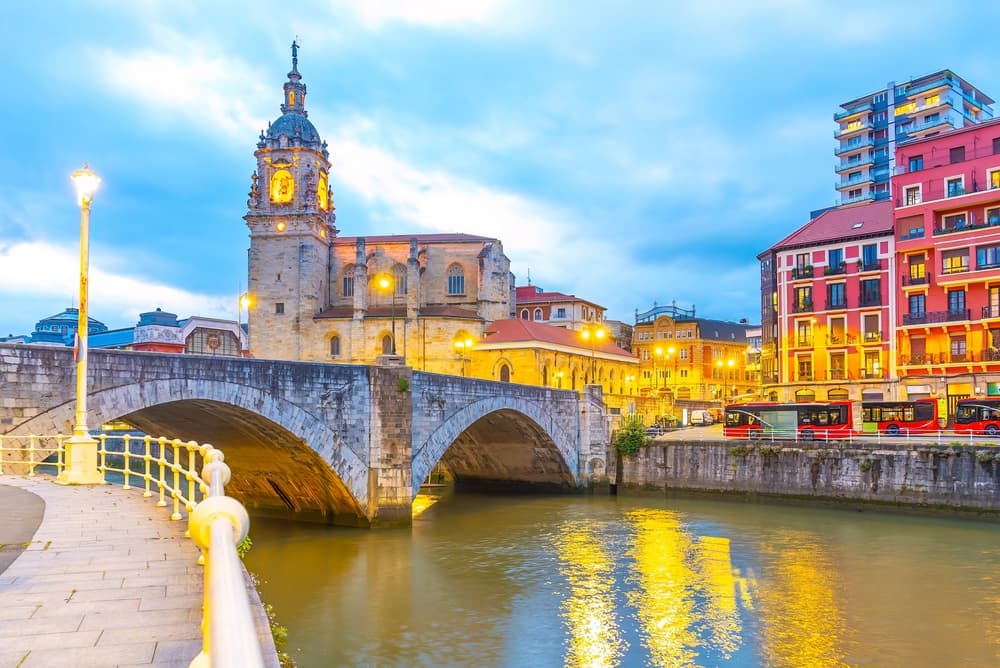
Bilbao
Green and underrated
The cool, rainy north: the Guggenheim, some of the best food in Europe, and mild summers. For people who want Spain without the sunburn, the crowds, or the tourist prices.
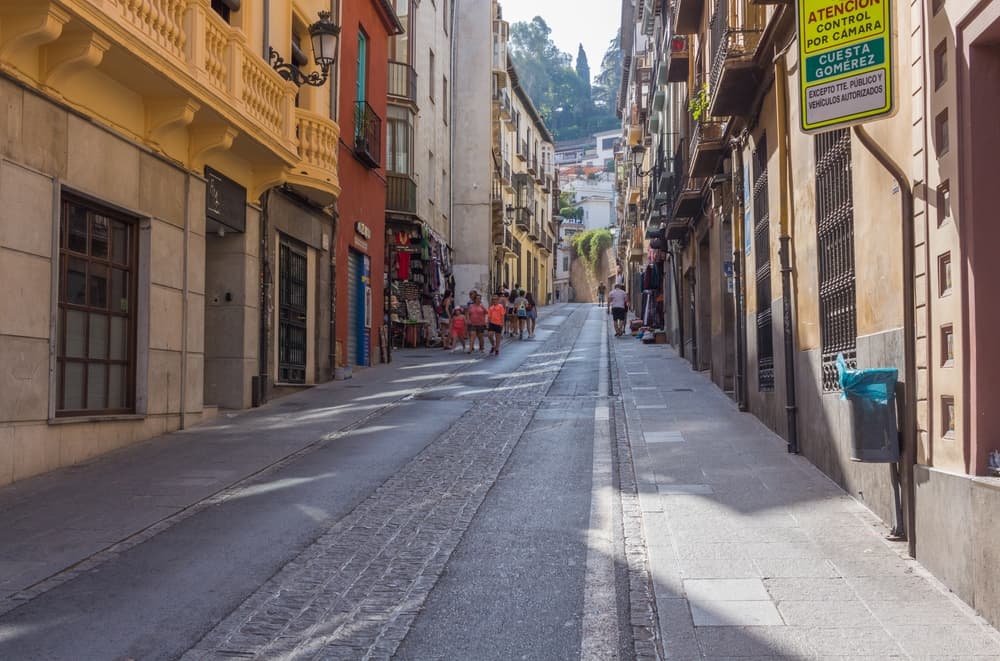
Granada
History on a budget
The Alhambra out your window and some of the cheapest living in the country. Free tapas come with every drink, a big student energy keeps it lively, and the Sierra Nevada offers winter skiing.

Alicante
Costa Blanca living
Sun almost every day, a walkable beach city, and one of Spain's largest established foreign communities all along the Costa Blanca coast.

Murcia
Sunshine and value
A laid-back university city ringed by orchards, with nearly 3,000 hours of sun a year and some of the lowest rents in Spain. The Costa Calida beaches are 45 minutes away.

Malaga
Costa del Sol hub
The Costa del Sol capital has grown into a stylish tech and culture magnet, with an airport that flies everywhere and winters warm enough to swim in.








The people who make it easier
You can absolutely do this alone, but you do not have to, and the people below have done it hundreds of times. These are vetted partners Expatsi works with on the ground in Spain: relocation specialists who file the visa paperwork, coaches who help you land softly, and the money and health folks who handle the boring-but-critical stuff. Start with whichever problem keeps you up at night. Each of them has walked Americans through the exact move you are weighing, so you're not their first rodeo.


Rachel Mims
Career Coach: Therapists, Veterans Coach, Expat Therapy
A Barcelona-based career coach for Americans sorting out work, therapy careers, and remote setups abroad.
Learn more
Christine Job
Move Abroad Coach
A move-abroad coach in Valencia focused on Black expats and women building a life in Spain.
Learn more


ExpatInsure
Global Health Insurance
Private health insurance that meets Spanish visa requirements.
Learn more
Moneycorp
Currency Exchange
Better exchange rates than your bank when you move dollars into euros.
Learn more
Lingoda
Language Learning
Online Spanish classes to get you conversational before you land.
Learn moreSee Spain before you commit
Reading about Spain is one thing. Standing in a Valencia neighborhood doing the mental math on rent is another. Expatsi runs small-group scouting trips led by the Moving to Spain team, from Andalusia to the Mediterranean coast to the green north, with local experts, real estate tours, and visa seminars built in. You walk the neighborhoods, price real apartments, and meet the lawyers and agents in person. It's the fastest way we know to turn a fuzzy "maybe" into a confident "yes" or clear "no."
Upcoming Spain scouting trips

Andalusia (Granada/ Malaga /Seville)
8 nights · Mar 4-12, 2027 · hosted by Vanessa Rosenblum-Ingles, Moving to Spain
- Seminar & opening dinner with experts in visas, healthcare, & taxes
- 8 nights
- group transportation
From $2,299 per person
See this trip
Barcelona / Valencia / Alicante
9 nights · May 6-15, 2027 · hosted by Vanessa Rosenblum-Ingles, Moving to Spain
- Seminar & opening dinner with experts in visas, healthcare, & taxes
- 9 nights
- group transportation
From $2,999 per person
See this tripGo deeper
A few free guides and member webinars to take you from idle curiosity to a real plan with dates on it.
Spain Healthcare Report
Healthcare guide for Spain
A free, detailed breakdown of how Spanish healthcare works for foreigners.
How To Move To Spain in 6 Months
This webinar will go over what you need to know about relocating to Spain. From visa options to the residency process, to the regions of Spain and more, this webinar will give you the info you need.
The step-by-step plan for going from decision to landed in about six months.
Finances for Expats in Spain
So you want to move to Spain? Make sure you watch this webinar to set real financial expectations for the move and how to manage your finances and taxes once there.
Taxes, banking, and moving money, explained for American expats in Spain.
Spain Scouting Trips
Thinking about Spain but unsure where you’d actually want to live? One of the best ways to answer that question is a scouting trip. Instead of trying to piece things together from blogs and videos, you’ll experience daily life, explore neighborhoods, and see what living in Spain could really look like. In this webinar, we’ll walk through how our Spain scouting trips work, the cities we visit, and how these trips help future expats evaluate lifestyle, housing, and location before making a big move. If Spain is on your shortlist, this session will show you how a scouting trip can help you turn research into real progress.
What our small-group scouting trips are actually like, start to finish.
Find your people
Spain
Expatsi Community
Trade tips, war stories, and apartment leads with other Americans already in Spain or partway through the move. It is free, and it is the fastest way to get a real answer to a weirdly specific question.
Join the Spain communityCommon questions about moving to Spain
Will I have to pay taxes in both Spain and the U.S.?
You will file in both, but you almost certainly will not be taxed twice. Spend 183 or more days a year in Spain and you are a Spanish tax resident on worldwide income. The US-Spain treaty and the Foreign Earned Income Exclusion offset most of that, and U.S. citizens always keep filing their annual return with the IRS. Get a cross-border accountant.
When should I start, and do I need ETIAS?
You can scout Spain right now for up to 90 days visa-free. ETIAS is a quick online travel authorization, not a visa and around $23, or 20 euros, expected to become mandatory for Americans in late 2026, alongside Europe's new biometric entry and exit system. To actually move, start your chosen visa several months ahead, because Spanish paperwork is slow.
How much money do I need to move to Spain?
It depends on the visa and the city. A couple lives comfortably on about $2,900 a month, and one person on around $1,900, outside pricey central Madrid and Barcelona. Most residence visas also ask you to prove income in that same range, roughly $33,400 a year for a retiree or about $3,300 a month for a remote worker. Spain sets those two floors in euros, at 28,800 a year and 2,849 a month, so the dollar figures move with the exchange rate.
How long until I can get permanent residency or citizenship?
Five years of continuous legal residence gets you permanent residency. Ten years gets you citizenship, dropped to just two years if you're a national of a Latin American country, Puerto Rico, or a few others. Spain generally asks most Americans to renounce U.S. citizenship at naturalization, so many simply keep permanent residency instead.
Do I need to speak Spanish?
To get by in Madrid, Barcelona, or the big coastal expat hubs, not really. To build a real life anywhere else, yes. English thins out quickly outside the cities. You do not need fluency to arrive, but a working level of Spanish makes everything from doctor visits to friendships far easier.
Can Americans still get residency by buying property in Spain?
No. Spain's Golden Visa, which granted residency for a property purchase of about $580,000, or 500,000 euros, ended on 3 April 2025. You can still buy a home freely, but it no longer comes with a visa. Retirees now use the Non-Lucrative Visa and remote workers use the Digital Nomad Visa.
How good is healthcare in Spain?
Very good. Spain's public system ranks among the best in the world and is nearly free once you are in it. Workers and many visa holders pay in through social security. Retirees on the Non-Lucrative Visa buy private insurance, which is high quality and cheap compared to the U.S.
Is Spain safe for Americans?
Yes. Spain is one of the most peaceful countries in the world, far safer day-to-day than the U.S. on most measures. Violent crime is rare. The realistic risk is pickpocketing in crowded tourist areas and on public transit, so keep an eye on your bag and phone.
Sources
- Foreign population statistics (U.S. nationals in Spain) · Spain National Statistics Institute (INE)
- First residence permits issued to U.S. citizens, 2024 · Eurostat
- Golden Visa cancelled: Organic Law 1/2025 · KPMG
- Travelling to Europe: ETIAS and EES timeline · European Commission
- Non-Lucrative and Digital Nomad Visa requirements · Spain Ministry of Foreign Affairs
- Beckham Law and tax residency for U.S. citizens in Spain · Taxes for Expats
- Global Peace Index 2025 · Institute for Economics and Peace

Ready to make Spain real?
Take the free Expatsi Test and we will match you with the visa, the cities, and the experts that fit your life.
navy