
Medellin: spring weather year round in a real working city
A climate that needs neither heating nor air conditioning, a metro that works, good private hospitals, and an East Coast time zone.
- 2,529,403
- Population (2018)
- $1,700/mo
- Monthly budget · single
- 74°F / 23°C
- Avg temperature
A single person needs about $1,700 a month to live well in Medellin. A couple runs about $2,600, a family about $3,900. A one bedroom in a central neighborhood costs around $900 a month, or about $600 a little further out, and lunch at a neighborhood spot is about $6.
Medellin suits people who want a real city rather than a beach town. Remote workers come for fast fiber, rent that is cheap by US standards, and a time zone that lines up with the East Coast, while retirees come for the good private hospitals, a metro that works, and a climate mild enough year round that heating and air conditioning are rare.
The trade-off is that Medellin is not the bargain the internet still promises. Foreign demand has pushed rents in El Poblado and Laureles up fast, and the city scores 43 out of 100 on safety, which is middling. Neither is a dealbreaker, but both are worth knowing before you commit to a move.
At a glance
$1,700
Monthly budget · single person
$900/mo 1-bed rent, center
43/100
Safety index
$25
Internet / month
74°Fannual average
Nov 72° · Jul 75°
Climate
2,529,403
Population (2018)
Expatsi estimates, updated Aug 2026, based on rental listings, government statistics, and local reporting.
Cost of living
What it costs to live in Medellín
Single person
$1,500–$1,900/mo
about 45% below Austin, TX
Couple
$2,300–$2,900/mo
about 45% below Austin, TX
Family of four
$3,400–$4,400/mo
about 50% below Austin, TX
Compared with Austin, TX (Expatsi estimate, 2026).
- $6 −70%
- Inexpensive meal
- $800–$1,000/mo −54%
- 1-bed rent, center
- $550–$650/mo −56%
- 1-bed rent, outside
- $25/mo −62%
- Internet
- $25/mo −39%
- Transit pass
- $251/sq ft −61%
- Buy price, center
Expatsi estimates, updated Aug 2026, based on rental listings, government statistics, and local reporting.
Daily life
How Medellín lives
- B+ grade, 59th percentile among the cities we track
- Dining & cafésstrong
- A- grade, 71st percentile among the cities we track
- Arts & culturestrong
- A- grade, 74th percentile among the cities we track
- Parks & outdoorsstrong
- A- grade, 81st percentile among the cities we track
- Schools & educationstrong
- A- grade, 72nd percentile among the cities we track
- Healthcare accessstrong
- A- grade, 81st percentile among the cities we track
- Bike infrastructurestrong
- B- grade, 38th percentile among the cities we track
- Public transittypical
- A- grade, good physical accessibility
- Accessibilitygood
Graded on OpenStreetMap amenity density relative to the 298 cities we track. Accessibility is the exception: it's graded against a fixed standard (terrain steepness and sidewalk surfaces), not a curve.
Climate
Weather through the year
Annual average 74°F (23°C) · 88 in of rain a year · Source: IDEAM 1991-2020 normals (Olaya Herrera Airport)
On the ground
Scenes from Medellín
Getting around
Transport in Medellín
Medellin has the only metro in Colombia and paisas are genuinely proud of it. Two rail lines run the length and the width of the Aburra Valley, six cable car lines climb the hillsides that trains could never reach, a tram covers the east side, and feeder buses fill in the rest. It's clean, fast, and all runs on one tap card called the Civica; about $25 a month covers getting around the city.
Walkability depends entirely on where you land. Laureles is flat, shaded and laid out in circles, so you can live there without ever calling a car. El Poblado is beautiful and steeply uphill, and a ten minute walk home turns into a workout in the afternoon rain.
You don't need a car; between the metro, Uber, DiDi and InDrive, most residents never buy one, and the license plate driving restrictions make owning one more trouble than it is worth. One habit everyone picks up: order rides through an app instead of flagging a taxi on the street.
- 14/sq mi
- Transit stops
- 55/sq mi
- Bike infrastructure
- 16/sq mi
- Wheelchair-accessible places
Mapped features per square mile from OpenStreetMap.
Keep exploring
Places like Medellín
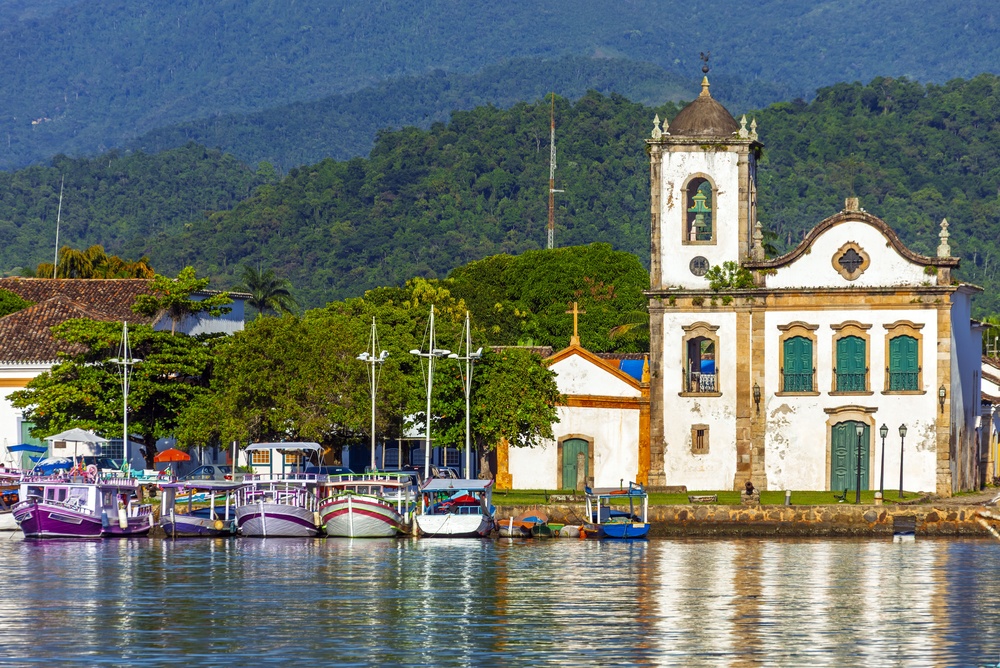
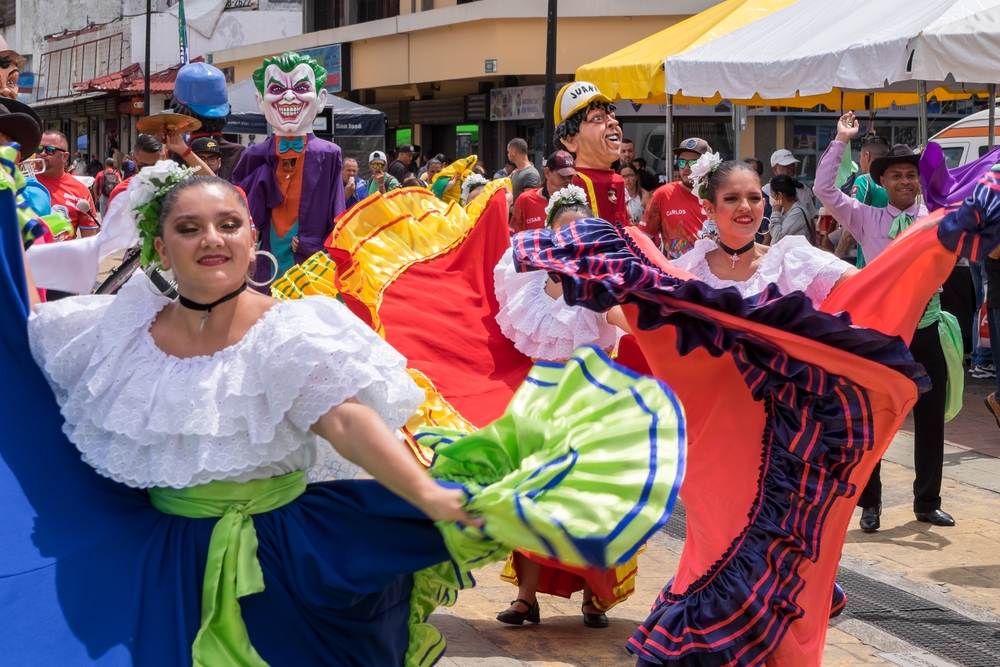

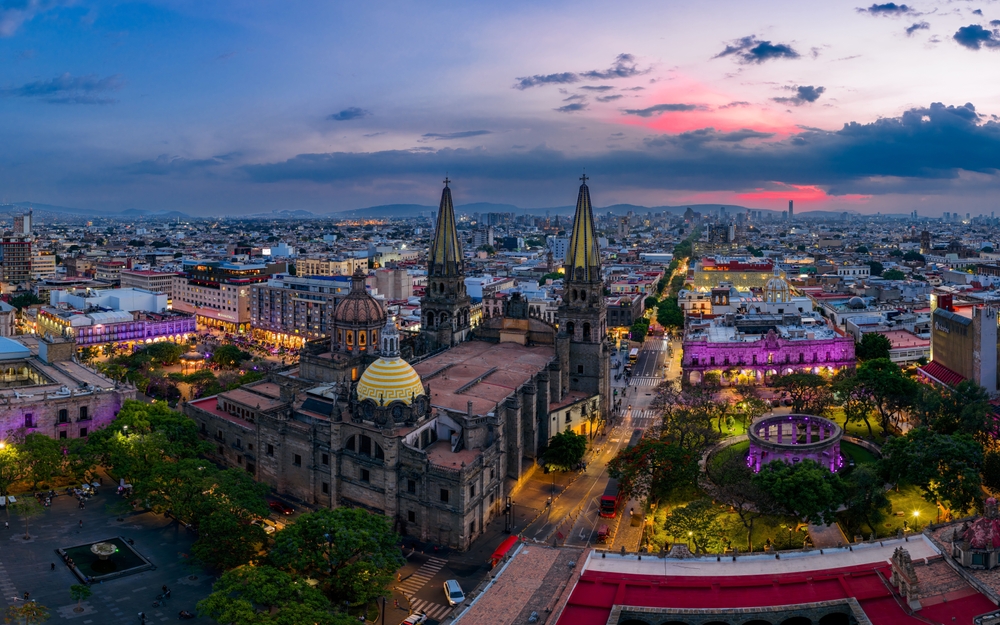
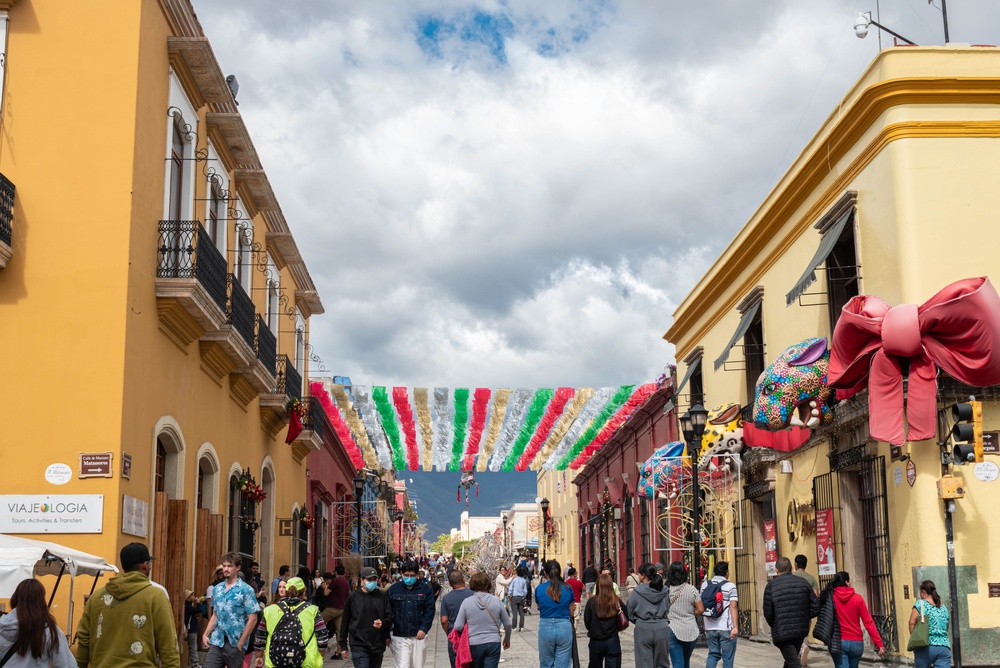

Living here
Community and practical notes
The expat scene: Medellin has the largest and best organized foreign community in Colombia, and it sorts itself by neighborhood. El Poblado is where most people land, with the most English, most coworking and the highest prices. Laureles is where a lot of them move six months later: flat, walkable, much more Colombian, and named one of the world's coolest neighborhoods by Time Out. Envigado and Sabaneta, a metro ride south, are quieter and roomier for the money.
Healthcare: This is one of the real reasons people stay. Medellin is Colombia's medical tourism capital. Hospital Pablo Tobon Uribe is JCI accredited and widely rated the best in the country, and Clinica Las Americas and Clinica del Rosario cover the day to day. English speaking doctors are common in private care, rare in public. Coverage stacks: a public EPS plan underneath, a private prepaid plan on top. There are two catches worth knowing before you count on it: most prepaid insurers stop taking new members around age 60, and since 2022, people on M visas generally cannot join EPS at all.
Remote work: Home internet runs about $25 a month, and fiber in modern El Poblado and Laureles buildings is genuinely fast. If you'd rather not work from the couch, Semilla in Laureles is the long stayer favorite, Selina in El Poblado is the social one, and Tinkko is where you'd go when a client will see your background. One local rule: work inside, not on a street-facing patio.
Schools: Families cluster in Envigado and the Oriente valley because that is where the schools are. The Columbus School, founded in 1947, is the flagship, teaching an American curriculum alongside the IB. Vermont, the Deutsche Schule and Marymount are the other names you will hear. Check the calendar before applying: Calendar B runs August to June like the U.S., Calendar A runs January to November.
Limited mobility: Honest verdict, middling, and it depends on the neighborhood. The metro is the bright spot, with elevators, ramps and level boarding across the network; sidewalks that exist are mostly smooth. The valley is the problem: El Poblado is built on a hillside, curb cuts get patchy off the main avenues, and step-free entrances are thin outside newer buildings. If mobility matters, look at flat Laureles or Envigado, near a metro station, in a modern building with an elevator and a portero.
Retirement: Medellin is one of the easier places in Latin America to retire on a pension, and plenty of Americans have. Colombia's Pensionado visa asks for a certified lifetime pension worth three times the Colombian minimum wage (a threshold that resets every January) and there is no minimum age. Five continuous years on it opens the door to residency. If you are comparing countries, our retirement visa guide lines up the options, and the Colombia country guide covers taxes, banking and the rest of the move.
Housing
Renting and buying
- 1-bed rent (center)
- $800–$1,000/mo
- 1-bed rent (outside center)
- $550–$650/mo
- Buy price (center)
- $251/sq ft
- Buy price (outside center)
- $125/sq ft
Expatsi estimates, based on rental listings, government statistics, and local reporting.
Good to know
Frequently asked questions
Do I need to speak Spanish in Medellín?
You can scrape by in El Poblado without it. Anywhere else, no. Colombia scores very low on English proficiency, and banks, landlords, clinics and government offices all run in Spanish. The upside is that paisa Spanish is clear and unhurried next to the Caribbean coast, which makes Medellín one of the better places in Latin America to actually learn.
What do I need to move to Medellín?
Americans get 90 days visa free, extendable to 180 days in a year, enough to test the city before committing. To stay longer you need a visa: the V digital nomad visa for remote workers, the M Pensionado for retirees, or an M visa through investment or marriage. If your visa runs longer than three months you register for a cédula de extranjería within 15 days of arriving.
Should I live in El Poblado or Laureles?
El Poblado is the landing zone: the most English, the most coworking, the best restaurants, and a steep hillside you will feel every day. Laureles is flat, tree lined, far more Colombian and noticeably cheaper. The common pattern is a few months in El Poblado while you find your feet, then a move to Laureles or Envigado once you know what you want.
How much does it cost to live in Medellín?
Budget about $1,700 a month for one person, $2,600 for a couple and $3,900 for a family. Rent is the biggest line: roughly $900 for a one bedroom in a central neighborhood, or $600 further out. Internet is about $25 a month, getting around about $25, and lunch at a local spot about $6. Living like a resident rather than a tourist is what moves that number.
What is the weather like in Medellín year round?
Remarkably steady: the average temperature moves less than a single degree across the whole year, which is how the city earned its City of Eternal Spring nickname. The climate data on this page shows highs in the upper 60s Fahrenheit and nights in the mid to upper 50s, every month. Nobody owns a heater or air conditioning. The real seasons are wet and less wet: about 80 inches of rain a year, heaviest in April and May and again in the fall.
Can I retire in Medellín on Social Security?
Often yes. Colombia's Pensionado visa needs a certified lifetime pension worth three times the Colombian minimum wage, and US Social Security counts. There is no minimum age. The threshold is set in pesos and resets each January, so check the current figure before planning around it. One catch: retirees on this visa generally cannot join the public EPS system and need private cover that includes repatriation.
Is Medellín safe for Americans?
Medellín scores 43 out of 100 on safety, which is middling, and Colombia carries a US State Department Level 3 advisory nationally. That said, the city's homicide rate is its lowest in more than 80 years and the neighborhoods foreigners live in are calm. The realistic risks are phone snatching from motorbikes and drink spiking arranged through dating apps. Use ride apps instead of street taxis, keep your phone out of sight, and you have handled most of it.
See how Medellín fits your life
Take the free Expatsi Test and compare Colombia to nearly 200 countries on what actually matters: cost, healthcare, climate, and safety. About five minutes.
Why not you?