Your guide to moving to Malaysia
Moving to Malaysia: visas, real costs and the fine print for Americans (2026)
English at the doctor's office, $2 hawker lunches and a residence pass you can hold for years. Here's what the MM2H money rules, the nomad pass and daily life really look like.
What the MM2H tiers ask for, what a month really costs, and the laws and air quality issues to weigh before you commit.

Reviewed and updated September 30, 2026 · 13 min read
01 · The case for Malaysia
Malaysia's pull, and its dealbreakers

Malaysia draws a specific kind of American: someone who wants modern Asia without a language wall, and whose money already comes from somewhere else. Here's what the day-to-day looks like, and the reasons it might not suit you.
Start with the practical side. English is widely spoken, especially in the cities and in business. Most Malaysian doctors speak it too, many of them having trained in the UK, the U.S. or Australia. Your dollars go a long way here: our data puts a comfortable month for a couple at about $1,600, all in. Home internet runs around 100 Mbps for roughly $27 a month, which matters if you work online.
Then there's the food. Malaysia's mixed society shows up on the plate; a hawker plate of noodles with protein can cost about $2. Plenty of people move for the weather and stay for lunch.
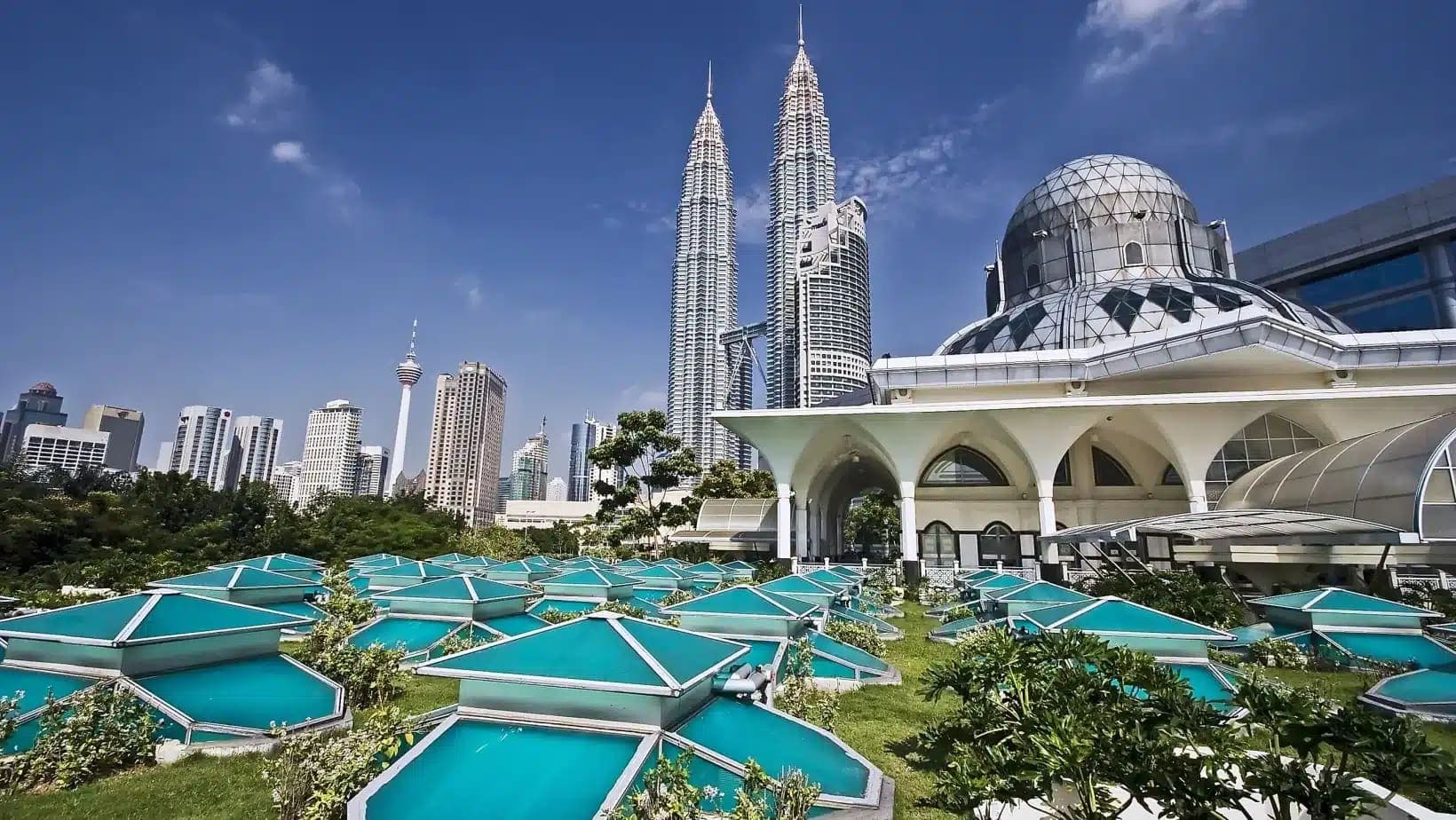
The setting helps, too. You get a big, walkable capital in Kuala Lumpur, a heritage island city in Penang, the tea hills of the Cameron Highlands, and islands such as Langkawi, all inside one country and one currency. It's warm year round, around 81°F on average, with a lot of rain.
On paper, the visa menu is friendly to people with savings. The Malaysia My Second Home program, known as MM2H, gives you a pass lasting 5 to 20 years depending on the tier, and it only asks you to be in the country 90 days a year. Remote workers have their own pass, DE Rantau. And Sarawak, on the island of Borneo, runs a separate version of MM2H with its own lower bar.
Here's the catch
Malaysia doesn't fit everyone, and a few of the reasons are dealbreakers, not inconveniences.
First, the money has to be parked, not just shown. MM2H doesn't ask for monthly income the way many retirement visas do. It asks for a large fixed deposit in a Malaysian bank (USD 150,000 at the entry tier) plus, under the current rules, a home purchase. If your wealth is a monthly pension rather than a lump sum, MM2H is hard to reach, and a country with an income-based retirement visa may suit you better.
Second, this is a long stay, not a new citizenship. Malaysia doesn't recognize dual nationality, and MM2H isn't a direct path to permanent residence. Plan on living here as a long-term guest for as long as you like, with no passport at the end.
Third, some laws will matter to some readers. Homosexual acts are illegal under Malaysian law, with penalties that can include prison or caning. Drug trafficking can carry the death penalty. Many LGBTQ Americans and their families will reasonably decide to look elsewhere.
Fourth, the air isn't always clean. Smoke from land-clearing fires in Indonesia drifts over in some years. In August 2026, Kuala Lumpur's air pollutant index hit 131, which is in the unhealthy range. If you have asthma or heart trouble, take this seriously.
Still here? Then Malaysia might be a very good fit. The rest of this guide covers the numbers, the visa that matches your money, healthcare and taxes, and who can help.
- Cost of living (single)
- $950/mo
- Safety index
- 65/100
- English proficiency
- 70/100
- Internet speed
- 100 Mbps
- Capital
- Kuala Lumpur
- Currency
- Malaysian Ringgit (MYR)
02 · The numbers
A month in Malaysia, by the numbers
$1,600
Monthly budget, couple
all in, comfortable
$950
Monthly budget, single
all in, comfortable
$2,650
Monthly budget, family
housing included
$400
Rent, 1-bed city center
$250 outside center
$4
Inexpensive meal out
hawker plates from about $2
$12
Monthly transit
public transit
$27
Home internet, monthly
about 100 Mbps
65/100
Safety index
State Dept Level 1, 2026
Where the money goes

As of 2026, our data puts a comfortable month in Malaysia at about $1,600 for a couple, $950 for a single person and $2,650 for a family. For an American used to paying that much for rent alone, the gap is the whole story.
The biggest swing is housing, and that depends on what you want. The average one-bedroom in a city center is about $400 a month, and $250 further out. Most Americans don't rent the average, though. They rent a newer condo with a pool, a gym and security at the gate. In Penang, International Living reports modern waterfront condos with pools and gyms at $750 to $1,000 a month, and its sample budget for a Penang couple comes to about $1,704 with $900 of that going to rent. It also says a couple can live very well on $2,500 a month. That's a better planning number than the bare average if you like your comforts.
Food is where Malaysia pulls away. A meal at a simple local spot runs about $4; hawker plates start near $2 for noodles with protein and go up to about $10 for a whole steamed fish. Getting around the city is affordable too, at about $12 a month for transit in our data. Driving is another story. The U.S. State Department counts about 630,000 traffic accidents and roughly 5,100 deaths on Malaysia's roads in 2024, so think twice before you buy a car and drive yourself.
A few one-off costs are easy to miss: the visa's fixed deposit, which sits in a Malaysian bank, health insurance, and, if you buy a home as a foreigner, an 8% stamp duty on the purchase since January 2026.
Your budget isn't the hard part
A couple can live well in Malaysia on far less than they'd spend at home. The hurdle is the visa, which cares about the savings you can lock up, not what you spend each month. Silver MM2H wants USD 150,000 on deposit plus a home purchase, and Sarawak wants RM500,000 (about $123,000). Know which pile of money you're working with before you pick a route.
03 · Your visa options
Match the visa to where your money comes from

Malaysia's long-stay options sort by one question: is your money a lump sum, a paycheck from abroad, or a job offer here? Find the line that sounds like you.
Every MM2H tier is applied for through a tour-operating business licensed by Malaysia's tourism ministry, not by yourself on a government portal. The agent handles the paperwork, and you'll want one who knows the current rules, because MM2H has changed in recent years and plenty of websites still describe older versions.
Retiring on savings: MM2H Silver
Silver is the entry tier, built for people with a nest egg. You'll need to be at least 25 and park USD 150,000 in a fixed deposit at a Malaysian bank. You also buy a home for at least RM600,000 (about $147,000 at January 2026 rates), and you can't sell it for 10 years. In return you get a 5-year pass with multiple entry, and you only need to spend 90 days a year in Malaysia, counted in total, not in a row. After approval you can pull out up to half of the deposit for approved costs such as property, education, medical care or travel. Your spouse, children under 21, unmarried children up to 34 who aren't working, and even your parents can come as dependents. Employment isn't allowed. Fees start with a RM1,000 participation fee (about $245), and a 2026 guide reports processing fees of RM5,000 for you and RM2,500 per dependent, plus 8% tax on top.
Gold and Platinum run on the same model at a much bigger scale: USD 500,000 and RM1 million-plus in property for a 15-year pass on Gold, and USD 1 million and RM2 million-plus for a 20-year pass on Platinum. Platinum is the only tier that allows you to work in Malaysia.
A smaller deposit in a special zone: MM2H SEZ/SFZ
This tier trades location for price. The deposit is USD 65,000 if you're 21 to 49 and USD 32,000 if you're 50 or older, and the pass lasts 10 years. The catch is where you buy: the property has to be in a designated special zone, which in practice means Forest City in Johor, near the Singapore border, and you can't sell it for 10 years. Work and business are off the table. If you're comfortable committing to that one development, it's the lowest deposit in the federal program by far.
Retiring in Borneo: Sarawak's S-MM2H
Sarawak runs its own version, and the rules changed on January 1, 2025. You must be at least 30 and hold a RM500,000 fixed deposit (about $123,000) in a Sarawak bank, one deposit for the whole family. There's no compulsory home purchase, and you only need to spend 30 days a year in Sarawak. The pass lasts 5 years and can be renewed for 5 more. Sarawak also asks for proof of monthly income or savings, and published figures for that part don't agree with each other, so get the current number from your agent before you plan around it.
Working remotely: DE Rantau Nomad Pass
DE Rantau is Malaysia's digital nomad pass, for people who earn from companies or clients outside Malaysia. Tech workers need at least USD 24,000 a year. Since June 2024, remote workers in other fields, from founders to accountants to writers, can apply too, with at least USD 60,000 a year. The pass lasts 12 months and renews once, for two years total, and costs about RM1,080 (about $265), plus RM500 per dependent. It's strictly for foreign income, so no Malaysian clients or employers.
Taking a job in Malaysia: the Employment Pass
If a Malaysian company hires you, it sponsors an Employment Pass. From June 1, 2026, the minimum basic monthly salary is RM20,000 (about $4,900) for Category I, RM10,000 for Category II and RM5,000 for Category III, and allowances or bonuses don't count toward it. That rules out most entry-level jobs, so it's a route for senior hires, not a way to fund the move.
Malaysia My Second Home (MM2H) – Silver
The entry tier of Malaysia My Second Home
A 5-year pass for people who can lock up a lump sum and buy a home. Only 90 days a year in the country required.
- Minimum age: 25
- Fixed deposit: USD 150,000 (~MYR 675,000)
- Property purchase: Minimum MYR 600,000
Malaysia My Second Home (MM2H) – SEZ/SFZ
MM2H in a designated special zone
A 10-year pass with a lower deposit, tied to buying in a special zone such as Forest City in Johor.
- Minimum age: 25
- Property purchase: Minimum MYR 600,000 (must be in designated Special Economic Zones/Special Financial Zones, directly from developers)
- Health insurance
Sarawak Malaysia My Second Home (S-MM2H)
Sarawak's own version of MM2H
No compulsory home purchase and just 30 days a year in Sarawak. Rules updated January 2025.
- Separate program run by Sarawak state government
- Flexible requirements (subject to change)
- Health insurance
DE Rantau Nomad Pass
Malaysia's digital nomad pass
For remote employees and freelancers paid from abroad. Open to non-tech roles since June 2024.
- Valid passport
- Proof of employment with foreign company or freelance income
- Annual income of at least $24,000
04 · The practical stuff
Healthcare, taxes, banking and pets
The questions every American asks once the visa is sorted, answered plainly.
Healthcare
Malaysia has two systems: a tax-funded public one and a large private sector. Foreigners can use public hospitals, but they're charged 24 to 100 times what citizens pay, which makes private care the practical choice. That's less painful than it sounds. A private GP visit is RM30 to RM80, about RM110 (roughly $27) once medicine is included, and a first specialist visit runs RM150 to RM400 (about $37 to $98). Big private groups include Pantai, Gleneagles and Sunway Medical Centre, and most doctors speak English. Private care usually has to be paid up front, and most U.S. insurance doesn't cover care overseas, so carry international coverage. MM2H applicants under 60 need Malaysia-approved medical insurance before the pass is endorsed; if you're 60 or older, coverage is assessed case by case.
Taxes
You'll deal with two tax systems. The U.S. taxes citizens on worldwide income wherever they live, and you must report foreign bank accounts to the Treasury even when they earn nothing. On the Malaysian side, you become tax resident after 182 days in a calendar year. The good news for most retirees and remote workers is that foreign-sourced income received by resident individuals is tax-exempt through December 31, 2036, as long as it was taxed in the country it came from. Dividends are generally exempt, but a 2% tax now applies above MYR 100,000 (about $24,500) a year. Non-residents pay a flat 30% on Malaysian income, which only matters if you earn locally. Filing your U.S. return from abroad is its own chore, which is where a service like MyExpatTaxes comes in. A day tracker like Flamingo Compliance keeps your 90-day and 182-day counts straight.
Banking
You can't open a Malaysian bank account on a tourist entry; banks want a long-term pass such as MM2H, DE Rantau or an Employment Pass, plus your passport and a local phone number. Opening deposits run RM250 to RM2,000 depending on the bank, and the big names include Maybank, CIMB, Public Bank, OCBC and HSBC. MM2H applicants open their fixed-deposit account as part of the process anyway. For moving dollars into ringgit each month, a currency specialist such as Moneycorp can set up regular transfers.
Bringing pets
Dogs and cats can come, but plan ahead. Your pet needs an ISO microchip implanted before a rabies shot given at least 30 days before entry, and there's a quarantine of at least 7 days on arrival in Peninsular Malaysia (Sabah and Sarawak have their own rules). Some breeds are banned outright, including Akitas, American Bulldogs, Dogo Argentinos and pit bull types, and Rottweilers, Dobermans and German Shepherds need written approval.
This guide is dated on purpose
MM2H has changed in recent years, Sarawak changed its rules in January 2025, DE Rantau opened to non-tech workers in June 2024, and new Employment Pass salaries started June 2026. Everything here reflects what we could confirm as of September 2026, and dollar conversions use January 2026 exchange rates. Check the current rules with a licensed agent before you move money.
05 · Where people settle
Picking your part of Malaysia
There's no single expat capital in Malaysia. Where you land usually follows your visa and your budget.
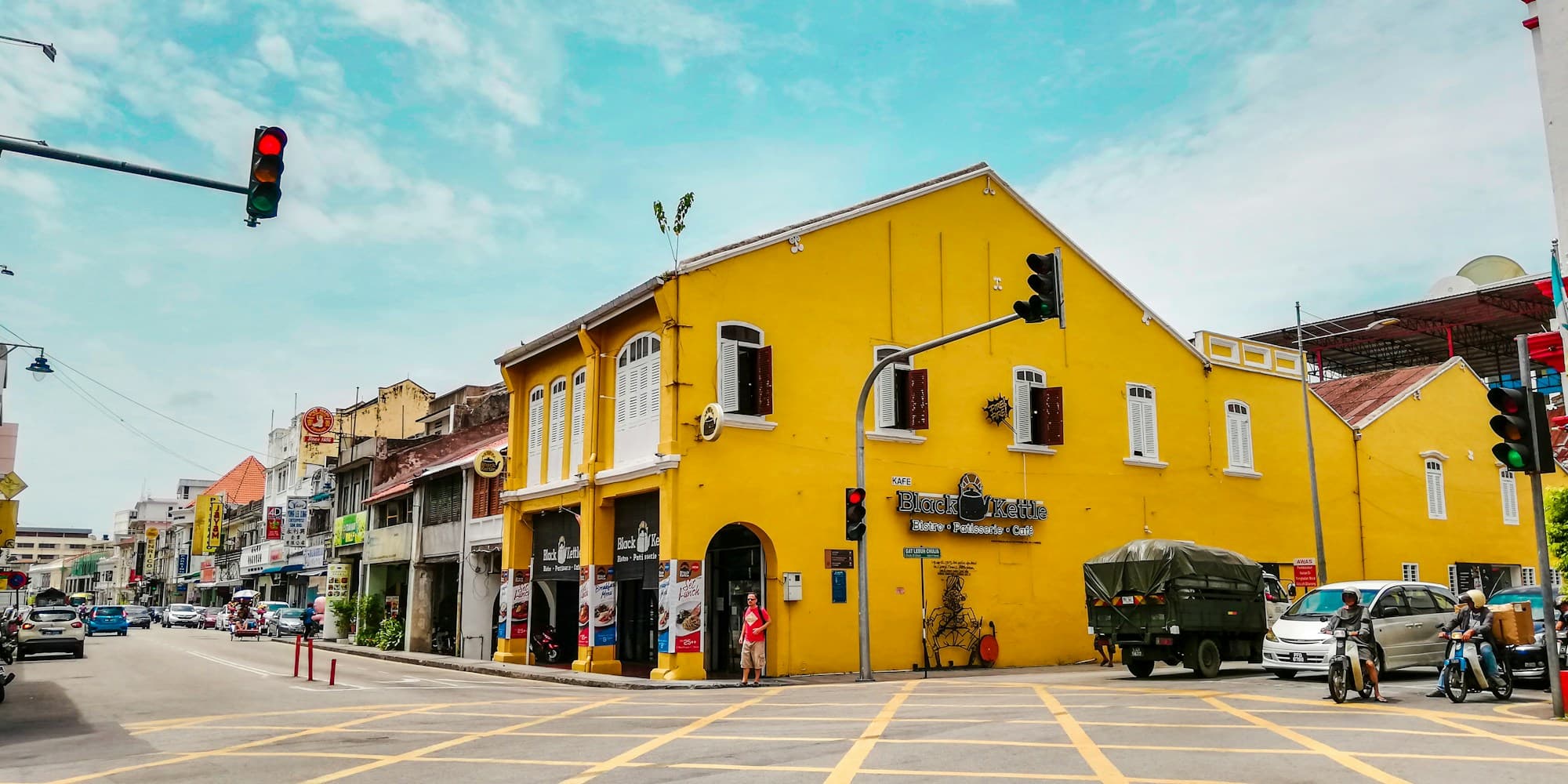
Kuala Lumpur, the capital, is the pick for big-city life, with the traffic and haze that come with it. Penang pulls in retirees with George Town, its UNESCO-listed shophouse quarter, plus beaches and condos with pools. Johor, at the southern tip, is where the SEZ tier's Forest City sits, near the Singapore border. And Sarawak's capital, Kuching, is the natural base if you go the S-MM2H route.
One tip before you commit: you can stay up to 90 days visa-free as a U.S. citizen, which is enough time to rent short-term in two places and see which one feels like home. Just fill out the Malaysia Digital Arrival Card before each trip.
Where to live in Malaysia
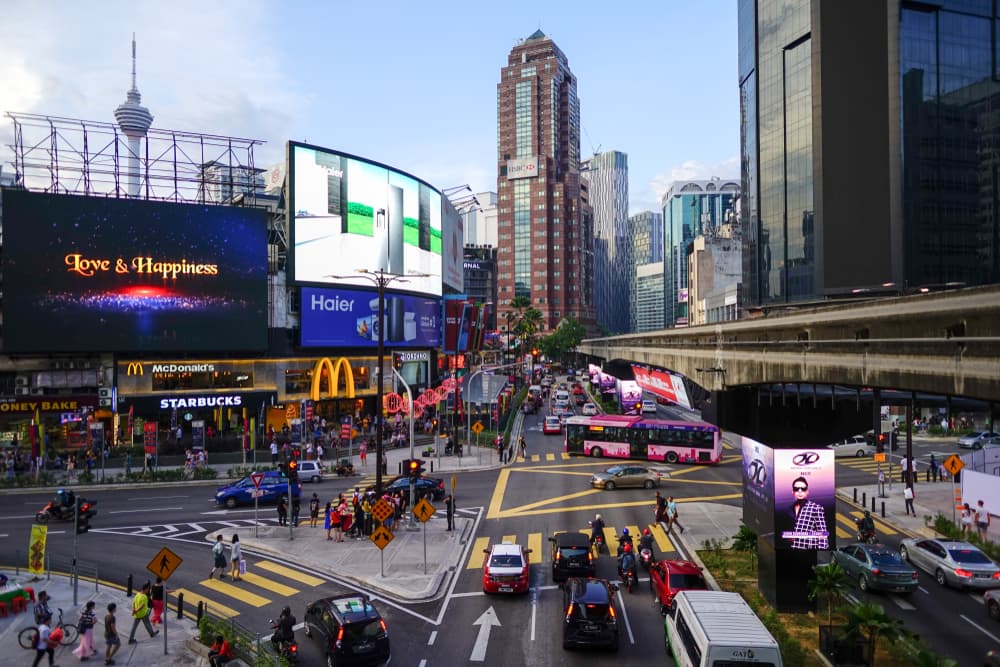
Kuala Lumpur
Modern and English-friendly
A big modern capital where English works almost everywhere and condos come with pools and gyms. Mont Kiara and Bangsar are the usual expat bases, with LRT and MRT lines reaching much of the rest. The catch is traffic, occasional haze from regional fires, and transit that still leaves gaps.
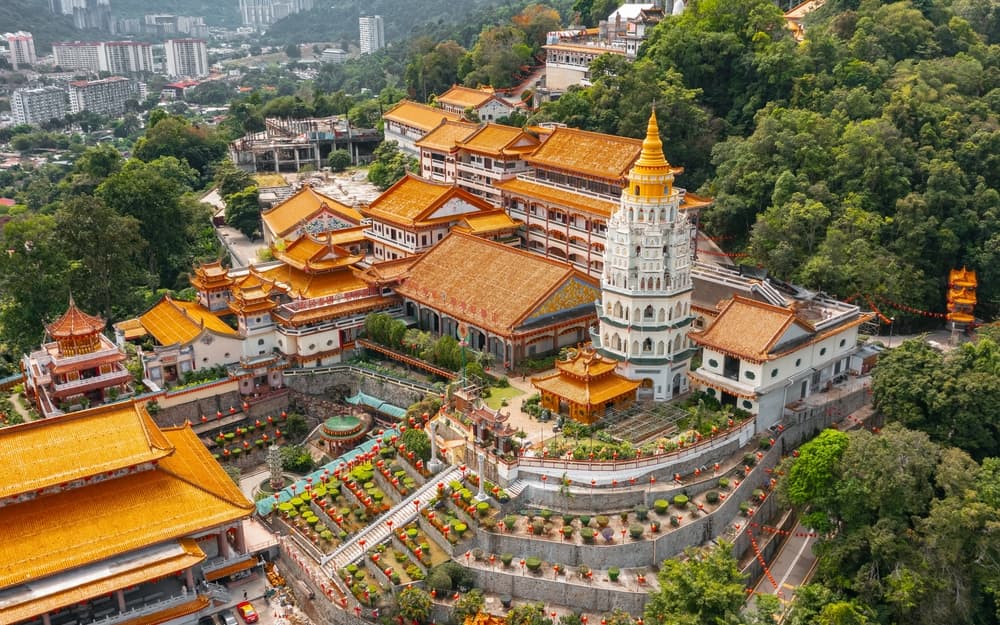
George Town
Heritage island city
A UNESCO-listed port with shophouses, street art and hawker food people plan days around, plus sea-view condos at Gurney and Tanjung Tokong. Malay, Chinese and Indian cooking is the daily perk. The catch is a small island, rising rents and heavy tourist traffic in the old core.
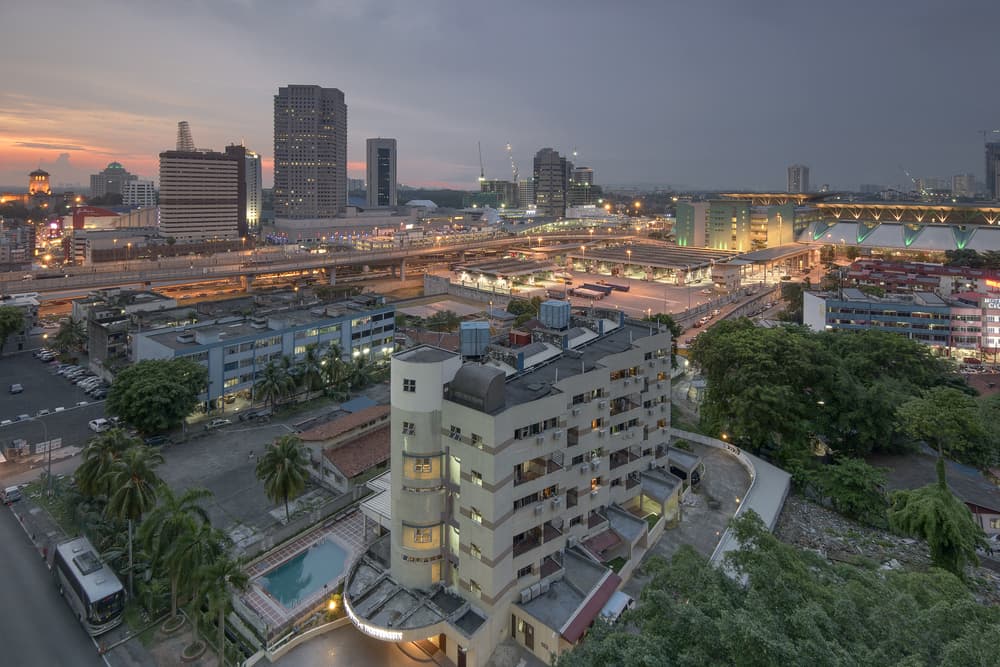
Johor Bahru
Singapore's back door
A border city across the causeway from Singapore, with big new condos, malls and Forest City nearby for the MM2H special-zone route. Some residents commute or hop over for work. The catch is checkpoint queues that can run long and a city built for cars, not walking.
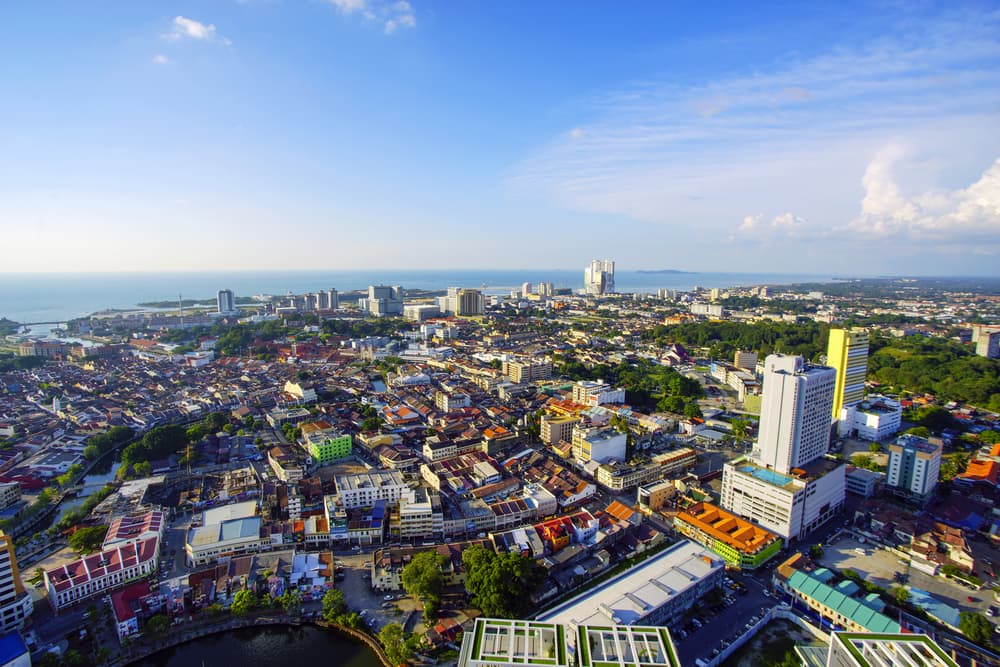
Malacca City
Small, historic, slow
A compact UNESCO-listed river town with Dutch-era red buildings, the Jonker Walk night market on weekends and strong Peranakan food. KL is about two hours away by road. The catch is heat, weekend tourist crowds and a thin expat scene.
06 · Get help
The people who can help you move
You've met a few of these names already. These are the Expatsi-vetted people who can take the hard parts off your plate, from the visa to the money to the dog.
MM2H in particular runs through licensed agents by design, and Malaysia's rules have changed several times since 2024. The Americans who move smoothly tend to get advice from someone current before they wire a deposit or sign for a condo. Here's who we'd call, grouped by what they handle.

Christine Reynolds
Paraguay Local Guide, Malaysia Local Guide
An international relocation expert who guides clients through Malaysia's visa options, including MM2H, work permits and digital nomad visas, plus housing, healthcare, transportation and the day-to-day details of settling in.
Learn more
Hunter Schultz
Healthcare Coach
A healthcare coach with more than 20 years of expat living and a background in air medical transport. His one-hour consultation maps out how you'll get good care in your new country, before you need it.
Learn more
ExpatInsure
Global Health Insurance
Expatsi's international health insurance partner. They find private coverage that fits your age and health and meets the insurance rules your visa sets.
Learn more
MyExpatTaxes
U.S. Expat Tax Service
Tax software and support built for Americans abroad, launched in 2018. File your U.S. return from Malaysia without hunting down a CPA who understands expats.
Learn more
Flamingo Compliance | Tax Residency and Visa Tracker Platform
Tax Residency and Visa Tracker Platform
An app that tracks your days in each country and alerts you as you near a tax residency or visa threshold. Expatsi users get 15% off their first year.
Learn more
Moneycorp
Currency Exchange
A currency and international payments specialist. They convert your dollars to ringgit at better rates than a typical bank and can set up regular transfers for rent and bills.
Learn more
Starwood Pet Travel
Pet travel and transport
A pet transport company that moves dogs and cats internationally, handling health certificates, USDA endorsements, crate rules and airline bookings from start to finish.
Learn more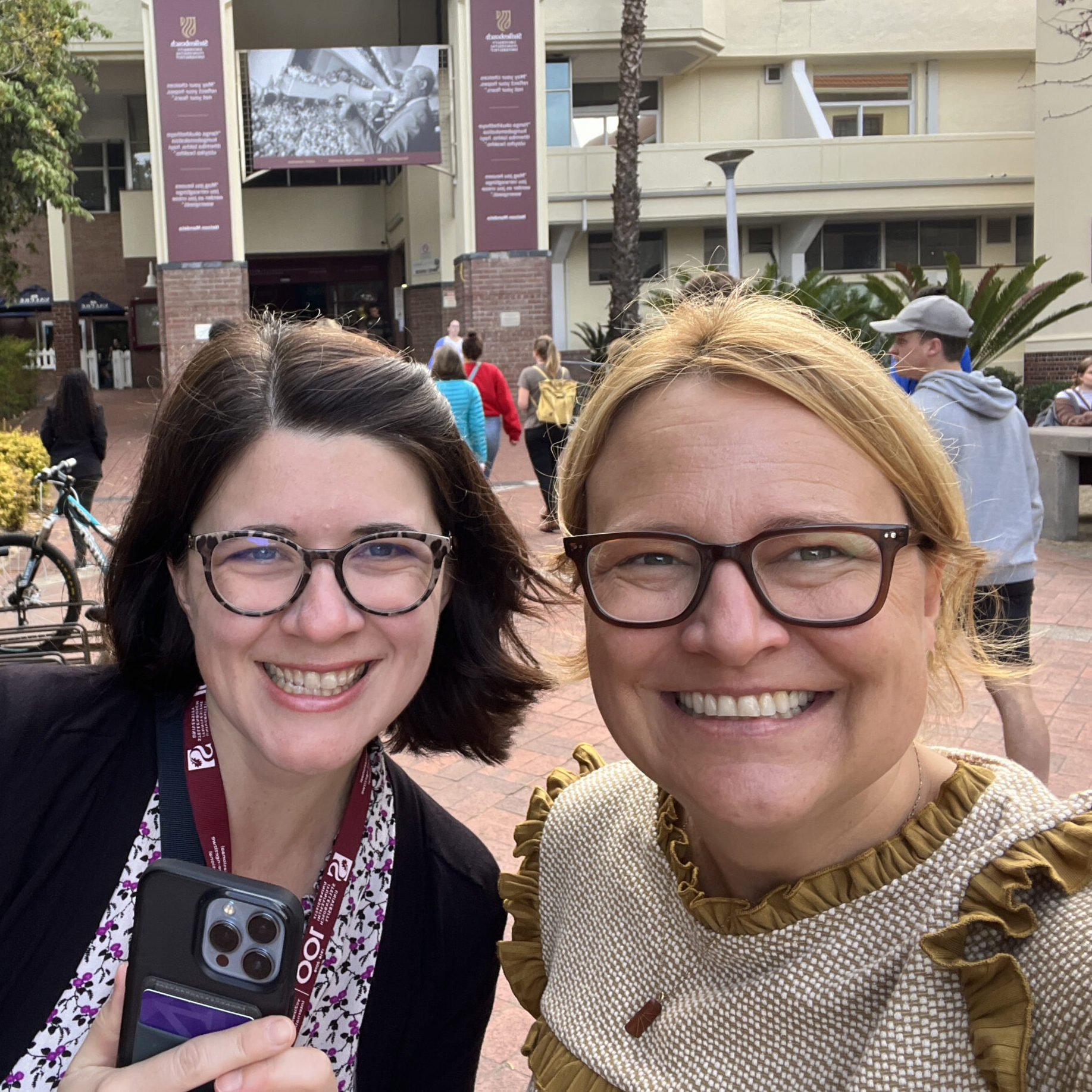
Culturosity Co.
Cultural Skills Coach
Intercultural coaches Jennifer and Janka run one-on-one sessions and workshops that help you understand, and adapt to, the way things work in a new culture.
Learn more07 · Quick answers
Moving to Malaysia: common questions
How long can a U.S. citizen stay in Malaysia without a visa?
Up to 90 days for tourism or business, according to the U.S. State Department. Your passport needs at least six months of validity, and you should complete the Malaysia Digital Arrival Card online before you travel. Staying longer requires a long-term pass such as MM2H or DE Rantau.
Can foreigners buy property in Malaysia?
Yes, with limits. Each state sets a minimum price for foreign buyers, for example RM1 million for condos in Kuala Lumpur and RM2 million in Selangor, and the state must approve the purchase. Low- and medium-cost housing and Malay Reserved Land are off-limits. Since January 2026, foreign buyers pay 8% stamp duty on residential purchases.
Can I become a Malaysian citizen and keep my U.S. passport?
No. Malaysia doesn't recognize dual nationality, so becoming Malaysian would mean giving up U.S. citizenship. MM2H also isn't a direct path to permanent residence. Americans who stay long term do it on a renewable long-term pass and keep their U.S. citizenship.
How much money do you need for MM2H in 2026?
It depends on the tier. The fixed deposit is USD 150,000 for Silver, USD 500,000 for Gold and USD 1 million for Platinum, and each tier also requires buying a home (RM600,000, RM1 million or RM2 million and up). The special zone tier asks for USD 65,000 if you're under 50 or USD 32,000 if you're 50 or older. On top of that come participation fees starting at RM1,000 and processing fees, plus 8% tax on fees.
Can I work in Malaysia on an MM2H visa?
Only on the Platinum tier, which permits employment. Silver, Gold and the special zone tier don't allow local jobs or business activity. Advisers report that remote work for employers outside Malaysia is permitted, but if you plan to work remotely, confirm how your arrangement fits the rules with your MM2H agent, or look at the DE Rantau Nomad Pass instead.
Does Malaysia have a digital nomad visa?
Yes, the DE Rantau Nomad Pass. Tech workers need at least USD 24,000 a year in income, and since June 2024 non-tech remote workers can apply with at least USD 60,000 a year. It lasts 12 months, renews once for a two-year total, and costs about RM1,080 plus RM500 per dependent. Your income must come from outside Malaysia.
Can Americans retire in Malaysia?
Yes. The usual route is the Malaysia My Second Home (MM2H) program. The entry Silver tier asks for a USD 150,000 fixed deposit in a Malaysian bank, a home purchase of at least RM600,000 (about $147,000 at January 2026 rates) and 90 days a year in the country, and gives a 5-year pass. Sarawak runs its own program with a RM500,000 deposit and no required home purchase. Applications go through a licensed MM2H agent.
Does Malaysia tax my U.S. pension or Social Security?
Generally no, under current rules. Foreign-sourced income received in Malaysia by resident individuals is tax-exempt through December 31, 2036, as long as it was taxed in the country it came from. The U.S. still taxes its citizens on worldwide income, so you keep filing a U.S. return. Check your own situation with a cross-border tax professional.
Sources
- MM2H categories: Silver, Gold, Platinum and SEZ/SFZ · Ministry of Tourism, Arts and Culture, Malaysia (checked September 2026)
- MM2H guidelines: age, licensed agents and pass fees · Ministry of Tourism, Arts and Culture, Malaysia (checked September 2026)
- New requirements for Sarawak S-MM2H in 2025 · InvestSarawak (checked September 2026)
- DE Rantau Nomad Pass eligibility expanded · Ministry of Digital, Malaysia (checked September 2026)
- Malaysia digital nomad visa: requirements and fees · Emerhub (checked September 2026)
- Malaysia Employment Pass salary policy, June 2026 · InCorp Malaysia (checked September 2026)
- Malaysia country information · U.S. Department of State (checked September 2026)
- Foreign-sourced income exemption extended to 2036 · The Edge Malaysia (checked September 2026)
- Malaysia individual tax: residence, rates and income · PwC Worldwide Tax Summaries (checked September 2026)
- U.S. citizens and resident aliens abroad · IRS (checked September 2026)
- The cost of healthcare in Malaysia for foreigners, 2026 · Malaysia Handbook (checked September 2026)
- Cost of living in Malaysia, 2026 · International Living (checked September 2026)
- Foreigners buying property in Malaysia, 2026 · iProperty (checked September 2026)
- Haze returns as air quality deteriorates (August 2026) · Malay Mail (checked September 2026)
- Moving pets to Malaysia · PetRelocation (checked September 2026)
Find out if Malaysia is your match
The free Expatsi Test scores Malaysia against other countries on the things that decide a move: cost, healthcare, climate and safety.
Why not you?