Best Cities for LGBTQ Retirees Abroad in 2026


June 10, 2026 · Updated July 1, 2026 · 4 min read
An upward trend in Americans moving abroad for retirement continues through 2026 and likely beyond. For many retirees, the destination often relies on lower cost of living, accessible healthcare, and finding community. LGBTQ+ seniors face additional challenges in their search, seeking countries where their marital status, gender identity, and personal safety are protected. This can narrow retirement options when considering which countries fit their needs.
U.S. News asked Expatsi co-founder Jen Barnett about which destinations LGBTQ+ retirees find the most appealing right now. Here are the LGBTQ+-friendly big cities they asked about at the time:
Amsterdam, the Netherlands
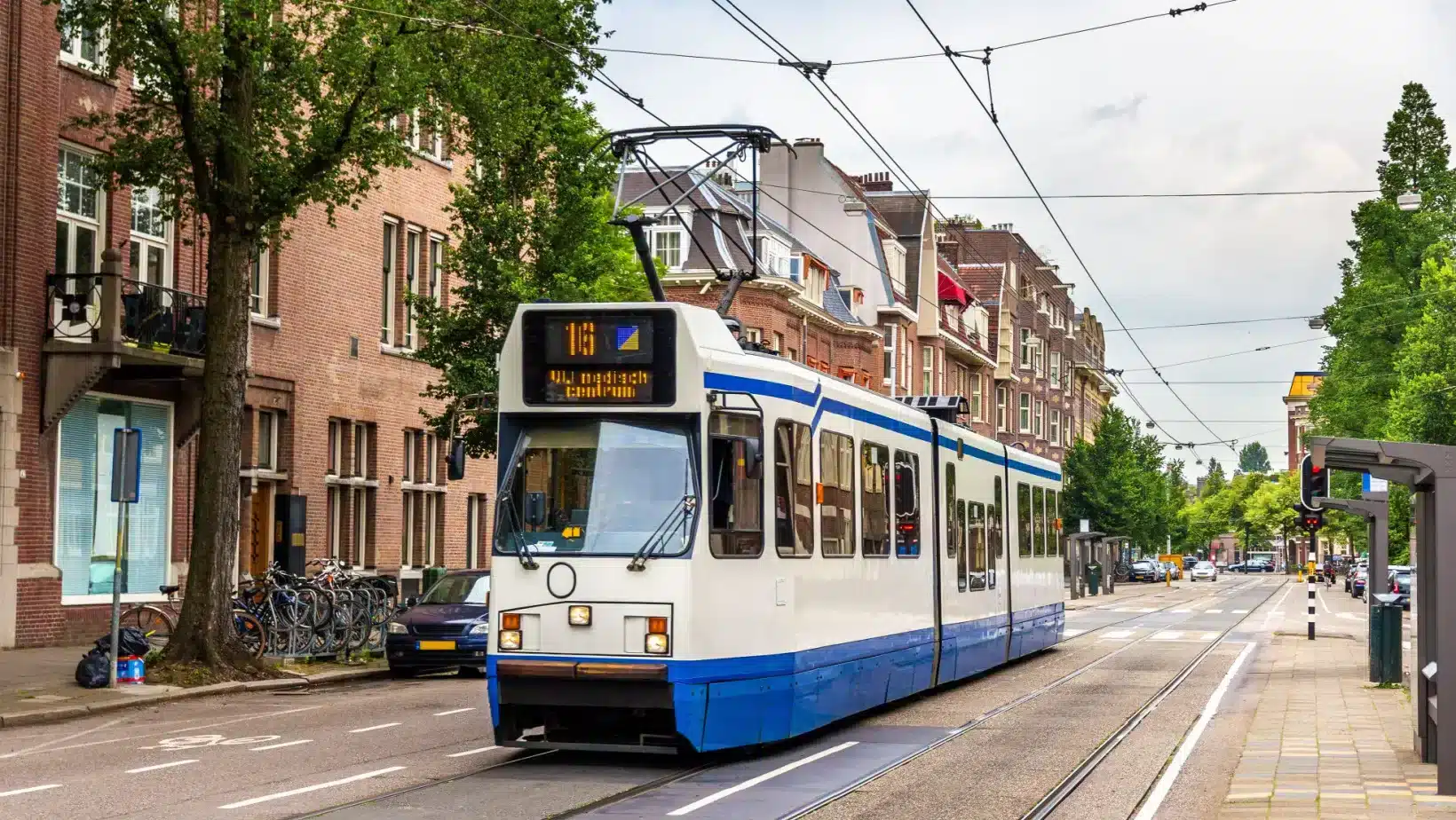
The Netherlands has a lengthy history of accepting the LGBTQ+ community. The Dutch legalized same-sex relationships in 1811 and passed gay marriage in 2001. Amsterdam hosts energetic Pride celebrations every June, including events centered around LGBTQ+ retirees. Hotels, bars, and tours abound that cater to a queer audience in Amsterdam. Housing can be hyper-competitive here, so consider Rotterdam, the Hague, and Utrecht for backup options. While the Netherlands doesn’t offer a specific retirement visa for Americans, you can still apply for a residence permit.
Bangkok, Thailand

Thailand became the first country in Southeast Asia to legalize same-sex marriage as of 2025. Bangkok’s Silom area hosts much of the LGBTQ+ community here. Events like Miss International Queen, the beauty pageant for trans women, celebrate gender identity proudly each year. Combined with a lower cost-of-living than any American city, Bangkok continues to build its reputation as a welcoming destination for LGBTQ+ folks seeking community and acceptance abroad. You can move here with $2000/month in passive income.
Barcelona, Spain

Both of Spain’s largest cities are home to thriving LGBTQ+ communities. Lovingly nicknamed Gaixample, Barcelona’s Eixample district forms the center of queer life in the city, with residents of all ages fostering a supportive community through shops, social events, film festivals, and more. If a more relaxed pace strikes your fancy, consider Sitges, a beach town just 30 minutes outside Barcelona by train. Its annual Bear Week draws a global crowd every September, while local quilting enthusiasts enjoy shopping at tent-covered bazaars on weekends. You’ll need to show about $2500 in monthly passive income to qualify for their non-lucrative visa.
Buenos Aires, Argentina

Argentina led South America in legalizing gay marriage in 2010. Buenos Aires celebrates equality for all with a colorful environment that’s home to millions. Its lively LGBTQ+ scene includes business conferences for LGBTQ+ professionals, along with an array of social hotspots. Lesbians in particular may find a welcoming home here with Puerta Abierta, an association that’s been hosting weekly community activities for this age group for over 25 years. About $1500 in monthly income helps you obtain a retirement visa.
Puerto Vallarta, Mexico

This city on Mexico’s west coast is Expatsi’s most popular spot in the country. Mexican people’s natural warmth lends itself well to welcoming people from all over the world, while Puerto Vallarta itself spotlights the LGBTQ+ community like few places can. Zona Romántica forms the trendy hub of the city, filled with lively gay bars and restaurants. Take a leisurely stroll along the Malecón by the ocean or embrace the vibes at Los Muertos Beach. Its international airport makes return flights to the U.S. a breeze, ensuring seniors can maintain contact with their community back home (or invite more people to the party!). You can move here with $4500 in income or proof of $75,000 in savings.
What Else Is Out There?

While Jen covered these major hotspots with U.S. News and World Report, not everyone wants to continue living their golden years in a major metropolitan area. Here’s our hidden retirement gems and what it takes to live there:
- Torremolinos or Sitges, Spain: You can move here with $2800/month in retirement funds.
- Punta del Este, Uruguay: You can get permanent residency in this seaside city if you have $1500/month in passive income.
- Vila Nova de Gaia or Lagos, Portugal: You can move here with $1100/month in income.
- Medellin, Colombia: You can move here by buying a home for $160,000 or $1450/month in income.
- Manuel Antonio, Costa Rica: You can move here by buying a home for $150,000 or having $1000/month.
- Patong, Thailand: You can move here by depositing $25,000 in a local bank or showing $2000/month in income.
- Montpellier, France: You can move here with $2200/month in gross income.
- St Julian’s, Malta: You can move to this European island by investing about $160,000.
- Cuenca, Ecuador: You can move here by buying a house worth at least $47,000 or show $1450 in monthly passive income.
We’re helping LGBTQ+ people of all ages find their new home countries abroad. Why not you?
To get started, join our free webinar this Sunday at 2pm Eastern, 11am Pacific.