Estonia, for Americans who bring their own income
Moving to Estonia: the 2026 guide for Americans
A safe, fully digital Baltic country where a couple budgets about $2,950 a month. Here's what each route in gets an American, from the nomad visa to a startup permit, and who has no route at all.
Every state service is online, income tax is a flat 22%, and the EU's first nomad visa started here. There's also no retirement visa, no nonstop flight from the U.S., and about six hours of daylight in late December. You'll find both lists below.

Reviewed and updated October 22, 2026 · 12 min read
01 · The case for Estonia
A small, wired country that rewards people who bring their own paycheck
Estonia is a Baltic country of about 1.3 million people that uses the euro and sits inside both the EU and the Schengen area. Its reputation comes from the state itself: every government service is online, and 99% of residents carry a digital ID card. Once you're registered, dealing with the government mostly means logging in, not standing in line.
That digital streak shows up in immigration too. Estonia launched the EU's first digital nomad visa in August 2020, and it runs a separate startup program that fast-tracks founders once a committee approves their company. If your income arrives from a U.S. employer, your own clients, or a company you're building, Estonia has a door built for you.
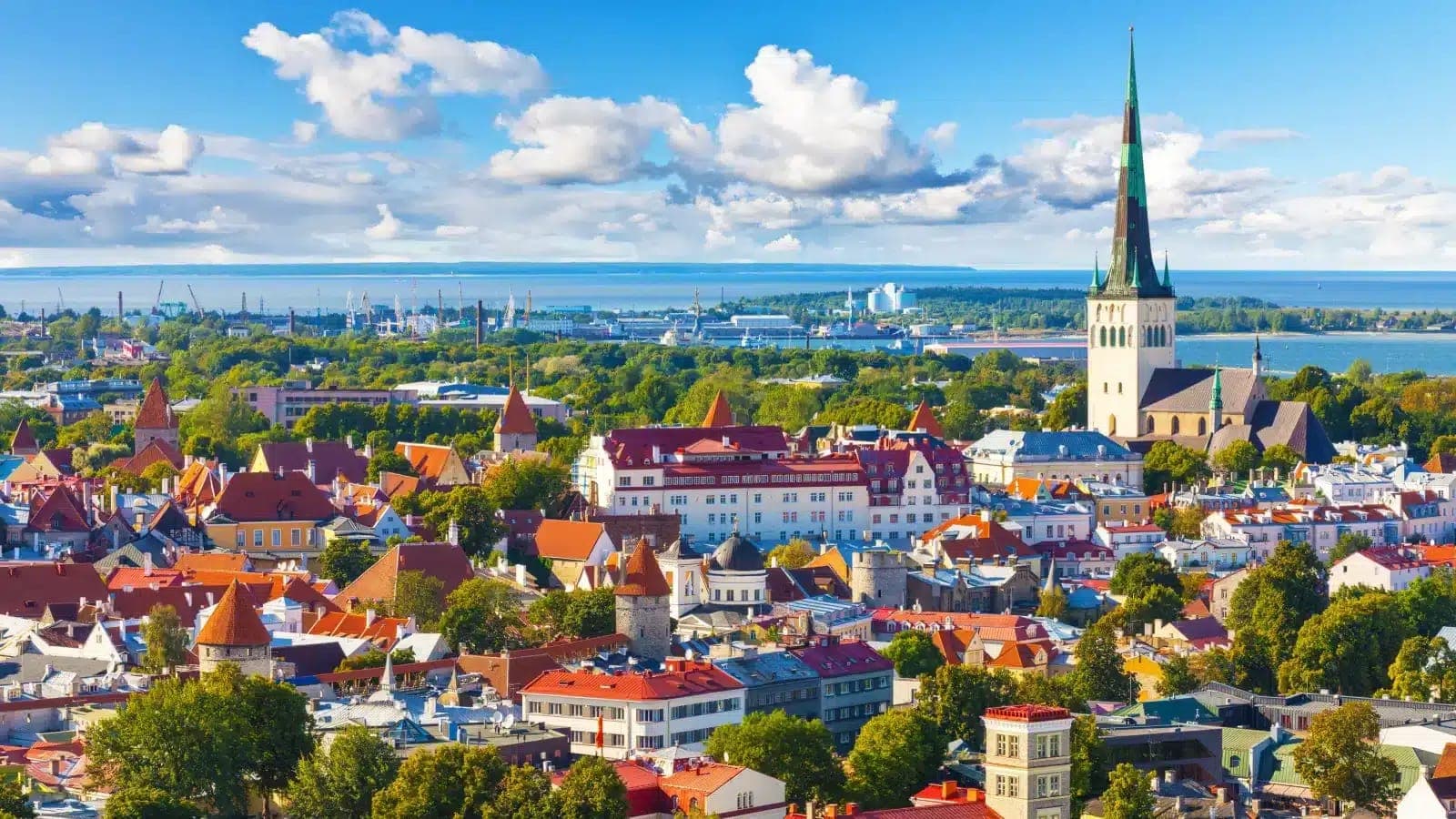
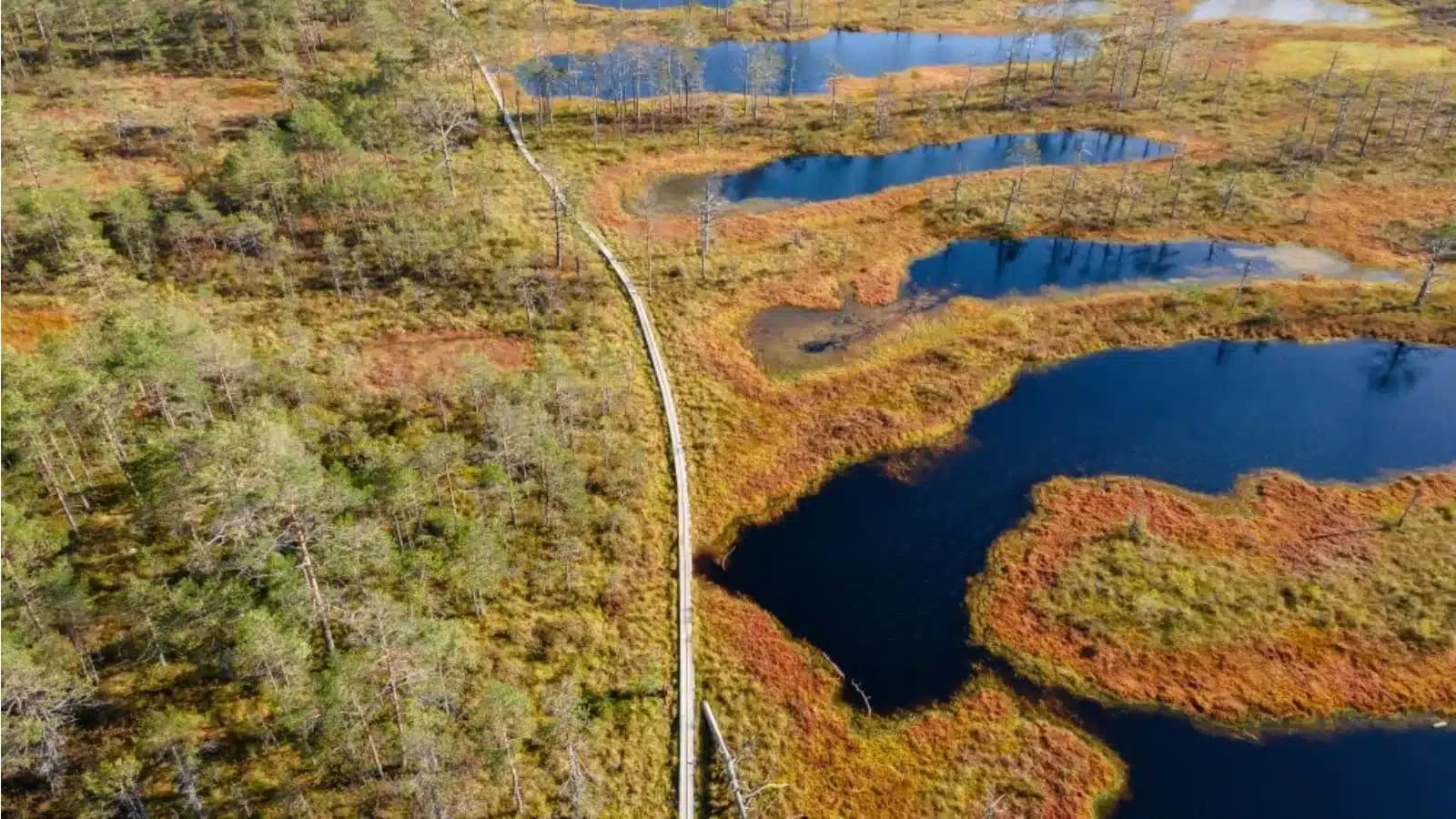
Day to day, it's an easy place for English speakers to start. Estonia ranks 31st in the world on the EF English Proficiency Index. The U.S. State Department rates it Level 1, its lowest advisory, and our own data scores safety at 75 out of 100. Tallinn pairs a medieval Old Town with a thriving tech scene, and outside the capital you get forests, lakes and a Baltic coastline.
Getting home takes a connection. There are no nonstop flights between Tallinn and the United States, but Tallinn flies direct to 50 airports in 25 countries, including Helsinki, Frankfurt, Amsterdam and London. Estonia runs seven hours ahead of Eastern time, so a remote worker's afternoon overlaps with the U.S. morning.
Here's the catch
Estonia works for a fairly narrow set of people, and it's better to know that before you price a shipping container. Five things rule people out.
There's no retirement visa. Estonia doesn't offer a visa for people living on a pension, Social Security or investment income. Unless you have Estonian roots or an Estonian spouse (more on both below), a retiree's realistic option is visiting for up to 90 days at a time.
The nomad visa doesn't lead anywhere. It's a visa, not a residence permit, and time on it doesn't count toward any longer status. Chaining nomad visas tops out at 548 days in any 730.
Winters are dark. On the December solstice the sun rises in Tallinn at 9:18 a.m. and sets at 3:21 p.m. The yearly average temperature is about 43°F, and winter tires are required from December 1 to March 15.
Citizenship costs you your U.S. passport. Estonia doesn't let naturalized citizens keep another nationality, so most Americans stop at long-term residence.
Local jobs are concentrated and modestly paid. The average gross wage was €2,092 a month in 2025 (about $2,390), and 55% of jobs are in Tallinn and surrounding Harju County.
If none of those stopped you, keep reading. The rest of this guide covers costs, each route in, health coverage, taxes, banking and where people settle.
- Cost of living (single)
- $1,750/mo
- Safety index
- 75/100
- English proficiency
- 85/100
- Internet speed
- 90 Mbps
- Capital
- Tallinn
- Currency
- Euro (EUR)
02 · The numbers
Monthly costs in Estonia, in dollars
$2,950
Monthly budget, couple
rent and daily life covered
$1,750
Monthly budget, single
one person, rent in
$4,800
Monthly budget, family
with kids, rent in
$700
One-bedroom, city center
$500 farther out
$16
Casual meal out
one person
$35
Monthly transit pass
buses and trams
$35
Home internet, monthly
around 90 Mbps
75/100
Safety score
U.S. advisory Level 1

Our 2026 numbers put a comfortable life for a couple at about $2,950 a month, all in. A single person needs around $1,750, and a family closer to $4,800. Rent drives most of the difference: a one-bedroom averages about $700 in a city center and $500 farther out.
The smaller line items are easy to live with. A casual meal out runs around $16, a monthly transit pass about $35, and home internet about $35 for speeds near 90 Mbps. Shelf prices got a nudge in July 2025, when Estonia's standard VAT rose from 22% to 24%, and that increase is permanent.
The number to hold next to all of this is what Estonians earn. The average gross wage in 2025 was €2,092 a month (about $2,390), the median €1,724 (about $1,970), and Tallinn's average €2,451 (about $2,800). Our couple's budget runs above the average Estonian gross wage, which tells you who this country suits: people carrying income in from outside. Take a local job at a local salary and the math gets tight quickly.
Dollar figures for euro amounts on this page use the European Central Bank rate of September 25, 2026, about $1.14 per euro.
The nomad bar clears the budget with room to spare
The Digital Nomad Visa asks for €4,500 a month (about $5,130) in income. That's well over the $2,950 a couple needs here and more than double the average Estonian wage, so if you qualify, the money side of living in Estonia is settled. If your income is Social Security or a pension, though, the visa isn't open to you, whatever the amount.
03 · Your way in
Five ways to stay longer, and one that only sounds like it

Estonia sorts newcomers by where their money comes from, and each route carries different strings. Americans can visit for up to 90 days without a visa. Anything longer means one of these.
Remote workers: the Digital Nomad Visa
This is the route most Americans ask about. It covers you if you work for a company registered outside Estonia, run your own business registered abroad, or freelance mainly for international clients. You'll need income of €4,500 a month (about $5,130), documented for the six months before you apply. Officially that's gross income, but advisers suggest clearing it after tax to avoid questions. One wrinkle: the Foreign Ministry's own visa page lists 132 euros a day (3,960 euros a month) for teleworkers, so confirm the figure with the embassy when you file.
The visa costs €120, and the Estonian Embassy in Washington charges $140. Straightforward applications typically take 15 to 30 days. You file at an Estonian embassy, through VFS Global, or at a Police and Border Guard Board office if you're already in Estonia. Your spouse and minor children can apply on the same terms, and the visa lets you spend up to 90 days in any 180 elsewhere in Schengen.
The limits matter as much as the perks. The visa lasts up to a year and can't be extended, only reapplied for, with a ceiling of 548 days in any 730. Time on it gives you nothing toward a residence permit. And once you pass 183 days in Estonia within 12 months, you're an Estonian tax resident.
Founders: the startup route
If you're building a scalable company, Estonia's Startup Committee reviews it within 10 working days, judging it the way an investor would: is this an innovative, repeatable business model with global growth potential? With approval, you choose between a long-stay visa of up to 365 days (extendable by 183) or a temporary residence permit of up to five years, renewable for up to ten at a time. Startup Estonia asks you to show at least €800 (about $910) for each month you'll spend in the country, while the Foreign Ministry lists 880 euros a month for startup visas. The residence permit fee is €350 (about $400) filed in Estonia or €380 at an embassy. The decision comes within 90 days and the card within 30 days after that. Your spouse and children can come with you, and because this is a residence permit, years on it build toward long-term residence.
A job with an Estonian employer
An employer can sponsor a temporary residence permit of up to five years if it pays at least Estonia's average gross salary. The fee is €250 (about $285) in Estonia or €280 at an embassy. Many work-based permits count against an annual immigration quota, 1,292 places in 2026, so timing can matter.
Students
American students apply for a long-stay visa at an Estonian embassy before arriving, then for a study permit. While enrolled, you can work without a separate permit as long as the job doesn't interfere with your studies.
Estonian roots or an Estonian spouse
If you descend from someone who held Estonian citizenship before June 16, 1940, you may be an Estonian citizen by birth, and citizens by birth can keep another passport. If your spouse or a close relative is an Estonian citizen, you can apply to settle with them; the fee is €115 (about $131) in Estonia or €145 abroad.
What e-Residency is, and isn't
e-Residency is a digital identity for running an EU company online. It's handy if you want an Estonian company for your freelance work, but it gives you no right to live in Estonia.
Retirees will notice they're missing from this list. That's not an oversight: Estonia has no route built for pension or investment income.
Digital Nomad Visa
Up to a year in Estonia on foreign income
For remote employees, freelancers and owners of businesses registered abroad. It doesn't count toward residence, and stays top out at 548 days in any 730.
- Valid US passport
- Proof of remote work for a foreign employer or as a freelancer
- Minimum monthly income (approx. €3,504–€4,500 gross)
Startup Visa
Committee approval first, then a visa or permit
Founders approved by Estonia's Startup Committee can take a long-stay visa or a residence permit of up to five years, with family included.
- Valid US passport
- Innovative business idea
- Approval from Estonian Startup Committee
Job Seeker Visa
No such visa, but you can still job hunt
Estonia doesn't issue a job seeker visa. Americans interview during a visa-free visit of up to 90 days, and people whose study or researcher permit ends can stay up to 270 days to find work.
- Valid US passport
- Proof of sufficient funds to support stay
- Health insurance
04 · Health, money and taxes
Public coverage, a flat 22% tax, and the U.S. return that follows you
Healthcare
Estonia's public system runs through the Estonian Health Insurance Fund, now called Tervisekassa. If you work for an Estonian employer, you're covered through the 33% social tax your employer pays on your salary. If you don't, and your address is registered in Estonia, you can buy voluntary public coverage for €272 a month (about $310), which is 13% of the previous year's average wage. It starts one month after you sign, and it doesn't pay sick-leave benefits.
On the nomad visa or any other short stay, plan on private insurance; Work in Estonia notes that family members on short stays need it for the entire stay. ExpatInsure, one of our partners, arranges that private coverage. Hunter Schultz, our healthcare coach, can build a care plan around your own health needs before you commit. Long-term residents must be in the public fund, so budget for the switch.
Taxes
The Tax and Customs Board lists a flat 22% income tax for 2026. You'll still see 24% in some guides, a rise that was planned but isn't in the Board's current rates, and a separate security tax planned for 2026 to 2028 was canceled in June 2025. Everyone gets a €700 monthly allowance (about $800) before tax, and it no longer shrinks as income rises. You become a tax resident after 183 days in any 12 consecutive months, or sooner if your permanent home is here, and residents pay tax on worldwide income.
The U.S. side doesn't go away. You file a U.S. return every year wherever you live, and the 1998 U.S.-Estonia tax treaty, the foreign tax credit and the Foreign Earned Income Exclusion keep most people from paying twice. The gap is Social Security: the U.S. has no totalization agreement with Estonia, so self-employed Americans can end up owing social taxes in both countries. Foreign accounts over $10,000 at any point in the year also trigger an FBAR. MyExpatTaxes files U.S. returns for Americans abroad, Beacon Global Advisors keeps your U.S. retirement accounts and investments working after you leave, and Flamingo Compliance counts your days so the 183-day line doesn't sneak up on you.
Banking
With a residence permit, you can open an account at LHV, an Estonian bank, remotely through its app. Without one, LHV requires an in-person visit, and non-EU non-residents pay €200 to open an account and €20 a month. Moneycorp, our currency partner, can move your dollars into euros for rent and bills.
Checked in September 2026
Estonia's nomad-visa income figure differs between official pages, and older guides still quote a 24% income tax. Everything here reflects official sources as of September 2026. Before you file anything, confirm the numbers with the Estonian embassy or a licensed advisor. The partners below keep up with the changes.
05 · Picking a base
Where Americans set up in Estonia
Most newcomers start in Tallinn, and the numbers explain why. The capital pairs its medieval Old Town with a thriving tech scene, it had the country's highest average wage in 2025 at €2,451, and Tallinn plus surrounding Harju County hold 55% of Estonia's jobs. It's also where you'll catch your connecting flight home.
Tartu, the second-largest city, is a university town with a youthful feel and a natural fit for students and academics. Pärnu, on the coast, is known for its beaches, spas and relaxed summers. Narva, on the Russian border, has a majority Russian-speaking population, affordable living and a cultural blend unlike anywhere else in the country.
We're still building our Estonia city guides. As each one goes live, it'll appear here with its own costs, climate and neighborhood notes.
Estonia city guides
Tallinn
Medieval, but digital
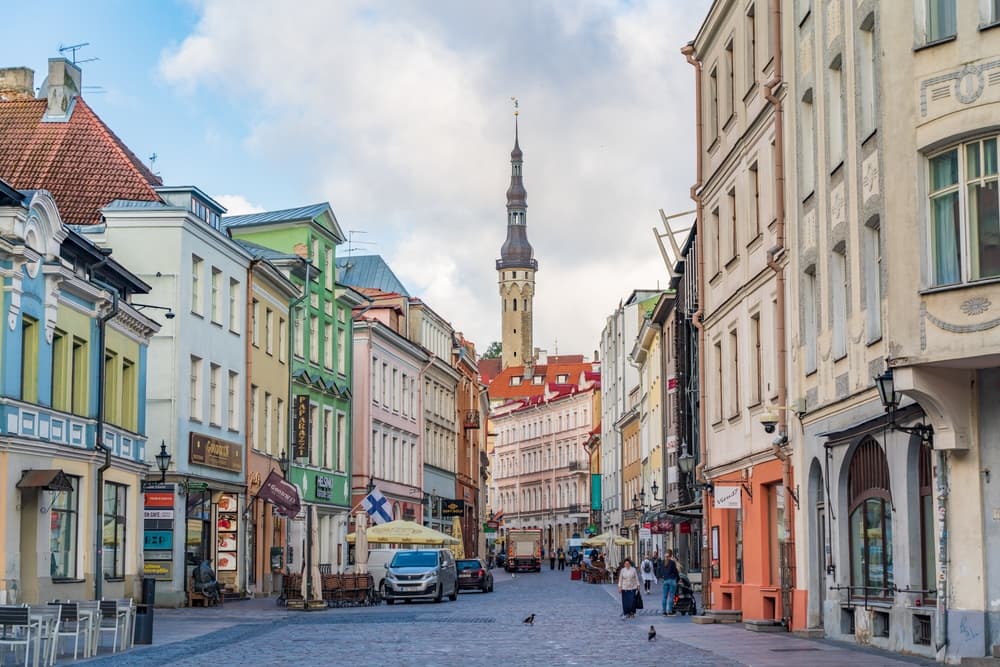
For remote workers and founders who want a walkable capital with government services online. Kalamaja and Telliskivi are the neighborhoods people pick, ferries reach Helsinki in about two hours, and the Old Town is intact. The catch is winter dark, around six hours of daylight at the solstice, and no nonstop flight to the U.S.
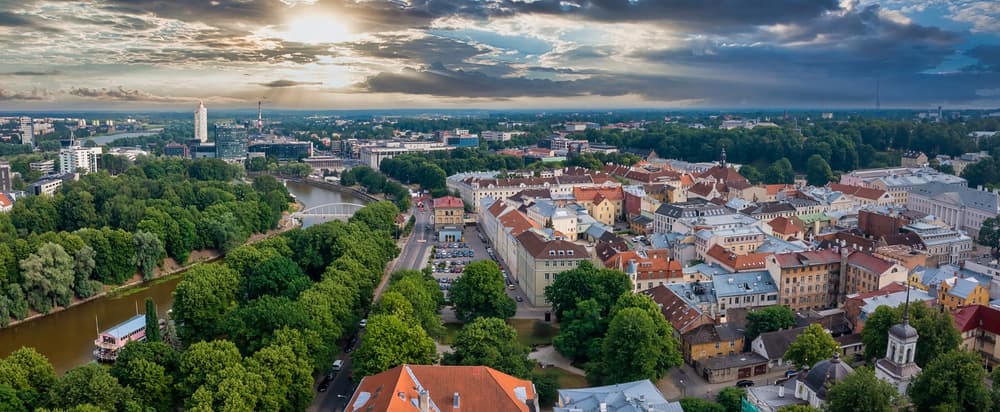
Tartu
Estonia's university town
A student city for people who want a relaxed, bookish pace, with the University of Tartu at the center of everything and a riverside promenade for evening walks. Tallinn is a bit over two hours away. The catch is size, with few jobs outside the university and tech scene and a long winter.
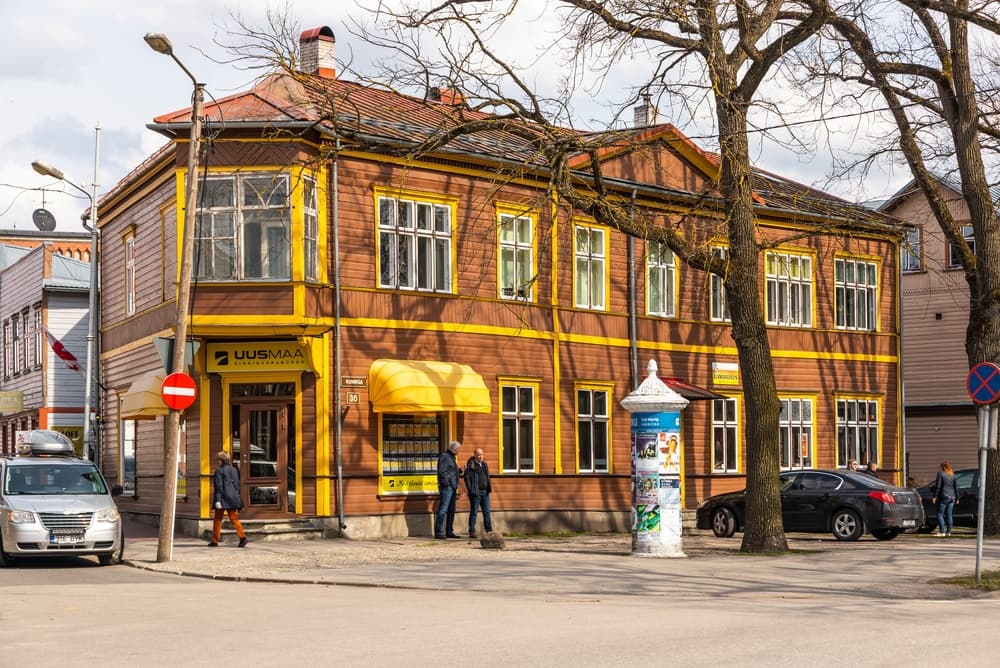
Pärnu
Estonia's summer capital
A beach town for people who like a slow resort pace, with a long sandy shore, spa hotels and a walkable center. Summer is lively with festivals and concerts, then the town quiets down hard. The catch is the seasonal feel, with little going on in winter and Tallinn a couple of hours away.
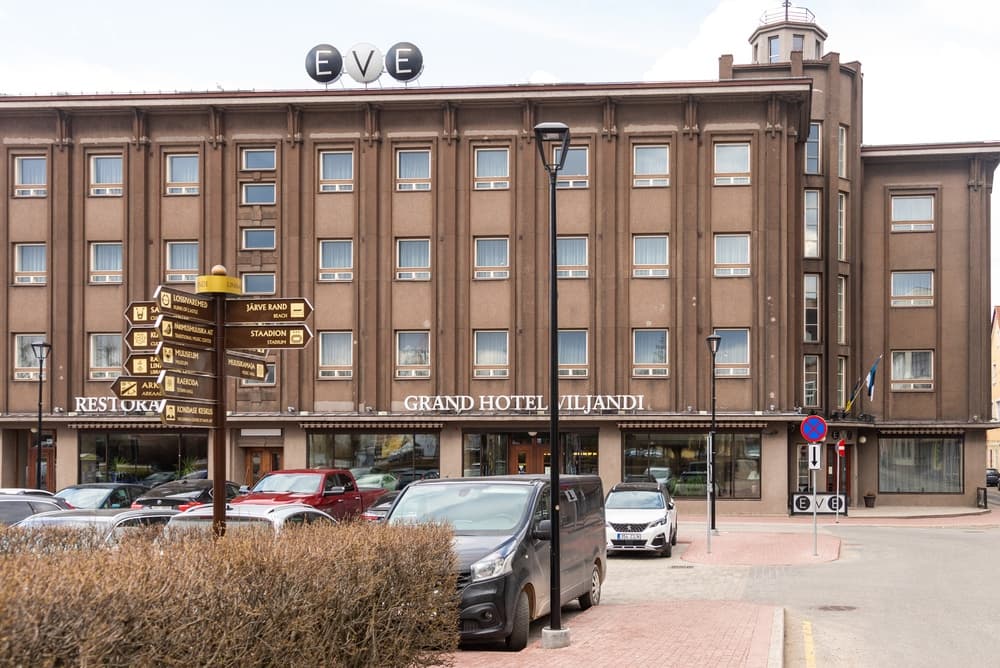
Viljandi
Folk-music town
A small lakeside town for people who want a creative, low-key life, known for the Viljandi Folk Music Festival each summer and the medieval castle ruins above the lake. Everything is walkable. The catch is size, with about 17,000 people, few services in English, and Tallinn a couple of hours away.
06 · Your move team
The vetted people who take the hard parts off your plate
Estonia's government paperwork is mostly online, which helps. The parts that trip people up are elsewhere: health coverage that satisfies the visa, U.S. taxes that don't stop when you leave, a pet's flight, a shipping container, and settling into a new culture. These are the Expatsi-vetted partners we'd call for each piece.

Hunter Schultz
Healthcare Coach
A healthcare coach with more than 20 years of expat living and a background in air medical transport. In a one-hour consultation he maps your specific health concerns to a care plan for your destination.
Learn more
ExpatInsure
Global Health Insurance
Expatsi's international health-insurance partner. They find private coverage that meets visa requirements, the kind nomads and short-stay families need in Estonia.
Learn more
MyExpatTaxes
U.S. Expat Tax Service
Tax software built for Americans abroad, filing returns since 2018. It handles the yearly U.S. return, including the foreign tax credit and the exclusion, without a big-firm price.
Learn more
Beacon Global Advisors
Financial Planning
Financial planners for Americans overseas. They keep 401(k)s, IRAs and brokerage accounts usable after you move and stay compliant with both tax systems.
Learn more
Moneycorp
Currency Exchange
A currency and international-payments specialist working since 1979. They convert dollars to euros and set up the recurring transfers your rent and bills will need.
Learn more
Flamingo Compliance | Tax Residency and Visa Tracker Platform
Tax Residency and Visa Tracker Platform
An app that tracks where you are and counts days against tax and visa thresholds, alerting you before you cross one. Built for limits like Estonia's 183-day tax line and the nomad visa's 548-day cap.
Learn more
Starwood Pet Travel
Pet travel and transport
Moves dogs and cats internationally, handling health certificates, USDA endorsements, crate rules and airline bookings from planning to arrival.
Learn more
Aqua Moving Services
Worldwide Shipping and Moving Service
International movers that survey your household once and return three competing quotes from vetted partners, so you can compare prices on a single move.
Learn more
Culturosity Co.
Cultural Skills Coach
Intercultural coaches Jennifer and Janka run one-on-one sessions and group workshops built on research-backed cultural frameworks, to help you find your footing in a new culture.
Learn more
Suzanne Severance
Solo Nomad Coach
A full-time solo nomad since September 2022 who has spent time in 47 countries. She coaches remote workers on slow travel and building a life on the move.
Learn more07 · Quick answers
Estonia move questions, answered
How much does it cost to live in Estonia?
Expatsi's 2026 data puts a comfortable budget at about $2,950 a month for a couple and $1,750 for a single person, rent included. A one-bedroom apartment in a city center averages about $700 a month. Most purchases carry Estonia's 24% standard VAT, which took effect in July 2025.
Are there direct flights from the U.S. to Estonia?
No. As of September 2026 there are no nonstop flights between Tallinn and any U.S. airport. Travelers connect through a European hub such as Helsinki, Frankfurt, Amsterdam or London, each of which has nonstop service to Tallinn.
Can I become an Estonian citizen and keep my U.S. citizenship?
Not through naturalization. Estonia requires naturalized citizens to give up other nationalities, and naturalizing takes at least eight years of residence plus language and constitution exams. People who are Estonian citizens by birth, including many descendants of people who held citizenship before June 16, 1940, can keep a second passport.
Does Estonia have a retirement visa?
No. Estonia doesn't offer a visa for people living on a pension, Social Security or investment income, and its Digital Nomad Visa requires income from active work. A retired American can visit for up to 90 days in any 180 without a visa. Longer stays are realistic mainly for people descended from pre-1940 Estonian citizens or married to an Estonian citizen.
Does e-Residency let me live in Estonia?
No. e-Residency is a digital identity that lets you start and run an Estonian company online, and it gives no right to live in Estonia. Americans can visit for up to 90 days without a visa; to stay longer, you need a long-stay visa or residence permit, such as the Digital Nomad Visa or a startup permit.
How much income do I need for Estonia's Digital Nomad Visa?
Plan on €4,500 a month (about $5,130 as of September 2026), documented for the six months before you apply. The figure is officially gross, though advisers suggest meeting it after tax. Estonia's Foreign Ministry visa page lists 132 euros a day for teleworkers, so confirm the current number with the embassy. The visa fee is €120.
How do I get permanent residence in Estonia?
Apply for a long-term resident's permit after five years on a temporary residence permit, such as a work or startup permit. You also need Estonian at level B1, stable legal income and public health insurance, and the state fee is €185. Time on the Digital Nomad Visa doesn't count toward the five years.
What is the income tax rate in Estonia?
Estonia's Tax and Customs Board lists a flat 22% personal income tax for 2026, applied after a tax-free allowance of €700 a month. You become a tax resident after 183 days in Estonia within 12 consecutive months, and residents are taxed on worldwide income. Americans still file U.S. returns and use the 1998 tax treaty and foreign tax credits to avoid double taxation.
Sources
- Application for a long-stay (D) visa: fees and financial means · Ministry of Foreign Affairs of Estonia (checked September 2026)
- Digital Nomad Visa vs e-Residency · e-Residency of Estonia (checked September 2026)
- FAQs about Estonia's Digital Nomad Visa · e-Residency of Estonia (checked September 2026)
- Residence permit for start-up entrepreneurs · Police and Border Guard Board (checked September 2026)
- Startup Visa for foreign founders · Startup Estonia (checked September 2026)
- Residence permit for employment · Police and Border Guard Board (checked September 2026)
- State fee amounts: residence permits · Police and Border Guard Board (checked September 2026)
- Long-term resident's residence permit · Police and Border Guard Board (checked September 2026)
- Estonian citizenship for an adult · Police and Border Guard Board (checked September 2026)
- Tax rates for private clients, 2026 · Estonian Tax and Customs Board (checked September 2026)
- Determining tax residency · Estonian Tax and Customs Board (checked September 2026)
- Voluntary health insurance · Estonian Health Insurance Fund (Tervisekassa) (checked September 2026)
- U.S. International Social Security Agreements · U.S. Social Security Administration (checked September 2026)
- Estonia Travel Advisory · U.S. Department of State (checked September 2026)
- Average wage in Estonia was €2,092 in 2025 · ERR News (checked September 2026)
- Cost of living and country data for Estonia · Expatsi (checked September 2026)
- Expiry and revocation of a residence permit · Police and Border Guard Board (checked October 2026)
See how Estonia measures up for your life
Take the free Expatsi Test and compare Estonia with other countries on cost, healthcare, climate and safety.
Why not you?