Bolivia moving guide
Living in Bolivia: what Americans should know before moving in 2026
Visa-free visits since December 2025, a currency that floated in June, and residency rules built around proving you can support yourself. Here's the real picture, including the parts that make people hesitate.
Budgets, residency paperwork, altitude, doctors, and banking, checked against Bolivian law and current reporting as of September 2026.

Reviewed and updated September 27, 2026 · 12 min read
01 · The case for Bolivia
Andes, lowlands, and a short road to a second passport
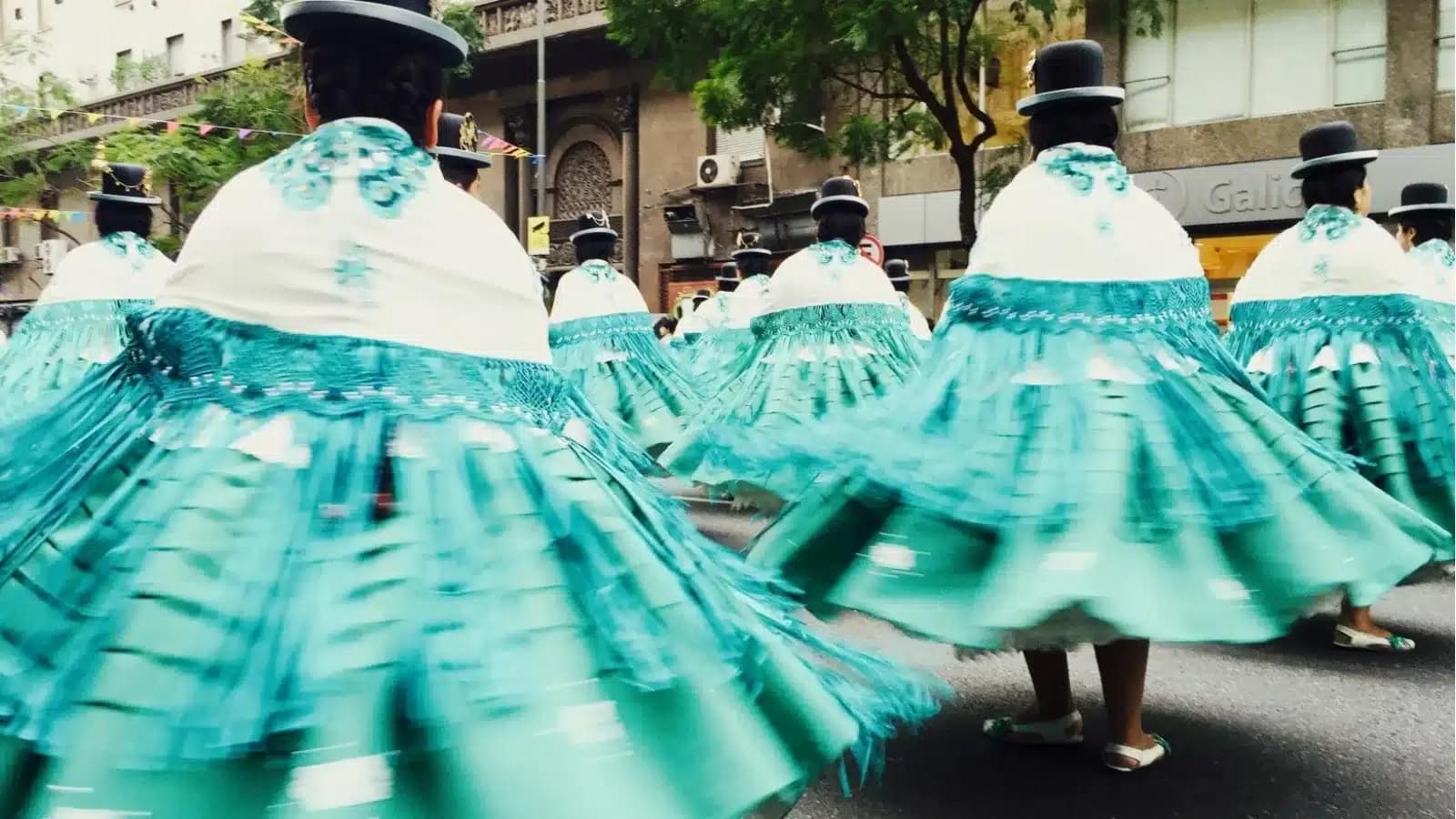
Bolivia isn't on most Americans' shortlist, which is a shame for the right person. It's a landlocked country where Indigenous culture shapes everyday life and a modest outside income goes a long way.
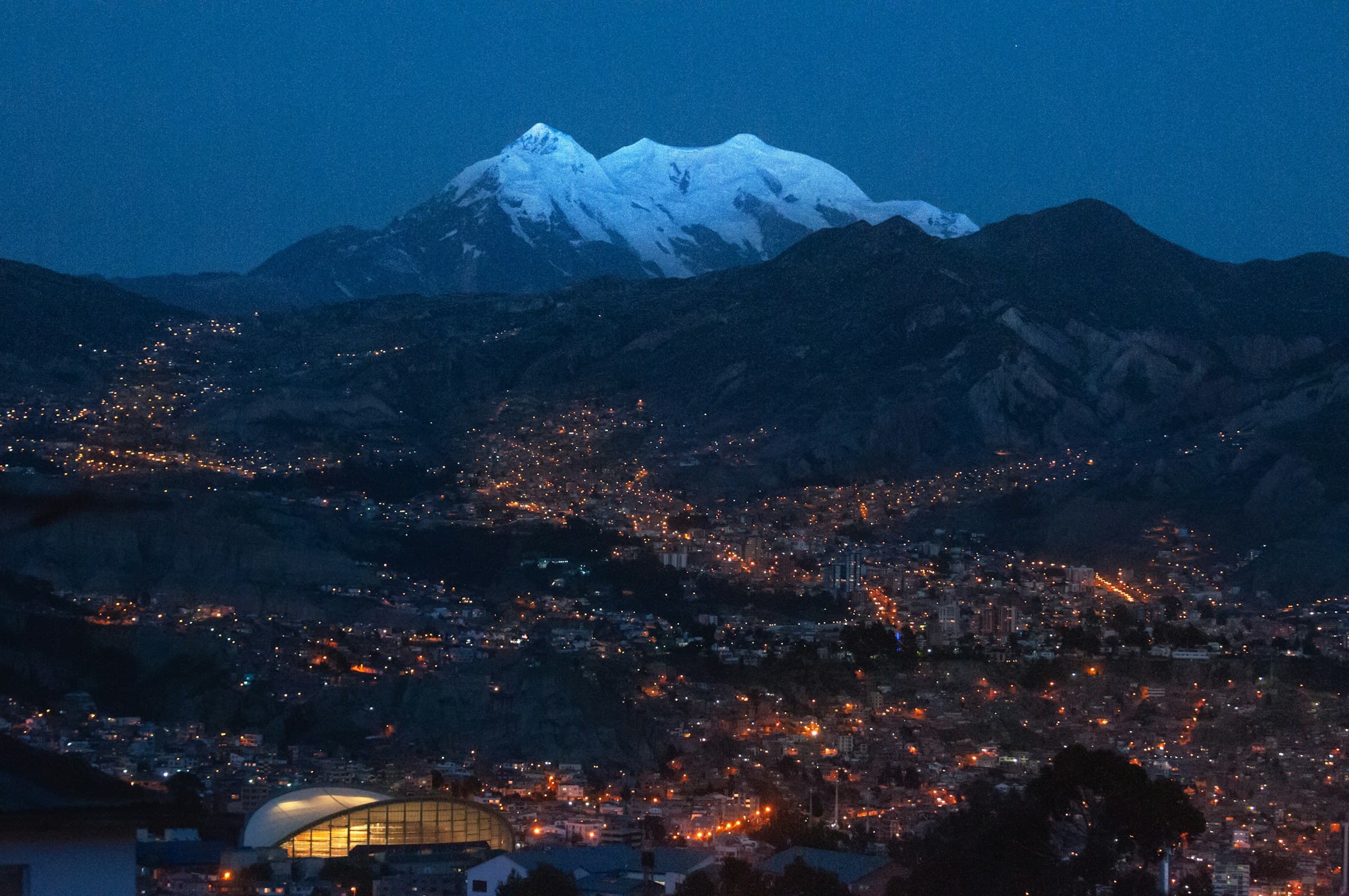
The first thing to understand is that Bolivia is two countries stacked on top of each other. Up high, La Paz sits between 10,000 and 13,000 feet, Sucre at 9,150 feet, and Cochabamba at 8,430 feet, a city locals call the City of Eternal Spring. Down in the eastern lowlands, Santa Cruz de la Sierra sits around 1,300 feet with a tropical climate that averages about 77°F. Where you land decides your weather, your health questions, and your daily rhythm more than almost anything else.
The practical case is stronger than it used to be. Since December 2025, Americans can visit without a visa, which makes a scouting trip easy to plan. Bolivia taxes only income earned inside the country, so a U.S. pension, Social Security, or a paycheck from an American employer isn't taxed there. And the path to citizenship is short: the constitution allows naturalization after more than three years of uninterrupted residence, and you don't have to give up your U.S. passport to get it.
It also fits a certain kind of budget. By our 2026 figures, a couple can live on about $1,450 a month all in, and a single person on about $850. That math works for people living on Social Security or a modest remote income.
Reasons to think twice
Bolivia rewards people who are flexible, and it's fair to lay out where it's hard before you book anything.
Its economy is in the middle of a big change. The government ended the boliviano's 15-year link to the dollar in late June 2026, and the currency has lost a lot of value since. Road blockades are a real part of life: in May and June 2026, more than 100 of them over 53 days cut La Paz off from supplies. The State Department rates Bolivia Level 2, Exercise Increased Caution, and says not to travel to Chapare Province at all.
Altitude isn't a minor detail, either. Most healthy adults adjust to La Paz in three to seven days, but for people over 60 or with heart or lung conditions, living that high is a real medical risk. Good private hospitals exist in the big cities, while care outside them is thin.
There's also no visa made for retirees or remote workers. You'll qualify through temporary residency and a solvency showing instead, and you'll do it largely in Spanish, since English isn't widely spoken. If you need a Bolivian paycheck, know that employers have to show no qualified Bolivian can do the job before hiring you.
If you're still interested, you're probably the kind of person Bolivia suits. The rest of this guide covers the money, the residency steps, healthcare and taxes, and where people settle.
- Cost of living (single)
- $850/mo
- Safety index
- 45/100
- English proficiency
- 20/100
- Internet speed
- 25 Mbps
- Capital
- La Paz (administrative), Sucre (constitutional)
- Currency
- Boliviano (BOB)
02 · The numbers
What a month in Bolivia costs
$1,450
Monthly budget, couple
all in, 2026
$850
Monthly budget, single
all in, 2026
$2,400
Monthly budget, family
housing included
$350
Rent, 1-bed city center
$250 outside center
$3
Inexpensive meal out
local spots, 2026
$23
Monthly transportation
local transit, 2026
$39
Home internet, monthly
speeds vary by area
Bs 12.2
Bolivianos per U.S. dollar
September 2026, was 6.96
Where the money goes, and why the numbers are moving
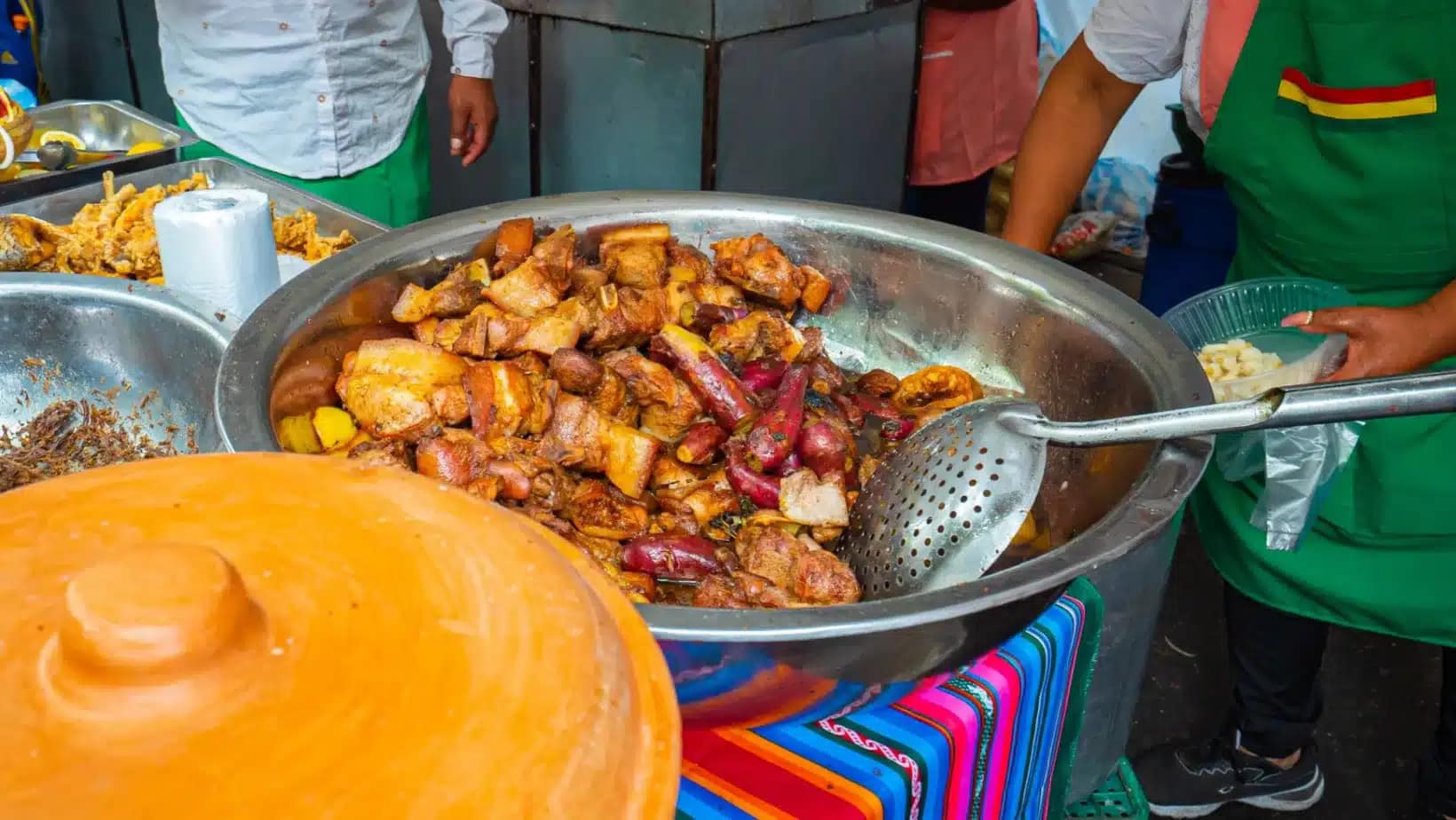
Start with housing. A one-bedroom in a city center runs about $350 a month by our 2026 figures, and about $250 a bit farther out. Food is affordable if you eat the way locals do: an inexpensive meal out is about $3. Budget about $23 a month for getting around town, and home internet runs about $39 a month.
A family with kids should plan on about $2,400 a month with housing included. That leaves room for private health insurance, which we'd treat as a must.
Now the important part. Treat every dollar figure on this page as a starting point, because Bolivia's money just changed. For 15 years, the boliviano was fixed at about 6.96 to the dollar. When the government let it float in late June 2026, the official rate jumped to 9.73 overnight, and by September it was trading around 12.2. Before the change, the street rate had climbed to about 20, because dollars were scarce.
What does that mean for someone living on dollars? Anything priced in bolivianos now costs fewer dollars than it did a year ago, while imported goods have gotten pricier. Inflation has cooled a lot: it was 5.02% for the 12 months to August 2026, down from a peak of 24.86% in July 2025. Still, prices are moving, so check current rents in the city you're considering before you set a budget.
Why the budget and the residency rules fit together
Bolivia doesn't publish a fixed income floor for residency. Instead, you prove economic solvency with a sworn declaration backed by documents, like bank statements or pension letters. Advisers report that about $300 a month has been enough in practice; more earnings make a stronger file. A retiree on Social Security, or a remote worker with steady U.S. income, fits that picture easily.
03 · Residency
How Americans actually get residency in Bolivia
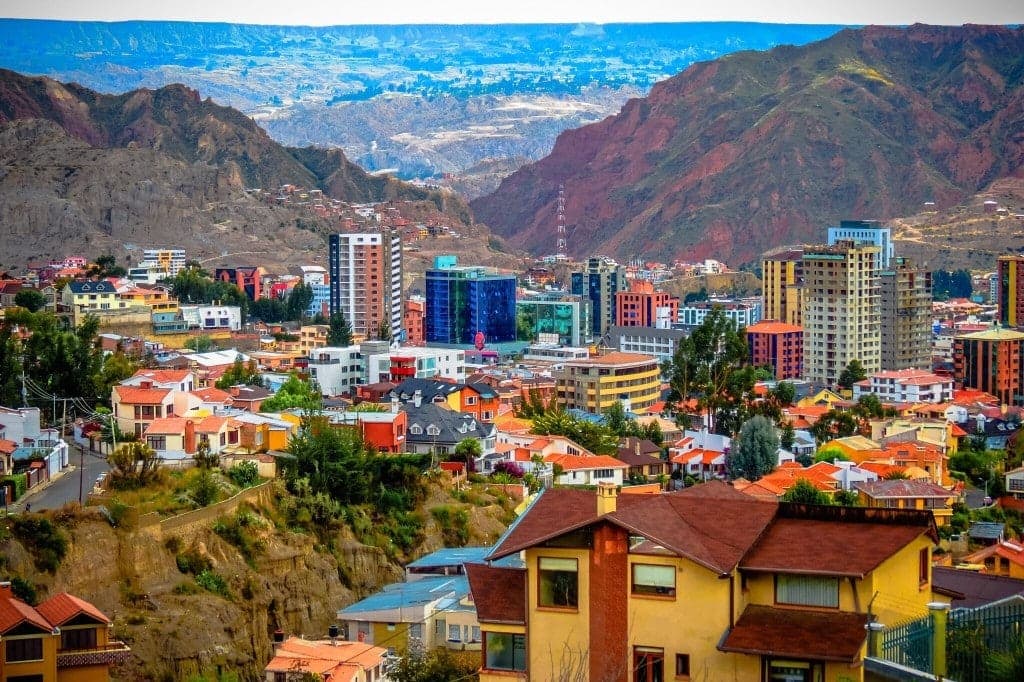
Bolivia's system is fairly simple once you see its shape. There's one kind of temporary residency, granted on different grounds; after three years, it leads to permanent residency. The work is in the documents, not in choosing between a dozen visa types.
Visiting first
Since December 2025, U.S. citizens don't need a visa for tourism stays under 90 days. Your passport needs six months of validity beyond your arrival date. Tourist entry doesn't let you work, so it's for scouting, not for living.
Temporary residency: the main route
Under Migration Law 370, temporary residency lasts up to three years in total. You can take one year and renew it twice, two years and renew once, or three years at once. The regulation lists grounds including work, study, family ties, and medical treatment. There's no separate category for retirees or for people living on investment income, and there's no digital nomad visa. Retirees and remote workers generally apply by showing economic solvency: a sworn declaration backed by documents such as bank statements or pension letters.
The usual path starts with a Visa de Objeto Determinado, a specific-purpose visa issued by a Bolivian consulate for business, study, paid work, marriage, and other legal activities. It's valid for 30 days and can be renewed in Bolivia. Whether you can skip it and file after a visa-free entry is a question to put to a Bolivian immigration lawyer before you go, since advisers disagree.
Expect to gather criminal record certificates from REJAP, Bolivia's registry, and from INTERPOL, plus a medical certificate from a competent institution. Advisers report these government fees: about Bs 1,350 for a one-year residency, about Bs 3,920 for two years, and about $86 for the foreigner ID card. Those sources give dollar equivalents set at the old 6.96 rate; at today's rate in September 2026, the dollar cost of the boliviano fees is lower. Lawyer help runs about $1,100 to $1,200 per person, and a couple pays for each spouse.
Staying legal once you're in
This is where people slip. A temporary resident can spend at most 90 days a year outside Bolivia, counted all together, not just in one stretch. If you're away more than three months, advisers say you'll need a fresh INTERPOL certificate. Overstaying is fined 12 UFV (a Bolivian unit tied to inflation) per day, or can bring a three-year ban. You'll carry a foreigner ID card from SEGIP, renewed every five years.
Working in Bolivia
Once you're a resident, the law lets you do any paid or for-profit work. Getting hired from abroad is the hard part: an employer has to show no qualified Bolivian is available, and foreign staff are capped at 15% of the workforce. The work visa below covers that path.
Studying in Bolivia
Study is one of the listed grounds for temporary residency, and it starts with admission to a Bolivian school. The student visa below covers it.
Permanent residency and citizenship
After three years in Bolivia, you can apply for permanent residency by showing a clean record, economic solvency, and lawful activity. The application runs about $560. Spouses, dependent children, and parents of a permanent resident can qualify without the three-year wait. Permanent residents only lose status after two straight years outside the country.
Citizenship takes more than three years of uninterrupted residence, or two if you have a Bolivian spouse or children. The good news is that Bolivia's constitution says you don't have to renounce your original nationality, so you can hold both passports.
Work Visa
Residency through a local job
For a job offer from a company in Bolivia. The employer has to show no qualified Bolivian is available, and residents can then do any paid work.
- Valid US passport with at least 6 months validity beyond departure date
- Completed visa application form
- Employment contract or letter from a Bolivian employer
Student Visa
Residency while you study
For students admitted to a Bolivian institution. Study is one of the grounds for temporary residency, which can last up to three years.
- Valid US passport with at least 6 months validity beyond departure date
- Completed visa application form
- Letter of acceptance from a recognized Bolivian educational institution
04 · Day to day
Doctors, taxes, and getting your money in
Four things Americans ask about once the residency question is settled, answered as of September 2026.
Healthcare
Since September 2024, foreign residents can use SUS, Bolivia's free public health system. In practice, very few foreign residents use it because of waits and facility standards. They rely on private clinics in the big cities instead. Clínica Foianini in Santa Cruz is widely seen as the country's leading hospital and accepts international insurance networks. Local supplementary plans start around Bs 100 to 130 a month for basic coverage and run about Bs 570 to 720 ($49 to $62) for premium plans.
Two things to plan for. The State Department calls medical care outside major cities inadequate, and serious cases often mean a transfer, so any policy you buy should include medical evacuation. And if you're over 60 or have a heart or lung condition, talk to your doctor before choosing a high-altitude city. Hunter Schultz, a healthcare coach we work with, helps people weigh exactly these tradeoffs, and ExpatInsure can set up international coverage that includes evacuation.
Taxes
Bolivia taxes only income earned inside Bolivia. Foreign-source income, like Social Security, a U.S. pension, or a salary from an American employer, isn't taxed there. Local income is taxed at 13% under a system called RC-IVA.
The U.S. side doesn't change. You still file and report worldwide income, you get an automatic two-month extension while living abroad, and you must report foreign bank accounts to the Treasury even if they earn nothing. MyExpatTaxes, one of our partners, handles U.S. returns for Americans overseas.
Banking and money
You can't open a Bolivian bank account as a tourist. You'll need at least temporary residency and your foreigner ID card, and the same card is required for a tax number (NIT). Dollar accounts exist, but banks rarely hand out physical dollars at the official rate, and withdrawal limits and fees apply. Because the exchange rate is still settling, plan how you'll move money before you arrive. Moneycorp, our currency partner, can help you set up international transfers.
Getting there and bringing your things
Boliviana de Aviación flies nonstop from Miami to Santa Cruz about four to five times a week, a trip of roughly 6 hours 50 minutes. Household goods can come in duty-free up to $35,000 (FOB value), but only with a specific-purpose visa and two years of prior residence abroad. Pets need a health certificate from a USDA-accredited vet, issued within three months before arrival, endorsed by USDA and then legalized at a Bolivian consulate. One more rule for buyers: foreigners can't purchase real estate within 50 kilometers (about 31 miles) of the borders or in rural areas.
This guide is dated on purpose
Bolivia's visa rules for Americans changed in December 2025 and its currency floated in June 2026, so this guide reflects what we could confirm as of September 2026. Residency fees here come from advisers, since the immigration office doesn't publish a fee table we could verify. Confirm current rules and costs with a licensed Bolivian lawyer before you file anything.
05 · Where people settle
Pick your altitude first, then your city
In most countries, you choose a city by vibe. In Bolivia, start with elevation: it shapes your health, your weather, and even your internet.
If altitude worries you, the lowlands are the answer. Santa Cruz de la Sierra sits around 1,300 feet with a tropical climate averaging about 77°F. It's the country's business center, it has the nonstop flight to Miami, and it's home to Clínica Foianini. The State Department does require yellow fever vaccination for travel to the lowlands east of the Andes, so add that to your to-do list.
In the middle band, Cochabamba (8,430 feet) earns its nickname, the City of Eternal Spring, with mild weather all year. Sucre (9,150 feet), the constitutional capital, has a similar mild highland climate and a slower, colonial feel. Both are high enough that you'll feel it at first, and low enough that most healthy people settle in without trouble.
La Paz, the seat of government, is the dramatic choice at 10,000 to 13,000 feet. Foreigners tend to settle in Sopocachi or in the Zona Sur neighborhoods like San Miguel and Calacoto, where home internet runs about 20 to 40 Mbps. Expect a few days of headaches and short breath while your body adjusts, and plan around the road blockades that can isolate the city.
We're building Expatsi city guides for Bolivia. As they go live, they'll appear right below with costs, climate, and safety for each place.
Bolivia city guides
Santa Cruz de la Sierra
Warm lowland hub
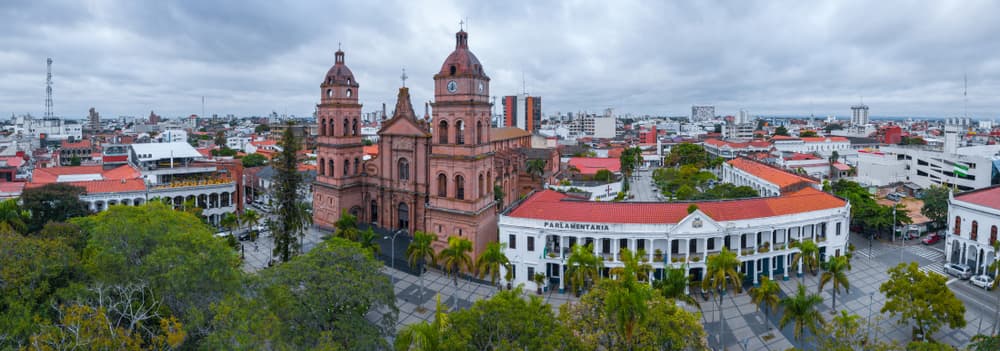
Bolivia's biggest city and business engine, flat and warm at about 1,400 feet, so no altitude worries. Equipetrol is where expats and the better restaurants cluster, the ring roads circle out from the Plaza 24 de Septiembre, and BoA flies nonstop to Miami. The catch is summer heat, heavy rain, and a sprawl that needs a car or rideshare.
Cochabamba
City of Eternal Spring
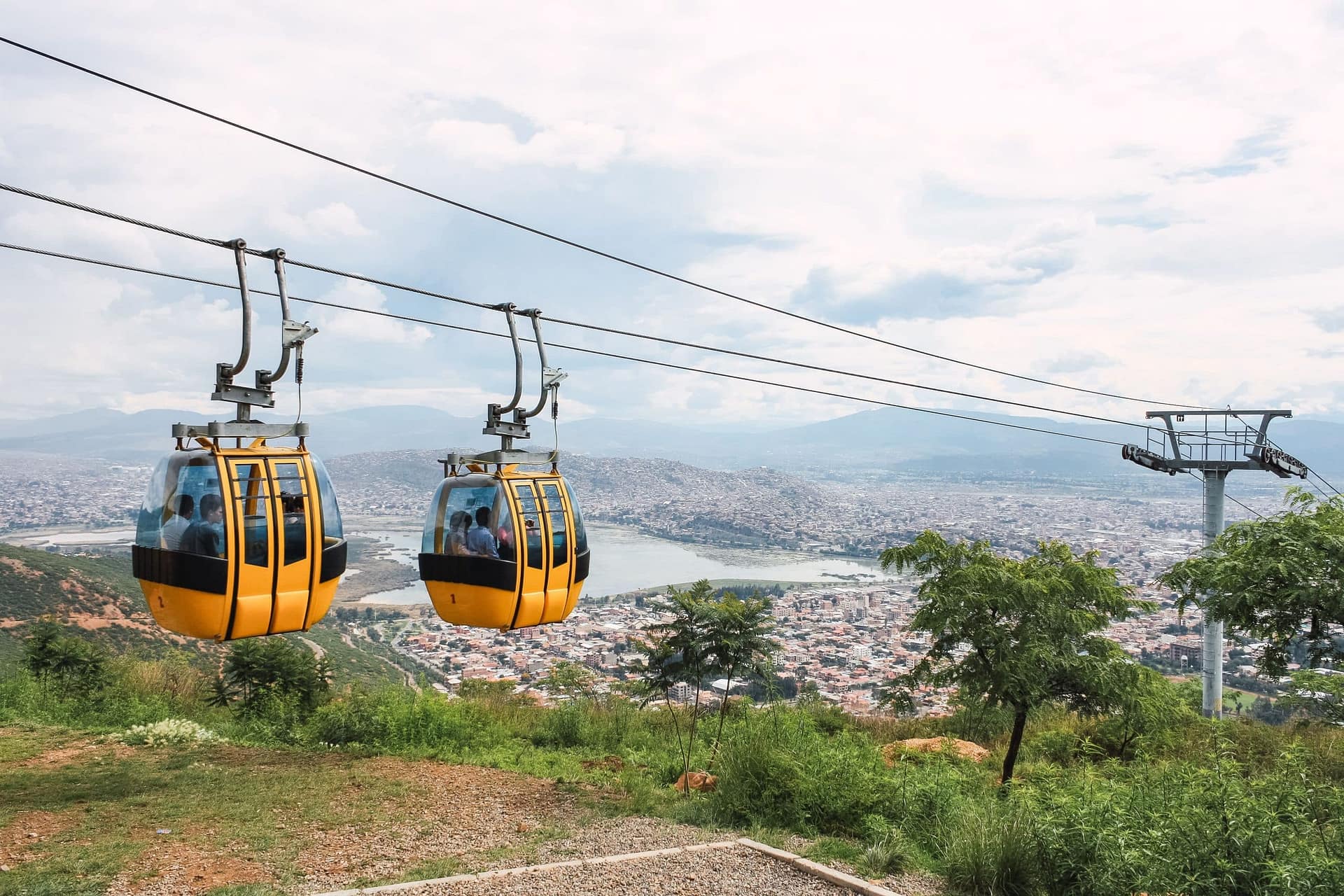
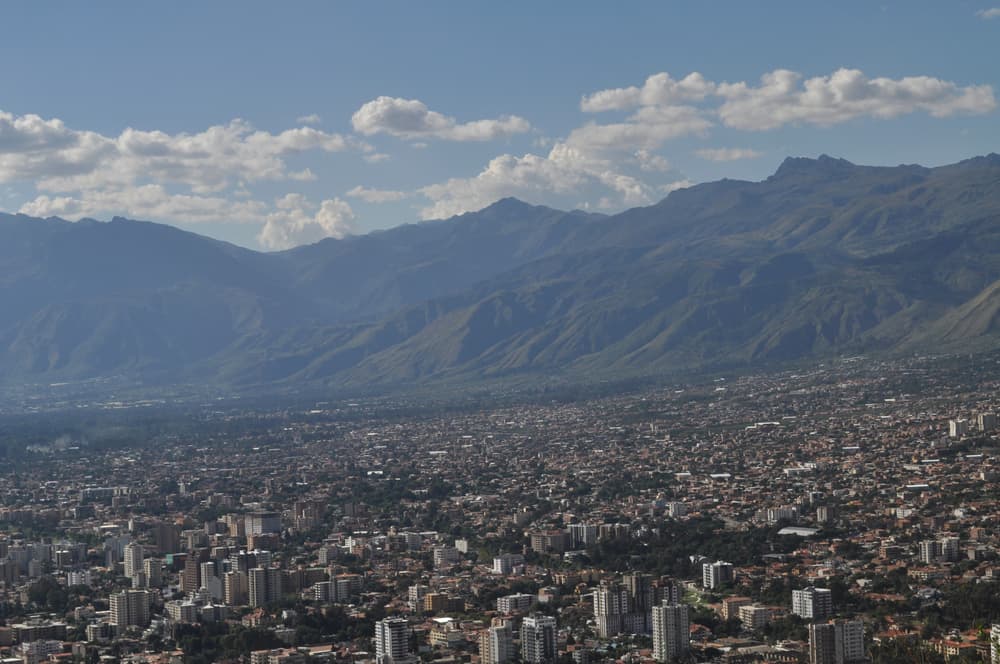
Mild weather at about 8,400 feet, a famous food scene, and a cable car up to the Cristo on San Pedro hill give the valley its relaxed pace. It's a mid-size city with a smaller foreign crowd than Santa Cruz, so you'll use Spanish daily. The catch is road blockades, which can cut the valley off from the rest of the country for days.
La Paz
Seat of government
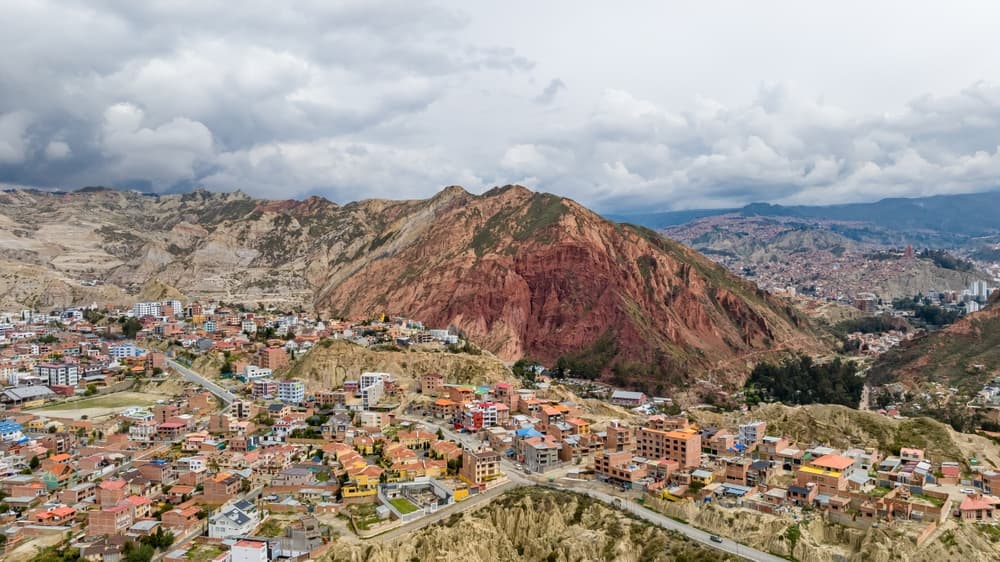
Bolivia's seat of government fills a canyon from about 10,500 to 13,000 feet, and the Mi Teleférico cable cars link it to El Alto on the rim above. Expats mostly settle in Zona Sur, lower and warmer than the center. The catch is altitude, a real medical risk for anyone over 60 or with heart or lung problems.
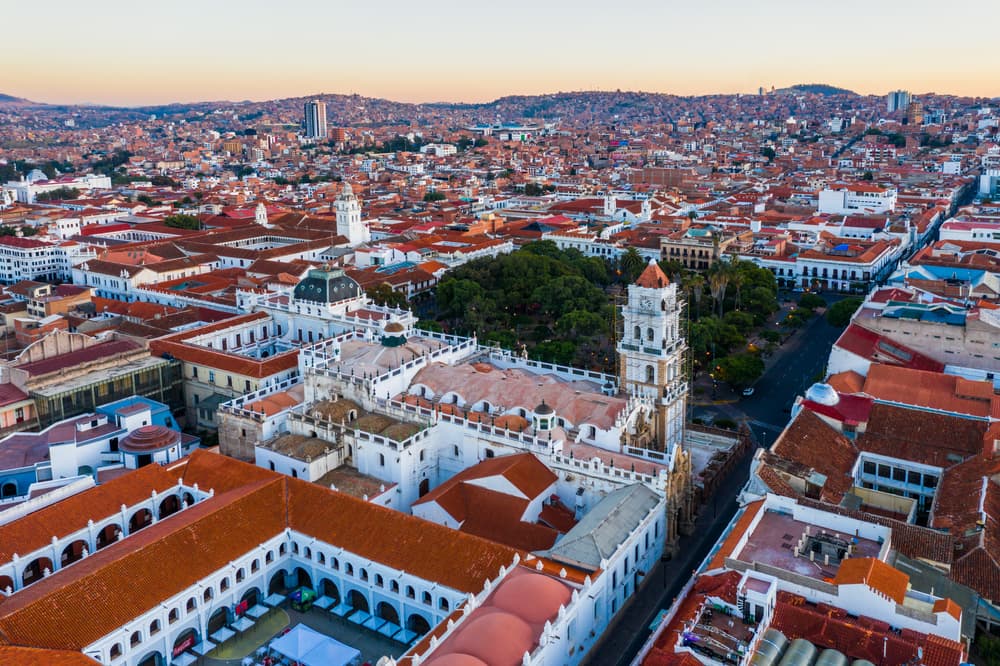
Sucre
White colonial capital
Bolivia's constitutional capital, with a whitewashed colonial center that is a UNESCO World Heritage site and mild days at about 9,200 feet. Spanish schools and a university crowd keep it lively. The catch is a small city with thin specialist care, so serious health problems mean a flight to Santa Cruz or La Paz.
06 · Your move team
People who can handle the hard parts
You've met a few of these partners already in this guide. Bolivia is a do-it-in-Spanish, paper-heavy move, and the people who come through it calmly usually have help on health, money, and language.
One honest note: we don't yet have a Bolivia-based immigration partner. For the residency filing itself, hire a licensed Bolivian immigration lawyer. The partners below cover everything around it, grouped by what they do.

Hunter Schultz
Healthcare Coach
A healthcare coach with more than 20 years of expat life and a background in air medical transport. In a one-hour consultation he maps out a care plan for your destination, useful when you're weighing altitude, private hospitals, and evacuation.
Learn more
ExpatInsure
Global Health Insurance
Expatsi's international health insurance partner, represented by Andy Seale and Stephanie Edwards. Their team matches you with a plan for your move, including the evacuation coverage Bolivia calls for.
Learn more
MyExpatTaxes
U.S. Expat Tax Service
Tax software and support built for Americans filing U.S. returns from overseas, operating since 2018. Handy for keeping your U.S. filings and foreign account reports in order once you're living in Bolivia.
Learn more
Moneycorp
Currency Exchange
A currency exchange and international payments company working since 1979, with a dedicated specialist for each client. They can set up your transfers from U.S. accounts and lock in a rate for up to two years.
Learn more

Miss Rosa Spanish Lessons
Spanish Language Teacher
Online Spanish lessons with Agustina, a teacher who has lived and taught in Argentina, Mexico, and Brazil. A good start, since daily life and paperwork in Bolivia happen in Spanish.
Learn more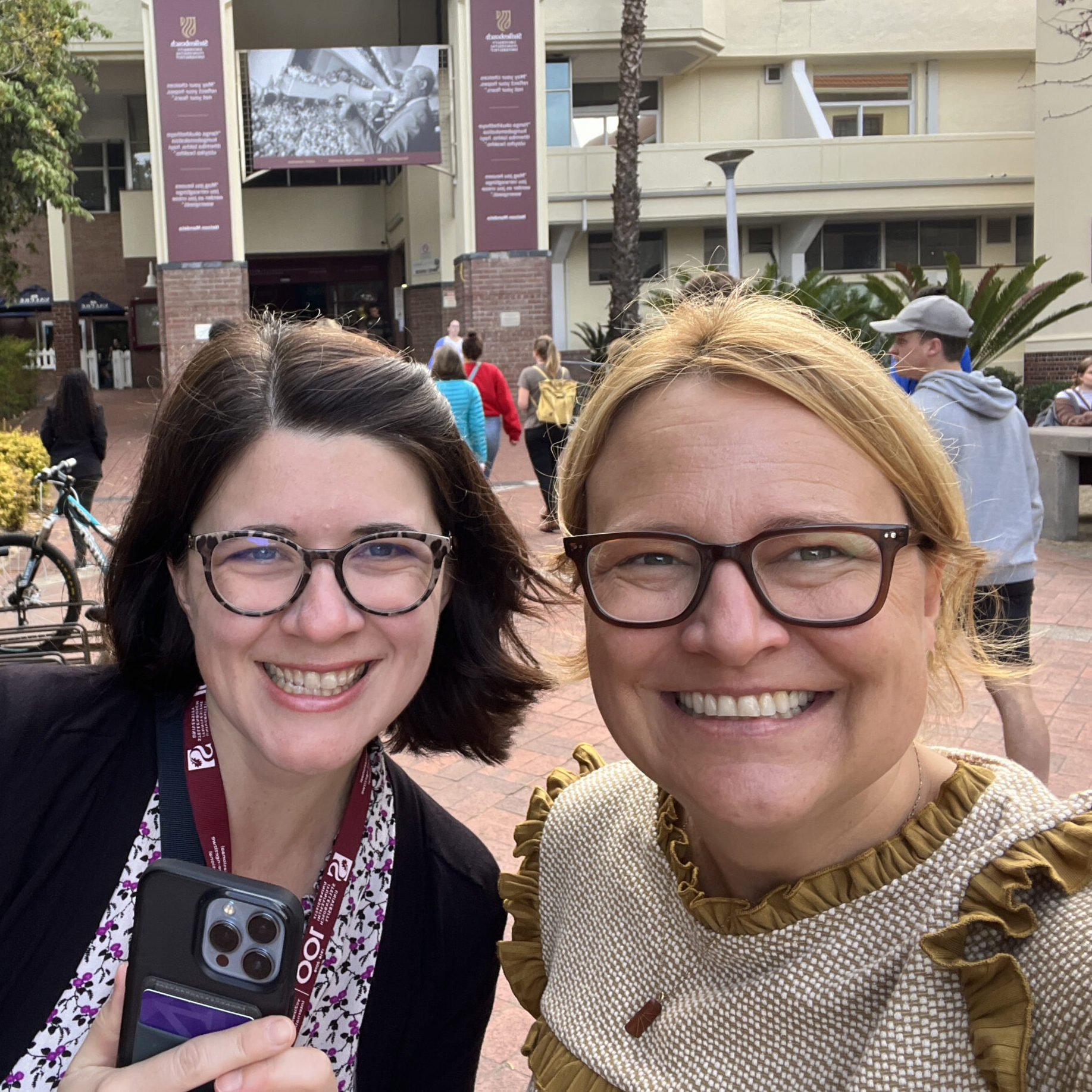
Culturosity Co.
Cultural Skills Coach
Intercultural coaching from co-founders Jennifer and Janka, certified in cultural assessment tools. One-on-one sessions and workshops help you adjust to a new culture and build a life there.
Learn more07 · Quick answers
Bolivia move questions, answered
Do Americans need a visa to visit Bolivia?
No. Since December 2025, U.S. citizens can visit Bolivia without a visa for tourism stays under 90 days. Your passport needs six months of validity beyond your arrival date. Tourist entry doesn't allow you to work, so anyone planning to live in Bolivia needs temporary residency.
Is Bolivia safe for Americans?
The U.S. State Department rates Bolivia Level 2, Exercise Increased Caution, and advises against any travel to Chapare Province because of narcotrafficking-related violent crime. Large protests and road blockades can start with little warning and cut off transportation, and intercity roads are poor, especially in the November to March rainy season.
Can I keep my U.S. citizenship if I become Bolivian?
Yes. Bolivia's constitution says foreigners who acquire Bolivian nationality don't have to renounce their original nationality, so Americans can hold both passports. As a U.S. citizen, you'll still report your worldwide income to the IRS.
Does Bolivia have a retirement visa?
No. Bolivia has no formal pensionado or rentista category. Retirees apply for temporary residency by proving economic solvency with a sworn declaration backed by documents such as bank statements or pension letters. Advisers report that about $300 a month has been enough in practice, but confirm the current standard with a Bolivian immigration lawyer.
How does the altitude in Bolivia affect daily life?
La Paz sits between 10,000 and 13,000 feet, and most healthy adults need three to seven days to adjust. For people over 60 or with heart or lung conditions, living that high is a genuine medical risk. Santa Cruz de la Sierra, at about 1,300 feet, is the main low-altitude alternative.
How long does it take to become a permanent resident or citizen of Bolivia?
Temporary residency lasts up to three years in total, and after three years in Bolivia you can apply for permanent residency. Citizenship by naturalization requires more than three years of uninterrupted residence, or two years if you have a Bolivian spouse or children.
How much does it cost to live in Bolivia?
By Expatsi's 2026 figures, a couple can live on about $1,450 a month, a single person on about $850, and a family on about $2,400, with a one-bedroom in a city center around $350. The boliviano floated in June 2026 and has lost value against the dollar, so check current local prices before you set a budget.
Can I work remotely from Bolivia for a U.S. company?
Bolivia has no digital nomad visa, and tourist entry doesn't permit work. Remote workers usually qualify for temporary residency by showing economic solvency. Once you're a resident, Bolivia's migration law allows any paid or for-profit activity, and Bolivia doesn't tax income from foreign sources, such as a salary from an American employer.
Sources
- Message to U.S. Citizens: Visitor Visas No Longer Required (December 3, 2025) · U.S. Embassy in Bolivia (checked September 2026)
- Bolivia International Travel Information · U.S. Department of State (checked September 2026)
- Ley 370 de Migración (2013) · Plurinational State of Bolivia (checked September 2026)
- Decreto Supremo 1923, Reglamento de la Ley de Migración · Lexivox (checked September 2026)
- Bolivia 2009 Constitution · Constitute Project (checked September 2026)
- Bolivia: Individual taxes on personal income · PwC Worldwide Tax Summaries (checked September 2026)
- U.S. citizens and resident aliens abroad · IRS (checked September 2026)
- Bolivia Residency 2026 · GoResident (checked September 2026)
- Bolivia ends Dollar peg, devalues currency · FXStreet (checked September 2026)
- Bolivia Explained 2026 · The Rio Times (checked September 2026)
- Healthcare in Bolivia for Expats · The Rio Times (checked September 2026)
- Pet Travel From the United States to Bolivia · USDA APHIS (checked September 2026)
- Cost of living and country data for Bolivia · Expatsi (checked September 2026)
Find out if Bolivia belongs on your list
The free Expatsi Test weighs Bolivia against other countries on the things that decide a move: cost, healthcare, climate, and safety.
Why not you?