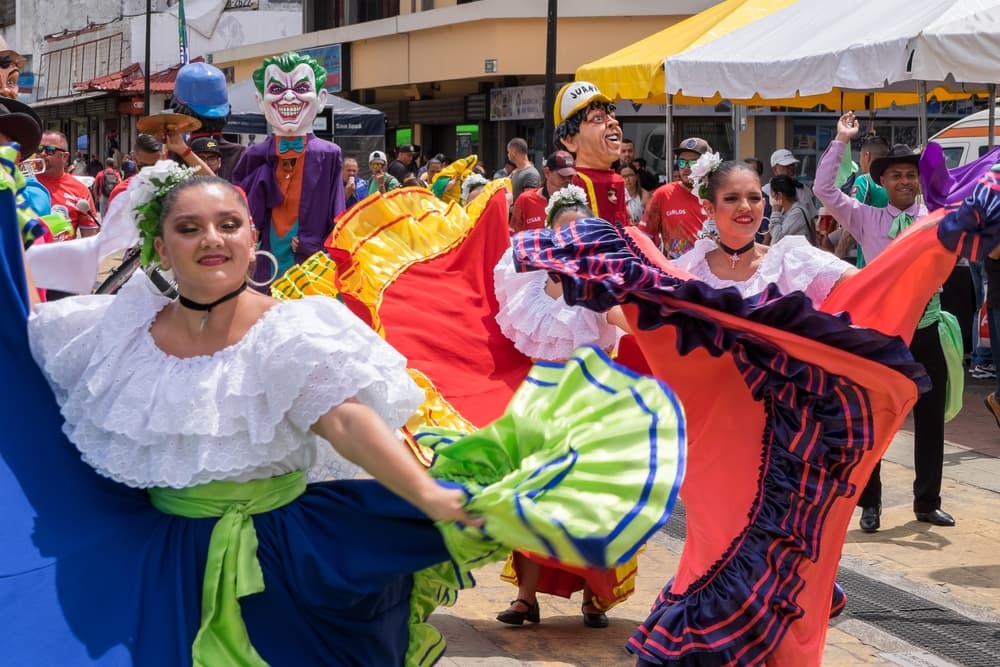
San José: a real city underneath the pura vida
Costa Rica's capital brings serious private hospitals, an international airport, fiber internet, and springlike weather in every month.
- 335,007
- Population (2025)
- $1,900/mo
- Monthly budget · single
- 75°F / 24°C
- Avg temperature
Plan on a budget of about $1,900 a month for one person in San José and $3,000 for a couple. A one-bedroom in the center runs about $900, or $700 further out, and a family of four lands near $4,800. Costa Rica is the most expensive country in Central America, and the capital is where that shows up.
San José suits people who want a real city underneath the pura vida. You're getting three serious private hospitals, an international airport a short drive northwest, fiber internet, and a food scene that's gotten genuinely good. The city sits at 3,809 feet in the Central Valley, so highs run 81 to 87F and lows 65 to 67F in every single month of the year. Almost nobody owns an air conditioner.
Here's the catch. San José scores 46 on safety, which is well below the beach and mountain towns Americans usually picture when they think about Costa Rica. The traffic is punishing, as well. This is a capital city, with a capital city's petty theft and rush hour issues.
At a glance
$1,900
Monthly budget · single person
$900/mo 1-bed rent, center
46/100
Safety index
$55
Internet / month
75°Fannual average
Oct 73° · Apr 77°
Climate
335,007
Population (2025)
Expatsi estimates, updated Aug 2026, based on rental listings, government statistics, and local reporting.
Cost of living
What it costs to live in San José
Single person
$1,700–$2,200/mo
about 40% below Austin, TX
Couple
$2,600–$3,400/mo
about 35% below Austin, TX
Family of four
$4,200–$5,400/mo
about 40% below Austin, TX
Compared with Austin, TX (Expatsi estimate, 2026).
- $11 −45%
- Inexpensive meal
- $800–$1,000/mo −54%
- 1-bed rent, center
- $600–$800/mo −48%
- 1-bed rent, outside
- $55/mo −15%
- Internet
- $190/sq ft −71%
- Buy price, center
Expatsi estimates, updated Aug 2026, based on rental listings, government statistics, and local reporting.
Daily life
How San José lives
- A- grade, 72nd percentile among the cities we track
- Dining & cafésstrong
- A- grade, 73rd percentile among the cities we track
- Arts & culturestrong
- B+ grade, 68th percentile among the cities we track
- Parks & outdoorsstrong
- B+ grade, 57th percentile among the cities we track
- Schools & educationstrong
- A- grade, 81st percentile among the cities we track
- Healthcare accessstrong
- B grade, 46th percentile among the cities we track
- Bike infrastructuretypical
- B grade, 53rd percentile among the cities we track
- Public transittypical
- A- grade, good physical accessibility
- Accessibilitygood
Graded on OpenStreetMap amenity density relative to the 298 cities we track. Accessibility is the exception: it's graded against a fixed standard (terrain steepness and sidewalk surfaces), not a curve.
Climate
Weather through the year
Annual average 75°F (24°C) · 74 in of rain a year · Source: Meteostat station normals (78762, 1991-2020; sunshine from 1971-2000)
On the ground
Scenes from San José
Getting around
Transport in San José
San José runs on buses. Routes blanket the metro area and fares are small change, but there's no single terminal or unified map, so working out your line means asking someone for help. Most buses still want cash in colones. An electronic payment system called SINPE-TP is rolling out across the fleet, though coverage isn't universal just yet.
INCOFER runs a diesel commuter train from the two downtown stations out to Heredia, Alajuela and Cartago. It mostly runs at weekday rush hour, and on those corridors it is the one reliable way to skip the highway backup.
Uber and DiDi both work well and most Americans lean on them, especially after dark. Official red taxis run on meters.
Walkability depends entirely on the block. Barrio Escalante, Barrio Amón, Los Yoses and the pedestrian stretch of Avenida Central are genuinely walkable. Step outside those pockets and the sidewalks narrow, buckle or just stop. Cycling as a daily commute is not realistic here.
You can live here without a car, which is rare in Costa Rica. If you do buy one, know that the restricción vehicular bans your license plate from central San José one weekday every week, 6am to 7pm.
- 29/sq mi
- Transit stops
- 5.1/sq mi
- Bike infrastructure
- 7.1/sq mi
- Wheelchair-accessible places
Mapped features per square mile from OpenStreetMap.
Keep exploring
Places like San José
Medellín
Colombia
2.5M people · $1,700/mo
Playa del Carmen
Mexico
304.9K people · $1,900/mo
 Coming soon
Rio de Janeiro
Brazil
6.2M people · $1,600/mo
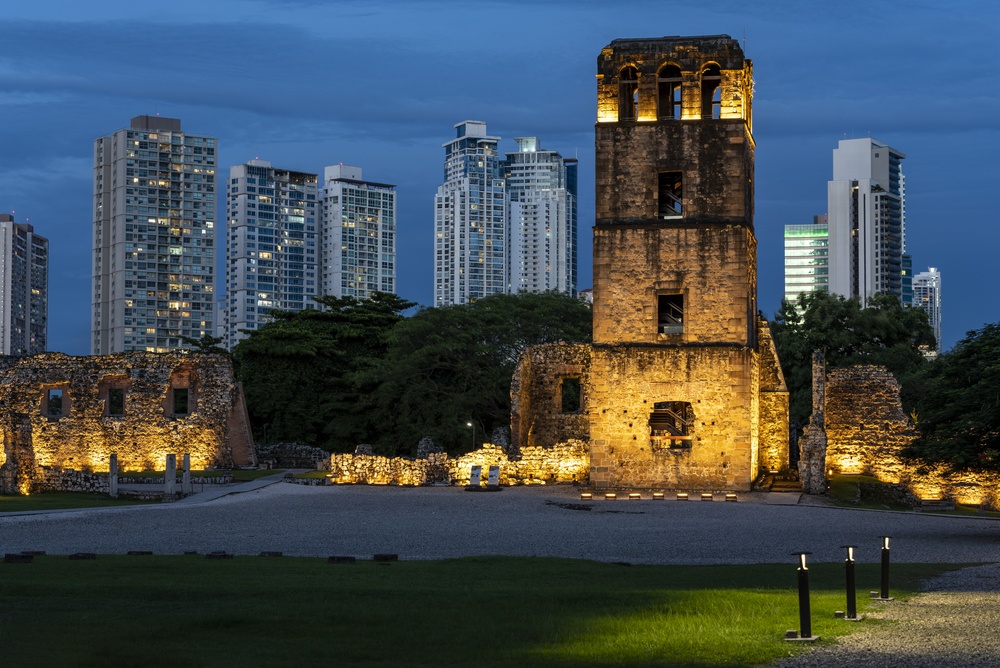
Panama City
Panama
1.5M people · $2,100/mo
 Coming soon
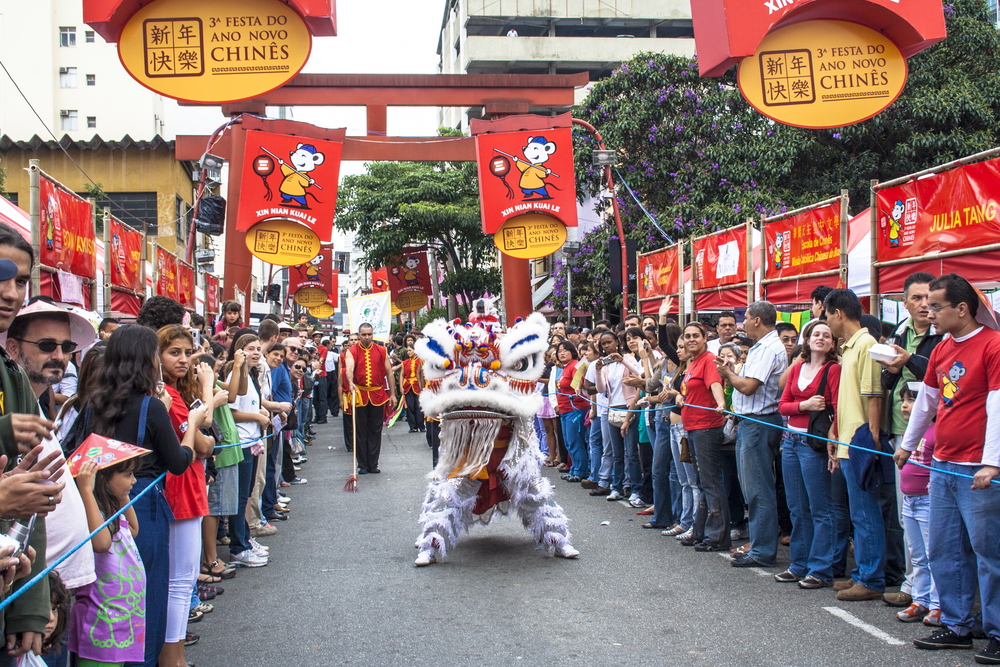
São Paulo
Brazil
11.5M people · $1,700/mo
 Coming soon
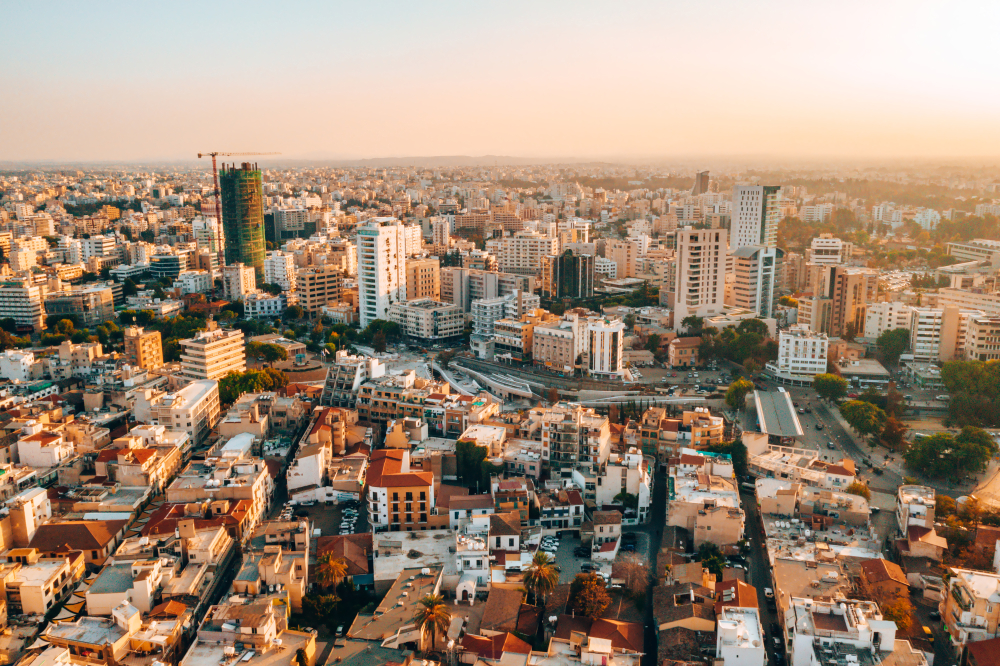
Nicosia
Cyprus
56.8K people · $2,000/mo
Living here
Community and practical notes
The expat scene: Americans here sort themselves west or east. Escazú and Santa Ana are the suburban side, with gated communities, malls, English at the counter and enough Americans that Escazú gets called Little America. Rohrmoser draws embassy staff, since the U.S. Embassy sits there. East of downtown, Barrio Escalante and Los Yoses pull younger remote workers who'd rather walk to dinner than drive to it.
Healthcare: This is San José's strongest argument. Legal residents enroll in the Caja, Costa Rica's public system, and pay a percentage of declared income. It covers you with no exclusions for pre-existing conditions, which is a real safety net. The trade is speed: non-urgent specialist appointments and elective surgery can take months. To compensate, most expats run a hybrid: Caja for the catastrophic things and private care for anything time-sensitive. The private big three are Hospital CIMA in Escazú, Clínica Bíblica downtown and Hospital Metropolitano, all stocked with English-speaking, often US-trained doctors. Nowhere else in the country comes close.
Schools: Families get real options here, which isn't true in most of Costa Rica. Country Day School, Lincoln School and Blue Valley cluster around Escazú and Santa Ana, and the American International School and British School are also in the metro area. Most run a U.S. or IB curriculum on a northern-hemisphere calendar.
Remote work: Fiber reaches most of the Central Valley and internet runs about $55 a month. Barrio Escalante is the default remote-work district, with cafe after cafe that will let you camp out plus a handful of coworking spaces, and Escazú, Santa Ana and La Sabana have their own. Buy something every couple of hours and nobody minds.
Limited mobility: The terrain is on your side, but the sidewalks are not. San José sits on a valley floor, making it flat by Latin American standards, and nearly every mapped street is paved. Sidewalks are what wheelchair users actually report: narrow, uneven, interrupted by power poles, open storm drains and sudden steps, with curb cuts that appear and vanish block to block. Law 7600, the 1996 equal-opportunity law and the strongest of its kind in Central America, is why the museums, malls, newer hospitals and the airport genuinely work. Enforcement on streets and older buses is another story. Plan on Uber over buses.
Retirement: San José is the practical retirement base in Costa Rica, even if it's not the pretty one. Hospital access, an airport and pharmacies that hand over most things without a prescription all matter more at 75 than an ocean view does. Costa Rica's pensionado route is built for retirees living on a lifetime pension. Start with our Costa Rica country guide and the retirement visa hub. If the pension route fits you, the pensionado visa page has the details.
Housing
Renting and buying
- 1-bed rent (center)
- $800–$1,000/mo
- 1-bed rent (outside center)
- $600–$800/mo
- Buy price (center)
- $190/sq ft
- Buy price (outside center)
- $144/sq ft
Expatsi estimates, based on rental listings, government statistics, and local reporting.
Good to know
Frequently asked questions
What is it like living in San José, Costa Rica?
It is a working capital, not a resort. Mornings are bright, green-season afternoons bring a hard downpour, and evenings cool off enough for a jacket. You get excellent hospitals, the Barrio Escalante food scene, museums, and both coasts within a few hours' drive. You also get traffic, noise and paperwork. Most Americans settle in Escazú, Santa Ana, Rohrmoser or Escalante.
How much does it cost to live in San José, Costa Rica?
Budget about $1,900 a month for one person and $3,000 for a couple, with a family of four closer to $4,800. A one-bedroom in the center averages $900 and $700 outside it, a cheap meal is about $11 and internet runs $55. Costa Rica is the priciest country in Central America, so expect to pay more here than in Mexico or Colombia.
What is the weather like in San José, Costa Rica?
Remarkably steady. Highs sit between 81 and 87F and lows between 65 and 67F every month of the year, averaging 75F, because the city is at 3,809 feet. The real seasons are wet and dry. December through March is genuinely dry and sunny, September and October are the soakers, and the city takes about 74 inches of rain a year. Green season rain usually arrives as a heavy afternoon burst, not all-day drizzle.
Is San José wheelchair accessible?
Partly. The city is flat and almost fully paved, which helps, and Law 7600 from 1996 forces accessibility in public buildings and transport, so museums, malls, newer hospitals and the airport are usually fine. Sidewalks are the weak point: narrow, broken, blocked by poles and open drains, with inconsistent curb cuts. Older buses often lack working ramps, so most wheelchair users rely on Uber.
Is San José, Costa Rica safe?
San José scores 46 out of 100 on safety, which is middling. The realistic picture is ordinary urban property crime rather than danger aimed at foreigners: pickpocketing, phone snatching and opportunistic theft, concentrated downtown and around the markets and bus terminals. Violent crime against Americans is rare. People who live here use Uber after dark and choose buildings with a guard. The western suburbs are noticeably calmer than the center.
Do I need a car in San José?
No, and that makes San José unusual in Costa Rica. Buses cover the metro area cheaply, a commuter train runs to Heredia, Alajuela and Cartago at rush hour, and Uber and DiDi are everywhere. In Escalante, Los Yoses or central Escazú you can skip the car. Owning one buys you the coasts on weekends, but also the restricción vehicular, which keeps your plate out of the center one weekday a week.
Can I retire in San José, Costa Rica?
Yes, and the capital is the most practical spot in the country to do it, because the specialists, the airport and the pharmacies are all here. A retired couple should plan on roughly $3,000 a month. Costa Rica's pensionado residency is designed for people living on a lifetime pension, and every legal resident enrolls in the public Caja. Many retirees add private insurance to skip the specialist waits.
See how San José fits your life
Take the free Expatsi Test and compare Costa Rica to nearly 200 countries on what actually matters: cost, healthcare, climate, and safety. About five minutes.
Why not you?