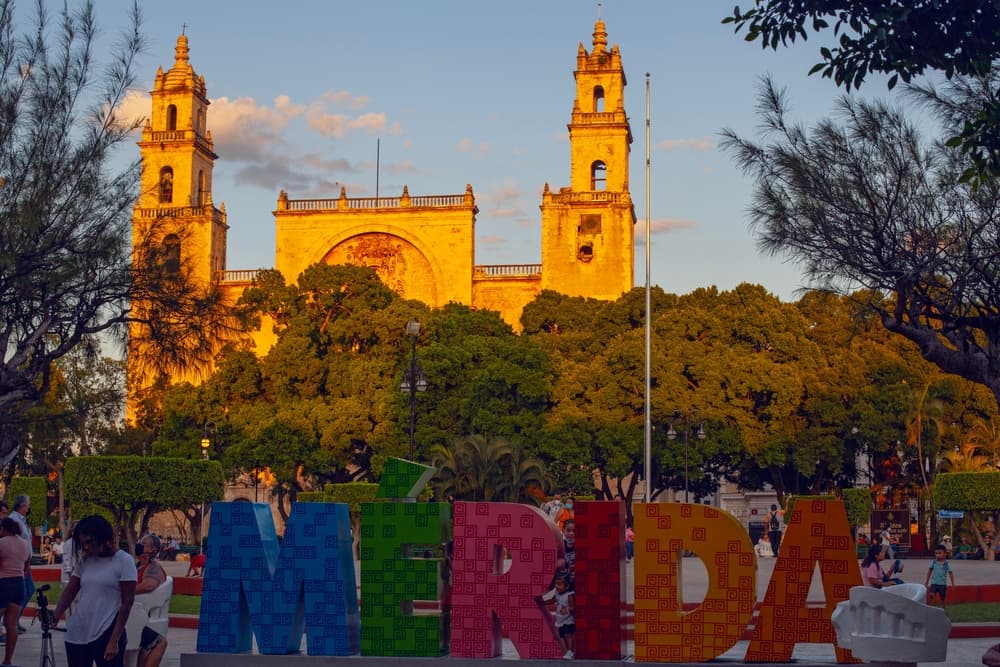
Mérida: colonial charm in Mexico's safest corner
Colonial mansions, cenote weekends, and the lowest U.S. travel advisory level in Mexico, at rents that leave room in the budget.
- 892,363
- Population (2015)
- $1,500/mo
- Monthly budget · single
- 82°F / 28°C
- Avg temperature
Plan on about $1,500 a month in U.S. dollars for one person in Mérida, around $2,400 for a couple, and roughly $3,600 for a family. A one-bedroom runs about $700 in the center and closer to $500 outside it, and a sit-down lunch at a local spot is about $9. Those figures buy a comfortable life here, not a spartan one.
Mérida is the capital of Yucatán state and home to about 892,000 people (1.3 million in the metro area). Safety is the headline: a safety index of 76 against a crime index of 24; Yucatán is one of only two Mexican states the U.S. State Department rates Level 1, its lowest travel advisory tier. That combination draws retirees, families, and remote workers who want colonial architecture, a real food culture (cochinita pibil alone justifies the trip), and Gulf beaches at Progreso about 30 minutes away. Neighborhoods like Centro, Santiago, Santa Ana, and the tree-lined Paseo de Montejo corridor are where most newcomers start looking.
The honest drawback is heat. The annual average is 81.7°F (27.6°C), and April and May average highs near 99°F, with hotter afternoons on top of that. Air conditioning is not optional here, and your electric bill will remind you of that every summer.
At a glance
$1,500
Monthly budget · single person
$700/mo 1-bed rent, center
76/100
Safety index
$30
Internet / month
82°Fannual average
Jan 75° · May 87°
Climate
892,363
Population (2015)
Expatsi estimates, updated Aug 2026, based on rental listings, government statistics, and local reporting.
Cost of living
What it costs to live in Mérida
Single person
$1,300–$1,700/mo
about 50% below Austin, TX
Couple
$2,100–$2,700/mo
about 50% below Austin, TX
Family of four
$3,200–$4,000/mo
about 55% below Austin, TX
Compared with Austin, TX (Expatsi estimate, 2026).
- $9 −55%
- Inexpensive meal
- $600–$800/mo −64%
- 1-bed rent, center
- $450–$550/mo −63%
- 1-bed rent, outside
- $30/mo −54%
- Internet
- $181/sq ft −72%
- Buy price, center
Expatsi estimates, updated Aug 2026, based on rental listings, government statistics, and local reporting.
Daily life
How Mérida lives
- B grade, 47th percentile among the cities we track
- Dining & caféstypical
- B+ grade, 60th percentile among the cities we track
- Arts & culturestrong
- B- grade, 28th percentile among the cities we track
- Parks & outdoorstypical
- B- grade, 39th percentile among the cities we track
- Schools & educationtypical
- B grade, 50th percentile among the cities we track
- Healthcare accesstypical
- B+ grade, 58th percentile among the cities we track
- Bike infrastructurestrong
- B grade, 46th percentile among the cities we track
- Public transittypical
- A+ grade, good physical accessibility
- Accessibilitygood
Graded on OpenStreetMap amenity density relative to the 298 cities we track. Accessibility is the exception: it's graded against a fixed standard (terrain steepness and sidewalk surfaces), not a curve.
Climate
Weather through the year
Annual average 82°F (28°C) · 44 in of rain a year · Source: Meteostat station normals (76644, 1991-2020)
On the ground
Scenes from Mérida
Getting around
Transport in Mérida
Mérida's public transit took a real step forward with Va y Ven, which replaced much of the old bus network with modern air-conditioned buses. There's no cash fare: you pay with a rechargeable Va y Ven card sold at OXXO stores and street-level kiosks. The flagship service is the Ie-Tram, an all-electric bus rapid transit line running in its own lanes since December 2023, linking Parque La Plancha in the center with Kanasín, the university corridor, and the Tren Maya stations. A route added in 2026 links the airport to the center.
For everything the bus doesn't cover, Uber and DiDi work well and are inexpensive by U.S. standards. Many residents treat rideshare as their default and skip car ownership entirely, at least at first.
Walkability depends on where you are. Centro is genuinely walkable on a grid of numbered streets, though sidewalks can be narrow and uneven. The midday heat makes mornings and evenings the practical walking hours. The northern neighborhoods sprawl along wide avenues built for cars.
Whether you need a car comes down to where you land. In or near Centro you can manage without one. If you settle in the north near the big-box stores and international schools, or want easy weekend trips to cenotes, Progreso, and the Ruta Puuc ruins, a car earns its keep.
- 21/sq mi
- Transit stops
- 11/sq mi
- Bike infrastructure
- 8.6/sq mi
- Wheelchair-accessible places
Mapped features per square mile from OpenStreetMap.
Keep exploring
Places like Mérida
 Coming soon
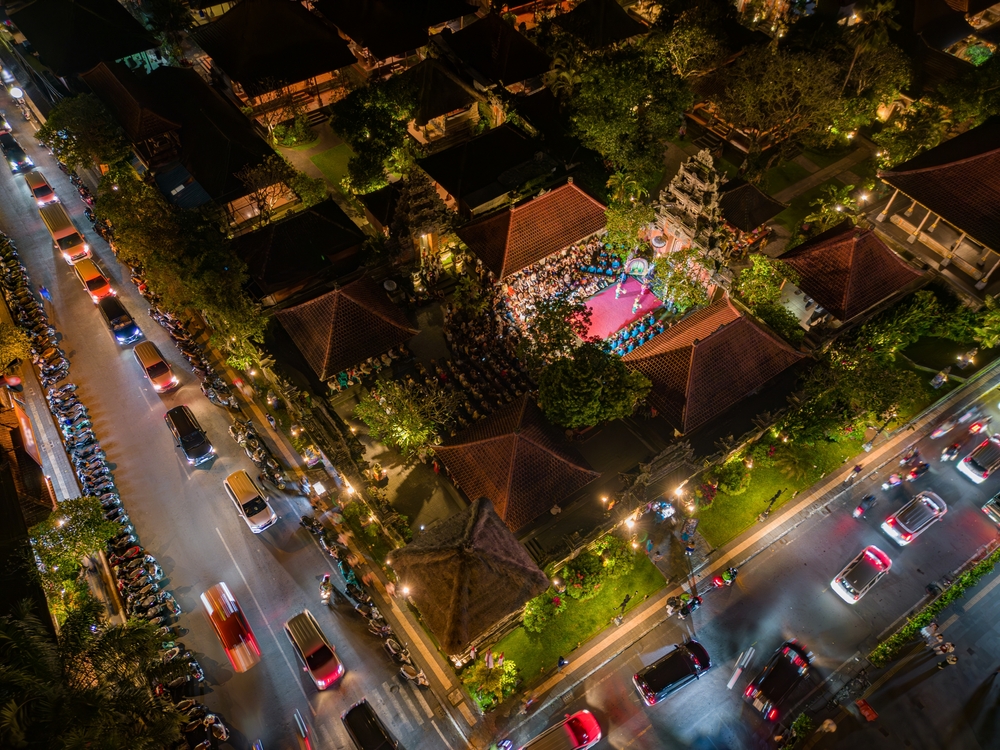
Ubud
Indonesia
$1,700/mo
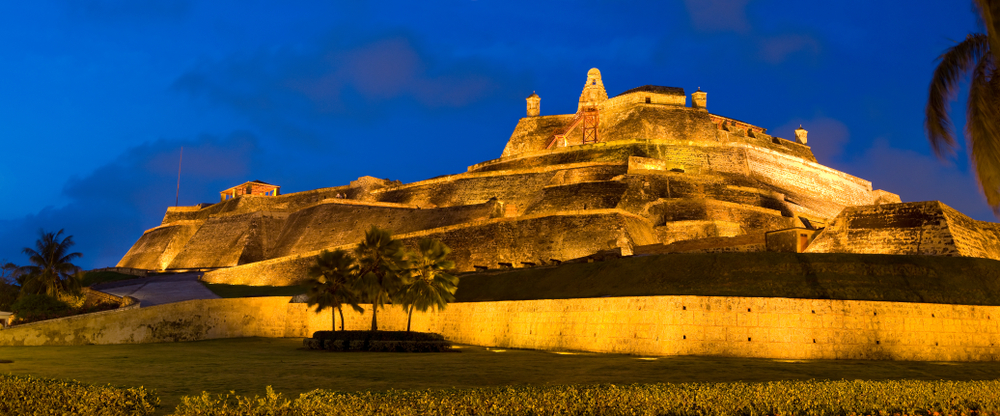
Cartagena
Colombia
914.6K people · $1,700/mo
 Coming soon
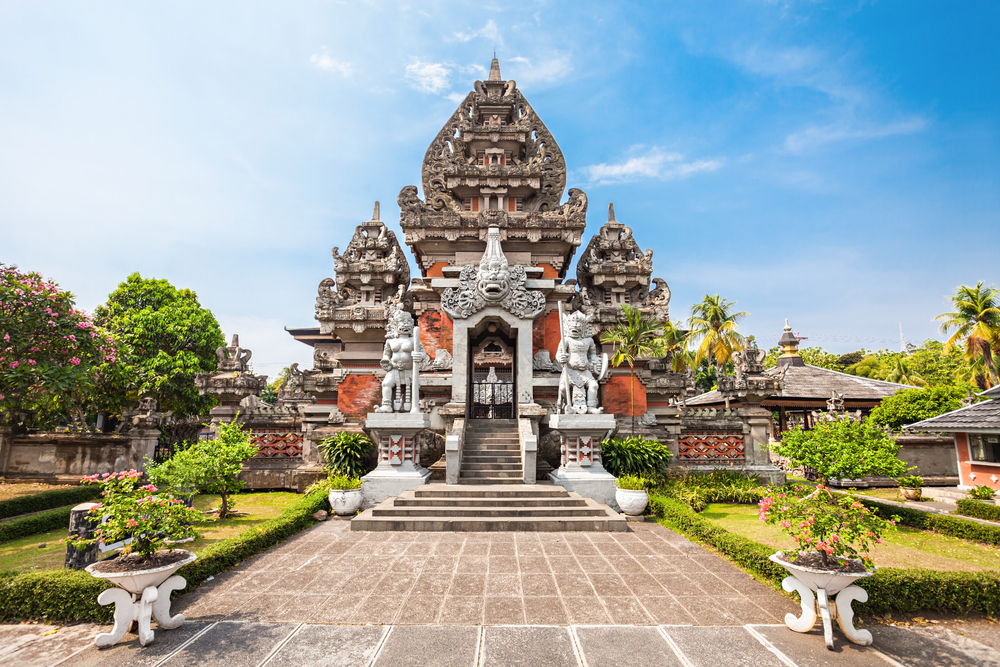
Jakarta
Indonesia
11.1M people · $1,500/mo
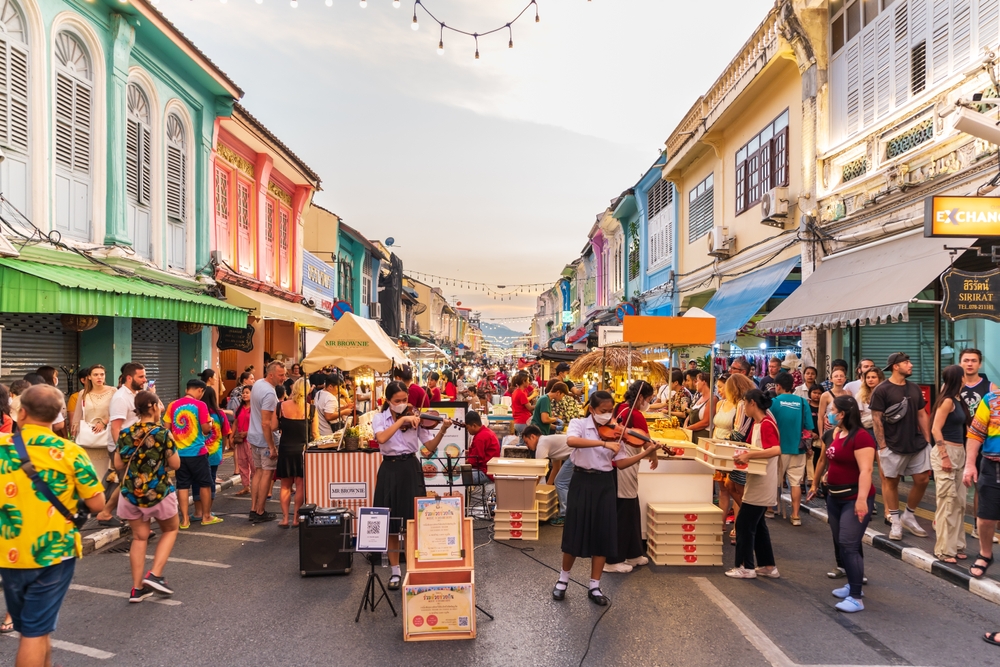 Coming soon
Phuket City
Thailand
77.6K people · $1,600/mo
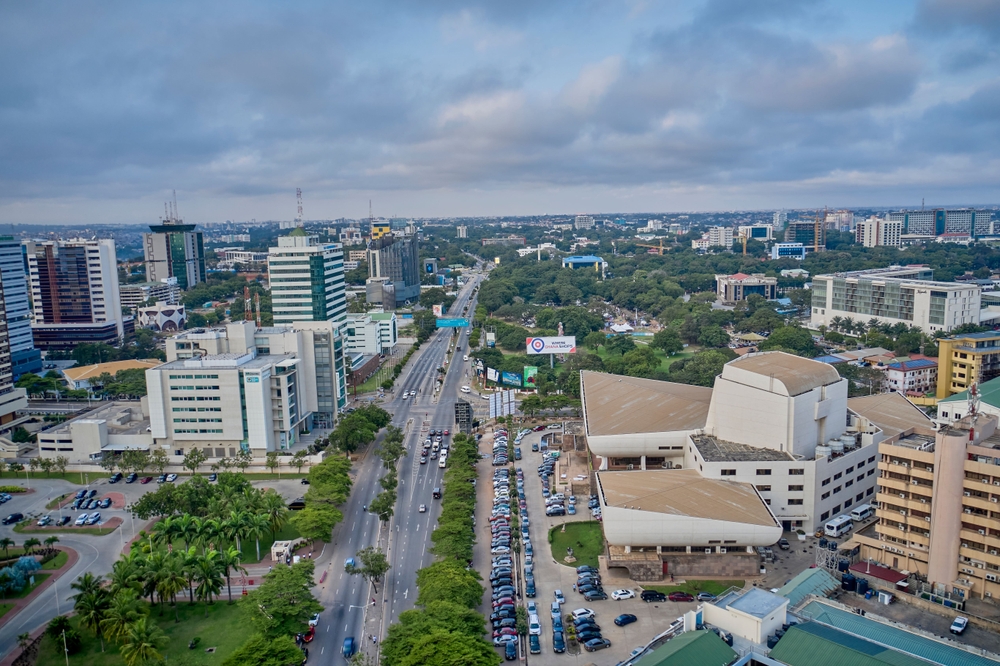
Accra
Ghana
1.8M people · $1,800/mo
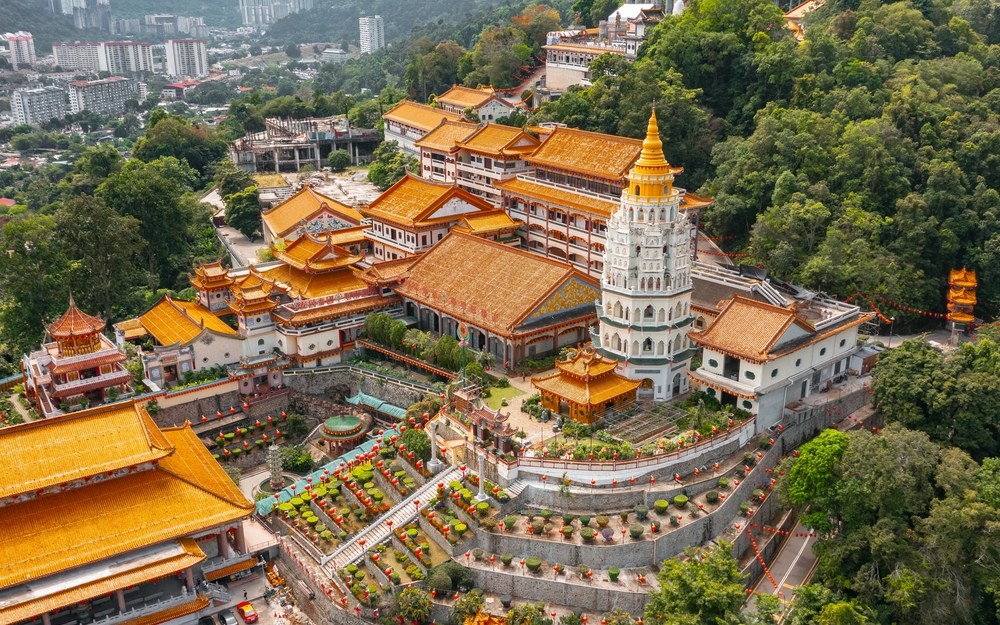 Coming soon
George Town
Malaysia
794.3K people · $1,300/mo
Community
Community & practical notes
Community: Mérida has one of the most established American and Canadian expat populations in Mexico, concentrated in Centro's restored colonial homes and the northern suburbs. The Mérida English Library in Santiago is a long-running hub with lectures, language exchanges, and weekly house and garden tours that double as the unofficial newcomer orientation. Active Facebook groups cover everything from visa questions to contractor recommendations, and enough foreigners have restored houses here that the support ecosystem (bilingual lawyers, property managers, facilitators) is mature.
Healthcare: Mérida is the medical center of the Yucatán Peninsula, with major private hospitals including Star Médica, Clínica de Mérida, and a Faro del Mayab campus that draws patients from across the region. Most expats pay out of pocket for routine care and carry private Mexican insurance or an international policy for the big stuff. Hospitals here expect payment in full at the time of service. They generally cannot bill a U.S. insurer, and Medicare doesn't cover you in Mexico. Private insurers get expensive or restrictive past your late 60s, and public IMSS coverage requires residency plus patience with waiting lists.
Limited mobility: The terrain helps, but the built environment doesn't do you any favors. Mérida sits on a flat limestone plain, but Centro's colonial sidewalks are narrow, high-curbed, and frequently interrupted, so wheelchair users often end up in the street. The State Department's Mexico advisory notes that disability access law is not enforced consistently, naming sidewalks, intersections, and older buildings as problem spots. The Va y Ven and Ie-Tram buses are low-floor with a ramp and wheelchair space, and the northern neighborhoods and modern malls are easier going than the historic Centro core.
Remote work: Home fiber from Telmex and Izzi is widely available and costs about $30 a month, plenty for video calls. Coworking spaces cluster in Centro and along the northern corridor. The local economy runs on tourism, services, education, and a growing tech and BPO scene, but most Americans here earn remotely from U.S. employers rather than joining a local job market where salaries are far lower.
Retirement: Mexico's temporary resident visa is the standard route; it requires proving economic solvency, either monthly income or savings, at thresholds that reset each year and vary by consulate. After four years as a temporary resident, you can convert to permanent residency; retirees with strong savings or pension income can sometimes qualify for permanent residency directly. You'll apply at a Mexican consulate in the U.S. first, then finish at the immigration office after you arrive. Compare the paths in our guide to retirement visa options, and get the full country picture in our Mexico guide.
Housing
Renting and buying
- 1-bed rent (center)
- $600–$800/mo
- 1-bed rent (outside center)
- $450–$550/mo
- Buy price (center)
- $181/sq ft
- Buy price (outside center)
- $111/sq ft
Expatsi estimates, based on rental listings, government statistics, and local reporting.
Good to know
Frequently asked questions
Do I need a car in Mérida?
Not necessarily. The Va y Ven bus network, including the electric Ie-Tram line, covers the city well, and Uber and DiDi are inexpensive. If you live in or near Centro you can go car-free, but residents of the sprawling northern neighborhoods, or anyone who wants easy weekend trips to cenotes and the Progreso beach, usually end up buying one.
Can I retire in Mérida?
Yes, and many Americans do. The usual path is a temporary resident visa based on retirement income or savings, converting to permanent residency after four years; strong finances can sometimes qualify you for permanent residency directly. Mérida's draw for retirees is the combination of safety, quality private hospitals, and a monthly budget around $1,500 for a single person or $2,400 for a couple.
Is Mérida safe for Americans?
Mérida ranks among Mexico's safest large cities, and the numbers support it: a safety index of 76 and a crime index of 24. Yucatán is one of only two Mexican states at the U.S. State Department's Level 1, exercise normal precautions, with no travel restrictions on U.S. government employees anywhere in the state. Violent crime is rare, though normal city precautions apply.
How much does it cost to live in Mérida, Mexico?
Budget about $1,500 a month in U.S. dollars for one person, around $2,400 for a couple, and roughly $3,600 for a family. A one-bedroom apartment averages about $700 in the center and $500 outside it, and an inexpensive restaurant meal runs about $9. Summer electricity for air conditioning is the line item that surprises newcomers most.
How do I move to Mérida from the US?
Most Americans start with Mexico's temporary resident visa, which you apply for at a Mexican consulate in the U.S. by showing sufficient monthly income or savings. Once approved, you enter Mexico and complete the process at the local immigration office. Visitor entries run up to 180 days at the officer's discretion, which many people use for a scouting trip before committing.
What is the weather like in Mérida?
Hot, essentially year-round. The annual average temperature is 81.7°F (27.6°C), with April through June the most intense stretch, and about 44 inches of rain a year falling mostly in summer afternoon storms. There is no winter to speak of; December through February are the mildest, most pleasant months.
How fast and reliable is internet in Mérida?
Home fiber is widely available from Telmex and Izzi at about $30 a month, with speeds comfortable for video calls and remote work. Power outages during summer storms are the main interruption, so remote workers who can't miss meetings often keep a backup like a phone hotspot. Coworking spaces in Centro and the north offer another fallback.
How is healthcare in Mérida?
Mérida is the medical hub of the Yucatán Peninsula, with well-regarded private hospitals like Star Médica and Clínica de Mérida and many English-speaking doctors. Routine private care is inexpensive enough that most expats pay cash for it and carry insurance for hospitalizations. Private insurance gets harder to buy affordably after your late 60s, so plan coverage before you move.
See how Mérida fits your life
Take the free Expatsi Test and compare Mexico to nearly 200 countries on what actually matters: cost, healthcare, climate, and safety. About five minutes.
Why not you?