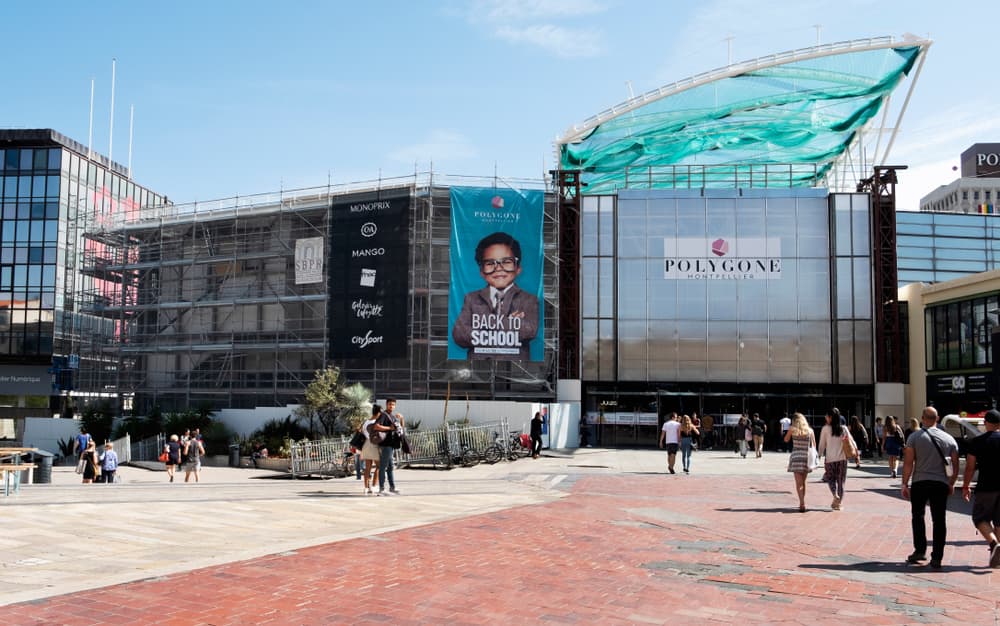
Montpellier: Mediterranean sun in a city built for life without a car
A flat, sunny Mediterranean city where transit is free for residents and the beach is a tram ride and a short bus hop away.
- 310,240
- Population (2023)
- $2,100/mo
- Monthly budget · single
- 60°F / 15°C
- Avg temperature
Montpellier runs about $2,100 a month all-in for one person and $3,200 for a couple, with a one-bedroom in the center typically around $900 (about $750 a bit further out) and a family of four landing near $5,000. That buys a Mediterranean city in southern France for less than most mid-sized American ones.
Who it suits: retirees who want sun without needing a car, remote workers after cheap fiber and a beach nearby, and families willing to put kids through French school. The city is flat, the historic core is closed to most traffic, and public transit is free once you live in the metro area. Who it doesn't: anyone who needs to find an apartment in a hurry.
The trade-off is the rental market. Montpellier is one of France's fastest-growing cities and students are close to a fifth of it, so the listings worth having are gone in days.
At a glance
$2,100
Monthly budget · single person
$900/mo 1-bed rent, center
62/100
Safety index
$35
Internet / month
60°Fannual average
Jan 46° · Jul 76°
Climate
310,240
Population (2023)
Expatsi estimates, updated Aug 2026, based on rental listings, government statistics, and local reporting.
Cost of living
What it costs to live in Montpellier
Single person
$1,800–$2,300/mo
about 30% below Austin, TX
Couple
$2,800–$3,600/mo
about 30% below Austin, TX
Family of four
$4,400–$5,600/mo
about 35% below Austin, TX
Compared with Austin, TX (Expatsi estimate, 2026).
- $17 −15%
- Inexpensive meal
- $800–$1,000/mo −54%
- 1-bed rent, center
- $650–$850/mo −44%
- 1-bed rent, outside
- $35/mo −46%
- Internet
- $55/mo +33%
- Transit pass
- $446/sq ft −31%
- Buy price, center
Expatsi estimates, updated Aug 2026, based on rental listings, government statistics, and local reporting.
Daily life
How Montpellier lives
- A- grade, 77th percentile among the cities we track
- Dining & cafésstrong
- A- grade, 73rd percentile among the cities we track
- Arts & culturestrong
- A+ grade, 100th percentile among the cities we track
- Parks & outdoorsstandout
- A grade, 89th percentile among the cities we track
- Schools & educationstandout
- A- grade, 85th percentile among the cities we track
- Healthcare accessstrong
- A- grade, 82nd percentile among the cities we track
- Bike infrastructurestrong
- A- grade, 81st percentile among the cities we track
- Public transitstrong
- A+ grade, good physical accessibility
- Accessibilitygood
Graded on OpenStreetMap amenity density relative to the 298 cities we track. Accessibility is the exception: it's graded against a fixed standard (terrain steepness and sidewalk surfaces), not a curve.
Climate
Weather through the year
Annual average 60°F (15°C) · 25 in of rain a year · Source: Meteostat station normals (07643, 1991-2020)
On the ground
Scenes from Montpellier
Getting around
Transport in Montpellier
You don't need a car in Montpellier, and for residents the tram costs nothing at all. Since December 2023 the metro area has made the whole TaM network, trams and buses both, free for anyone living in one of its communes: you sign up once for a Pass gratuité with ID and proof of address, renew it every year, and carry it when you ride. Visitors and people living outside the metro area still buy tickets.
Five tram lines cover 84 stations across eight towns, and Line 1 now runs out to the Sud de France TGV station, so the city's two rail stations finally connect without a taxi. The trade-off is crowding: free rides made the trams popular enough that riders and drivers both grumble about rush hour, and a few bus routes were cut in favor of tram transfers.
Walking covers most days anyway, since the Écusson is one of Europe's larger pedestrian zones and the ground is flat, with Vélomagg for bike share. Keep a car only for weekends in the Cévennes and the wine villages, and plan to park it outside the old town.
- 54/sq mi
- Transit stops
- 60/sq mi
- Bike infrastructure
- 257/sq mi
- Wheelchair-accessible places
Mapped features per square mile from OpenStreetMap.
Keep exploring
Places like Montpellier

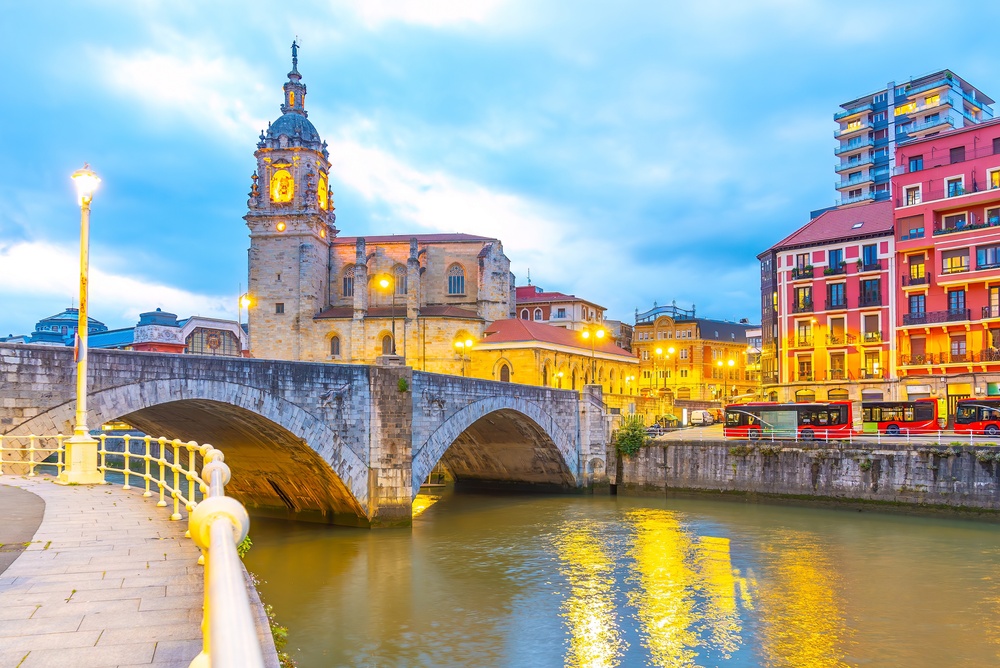
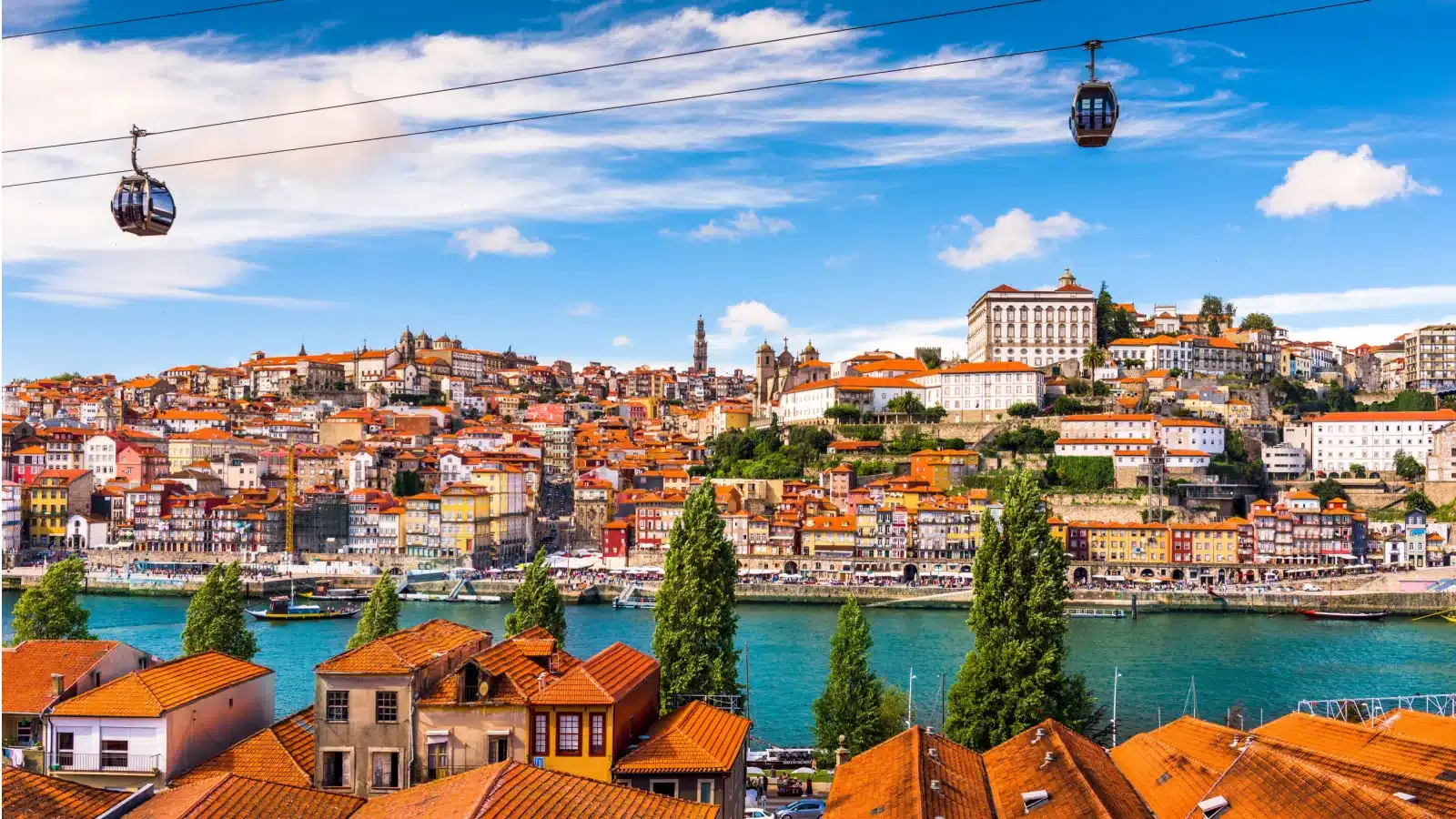
Living here
Community and practical notes
The expat scene: English speakers here are well organized for a city this size. BCA Montpellier has run social and cultural activities for anglophones since 1991, the American Women's Group of Languedoc-Roussillon covers the wider region, and Montpellier Internationals hosts a weekly French and English language exchange. Le Bookshop is the city's English-language bookstore and a useful notice board, and on the French side AVF runs the standard newcomer welcome group. Most of it goes quiet in August.
Healthcare: CHU de Montpellier is the regional university hospital and the biggest employer in the region, attached to a medical faculty that is the oldest in Europe, with Saint-Éloi, Lapeyronie and Gui de Chauliac as the main sites. After about three months of legal residence you register with CPAM, get a carte vitale and pick a médecin traitant, and most people then add a mutuelle to cover what the state doesn't. Doctolib is how everyone books, and it's worth asking at a pharmacy for English-speaking doctors, since pharmacists know who's taking new patients.
Remote work: Internet runs about $35 a month and fiber is standard, which is as cheap as anywhere we've looked. Coworking is easy to find, from converted warehouses out in Port Marianne to small rooms around the center. The time zone is the real question, since Montpellier is six hours ahead of New York.
Schools: Bilingual options exist, but they're small and mostly private. AIS School teaches in French and English from nursery through the IB, the International School of Montpellier up in Saint-Clément-de-Rivière takes children to age eleven, and there's another bilingual school out at Baillargues. Public schools evaluate new arrivals and place them with language support.
Limited mobility: This is one of the easier French cities to manage on wheels. The ground is flat, the trams were built with level boarding, and the mapped data shows one of the densest sets of wheelchair-accessible places of any city we've covered; one wheelchair user who wrote up a visit said it was the first French city where he'd seen so many other wheelchairs. The exception is the Écusson, where medieval lanes get narrow and rough and a single step into a café is still common. Registered drivers park free on the street, and Palavas-les-Flots has a ramped beach with a floating chair for getting into the water.
Retirement: Montpellier fits retirees about as well as any city in France, being flat, warm and walkable, with free transit once you're a resident and hospitals that are genuinely good. France has no dedicated retirement visa, so most retired Americans arrive on the long-stay visitor visa and live on passive income. Start with our retirement visa guide and the full France guide if you're still comparing cities, or read up on the French long-stay visa itself.
Housing
Renting and buying
- 1-bed rent (center)
- $800–$1,000/mo
- 1-bed rent (outside center)
- $650–$850/mo
- Buy price (center)
- $446/sq ft
- Buy price (outside center)
- $334/sq ft
Expatsi estimates, based on rental listings, government statistics, and local reporting.
Good to know
Frequently asked questions
How hard is it to find an apartment in Montpellier?
This is the hard part. Montpellier is one of France's fastest-growing cities and the student rush in June and July empties the market, so good listings go in days. Landlords usually want income around three times the rent plus French paperwork most new arrivals don't have yet. Agencies will tell you to call rather than email, view the same day, and line up a guarantor before you land.
Is Montpellier safe?
Montpellier scores 62 on the safety index we track, which puts it in decent company for a European city its size. What you'll actually run into is ordinary urban property crime: pickpockets around Place de la Comédie and the train station, and phone snatching on nightlife streets. Violent crime against foreigners is rare, so the usual city habits about your bag and your phone cover it.
Can you retire in Montpellier?
Yes, and it's a good fit. The city is flat and walkable, winter highs sit in the low to mid 50s Fahrenheit, and transit is free once you're a metro resident. France has no dedicated retirement visa, so most American retirees use the long-stay visitor visa and show steady passive income. The teaching hospital here is one of the largest in France.
How much does it cost to live in Montpellier?
A single person budgets about $2,100 a month and a couple about $3,200, with a family of four near $5,000. A one-bedroom runs about $900 in the center and $750 outside it, internet is about $35 and a cheap restaurant meal about $17. Rent is the figure that varies most, and it climbs over the summer.
Is Montpellier wheelchair accessible?
Better than most French cities. It's flat, the trams were built with level boarding, and the density of wheelchair-accessible places here is among the highest we've mapped. The medieval Écusson is the weak spot, with narrow lanes, rough paving and single steps into cafés. Nearby Palavas-les-Flots has a ramped beach and a chair for getting into the water.
Do you need a car in Montpellier?
Not really, and that's the appeal. Five tram lines and a bus network cover the metro area, residents ride free with a Pass gratuité, and the historic center is largely closed to cars anyway. Keep a car if you want the wine country, the Cévennes or the quieter beaches on weekends, but plan to park it outside the old town.
What is it like living in Montpellier as an American?
Sunny, young and thoroughly French. Two universities keep students at close to a fifth of the city, which makes it lively and cheap to eat in. English gets you started but not far, and you'll want French for the préfecture, the doctor and your landlord. The English-speaking associations here are unusually well organized, which helps the first year.
See how Montpellier fits your life
Take the free Expatsi Test and compare France to nearly 200 countries on what actually matters: cost, healthcare, climate, and safety. About five minutes.
Why not you?