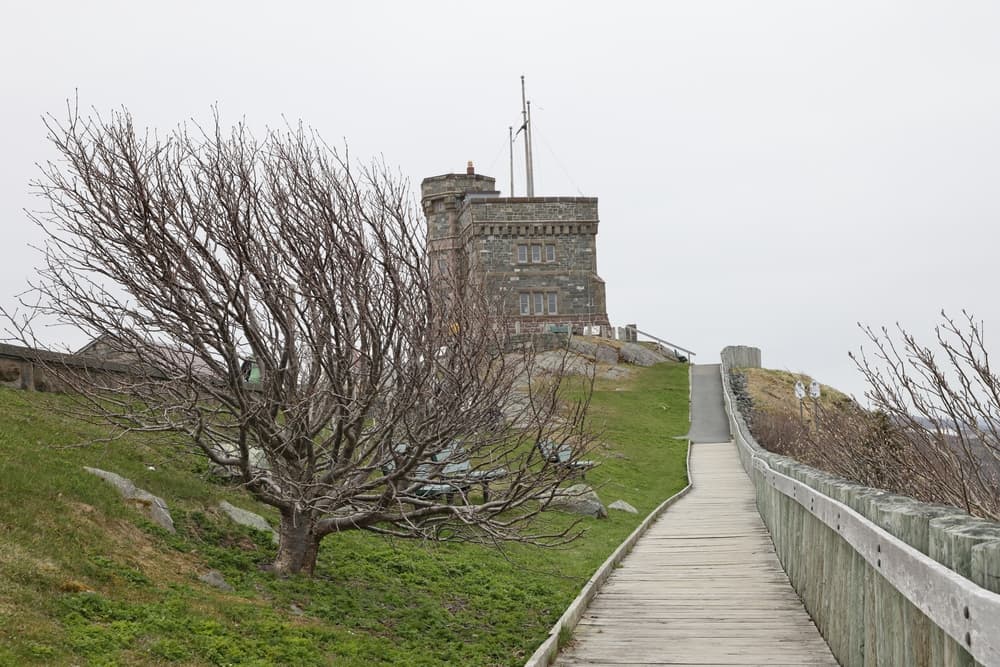
Living in St. John's: cheap rent, hard weather, and a walkable old city
About $1,900 a month for one person, $850 for a one bedroom downtown, and one of the lowest crime indexes we track in Canada. Here is what living, working and retiring here really looks like.
- 110,525
- Population (2021)
- $1,900/mo
- Monthly budget · single
- 42°F / 6°C
- Avg temperature
A single person lives in St. John's on about $1,900 a month, a couple on about $2,800, and a one bedroom near the center rents for about $850. Those are the lowest costs of any Canadian city Expatsi tracks.
It suits remote workers earning American money, retirees who want a walkable old city with low crime, and anyone who would rather have an ocean, a trail network and a pub scene than a big airport. The safety index is 74, second only to Quebec City among the ten Canadian cities we cover.
The trade-off is distance and weather. You are closer to Ireland than to Calgary, most flights out connect through Toronto or Halifax, and the job market is small and tied to offshore oil, health care and the university. Fog and wind are constants here rather than occasional events.

Reviewed and updated September 17, 2026 · 4 min read
At a glance
$1,900
Monthly budget · single person
$850/mo 1-bed rent, center
74/100
Safety index
$65
Internet / month
42°Fannual average
Feb 26° · Aug 62°
Climate
110,525
Population (2021)
Expatsi estimates, updated Aug 2026, based on rental listings, government statistics, and local reporting.
Cost of living
What it costs to live in St. John's
Single person
$1,600–$2,200/mo
about 40% below Austin, TX
Couple
$2,300–$3,300/mo
about 40% below Austin, TX
Family of four
$3,400–$4,800/mo
about 50% below Austin, TX
Compared with Austin, TX (Expatsi estimate, 2026).
- $17 −15%
- Inexpensive meal
- $700–$1,000/mo −56%
- 1-bed rent, center
- $600–$900/mo −44%
- 1-bed rent, outside
- $65/mo ±0%
- Internet
- $60/mo +45%
- Transit pass
- $204/sq ft −69%
- Buy price, center
Expatsi estimates, updated Aug 2026, based on rental listings, government statistics, and local reporting.
Daily life
How St. John's lives
- C+ grade, 18th percentile among the cities we track
- Dining & cafésmodest
- B- grade, 38th percentile among the cities we track
- Arts & culturetypical
- B- grade, 33rd percentile among the cities we track
- Parks & outdoorstypical
- C+ grade, 24th percentile among the cities we track
- Schools & educationmodest
- C+ grade, 19th percentile among the cities we track
- Healthcare accessmodest
- B grade, 43rd percentile among the cities we track
- Bike infrastructuretypical
- B grade, 42nd percentile among the cities we track
- Public transittypical
- B grade, moderate physical accessibility
- Accessibilitymoderate
Graded on OpenStreetMap amenity density relative to the 298 cities we track. Accessibility is the exception: it's graded against a fixed standard (terrain steepness and sidewalk surfaces), not a curve.
Climate
Weather through the year
Annual average 42°F (6°C) · 46 in of rain a year · Source: Open-Meteo Historical Weather API (temps: ERA5-Land 0.1°; precip/sunshine: ERA5 best-match; 1991-2020 normals)
On the ground
Scenes from St. John's
Getting around
Transport in St. John's
Driving is the default here. Downtown, Georgestown and Rabbittown are compact enough to walk, but the city climbs straight up from the harbor, and the streets that photograph so well are a real climb in February. Snow, freezing rain and wind all get a vote in your commute from December through March.
Metrobus runs the buses, which are the whole public system: no rail, no metro. Routes cover St. John's, Mount Pearl and Paradise. A monthly pass works out to about $60, among the cheapest transit of the Canadian cities we track. Route 14 connects Memorial University with the airport, which sits just north of town, close enough that the taxi ride in is short.
Parking downtown is metered and tight, and plenty of the old streets are one way or barely two cars wide. If you live outside the core, plan on a car with winter tires. For getting around on foot, the Grand Concourse walkway network runs through the city, while the East Coast Trail starts at its edges.
- 18/sq mi
- Transit stops
- 4.4/sq mi
- Bike infrastructure
- 3.8/sq mi
- Wheelchair-accessible places
Mapped features per square mile from OpenStreetMap.
Keep exploring
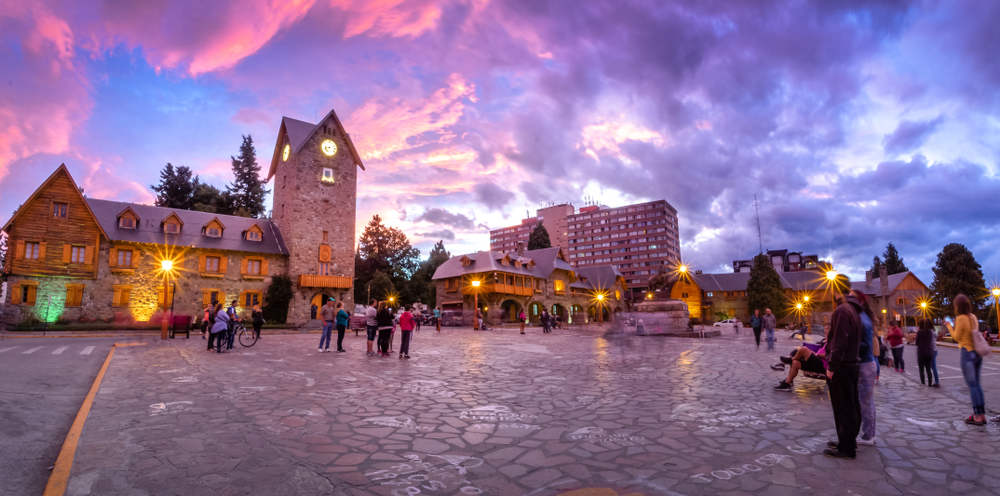
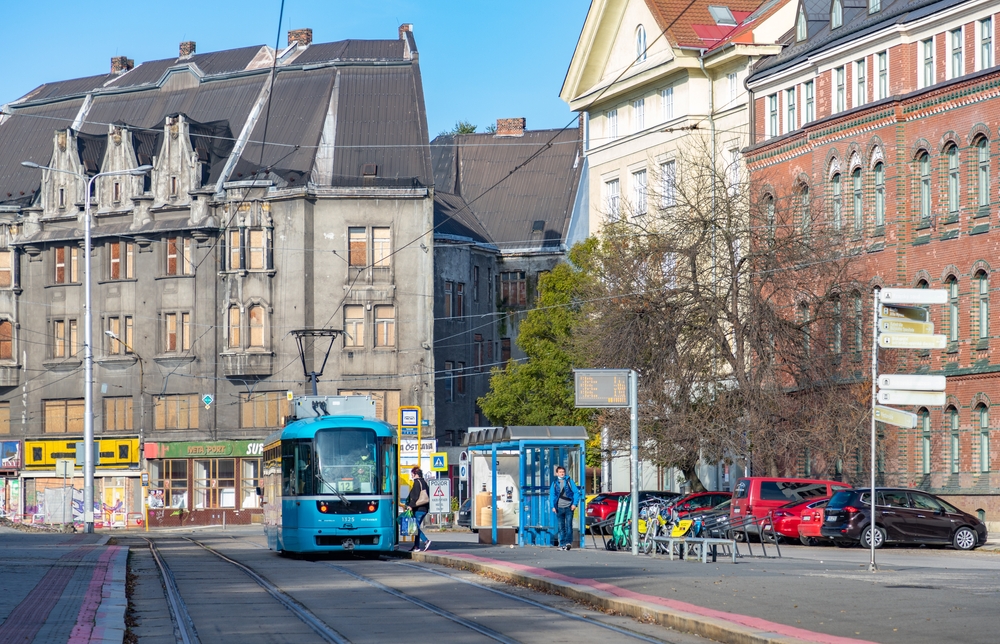
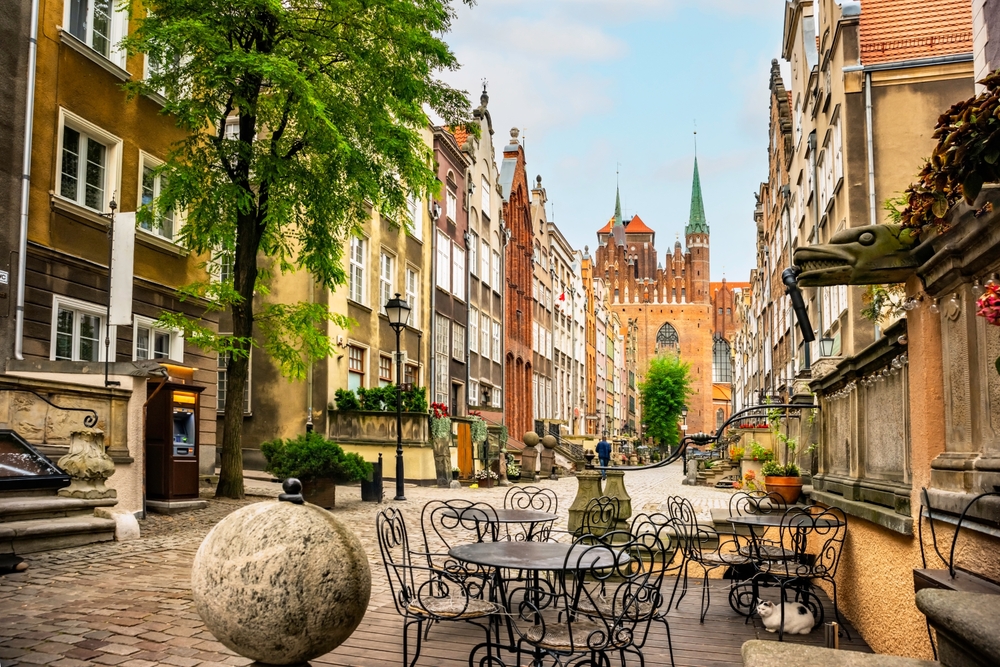
Places like St. John's


Community
Community & practical notes
The newcomer scene: Memorial University is the city's biggest institution and the reason a lot of people land here, and the Association for New Canadians has run settlement, language and employment programs in St. John's for more than 40 years. The expat community is small next to Toronto's or Halifax's, so your social life comes from work, the university, a choir or a pub rather than an American expat group. Newfoundlanders deserve their reputation for being welcoming, though a small city still takes a winter or two to feel like home.
Healthcare: The provincial plan is MCP and charges no premiums. What decides your start date is your status. MCP's own page says international workers are covered from the later of arriving and starting full time work, on a permit valid at least 12 months plus an employer letter; permanent residents register on arrival with a PR card or COPR. A complete application usually gets a response in about two weeks. MCP does not cover prescriptions outside hospital, dental, eye exams for glasses or ambulance.
Remote work: Home internet runs about $65 a month, on the high side for the Canadian cities we track. The Dock by Genesis on Water Street, which is tied to Memorial's startup centre, is the coworking hub downtown. The time zone takes adjusting to: Newfoundland sits half an hour off Atlantic time and an hour and a half ahead of New York, so a 9 a.m. call in Manhattan lands at 10:30 here and your day ends early.
Limited mobility: Honest verdict, this is a hard city on wheels, and the hills are the reason rather than the sidewalks. Streets rise steeply from the harbor and winter buries curb cuts for months. Every bus kneels to the curb; the accessible ones carry two mobility devices, though not every route is served. GoBus runs door-to-door trips for registered riders, with accessible taxis filling gaps at busy times.
Retirement: On the numbers this is a good retirement city, with low rent, a low crime index, the province's main hospitals in town and flights out to Toronto and Halifax. The obstacle is Canadian immigration, not Newfoundland. Canada has no retirement visa or passive income route, so Americans arrive through work, study or family. Our retirement visa guide covers the countries that do have one, and the Canada guide walks through the real routes. Parents and grandparents of citizens and permanent residents can use the Super Visa, which allows stays of five years at a time on a visa valid up to ten years, but holders are visitors and get no MCP coverage.
Housing
Renting and buying
- 1-bed rent (center)
- $700–$1,000/mo
- 1-bed rent (outside center)
- $600–$900/mo
- Buy price (center)
- $204/sq ft
- Buy price (outside center)
- $158/sq ft
Expatsi estimates, based on rental listings, government statistics, and local reporting.
Good to know
Frequently asked questions
How do Americans move to St. John's?
Through a federal or provincial program, since no visa is specific to Newfoundland. The usual routes are Express Entry, the Newfoundland and Labrador Provincial Nominee Program and the Atlantic Immigration Program, and the last two normally start with a job offer from an employer in the province. Studying at Memorial University is the other common way in.
How much does it cost to live in St. John's?
Living in St. John's costs less than anywhere else in Canada that Expatsi tracks. Budget about $4,100 a month for a family, and roughly $750 for a one bedroom outside the center. A cheap restaurant meal runs about $17. Rent is what makes the difference: a one bedroom downtown costs about half what the same apartment costs in Toronto.
What is winter like in St. John's?
Cold and wet, and the wind is the bigger factor. February averages 26F with nights near 21F, and January runs about the same. The city gets roughly 46 inches of precipitation a year, and the wet months are the winter ones rather than the summer ones. Fog and freezing rain wreck more plans here than the temperature does.
Can Americans retire in St. John's?
You can live here as a retiree, but there is no Canadian retirement visa, and a pension or investment income will not qualify you for status on its own. Most Americans who settle in Canada get there through a job, a study permit or a close family member. If your adult child is a citizen or permanent resident, the Super Visa is the realistic long stay route.
Do I need a car in St. John's?
In the downtown core you can manage without one, as long as the hills and the weather do not bother you. Anywhere else, you need a car. Buses are the only public option, they reach the neighbouring towns, and weekend service runs shorter hours than weekdays. Winter tires are not optional here.
Is St. John's safe?
Yes, by the numbers. St. John's posts a crime index of 26, the second lowest of the ten Canadian cities Expatsi covers and lower than Toronto, Montreal, Calgary or Vancouver. Downtown gets loud around the George Street bars on weekend nights, which is a noise problem rather than a danger one.
Can I get health care in St. John's as an American?
Once you hold the right status, yes, and there is no premium. Coverage starts when you register with a qualifying permit or permanent residence, so carry private insurance for the gap. Finding a family doctor is the harder part: the province runs a waitlist called Patient Connect NL and gives no estimate of the wait, so most people lean on 811, walk-in clinics and virtual nurse practitioner visits covered by MCP.
Is St. John's wheelchair accessible?
Partly, and the terrain is why. The grades downtown are real. Metrobus runs wheelchair accessible service on designated routes rather than the entire network, and every stop is signed to show whether it is accessible. GoBus, the city's paratransit service, carries registered riders after an eligibility review. Ask about slope and snow clearing before choosing a street.
See how St. John's fits your life
Take the free Expatsi Test and compare Canada to nearly 200 countries on what actually matters: cost, healthcare, climate, and safety. About five minutes.
Why not you?