Rwanda guide for Americans
Moving to Rwanda from the U.S.: permits, costs and honest trade-offs for 2026
A green, orderly country where you can land without a visa in hand and file for residence once you're there. The harder parts are the permit rules, a long road to citizenship, and a regional health warning you need to read first.
Where the permits stand in September 2026, what a month in Kigali costs, and the health and safety warnings to weigh before you book.

Reviewed and updated September 28, 2026 · 13 min read
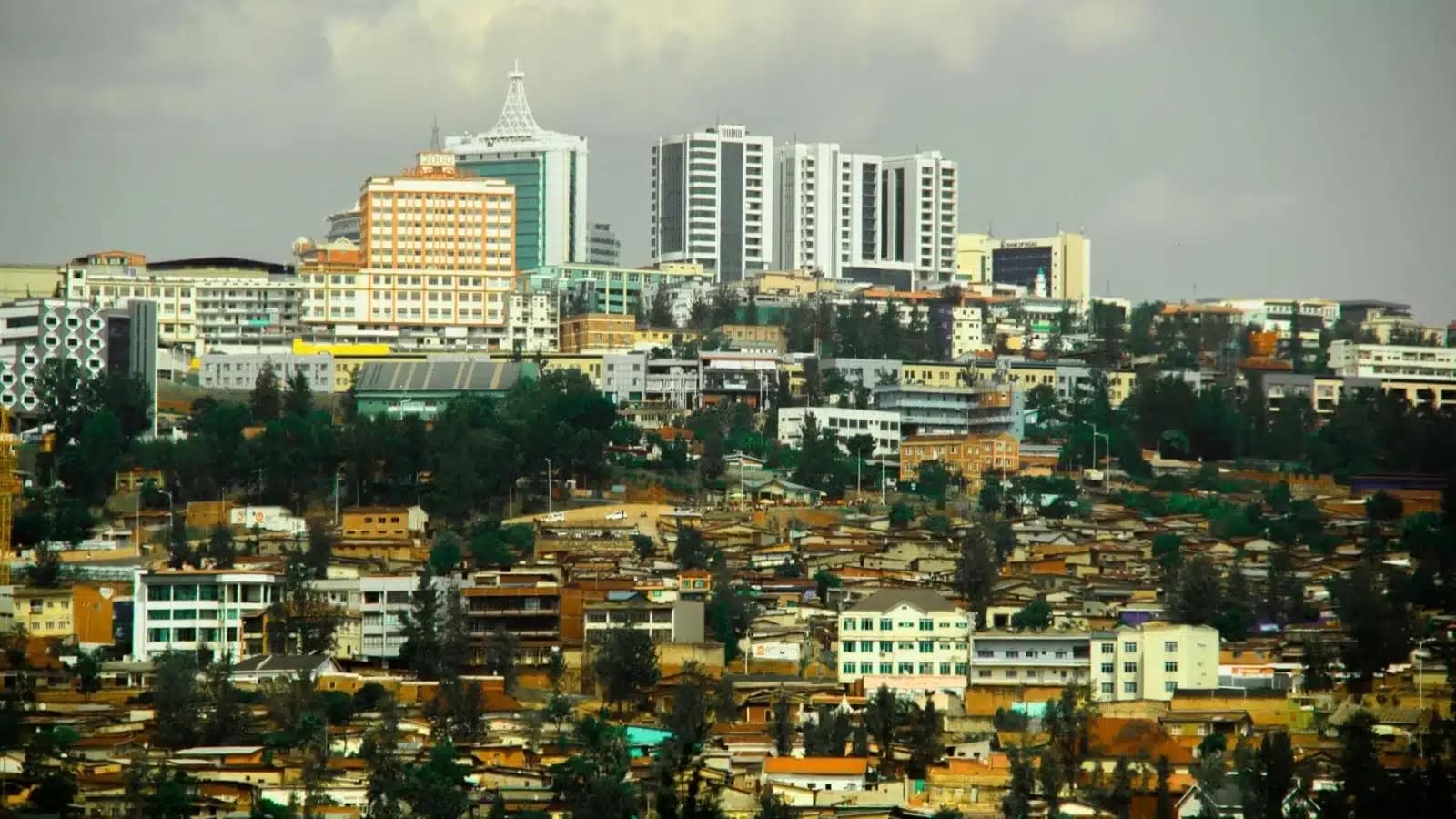
01 · The case for Rwanda
What draws Americans to Rwanda, and what should give you pause
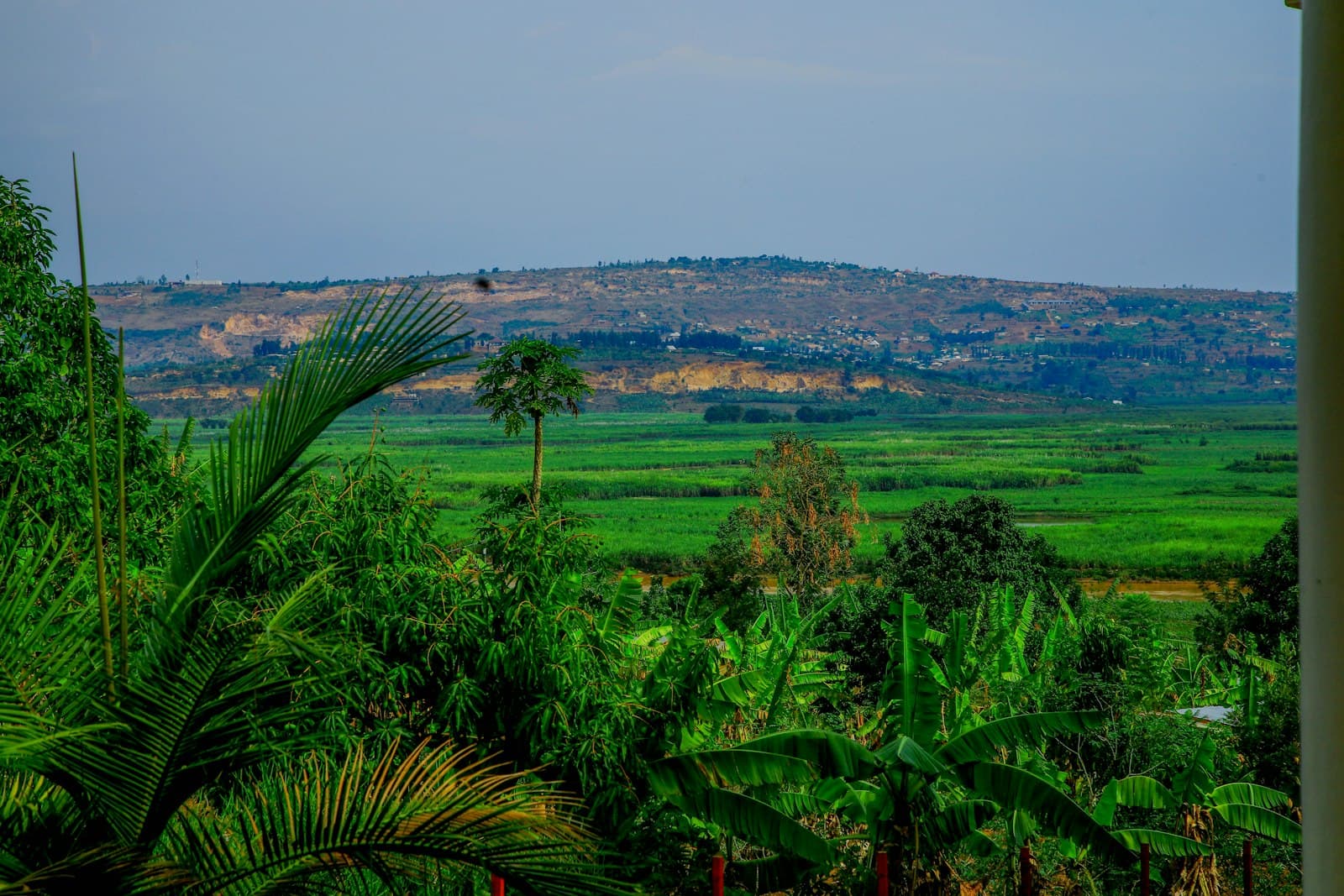
Rwanda is small, hilly and green, a landlocked country of about 14 million people in East Africa. Most Americans who move here are tied to development work, health programs, education or a business, and a smaller group comes to retire in a mild climate. Here's an honest look at both sides.
What it gets right
Start with the weather. Kigali averages about 70°F, with daytime highs that rarely pass 86°F and nights that rarely drop below 59°F. There are two rainy seasons, mid-February through May and mid-September through mid-December, plus a dry stretch from June to mid-September. That means no air conditioning bills or snow shovels required.
The country is orderly in ways you notice on day one. Plastic shopping bags are banned; Customs can take them off you at the airport. On the last Saturday of every month, from 8 to 11 a.m., Kigali goes quiet for Umuganda, a national community work morning: businesses close, traffic stops, and residents aged 18 to 65 are expected to pitch in. Newcomers who show up at their neighborhood site tend to meet their neighbors fast.
Getting in is easy. Since January 2018, citizens of every country, Americans included, can get a visa when they land, with no application beforehand. Much of government runs online through Irembo, the state portal, including residence permits.
English works for daily life in Kigali, with limits. Schools switched from French to English in 2008, and English literacy in Kigali reached about 41% by 2022. Kinyarwanda is spoken by virtually everyone, so a few words of it go a long way.
Where it falls short
Rwanda isn't for everyone, and a few issues deserve a straight answer before you go further.
The health and security warning. As of September 2026, the U.S. State Department rates Rwanda Level 3, Reconsider Travel (issued June 2026). The main reason is a large Ebola outbreak in the neighboring Democratic Republic of the Congo, where 7,890 cases had been confirmed by late September 2026. The State Department says its ability to give emergency help to Americans in Rwanda is limited because of the health situation. The CDC names Rwanda among the places cross-border travel could spread it to. Separately, the State Department says not to go within 10 kilometers (about 6 miles) of the DRC border. Check the current advisory before you commit to dates.
The permit may not fit your money. Rwanda has a permit for retirees and people living on outside income, but there's none written for remote workers. The income bar for the retiree route is also unclear. If your plan is to keep a U.S. salary and live here long-term, expect a harder road than in most countries we cover.
Citizenship is a long game. Permanent residence takes an aggregate of 10 years of legal residence, and naturalization takes 15. Rwanda allows dual nationality, so you wouldn't have to give up your U.S. passport, but nobody should move here for a second one.
Social freedoms have limits. Same-sex relations aren't criminalized, but Outright International reports that many LGBTIQ people live in hiding because of discrimination. Photographing government buildings, military sites, airports and monuments is illegal.
It's far. There are no nonstop flights between Kigali and the U.S. Rwanda runs six to seven hours ahead of Eastern, by season, since it never changes its clocks.
Still here? You're probably the kind of person who does well in Rwanda: someone with a purpose in the country, or a steady outside income and patience for paperwork.
- Cost of living (single)
- $850/mo
- Safety index
- 75/100
- English proficiency
- 70/100
- Internet speed
- 35 Mbps
- Capital
- Kigali
- Currency
- Rwandan franc (RWF)
02 · The numbers
What a month in Rwanda costs
$1,400
Monthly budget, couple
comfortable, 2026
$850
Monthly budget, single
comfortable, 2026
$2,600
Monthly budget, family
all costs, 2026
$400
One-bedroom rent, central
$250 further out
$4
Inexpensive meal out
local restaurants
$29
Transport, monthly
typical spend
$23
Home internet, monthly
about 35 Mbps
75/100
Safety index
Expatsi data
Where the money goes in Rwanda
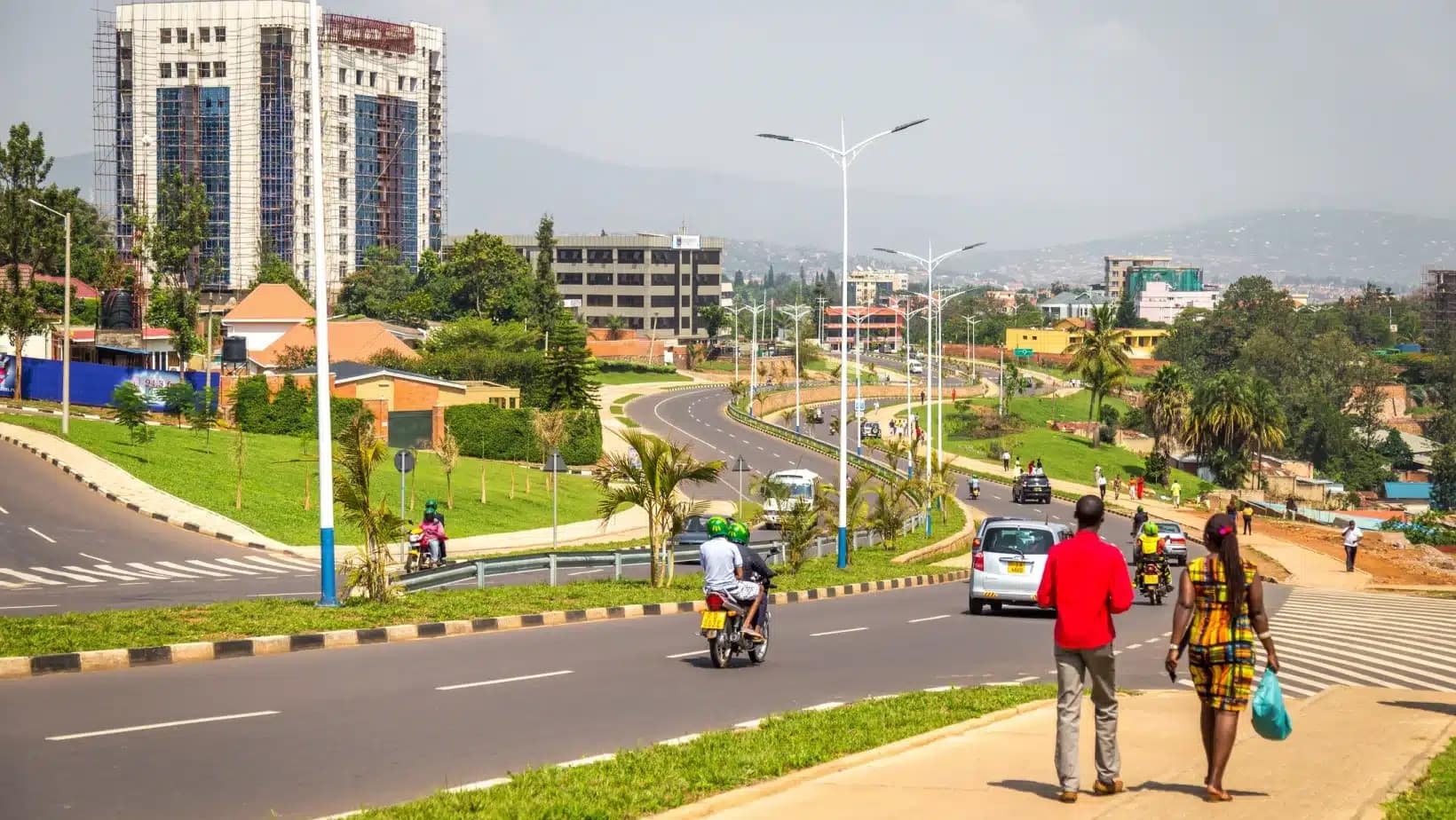
Our 2026 figures put a single person at about $850 a month and a couple at about $1,400, with a family closer to $2,600. A simple meal out runs around $4, and home internet about $23 a month for roughly 35 Mbps.
Rent is where the range opens up. Our Kigali figures run from about $400 to $1,200 a month depending on the neighborhood and the finish, while Musanze and Rubavu run about $250 to $700. Imported goods cost more than the rest of the budget would suggest, so a kitchen built on local produce stretches further than one built on supermarket imports.
The costs that surprise people aren't monthly. Every permit application needs a police clearance covering where you lived for the previous six months, which for most Americans means an FBI background check. Health coverage is its own line: the retiree permit asks for local Rwandan medical insurance, and the State Department strongly recommends medical evacuation coverage on top of that.
If you have kids, international school is the biggest bill of all. The International School of Kigali, which teaches an American curriculum with AP courses, charged about $23,800 a year for grades 1 to 5 and about $28,400 for high school in 2025-26, plus a $3,000 enrollment fee.
The exchange rate has been steady: the franc traded between about 1,452 and 1,486 to the dollar through 2026, and sat near 1,477 in late September.
Your budget is the easy part
A couple can live comfortably on about $1,400 a month in Rwanda, per our 2026 data. The harder number is on the permit side. Rwanda's immigration department doesn't publish an income floor for its retiree permit, but the Rwanda Development Board's procedures portal lists a minimum age of 55 and at least $5,000 a month in income. Until the immigration office tells you otherwise, plan as if that bar applies, and ask before you file.
03 · Your route in
Which Rwanda permit fits where your money comes from
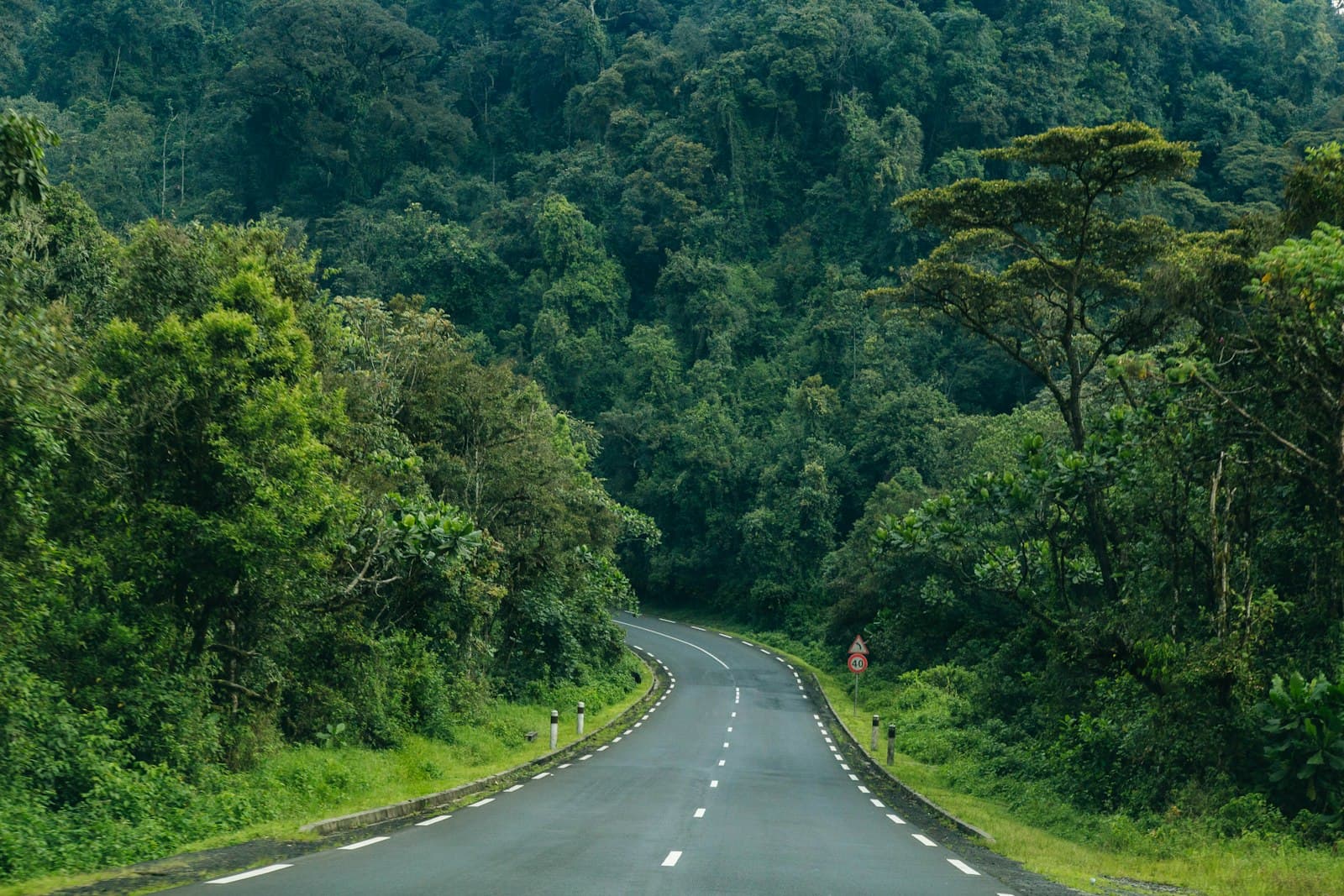
Most Americans start the same way: land on a visa on arrival, then apply for a residence permit through Irembo within 15 days. After that grace period, penalties apply. Irembo says permits take about 7 days to process, and you pick up the approved permit in person at an immigration office. Every route below asks for a police clearance covering your previous six months, so order your FBI check early. Permit fees are set in Rwandan francs; the dollar figures use late-September 2026 rates.
Arriving: the visa on arrival
It's $50 for a single entry, good for 30 days, or $70 for multiple entries over 90 days. This is a visitor visa, not a way to live here. Use it for a scouting trip and the first two weeks of a move while your permit application goes in.
Retired or living on outside income: the K permit
The K permit is for a foreigner with assured income, including retirees, who doesn't plan to work in Rwanda. It costs about $100 (150,000 francs) and lasts up to two years. You'll need a retirement certificate, a CV, a police clearance, an application letter, a statement from a Rwandan bank, and Rwandan medical insurance. Renewal asks for six months of Rwandan bank statements. You can't work on it. The income bar is the open question: the immigration department lists none, while the Rwanda Development Board's portal lists age 55 and $5,000 a month. Pensions, Social Security and investment income fit the idea of this permit; a remote paycheck doesn't.
Hired by a Rwandan employer or NGO: H1 and H2
If an organization in Rwanda hires you, you'll likely hold an employment permit. H1 covers jobs on Rwanda's Occupation in Demand List, costs about $100 (150,000 francs) and lasts up to three years. H2 is employer-sponsored, costs the same, lasts up to two years, and the employer has to show a labor market test that's current for six weeks. Volunteers placed through a government or international agreement use the P1 permit, about $34 (50,000 francs) for up to a year. One perk for finance people: experts who become resident to work for firms licensed by the Kigali International Financial Centre can skip Rwandan tax on foreign income for their first five years.
Investing or running a business: investor and entrepreneur permits
Investor permits are sorted by sector, from IT and hospitality to manufacturing and transport, and all require a Rwanda Development Board investment certificate. A first permit costs about $100 (150,000 francs) for up to two years. Once you've held one twice, you can move to a five-year permit for about $170 (250,000 francs) with a tax clearance from the Rwanda Revenue Authority. Licensed professionals working for themselves use the C1 permit, which needs membership of a registered professional body. We couldn't find a published minimum investment, so ask the Rwanda Development Board before you commit capital.
Bringing family
A spouse or child of a temporary resident gets an M2 dependant permit for half the principal's fee, valid as long as the principal's permit. The permit page doesn't say whether dependants can work, so don't count on a second income until you've asked. Students at a Rwandan school use the U1 permit, about $14 (20,000 francs) a year.
Working remotely for a U.S. company
The immigration department's permit list has no class for remote workers or digital nomads. If your income is a salary from abroad, talk to an immigration adviser before you move. Living here for months on back-to-back visitor visas isn't a plan to build on.
Staying for good
After an aggregate of 10 years of legal residence, you can apply for permanent residence (class L-1), and the spouse of a permanent resident can qualify, too. Spend more than three consecutive years outside Rwanda and it can be canceled. Citizenship by residence takes at least 15 years, costs about $7 (10,000 francs), and takes 180 days to process.
Rwanda's residence routes at a glance
Visa on arrival
$50 single entry for 30 days, or $70 multiple entry for 90 days. For visits and your first two weeks.
K permit: assured income
About $100, up to two years. For retirees and people on outside income. No work allowed.
H1 and H2 work permits
About $100. H1 runs up to three years for in-demand jobs; H2 up to two years with an employer sponsor.
Investor permits
About $100 for up to two years, then five-year permits for about $170. RDB certificate required.
M2 dependant permit
Half the principal's fee and the same validity. Covers a spouse and children.
Permanent residence
Class L-1 after an aggregate of 10 years. Citizenship by residence after 15.
Rwanda visa guides
Rwanda's Business Entrepreneur Permit: run your own company from Kigali
Register a Rwandan company online for free, then file for a two-year residence permit from inside the country for 150,000 francs (about $102).
Rwanda's investor permit runs through a $250,000 company and a $500 certificate
Set up the business, get the Rwanda Development Board's investment certificate, then file for a two-year permit after you land. Hold it twice and the next one lasts five years.
Rwanda's K Permit: Residence for Retirees and People on Outside Income
About $101 for up to two years, no job allowed, and an income bar the immigration department doesn't publish. Here's how it works for Americans.
Rwanda's H1 and H2 work permits: getting hired in Kigali as an American
You don't apply from home. You land on a visa, then file one combined work and residence permit online within 15 days, with your Rwandan employer backing the application.
Rwanda's U1 student permit for Americans: file in Kigali, renew every year
You land on a visitor visa, apply online once you're in the country, and pay 20,000 francs (about $14). The harder part is paying tuition, since Pell Grants don't follow you abroad and Grad PLUS is closed to new borrowers.
04 · Day-to-day
Health care, taxes, money and getting home
Health care
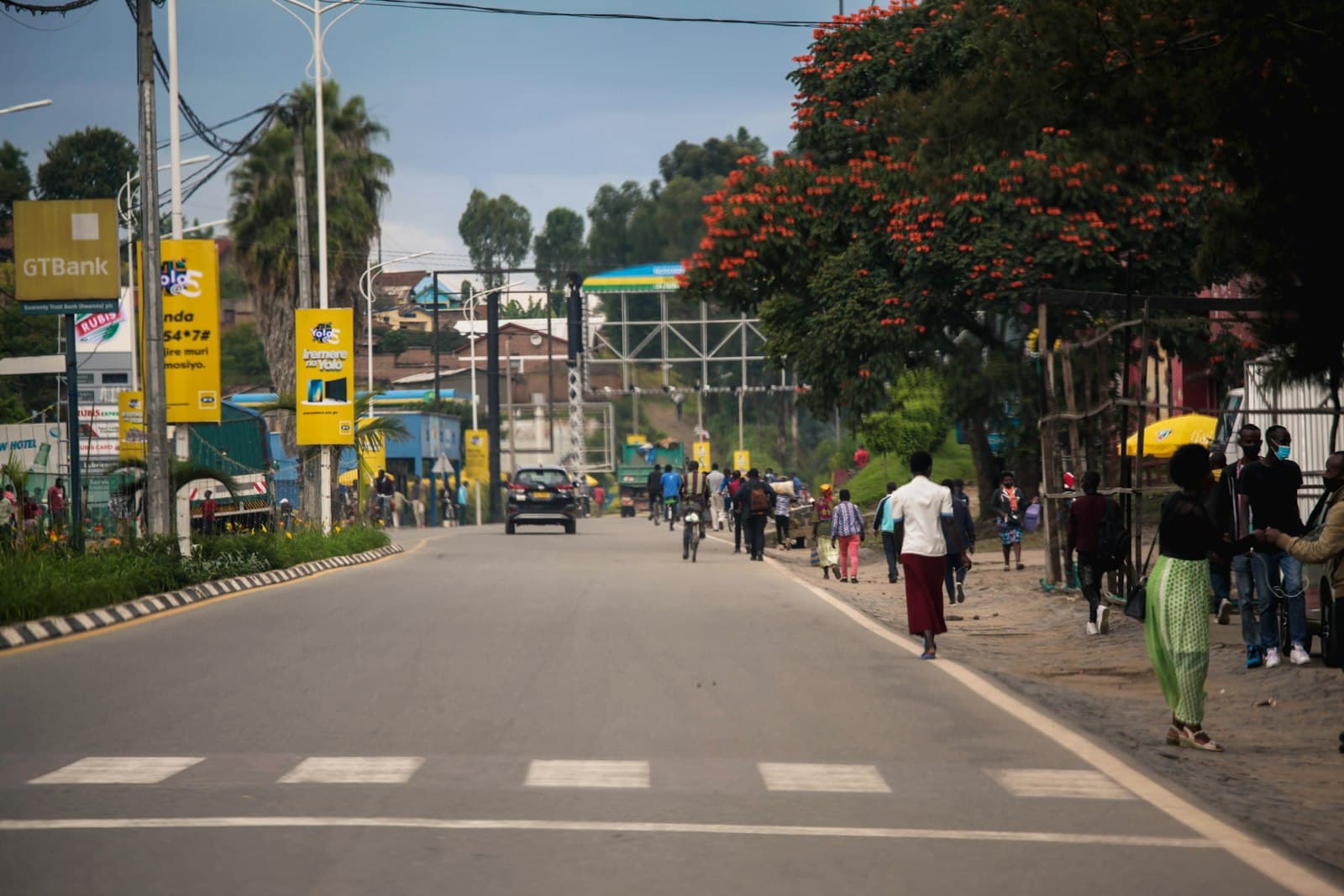
Kigali has the country's best care. King Faisal Hospital is the leading private hospital for specialized treatment, CHUK is the main university teaching hospital, and La Croix du Sud is popular for maternity care. Outside the major cities, adequate care gets harder to find. Two habits catch Americans off guard: hospitals often want payment before they treat or admit you, and serious cases may mean a flight out, which is why the State Department strongly recommends medical evacuation coverage. Many newcomers carry an international plan, and global insurers are widely accepted at Kigali's top hospitals. If you're on the K permit, you'll also need a Rwandan policy, since the permit asks for local medical insurance; local insurers include Prime and Radiant. Healthcare coach Hunter Schultz and ExpatInsure, both further down this page, can help you build that mix.
Taxes
Once you're a Rwandan tax resident, Rwanda taxes your worldwide income. Monthly bands are 0% up to 60,000 francs (about $41), then 10%, then 20%, and 30% on anything above 200,000 francs (about $135 a month). There's no income tax treaty between the U.S. and Rwanda. Rwanda gives a credit for foreign tax paid on foreign income, capped at the Rwandan tax due, and the U.S. still taxes you as a citizen wherever you live. Getting both returns right is where a U.S. expat tax service like MyExpatTaxes earns its fee. How Rwanda treats Social Security and U.S. pensions is worth confirming with an adviser before you move.
Banking and paying for things
Bank of Kigali is the expat favorite, picked by 70% of voters in a Living in Kigali poll. Banks typically ask for your passport, a residence or work permit, proof of address and photos, and requirements differ by branch, so call ahead. That matters because the K permit asks for a Rwandan bank statement: ask the bank early how it handles someone whose permit is still pending. Day to day, mobile money runs the show. Landlords and market vendors often want MTN MoMo, so set it up in your first week. Moneycorp can move your dollars over at better-than-bank rates.
Getting around and getting home
To drive, you'll need an international driving permit and third-party insurance. RwandAir flies nonstop from Kigali to London Heathrow, Brussels, Paris, Doha and Dubai, and those hubs connect you to U.S. flights. Twelve airlines fly out of Kigali as of September 2026.
Pets
Dogs and cats need an import permit from Rwanda's Ministry of Agriculture and Animal Resources, a rabies shot given between 30 days and 12 months before arrival, and a vet health certificate issued within 14 days of entry and endorsed by a government veterinarian. Animals that don't meet the rules can be quarantined or sent back, at your cost.
Rules as of September 2026
Rwanda's permit pages, the RDB's income bar for retirees, and the U.S. travel advisory can all change with little notice, and the Ebola situation next door is moving week to week. Everything here reflects what official sources said in September 2026. Confirm the current rules with the immigration department or an adviser before you file or book.
05 · Where people settle
Kigali first, then the lake and the volcanoes
Almost every American in Rwanda starts in Kigali. It's where the jobs, the international schools, King Faisal Hospital and the airport are, and our figures put rent there at about $400 to $1,200 a month. Renting in the capital for a year before deciding anything else is the low-risk way in.
Outside the capital, Musanze sits near Volcanoes National Park, with a cooler climate and rents around $250 to $700. Rubavu, on the shore of Lake Kivu, draws people who want water and a slower pace, at similar prices. Huye, in the south, is a university town with rents from about $200 to $600. Keep the State Department's warning in mind before you pick the lake: Rubavu and Rusizi sit on the border with the DRC, and it advises against travel within 10 kilometers (about 6 miles) of that border.
As we publish Rwanda city guides, you'll find them right here.
06 · Your move team
Who helps with the Rwanda move
Rwanda's permit forms are mostly online, but the pieces around them aren't: a U.S. background check for every permit, two layers of health coverage, dollars that need to become francs, and a dog that needs a permit of its own.
Expatsi doesn't have a partner based in Rwanda yet, so these are the vetted specialists who handle the parts of a move that work the same from anywhere.

Legalize That Doc
Document Preparation
A document concierge founded by Melissa Di Nardo. Her team orders FBI background checks and U.S. vital records, then handles apostilles and embassy legalizations so your papers are accepted abroad.
Learn more
Hunter Schultz
Healthcare Coach
A healthcare coach with more than 20 years of expat living and a background in air medical transport. His one-hour consultation maps out a care plan for your destination country.
Learn more
ExpatInsure
Global Health Insurance
Andy Seale and Stephanie Edwards lead a team that matches Americans abroad with international health plans, so you know what your coverage pays for before you need it.
Learn more
Moneycorp
Currency Exchange
Kelly Cutchin looks after U.S. clients at this currency firm. They convert dollars at better-than-bank rates, can lock a rate for up to two years, and give each client a dedicated specialist.
Learn more
MyExpatTaxes
U.S. Expat Tax Service
Software and support for filing U.S. tax returns from abroad, built by founders who moved overseas themselves. Useful when you're filing in two countries and want the U.S. side done right.
Learn more
Bodzin Pet Travel Solutions
Pet Relocation
Aliza Bodzin's Pennsylvania-based service plans pet moves worldwide, from the paperwork to the flight, so your dog or cat arrives with everything the import rules ask for.
Learn more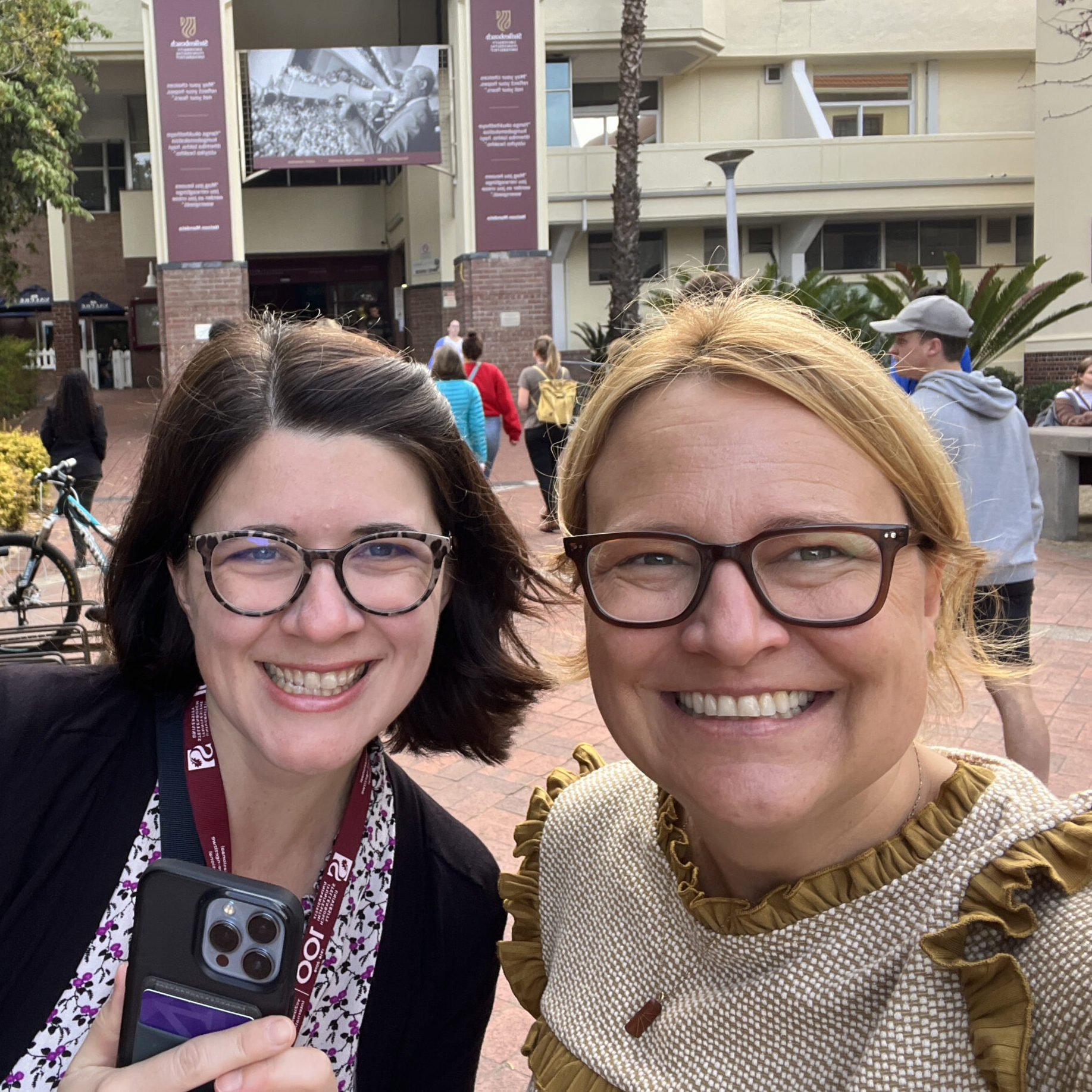
Culturosity Co.
Cultural Skills Coach
Jennifer and Janka run intercultural coaching and workshops built on research-backed frameworks, to help you settle into a new culture and build a life among your neighbors.
Learn more07 · Quick answers
Moving to Rwanda: common questions
Are there direct flights from the U.S. to Rwanda?
No. As of September 2026, no airline flies nonstop between Kigali and the U.S. RwandAir flies nonstop from Kigali to London Heathrow, Brussels, Paris, Doha and Dubai, where you can connect to U.S. flights.
Is it safe to move to Rwanda right now?
As of September 2026, the U.S. State Department rates Rwanda Level 3, Reconsider Travel, mainly because of the Ebola outbreak in the neighboring Democratic Republic of the Congo and its limited ability to help Americans in an emergency. It also warns against travel within 10 kilometers (about 6 miles) of the DRC border. Check the current advisory and the latest outbreak updates before you set dates.
Can I work remotely from Rwanda on a U.S. salary?
Not on a dedicated visa. As of September 2026, Rwanda's immigration department lists no digital nomad or remote-work permit, and the K permit for people with outside income doesn't allow work. Remote workers should get advice from an immigration professional before planning a long stay.
How much does it cost to live in Rwanda?
Expatsi's 2026 data puts a comfortable monthly budget at about $850 for a single person, $1,400 for a couple and $2,600 for a family. A central one-bedroom rents for about $400 a month, and about $250 outside the center. International school fees and health coverage are the costs most likely to break a budget.
How long does it take to get permanent residence or citizenship in Rwanda?
Permanent residence (class L-1) opens up after an aggregate of 10 years of legal residence. Citizenship by residence takes at least 15 years of legal residence and physical presence, costs 10,000 Rwandan francs (about $7) and takes 180 days to process. Rwanda permits dual nationality, so Americans can keep their U.S. citizenship.
Do Americans need a visa to visit Rwanda?
Yes, but you don't need to apply in advance. Since January 2018, citizens of every country can get a visa when they land. For Americans it costs $50 for a single entry valid for 30 days, or $70 for multiple entries over 90 days. To stay longer, you apply for a residence permit through the Irembo portal within 15 days of arriving.
Do Americans living in Rwanda pay taxes there?
If you become a Rwandan tax resident, Rwanda taxes your worldwide income at monthly rates from 0% to 30%, with the top rate starting above 200,000 francs (about $135) a month. There's no U.S.-Rwanda tax treaty, and the U.S. still taxes its citizens abroad. Rwanda gives a credit for foreign tax paid, capped at the Rwandan tax due.
Can I retire in Rwanda as an American?
Yes. Rwanda's K permit is for foreigners with assured income, including retirees, who won't work in Rwanda. It costs 150,000 Rwandan francs (about $100 as of September 2026) and lasts up to two years. You'll need a retirement certificate, a Rwandan bank statement, Rwandan medical insurance and a police clearance. The immigration department doesn't publish an income minimum, but the Rwanda Development Board's portal lists age 55 and $5,000 a month, so confirm before you apply.
Sources
- Visa on arrival · Rwanda Directorate General of Immigration and Emigration (checked September 2026)
- Other permits (K assured income, P1 voluntary work) · Rwanda Directorate General of Immigration and Emigration (checked September 2026)
- Employment permits (H1, H2) · Rwanda Directorate General of Immigration and Emigration (checked September 2026)
- Business investor and entrepreneur permits · Rwanda Directorate General of Immigration and Emigration (checked September 2026)
- Dependant permits (M1, M2, M3) · Rwanda Directorate General of Immigration and Emigration (checked September 2026)
- Ministerial Order N°06/01 of 29/05/2019 relating to immigration and emigration · Government of Rwanda (checked September 2026)
- Visas and permits (K class age and income) · Rwanda Development Board (checked September 2026)
- How to apply for Rwandan nationality by residence · IremboGov (checked September 2026)
- Rwanda Travel Advisory (Level 3, June 2026) · U.S. Department of State (checked September 2026)
- Ebola disease outbreak in the DRC and Uganda · European Centre for Disease Prevention and Control (checked September 2026)
- Rwanda: taxes on personal income · PwC Worldwide Tax Summaries (checked September 2026)
- Rwanda: foreign tax relief and tax treaties · PwC Worldwide Tax Summaries (checked September 2026)
- Banking in Kigali: a guide for expats (2026) · Living in Kigali (checked September 2026)
- Weather · Visit Rwanda (checked September 2026)
- Cost of living and country data for Rwanda · Expatsi (checked September 2026)
Is Rwanda the right match for you?
The free Expatsi Test compares Rwanda with other countries on what matters to you, from cost and healthcare to climate and safety.
Why not you?