Nicaragua, country guide
Moving to Nicaragua after the 2024 rule changes: an honest guide for Americans
Lakes, volcanoes and colonial towns on a small budget, with residency that now renews every year and a Level 3 travel advisory on top. Here's who it still works for, and how to do it right.
Built for Americans living on a pension, Social Security or other income from home. We cover the rules that changed, the costs in dollars, and the risks the brochures skip.

Reviewed and updated September 28, 2026 · 13 min read
01 · The draw and the doubts
What pulls Americans to Nicaragua, and what should give you pause
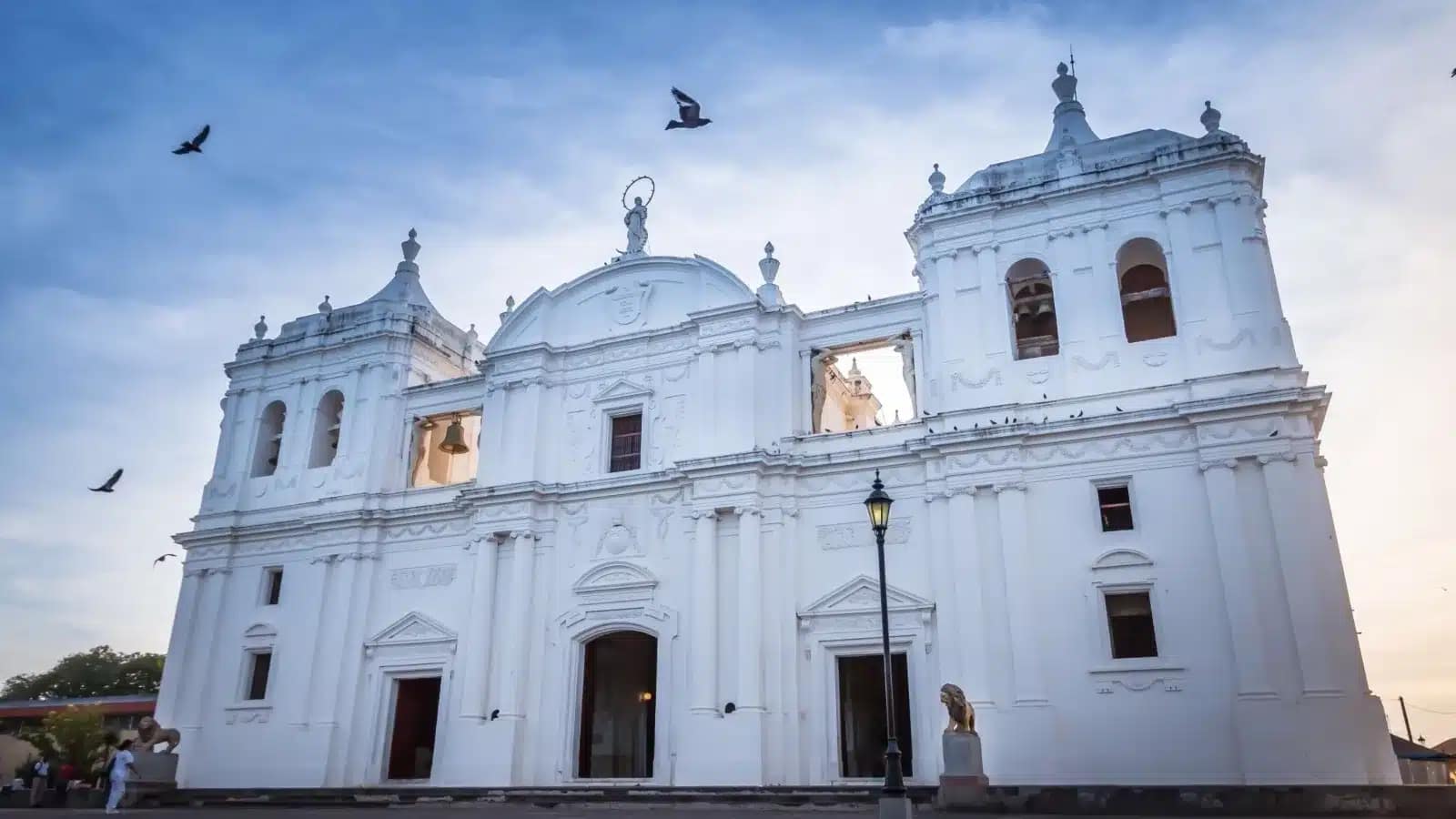
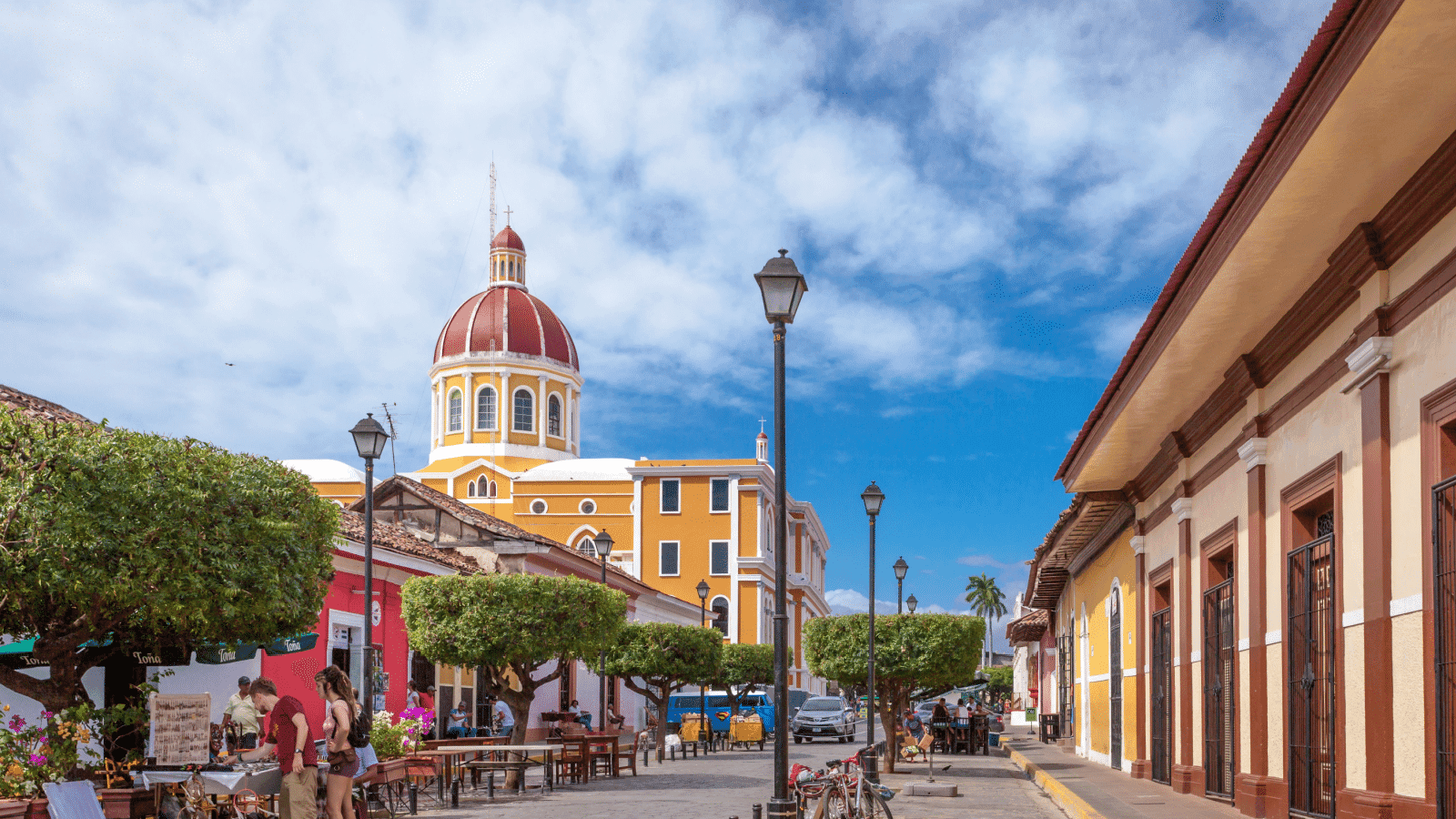
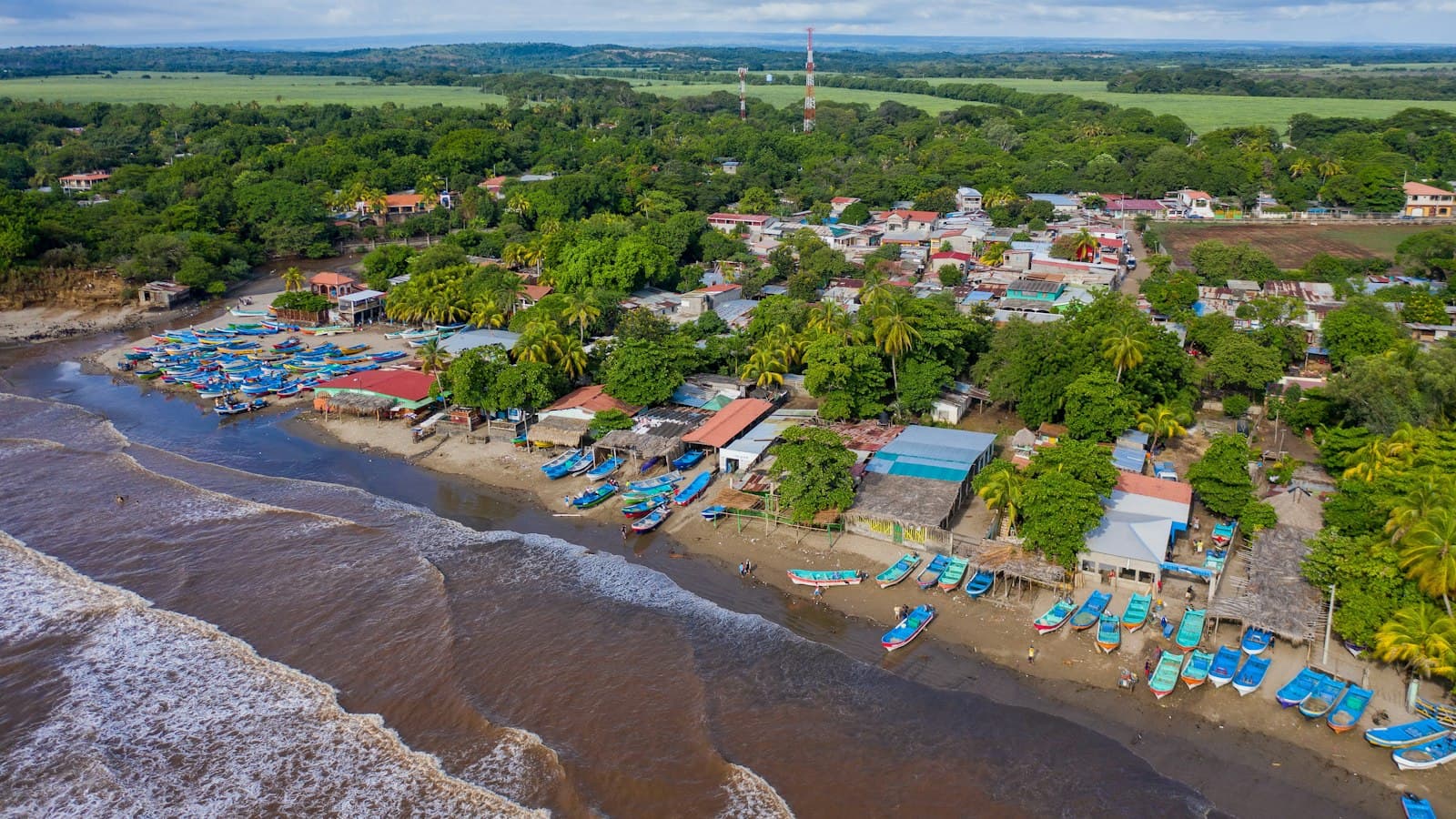
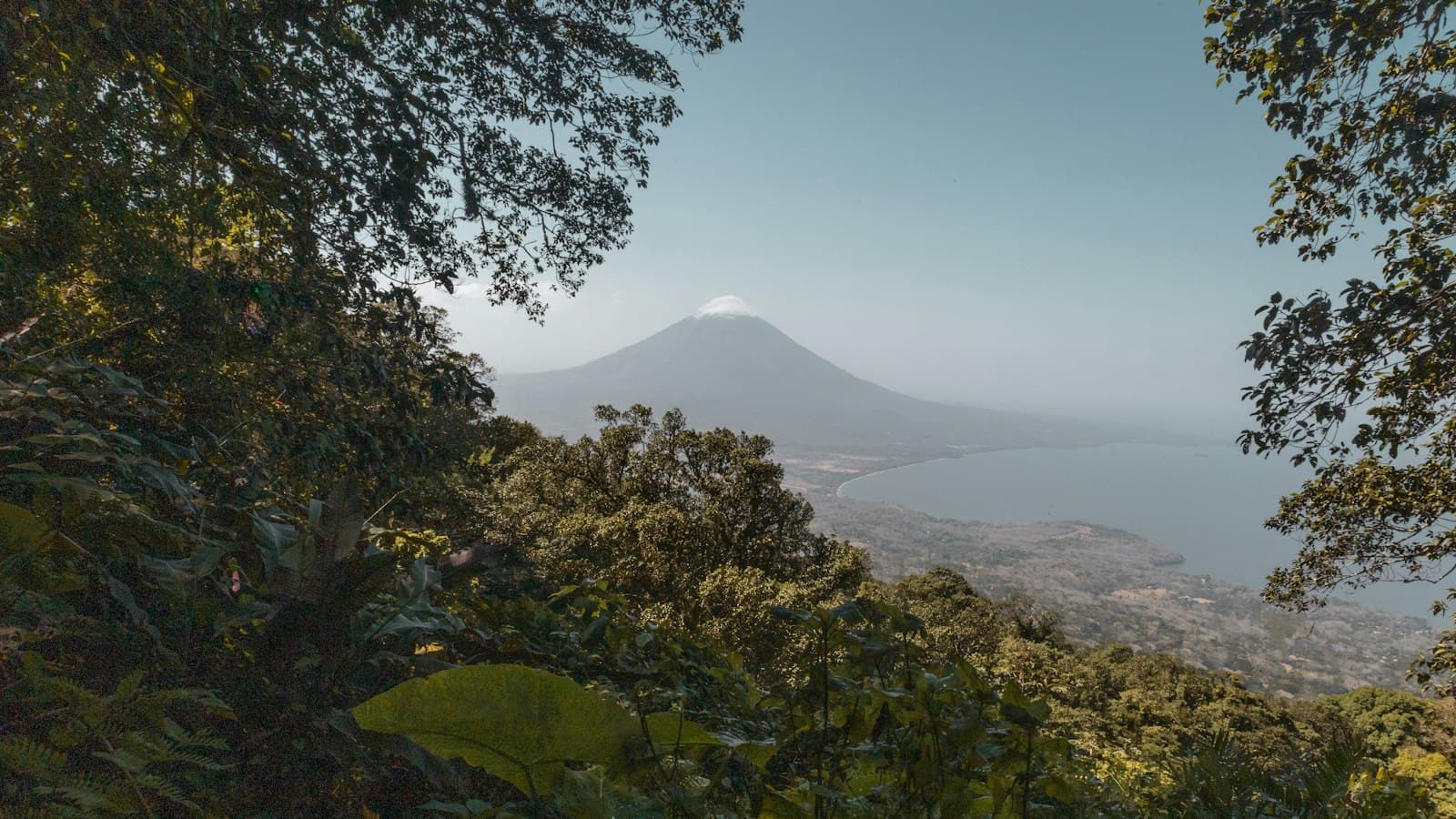
Nicaragua is the largest country in Central America, and it packs a lot into that space: two big lakes, a chain of volcanoes, Pacific surf towns, a rainy Caribbean coast, and two colonial cities, Granada and León. Life moves slowly, people are welcoming, and your dollars go a long way.
The weather is warm all year. On the Pacific side, home to Granada, León and Managua, the dry season runs December to April and the rains come May to October. March to May is the hot stretch, with afternoons that can reach 98 to 100°F, making it a good time for a trip home. Even the rainy season has a break: a drier spell called the canícula usually arrives in July and August.
Getting back to the States is simple. Nonstop flights to Managua leave from Miami on American and Avianca, and from Houston on United. The money side is steady too: Nicaragua's Central Bank fixed the córdoba's exchange rate for all of 2026, so a Social Security check buys the same amount in December as it did in January.
Nicaragua suits people who have income arriving from outside the country, a bit of Spanish (or the patience to learn it), and no need for city-level medical care down the street. It fits best if you like quiet mornings, small towns, and living outdoors.
Here's the catch
We'd be doing you a disservice if we skipped this part. Nicaragua is a harder call in 2026 than it was a few years ago, for four reasons.
First, the political risk is real. The U.S. State Department reissued its advisory in May 2026 at Level 3, Reconsider Travel. It warns of arbitrary entry and exit bans, expulsions, and arrests on false charges, with trials held out of public view. Authorities watch social media and can refuse entry over what you've posted. Drones are illegal, and photographing government buildings or police can get you in trouble. If you like to share opinions online, think hard. The same goes for anyone planning to volunteer through a church or charity: the advisory points to the targeting of religious workers and the closure of more than 5,300 civil society organizations since 2018, and faith-based groups need advance permission from both the Nicaraguan Embassy in Washington and the Ministry of Foreign Affairs before they travel.
Second, residency got weaker. Retirees now get temporary status that has to be renewed every year, no route to permanent residence, and the old import perks are gone. Chapter 03 covers it.
Third, healthcare thins out fast once you leave Managua. Chapter 04 has the details.
Fourth, forget a second passport. Under a reform approved in January 2026, foreigners who naturalize must give up their original nationality unless they're Central American. For an American, that means giving up U.S. citizenship.
If none of that scared you off, keep reading. Nicaragua can still be a good, affordable life for the right person, as long as you go in with open eyes.
- Cost of living (single)
- $950/mo
- Safety index
- 45/100
- English proficiency
- 30/100
- Internet speed
- 25 Mbps
- Currency
- Nicaraguan córdoba (NIO)
- Capital
- Managua
02 · Money
Living costs in Nicaragua, in dollars
$1,700
Monthly budget, couple
all in, 2026
$950
Monthly budget, single
all in, 2026
$2,750
Monthly budget, family
housing included
$350
Rent, 1-bed city center
$250 outside center
$4
Inexpensive meal out
simple local meal
$38
Home internet, monthly
about 25 Mbps
36.6243
Córdobas per dollar
fixed for 2026
$10
Tourist entry stamp
cash, on arrival
Our 2026 numbers put a comfortable life for two at about $1,700 a month, a single person near $950, and a family around $2,750 with housing. Those are budgets for a real life, with a decent apartment, eating out, and some travel, not bare survival.
Housing is where you'll feel the difference most. A one-bedroom in a city center averages about $350, and about $250 a bit further out.
A few things cost more than people expect. Since the old retiree law was repealed in August 2024, you pay ordinary import taxes on household goods and vehicles. Shipping a container of furniture or bringing a car is a much bigger bill than older guides suggest. Selling at home and buying locally is often the simpler (and cheaper) plan.
Here's a number that explains a lot: Nicaragua's 2026 minimum wage runs from about $169 a month in agriculture (C$6,188.02) to about $378 in construction and financial services (C$13,848.23). That's why this move works for people with income from home and almost never for someone hoping to find a local job. It's also why a modest U.S. pension goes so far.
Where your money comes from decides your route
Nicaragua's residency options are built around income that arrives from abroad: a pension, Social Security, an annuity, or a trust. There's no dedicated status for remote workers, and local wages won't cover an American-style life. So before you pick a town, look at where your monthly deposit comes from. That answer points you to the right path below.
03 · Getting residency
Residency routes after the rewrite
Nicaragua rewrote its residency rules in 2024, and a lot of what's online still describes the old system. Two laws did it: Law 1210 repealed the pensionado and rentista law (Law 694) in August 2024, and Law 1228 reformed the migration law in November 2024. The grid below sums up what changed. Here's how each route works now.
Start with something easier than you'd think. Americans don't have to apply from a consulate back home. The U.S. Embassy says you can switch from tourist status to residency by applying at Nicaraguan immigration offices, and filings now go straight to Migración.
Retiring on a pension: pensionado residency
This is the main route for American retirees. Your income has to come from a verifiable foreign source, such as Social Security, a pension, an annuity or a trust. The catch is that no official income floor has been published since the old law was repealed. Guides in 2026 cite a referential minimum of about $1,200 a month, but confirm the current figure with Migración or a lawyer before you file. The status is temporary: one year at a time, renewed every year, and your card has to be replaced every six months for a fee.
One relocation firm says to plan on 4 to 6 months if everything goes right; other 2026 estimates run 6 to 8 months. The same firm puts the total for a single applicant at $550 to $700, including filing fees, apostilles, translations and the medical exam. The official temporary residence fee is about $200 a year (Migración sets it at C$7,324.86).
Living on investments: rentista residency
Rentista status covers people with steady private income from abroad, like annuity payments. It works much like the pensionado route: temporary, yearly, and with no published floor right now. If your money is mostly dividends or rental income, have a lawyer check which category fits your paperwork.
Investing in a business: investor permanent residence
Migración still lists investors ("Inmigrante con capital o Inversionista") under permanent residence, which is issued for five years for about $500 (C$18,312.15). Nicaragua passed a new Foreign Investment Law, Law 1240, in February 2025, and investments must be registered with the investment office at MIFIC, the trade ministry. Commercial sites still quote a $30,000 minimum from the old rules, but we couldn't confirm that figure under the new law. Read the property warnings in chapter 04 before you put money in.
Married to a Nicaraguan
If you're married to a Nicaraguan or have close Nicaraguan family, you can apply for permanent residence on family ties instead of a temporary category.
Working remotely: no nomad route
Nicaragua has no digital nomad visa, and remote work isn't one of Migración's residence categories. Remote workers usually stay as tourists: 90 days on entry, then extensions of 30 days at a time for $25 each, up to 90 more days. That's a way to spend a season here, not a way to live here. Also know that the 90 days are shared with Honduras, Guatemala and El Salvador under the CA-4 agreement, so a quick trip to a neighbor doesn't restart the clock. Overstaying costs about $3 a day.
The steps, in order
One relocation firm lays out the pensionado sequence like this: gather your documents (3 to 6 weeks), get them apostilled in the state that issued them (1 to 3 weeks), have them translated in Managua (1 to 2 weeks), do the medical exam, file, and wait for Migración's review (8 to 14 weeks). Apostilles from the wrong jurisdiction are a classic delay, so a Florida birth certificate needs a Florida apostille even if you live in Arizona now.
The paperwork that trips people up
Birth, police and health certificates, the income letter, and a marriage certificate if you're applying as a couple all need apostilles and Spanish translations, and only translators registered with Nicaragua's foreign ministry are accepted. Every photocopy must be notarized. Applicants report that police and health certificates are only good for 90 days, so timing matters. The most common rejection is a vague income letter: Social Security's short online printout isn't enough, so get an official, notarized letter stating the amount and frequency. Once you're approved, you'll also post a deposit worth a plane ticket home.
Nicaragua residency guides
Investor Residence (Inmigrante con Capital o Inversionista)
- An investment in an approved sector such as tourism, agriculture, forestry, real estate or a new business (US$30,000 is often cited, but no official minimum is published)
- Certificate of Investment Registration issued by MIFIC
- Certified copy of company incorporation or merchant registration in the Mercantile Registry, plus municipal commercial registration
Temporary Residence as Pensioner or Rentista (Residente Pensionado / Rentista)
- Stable foreign pension or passive income; lawyers cite about US$1,200 per month as a reference amount, but no official minimum is published
- Certification of the origin and amount of the pension or income from the paying authority or institution
- Apostilled birth certificate with Spanish translation (and marriage certificate if applicable)
Temporary Residence with Work Authorization
- Job offer or employment contract with a Nicaraguan employer
- Employer letter explaining why no qualified Nicaraguan worker can fill the role
- Employer company documents submitted annually with renewals
Four rules that changed since 2024
Import perks ended
Law 694 let pensionados bring up to $20,000 in household goods duty-free, plus a car break. Those benefits went with the law in August 2024.
Retirees stay temporary
Under Law 1228, pensionados and rentistas get temporary residence only. They can't move up to permanent residence.
Seven years, not four
Where permanent residence is still possible, the wait rose from 4 years to at least 7, and the 3-year shortcut was abolished.
One passport only
A January 2026 reform makes new citizens renounce their original nationality. Only Central Americans are exempt.
04 · Day-to-day life
Healthcare, taxes, money and property
The practical questions, answered straight, including a couple of surprises on the property side.
Healthcare
Serious care means Managua, where Hospital Vivian Pellas holds Joint Commission International accreditation, first earned in 2010. The State Department counts it as the one JCI-certified hospital in Managua. Most hospitals want payment up front before they treat you, clinics outside Managua lack basic supplies, and there are few specialists for emergencies outside the capital. Public hospitals are understaffed and short on basic supplies. A medical evacuation is expensive and often isn't covered. Carry international coverage that includes evacuation, and live within reach of Managua if you have ongoing conditions. Our healthcare coach Hunter Schultz and our insurance partner ExpatInsure can help you set that up.
Taxes
This part is good news for retirees. Nicaragua taxes on a territorial basis, so income from outside the country isn't taxed even once you're a resident. You become a tax resident after more than 180 days in a calendar year. Income earned in Nicaragua is taxed at progressive rates up to 30%, and rent from a Nicaraguan property faces 10% withholding. There's no inheritance, gift or estate tax, and there's no U.S.-Nicaragua tax treaty. The U.S. still taxes you as a citizen wherever you live, so keep filing. MyExpatTaxes, one of our partners, handles U.S. returns for Americans abroad. If you work remotely from here, ask a pro whether that salary counts as local income.
Money and banking
You can open a local account once you're a legal resident, and four banks (Banpro, LAFISE, BAC and Ficohsa) dominate the market. Moneycorp, our currency partner, can set up recurring transfers at better rates than a bank wire.
Buying property
Foreigners can buy real estate without nationality-based restrictions, but this is the riskiest part of moving here. The State Department says the government routinely seizes private property without compensation or due process, and its investment report urges extreme caution before buying. It isn't even possible to say how much land is properly titled. An August 2025 law declared a 15-kilometer (about 9-mile) strip along the land borders state property, so check any parcel's distance from the border. The same report describes land occupations by regime-affiliated actors since 2018, and the State Department adds that authorities may not evict illegal occupants from private land. On a clean purchase, expect a 1% municipal registration tax plus a capital gains withholding of 1% to 7% when the deed is filed. Rent first, and if you buy, hire an experienced lawyer early.
Arriving and staying legal
Your passport needs six months of validity when you land, and the entry stamp costs $10 in cash, so bring small bills. Tourist extensions are booked through the citas.mint.gob.ni appointment site. Once you're a resident, letting your status lapse costs about $2 a day, and renewals have to be filed on time every year, so put the dates in your calendar the week you're approved.
Staying connected
Starlink isn't authorized in Nicaragua. Customs confiscates the wifi terminals at the airport, so don't pack one. Plan around local providers.
This guide is dated on purpose
Everything here reflects the rules as of September 2026. Nicaragua has changed its residency, investment and nationality laws since 2024, and the pensionado income floor still isn't published. Before you file or buy anything, confirm the current rules with a licensed Nicaraguan lawyer.
05 · Where people settle
Choosing a base: colonial cities, the capital, or the coast

The five towns below all sit on the Pacific side of the country, the drier half of Nicaragua.
Granada is the classic pick: a walkable colonial town on Lake Nicaragua, with rents around $300 to $600 for a one-bedroom. León is younger and livelier, a university city near Pacific beaches, with rents around $250 to $500. San Juan del Sur is the surf-and-sunset option, with rents of $400 to $900. Managua isn't pretty, but it has the airport and the JCI-accredited hospital, at about $350 to $700. Masaya, between Managua and Granada, is known for its markets and runs $200 to $400.
Three things to weigh. The Pacific lowlands run hot: Chinandega, in the northwest, tops 95°F (35°C), while Bluefields on the Caribbean peaks around 87°F in April. But the Caribbean side gets about 160 inches of rain a year and sits in the path of hurricanes, which peak August to October. Finally, if you're buying, remember the 15-kilometer border strip.
06 · Help on the ground
The people who make this move easier
Nicaragua rewards people who get good advice before they sign anything. These are the Expatsi-vetted partners we'd call for the pieces of this move that matter most: health coverage, taxes and money, the logistics of leaving, your pets, and the language.

Hunter Schultz
Healthcare Coach
A healthcare coach based in Panama City who helps you plan how you'll handle medical care after you move. Worth a call when hospital access shapes where you live.
Learn more
ExpatInsure
Global Health Insurance
Expatsi's global health insurance partner. They match you with international coverage, including the evacuation protection that matters in a country with limited care outside the capital.
Learn more
MyExpatTaxes
U.S. Expat Tax Service
A tax service built for Americans abroad. They prepare your U.S. returns so you stay square with the IRS after you move.
Learn more
Moneycorp
Currency Exchange
A currency exchange and international payments firm. They convert dollars at better rates than a typical bank and set up the regular transfers that cover rent and bills.
Learn more
Aqua Moving Services
Worldwide Shipping and Moving Service
A worldwide shipping and moving service. Useful for pricing out what's worth shipping now that household goods pay ordinary import taxes.
Learn more
Bodzin Pet Travel Solutions
Pet Relocation
A pet travel company that plans the flights, health paperwork and crates to get your dog or cat moved abroad safely.
Learn more
Lingoda
Language Learning
An online language school with small live classes on your schedule. A practical way to build the Spanish you'll use at the bank, the clinic and Migración.
Learn more
Culturosity Co.
Cultural Skills Coach
A cultural skills coach who helps you adjust to new norms and communication styles, so daily life abroad feels less like guesswork.
Learn more07 · Straight answers
Nicaragua move questions, answered
Can Americans buy property in Nicaragua?
Yes, foreigners can buy real estate without nationality-based restrictions. The risks are serious, though: the State Department reports property seizures without compensation, unreliable land titles, and a 2025 law that made a 15-kilometer strip along the land borders state property. Rent first and use an experienced local lawyer if you buy.
How much income do I need for pensionado residency in Nicaragua?
There's no officially published figure right now. The old law's US$1,000 a month was repealed in August 2024, and 2026 guides cite a referential minimum of about US$1,200 a month. The income must come from a verifiable foreign source such as Social Security, a pension, an annuity or a trust. Confirm the current amount with Migración or a Nicaraguan lawyer before you file.
Can a retiree get permanent residency in Nicaragua?
No. Under Law 1228 of November 2024, pensionados and rentistas receive temporary residence only and can't convert it to permanent residence. Permanent residence is still available through investment or family ties to a Nicaraguan, and where it applies, the wait rose to at least seven years.
Is it safe for Americans to live in Nicaragua?
It carries real risk. The State Department rates Nicaragua Level 3, Reconsider Travel, citing crime, limited healthcare, wrongful detention, and arbitrary entry and exit bans. Authorities monitor social media and can deny entry over posts, drones are illegal, and the government has seized private property without due process.
Can Americans still retire in Nicaragua in 2026?
Yes. Retirees with income from abroad, such as Social Security or a pension, can apply for pensionado residency, and U.S. citizens can file from inside Nicaragua after arriving as tourists. Since the 2024 reforms, though, the status is temporary and renewed every year, the old duty-free import perks are gone, and there's no route from it to permanent residence.
Does Nicaragua tax my Social Security or U.S. pension?
No. Nicaragua taxes on a territorial basis, so income from outside the country isn't taxed, even for residents. Income earned inside Nicaragua is taxed at progressive rates up to 30%. You still file U.S. taxes as a citizen, and there's no U.S.-Nicaragua tax treaty.
Can I become a Nicaraguan citizen and keep my U.S. passport?
No. A January 2026 constitutional reform requires foreigners who naturalize to renounce their original nationality, with an exception only for Central Americans. An American would have to give up U.S. citizenship to become Nicaraguan.
Does Nicaragua have a digital nomad visa?
No. Nicaragua has no digital nomad visa, and remote work isn't one of its residence categories. Remote workers typically enter as tourists for 90 days and extend 30 days at a time for $25 each, up to 90 extra days, which isn't long-term residency.
Sources
- Nicaragua Travel Advisory, Level 3 (reissued May 14, 2026) · U.S. Embassy in Nicaragua (checked September 2026)
- Nicaragua International Travel Information · U.S. Department of State (checked September 2026)
- Immigration Laws: fees, extensions and changing status · U.S. Embassy in Nicaragua (checked September 2026)
- Extranjería: residence categories and fees · Dirección General de Migración y Extranjería (checked September 2026)
- Reforma migratoria en Nicaragua: cambios de 2024 (Law 1228) · Consortium Legal (checked September 2026)
- Residency for retirees and rentiers after Law 694 · Tiffer Law Firm (checked September 2026)
- 2025 Investment Climate Statement: Nicaragua · U.S. Department of State (checked September 2026)
- International Estate Planning Guide: Nicaragua 2026 · International Bar Association (checked September 2026)
- Crawl rate stays at 0% in 2026 (C$36.6243 per dollar) · Banco Central de Nicaragua (checked September 2026)
- Nicaragua Reforms Citizenship Law (January 2026) · Latina Republic (checked September 2026)
- Cost of living and country data for Nicaragua · Expatsi (checked September 2026)
See how Nicaragua stacks up for you
Take the free Expatsi Test to compare Nicaragua with other countries on cost, healthcare, climate and safety, based on what you care about.
Why not you?