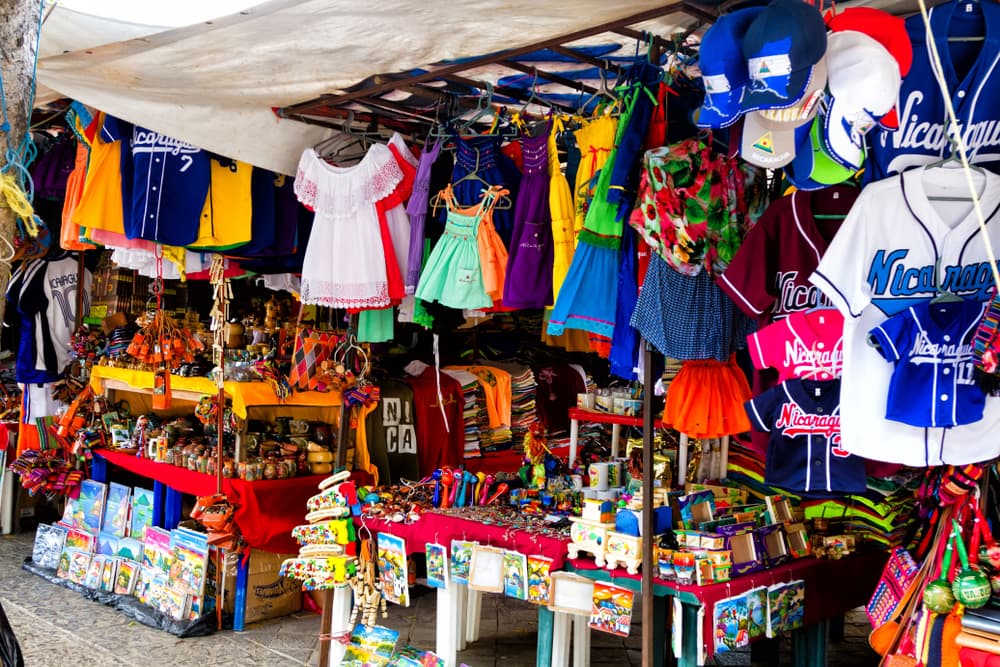
Granada, Nicaragua: lakeside colonial life on about $1,100 a month
A walkable town of pastel streets on Lake Nicaragua, with hot dry-season afternoons, a long-settled foreign crowd, and a Level 3 U.S. travel advisory to weigh first.
- 105,171
- Population (2005)
- $1,100/mo
- Monthly budget · single
- 81°F / 27°C
- Avg temperature
Plan on about $1,100 a month for one person in Granada, with most single budgets in our 2026 data falling between $900 and $1,300. A couple spends about $1,700 and a family of four about $2,500. A one-bedroom near the center rents for around $450, or closer to $300 farther out.
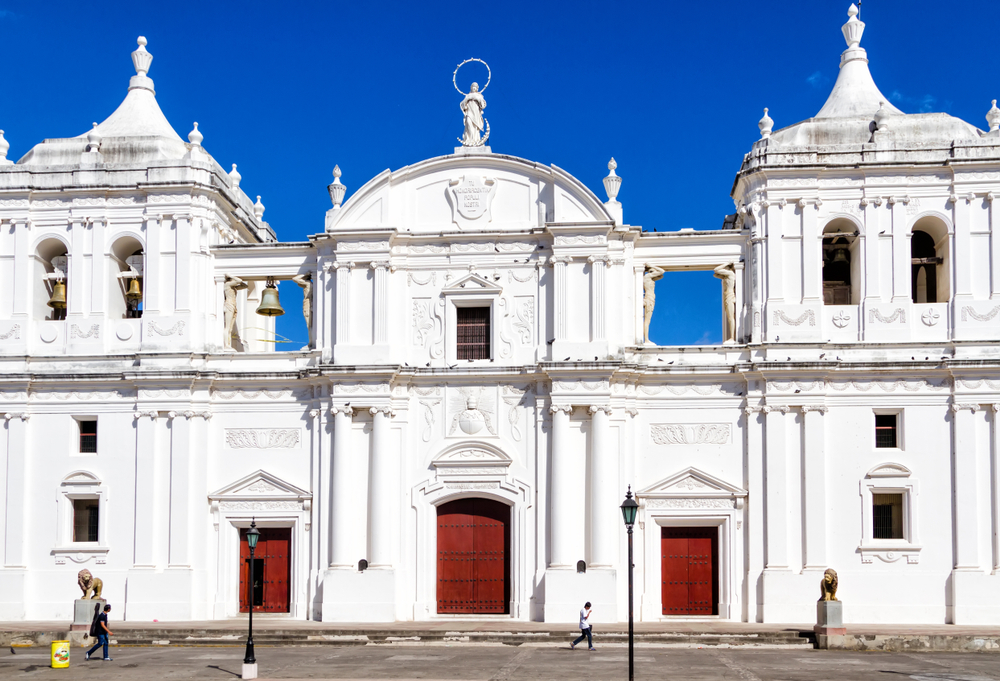
Granada sits on the shore of Lake Nicaragua with Mombacho volcano behind it. Its colonial center is compact, Calle La Calzada is the restaurant street, and there's a long-established expat scene. It suits retirees and remote workers who want a small, walkable town on a modest budget and can handle heat: April's average highs run near 95°F.
The bigger decision is the country itself. The State Department keeps Nicaragua at Level 3, Reconsider Travel (latest advisory May 2026), citing crime, health, wrongful detention and arbitrary enforcement of local laws. Read that advisory in full before you plan a move here.

Reviewed and updated October 22, 2026 · 4 min read
At a glance
$1,100
Monthly budget · single person
$450/mo 1-bed rent, center
48/100
Safety index
$40
Internet / month
81°Fannual average
Dec 78° · Nov 87°
Climate
105,171
Population (2005)
Expatsi estimates, updated Oct 2026, based on rental listings, government statistics, and local reporting.
Cost of living
What it costs to live in Granada
Single person
$900–$1,300/mo
about 65% below Austin, TX
Couple
$1,400–$2,000/mo
about 65% below Austin, TX
Family of four
$2,000–$3,000/mo
about 70% below Austin, TX
Compared with Austin, TX (Expatsi estimate, 2026).
- $6 −70%
- Inexpensive meal
- $350–$550/mo −77%
- 1-bed rent, center
- $250–$350/mo −78%
- 1-bed rent, outside
- $40/mo −38%
- Internet
- $121/sq ft −81%
- Buy price, center
Expatsi estimates, updated Oct 2026, based on rental listings, government statistics, and local reporting.
Daily life
How Granada lives
- B- grade, 33rd percentile among the cities we track
- Dining & caféstypical
- B- grade, 33rd percentile among the cities we track
- Arts & culturetypical
- C+ grade, 15th percentile among the cities we track
- Parks & outdoorsmodest
- B grade, 42nd percentile among the cities we track
- Schools & educationtypical
- B grade, 48th percentile among the cities we track
- Healthcare accesstypical
- C- grade, 0th percentile among the cities we track
- Bike infrastructuremodest
- C+ grade, 17th percentile among the cities we track
- Public transitmodest
Graded on OpenStreetMap amenity density relative to the 436 cities we track. Accessibility is the exception: it's graded against a fixed standard (terrain steepness and sidewalk surfaces), not a curve.
Climate
Weather through the year
Annual average 81°F (27°C) · 44 in of rain a year · Source: Meteostat station normals (78741, 1961-1990)
On the ground
Scenes from Granada
Getting around
Transport in Granada
If you live in the historic center, you'll do most errands on foot: the central park, the market, banks and La Calzada sit close together on a flat grid. Many foreign residents never buy a car and use taxis for anything farther. Taxis aren't metered, so agree on the fare before you get in, and ask your landlord or a restaurant you trust for a driver's number. The horse-drawn carriages around the park are mostly for visitors.
Buses link Granada with Masaya, Managua and the towns south toward Rivas, and they run through the day. They're the budget option, but the State Department warns that buses and moto-taxis often lack basic safety equipment. If you drive, it advises against driving outside urban areas after dark.
For flights home you'll use Managua's international airport. Shuttle companies in Granada run shared and private transfers, which is how most newcomers make the trip. The same highway toward Managua leads to the country's main private hospital, a route you'll want to know before you need it.
- 2.0/sq mi
- Transit stops
- 0.0/sq mi
- Bike infrastructure
- 0.1/sq mi
- Wheelchair-accessible places
Mapped features per square mile from OpenStreetMap.
Keep exploring
Places like Granada
Community & practical notes
Settling into Granada: people, care and the fine print
Who's here: Granada has drawn foreign retirees, remote workers and small-business owners for years, and many of them run the guesthouses and cafés along La Calzada. That makes it easier to land here than in most Nicaraguan towns, but you'll still need Spanish for landlords, repairs and paperwork. A language class is the quickest way to meet people beyond the expat circle.
Healthcare: Plan your care around Managua. The State Department says comprehensive healthcare is available only in the capital, and Hospital Metropolitano Vivian Pellas, the best-known private hospital, sits on the Masaya highway on the Managua side. Granada's own clinics handle routine visits. Carry health coverage that includes medical evacuation, and get the evacuation terms in writing. Healthcare coach Hunter Schultz, one of our partners, can help you plan for that gap, and ExpatInsure can quote the coverage.
Working remotely: Home internet runs about $40 a month in our data. Cafés and a few coworking spaces in the center have workable Wi-Fi, but residents report connections and power both get less reliable in the rainy season. Budget for a battery backup and a mobile hotspot.
Heat and rain: The dry months from December through April are the sunniest and hottest, with average highs climbing toward 95°F by April. Rain arrives in May and peaks around September. Air conditioning isn't standard in older colonial houses, so ask about it before you sign a lease.
Politics and the law: Stay out of politics here, online and off. Foreigners who join protests risk arrest or expulsion, and the State Department says Nicaragua has denied entry to and expelled U.S. citizens. Since January 2026, the constitution bans dual nationality, which matters if you ever pictured Nicaraguan citizenship as the long-term goal.
Limited mobility: The colonial center is flat, which helps, but sidewalks are narrow and uneven, and the State Department notes few sidewalks or pedestrian crossings in Nicaragua and limited accessibility on public transportation. Taxis with a driver you know are the practical option, so walk the route from any rental before committing.
LGBTQ expats: Same-sex relationships have been legal in Nicaragua since 2008, but same-sex couples have no legal recognition, and the State Department describes widespread discrimination even though violence is uncommon. Many LGBTQ residents keep a lower public profile here than at home and find their footing through the expat community first.
Black Americans: Black travelers writing for Travel Noire in 2025 described a warm welcome in Granada and locals eager to show them around, while urging newcomers not to drive up rents for local families. That's one account, not a survey. Before committing, talk with Black expats already living in Nicaragua and spend a few weeks here on a trial stay.
Retiring here: Granada's walkable center and modest costs make it an easy place to picture retirement, but the rules changed in 2024. Retiree residence now lasts one year and renews annually, and you file with the migration office in Managua. Our Nicaragua pensionado and rentista guide covers the current requirements, our retirement visa guide compares other countries, and our Nicaragua moving guide covers taxes, healthcare and safety in full.
Housing
Renting and buying
- 1-bed rent (center)
- $350–$550/mo
- 1-bed rent (outside center)
- $250–$350/mo
- Buy price (center)
- $121/sq ft
- Buy price (outside center)
- $74/sq ft
Expatsi estimates, based on rental listings, government statistics, and local reporting.
Good to know
Frequently asked questions
Is Granada, Nicaragua good for remote workers?
It can be, with backups. Home internet costs about $40 a month, and cafés and coworking spaces in the center offer Wi-Fi, but connections and power can be unreliable in the rainy season. A battery backup and a mobile hotspot help you stay online.
What is the weather like in Granada, Nicaragua?
Hot all year. Granada averages about 81°F across the year, and average highs climb to near 95°F in April. The dry season runs roughly December through April; rain starts in May and is heaviest around September, and the town gets about 44 inches in a typical year.
Is Granada, Nicaragua safe for Americans?
Granada is a popular town for foreigners, but the whole country is under a Level 3, Reconsider Travel advisory from the U.S. State Department (latest issued May 2026), citing crime, health, wrongful detention and arbitrary enforcement of local laws. Petty theft is the everyday risk in town. The larger risks are political: foreigners who join protests risk arrest or expulsion, and the government has denied entry to and expelled U.S. citizens.
Can Americans retire in Granada, Nicaragua?
Yes. Retirees apply for temporary residence as pensioners with Nicaragua's migration office in Managua. Since the 2024 reforms, that residence lasts one year and is renewed annually, rather than leading straight to permanent status. Confirm the current income requirement with the migration office or a local lawyer before you apply.
Do you need a car to live in Granada, Nicaragua?
Not if you live in or near the colonial center. Most errands are walkable, and taxis cover the rest, though they aren't metered, so agree on the fare first. Buses and shuttles connect Granada with Managua and its international airport.
What is healthcare like in Granada, Nicaragua?
Granada has clinics for routine care, but the State Department says comprehensive healthcare in Nicaragua is available only in Managua, where the main private hospital, Hospital Metropolitano Vivian Pellas, is located. Residents generally head to the capital for serious care. Carry health coverage that includes medical evacuation.
How much does it cost to live in Granada, Nicaragua?
One person typically spends about $1,100 a month in Granada, with most single budgets between $900 and $1,300 in our 2026 data. A couple runs about $1,700 and a family of four about $2,500. Rent for a one-bedroom near the center is around $450 a month, or about $300 outside it.
See how Granada fits your life
Take the free Expatsi Test and compare Nicaragua with other countries on what matters most: cost, healthcare, climate, and safety.
Why not you?