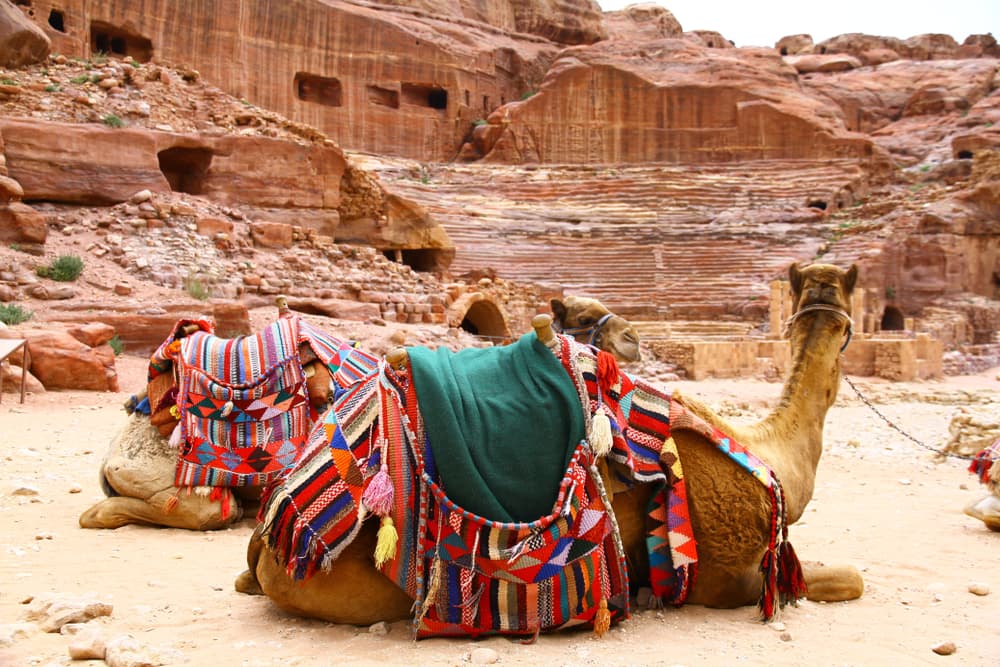
Aqaba: Jordan's Red Sea port, with coral reefs off the beach
A quiet coastal town for divers and winter-sun seekers, about an hour's flight from Amman. Summers are punishing and specialist care is thin.
- 140,000
- Population (2014)
- $1,000/mo
- Monthly budget · single
- 78°F / 26°C
- Avg temperature
Plan on roughly $1,000 a month for one person in Aqaba, or about $1,600 for a couple, as of 2026. A one-bedroom near the center rents for about $400 a month and closer to $300 farther out. A family of four should budget around $2,500. Treat these as rough figures: our data puts a single person anywhere from $800 to $1,200.
Aqaba is Jordan's only seaport, a town of about 140,000 people on the Gulf of Aqaba, and the reefs start so close to shore that you can dive without a boat. Winter is the draw, with January highs averaging about 71F and almost no rain all year.
It suits divers, snowbirds, and anyone who wants a slow, warm base in the region and doesn't mind traveling to Amman for bigger needs. It's a harder sell if you need a local job, a wide choice of specialists, or can't face summers with average highs near 105F.

Reviewed and updated October 8, 2026 · 4 min read
At a glance
$1,000
Monthly budget · single person
$400/mo 1-bed rent, center
62/100
Safety index
$30
Internet / month
78°Fannual average
Jan 61° · Aug 93°
Climate
140,000
Population (2014)
Expatsi estimates, updated Oct 2026, based on rental listings, government statistics, and local reporting. Coverage here is thin, so treat these as a rough guide.
Cost of living
What it costs to live in Aqaba
Single person
$800–$1,200/mo
about 70% below Austin, TX
Couple
$1,200–$2,000/mo
about 65% below Austin, TX
Family of four
$2,000–$3,000/mo
about 70% below Austin, TX
Compared with Austin, TX (Expatsi estimate, 2026).
- $5 −75%
- Inexpensive meal
- $300–$500/mo −79%
- 1-bed rent, center
- $200–$400/mo −78%
- 1-bed rent, outside
- $30/mo −54%
- Internet
- $84/sq ft −87%
- Buy price, center
Expatsi estimates, updated Oct 2026, based on rental listings, government statistics, and local reporting. Coverage here is thin, so treat these as a rough guide.
Daily life
How Aqaba lives
- C grade, 14th percentile among the cities we track
- Dining & cafésmodest
- C grade, 10th percentile among the cities we track
- Arts & culturemodest
- B grade, 48th percentile among the cities we track
- Parks & outdoorstypical
- C- grade, 4th percentile among the cities we track
- Schools & educationmodest
- C grade, 15th percentile among the cities we track
- Healthcare accessmodest
- C- grade, 0th percentile among the cities we track
- Bike infrastructuremodest
- C grade, 10th percentile among the cities we track
- Public transitmodest
Graded on OpenStreetMap amenity density relative to the 298 cities we track. Accessibility is the exception: it's graded against a fixed standard (terrain steepness and sidewalk surfaces), not a curve.
Climate
Weather through the year
Annual average 78°F (26°C) · 1 in of rain a year · Source: Meteostat station normals (40199, 1991-2020)
On the ground
Scenes from Aqaba
Getting around
Transport in Aqaba
Most people in Aqaba get around by taxi. They're easy to find in town, and it's worth agreeing on the fare for longer trips before you get in. Local minibuses exist, but they leave only when every seat is full, so few newcomers rely on them. Ride-hailing is a weaker bet than in Amman: Careem describes its Jordan service as covering Amman, Irbid and Zarqa, so check the app before counting on it here.
The center and beachfront are walkable from October to April. From June to September, few people walk far in the middle of the day.
A car earns its keep if you'll head often to the southern beaches, Wadi Rum (about an hour's drive) or Petra. The State Department advises avoiding the Desert Highway outside Aqaba at night.
Getting out is easier than the town's size suggests. King Hussein International Airport is about 7 miles from the center, and Royal Jordanian flies to Amman in about an hour. JETT runs buses to Amman's Abdali station, with the fastest trips taking around four hours. Ferries cross to Nuweiba in Egypt's Sinai, and the Wadi Araba border crossing near town leads to Eilat.
- 0.7/sq mi
- Transit stops
- 0.0/sq mi
- Bike infrastructure
- 0.3/sq mi
- Wheelchair-accessible places
Mapped features per square mile from OpenStreetMap.
Keep exploring
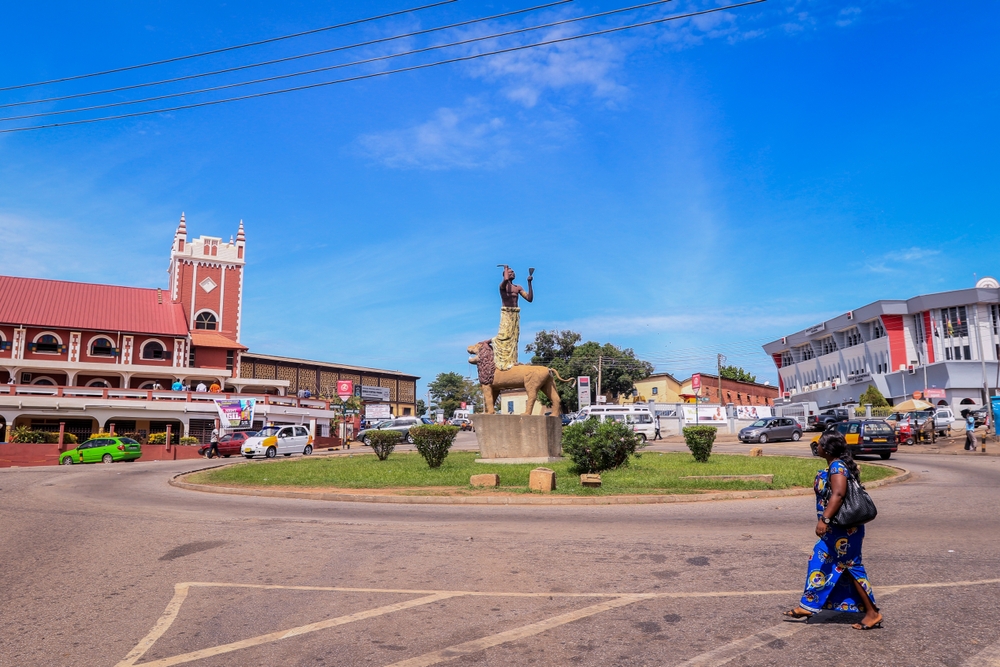
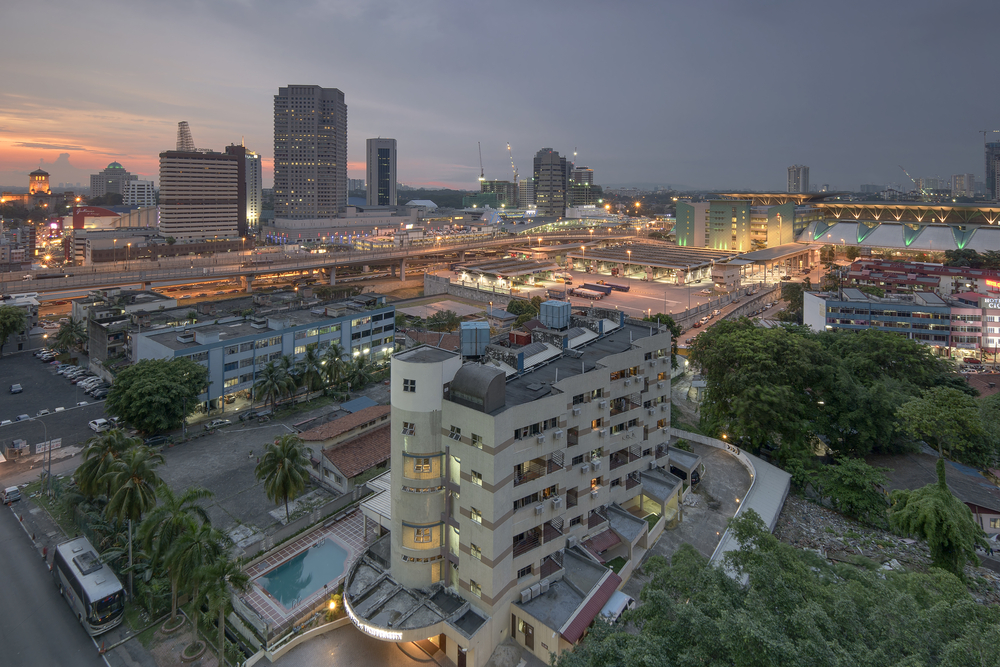
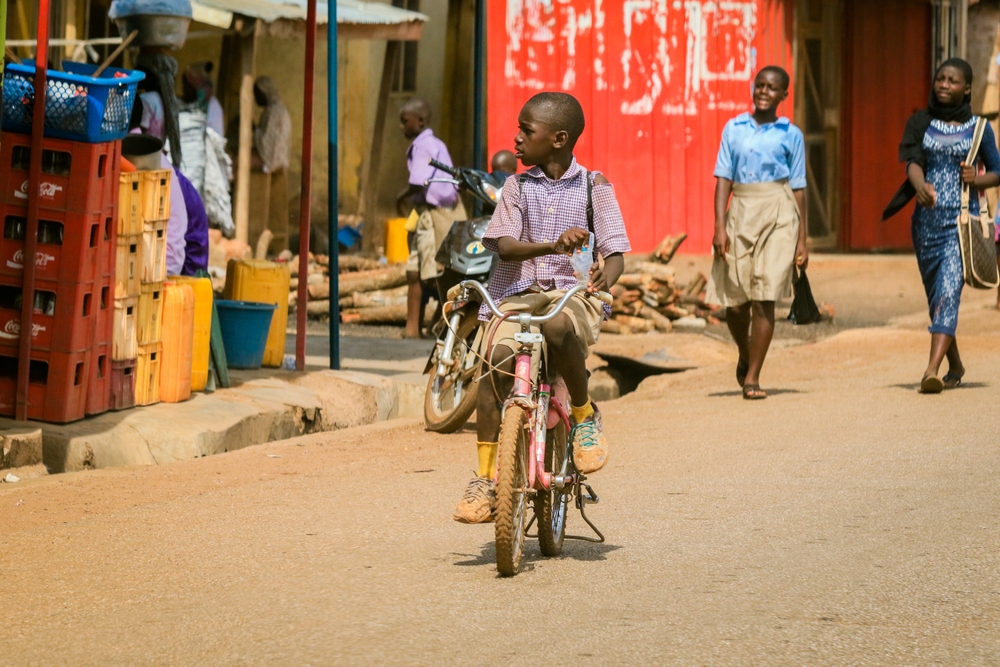
Places like Aqaba
Living here
Life on the Gulf of Aqaba
The expat scene: Small, and built around the water. Foreigners who live here mostly work in tourism, hotels and diving, or teach English, according to residents' accounts. Most of the more than 21 dive sites on Jordan's coast sit inside Aqaba Marine Park, many reachable from shore, so the dive centers double as social hubs. Don't expect the clubs and associations you'd find in Amman.
Shopping and taxes: Aqaba is a special economic zone, and most goods and services carry no sales tax. The zone charges 7% only on a short list of 12 goods, plus restaurants, hotels and tourist car services, with a separate tax on alcohol and tobacco.
Healthcare: The main hospital is Prince Hashem bin Abdullah II, run by the military's Royal Medical Services. It opened in 2013 with 212 beds and treats residents, insured patients and visitors. The Islamic Hospital also has a branch in town. Foreigners pay for care, and the widest choice of specialists is in Amman, so buy international coverage that includes emergency transport to the capital. Hunter Schultz, our healthcare coach, can help you weigh the local hospitals before you commit, and ExpatInsure can set up the coverage.
Internet and remote work: Home internet runs about $30 a month. Connectivity got a boost in October 2025, when the Aqaba Digital Hub opened with Jordan's first undersea cable landing station, and its telecom arm sells fiber to homes in Aqaba. The harder part is the clock: Jordan stays on UTC+3 all year, seven to eight hours ahead of Eastern, by season.
Schools: Aqaba International School offers the IB Primary Years Programme, IGCSE and A-Levels. Visit before you enroll, since the choice here is narrow.
Limited mobility: South Beach has Jordan's first accessible beach, with a 100-meter wheelchair path to the water, floating wheelchairs and an equipped changing room. Beyond that and the newer resort areas, check access place by place, and keep in mind that summer heat makes long stretches outdoors hard for anyone.
Retirement: Aqaba works for retirees who want warm winters on a modest budget and plan to spend the hottest months elsewhere. The catch is legal status, since Jordan has no retirement visa. Americans can buy a five-year multiple-entry visa for 110 JOD (about $155), good for stays of up to 90 days after police registration. For residence, buying a home worth at least JOD 150,000 outside Amman (about $212,000) qualifies, which includes Aqaba: see our Jordan property residency guide. Start with the full guide to moving to Jordan and compare other countries on our retirement visa hub.
Housing
Renting and buying
- 1-bed rent (center)
- $300–$500/mo
- 1-bed rent (outside center)
- $200–$400/mo
- Buy price (center)
- $84/sq ft
- Buy price (outside center)
- $60/sq ft
Expatsi estimates, based on rental listings, government statistics, and local reporting. Coverage here is thin, so treat these as a rough guide.
Good to know
Frequently asked questions
Do you pay sales tax in Aqaba?
Mostly no. Aqaba is a special economic zone where most goods and services carry no sales tax. A 7% tax applies to 12 listed goods and to restaurants, hotels and tourist car services, and alcohol and tobacco carry a separate special tax.
Is there good healthcare in Aqaba?
Aqaba has a 212-bed military-run hospital, Prince Hashem bin Abdullah II, that also treats civilians and visitors, plus a branch of the Islamic Hospital. For some specialist care you may need to go to Amman, so get international health insurance that covers emergency transport there.
Can Americans retire in Aqaba?
Yes, but Jordan has no retirement visa. Many Americans start with the U.S.-only five-year multiple-entry visa (110 JOD, about $155), which allows stays of up to 90 days after police registration. For residence, buying a home worth at least JOD 150,000 (about $212,000) outside Amman qualifies, and that includes Aqaba.
What is the weather like in Aqaba?
Aqaba is hot and very dry, with less than an inch of rain a year. Winters are mild, with January highs averaging about 71F and lows about 51F. Summers are harsh: July and August highs average near 105F.
How much does it cost to live in Aqaba, Jordan?
As of 2026, a single person can expect to spend about $1,000 a month in Aqaba and a couple about $1,600, with a family of four closer to $2,500. A one-bedroom apartment near the center rents for about $400 a month, or about $300 farther out. These are estimates, so build in a cushion.
Is Aqaba safe for Americans?
Aqaba scores 62 out of 100 on our safety index. As of August 29, 2026, the State Department rates all of Jordan Level 3, Reconsider Travel, citing terrorism and armed conflict, and doesn't single Aqaba out. It does advise avoiding the Desert Highway outside Aqaba at night. Read the full advisory and enroll in the State Department's STEP program before you move.
Do you need a car in Aqaba?
Not for daily life in town, where taxis cover most trips. A car helps if you'll often visit the southern beaches, Wadi Rum or Petra. For Amman, Royal Jordanian flies in about an hour and JETT buses take around four hours.
See how Aqaba fits your life
Take the free Expatsi Test and compare Jordan to over 100 countries on what actually matters: cost, healthcare, climate, and safety. About five minutes.
Why not you?