Complete guide to moving to Iceland
Moving to Iceland from the U.S.: permits, costs and long winters in 2026
Iceland rewards people who arrive with a job offer, a university place or family already there. Here's which permit fits you, what a month costs, and what the first year looks like.
Iceland is safe, striking and well run, but its permits are built for people with a specific reason to be there. This guide sorts out that reason, the money, and the first-year surprises.

Reviewed and updated September 27, 2026 · 12 min read
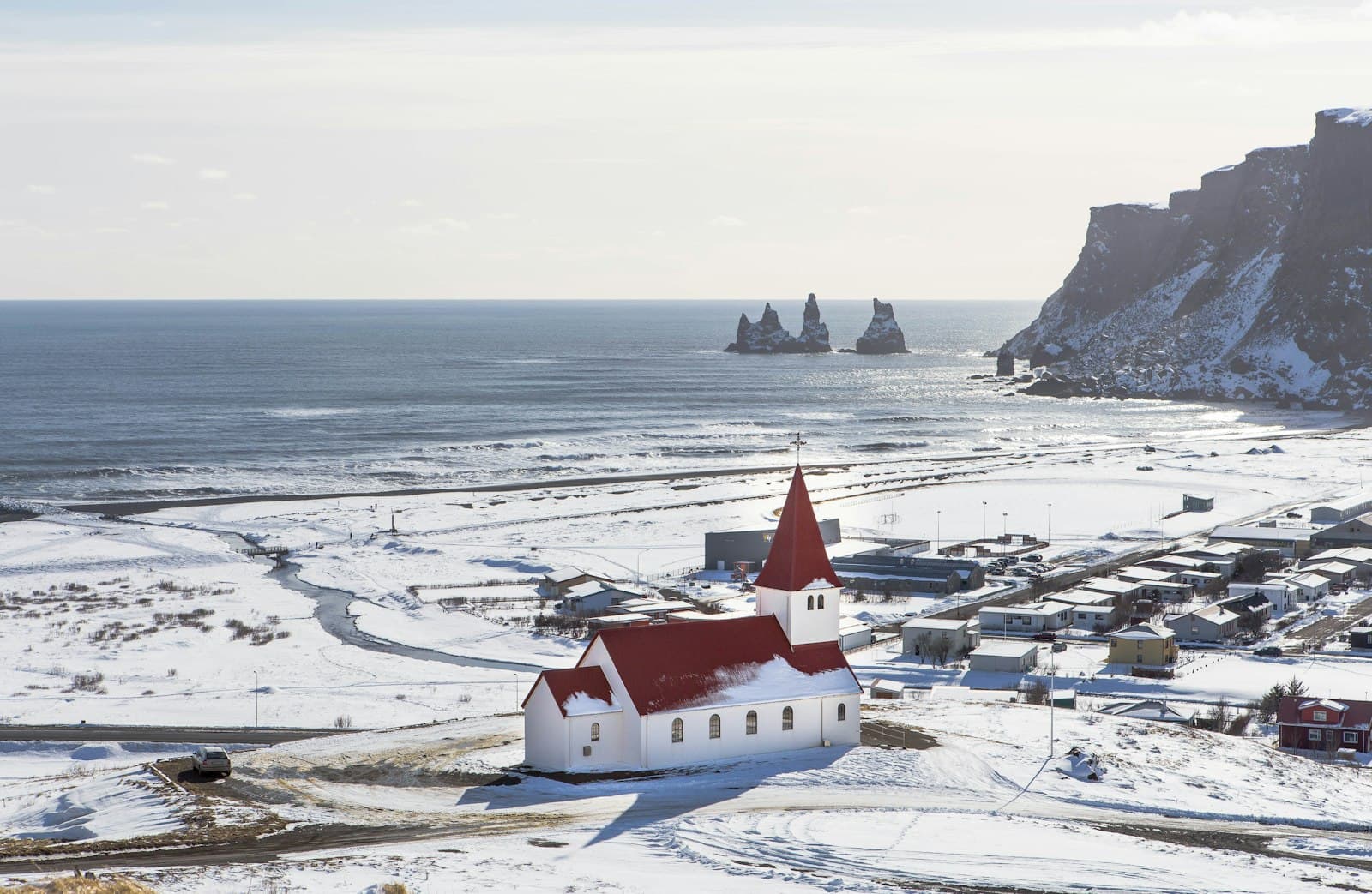
01 · The case for Iceland
What pulls Americans to Iceland, and what pushes some back

Start with safety. Iceland placed first on the 2026 Global Peace Index, its 19th year in a row at the top. The United States came in 134th.
It's also closer than it looks on a map. Icelandair flies nonstop to Keflavík year-round from 11 U.S. airports, including Boston, Chicago, Denver, Seattle, Orlando and both New York airports. Iceland keeps its clocks on UTC all year and hasn't used daylight saving since 1968, so it sits four to five hours ahead of Eastern, by season. A 9 a.m. meeting in New York lands in your early afternoon.
Then there's what a small Nordic country does well. Healthcare is public and the out-of-pocket costs are capped once you're covered. English is widely spoken, which makes the first couple of years far easier, even though permanent residence and citizenship both ask for Icelandic. The landscape here needs no sales pitch: glaciers, black sand beaches and hot springs are part of normal weekends.
Iceland also doesn't make you choose between passports later. It lets new citizens keep their previous nationality, which matters if you're thinking a decade out.
Here's the catch
Iceland isn't a place you move to because you'd like to. Its permits are built around a reason: a job, a degree program, or a spouse or close family member. Four things trip up Americans most.
There's no retirement visa. Americans living on Social Security, a pension or investments have no standard permit, and the few exceptions are narrow. We explain the one real workaround below.
The remote work visa isn't a move. It's a temporary stay on a foreign paycheck, and guides report you can't renew it. Think of it as a long winter or summer, not a new home.
It costs a lot. Rent, food out and borrowing all run high, and the numbers section below shows how high.
The winters are dark and the paperwork is slow. Reykjavík gets about five hours of daylight in early December (and roughly 21 in late June), and first permits take many months to come through. If you've got the reason and the patience, the rest of this guide is for you.
- Cost of living (single)
- $3,850/mo
- Safety index
- 80/100
- English proficiency
- 90/100
- Internet speed
- 200 Mbps
- Currency
- Icelandic króna (ISK)
- Capital
- Reykjavík
02 · The numbers
A month in Iceland, in dollars
$6,000
Monthly budget, couple
all in, as of 2026
$3,850
Monthly budget, single
all in, as of 2026
$2,250
Rent, 1-bed city center
$2,000 outside center
$27
Inexpensive meal out
one person
$88
Monthly transit pass
buses, capital area
$86
Home internet, monthly
fast and reliable
$9,200
Monthly budget, family
housing included
ISK 120
About one U.S. dollar
Central Bank, Sept 2026
Where the money goes

Rent is the biggest line. A one-bedroom in a city center averages about $2,250 a month in our 2026 data, and moving out of the center only saves around $250. Capital-area rents rose 122% over the 2014 to 2024 decade, according to Íslandsbanki. The good news is that the pressure has eased: rents were up 5.7% year over year in June 2026, and they've been rising more slowly than wages since mid-2025.
Eating out adds up fast, with a simple meal around $27, so the budget math favors cooking at home. A monthly bus pass runs about $88, and home internet is quick and costs about $86.
Two other numbers shape the budget. Inflation was 5.6% in September 2026, well above the Central Bank's 2.5% target, and the key interest rate sat at 8%. Both push up prices and mortgage costs. Iceland also has no legal minimum wage; union agreements set pay floors for each trade, and employers can't go below them.
Thinking of buying? Once you're domiciled in Iceland, you can buy like anyone else. Americans who aren't living there need permission from the minister of justice, which is why renting first makes sense.
The permit floor isn't your real budget
Most Icelandic permits ask you to show at least ISK 259,951 a month for one person, about $2,170, or ISK 415,922 for a married couple, about $3,470 (2026 figures). That's the legal minimum, not a comfortable life: our couple's budget is closer to $6,000. In practice, the job, the scholarship or the spouse's income is what makes Iceland work. Here's how each route plays out.
03 · Your route in
How Americans qualify to live in Iceland

Iceland sorts permits by why you're there, not by how much money you have. Match your situation below. Two things apply to all of them: application fees aren't refunded, and the Directorate of Immigration says a first residence permit can take eight to 10 months (its queue page, September 2026). Plan backward from your move date.
Hired by an Icelandic employer: the expert work permit
This is the route for working-age Americans with skills an Icelandic employer can't find nearby. You need a job that requires recognized university-level, technical or artistic training, and the employer files the application. Before hiring you, the employer has to ask the Directorate of Labour to look for a worker in Iceland and the rest of the EEA, so niche skills help. The permit is tied to that employer and job. It's usually granted for one year, and up to four years at a time. If the job ends, you can apply for a 12-month permit to look for another one. The first permit costs about $670 (ISK 80,000) as of 2026. Since July 8, 2026, the Directorate of Immigration handles work permits directly, and holders of a doctorate can get a 12-month specialist permit without a separate work permit. Spouses of expert permit holders can work without their own work permit.
Studying: the student residence permit
A degree program is a realistic route for many Americans. Students can work up to 60% of full-time hours, and after graduating you can renew for up to 18 months to find a job (down from three years before July 2026). Each renewal needs proof you finished at least 75% of a full course load. Only full-time bachelor's, master's and doctoral students can bring family. The money is changing: for 2026-27 the University of Iceland charges a registration fee of about $835 (ISK 100,000) plus a $165 (ISK 20,000) application fee. Full tuition for non-EEA students starts in 2027-28 and the amounts aren't set yet. Complete applications filed by May 1 for fall are processed before classes start.
Working remotely: the long-term visa
If you work for a U.S. company or foreign clients, this visa lets you stay up to 180 days. The fee is about $100 (ISK 12,200), and the application is on paper. Guides report you'll need to show about $8,350 a month (ISK 1,000,000), or about $10,850 (ISK 1,300,000) with a spouse. You have to leave for a full year before applying again, too. Treat it as a six-month trial run, not residency. One tax note: six months or more in a 12-month period makes you an Icelandic tax resident, so plan your time here accordingly.
Joining a partner or family
If your spouse or partner is Icelandic, or holds certain permits (including an expert work permit), you can apply to join them. The spouse permit costs about $920 (ISK 110,000) as of 2026, is granted for one to two years at a time, and renews for about $500 (ISK 60,000). Spouses of Icelandic citizens can work without a separate work permit.
Retiring: no visa, one narrow door
Iceland has no retirement visa. The exception that works is family: parents 67 or older can join an adult child who's an Icelandic citizen, a permanent resident or on a qualifying permit. The child shows about $1,085 a month (ISK 129,976) in support for you, and you need private health coverage of at least about $16,700 (ISK 2,000,000). Permits for "special ties" or a "legitimate and special purpose" exist, but the government grants them only in exceptional cases. Otherwise, you're limited to visa-free visits of 90 days in any 180.
The long game: permanent residence and citizenship
After four years of continuous residence on a qualifying permit, you can apply for permanent residence for about $500 (ISK 60,000). You'll need 150 Icelandic lessons (or a passing test) and no more than 90 days a year abroad. Citizenship takes seven years of domicile, an Icelandic language test and the same fee, and Iceland doesn't make you give up your U.S. citizenship.
Work Visa (Residence Permit for Work)
For skilled hires the employer sponsors
For jobs that need recognized university-level or technical training. The employer files, and the permit is tied to that job.
- Valid US passport
- Job offer from an Icelandic employer
- Completed application form
Student Visa (Residence Permit for Study)
Work part time, then 18 months to job-hunt
Work up to 60% of full time while you study. Only degree students can bring family.
- Valid US passport
- Letter of acceptance from an Icelandic educational institution
- Proof of financial means
Digital Nomad Visa
A six-month stay, not a move
Up to 180 days on foreign income. Guides report a high income bar and a one-year wait before reapplying.
- Valid US passport
- Proof of remote employment or self-employment outside Iceland
- Proof of sufficient income
Residence Permit
Family permits, including parents 67 and up
Join a spouse or partner, or an adult child if you're 67 or older. Iceland has no separate retirement visa.
- Valid US passport
- Proof of purpose (work, study, family reunification, etc.)
- Completed application form
04 · The practical stuff
Healthcare, taxes, banking and bringing the dog
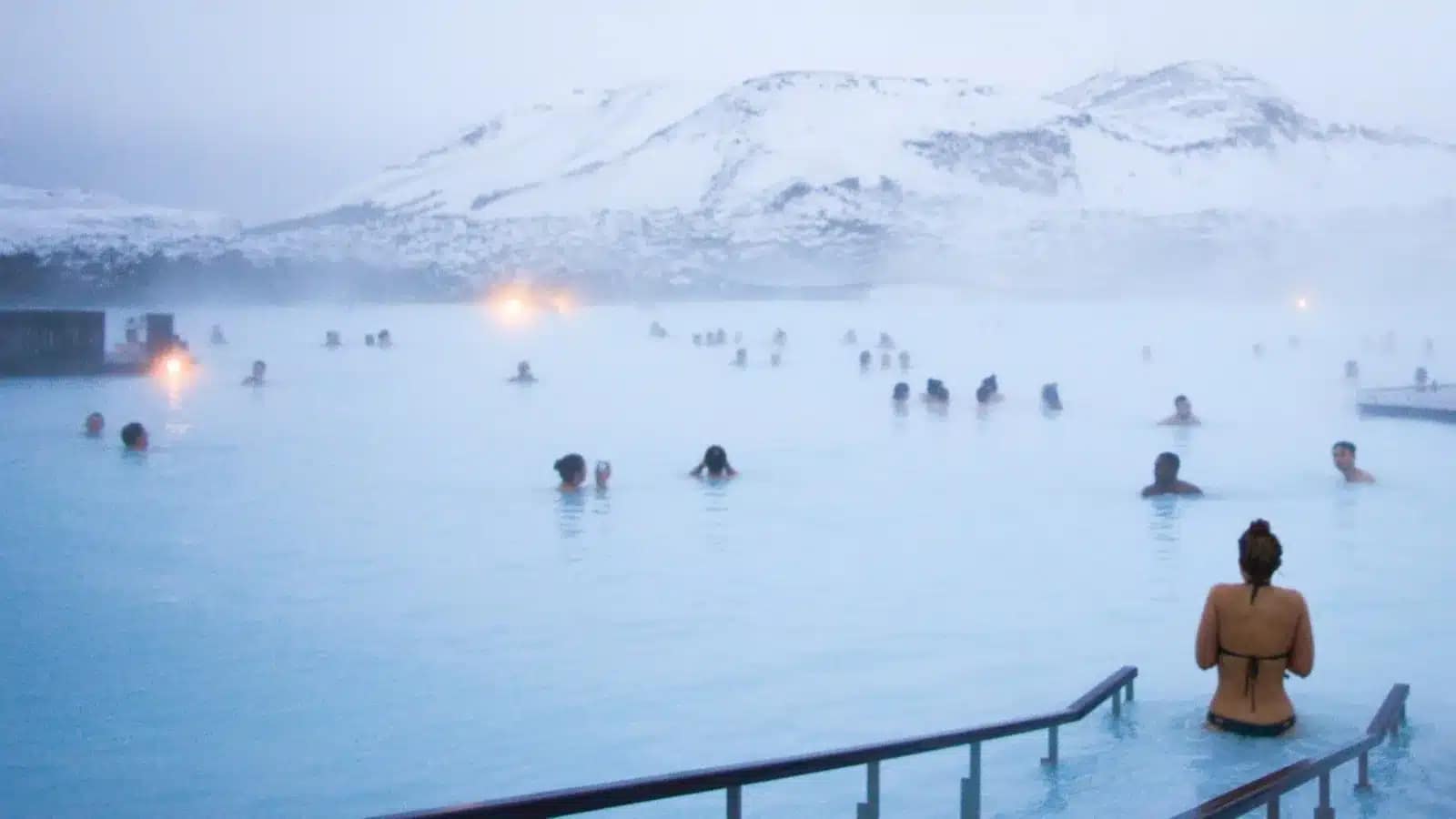
Getting the permit is half the work. Here's what the first six months look like on the ground.
Healthcare
Iceland's public insurance covers people moving from outside the EEA six months after they register their residence. Until then you're on your own, and non-Europeans must buy private coverage. Icelandic insurers Sjóvá, TM, VÍS and Vörður sell it, and your permit application needs a policy worth at least about $16,700 (ISK 2,000,000). Once you're in, most adults pay no more than about $315 (ISK 37,794) a year out of pocket. Adult dental care isn't covered, so budget for it. Hunter Schultz, our healthcare coach, helps people plan that gap, and ExpatInsure can set up the private policy.
Taxes
Iceland taxes residents on worldwide income, and you become a resident by spending six months or more there in any 12-month period. The 2026 rates are 31.49% on monthly income up to ISK 498,122 (about $4,160), 37.99% up to ISK 1,398,450 (about $11,670), and 46.29% above that. Capital gains and investment income pay a flat 22%. The U.S. still taxes you too: the 2007 U.S.-Iceland treaty keeps the U.S. right to tax its citizens, so Americans lean on foreign tax credits or the Foreign Earned Income Exclusion. A Social Security agreement between the two countries means you pay into only one system. If you're self-employed and living in Iceland, that system is Iceland's. MyExpatTaxes files U.S. returns for Americans abroad, and Beacon Global Advisors helps keep 401(k)s and IRAs working after you go.
Your ID number and bank account
Almost everything runs on the kennitala, a 10-digit national ID number. Americans get it as part of the residence permit process, and you'll need it to open a bank account, register your address and get a phone plan. With it, your bank or phone company can issue the electronic ID most Icelandic services use. Moneycorp can move dollars into krónur on a schedule once your account is open.
Driving
A U.S. license doesn't swap over. After six months of residence, you apply for an Icelandic license, taking both written and road tests. The application fee is about $70 (ISK 8,600).
Pets
Dogs and cats can only enter through Keflavík, spending at least 14 days in quarantine at an approved station. The rabies blood test must be done at least 90 days before arrival, and the import fee starts at about $340 (ISK 40,648) per animal, with the quarantine station billing separately. Start at least four months out.
This guide is dated on purpose
Iceland rewrote its residence and work permit rules on July 8, 2026, and tuition for non-EEA students starts in 2027-28 at prices that aren't set yet. Everything here reflects the rules as of September 2026. Check the Directorate of Immigration's current pages, or talk to a professional, before you file.
05 · Finding your spot
Choosing where to live in Iceland
For most Americans, the permit picks the town. An expert job, a university place or a partner already in Iceland usually decides where you land, so start there and work outward.
The rent trends in this guide come from the capital area. If you're weighing a town farther out to save on rent, check the commute in December, not July: short days and winter roads change the math.
One local factor to know about is volcanic activity on the Reykjanes peninsula, southwest of Reykjavík. Eruptions there have led to evacuations of the town of Grindavík and the Blue Lagoon, while flights at nearby Keflavík airport kept running on schedule. If a listing is on the peninsula, read the local civil protection updates before you sign.
Iceland city guides
Where to live in Iceland
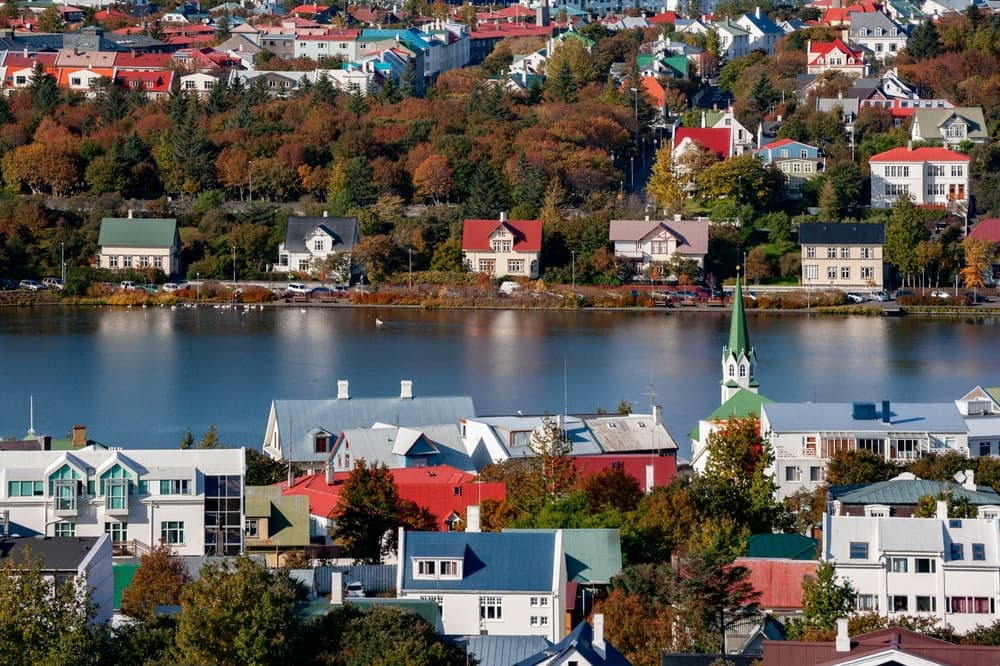
Reykjavík
Small capital, big weather
For people who want a compact, safe capital where English works and wild nature is a short drive away. Hot-spring pools are a daily habit, Laugavegur is the main shopping street, and the northern lights show up in winter. The catch is the cost of rent and eating out, plus very short winter days.
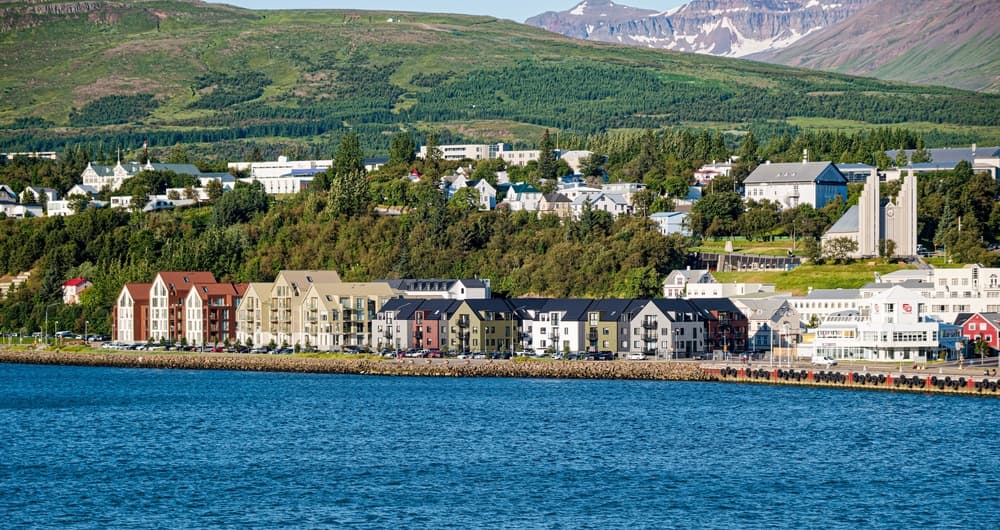
Akureyri
Northern town
A town of about 20,000 for people who want Iceland without the capital: ski slopes at Hlíðarfjall, a botanical garden, and whale watching on the nearby fjord. The catch is a long winter, limited housing, and a short domestic flight or a long drive to reach Reykjavik.
06 · Your move team
Your Iceland move team
An Iceland move has more moving parts than most: a six-month healthcare gap, two tax systems, a pet quarantine and a new currency. These are the Expatsi-vetted people who handle those pieces, grouped by what they do.

Hunter Schultz
Healthcare Coach
A healthcare coach with more than 20 years of expat life and a background in air medical transport. In a one-hour session he maps out your care plan, including how to cover the months before public insurance starts.
Learn more
ExpatInsure
Global Health Insurance
Expatsi's international health insurance partner, led by Andy Seale and Stephanie Edwards. They find private coverage that fits a residence permit application and your life abroad.
Learn more
MyExpatTaxes
U.S. Expat Tax Service
Tax software and support built for Americans abroad, running since 2018. They handle the U.S. return you still owe every year, including foreign tax credits and the Foreign Earned Income Exclusion.
Learn more
Beacon Global Advisors
Financial Planning
A financial planning firm for Americans leaving the country. They keep 401(k)s, IRAs and brokerage access working after you move, and coordinate the plan with your tax situation.
Learn more
Moneycorp
Currency Exchange
A currency and international payments company in business since 1979, led for U.S. clients by Kelly Cutchin. They convert dollars to krónur and set up regular transfers for rent and bills.
Learn more
Bodzin Pet Travel Solutions
Pet Relocation
A pet travel concierge founded by Aliza Bodzin. They plan the vet appointments, blood tests, crate, flights and paperwork so your dog or cat is ready for Iceland's import rules.
Learn more
Culturosity Co.
Cultural Skills Coach
Co-founders Jennifer and Janka coach individuals and groups on adapting to a new culture, using research-backed intercultural frameworks. Useful for the social side of a small, tight-knit country.
Learn more07 · Quick answers
Moving to Iceland: frequently asked questions
Can I bring my dog or cat to Iceland?
Yes, with planning. Pets can only arrive through Keflavík airport and must spend at least 14 days in quarantine at an approved station; home quarantine isn't allowed. The rabies blood sample must be taken at least 90 days before import, and the import fee starts at ISK 40,648 per animal, about $340 as of 2026, with quarantine billed separately by the station.
Is healthcare free in Iceland for new residents?
Not right away. People moving to Iceland from outside the EEA are covered by public health insurance six months after registering their residence, and must buy private insurance until then from an Icelandic insurer. Once covered, most adults pay no more than ISK 37,794 a year out of pocket, about $315 as of 2026. Adult dental care isn't covered by the public system.
Can I retire in Iceland as an American?
Not through a retirement visa, because Iceland doesn't have one. The route that works is family: if you're 67 or older and your adult child is an Icelandic citizen, a permanent resident or holds a qualifying permit, you can apply to join them. Your child must show about ISK 129,976 a month (about $1,085 in 2026) in support, and you need private health insurance. Other permits based on special ties are granted only in exceptional cases.
How long does it take to get an Iceland residence permit?
Iceland's Directorate of Immigration says a first residence permit can take eight to 10 months (September 2026). Student applications that are complete and filed by May 1 for the fall semester, or October 1 for spring, are processed before classes start. Application fees aren't refunded, so file a complete application the first time.
Can Americans move to Iceland?
Yes, but you need a reason Iceland's permit system recognizes: a qualifying job with an Icelandic employer, a place in a degree program, or a spouse, partner or adult child already living there. Iceland has no retirement visa and no permit you can get just by showing savings. Americans can visit visa-free for up to 90 days in any 180-day period, and a first residence permit can take eight to 10 months to process, according to the Directorate of Immigration in September 2026.
How much money do I need to live in Iceland?
Expatsi's 2026 data puts a comfortable monthly budget at about $3,850 for one person, $6,000 for a couple and $9,200 for a family, with a city-center one-bedroom averaging about $2,250. For permits, the legal minimum is lower: ISK 259,951 a month for one person, about $2,170, or ISK 415,922 for a married couple, about $3,470. Few people live comfortably at that floor.
Does Iceland have a digital nomad visa?
Iceland has a long-term visa for remote workers that lets you stay up to 180 days while working for a company or clients outside Iceland. The application fee is ISK 12,200, about $100 as of 2026, and it's filed on paper. Guides report an income requirement of ISK 1,000,000 a month, about $8,350, and say you must leave for a year before applying again. It doesn't give you residence.
Can I become an Icelandic citizen and keep my U.S. citizenship?
Yes. Iceland doesn't require new citizens to give up their previous nationality. Most Americans can apply after seven years of domicile in Iceland. You'll need to pass an Icelandic language test, show you can support yourself, have no tax arrears, and pay an application fee of ISK 60,000, about $500 as of 2026.
Sources
- New residence and work permit rules take effect (July 8, 2026) · Directorate of Immigration (checked September 2026)
- Waiting time for applications · Directorate of Immigration (checked September 2026)
- Fees · Directorate of Immigration (checked September 2026)
- Work permit: expert knowledge · Ísland.is (checked September 2026)
- Permanent residence permit requirements · Ísland.is (checked September 2026)
- Residence permit for parents 67+ · Ísland.is (checked September 2026)
- Health insurance when moving to Iceland · Ísland.is (checked September 2026)
- Tax brackets 2026 · Skatturinn (Iceland Revenue and Customs) (checked September 2026)
- Totalization agreement with Iceland · U.S. Social Security Administration (checked September 2026)
- Rent price inflation eases (July 2026) · Íslandsbanki (checked September 2026)
- Import of live animals: FAQ · Matvælastofnun (MAST) (checked September 2026)
- University fees · University of Iceland (checked September 2026)
See how Iceland fits your life
Take the free Expatsi Test and compare Iceland with other countries on what matters to you: cost, healthcare, climate and safety.
Why not you?