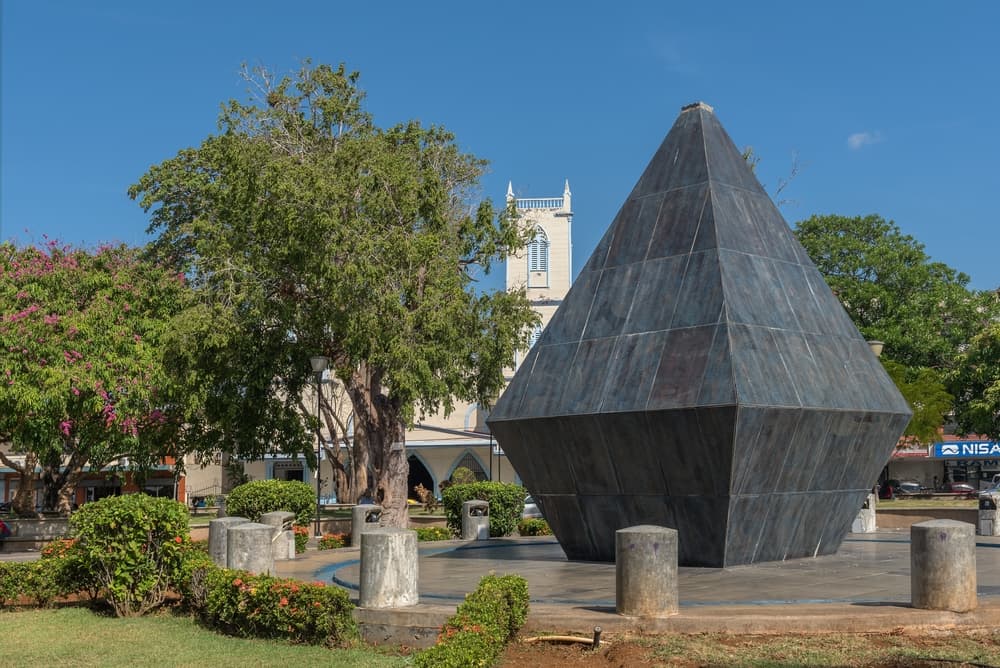
David: Panama's workhorse city, with everything you need at provincial prices
Western Panama's commercial hub, and the cheapest place we cover in the country, with the Boquete highlands less than an hour up the road.
- 82,907
- Population (2010)
- $1,300/mo
- Monthly budget · single
- 77°F / 25°C
- Avg temperature
Budget about $1,300 a month in U.S. dollars for one person in David, around $1,900 for a couple, and roughly $2,800 for a family. Center rents average about $500 for a one-bedroom, or about $400 once you move out of the core. Panama runs on the U.S. dollar, so there's no exchange math or conversion fees eating into a pension or paycheck.
David is the capital of Chiriquí Province and third-largest urban area in Panama. It's a working city, not a postcard. It suits people who want functioning infrastructure at provincial prices: real supermarkets, hardware stores, banks, an airport with daily flights to Panama City, and two private hospitals. Many Americans who settle up the mountain in Boquete or Volcán treat David as their supply and medical base; a growing number of them now just live here instead.
The trade-off is the heat. Average daily highs run from about 81 F in the rainy months to about 92 F in March; nights average in the low 70s, and the year brings roughly 153 inches (3,898 mm) of rain, most of it between April and December. You'll budget for air conditioning year round, and the city itself offers little in the way of nightlife or an arts scene.
At a glance
$1,300
Monthly budget · single person
$500/mo 1-bed rent, center
65/100
Safety index
$35
Internet / month
77°Fannual average
Oct 75° · Mar 81°
Climate
82,907
Population (2010)
Expatsi estimates, updated Aug 2026, based on rental listings, government statistics, and local reporting.
Cost of living
What it costs to live in David
Single person
$1,100–$1,500/mo
about 60% below Austin, TX
Couple
$1,600–$2,200/mo
about 60% below Austin, TX
Family of four
$2,300–$3,300/mo
about 65% below Austin, TX
Compared with Austin, TX (Expatsi estimate, 2026).
- $6 −70%
- Inexpensive meal
- $400–$600/mo −74%
- 1-bed rent, center
- $300–$450/mo −70%
- 1-bed rent, outside
- $35/mo −46%
- Internet
- $111/sq ft −83%
- Buy price, center
Expatsi estimates, updated Aug 2026, based on rental listings, government statistics, and local reporting.
Daily life
How David lives
- B- grade, 33rd percentile among the cities we track
- Dining & caféstypical
- B- grade, 29th percentile among the cities we track
- Arts & culturetypical
- C+ grade, 24th percentile among the cities we track
- Parks & outdoorsmodest
- B- grade, 28th percentile among the cities we track
- Schools & educationtypical
- B+ grade, 56th percentile among the cities we track
- Healthcare accessstrong
- B- grade, 30th percentile among the cities we track
- Bike infrastructuretypical
- B grade, 41st percentile among the cities we track
- Public transittypical
- A- grade, good physical accessibility
- Accessibilitygood
Graded on OpenStreetMap amenity density relative to the 298 cities we track. Accessibility is the exception: it's graded against a fixed standard (terrain steepness and sidewalk surfaces), not a curve.
Climate
Weather through the year
Annual average 77°F (25°C) · 153 in of rain a year · Source: Open-Meteo Historical Weather API (temps: ERA5-Land 0.1°; precip/sunshine: ERA5 best-match; 1991-2020 normals)
On the ground
Scenes from David
Getting around
Transport in David
Day to day, most people in David move by a mix of city buses, taxis, and their own cars. Local buses are small and frequent along the main corridors. Taxis are plentiful and cheap for short hops around town. Ride-hailing works here, which isn't true of most of the province, but waits are longer than in the capital. Plenty of residents still keep a trusted driver's number in their WhatsApp.
For regional trips, the terminal near downtown runs frequent buses up the mountain to Boquete (about 45 minutes) and out to Volcán, plus long-haul coaches to Panama City that take six to seven hours. Enrique Malek International Airport sits on the edge of town and flies to Panama City several times a day, which is how residents connect onward.
The center is flat and compact enough to walk, and the blocks around Parque Cervantes and the cathedral have decent sidewalks. Past that the pavement gets patchy, and the midday heat pushes errands into the early morning either way.
So a car does more work here than the walkable center suggests. Housing, the big-box stores, Playa La Barqueta about half an hour southwest, and the highlands all sit outside town, and a vehicle is what turns David's location into its main asset.
- 17/sq mi
- Transit stops
- 0.8/sq mi
- Bike infrastructure
- 3.3/sq mi
- Wheelchair-accessible places
Mapped features per square mile from OpenStreetMap.
Keep exploring
Places like David
 Coming soon
Johor Bahru
Malaysia
797.9K people · $1,200/mo
 Coming soon
Santiago de los Caballeros
Dominican Republic
1.3M people · $1,500/mo
Manta
Ecuador
258.7K people · $1,200/mo
La Paz
Mexico
250.1K people · $1,600/mo
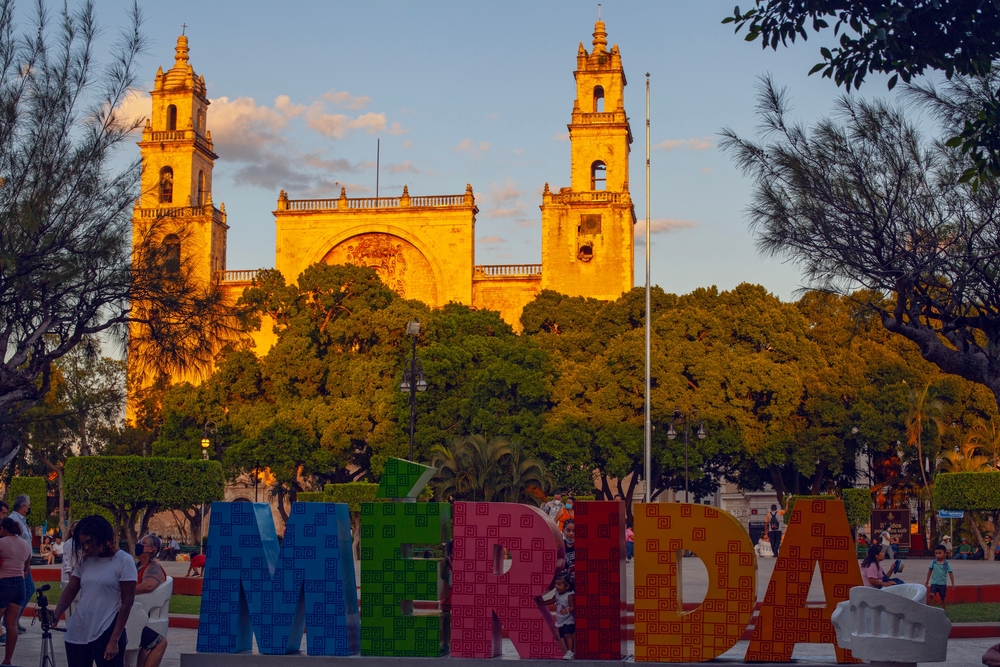
Mérida
Mexico
892.4K people · $1,500/mo
 Coming soon
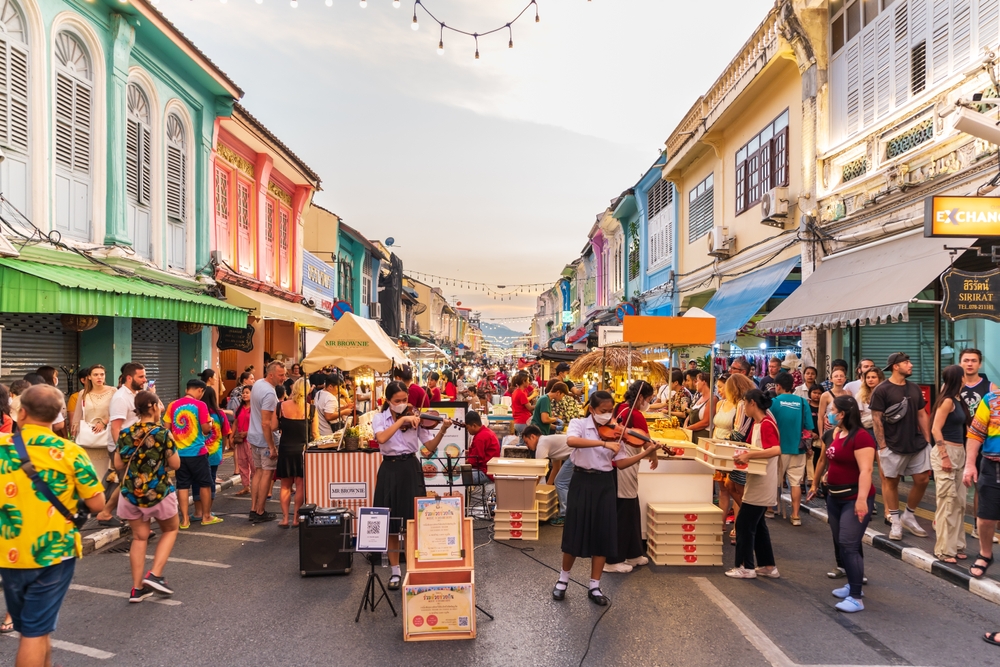
Phuket City
Thailand
77.6K people · $1,600/mo
Community
Community & practical notes
The expat scene: David's foreign population is modest and practical rather than social. The big American and Canadian communities in Chiriquí cluster up the mountain in Boquete and Volcán, with David working as their shared downtown for banking, immigration lawyers, and hospital visits. Foreigners who live in the city itself are folded into Panamanian daily life. Conversational Spanish matters more here than almost anywhere else Americans move in Panama.
Healthcare: This is where the whole province comes for care. Hospital Chiriquí and Centro Médico Mae Lewis are the private options, while the public Hospital Regional Rafael Hernández carries the province's caseload. Most newcomers pay cash for routine visits or buy a local plan, though some hospitals run their own membership discount programs. Medicare doesn't cover care outside the United States, which Americans often learn late.
Limited mobility: Better than you might expect for a provincial Central American city, with real caveats. The ground is genuinely flat and central blocks are walkable. Curb cuts are hit or miss; sidewalk quality drops off quickly outside the center, and city buses are not equipped for wheelchairs. Getting around reliably means a car, driver, and a newer building. The street-level mapping behind the accessibility grade above is thin, so read this as a rough signal.
Getting online: Tigo is the main home provide; its fiber and cable infrastructure reaches most neighborhoods. The coworking scene is small; remote workers mostly work from home or a cafe, or drive up to Boquete. The local economy runs on agriculture, cattle, retail, and services, so foreigners working here almost always carry a U.S. income.
Retiring here: Panama's Pensionado program is why a lot of Americans end up in Chiriquí at all. It wants proof of a guaranteed lifetime pension, $1,000 a month or more, and Social Security counts. In return, you get permanent residency and legally mandated discounts on medical bills, flights, restaurants, and utilities. Panama won't ask you to live here full time, though you do have to come back periodically to keep your visa current, and a Panamanian lawyer has to file it. Compare programs at retirement visa options, and see the whole country picture in our Panama guide.
Housing
Renting and buying
- 1-bed rent (center)
- $400–$600/mo
- 1-bed rent (outside center)
- $300–$450/mo
- Buy price (center)
- $111/sq ft
- Buy price (outside center)
- $84/sq ft
Expatsi estimates, based on rental listings, government statistics, and local reporting.
Good to know
Frequently asked questions
How is healthcare in David?
David is the medical center for western Panama, with two private hospitals and a large public regional hospital in town. Routine consultations are cheap enough that many expats simply pay cash, and local private insurance is sold here, though plans often carry age caps and exclusions for pre-existing conditions. Complex specialty procedures may still mean a one-hour flight to the capital.
Is David a good place to retire?
It works well for retirees who want low costs, solid healthcare access, and practicality more than charm. The budget above covers a comfortable life, the region's hospitals are in town, and the Pensionado program adds legally mandated senior discounts. Retirees who want cooler air and a bigger English-speaking social scene usually settle in Boquete and come down to David for errands.
Is internet in David fast enough for remote work?
Yes, in most of the city. Home internet runs about $35 a month, and fiber service in urban David handles video calls and large uploads without trouble. Coverage gets patchier in rural areas outside town, so confirm the specific address before signing a lease.
Do I need a car in David?
You can manage without one in the compact, flat center, using local buses and cheap taxis. But a car is genuinely useful, because housing, shopping, the Pacific beaches, and the Chiriquí highlands are all a drive away. Many residents treat a vehicle as part of the cost of living well here.
What is the weather like in David?
Hot and humid year-round. Rain totals roughly 153 inches a year (3,898 mm), and the annual average temperature is around 77.5 F (25.3 C). The dry season runs roughly January through March; the rest of the year brings regular afternoon downpours. There is no winter, and air conditioning is a standard household expense.
How do Americans move to David?
Most arrive on a tourist entry, then apply for residency through a Panamanian immigration lawyer based in David or the capital. The common routes are the Pensionado visa for retirees with a guaranteed lifetime pension, and the Friendly Nations visa for working-age applicants, which since 2021 has meant $200,000 in Panamanian property or a fixed-term deposit, or a local job. Processing typically takes a few months, and you can be in the country while it runs.
How much does it cost to live in David, Panama?
In U.S. dollars, which is Panama's everyday currency, one person needs roughly $1,300 a month here, a couple about $1,900, and a family around $2,800. A one-bedroom apartment averages about $500 in the center and about $400 outside it. A meal at an inexpensive restaurant runs about $6.
Is David, Panama safe?
David scores 65 on the safety index with a crime index of 35. Of the seven places we track in Panama, that puts it mid-pack: safer than Panama City or Bocas del Toro, below Boquete and El Valle de Antón. Most incidents are property crime rather than violent crime. Standard precautions apply: secure your home, keep valuables out of sight in cars, and be careful after dark in unfamiliar neighborhoods.
See how David fits your life
Take the free Expatsi Test and compare Panama to nearly 200 countries on what actually matters: cost, healthcare, climate, and safety. About five minutes.
Why not you?