Country guide
Moving to Australia in 2026: Visas, Costs and Who Gets In
Skilled workers have the clearest shot, and Americans under 31 can get a year of work and travel on a Working Holiday visa. Here's the honest math.
Australia runs one of the most organized skilled migration systems in the world, and it tells you exactly what it wants: nurses, teachers, tradespeople, engineers and anyone an employer will sponsor. This guide walks through what the move actually costs, which visa fits you, and where the rules bite.

By Jen Barnett, Co-founder, Expatsi
Reviewed and updated September 14, 2026 · 12 min read
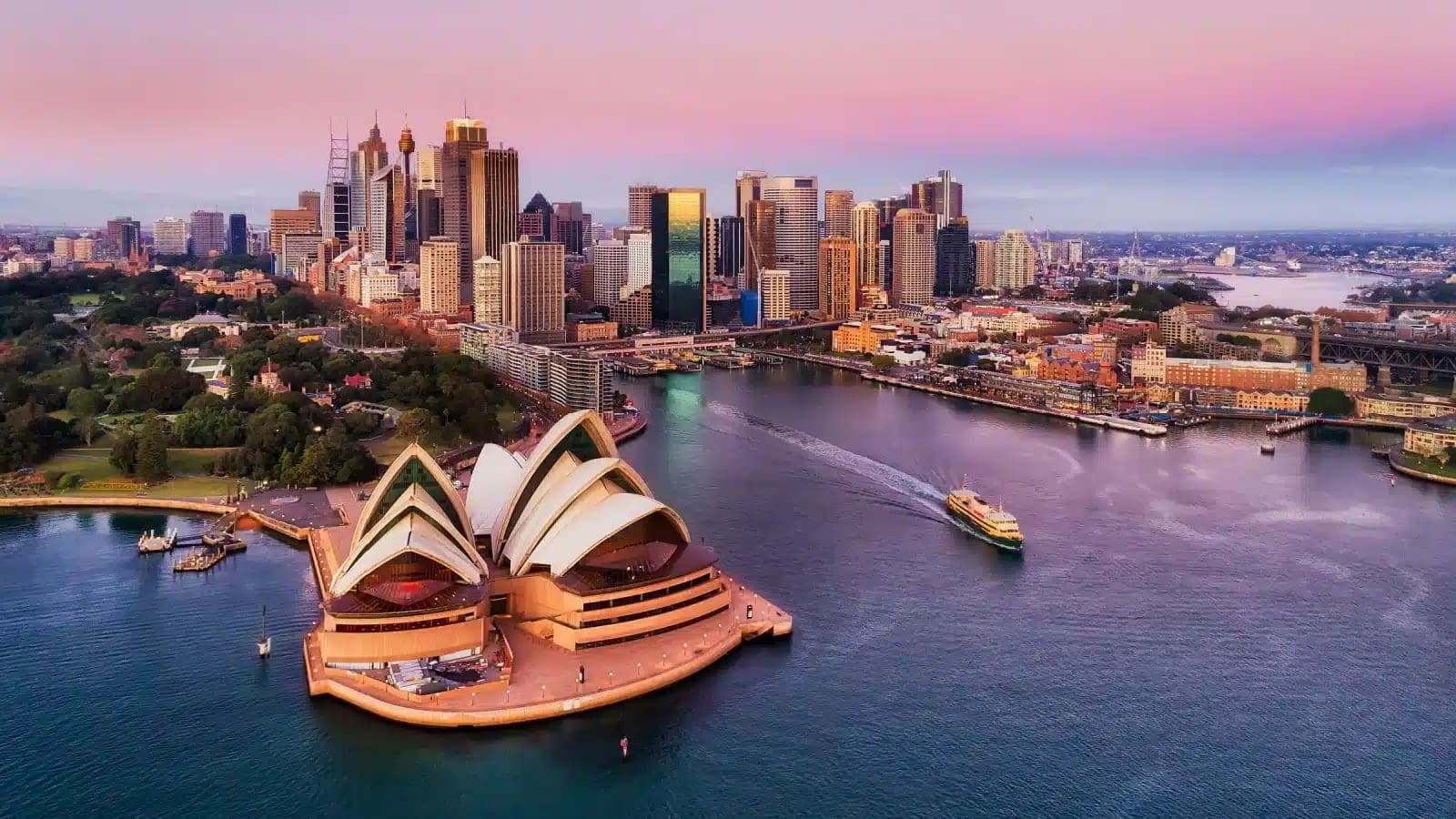
01 · The case for Australia
Why Americans keep looking at Australia
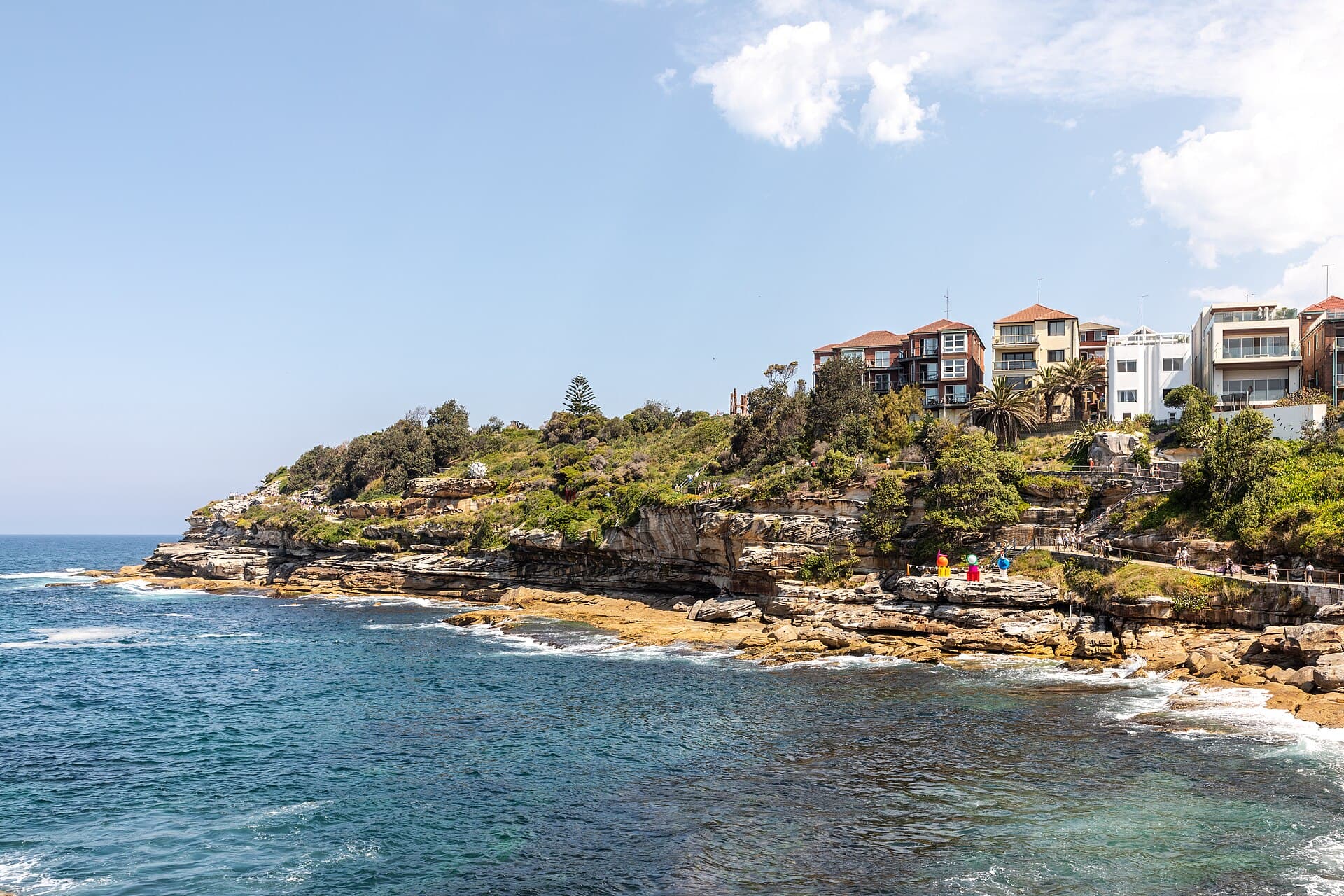
Start with the obvious part. Everyone speaks English, the paperwork is in English, and your degree is read by people who trained on the same textbooks. About 122,030 Australian residents were born in the United States as of mid-2025, so you're not the first person from Ohio to show up in Brisbane with a moving box.
Then there's the quality of life, which is not marketing copy here. Expatsi rates Australia at 75 for safety and 85 for healthcare access. Crime is low, and Medicare covers permanent residents for doctor visits and public hospital care. The country averages 220 sunny days a year, and the beach, the bush and a national park are usually inside an hour's drive. Australia takes in roughly 185,000 permanent migrants a year; over 70 percent of those places go to skilled workers, so the door is genuinely open if your job is on the list.
Here's the catch
It's far. Los Angeles to Melbourne is about a 15 hour flight, and a trip home for a funeral is two days of travel and a four figure ticket. The skilled visas have age limits that surprise Americans, usually under 45. Medicare does not cover you until you hold permanent residency, because the United States is not one of the 11 countries with a reciprocal health agreement. Also, the rental market is brutal: the national vacancy rate sat at 1.3 percent in July 2026, with every capital city under 2 percent. A balanced market is closer to 3 percent. If you need a house in Sydney next month, this is the chapter to reread.
- Safety index
- 75/100
- English proficiency
- 100/100
- Internet speed
- 85 Mbps
- Capital
- Canberra
- Population
- 26.8M
What a month costs, in US dollars
$3,750
Monthly budget, couple
all in, comfortable
$2,450
Monthly budget, single
one person, city living
$1,400
One bedroom, city center
$1,100 further out
$16
Meal at a casual spot
transit pass runs $94
02 · The numbers
Australia is not cheap, and rent is the reason

Those figures are Expatsi estimates in U.S. dollars, and they hold up for a mid sized city. Internet runs about $54 a month, a transit pass about $94, and a casual meal out about $16. A couple living well in Brisbane or Adelaide lands near the $3,750 mark. In Sydney, add several hundred dollars and expect to fight for the apartment.
The rental crunch is the real budget risk. Cotality put the median advertised rent at $500 a week in mid 2026, up about 5.9 percent in a year and up roughly 40 percent over five years. Adelaide, Perth, Brisbane, Darwin and Hobart were all under 1 percent vacancy this year, which means inspections with 30 other applicants and landlords picking whoever has Australian rental history. You probably won't. Plan on paying four weeks bond plus two weeks rent upfront, bring reference letters and pay stubs. Give yourself six weeks in short term housing rather than two.
One conversion note, because it matters all over this page. The Australian dollar was worth about 72 U.S. cents in mid September 2026. So a A$705 rent is close to $505, and an A$79,423 salary floor is roughly $57,000. Salaries follow the same logic: Australian pay looks lower than American pay on paper, then hands back 12 percent in employer retirement contributions and stops charging you $1,500 a month for family health insurance.
Why the salary floor and the budget line up
Australia will not let an employer sponsor you below the Core Skills Income Threshold, which is A$79,423 a year from 1 July 2026, or the going market rate for the role if that's higher. That floor is roughly $57,000, which is more than a couple's whole annual budget on the numbers above. It's a wage protection rule, not a generosity rule, and it's the single most useful number to know before you talk to an Australian employer.
03 · Who Australia actually wants
Some fields walk in. Others wait years.

Australia publishes its shopping list, which makes this easier than guessing. For 2026 and 2027 the permanent program holds 185,000 places: 132,240 for skilled migrants, 52,460 for family and 300 for special cases. Inside the skilled half, employer sponsored places jumped to 58,040, the biggest single category. State nominated places rose to 35,500 and points tested Skilled Independent places rose to 21,090, while regional places were cut hard, from 33,000 to 14,110.
The fields moving fastest
On 25 July 2026 a new rule, Ministerial Direction 119, reordered the processing queue. Law enforcement and defence roles go first. Afterwards come healthcare, teaching and construction, but only for applicants who are already in Australia when they apply. Everyone else waits, and offshore applicants in those same fields get no special treatment. Translation: if you're a nurse or builder, getting onshore first on a temporary visa is worth real months in the job search.
What the points rounds show
The June 2026 Skilled Independent round told the same story from a different angle. Carpenters, electricians, bricklayers, plasterers, tilers and glaziers were invited at 65 points, the bare minimum. Nine nursing specialties were invited. Software and ICT occupations needed 80 to 95 points or more, because that pool is enormous. Accountants sit in the same traffic jam.
The good news: you can check yourself against the list before spending a dollar. Our Australia jobs page tracks live openings, and the work visa hub compares skilled routes across countries if Australia turns out to be the long way round for your field.
Fields with the shortest road in
Healthcare and aged care
Nurses, midwives, physiotherapists and social workers. Nine nursing specialties were invited in the June 2026 points round.
Construction and trades
Carpenters, electricians, bricklayers, plasterers and tilers were all invited at the 65 point minimum in June 2026.
Teaching
Schools are short staffed in most states. Teaching sits in the same priority tier as healthcare and construction.
Law enforcement and defence
Roles tied to police forces, Defence and AUKUS work now sit at the very top of the processing queue.
Engineering and mining
Civil, mining and structural engineers stay in demand, especially in Western Australia and Queensland.
Tech, with patience
Software and ICT roles qualify but the applicant pool is deep, so invitations land at 80 to 95 points and up.
04 · The visa paths
Five doors, and how people actually get through them

Australia sorts skilled migration into sponsored routes and points tested routes. Sponsored is faster and less competitive. Points tested is slower but nobody can fire you out of it.
Skills in Demand, subclass 482
An approved Australian employer sponsors you for up to four years. You need one year of relevant experience, your occupation on the Core Skills list, and a salary at or above A$79,423 or the market rate, whichever is higher. The visa charge is A$4,015, plus employer costs, and processing has run fast for clean files. After about two years with that employer, you can usually move to permanent residency through subclass 186. This is the most common way Americans end up in Australia for good.
Employer Nomination Scheme, subclass 186
Permanent residency from day one, nominated by your employer, A$6,140 for the main applicant. Same salary floor. Most people arrive here from a 482 rather than applying cold.
Skilled Independent, subclass 189
No employer, no state, no sponsor. You need an occupation on the Medium and Long Term list, a positive skills assessment, competent English, to be under 45 when invited, and at least 65 points. Be careful with that 65: it gets you into the pool, not out of it. Trades were invited at 65 in June 2026 while ICT needed 80 to 95 and up. The charge is A$6,135 and there are 21,090 places this program year.
Skilled Nominated, subclass 190
Same points test, plus a state or territory nominates you and commitment to living there. Nomination adds 5 points and, more usefully, its own occupation list, which is often shorter and less contested. There are 35,500 places, and the charge is A$6,140.
Two smaller doors
The Temporary Graduate visa, subclass 485, keeps you in the country after an Australian degree, which is a sideways route worth knowing if you're considering study abroad. And the National Innovation and Distinguished Talent route, subclass 858, exists for people with an internationally recognized record. It's rare and needs an Australian nominator.
Every skilled route also needs health checks, police certificates and a skills assessment from the assessing authority for your occupation. That assessment takes weeks to months, so start it first.
Australia's visa options side by side
| Visa | Category | Application cost | Processing | Difficulty | Guide |
|---|---|---|---|---|---|
| Distinguished Talent Visa (subclass 124/858) | skilled work | $4,640 | ~180 days | 5/5 | Guide |
| Employer Nomination Scheme Visa (subclass 186) | skilled work | $4,640 | ~90 days | 4/5 | Guide |
| Skilled Independent Visa (subclass 189) | skilled work | $4,640 | ~90 days | 4/5 | Guide |
| Skilled State Sponsored Work (subclass 190 ) | skilled work | $4,640 | ~180 days | 5/5 | Guide |
| Skills in Demand Visa (subclass 482) | skilled work | $1,450 | ~30 days | 3/5 | Guide |
| Student Visa (subclass 500) | student | $710 | ~30 days | 2/5 | Guide |
| Temporary Graduate Visa (subclass 485) | skilled work | $1,895 | ~30 days | 2/5 | Guide |
| Work and Holiday Visa (subclass 462) | working holiday | $635 | ~14 days | 2/5 | Guide |
05 · The Working Holiday visa
A year in Australia, if you're under 31
This is the cheapest legal way to test drive Australia; plenty of Americans who now live there arrived this way. Cassondra Crushman, our local guide in Brisbane, first moved over on a Working Holiday visa in 2016.
Americans apply for the Work and Holiday visa, subclass 462, not the 417 you'll see on British and Irish blogs. Here's who qualifies:
The rules
You must be 18 to 30 inclusive when you lodge, and there is no extension to 35 for any 462 country, so your 31st birthday is a hard wall. You need post secondary study behind you, which is the requirement Americans most often trip on. You can't bring dependent children, have to apply from outside Australia, need savings to support yourself, you can't have held a 417 before. There's no English test because you hold a U.S. passport. The charge is A$840, and three quarters of applications are decided inside two weeks. The United States gets roughly 2,500 first year places each program year, so apply early after July 1.
What you can do with it
Work for any employer for up to six months each. Study for up to four months. Come and go as often as you like for 12 months. Do 88 days of specified work in a regional area, on farms, in fishing, forestry, mining, construction or disaster recovery, and you can apply for a second year. Six months of it gets you a third. Second and third year visas are not capped.
Two honest limits. You get no Medicare, so you need private cover for the whole stay. The 462 also has no direct path to permanent residency. What it does give you is Australian work history, local references and the chance to be onshore, which is exactly what the new processing rules reward.
This guide is dated on purpose
Australia reindexes almost everything on July 1. Visa charges rose about 25 percent in July 2026; the sponsored salary floor moved to A$79,423, and tax brackets shifted the same day. Points cutoffs change with every invitation round. The Australian dollar was worth about 72 U.S. cents in mid September 2026, so any dollar figure we converted moves with the rate. Check the Department of Home Affairs and the Australian Taxation Office for the figure on the day you apply.
06 · The practical stuff
Healthcare, taxes, pets and the passport

Healthcare
Medicare covers citizens and permanent residents for GP visits, public hospital care and subsidized medicines, funded by a 2 percent Medicare levy on your taxable income. Americans on temporary visas get none of it; Australia's reciprocal health agreements cover only 11 countries and the United States isn't one. On a 482, you must hold Overseas Visitor Health Cover for the whole stay, and letting it lapse breaches your visa. Higher earners without private hospital cover also pay a surcharge of 1 to 1.5 percent on top of the levy. Our Australia healthcare report walks through what to buy and when.
Taxes and superannuation
From July 2026, residents pay nothing on the first A$18,200, then 15 percent to A$45,000, 30 percent to A$135,000, 37 percent to A$190,000 and 45 percent above that, plus the Medicare levy. Working holiday makers get their own scale: a flat 15 percent on the first A$45,000. Your employer also pays 12 percent of your wage into superannuation, Australia's retirement system, on top of your salary. Temporary residents are generally exempt from Australian tax on most foreign income, which is a real advantage in your first years. You still file a U.S. return every year. The foreign tax credit usually wipes out the U.S. bill because Australian rates are higher. Super is where cross border tax gets genuinely messy, so talk to a specialist. MyExpatTaxes handles the American side for Expatsi members.
Bringing your dog or cat
Australia is rabies-free and guards it fiercely. Every cat and dog from the United States flies into Melbourne as cargo and completes post-entry quarantine at Mickleham, the only facility in the country. Get the identity check done before the rabies titre blood draw and the stay lasts 10 days. Miss that step and it's 30. You also wait 180 days from when the lab receives the blood sample, so start six months out. Quarantine fees start around A$1,877; the import permit runs several hundred more. Bengal cats have been barred since 1 March 2026, and five dog breeds including American Pit Bull Terriers cannot enter at all. Starwood Pet Travel does this run regularly; you'll find them in our Experts section.
Becoming Australian
Four years of lawful residence, with the final 12 months as a permanent resident. Time on a 482 or a student visa counts toward the four years. You can be outside Australia up to 12 months across the period and no more than 90 days in that last year, which is the rule that catches people. Then, a 20 question test and a ceremony.
07 · Finding your spot
Where Americans actually land
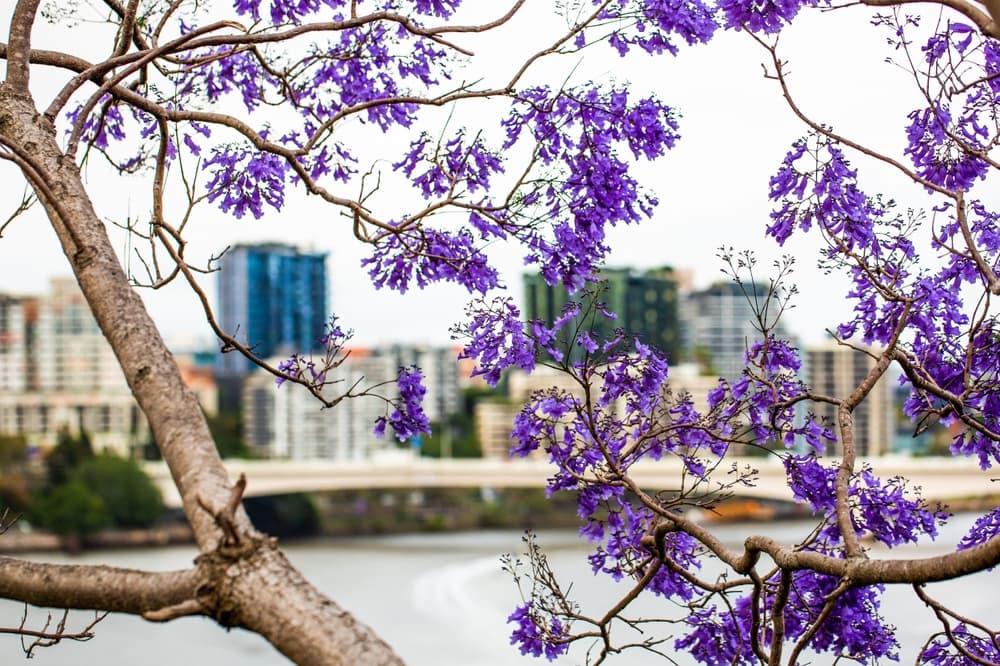
Brisbane
Subtropical river city
A warm, relaxed river city for Americans who want sun and a slower pace than Sydney, with Moreton Bay and the Gold Coast within reach. Neighborhoods like New Farm and West End are walkable. Summers are humid, and some low-lying suburbs flooded badly in 2022.
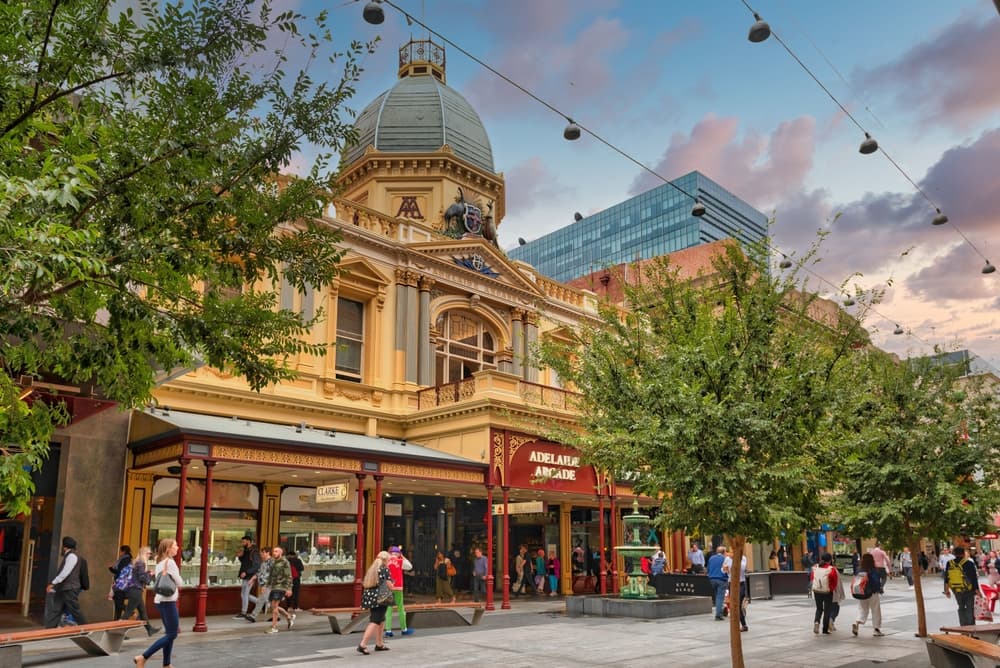
Adelaide
Easygoing wine-country base
A compact, walkable city ringed by parkland, with the Barossa and McLaren Vale wine regions close by and the Fringe filling February and March. Good for people who want space without Sydney rent. Summers get hot, and the job market is smaller than in the eastern capitals.
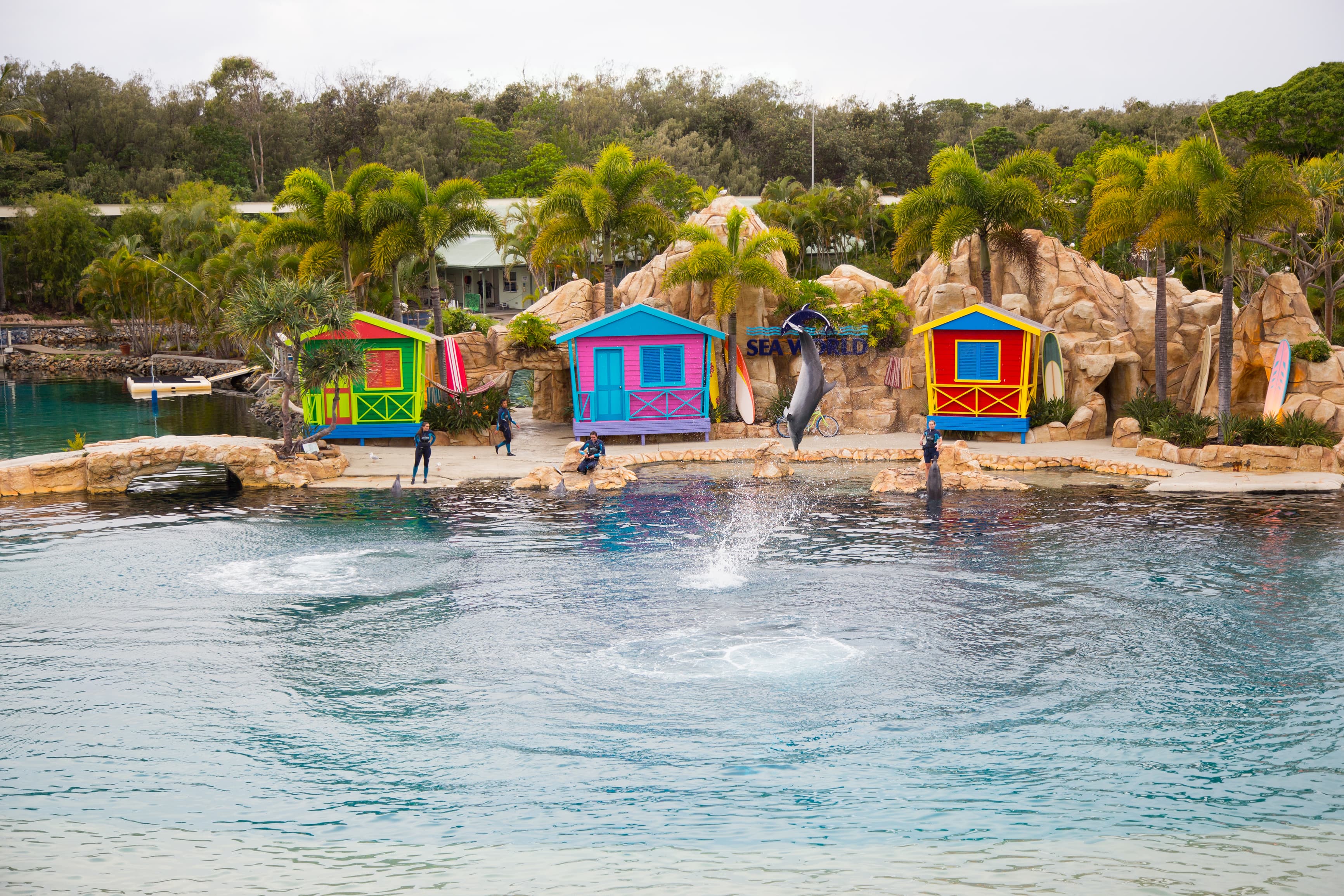
Gold Coast
Surf-strip coast
A long run of surf beaches, canals, and high-rises that suits retirees and families who want a beach lifestyle, with Brisbane about an hour up the M1. Burleigh Heads has a village feel. The catch is car dependence outside the light rail corridor and rents that now rival Brisbane's.
The people who make it easier
Australia's system rewards people who file complete, well evidenced applications, and punishes guesswork with non refundable fees. These are the partners Expatsi members use for the Australian side, the American tax side and the parts nobody thinks about until the crate arrives.



Go deeper
Three things worth reading before you book flights.
Australia Healthcare Report
Healthcare guide for Australia
How Medicare, private cover and Overseas Visitor Health Cover fit together, and what each one costs.
Moving With Pets
Planning an international move with your furry companion? Join us for a practical, informative webinar that covers everything you need to ensure a smooth transition for you and your pet. From understanding country-specific regulations and quarantine.
The full pet timeline, which for Australia starts about six months before you fly.
US Expat Taxes 101
Moving abroad doesn't mean leaving the US tax system behind. In this webinar, we'll cover the basics every American expat should know, including filing requirements, foreign income exclusions, tax treaties, reporting foreign bank accounts, and common mistakes to avoid. Whether you're planning your move or already living overseas, this session will help you better understand your tax obligations and where to turn for professional guidance.
What you still owe the IRS once you're an Australian tax resident, and which forms catch people out.
Talk to people already there

Australia
Expatsi Community
Expatsi's Australia group is where members compare rental applications, state nomination lists, school catchments and which suburb actually suits them. Ask the visa question that's keeping you up.
Join the communityQuestions Americans ask about Australia
Which jobs are in demand in Australia in 2026?
Healthcare, teaching and construction, plus law enforcement and defence, which now sit at the top of the processing queue under rules that took effect on 25 July 2026. The June 2026 points round invited carpenters, electricians, bricklayers, plasterers and tilers at the 65 point minimum, along with nine nursing specialties. Engineering stays strong in Western Australia and Queensland. Tech qualifies but waits longer.
How long does it take to get permanent residency and citizenship?
Sponsored workers usually reach permanent residency about two years into a 482 visa, through the subclass 186 transition, though it depends on your employer and occupation. Points tested applicants can get permanent residency on grant. Citizenship then needs four years of lawful residence with the final 12 months as a permanent resident, plus absence limits and a 20 question test. Home Affairs decided 75 percent of citizenship applications within four months in 2026.
Is it hard to find a rental in Australia?
Yes, and this is the part Americans underestimate. The national vacancy rate was 1.3 percent in July 2026 and every capital city sat under 2 percent, with Adelaide, Perth, Brisbane, Darwin and Hobart under 1 percent. Median advertised rent was about A$705 a week. Expect competitive inspections, landlords who prefer local rental history, and four weeks bond plus two weeks rent up front. Book six weeks of temporary housing.
How much money do you need to live in Australia?
Expatsi estimates about $2,450 a month for one person and $3,750 for a couple, in US dollars, including rent. A one bedroom in a city center averages about $1,400, and $1,100 further out. Internet is about $54, a transit pass about $94, a casual meal about $16. Sydney runs well above those numbers. Adelaide, Perth and Brisbane run at or below them.
Can an American move to Australia without a job offer?
Yes, through the points tested Skilled Independent visa, subclass 189. You need an occupation on the Medium and Long Term list, a skills assessment, competent English, and to be under 45 when you're invited. The catch is competition: 65 points gets your expression of interest into the pool, but in June 2026 trades were invited at 65 while ICT occupations needed 80 to 95 points and up. Most Americans get there faster through employer sponsorship.
Do Americans get Medicare in Australia?
Only once you hold permanent residency. Australia has reciprocal health agreements with 11 countries and the United States is not one of them, so on a 482, 485, 500 or Working Holiday visa you get no Medicare and must buy Overseas Visitor Health Cover for your whole stay. Permanent residents enrol in Medicare and pay a 2 percent levy on taxable income.
Who qualifies for the Australian Working Holiday visa?
Americans apply for the Work and Holiday visa, subclass 462. You must be 18 to 30 inclusive when you lodge, and unlike some other passports there is no extension to 35. You need post secondary study, savings, no dependent children, and you have to apply from outside Australia. No English test is required for US passport holders. It costs A$840 and gives you 12 months, extendable with regional work.
How much do Australian visas cost in 2026?
Charges rose about 25 percent on 1 July 2026. The Skilled Independent visa, subclass 189, is A$6,135 for the main applicant, the state nominated 190 and employer nominated 186 are A$6,140, the sponsored Skills in Demand 482 is A$4,015, and a Working Holiday 462 is A$840. Add skills assessments, English tests, medicals and police checks, and budget well past the headline fee. None of it is refundable if you're refused.
Sources
- Permanent Migration Program planning levels · Department of Home Affairs (checked 2026-09-14)
- Skilled visa processing priorities (Ministerial Direction 119) · Department of Home Affairs (checked 2026-09-14)
- Minimum salary changes announced: CSIT A$79,423 from 1 July 2026 · Fragomen (checked 2026-09-14)
- Work and Holiday visa (subclass 462) · Department of Home Affairs (checked 2026-09-14)
- Tax rates for Australian residents · Australian Taxation Office (checked 2026-09-14)
- Residence requirement calculator for citizenship · Department of Home Affairs (checked 2026-09-14)
- Post entry quarantine fees and charges for cats and dogs · Department of Agriculture, Fisheries and Forestry (checked 2026-09-14)
- National rental vacancy rates, July 2026 · SQM Research (checked 2026-09-14)
- Quarterly Rental Review: median advertised rent A$705 a week · Cotality (checked 2026-09-14)
Is Australia actually your country?
Book a call with Gama to discuss your options.
Why not you?