Sydney: harbor ferries, ocean beaches and the rent to match
What Americans moving to the capital of New South Wales should know about renting, getting around, healthcare and whether retiring there is an option.
- 5,450,496
- Population (2023)
- $3,300/mo
- Monthly budget · single
- 66°F / 19°C
- Avg temperature
Plan on about $3,300 a month in U.S. dollars to live alone in Sydney, and anywhere from $2,900 to $3,700 depending on how and where you live (2026 estimates). Rent takes the biggest bite: a one-bedroom near the center averages about $2,200 a month, and about $1,700 in suburbs farther out. Landing one is its own project, because the rental market is tight and good apartments draw a crowd of applicants.
Sydney makes the most sense for people whose job or family already ties them here. It's Australia's finance and business center, ferries cross the harbor as part of ordinary commutes, and beaches like Bondi and Manly are a short trip from downtown. Inner neighborhoods such as Surry Hills and Newtown put cafes, shops and transit close to the front door.
The weather is the easy part. January highs average near 82F and July highs near 64F, so winter calls for a jacket, not a snow shovel.

Reviewed and updated October 9, 2026 · 4 min read
At a glance
$3,300
Monthly budget · single person
$2,200/mo 1-bed rent, center
72/100
Safety index
$55
Internet / month
66°Fannual average
Jul 56° · Jan 75°
Climate
5,450,496
Population (2023)
Expatsi estimates, updated Oct 2026, based on rental listings, government statistics, and local reporting.
Cost of living
What it costs to live in Sydney
Single person
$2,900–$3,700/mo
about 5% above Austin, TX
Couple
$4,100–$5,300/mo
about the same as Austin, TX
Family of four
$5,700–$8,100/mo
about 15% below Austin, TX
Compared with Austin, TX (Expatsi estimate, 2026).
- $16 −20%
- Inexpensive meal
- $1,950–$2,450/mo +13%
- 1-bed rent, center
- $1,500–$1,900/mo +26%
- 1-bed rent, outside
- $55/mo −15%
- Internet
- $150/mo +264%
- Transit pass
- $975/sq ft +50%
- Buy price, center
Expatsi estimates, updated Oct 2026, based on rental listings, government statistics, and local reporting.
Daily life
How Sydney lives
- A grade, 92nd percentile among the cities we track
- Dining & cafésstandout
- A grade, 90th percentile among the cities we track
- Arts & culturestandout
- A grade, 93rd percentile among the cities we track
- Parks & outdoorsstandout
- B grade, 55th percentile among the cities we track
- Schools & educationtypical
- B+ grade, 62nd percentile among the cities we track
- Healthcare accessstrong
- A grade, 92nd percentile among the cities we track
- Bike infrastructurestandout
- A- grade, 73rd percentile among the cities we track
- Public transitstrong
- A grade, good physical accessibility
- Accessibilitygood
Graded on OpenStreetMap amenity density relative to the 298 cities we track. Accessibility is the exception: it's graded against a fixed standard (terrain steepness and sidewalk surfaces), not a curve.
Climate
Weather through the year
Annual average 66°F (19°C) · 38 in of rain a year · Source: Meteostat station normals (94767, 1991-2020)
On the ground
Scenes from Sydney
Getting around
Transport in Sydney
One system, Opal, runs Sydney's metro, trains, buses, ferries and light rail. You don't need to buy an Opal card on day one: tapping a contactless credit or debit card, or a phone linked to one, gets you the same fares and benefits. Tap off at the end of every trip too, or you'll be charged a default fare. One exception to plan for: the two privately run stations at Sydney Airport add a surcharge. Our estimate for a month of getting around is about $150.
The ferries are worth building a routine around. Boats from Circular Quay run to Manly and other harbor-side neighborhoods, and for plenty of commuters the trip across the water is the nicest part of the day.
Do you need a car? In the inner city and near the train and metro lines, lots of people get by without one. Farther out, where homes are bigger and services spread thinner, a car becomes far more useful, and it makes weekend trips to the Blue Mountains or down the coast easier.
- 49/sq mi
- Transit stops
- 137/sq mi
- Bike infrastructure
- 130/sq mi
- Wheelchair-accessible places
Mapped features per square mile from OpenStreetMap.
Keep exploring
Places like Sydney
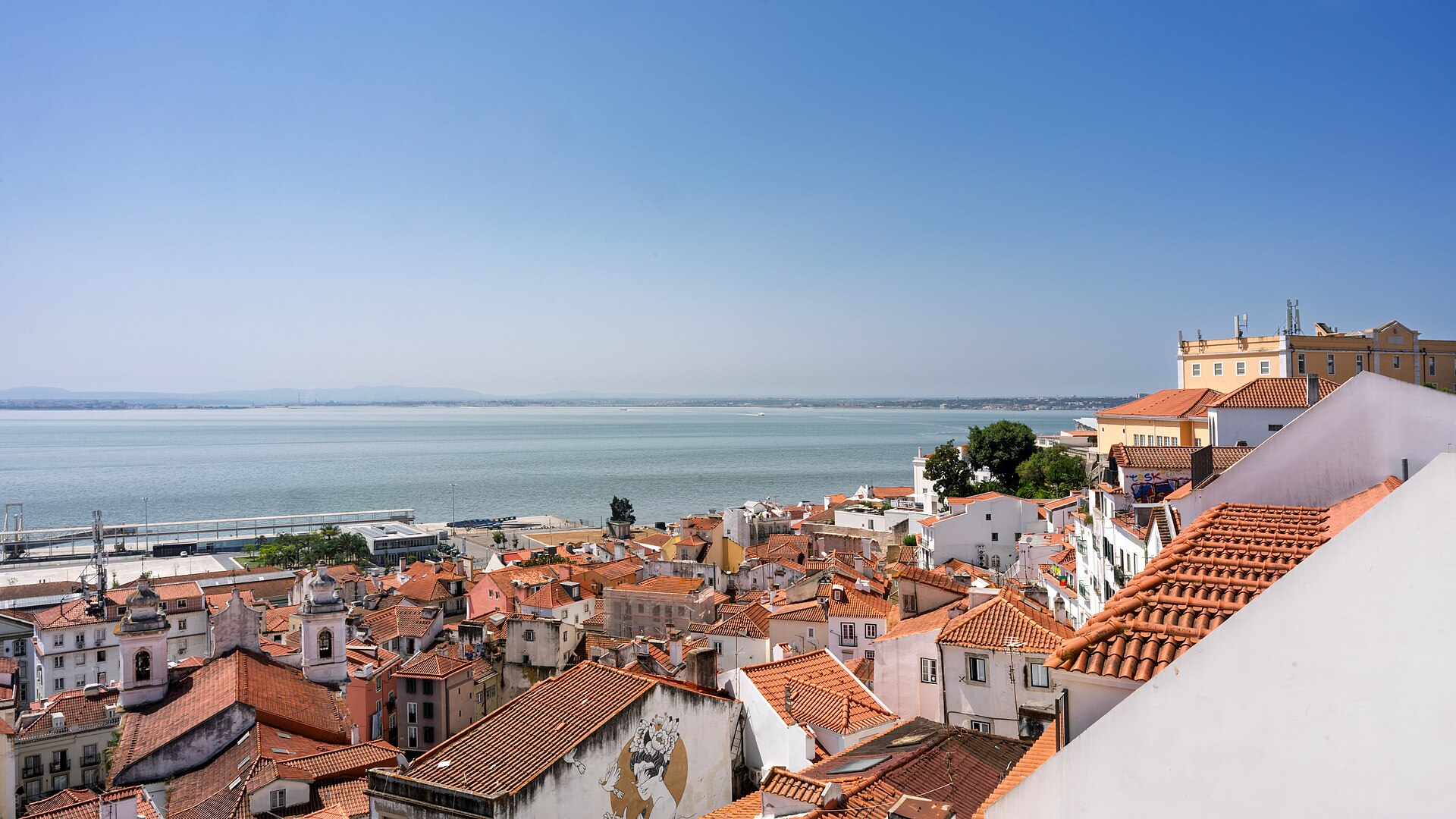
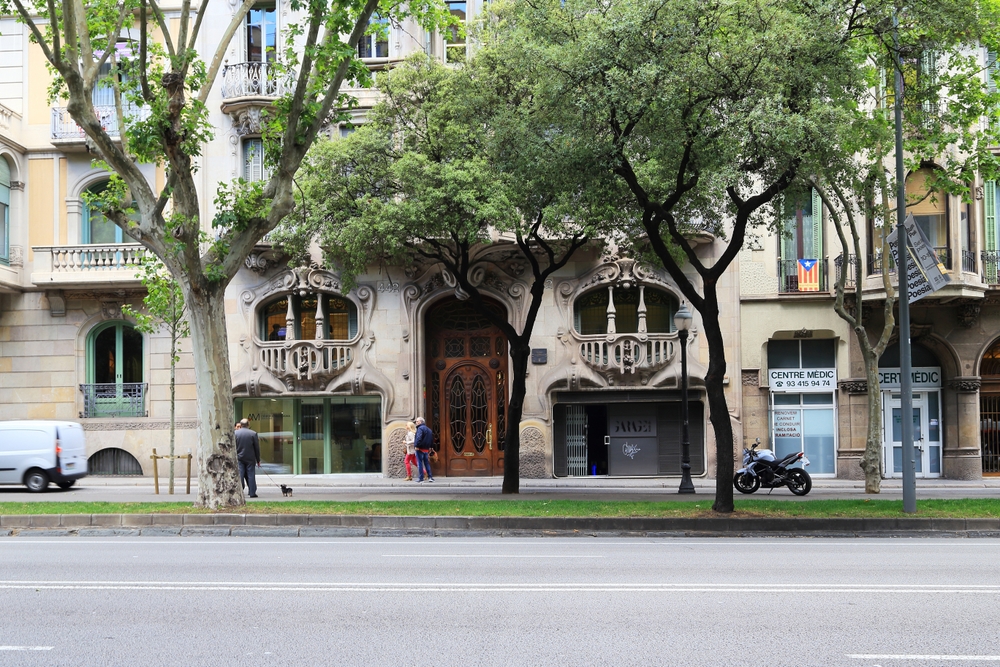
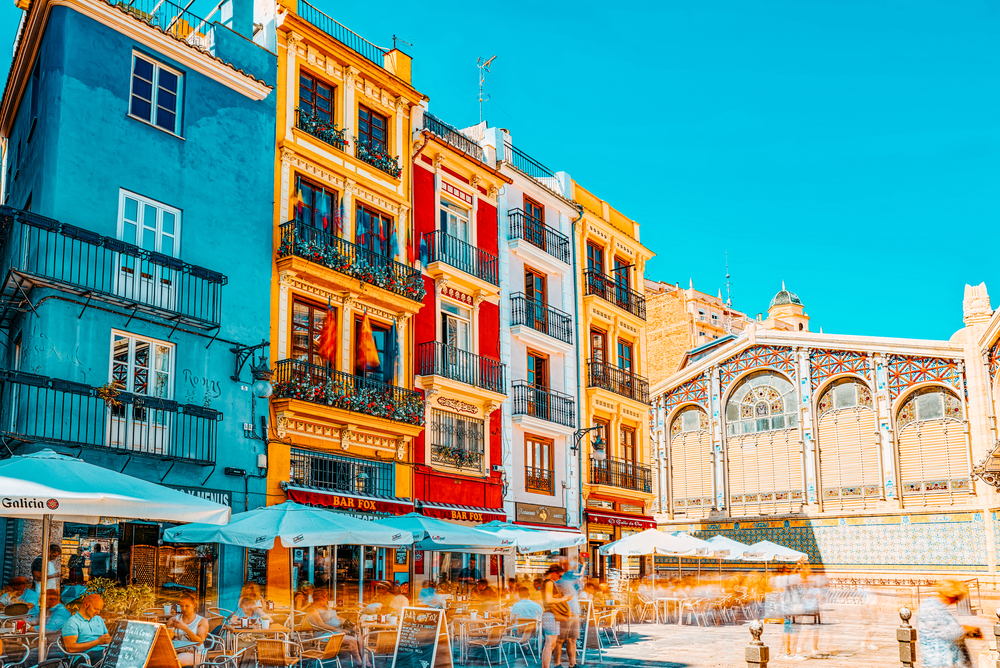
Community & practical notes
Settling into Sydney
Finding your people: Friendships here tend to grow out of work, sports clubs and ocean swim or running groups, so sign up for something in your first month. For visas and the move itself, Working In Australia is the Expatsi relocation specialist for the country. Cassondra Crushman, our Australia local guide, can talk through day-to-day life.
LGBTQ expats: Sydney is home to ACON, one of Australia's leading LGBTQIA+ health and advocacy organizations. Qtopia Sydney, a queer history and culture center on Forbes Street in Darlinghurst, is an easy first stop, while the Sydney Gay and Lesbian Mardi Gras fills the calendar every year.
Black Americans: New South Wales law makes race discrimination unlawful at work, when you rent and when you use services like shopping, banking and medical care, and "race" there covers color, nationality, descent and ethnic background. If something happens, you can raise it with the person or business first, or take it to Anti-Discrimination NSW. A law doesn't tell you how daily life feels, so before you sign a lease or accept a job, talk with Black expats already in Sydney about renting, work and getting around.
Healthcare: Medicare, Australia's public system, is built around permanent residents, and the U.S. isn't one of the countries with a reciprocal health care agreement. On a temporary visa, carry private coverage until you get permanent residency. ExpatInsure offers global health plans, and Hunter Schultz, our healthcare coach, helps people sort out coverage before they move. Our Australia healthcare report explains when Medicare starts.
Working remotely: The clock matters more than the connection. New South Wales moved its clocks forward on October 4, 2026, and moves them back on April 4, 2027, on different dates from the U.S., so Sydney sits 14 to 16 hours ahead of New York depending on the season. A 4pm meeting in New York lands between 6am and 8am the next day in Sydney, which suits early risers.
Limited mobility: Every mode of Sydney transport runs wheelchair-accessible services, but that doesn't make every station, stop or wharf step-free. Transport for NSW publishes accessibility details for individual stations, stops and wharves, so check the ones near any apartment, and at both ends of your usual trips, before you sign a lease.
Retirement: Mild winters and harbor ferries make Sydney tempting for retirement, but the visa is the hard part: Australia's Investor Retirement (subclass 405) and Retirement (subclass 410) visas are closed to new applicants. Without a work or family route, Sydney is a place for long visits rather than a full move. Our retirement visa hub compares countries with open routes, and the guide to moving to Australia covers the visas still open, including the Skilled Nominated 190 if a state picks you.
Housing
Renting and buying
- 1-bed rent (center)
- $1,950–$2,450/mo
- 1-bed rent (outside center)
- $1,500–$1,900/mo
- Buy price (center)
- $975/sq ft
- Buy price (outside center)
- $632/sq ft
Expatsi estimates, based on rental listings, government statistics, and local reporting.
Good to know
Frequently asked questions
Is Sydney safe for Americans?
Yes, Sydney is generally safe. It scores 72 on a 100-point safety index and 28 on a crime index, where a higher safety score and a lower crime score are better (2026 data). Normal big-city habits, like watching your phone on crowded trains and at busy nightlife spots, cover most of what you'll run into.
Do you need a car to live in Sydney?
Not if you live in the inner city or near a train or metro line. Sydney's metro, trains, buses, ferries and light rail all take the same Opal fares, and you can tap a contactless credit or debit card or a linked phone instead of buying a card. In the outer suburbs, where service is thinner, most households find a car worth having.
How much does a couple or family need to live in Sydney?
A couple should budget about $4,700 a month in U.S. dollars to live in Sydney, with a typical range of $4,100 to $5,300 (2026 estimates). A family of four needs about $6,900 a month, and anywhere from $5,700 to $8,100 depending on neighborhood and housing size. Rent drives most of the difference, so living farther from the center is the quickest way to bring the total down.
What is the time difference between Sydney and the U.S.?
Sydney is 14 to 16 hours ahead of New York and 17 to 19 hours ahead of Los Angeles, depending on the time of year. Australia and the U.S. switch daylight saving time on different dates and in opposite seasons, so the gap shifts a few times a year. A late-afternoon meeting on the East Coast falls early the next morning in Sydney.
Can Americans retire in Sydney?
Not on a retirement visa. Australia's Investor Retirement (subclass 405) and Retirement (subclass 410) visas are closed to new applicants. Americans who move to Sydney later in life usually need another route, such as skilled work, an employer, or a partner or family member who is Australian. Without one, plan on visits rather than a full move.
What is the weather like in Sydney?
Sydney has mild winters and warm, humid summers. January lows average near 68F, and July lows near 47F, so it rarely gets truly cold. Rain arrives in every season, about 38 inches a year in total, and February and June tend to be the wettest months.
How hard is it to rent an apartment in Sydney?
It takes effort. The rental market is tight, and good listings draw many applicants. A one-bedroom near the center typically runs $1,950 to $2,450 a month in U.S. dollars, and $1,500 to $1,900 farther out (2026 estimates). Have proof of income, references and your visa details ready before you start inspecting apartments.
Can Americans use Medicare in Australia?
Not as a visitor or on most temporary visas. The U.S. doesn't have a reciprocal health care agreement with Australia, so Americans generally need private health coverage until they become permanent residents and qualify for Medicare.
See how Sydney fits your life
Take the free Expatsi Test and compare Australia with other countries on what actually matters: cost, healthcare, climate, and safety.
Why not you?