Slovenia moving guide
Slovenia for Americans: what it costs, how to get residence, and who it suits
A small, safe EU country with the Alps an afternoon's drive from the sea. There's no retirement visa, the nomad permit lasts one year, and Slovene roots open the most doors.
Our September 2026 read on budgets, permits, healthcare and taxes, written for U.S. passport holders, plus the vetted people who can handle the parts you'd rather not.

Reviewed and updated September 28, 2026 · 12 min read
01 · Is Slovenia for you
Small country, big outdoors, and a few hard rules
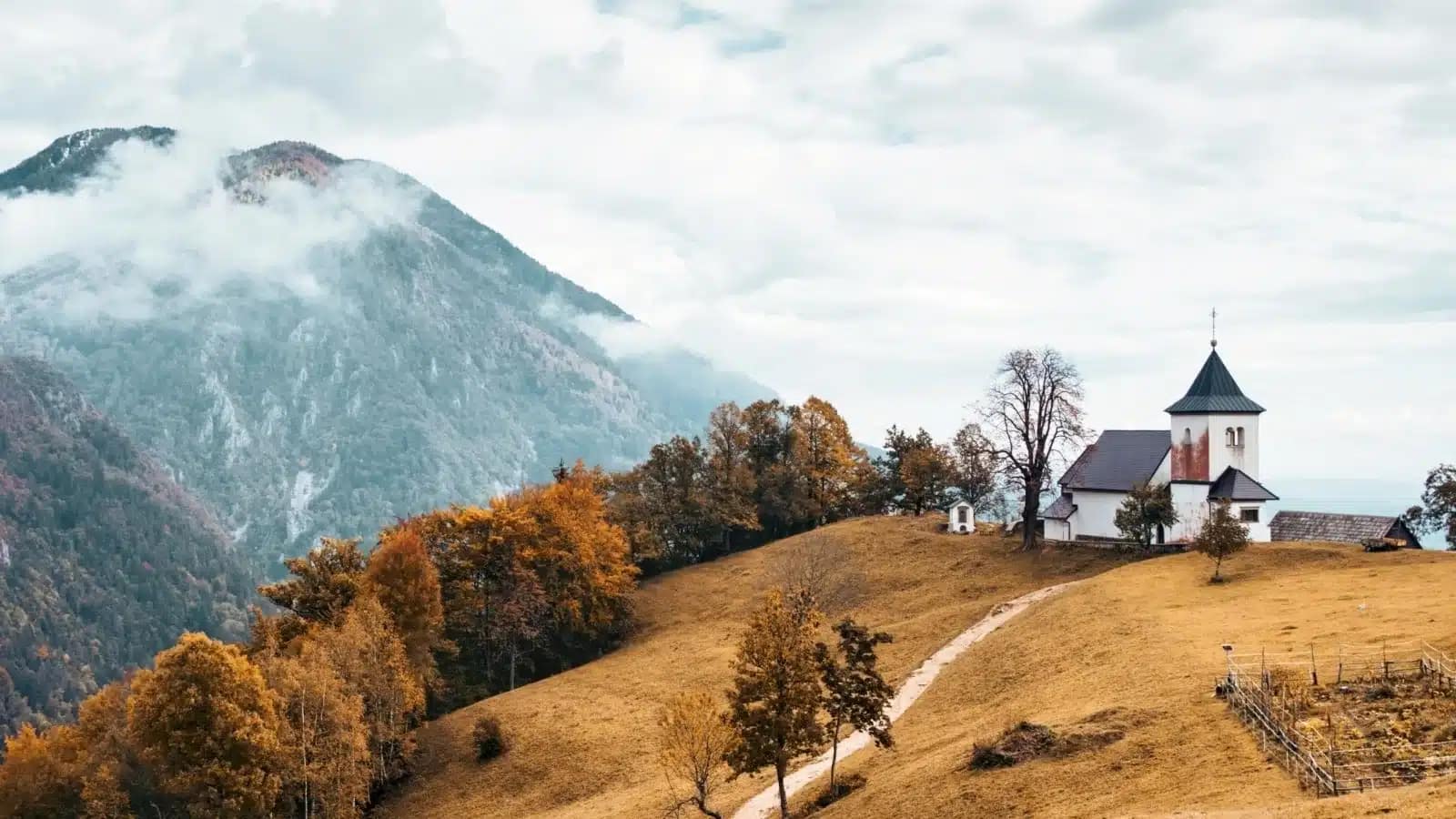
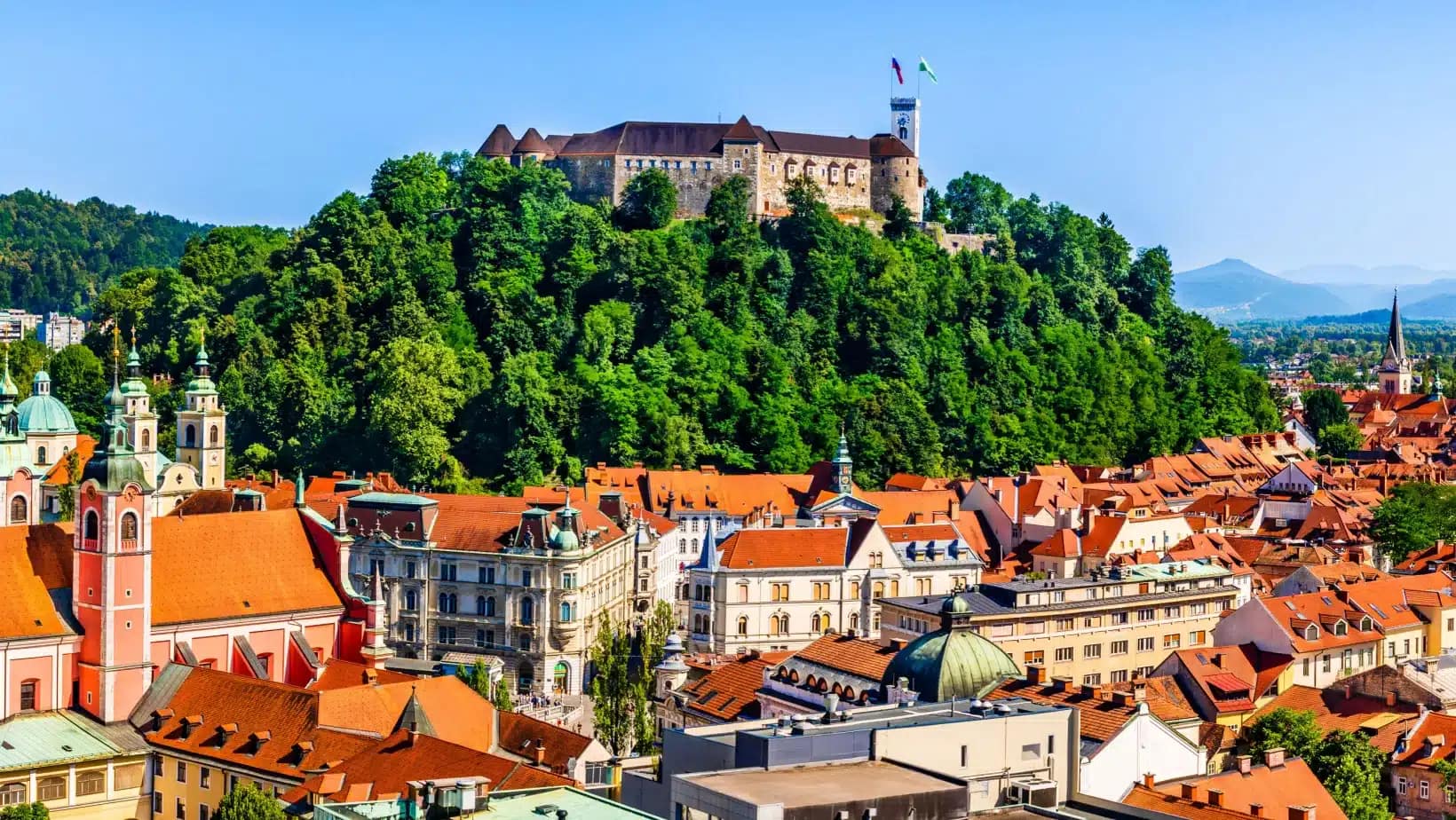
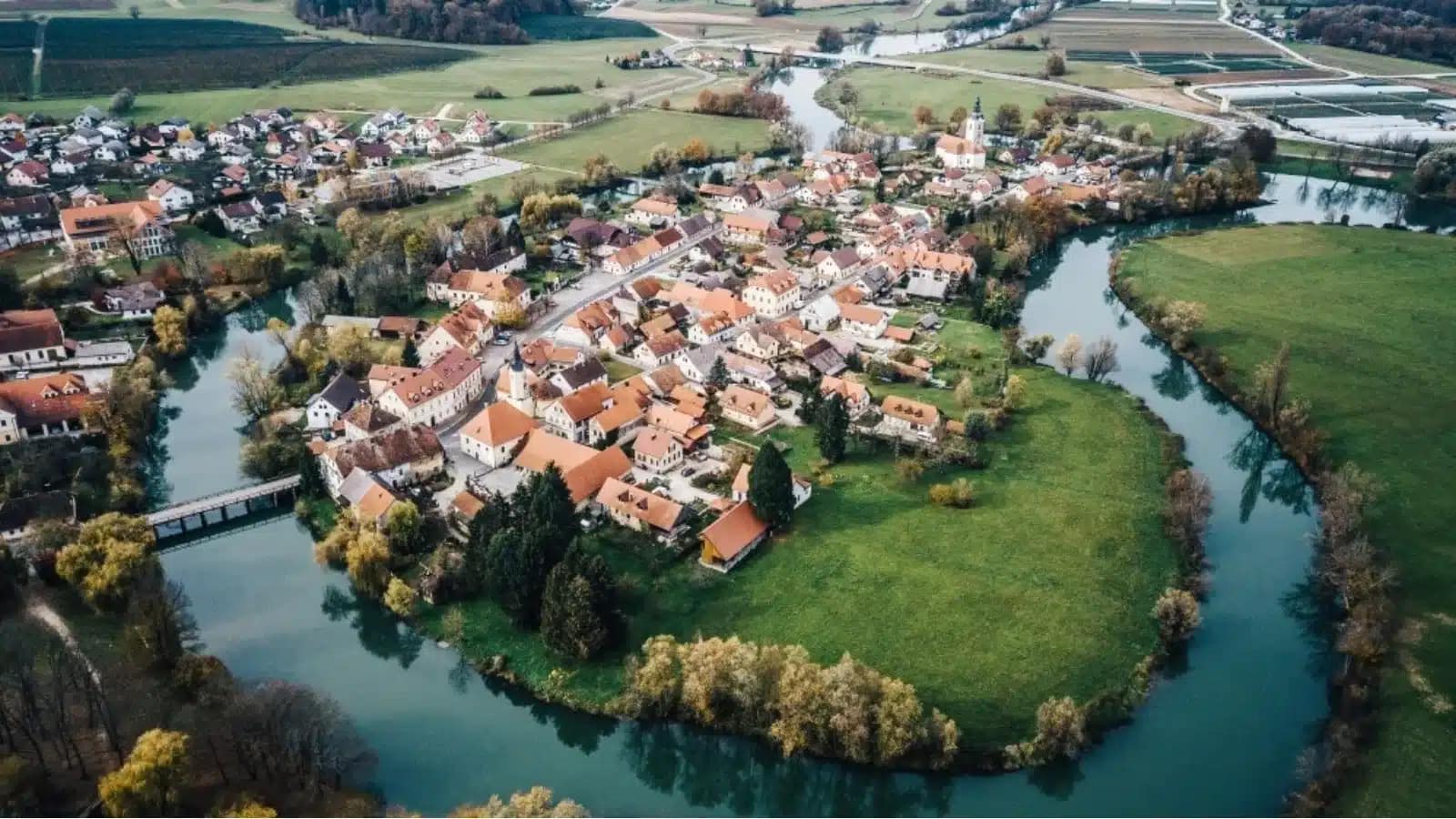
Slovenia is the country people fall for on a road trip and then wonder whether they could live in. It's easy to see why. The Julian Alps and the Adriatic coast are an afternoon's drive apart, the capital, Ljubljana, is compact and walkable, and daily life runs on a steady, orderly rhythm that a lot of Americans find restful.
It's also calm. Slovenia placed 4th of 163 countries in the 2026 Global Peace Index, its best result yet. For people moving with kids, or moving alone later in life, that's often the first box checked.
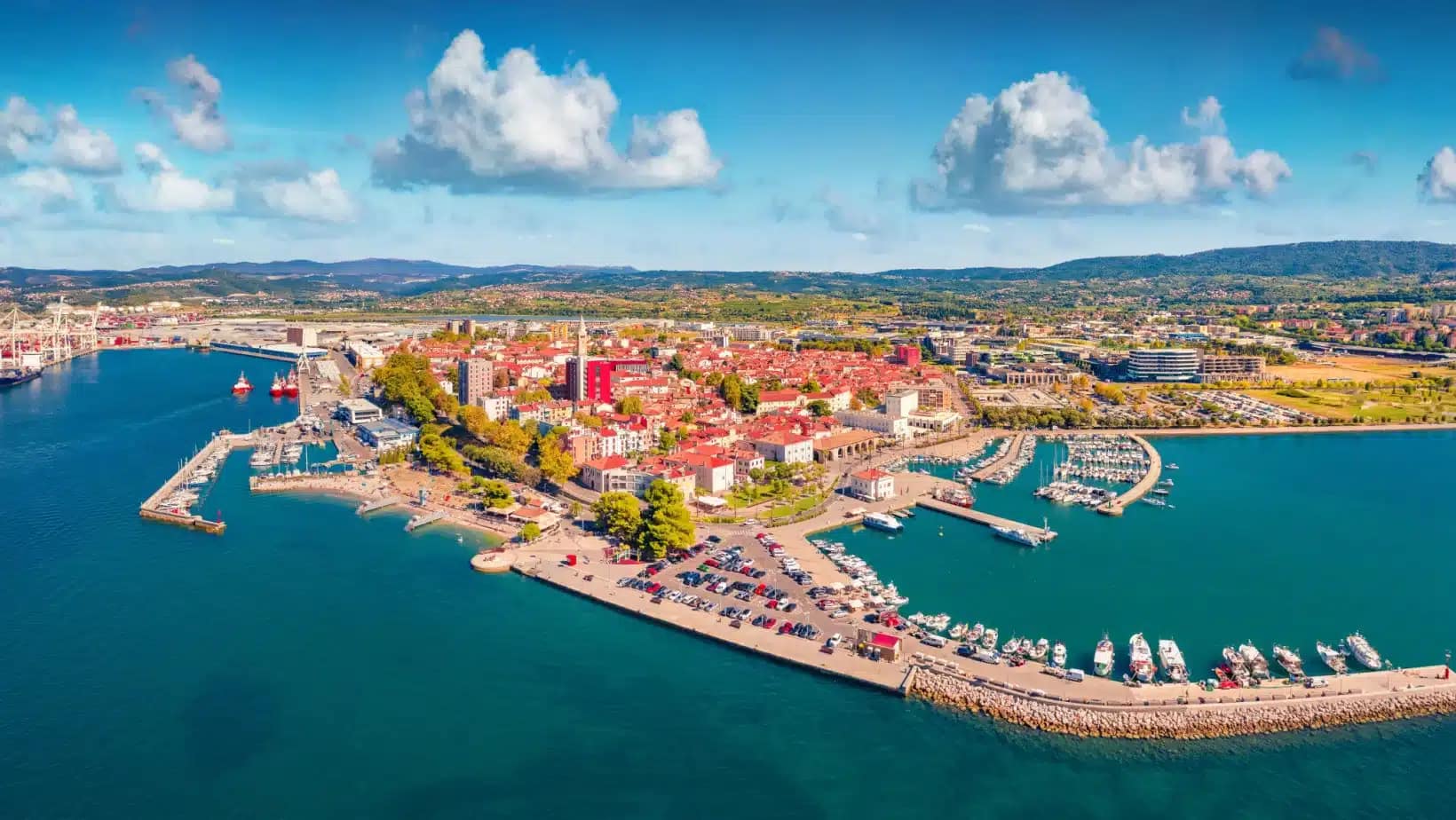
Your money goes further than in most Western European capitals, without Slovenia being a bargain basement. It uses the euro and sits inside both the EU and Schengen. Italy, Austria and Croatia are a short drive or train ride away.
Getting here is about to get easier. There's no nonstop flight from the U.S. today, and there hasn't been one since 1991. United plans four weekly flights between Newark and Ljubljana starting in May 2027, which matters to anyone who expects to fly home for holidays and family.
Where Slovenia falls short
Slovenia doesn't fit every American mover, and three things trip people up.
First, there's no retirement visa. Slovenia's official list of residence purposes has no category for retirees or passive income. Retirees usually apply under a catch-all called "other justified reasons," and advisers say a pension on its own isn't enough; you need a documented tie to the country. If you're retiring on Social Security with no Slovene connection, compare Slovenia with countries that have a dedicated retiree route before you commit.
Second, it's a slow road to a passport. Regular naturalization takes ten years of residence, including five in a row, plus a Slovene language test. Slovenia also generally asks new citizens to give up their previous nationality, with exceptions only on strong justification. Most Americans should plan on permanent residence, not a second passport, unless they have Slovene roots.
Third, you'll need some Slovene sooner than you think. Since November 2024, permanent residence applicants need a basic A2 language certificate, and adult family members joining a resident need survival-level Slovene (people over 60 are among the exemptions). English gets you through a lot of daily life, but the paperwork runs in Slovene.
If you have Slovene ancestry, a remote income or a job offer, keep reading. Those are the routes where Slovenia works best.
- Cost of living (single)
- $1,750/mo
- Safety index
- 75/100
- English proficiency
- 65/100
- Internet speed
- 80 Mbps
- Capital
- Ljubljana
- Currency
- Euro (EUR)
02 · Money
Monthly costs in Slovenia, in U.S. dollars (2026)
$2,850
Monthly budget, couple
comfortable, rent included
$1,750
Monthly budget, single
comfortable, rent included
$4,800
Monthly budget, family
with kids, rent included
$800
Rent, 1-bed city center
about $650 further out
$14
Inexpensive meal out
a simple sit-down meal
$43
Monthly transit pass
local buses and trains
$41
Home internet, monthly
about 80 Mbps
6 hrs
Ahead of U.S. Eastern
for most of the year
Where the money goes, and the costs people miss
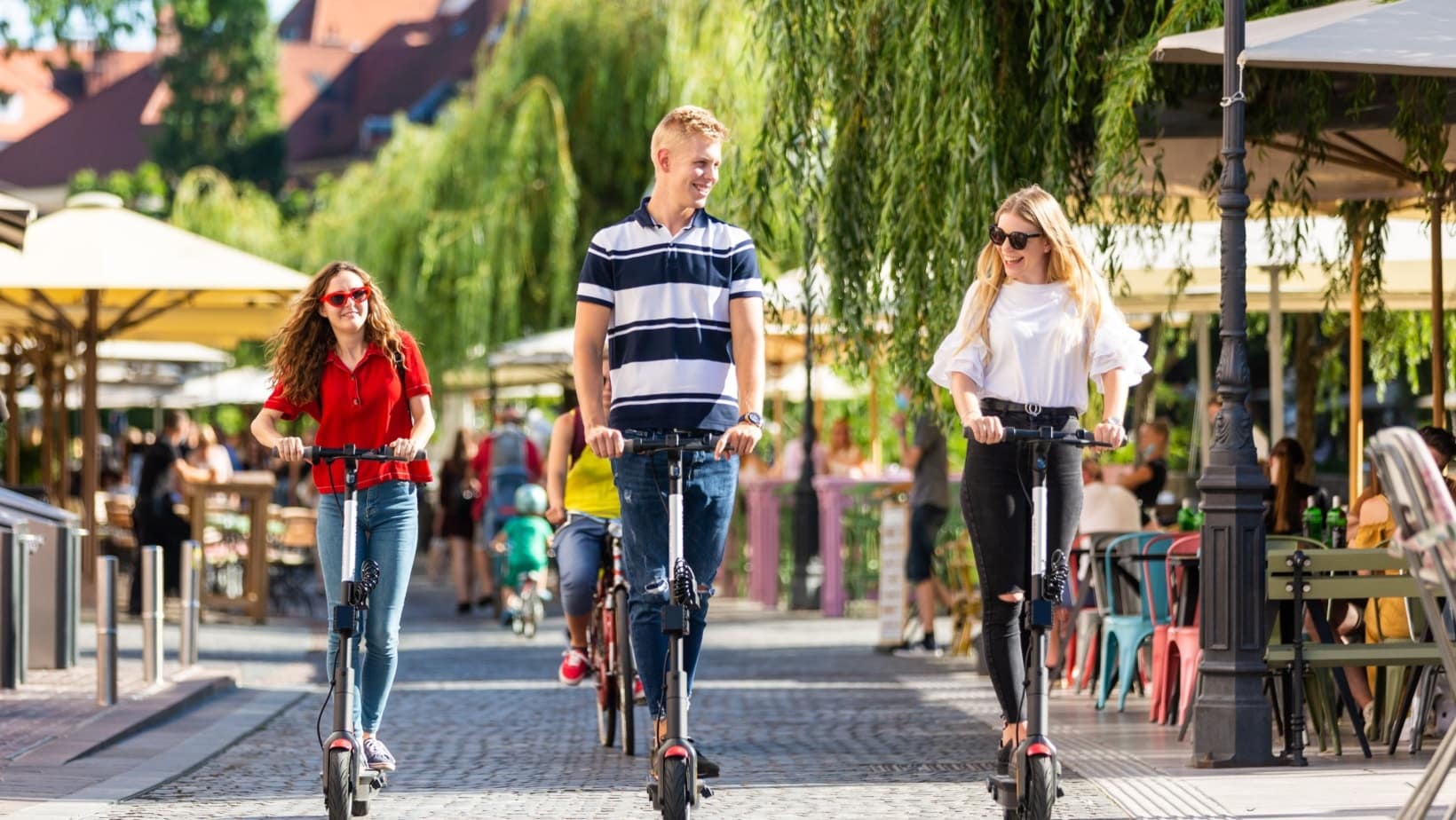
Our 2026 budgets are all-in figures covering rent, groceries, transport, utilities and some eating out, and they assume you're renting, not buying.
Housing is the line that moves the most. Our data flags rental housing as scarce in the most popular cities, so expect competition for good apartments. Get a proper written lease: without one, you can't register an official address, and your permit depends on that address.
If you're insured in the public system, add the flat compulsory health contribution of €39.36 a month (about $45) for March 2026 through February 2027. Employees also pay a 1% long-term care contribution that started in July 2025, matched by their employer.
Two bigger costs catch newcomers off guard. The first is private health insurance, which people who aren't working in Slovenia generally need while they hold a temporary permit. The second is getting behind the wheel. Your U.S. license only works for one year after you register residence; swapping it for a Slovenian one means passing a practical driving test.
The legal minimum is not your budget
Most Slovenian residence permits test your money against the country's basic minimum income, which the government's 2026 welfare guide sets at €507.43 a month, about $580 for one person. That's well under the $1,750 a month our data says one person needs to live comfortably. The digital nomad permit is the exception, with a floor near $3,500 a month. Plan on real costs, not on the number that gets a permit approved.
03 · Getting residence
Which residence route fits your situation
As a U.S. citizen you can visit Slovenia for 90 days in any 180 without a visa. Staying longer means a temporary residence permit, and Slovenia issues those for a specific purpose: work, study, family, remote work, Slovene descent, or "other justified reasons." The right one depends on where your income and your ties come from.
A few rules apply to almost every route. Your first application is normally filed at a Slovenian embassy or consulate, not after you land; filing inside Slovenia is limited to people already living there legally, such as holders of a long-stay visa, and a few named groups. First permits usually run one year and renew at your local administrative unit (upravna enota). As of 2026, a first single work permit filed abroad costs €102 (about $116) plus €12 for the card.
Working remotely: the digital nomad permit
Slovenia's newest route, launched in November 2025, is for non-EU citizens who work for a foreign employer or their own foreign clients and stay out of the Slovenian job market. The income floor is twice Slovenia's average monthly net salary. 2026 guides put that at roughly €3,100, about $3,500 a month, and it moves when salary data is updated. The limit is time: the permit lasts up to one year and can't be extended. You can reapply six months after it expires, or switch to another permit while it's still valid. Your family can join you right away instead of waiting a year. Holding the permit doesn't by itself make you a Slovenian tax resident, but spending 183 days or more there in a calendar year can.
Retiring: "other justified reasons"
There's no retirement visa. Retirees and people living on investments usually apply under Article 51 of the Foreigners Act, the "other justified reasons" category, where owning property in Slovenia can form part of the case. Advisers stress that a pension alone won't carry it. One firm cites savings of about $6,800 (€6,000) per family member plus health insurance covering at least $39,800 (€35,000); treat that as one adviser's guidance, not a published rule. This is the route where a Slovenian immigration lawyer earns their fee.
Slovene roots: descent and citizenship
This is Slovenia's strongest card for Americans. Slovene descent is its own residence purpose, and the U.S. Embassy notes that children of at least one Slovene parent are citizens automatically, with no generational limit, while people with a Slovene grandparent may also be able to claim citizenship. If your family came from Slovenia, start here.
A job offer: the single permit
Hired by a Slovenian employer? You'll need a single residence and work permit, which you or the employer can file, and the Employment Service must approve each one. The first permit lasts as long as your contract, up to a year, and renewals can run up to two years. Family can generally join after you've held residence for a year; EU Blue Card holders don't have to wait.
Starting a business
You can register as a sole proprietor or open a limited company (d.o.o.). Registration is free at a government SPOT point, or €300 to €500 (about $340 to $570) through a notary. The residence side is harder. To direct a company that's less than six months old, you need to show a €30,000 investment (about $34,100), and you generally can't work in your own company until you've lived in Slovenia for a year. Majority owners get their work permit without a labor market test.
Studying
Students show monthly means equal to the basic minimum income, or proof of parental support. A first student permit filed abroad costs €102 plus €12 for the card, and study years count half toward permanent residence.
The long game
After five years of continuous, lawful residence you can apply for permanent residence, A2 Slovene certificate in hand. Naturalization takes ten years and usually means giving up U.S. citizenship. Spouses of Slovenian citizens move faster, after three years of marriage and one year of residence.
Residence Permit
The permit behind every route in this guide
Slovenia issues one temporary residence permit tied to a purpose: work, study, family, remote work, descent or other justified reasons. First permits usually last a year and renew in Slovenia.
- Valid US passport
- Completed application form
- Proof of legal entry (e.g., Type D visa)
National Visa
A long-stay entry visa
Holding a long-stay visa lets you file your residence permit from inside Slovenia. Ask the embassy whether your purpose calls for one.
- Valid US passport
- Completed application form
- Passport photos
04 · Daily life admin
Doctors, taxes, property and driving
Healthcare
Slovenia runs a compulsory public insurance system through ZZZS, and our data rates access as good once you're in. Getting in is the issue. If you work for a Slovenian employer, you're covered through your job. If you're not working, the self-insurance category requires permanent residence, so retirees and remote workers on temporary permits usually carry private international coverage at first. A spouse and children can be covered through an insured family member after three months of temporary residence.
The public system's pinch point is family doctors. A 2023 European Observatory report counted about 136,000 people without a registered family doctor, driven by retirements and fewer young doctors choosing the specialty, and in Ljubljana people have lined up from midnight, in a line more than half a mile long, when new practices opened. ExpatInsure, our health insurance partner, can set up the private policy your permit needs. Healthcare coach Hunter Schultz can help you plan how you'll get care.
Taxes
Once you're a Slovenian tax resident (183 days in a calendar year is one trigger), Slovenia taxes your worldwide income at rates from 16% to 50%, with the top rate starting above €82,346, about $93,700, as of 2026. Interest, dividends, capital gains and rental income are taxed at a flat 25%, and gains get lower rates the longer you hold. The U.S. keeps taxing you as a citizen, so you'll file in both countries. A U.S.-Slovenia income tax treaty dating from 1999 and a Social Security totalization agreement help you avoid paying twice, and you can collect U.S. benefits while living in Slovenia. MyExpatTaxes handles the U.S. return from abroad, and Beacon Global Advisors keeps American retirement accounts and investments working after you move.
Buying property
Americans can buy Slovenian real estate on the same terms as EU citizens, though farmland and forests have their own approval rules. The transfer tax is typically 2% and usually paid by the seller. Owning a home doesn't give you the right to live there, but it can support an "other justified reasons" application.
Driving
Your U.S. license is good for one year after you register residence. To swap it for a Slovenian license you'll need a medical certificate and a practical driving test. A 2025 easing of the exchange rules covered five Balkan countries, not the U.S.
Crossing borders
The EU's Entry/Exit System, rolled out from October 2025, now registers non-EU travelers at Schengen borders. ETIAS, a separate travel authorization for visa-free visitors, was expected in late 2026 at last report, so check its status before you book a scouting trip.
Checked in September 2026
Slovenia's digital nomad permit is less than a year old, its language requirements changed in November 2024, and the nomad income floor moves with salary data. Everything here reflects what we could verify in September 2026. Confirm the current rules with the Slovenian embassy or a licensed professional before you file anything.
05 · Where people settle
Capital, coast or wine country
Most people start by picking a region, not a city. The capital is the country's cultural, economic and political center. The Adriatic coast is short, but it has a Mediterranean climate and a strong Italian influence. In the northeast, Slovenia's second city is a university town close to wine country and ski slopes, and smaller regional hubs in between tend to cost less to live in.
Because our data flags rental housing as scarce in the most popular spots, rent for a few months before you commit to a neighborhood, let alone a purchase. Our Slovenia city guides appear below as we publish them.
06 · Your move team
People who can take the hard parts off your plate
We don't have a Slovenia-based immigration partner yet, and we'd rather tell you that than pretend. For the permit itself, a Slovenian immigration lawyer is worth the money, especially on the "other justified reasons" route.
What we do have is the team for everything around the permit: the private health insurance your application needs, U.S. taxes from abroad, moving dollars into euros, shipping your belongings and your pets, and settling into a new culture. These are the Expatsi-vetted partners we'd call, grouped by what they handle.

Hunter Schultz
Healthcare Coach
A healthcare coach with more than 20 years of expat living and a background in air medical transport. His one-hour consult maps out how you'll get good care in a new country, before you need it.
Learn more
ExpatInsure
Global Health Insurance
Expatsi's international health insurance partner. Andy Seale and Stephanie Edwards's team matches you with a private plan, the coverage you'll lean on while you hold a temporary permit and aren't working in Slovenia.
Learn more
MyExpatTaxes
U.S. Expat Tax Service
Tax software and filing help built for Americans abroad, running since 2018. It handles the U.S. return you still owe every year, including the credits that keep you from paying twice.
Learn more
Beacon Global Advisors
Financial Planning
Private wealth management for U.S. citizens overseas. They keep 401(k)s, IRAs and investment access working after you leave and help you stay compliant with both countries.
Learn more
Moneycorp
Currency Exchange
Currency exchange and international payments since 1979, with a dedicated specialist for each client. Handy for a rental deposit or monthly transfers into euros, and they can lock a rate for up to two years.
Learn more
Starwood Pet Travel
Pet travel and transport
Global pet transport for dogs and cats. They manage health certificates, USDA endorsements, crate rules and airline bookings so your animals arrive legally and safely.
Learn more
Aqua Moving Services
Worldwide Shipping and Moving Service
International moving logistics from the Clearview Group. One survey of your things gets you three quotes from vetted movers, so you can compare prices without chasing companies.
Learn more
Culturosity Co.
Cultural Skills Coach
Intercultural coaching from co-founders Jennifer and Janka, certified in tools like GlobeSmart. One-on-one sessions and workshops help you adapt to a new culture and find your footing faster.
Learn more
Sovereign Roots
Citizenship by Ancestry
Citizenship-by-descent consultants for Canada and Europe who help families secure second passports. Worth a call if a parent or grandparent was born in Slovenia.
Learn more07 · Common questions
Moving to Slovenia: what Americans ask
How much do I need to earn for Slovenia's digital nomad permit?
The rule is twice Slovenia's average monthly net salary, which 2026 guides put at roughly €3,100, about $3,500 a month. The figure moves when salary data is updated. Your income has to come from employers or clients outside Slovenia. The permit lasts up to one year, can't be extended, and you can reapply six months after it ends.
Do Americans need a visa to move to Slovenia?
For visits, no: U.S. citizens can stay up to 90 days in any 180 days. To live in Slovenia longer, you need a temporary residence permit tied to a purpose such as work, study, family, remote work, Slovene descent or "other justified reasons." The first application is normally filed at a Slovenian embassy or consulate before you move, and first permits usually last one year.
Are there direct flights from the U.S. to Slovenia?
Not as of September 2026. Slovenia hasn't had a nonstop U.S. connection since 1991. United plans four weekly flights between Newark and Ljubljana starting in May 2027. Until then, you'll connect through another European airport.
Does Slovenia have a retirement visa?
No. Slovenia's list of residence purposes has no retiree category. Retirees usually apply for a temporary permit under Article 51 of the Foreigners Act, "other justified reasons," and advisers say a pension alone isn't enough without a documented tie to Slovenia, such as family or property there. A Slovenian immigration lawyer can tell you whether your case is strong enough.
Can Americans buy property in Slovenia?
Yes. U.S. citizens can buy Slovenian real estate on the same terms as EU citizens, though farmland and forests have their own approval rules. The transfer tax is typically 2% and usually paid by the seller. Buying a home doesn't give you a right to live in Slovenia, but it can support a residence application under "other justified reasons."
Can expats use Slovenia's public healthcare?
Yes, if you're insured. Working for a Slovenian employer puts you in the compulsory public system, and a spouse or children can be covered through you after three months of temporary residence. If you aren't working, self-insurance requires permanent residence, so retirees and remote workers on temporary permits usually carry private international coverage at first. Finding a family doctor can take time: a 2023 report counted about 136,000 people without one.
How long does it take to get permanent residence in Slovenia?
Five years of continuous, lawful residence on temporary permits. Since November 2024, you also need a certificate showing basic (A2) Slovene, along with proof of income, health insurance and a clean criminal record. Study years count half toward the five.
Can I keep my U.S. citizenship if I become a Slovenian citizen?
Usually not through naturalization. Slovenia generally requires naturalizing applicants to give up their previous nationality, with exceptions only on strong justification, and regular naturalization takes ten years of residence plus a Slovene language test. Citizenship by descent works differently: children of a Slovene parent are citizens automatically, and people with a Slovene grandparent may also qualify.
Sources
- Temporary residence permit for digital nomads · Government of Slovenia (checked September 2026)
- Where to submit the application for a permit for the first time · InfoTujci (Government of Slovenia) (checked September 2026)
- Permanent residence permit · InfoTujci (Government of Slovenia) (checked September 2026)
- Slovenian residence and citizenship · U.S. Embassy in Slovenia (checked September 2026)
- Citizenship · Government of Slovenia (checked September 2026)
- Inclusion in the compulsory health insurance · Health Insurance Institute of Slovenia (ZZZS) (checked September 2026)
- Slovenia: taxes on personal income and other taxes · PwC Worldwide Tax Summaries (checked September 2026)
- Employed worker in Slovenia · EU Immigration Portal (checked September 2026)
- How can non-EU nationals start a business in Slovenia? · SPOT, Government of Slovenia (checked September 2026)
- United plans direct US-Slovenia flights next year · Government of Slovenia (checked September 2026)
- Can Americans buy property in Slovenia and move there? · Law Firm Dimitrijević (checked September 2026)
- Family doctor shortages in primary care · European Observatory on Health Systems and Policies (checked September 2026)
- Totalization agreement with Slovenia · U.S. Social Security Administration (checked September 2026)
- Cost of living and country data for Slovenia · Expatsi (checked September 2026)
Is Slovenia your best match?
The free Expatsi Test compares Slovenia with other countries on the things that decide a move: cost, healthcare, climate and safety.
Why not you?