The complete guide
So you want to move to Mexico
It's a four-hour flight, the same time zones as home, and a residency process that's genuinely simple. Here's what it really costs, which visa fits you, and where Americans are actually landing.
We help Americans move abroad for a living, and a lot of the Expatsi team actually lives here in Mexico. This is the honest rundown, no hype, from people who did it themselves.

By Jen Barnett, Co-founder, Expatsi
Reviewed and updated September 30, 2026 · 13 min read
01 · The case for Mexico
Why so many Americans are heading south

Roughly 1.6 million Americans already live in Mexico. That is the largest American community anywhere in the world, and it is still growing fast, up around 70 percent in just a few recent years. The reasons are not complicated. Mexico is a four-hour flight from most of the country, it shares time zones with the United States, and your dollar stretches a long way once it lands in pesos.
For a lot of people, that mix is the whole pitch. Retirees can live well on a Social Security check plus a little savings, in a warm climate, close enough to fly home for the holidays. Remote workers keep their US paycheck and cut their rent in half without ever changing their work hours. And because getting legal residency here is genuinely simple, more Americans are treating Mexico as a Plan B, a place they can move to quickly if they ever want out of the US, without giving up a short flight home.
That last point is the one people underestimate. You do not have to already be here to start. You can qualify from your couch, book a consulate appointment in your own city, and have a residency visa in hand before you have even packed a box. For a growing number of families, that is peace of mind worth having, whether or not they ever pull the trigger. It costs you very little to get the option in your back pocket.
And unlike moving across an ocean, you can keep one foot at home. Your phone plan often still works, your bank is a phone call away in the same time zone, and your family is a nonstop flight, not a two-day ordeal. Mexico lets you test the water without diving in blind.
Here's the catch
Mexico is not a fantasy, and we will not pretend it is. Safety really does vary by state, so where you land matters more than it would almost anywhere else. You will want some Spanish, because English is not a given once you step outside the expat hubs. The paperwork can be slow and a little inconsistent from one office to the next. Medicare does not come with you, so you plan for private care. And there is no dedicated retirement or digital-nomad visa, so everyone, retiree and remote worker alike, uses the same residency system.
Who Mexico fits
It fits retirees living on a pension or savings, remote workers who earn in dollars, and families who want a lower-cost base close to home. It fits people who want warmth, a slower pace, and a real community without moving to the other side of the planet. If you are willing to learn a bit of Spanish, do some paperwork, and choose your city with care, Mexico is very hard to beat. If you need everything to run on US time and in English, it will test your patience.
- Cost of living (single)
- $1,400/mo
- Safety index
- 45/100
- Internet speed
- 60 Mbps
- Language
- Spanish
- Capital
- Mexico City
- Population
- 129.2M
02 · What Mexico actually costs
$2,300
Monthly budget for a couple
all-in, comfortable
$1,400
Monthly budget for one
rent, food, the basics
$700
One-bedroom in the city center
less outside the center
$11
A sit-down meal out
street food costs far less
Your dollars go a lot further
Here is the honest version. A couple can live comfortably in most of Mexico on about $2,000 to $3,500 a month, and a single person on less. The numbers above are Expatsi's own estimates for 2026, so treat them as a starting point, not a quote. What you actually spend depends heavily on the city and how you choose to live.
Rent is where the savings show up first. A nice one-bedroom in the center of a mid-size city runs a few hundred dollars a month, and prices drop the moment you step outside the center or the tourist zones. In Merida you can find a place from around $400 a month; in Puerto Vallarta or the trendy parts of Mexico City you will pay more like $1,000 to $1,500. Either way, it is a fraction of what the same lifestyle costs back home.
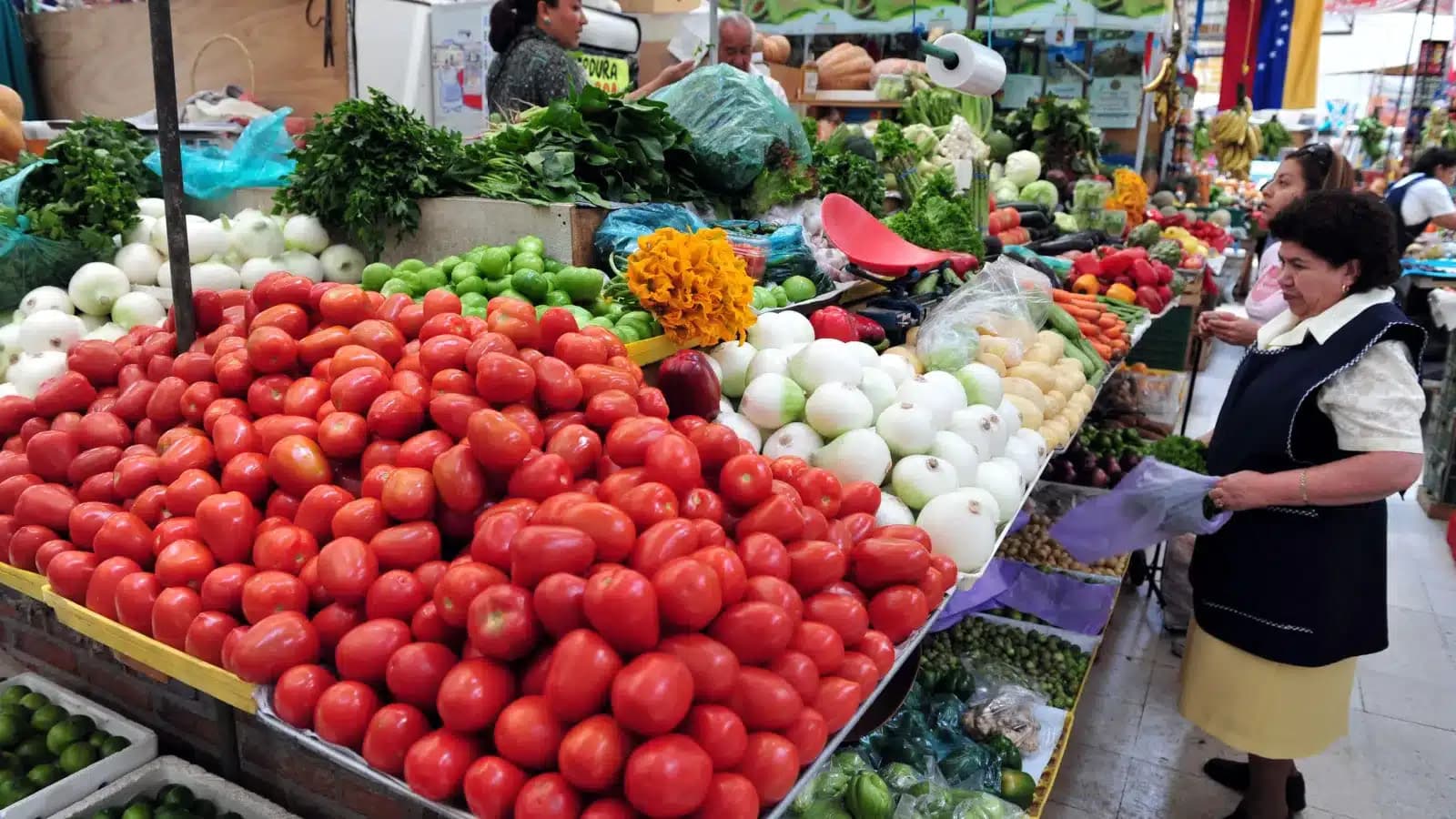
Day-to-day life is where it adds up. Fresh food from local markets is cheap and genuinely good, a big meal out runs about $11, and a taco from a great street stand costs a dollar or two. A doctor's visit or a dental cleaning costs a fraction of the US price, even without insurance. Buses and shared vans get you across town for pocket change, and you may find you do not need a car at all.
Utilities and internet are cheap too. Home internet runs around $30 a month and is fast enough for video calls in most cities, which is exactly why remote work here has taken off. Electricity is modest unless you run air conditioning hard on the coast in summer, when bills climb.
The good news is that a strong dollar has made all of this even cheaper for Americans in recent years. The catch is that imported groceries, US brands, a car, and anything aimed squarely at expats cost more, and in the most popular neighborhoods, like Roma and Condesa in Mexico City, rents have jumped sharply as more remote workers arrive. That has been hard on locals, and it is worth being a considerate neighbor about. Live a little more like a local yourself, shop the markets, take the bus, and your money goes a very long way.
Why the budget and the visa line up
Here's a quirk worth knowing. The income you need to qualify for residency, about $4,400 a month for temporary status, is higher than what most people actually spend to live here. So if you qualify on income, you can expect to live very comfortably on it, with room to spare. And if your income is lower, say you are a retiree on a modest pension, you can qualify on savings instead. Either way, the math tends to work in your favor rather than against it.
03 · Everyday life
What daily life actually feels like
The weather is the whole point
Much of Mexico sits at high altitude, which means a lot of the country enjoys spring-like weather all year, not the sticky heat people expect. Coastal towns like Puerto Vallarta and Playa del Carmen are warm and humid, mountain cities like San Miguel de Allende and Mexico City stay mild day and night, and there are around 250 sunny days a year to work with. You get to pick your climate, from beach heat to sweater weather, all inside one country.
You'll want some Spanish
English gets you surprisingly far in the big expat hubs, but Mexico is a Spanish-speaking country, and daily life runs smoother when you can order food, talk to a landlord, or handle paperwork on your own. You do not need to be fluent to start. A few months of lessons before you go, and a willingness to be a beginner, changes everything once you arrive. Locals are patient and warm with people who try.
Getting around
City centers are walkable, buses and shared vans are cheap, and rideshare apps work in most places. Domestic flights are affordable, so a weekend on the other coast is easy. If you drive, you can bring your own car down from the US and keep your plates for a while on temporary residency. That short distance home, often a single direct flight, is a big part of why people pick Mexico over farther-flung options.
Families and pets
Mexico is genuinely family friendly, with good private and bilingual schools in the bigger cities and a culture that welcomes kids everywhere. Homeschooling is allowed, pets come along easily, and you will see multiple generations out together on any given evening. One honest note for special-needs families: specialized care can be harder to find outside the major cities, so research it early.
Culture and community
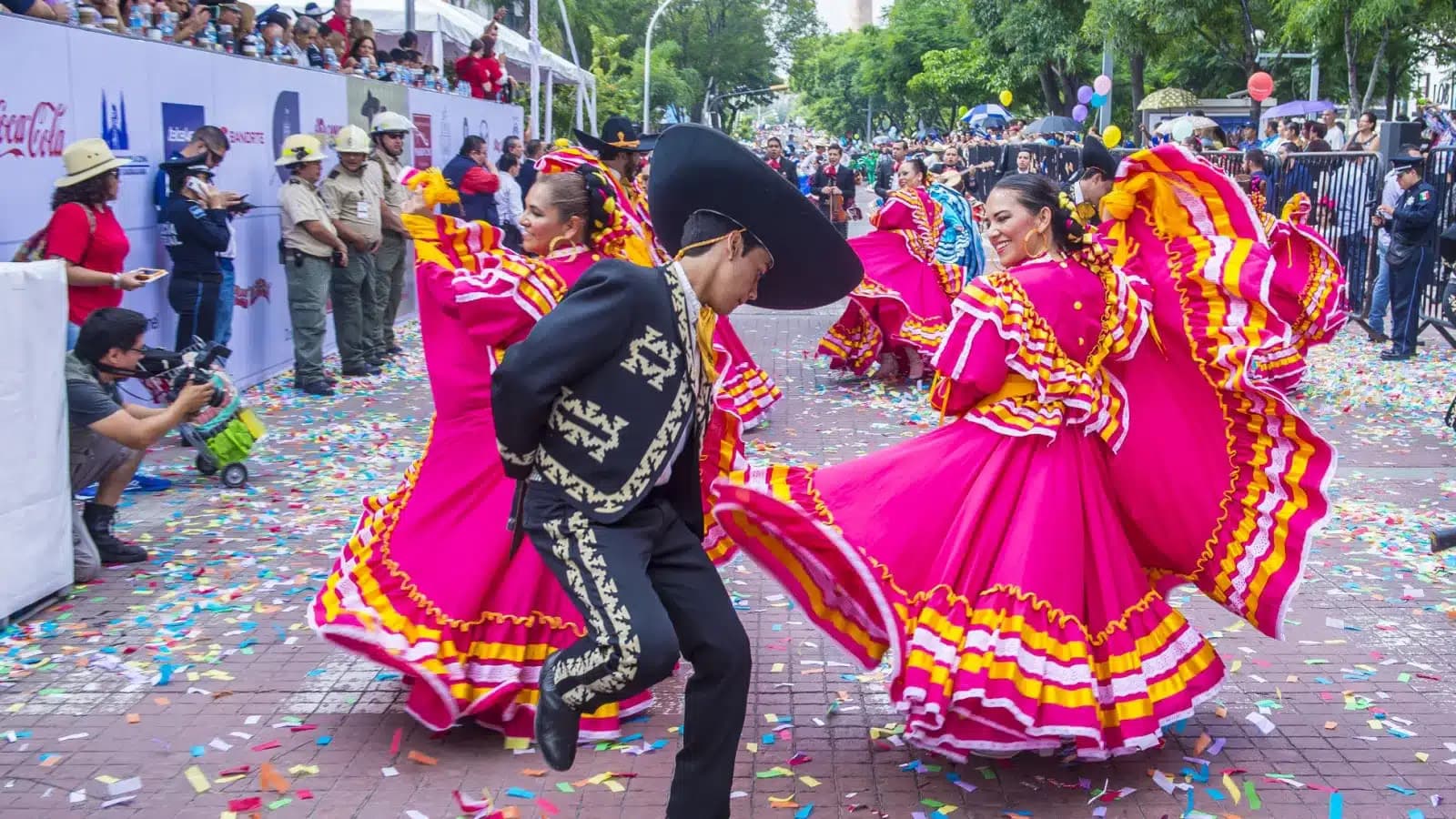
This is a country of festivals, incredible regional food, and famously warm people. Day of the Dead, endless local fiestas, live music in the plaza on a Sunday night, it is a place that shows up for life. Established expat communities in Merida, Lake Chapala, San Miguel, and the Riviera Maya mean you will find book clubs, pickleball leagues, volunteer groups, and real friends fast, in English if you need to at first and in Spanish as you grow into it.
What comes with the move
Warm weather, your pick
Beach heat or spring-like highlands, all year.
Affordable private care
Quality private healthcare at a fraction of US prices.
Four hours from home
Same time zones and a short, cheap flight back.
Big expat communities
Instant social life in the popular hubs.
A lower cost of living
Rent, food, and services all cost less.
Two coastlines
Pacific and Caribbean, plus mountains and desert.
04 · Your visa options
The residency path is simpler than you'd guess

There is no special retirement visa and no separate digital-nomad visa in Mexico. Everyone uses the same two-tier residency system, and honestly, that keeps things simple. You pick temporary or permanent, prove you can support yourself, and you are in.
Temporary residency (Residente Temporal)
This is the one most people start with, and it covers both retirees and remote workers. It lasts up to four years and explicitly lets you work remotely for a foreign employer while you live here. To qualify in 2026 you show either about $4,400 a month in income over the last six months, or roughly $73,000 in savings held for a year. You only need to meet one of the two, and crypto, home equity, and cars do not count toward the savings figure. See our full breakdown for remote workers and for retirees.
Permanent residency (Residente Permanente)
This never expires and never needs renewing, and it lets you work in Mexico without a separate permit. The bar is higher, roughly $7,000 to $7,800 a month in income or around $300,000 in savings. Retirees who clear it can often apply straight for permanent status and skip the renewals entirely. Everyone else does four years on temporary residency and then converts, with no income test required at that point. After that, citizenship is on the table in as little as five years.
The Plan B, spelled out
Here is why people call Mexico an easy exit plan. You book an appointment at a Mexican consulate near you, bring your financial documents, sit for a short interview, and you often walk out with the visa the same day. There is no language test and no points system to game. You then have 180 days to enter Mexico and 30 days after that to finish the paperwork at a local immigration office. Compare that to the years-long queues elsewhere and you see the appeal. The honest caveat: the income or savings bar is real, the permanent route wants an apostilled FBI background check, and the old trick of living here forever on back-to-back tourist stays is being tightened. Residency is the stable path, and it is within reach for most people who plan ahead.
Compare Mexico's residency options
| Visa | Category | Application cost | Processing | Difficulty | Guide |
|---|---|---|---|---|---|
| Residente Temporal | retirement | — | ~1 days | 3/5 | Guide |
| Residente Temporal or Permanente | retirement | — | ~1 days | 4/5 | Guide |
05 · The practical stuff
Healthcare, taxes, and the fine print

Healthcare
Mexico runs a mixed system: public coverage through IMSS that residents can pay into for a modest annual fee, and a large private sector that most expats use day to day. Private care is genuinely good, often English-speaking in the hubs, with modern hospitals and short wait times, and it costs 30 to 50 percent of what you would pay in the States. The big thing to know: Medicare does not cover you in Mexico. Plan to buy private insurance (our partner ExpatInsure can help) or pay cash for routine care, which many people happily do because it is so affordable. Seniors can also get an INAPAM card for discounts.
Taxes
You become a Mexican tax resident if Mexico becomes your main home, or if you spend more than 183 days a year here. Residents are taxed on worldwide income on a progressive scale that tops out around 35 percent. The good news is the US-Mexico treaty: your Social Security is taxed only by the US, and the Foreign Tax Credit stops you from paying twice on pensions and other income. In practice, retirees living on US-source income often owe little or nothing to Mexico. Either way, as a US citizen you keep filing a US return every year, plus an FBAR if your foreign accounts top $10,000. A local accountant is worth it once you are a full-time resident.
Money and banking
You will need an RFC, a Mexican tax ID, to open a local bank account, and proof of income to get started. Many expats keep their US bank account and simply move money over with a service like Moneycorp to dodge bad exchange rates. If you buy property on the coast, you will likely hold it through a bank trust called a fideicomiso, which is normal and well understood.
Safety, honestly
Mexico sits at a national Level 2 US advisory, but that single number hides a huge range. The State Department rates all 32 states separately, which no other country gets. Yucatan and Campeche are Level 1, the same rating as most of Europe, while six states are Level 4 and best avoided. Merida is one of the safest large cities in the Americas, with a murder rate lower than many mid-size US cities, and national homicides fell about 25 percent through 2025. Some beloved cities sit in higher-rated states because of activity far from the tourist areas: San Miguel de Allende and Puerto Vallarta both feel very safe on the ground despite their state ratings. The rule is simple: choose your state with care, fly into the good ones, and the popular expat towns are far safer than the headlines make you think.
This guide has a shelf life
We date this on purpose. Mexico's residency income thresholds reset every January, each consulate applies them a little differently, safety advisories change through the year, and tax rules shift. Everything here is current for 2026. Always confirm the details with your consulate before you book anything.
06 · Where to live
Where Americans are actually landing
Mérida
Safe and colonial
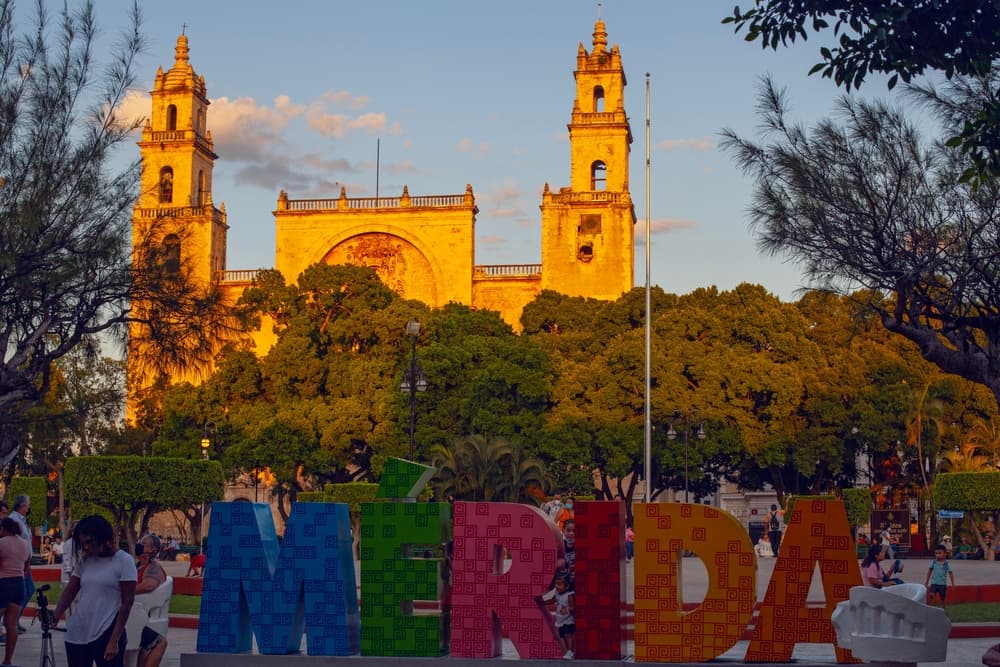
The capital of Yucatan and one of the safest large cities in the Americas. Grand colonial architecture, a booming expat scene, great hospitals, and the Gulf beaches an hour away. A favorite first landing for cautious movers.
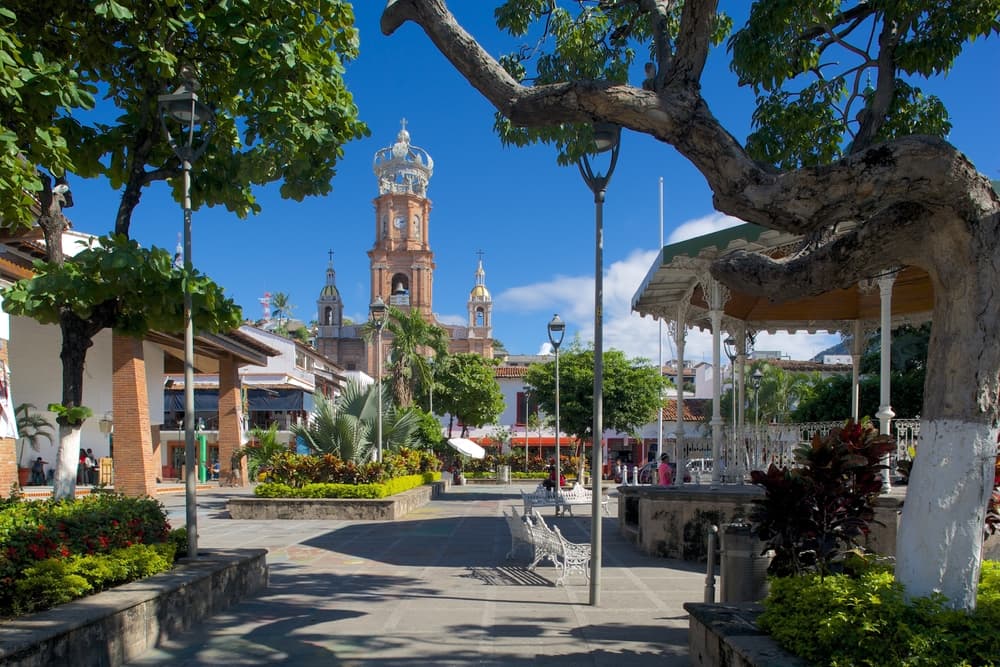
Puerto Vallarta
Pacific beach town
A warm, walkable resort city on Banderas Bay with a huge retiree and LGBTQ community, an easygoing pace, and plenty of direct flights home. Beach living with real infrastructure behind it.
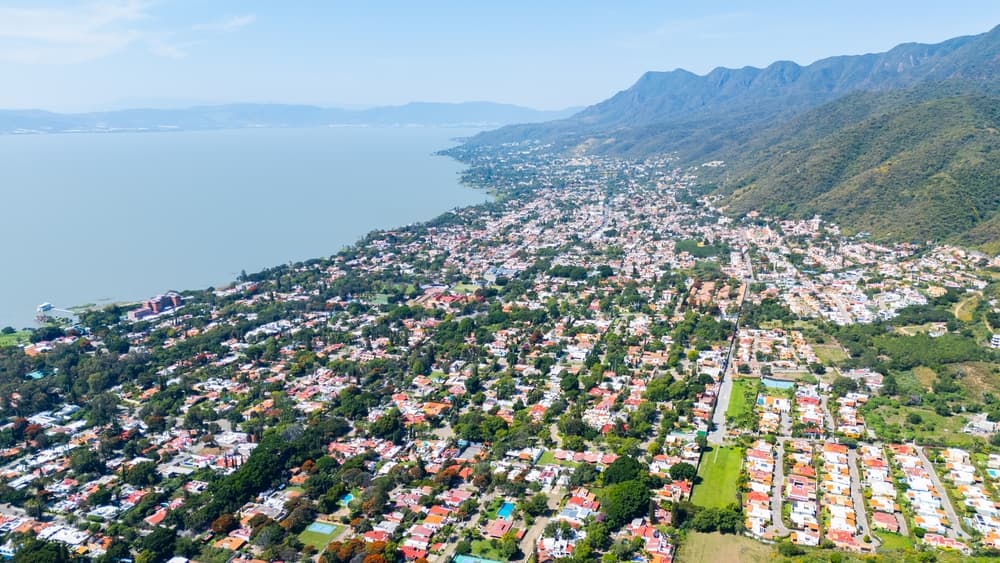
Lake Chapala
Lakeside retiree hub
The north shore of Mexico's biggest lake, 45 minutes from Guadalajara, holds the largest US and Canadian retiree community abroad. Spring-like weather all year, cobblestone villages like Ajijic, and an easy, English-friendly pace.
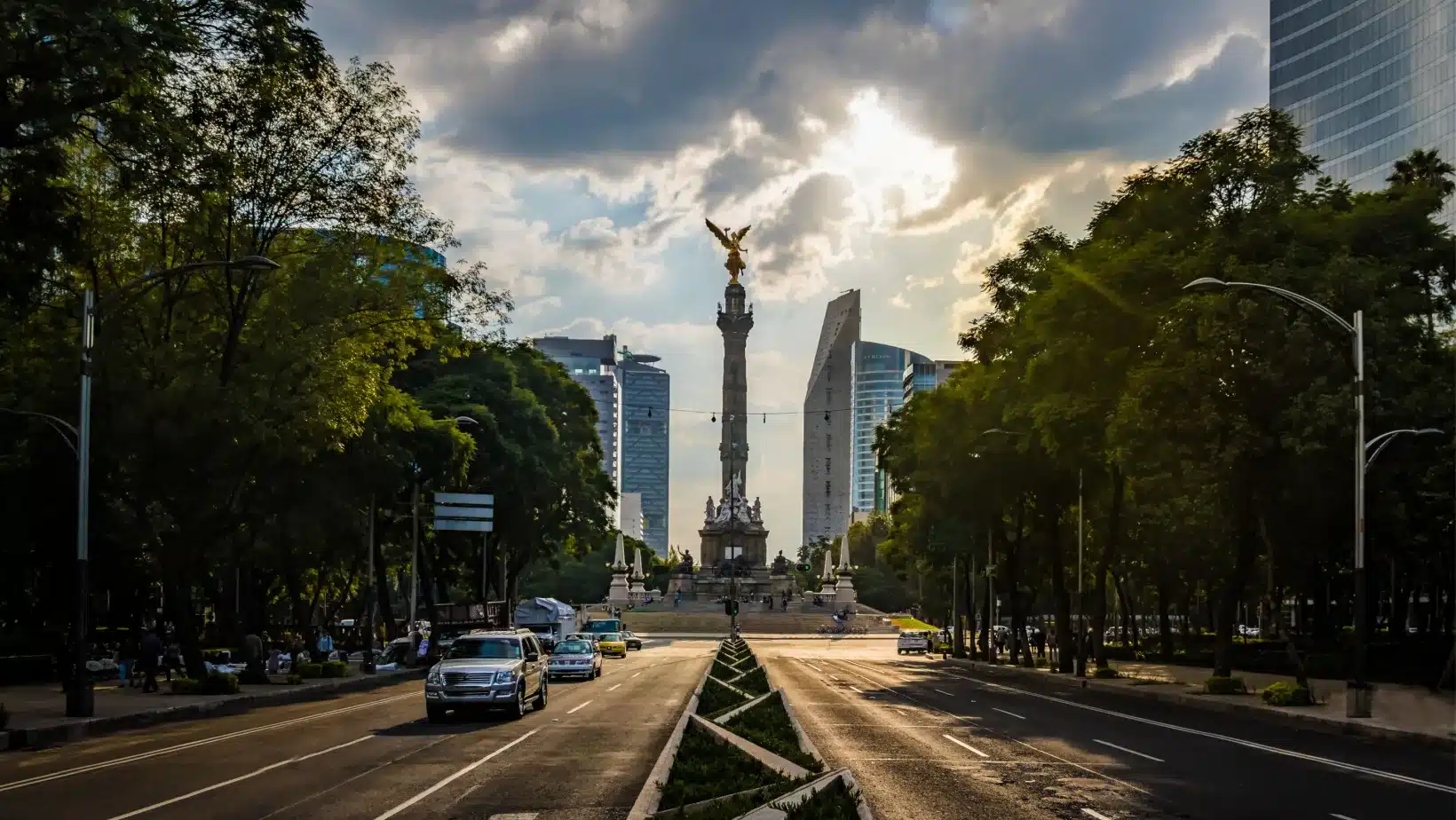
Mexico City
Big-city energy
Some of the best food, museums, parks, and coworking in the hemisphere, at a fraction of New York prices. The top landing spot for remote workers, especially the leafy Roma and Condesa neighborhoods.
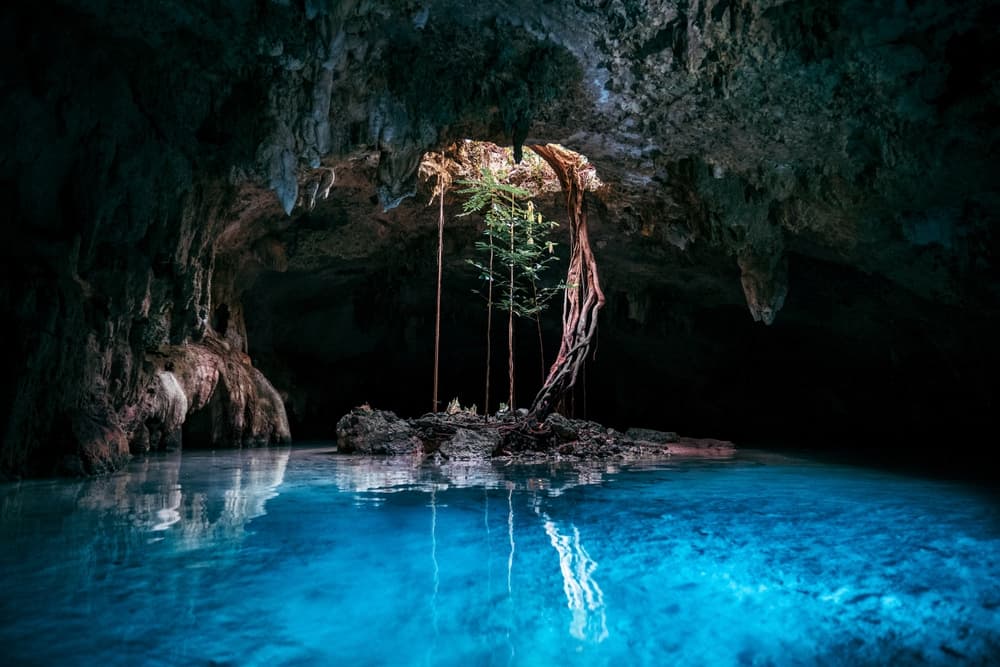
Tulum
Bohemian beach and ruins
Bohemian beach living on the Caribbean, home to the only beachfront Mayan ruins and a jungle full of cenotes. It pulls a young remote-work and wellness crowd, with coworking spaces multiplying fast. Here's the catch: Tulum has boomed hard, so prices now rival US beach towns and the pace leans more vacation than settle down.
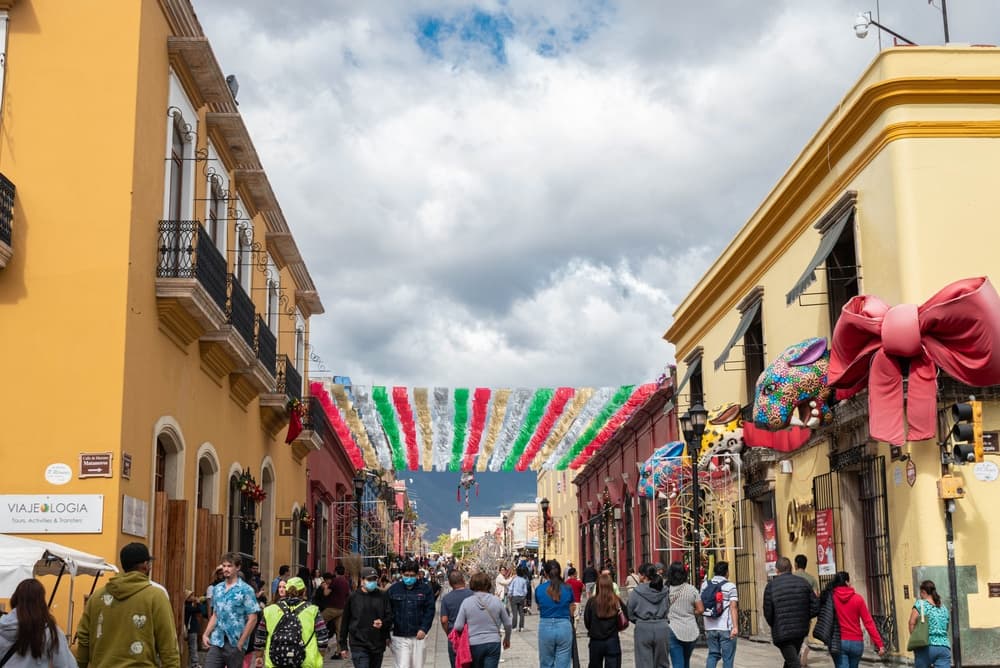
Oaxaca
Culture and food
A UNESCO-listed colonial city that food lovers obsess over, packed with art, mezcal, and festivals. A growing base for creatives and nomads who want depth over polish.
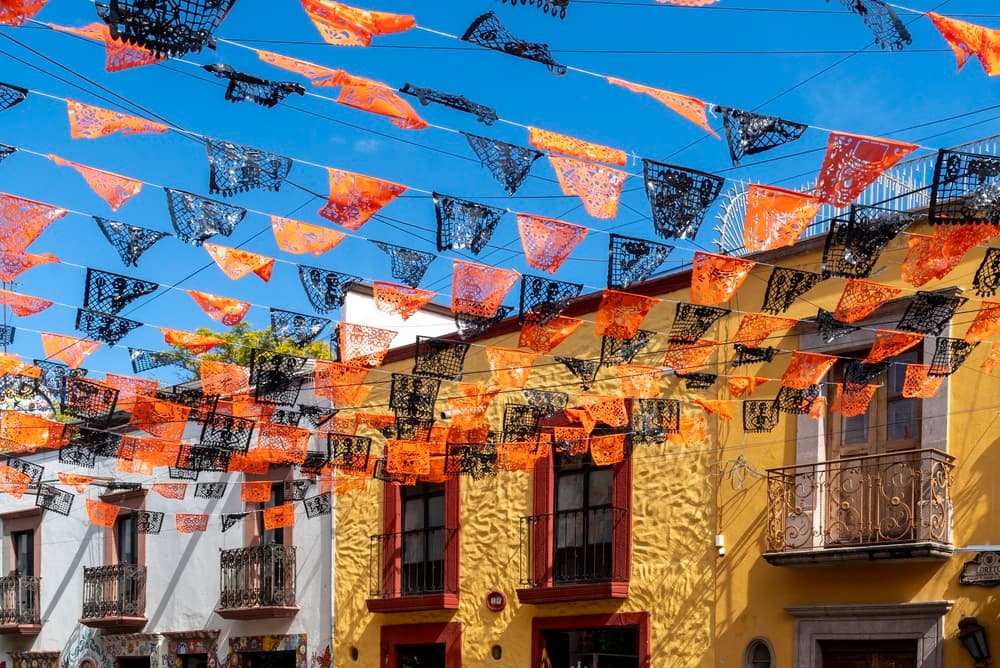
San Miguel de Allende
Arts and expats
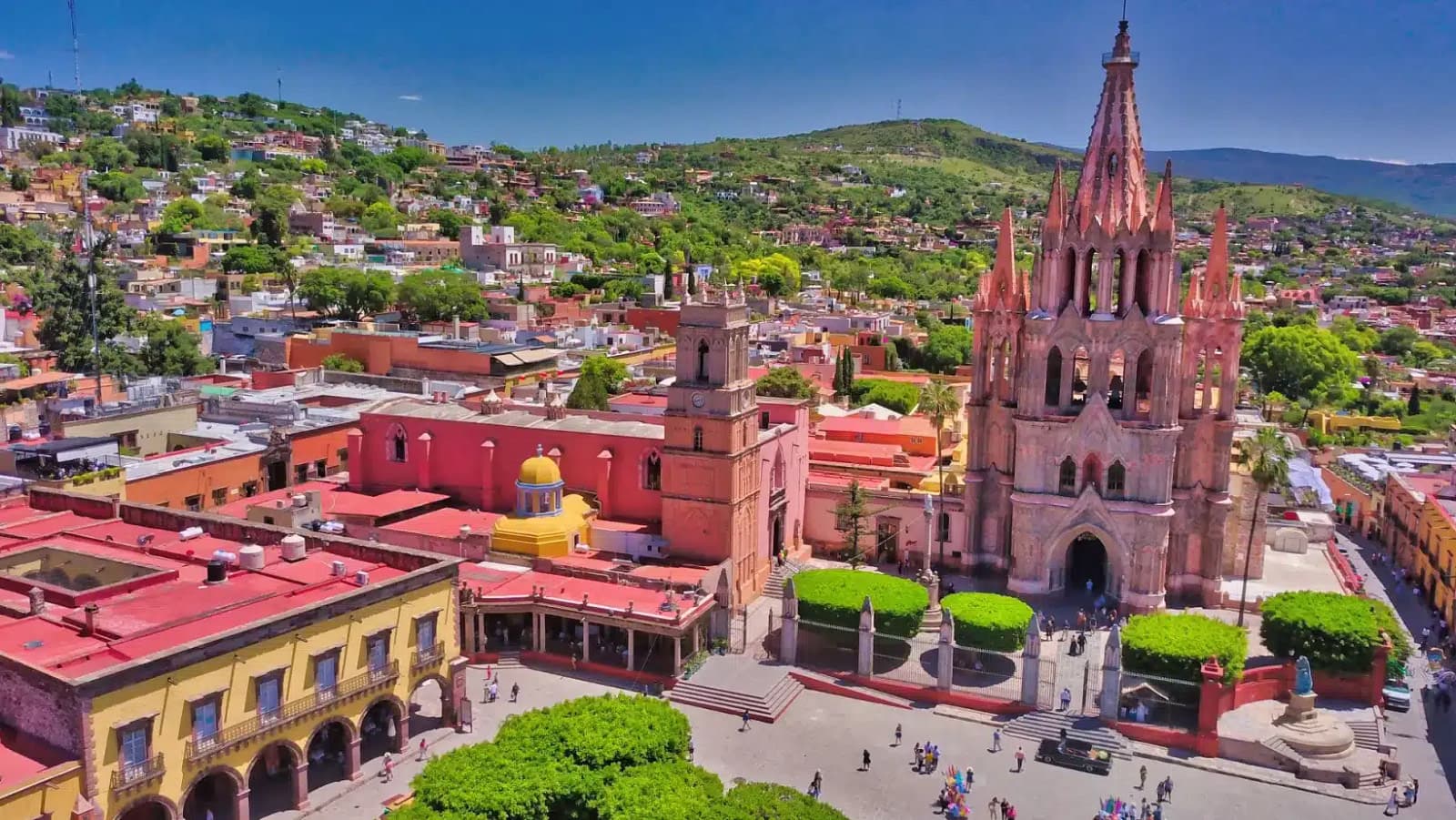
A UNESCO-listed colonial town in the central highlands that keeps getting voted the best city in the world. Think cobblestone streets, a fairy-tale pink church, galleries and great food, plus one of the oldest and largest American and Canadian communities anywhere. The weather is mild all year, though its fame has pushed prices up.
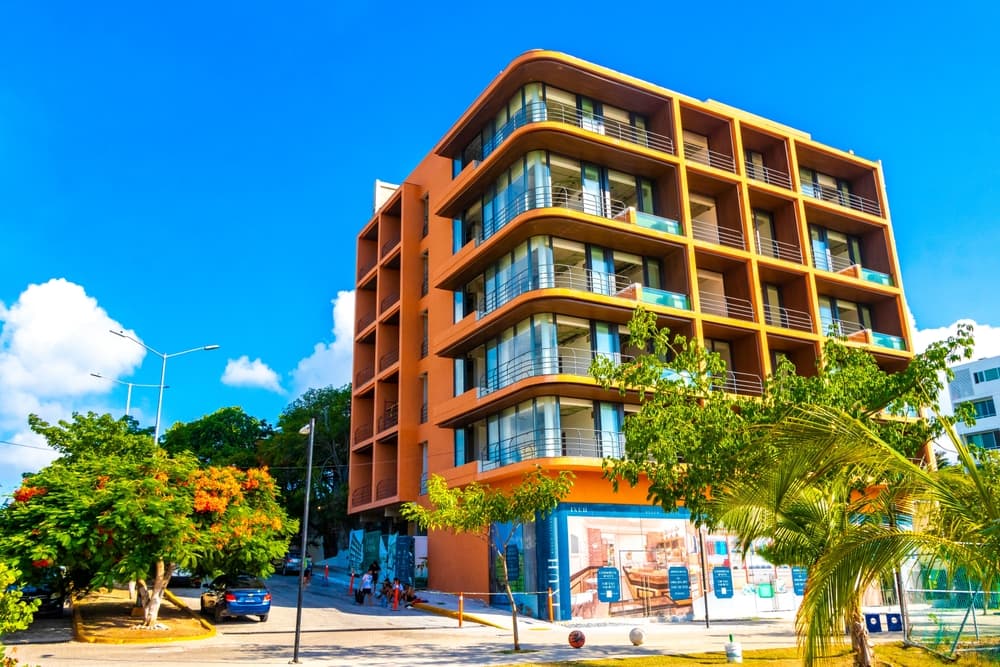
Playa del Carmen
Caribbean coast
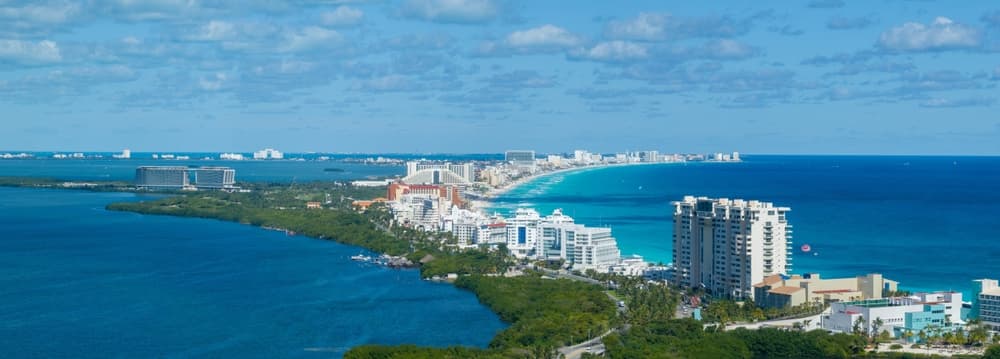
The heart of the Riviera Maya, with turquoise water, fast internet, and a very international, English-friendly crowd. Cancun's airport and its US flights sit 45 minutes up the road.
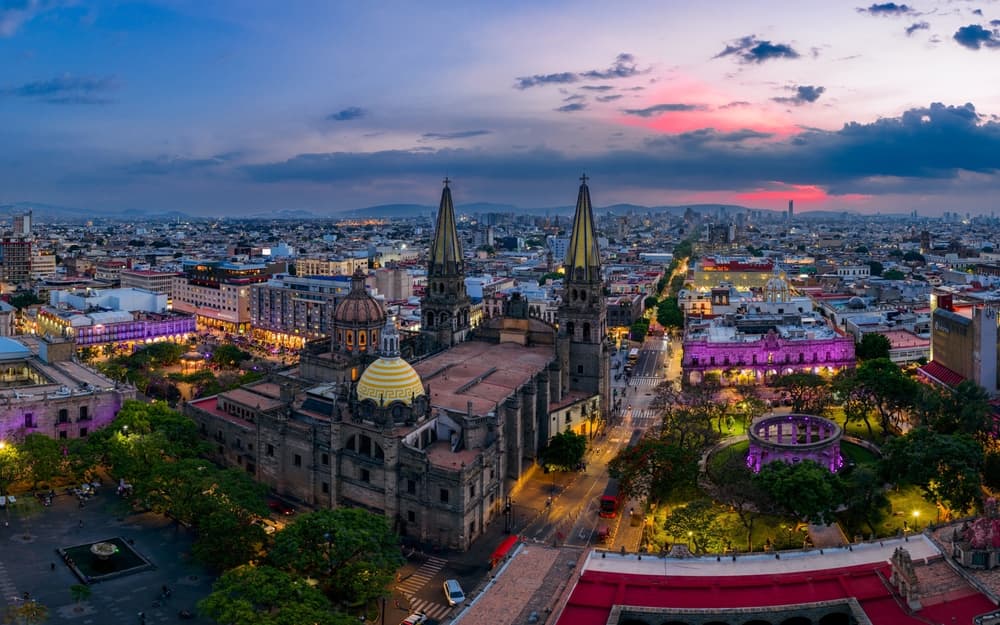
Guadalajara
Mexico's second city
The birthplace of mariachi and tequila, now the country's tech hub, with spring weather all year and a huge, walkable historic center. Fewer expats than Chapala down the road, so you'll need Spanish, but it's a real metropolis rather than an expat bubble.
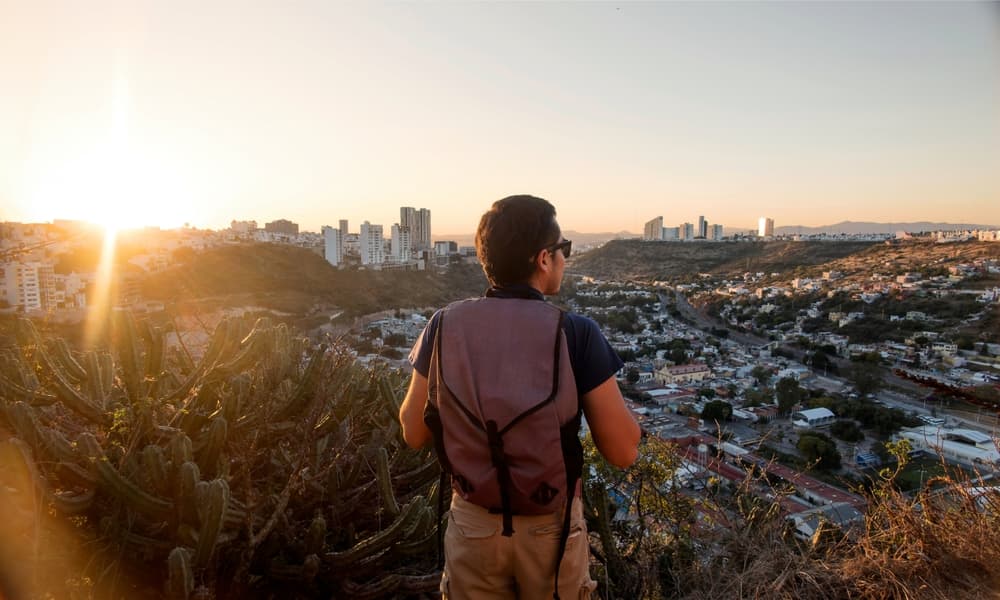
Querétaro
Colonial city, modern jobs
A UNESCO colonial center with a stone aqueduct running through it, wrapped in Mexico's aerospace and manufacturing belt, so there is real work here and a middle class to match. It rates among the safer big cities in the country. Expats are few, so plan on Spanish.
The people who make it easier
You do not have to figure this out alone, and you should not have to. These are vetted Expatsi partners who actually live and work in Mexico, from visa specialists who run the consulate process for you to local guides who can walk you through a neighborhood before you sign a lease. Every one of them has helped Americans make this exact move, and they know where the paperwork snags and which streets you will want to live on.

Life in Merida
Mérida Relocation Specialist, Mérida Local Guide
Life in Merida helps you find a home and settle into Yucatan's safest, most walkable city, with real estate and relocation support on the ground.
Learn more
Silvia Galambosi
Move Abroad Coach, Riviera Maya Local Guide
Silvia Galambosi is a move-abroad coach who runs relocation tours and real estate along the Riviera Maya, from Playa del Carmen to Tulum and Cancun.
Learn more
Heather Borquez
Baja Local Guide
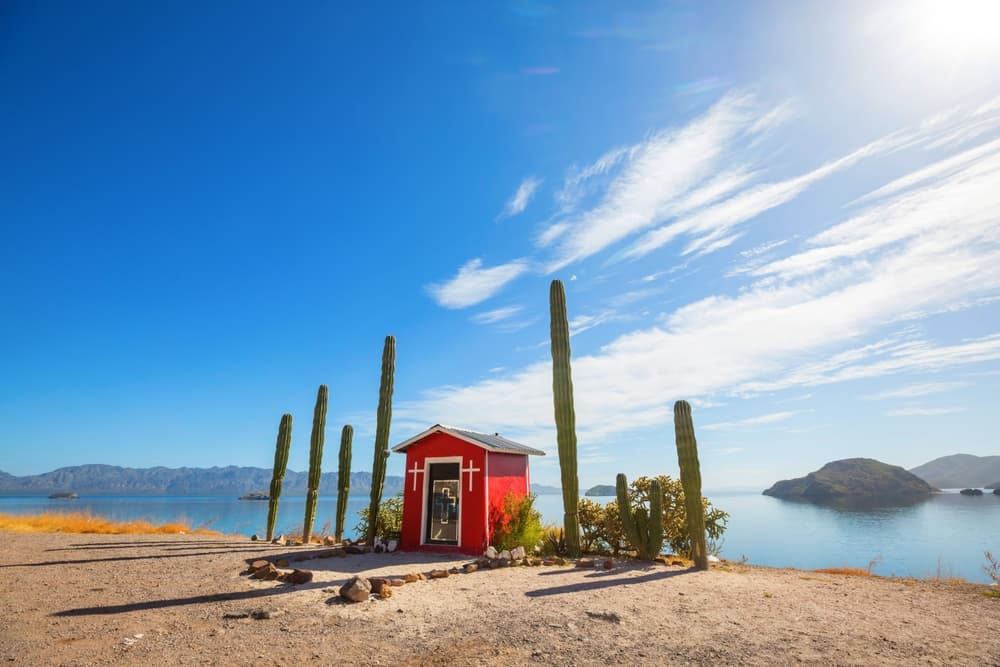
Heather Borquez is your local guide and real estate contact for the Baja peninsula, from La Paz to Los Cabos.
Learn more
Kendra Scheerer
San Miguel de Allende Local Guide
Kendra Scheerer knows San Miguel de Allende inside out, and she is a favorite of empty nesters and blended families finding their footing.
Learn more
Donna Shields
Oaxaca Local Guide
Donna Shields is your guide to Oaxaca, its legendary food scene, and its year-round calendar of festivals.
Learn more
See it before you commit
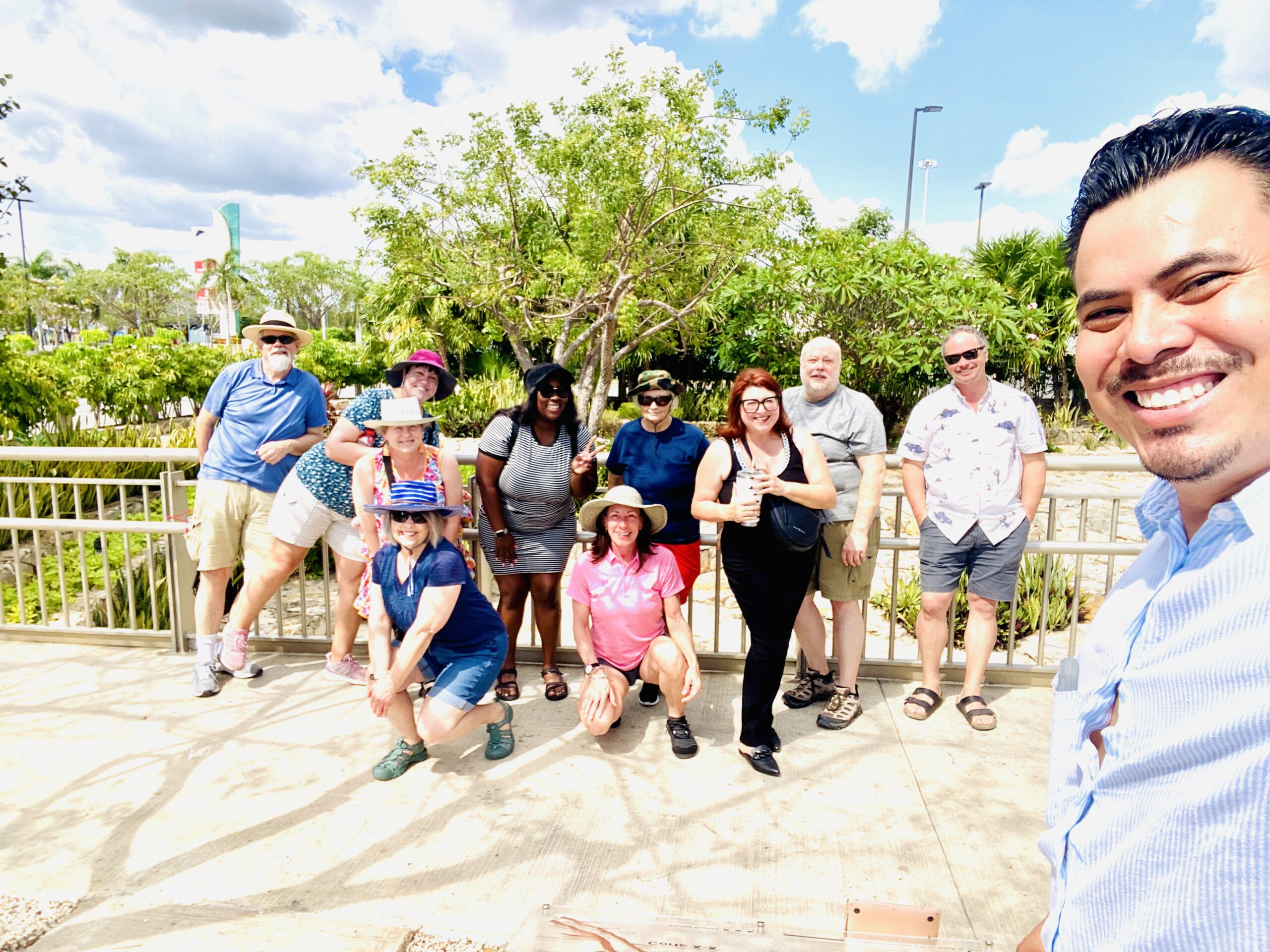
The smartest way to test a city is to spend real time in it with people who already live there, not to gamble your whole life on a one-week vacation impression. Expatsi runs small-group scouting trips to the places Americans actually move, including Merida, Oaxaca, Puerto Vallarta, Mexico City, San Miguel, and the Riviera Maya. You tour real neighborhoods, meet expats who made the leap, and sit down with visa and real estate pros, so you leave knowing whether the place fits your budget and your life.
Upcoming Mexico scouting trips
Merida
6 nights · Jan 20-26 or Mar 17-23, 2027 · hosted by Amy Jones
- Professionals Seminar
- Meet Other Foreign Residents
- 6 nights
From $699 per person
See this trip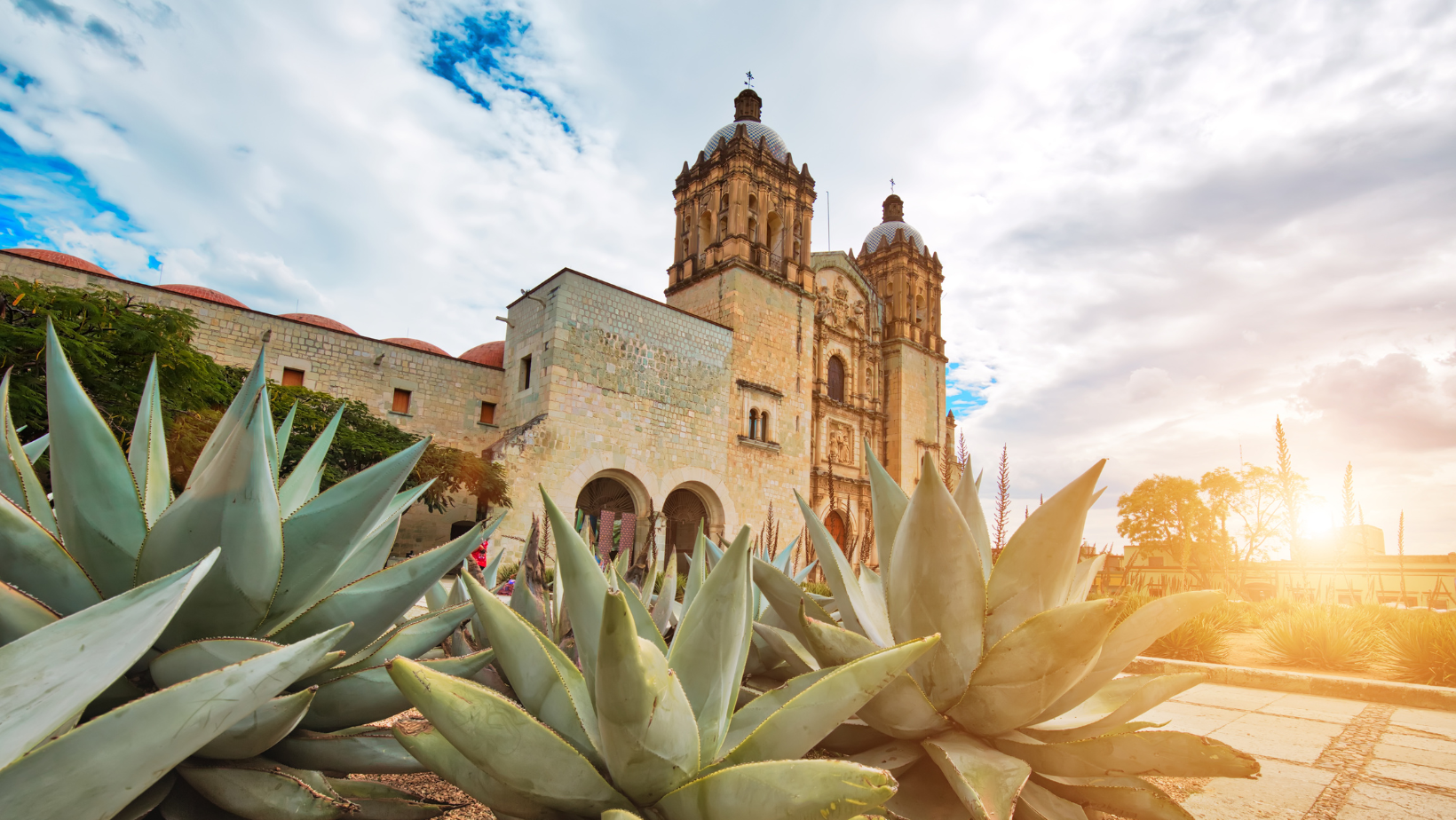
Oaxaca
3 nights · Nov 11-14 or Jan 13-16, 2026 · hosted by Donna Shields
- Seminar with experts in moving to Oaxaca
- Neighborhood & real estate tours with transporation included
- 4-star hotel accommodations
From $899 per person
See this trip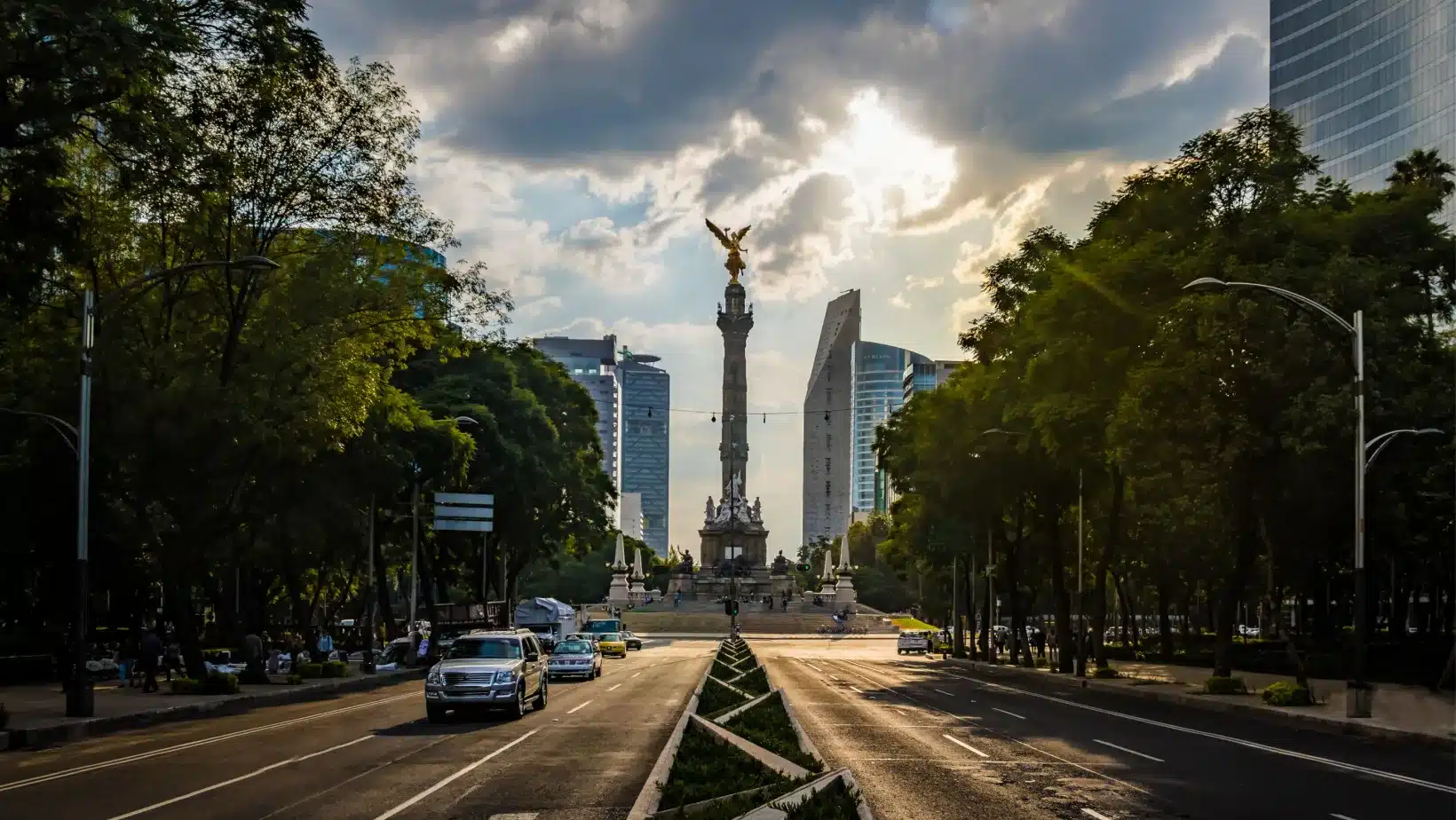
Mexico City
5 nights · Oct 29-Nov 3, 2027 · hosted by Luis Carlos Eduardo
- Seminar & opening dinner with experts in visas, healthcare, & taxes
- Lodging not included
- 5 nights
From $999 per person
See this trip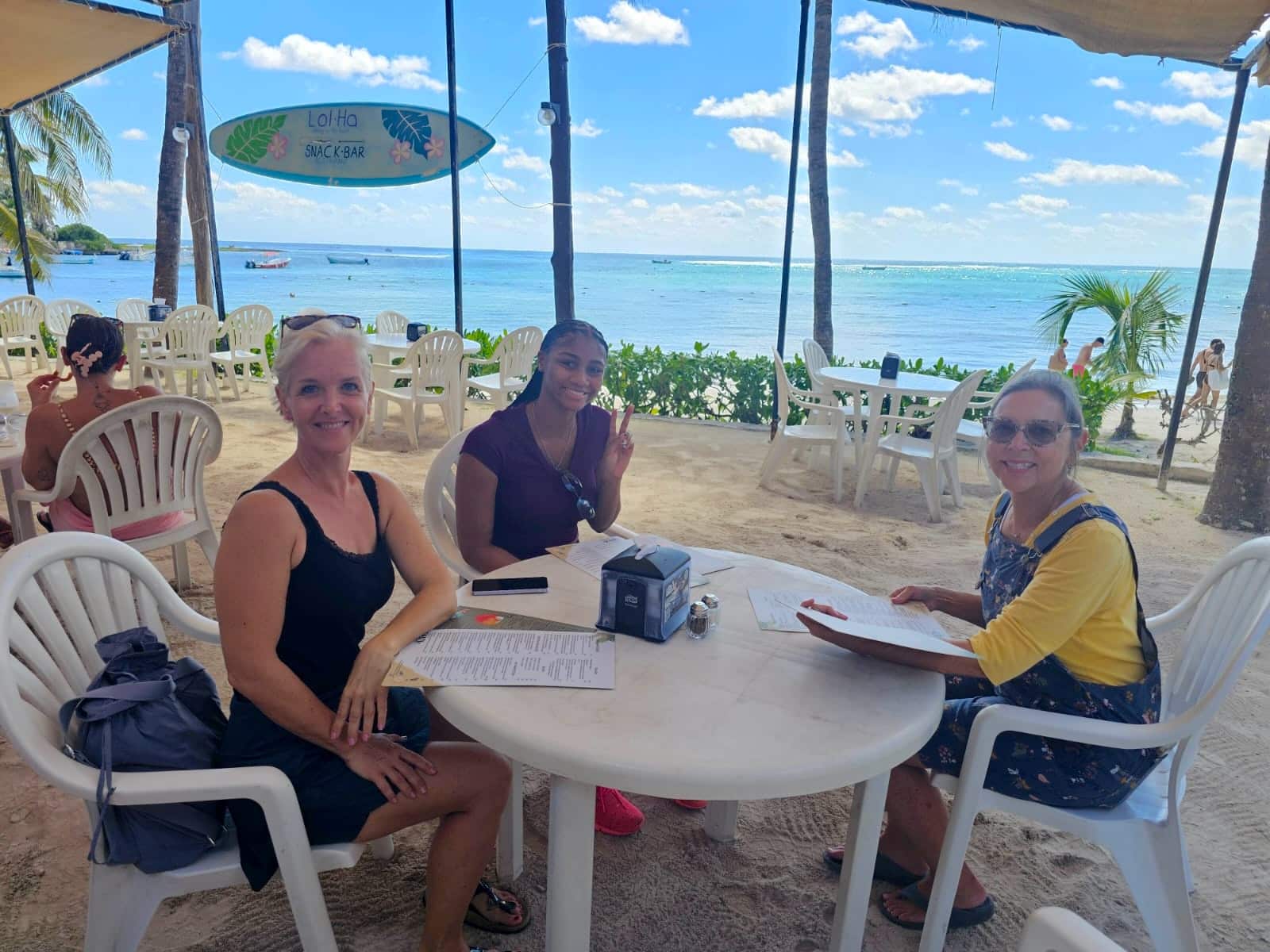
Riviera Maya
4 nights · Mar 10-14 or Oct 13-17, 2027 · hosted by Silvia Galambosi
- Seminar with experts in moving to the Riviera Maya
- Neighborhood & real estate tours with transporation included
- Lodging included: 4-star hotel accommodations
From $1,999 per person
See this trip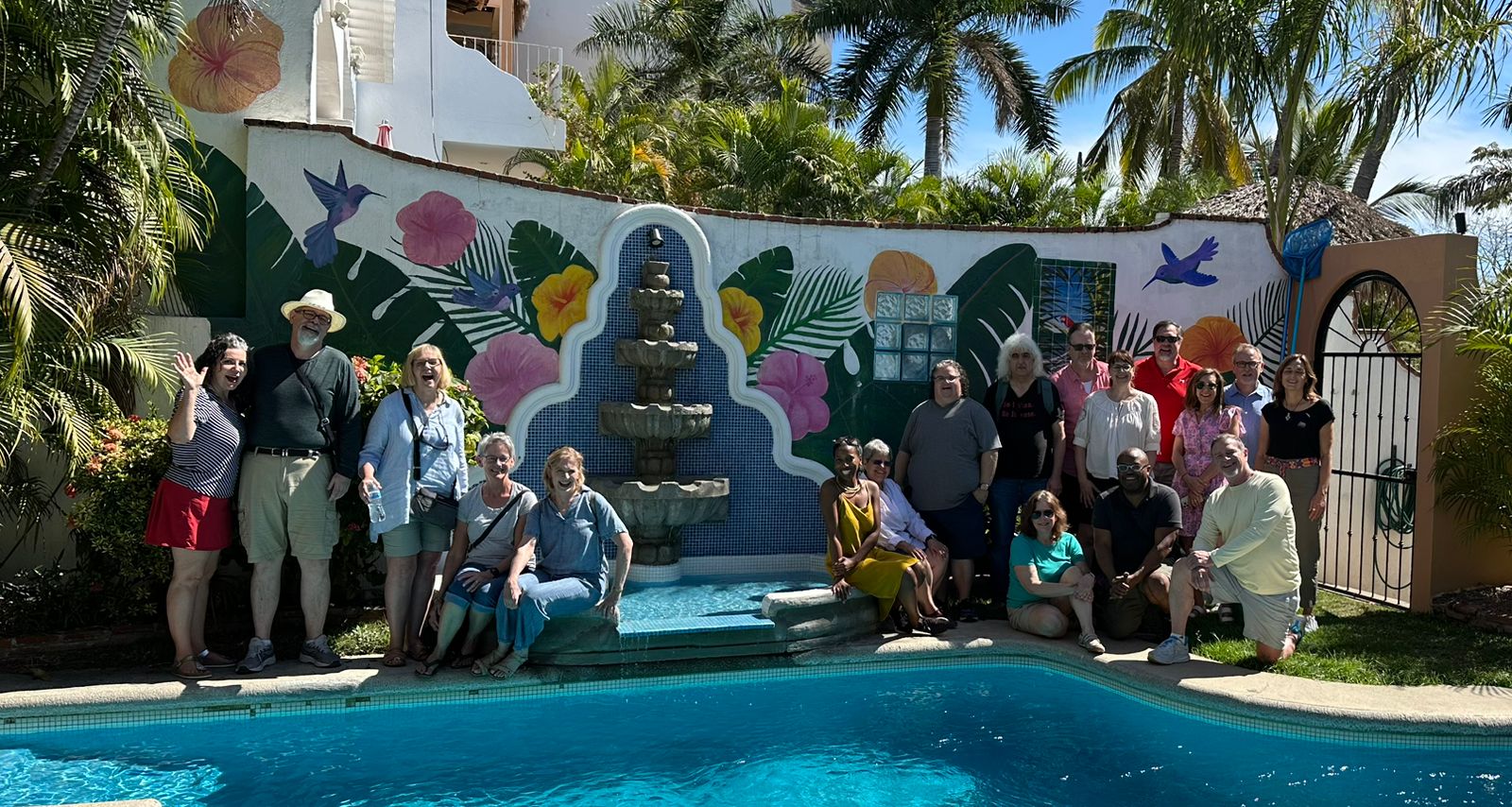
Puerto Vallarta
6 nights · Nov 18-24 or Feb 15-21, 2026 · hosted by Shasta Townsend
- Seminar & opening dinner with experts in visas, healthcare, & taxes
- Four-star accommodations, breakfast, and group transportation
- 6 nights
From $2,299 per person
See this tripGo deeper
A few free guides and member webinars to help you plan the details once you are past the big decision.
Mexico Healthcare Report
Healthcare guide for Mexico
A free, plain-English rundown of how healthcare actually works for expats in Mexico, public and private.
Move To Mexico in 60 Days
Embark on your new life in Mexico! This webinar guides you through the essential steps to relocate seamlessly in just 60 days, from visa requirements to settling in.
The step-by-step version of making the move fast, from documents to arrival.
Managing Finances and Investments as an Expat in Mexico
Join us to learn more about how to manage your finances as an expat in Mexico: taxes, investments, and compliance.
Handling money, taxes, and investments once you live here full time.
Moving To Mexico City
In this webinar you will learn more about why people love Mexico City and have all your Scouting Trip questions answered.
A closer look at landing in the capital, neighborhood by neighborhood.
Find your people
Mexico
Expatsi Community
Swap real, current advice with Americans already living in Mexico and others planning the same move. It is the fastest way to get honest answers about a specific city, a specific consulate, or a specific worry.
Join the communityCommon questions about moving to Mexico
How much money do I need to qualify?
For temporary residency in 2026, roughly $4,400 a month in income or about $73,000 in savings. For permanent residency, roughly $7,000 to $7,800 a month or around $300,000 in savings. You only need to meet one, and the exact figures vary by consulate and reset every January.
Do digital nomads have a special visa?
No. Mexico has no dedicated digital-nomad visa. Remote workers use temporary residency, which specifically allows you to work remotely for a foreign employer while you live here.
Does Medicare work in Mexico?
No, Medicare does not cover care received in Mexico. The upside is that private care is high quality and costs 30 to 50 percent of US prices. Residents can also pay into the public IMSS system or buy affordable private insurance.
Is it hard to get residency in Mexico?
Not really. It is one of the simpler residency processes out there. You qualify on income or savings, apply at a Mexican consulate near you, and often walk out with the visa the same day. There is no language test and no points system. You finish the paperwork at an immigration office once you arrive.
How long until I can become a citizen?
Permanent residents can usually apply for Mexican citizenship after five years of residency, or after two years if you are married to a Mexican citizen or have a Mexican child. Mexico allows dual nationality, so you keep your U.S. passport.
Can I just live in Mexico on tourist stays?
You can visit for up to 180 days at a time, but immigration officers now sometimes grant fewer days, and back-to-back tourist entries are not a legal way to live here long term. If Mexico is your home, residency is the stable path.
Is Mexico safe?
It depends heavily on the state. The country is Level 2 overall, but Yucatan and Campeche are Level 1 (the safest rating) while six states are Level 4. Popular expat cities like Merida, San Miguel de Allende, and Puerto Vallarta are far safer than the national headlines suggest.
Will I get taxed twice?
As an American citizen, you always file a U.S. return, no matter where you live. If you become a Mexican tax resident you may also file in Mexico, but the US-Mexico treaty means your Social Security is taxed only by the U.S., and the Foreign Tax Credit prevents most double taxation on the rest.
Sources
Sources
- Financial Criteria for Legal Residency in Mexico 2026 · Mexperience (checked 2026-07-30)
- Qualifying for Legal Residency in Mexico in 2026 · Mexperience (checked 2026-07-30)
- Mexican Residency Income Requirements Updates in 2026 · Mexico Relocation Guide (checked 2026-07-30)
- Mexico Permanent Residency Requirements 2026 · ResidencyMexico (checked 2026-07-30)
- Retire in Mexico: Costs, Visas, Healthcare, and Taxes · Greenback Expat Tax Services (checked 2026-07-30)
- Is Mexico Safe in 2026? State-by-State Advisory · Latam Travellers (checked 2026-07-30)
- Mexico Travel Advisory · U.S. Department of State (checked 2026-07-30)
- 1.6 million Americans now live in Mexico · FOX 26 Houston (checked 2026-07-30)
Not sure Mexico is your place?
Take the free Expatsi Test and see which countries and cities fit your budget, your visa odds, and your life.
navy