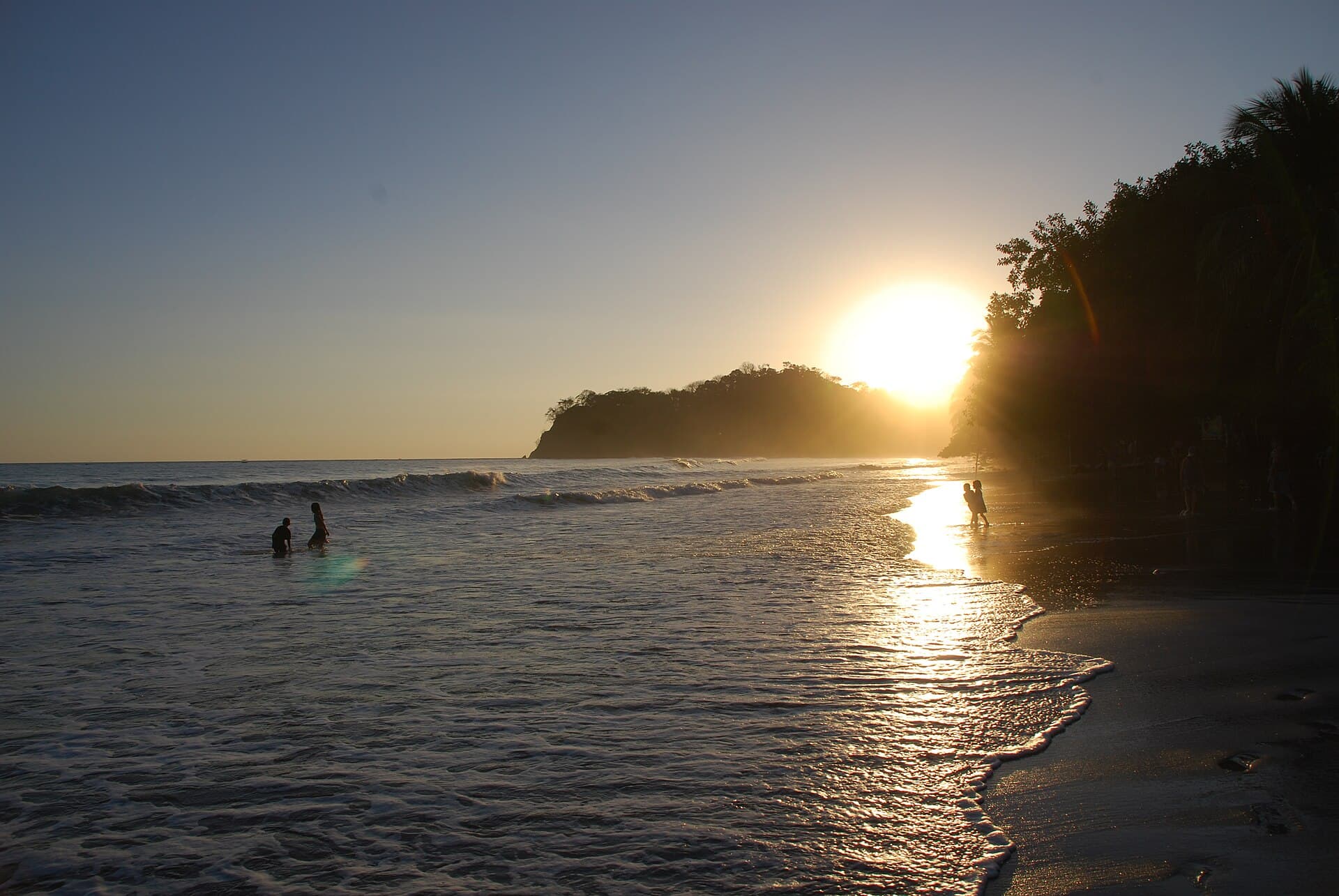
Sámara: a calm bay and a small-town pace on the Nicoya Peninsula
Cost of living, safety and retiring in a beach town of about 3,500 people, where the closest hospital is about 22 miles inland in Nicoya.
- 3,536
- Population (2022)
- $2,000/mo
- Monthly budget · single
- 80°F / 27°C
- Avg temperature
Plan on spending around $2,000 a month for one person in Sámara, and about $2,800 for a couple (2026 figures). Single budgets in our data run from $1,500 to $2,400 depending on how you live, and a family of four should figure on roughly $4,000. Rent drives most of it: a one-bedroom in the center of town averages about $800, and closer to $550 a little way outside it.
For that you get a small Guanacaste town on a reef-sheltered bay, where the water is usually gentle enough for swimming, paddling and a first surf lesson. It suits retirees who want a quiet beach town with Spanish classes down the street, families who want a calm beach and a bilingual school in town, and remote workers who can live with a modest setup.
The trade-off is how far it sits from everything else. Liberia's international airport is about two hours away by road, and the drive to San José takes four hours or more.

Reviewed and updated November 3, 2026 · 4 min read
At a glance
$2,000
Monthly budget · single person
$800/mo 1-bed rent, center
58/100
Safety index
$60
Internet / month
80°Fannual average
Oct 78° · Mar 83°
Climate
3,536
Population (2022)
Expatsi estimates, updated Nov 2026, based on rental listings, government statistics, and local reporting. Coverage here is thin, so treat these as a rough guide.
Cost of living
What it costs to live in Sámara
Single person
$1,500–$2,400/mo
about 35% below Austin, TX
Couple
$2,100–$3,500/mo
about 40% below Austin, TX
Family of four
$3,200–$4,900/mo
about 50% below Austin, TX
Compared with Austin, TX (Expatsi estimate, 2026).
- $10 −50%
- Inexpensive meal
- $600–$1,000/mo −59%
- 1-bed rent, center
- $400–$700/mo −59%
- 1-bed rent, outside
- $60/mo −8%
- Internet
Expatsi estimates, updated Nov 2026, based on rental listings, government statistics, and local reporting. Coverage here is thin, so treat these as a rough guide.
Daily life
How Sámara lives
- C+ grade, 22nd percentile among the cities we track
- Dining & cafésmodest
- C- grade, 0th percentile among the cities we track
- Arts & culturemodest
- B- grade, 25th percentile among the cities we track
- Parks & outdoorstypical
- C grade, 8th percentile among the cities we track
- Schools & educationmodest
- C grade, 8th percentile among the cities we track
- Healthcare accessmodest
- C- grade, 0th percentile among the cities we track
- Bike infrastructuremodest
- C grade, 6th percentile among the cities we track
- Public transitmodest
Graded on OpenStreetMap amenity density relative to the 442 cities we track. Accessibility is the exception: it's graded against a fixed standard (terrain steepness and sidewalk surfaces), not a curve.
Climate
Weather through the year
Annual average 80°F (27°C) · 118 in of rain a year · Source: Open-Meteo Historical Weather API (temps: ERA5-Land 0.1°; precip/sunshine: ERA5 best-match; 1991-2020 normals)
On the ground
Scenes from Sámara
Photos by Wikimedia Commons contributors; open any photo for its credit and license.
Getting around
Transport in Sámara
Sámara is small enough to live on foot. The main road comes down a steep hill, passes the soccer field and ends at the beach, and the supermarket, bus stop, restaurants and sand are all a short walk from each other. Bikes and taxis cover anything a bit farther out.
Buses are for leaving town. Local buses run to Nicoya every hour or two from early morning into the evening, and that's how you get to the hospital, bigger stores and more frequent buses to the capital. Empresa Alfaro also runs a direct express to San José twice each morning, a ride of about five and a half hours.
The drive in is easy. Route 150 from Nicoya has been paved since 2006, Liberia's airport is about two hours away, and San José's is four hours or more. There's also a small domestic airstrip at Carrillo, about 3 miles east, with flights from San José.
Do you need a car? Not if you rent in the center. You'll want one if you live in the hills around town, plan regular trips to Nicoya, or want Playa Carrillo, about 10 minutes south, and the quieter beaches beyond it on your own schedule.
- 0.3/sq mi
- Transit stops
- 0.0/sq mi
- Bike infrastructure
- 0.3/sq mi
- Wheelchair-accessible places
Mapped features per square mile from OpenStreetMap.
Keep exploring
Places like Sámara
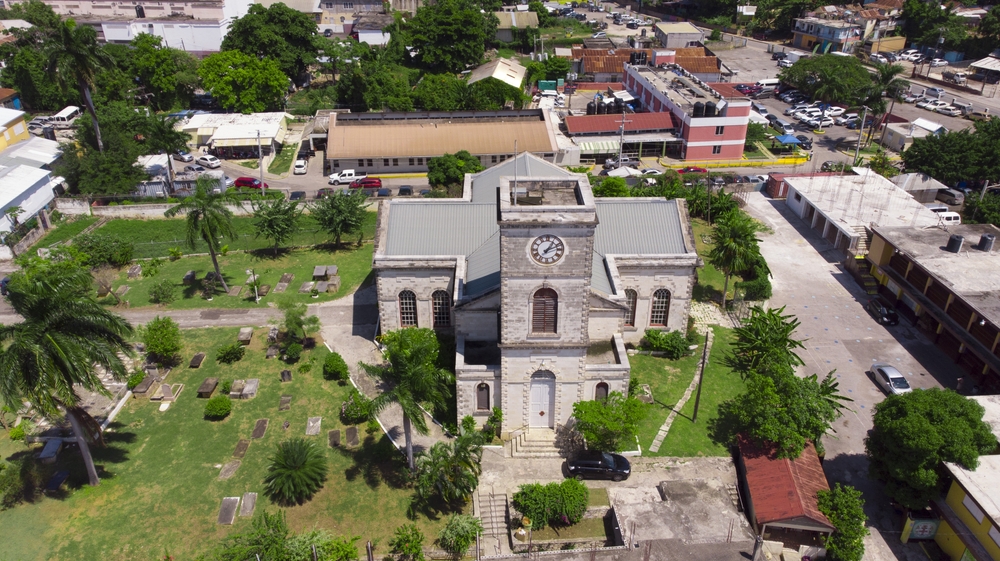
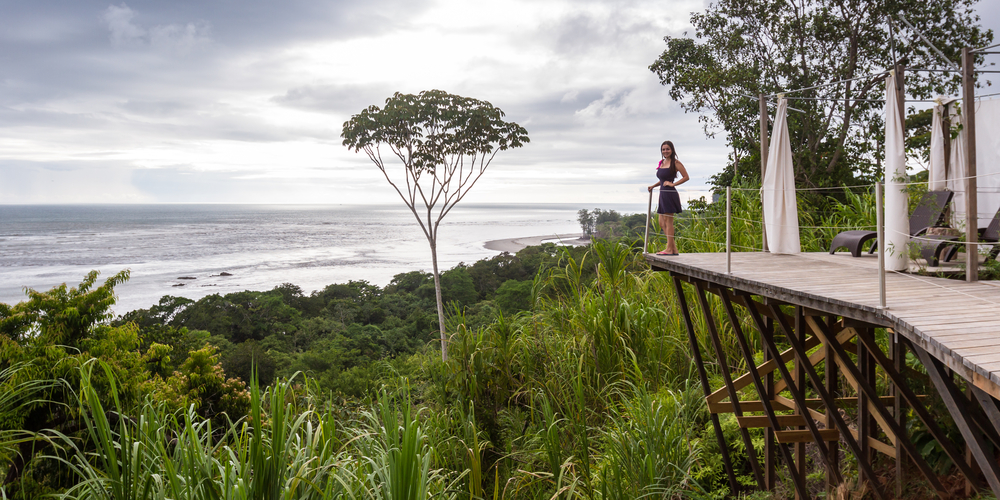
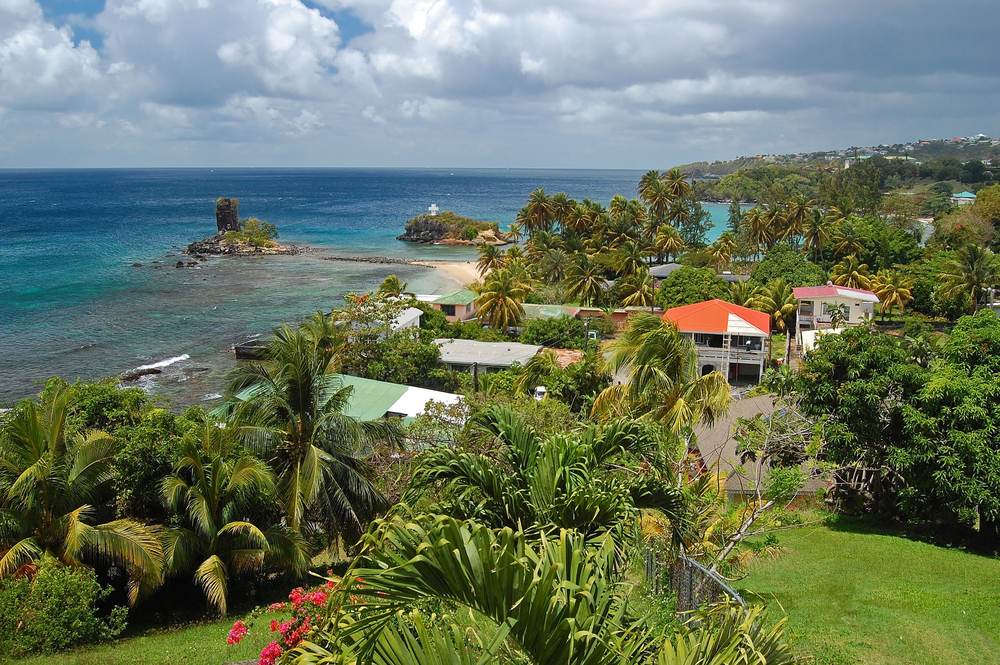
Living here
Community and practical notes
The expat scene: Sámara's foreign community is small and tight-knit. That cuts both ways: friends come quickly, and so does everyone knowing your business. Expats here name the language barrier as a real downside, so Spanish classes are worth it, and you won't have to go far. Intercultura runs a year-round beachfront school in town with classes for adults and retirees, and Expanish teaches here, too.
Healthcare: Sámara has a public EBAIS clinic for basic, everyday care. Once you're a resident you'll be part of the Caja, Costa Rica's public health system. The nearest hospital is the public Hospital de la Anexión in Nicoya, about 22 miles inland, and private clinics sit nearby. Anything that hospital can't handle means Liberia or San José. If you see specialists regularly, build that drive into your plans and consider private health coverage on top of the Caja.
Remote work: Home internet runs about $60 a month. There's a coworking space on the main street a few minutes from the beach, and some rentals advertise fiber. Connections vary by building, so test the speed before you sign a lease and keep a local SIM for a hotspot backup.
Schools: The Ministry of Public Education runs an elementary school and a high school in Sámara. Mareas Academy, a private bilingual school in town, teaches Pre-K through high school in Spanish and English. More international options, such as Del Mar Academy, are up the coast in Nosara.
LGBTQ expats: Costa Rica legalized same-sex marriage on May 26, 2020, the first country in Central America to do so. Legal rights don't always mean full acceptance in smaller, more traditional places, and in a town of about 3,500 people, LGBTQ community tends to be informal, built through friends and the wider expat crowd rather than bars or events.
Black Americans: About half of Afro-Costa Ricans live in Limón province on the Caribbean coast, across the country from Sámara, and that's where Afro-Costa Rican culture is strongest, including the Black history celebrations each August. On the Nicoya Peninsula you may be one of only a few Black residents, so it's worth spending time here before you commit and asking Black expats about their experience.
Limited mobility: The center is compact and close to the beach, which helps. But the main road drops down a steep hill into town, and the beach is reached over sand. Walk any route you'd use daily before renting, check for step-free entry and parking, and plan on taxis or your own vehicle for trips to the hospital in Nicoya.
Retirement: Sámara sits inside the Nicoya Blue Zone, and its calm bay, Spanish classes and slower pace suit many retirees. Costa Rica's pensionado residency is built for people living on a lifetime pension. Read the pensionado visa page, compare other retirement visas, and see the full guide to moving to Costa Rica. Weigh the hospital drive honestly, since it matters more each year.
Housing
Renting and buying
- 1-bed rent (center)
- $600–$1,000/mo
- 1-bed rent (outside center)
- $400–$700/mo
Expatsi estimates, based on rental listings, government statistics, and local reporting. Coverage here is thin, so treat these as a rough guide.
Good to know
Frequently asked questions
Do you need a car in Sámara?
Not if you live in the center of town, which is small and walkable, with taxis for short trips. Buses run to Nicoya every hour or two during the day, and a direct bus to San José leaves twice each morning. A car makes sense if you rent in the hills outside town, need regular trips to Nicoya, or want to reach other beaches on your own schedule.
How do you get to Sámara from the U.S.?
Most people fly into Liberia's international airport, about two hours away by car, or San José's, which is four hours or more by road. From San José you can also take a direct Empresa Alfaro bus, about five and a half hours, or a domestic flight to the small Carrillo airstrip, about 3 miles east of town.
Can you retire in Sámara?
Yes. Costa Rica's pensionado residency is built for people living on a lifetime pension, and Sámara offers a calm swimming beach, Spanish classes for adults in town and a spot inside the Nicoya Blue Zone. The main thing to weigh is healthcare: Sámara has a public clinic for basic care, but the nearest hospital is about 22 miles away in Nicoya, and more complex care means Liberia or San José.
Can you live in Sámara without speaking Spanish?
You can get by, but expats in Sámara name the language barrier as one of the town's real downsides. The good news is that classes are easy to find: Intercultura runs a year-round beachfront Spanish school in town with programs for adults and retirees, and Expanish teaches in Sámara too.
Is there a hospital in Sámara?
No. Sámara has a public EBAIS clinic for everyday care, and the nearest hospital is the public Hospital de la Anexión in Nicoya, about 22 miles inland on a paved road, with private clinics nearby. For treatment that hospital can't provide, patients go to Liberia or San José.
What is the weather like in Sámara?
Hot all year, with an annual average of about 80F. Average highs range from about 83F in October to about 92F in March, and average lows stay near 75F to 77F. December through March is the dry season, with very little rain. May through November is wet, and October is the rainiest month, averaging about 21 inches. The yearly total is about 118 inches.
Is Sámara safe?
Sámara scores 58 on our safety index, which is middle of the range. The U.S. State Department rates Costa Rica as a whole at Level 2, "exercise increased caution," because of crime, and its advisory points to petty crime as the most common problem. In practice that means watching your bag on the beach, leaving nothing visible in a parked car and locking up rentals when you're out.
How much does it cost to live in Sámara, Costa Rica?
Budget about $2,000 a month for one person, $2,800 for a couple and roughly $4,000 for a family of four (2026 figures). A single person's budget can run anywhere from $1,500 to $2,400 depending on housing and habits. A one-bedroom in the center of town averages about $800, or around $550 a little outside it. Home internet is about $60 a month and an inexpensive meal out about $10. Treat these as estimates and check current listings before you commit.
See how Sámara fits your life
Take the free Expatsi Test and compare Costa Rica to over 100 countries on what actually matters: cost, healthcare, climate, and safety. About five minutes.
Why not you?
Photos: “PlayaSamara” by Mark-Weiss16, CC BY-SA 4.0 · “Sámara” by Haakon S. Krohn, CC BY-SA 3.0 · “Samaragusto” by Mark-Weiss16, CC BY-SA 4.0 · “2021 Playa Samara Costa Rica enero 2021 16” by Julián Monge-Nájera, CC BY-SA 4.0 · “Playa Carrillo” by Frederick-Casa, CC BY-SA 4.0