Your complete guide
So you want to move to Germany
World-class healthcare, a serious job market, and a German passport you can now keep alongside your American one. Here is the honest, up-to-date guide to making the move.
From visas and taxes to healthcare and the best cities for Americans, this is the full picture, updated for 2026.

By Jen Barnett, Co-founder, Expatsi
Reviewed and updated September 15, 2026 · 13 min read
01 · The case for Germany
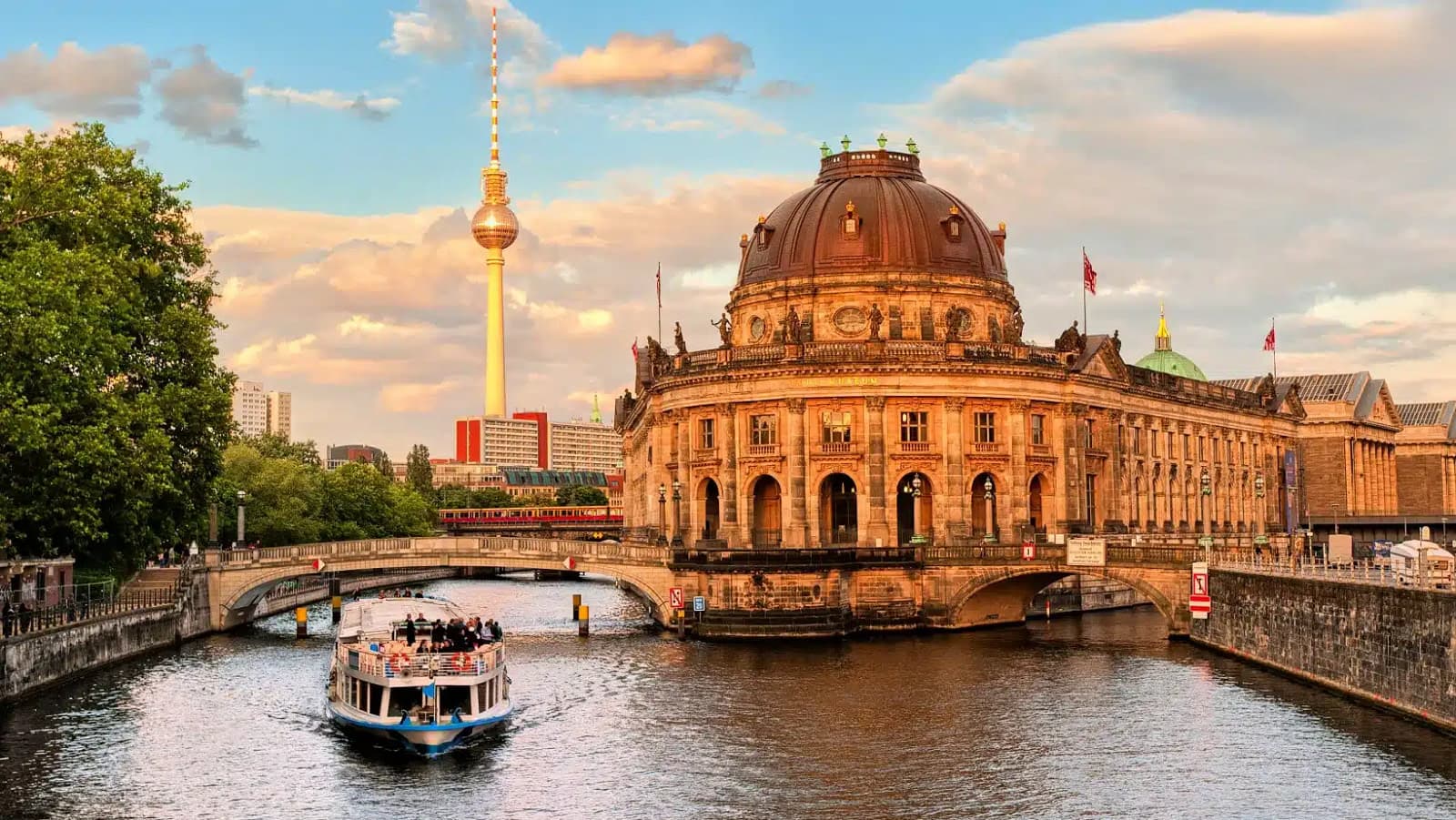
Why Americans are landing in Germany

Germany is Europe's biggest economy, and for the first time in years, it needs people more than it needs to turn them away. An aging population has left the country short hundreds of thousands of skilled workers, from nurses and engineers to software developers and tradespeople. So Germany rewrote its immigration rules with the Skilled Immigration Act, eased the salary math on its flagship work permit, and launched a points-based card just for job seekers. If you have a degree, a recognized trade, or a remote job, the door is genuinely open.
The everyday payoff is real, too. You get universal healthcare that costs a fraction of a U.S. plan, cities you can cross without a car, low crime, and a work culture that treats 30 days of paid vacation as normal rather than a flex. Public services mostly work, the food and beer scene beats its reputation, and you are a cheap train ride from half of Europe. More than 100,000 Americans already call Germany home; in 2025, for the first time since 2021, more Americans moved to Germany than left it.
There's a long game here, too. Since a 2024 reform, Germany lets you become a citizen without giving up your U.S. passport, and permanent residence can arrive in as little as a couple of years on the right visa. For a lot of families, that mix of stability, healthcare, and an EU passport at the finish line is the whole point.
Germany tends to fit a certain mover best: someone with a skill the country wants, a tolerance for process, and a willingness to learn the language. Career-focused people, families who value healthcare and schools, and anyone chasing an EU passport do especially well here. Sun-seeking retirees and free spirits who hate paperwork are usually happier further south.
Here's the catch
Germany is not a warm-weather retirement fantasy,nor does it pretend to be. The bureaucracy is famous for a reason, so expect forms in triplicate, appointments booked weeks out, and offices that still love a fax. German is genuinely useful; you'll want it for work and daily life once you leave the big cities. Winters are long, grey, and cold. Taxes and social contributions take a serious bite of every paycheck, though the social safety net is strong. Housing is tight and expensive in Munich, Frankfurt, and Berlin, and landing an apartment can feel like a job interview. There's no retirement visa, so moving over simply to live off savings is hard. Finally, if you're planning to homeschool your kids, know that it is effectively illegal here.
- Cost of living (single)
- $2,200/mo
- Safety index
- 70/100
- Internet speed
- 85 Mbps
- English proficiency
- 65/100
- Capital
- Berlin
- Population
- 83.2M
The numbers: what Germany costs
€3,550
Monthly budget for a couple
All in, comfortable
€2,200
Monthly budget for one
Rent included
€1,000
One-bedroom in the city center
Less outside the big cities
€63
Deutschlandticket, per month
All local and regional transit
Your money goes further than you would guess
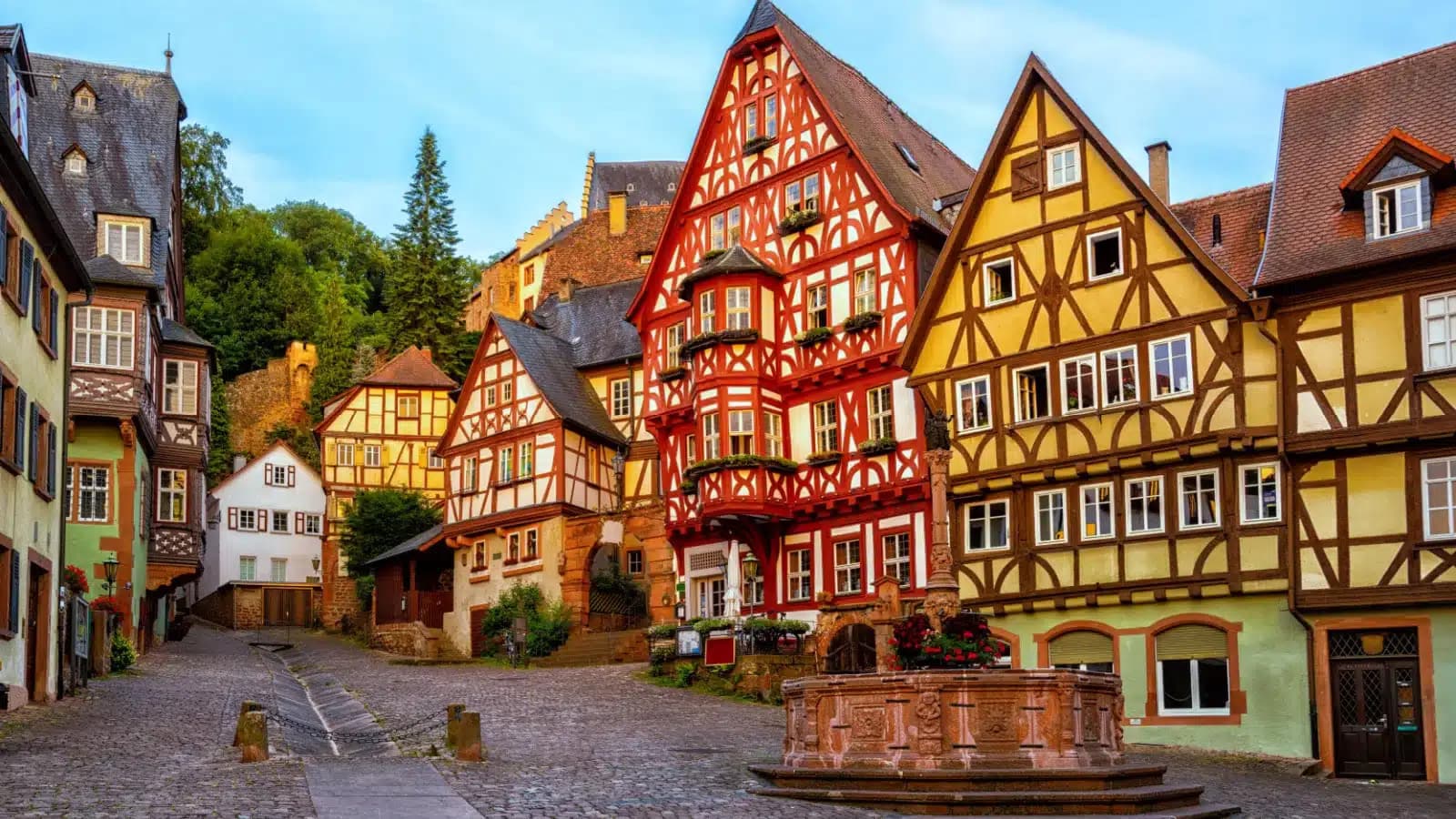
Germany is one of the more affordable big countries in Western Europe, which surprises people bracing for Scandinavian prices. Groceries are cheap, especially at discounters like Aldi and Lidl that started here. Restaurants and beer cost less than in most U.S. cities, mobile and internet plans are reasonable, and healthcare is a rounding error compared to American premiums.
Rent is where your city choice does the heavy lifting. A one-bedroom in central Munich, Frankfurt, or Berlin can run well above the figures above, while the same budget buys far more space in Leipzig, Dresden, the Ruhr cities, or almost any mid-sized town. As a rough feel, the same apartment can cost 2-3x more in Munich than in Leipzig. Just know that German listings usually quote the cold rent, so add Nebenkosten for heating, water, and building costs on top, plus a deposit of up to three months before you get the keys. You'll often need to furnish the kitchen yourself, so be aware of what you're renting before putting down that cash.
The other quiet win is getting around. The nationwide Deutschlandticket is 63 euros a month in 2026 and covers every local bus, tram, U-Bahn, S-Bahn, and regional train in the country, so many households drop a car entirely and pocket the savings.
A few honest caveats. These are Expatsi estimates for a comfortable, all-in monthly budget, not a shoestring one, and your real number swings with rent, kids, and how often you eat out. Heating adds up over a long winter, and the apartment hunt is a competitive sport in the hottest cities, complete with credit checks and dozens of applicants for a single flat.
Why the budget and the visa line up
Here's a handy overlap. The money that Germany wants you to prove you have is roughly the money it takes to live here. Most visas ask for a salary, blocked account, or steady income in the same range as a real monthly budget. That isn't a coincidence, since Germany would rather admit people who can clearly stand on their own two feet. Get the budget right and you're most of the way to the visa math.
03 · Everyday life
Healthcare, trains, and time off that actually happens
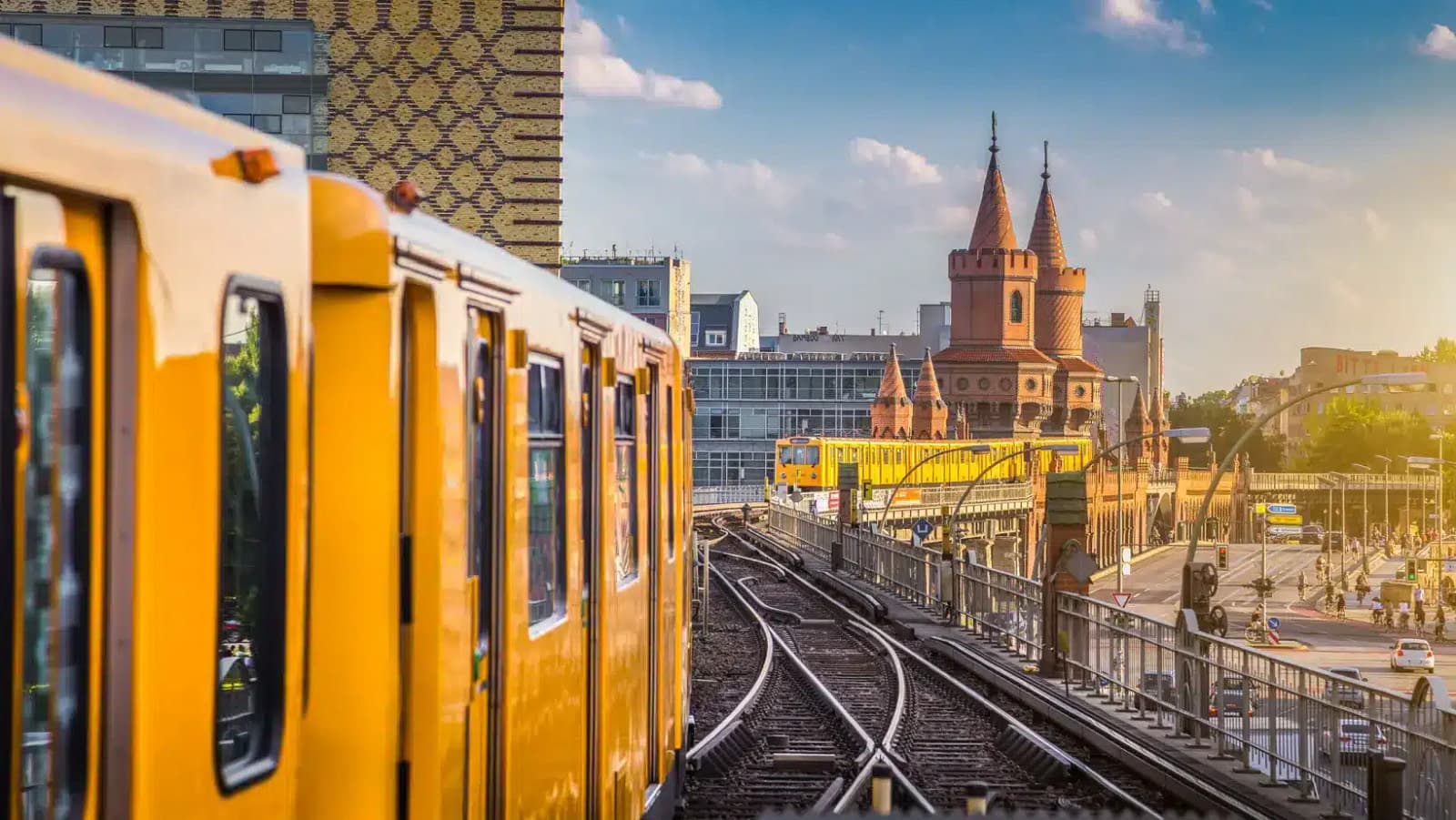
Germany runs on systems that mostly work. Once you get plugged in, daily life gets easy.
Healthcare that won't bankrupt you
Coverage is mandatory from day one, and most residents use the statutory system, known as GKV. The contribution is a set share of your income, capped at a ceiling and split roughly in half with your employer, so a comparable plan costs far less than the roughly $8,000 a year that an American worker pays toward family coverage. Your choice of doctors is wide, dentistry and kids are included, prescriptions and specialist visits are cheap, and you're never one hospital visit away from a five-figure medical bill.
A country you can cross without a car
Public transit is genuinely good; the Deutschlandticket makes it cheap. Cities are dense and walkable, bike lanes are everywhere, and fast trains link the whole country, so many people here never bother owning a car. When you do want to drive, the Autobahn is right there.
Time off, safety, and a lighter touch
Around 30 paid vacation days is standard, not a negotiation, and Sundays are quiet by law, with shops closed so everyone actually rests. Violent crime is low, and cities feel safe late at night. Germany even legalized cannabis for personal adult use in 2024, one more sign of a live-and-let-live streak that catches newcomers off guard. The flip side of all that order is a real love of rules, from strict recycling and bottle deposits to enforced quiet hours, that you will either find charming or maddening.
Families land softly
Public childcare, the Kita, is heavily subsidized and sometimes free. University tuition is close to free, even at the graduate level. Every big city has international schools for kids who are not yet ready for German instruction. Parents also get generous leave and a monthly child benefit, the Kindergeld, that lands in your account for every child. For a lot of families, that safety net is the quiet reason they stay.
What comes standard
Universal healthcare
Statutory coverage from day one, for a fraction of a US plan.
Everyday safety
Low violent crime and a strong rule of law.
Low-cost university
Public tuition is close to free, even for many internationals.
Stable democracy
Top-ranked press freedom and strong civil rights.
Green infrastructure
Recycling, renewables, and cities built for walking and cycling.
Real work-life balance
Around 30 paid vacation days is the norm, not a perk.
04 · Careers
Who Germany is actually hiring

Germany's whole immigration push comes down to one thing: it is short of skilled workers, and it knows exactly which ones it wants. If your field is on the shortage list, the salary bars drop, the paperwork eases, and employers are already used to sponsoring foreigners.
Healthcare leads the way. Doctors, nurses, and elder-care workers are wanted in every region, though regulated roles need their credentials recognized first. Tech is the other magnet: software developers, data and cloud engineers, and IT specialists can even skip the formal degree requirement with enough experience, and they qualify at the lower salary threshold. Germany's industrial core still runs on engineers of every stripe, from mechanical and electrical to automotive, plus skilled tradespeople like electricians and welders. Add teachers, scientists, and construction pros, and you cover most of the list.
If your German is still thin, aim for the English-first corners of the market. Tech, startups, science, academia, and the big multinationals routinely run in English, especially in Berlin, Munich, and the Frankfurt finance scene.
The practical takeaway is simple. Check whether your job counts as a shortage occupation before you apply, because it changes your salary threshold, your visa options, and how fast an employer will move. And even outside the official list, a German offer that matches your qualifications usually opens a work visa.
Fields Germany is short on
Healthcare
Doctors, nurses, and elder care, wanted in every region.
Tech and IT
Developers and engineers, sometimes with no degree required.
Engineering
Mechanical, electrical, and automotive roles across industry.
Skilled trades
Electricians, welders, and construction crews are in demand.
Green energy
The shift to renewables is hungry for talent.
Teaching and research
Schools and universities need qualified staff.
05 · The visa paths
Which German visa fits you

There's no single move to Germany visa. Pick the route that matches how you will support yourself, and most Americans apply at a German consulate before they fly. However, U.S. citizens are among the few who can also enter teh country first, then apply at the local immigration office within their first 90 days.
EU Blue Card
The flagship route for university graduates with a job offer. In 2026, you need a gross salary of at least 50,700 euros a year, or 45,934 euros in shortage fields like IT, engineering, medicine, and science, and recent graduates get the lower bar too. The payoffs are big: your spouse gets immediate work rights with no German test, and you can reach permanent residence in as little as 21 months with B1 German, or 33 months without it.
Opportunity Card (Chancenkarte)
No job offer yet? The points-based Opportunity Card lets skilled people move to Germany to job-hunt for up to a year while working part-time to cover the bills. You either qualify with a recognized degree or by scoring points for your qualifications, experience, age, and German. It is the on-ramp many people use before switching to a Blue Card or work visa once an offer comes through.
Work visa, freelance, and study
The National Work Visa covers skilled jobs that do not fit the Blue Card, though regulated professions like nursing or law need their credentials recognized first. The Freelancer and self-employment visa suits people who can show German clients or real demand for their work. And a student visa, at universities where tuition is famously low or free, is a classic side door: graduates get 18 months to find a job and stay.
The routes Germany does not advertise
There is no retirement visa. Germany has no passive-income route like Portugal's or Spain's, so retirees have to qualify another way. But two long-game paths surprise people. Since June 2024 you can become a German citizen and keep your U.S. passport, and if a parent, grandparent, or in some cases a great-grandparent was German, you may already have a claim to citizenship by descent, including special rules for families who fled Nazi persecution.
One more thing worth knowing: most of these work permits let your spouse and children join you. If you're on the Blue Card, your spouse can start working right away, with no separate German test.
Compare Germany's visas side by side
| Visa | Category | Application cost | Processing | Difficulty | Guide |
|---|---|---|---|---|---|
| EU Blue Card | skilled work | $100 | ~60 days | 3/5 | Guide |
| Freelancer/Self-Employment Visa | self employment | $100 | ~90 days | 4/5 | Guide |
| National Work Visa (D-Visa) | skilled work | $100 | ~60 days | 3/5 | Guide |
| Opportunity Card (Chancenkarte) | jobseeker | $100 | ~60 days | 3/5 | Guide |
| Student Visa | student | $75 | ~60 days | 2/5 | Guide |
06 · The practical stuff
Healthcare, taxes, and the paperwork
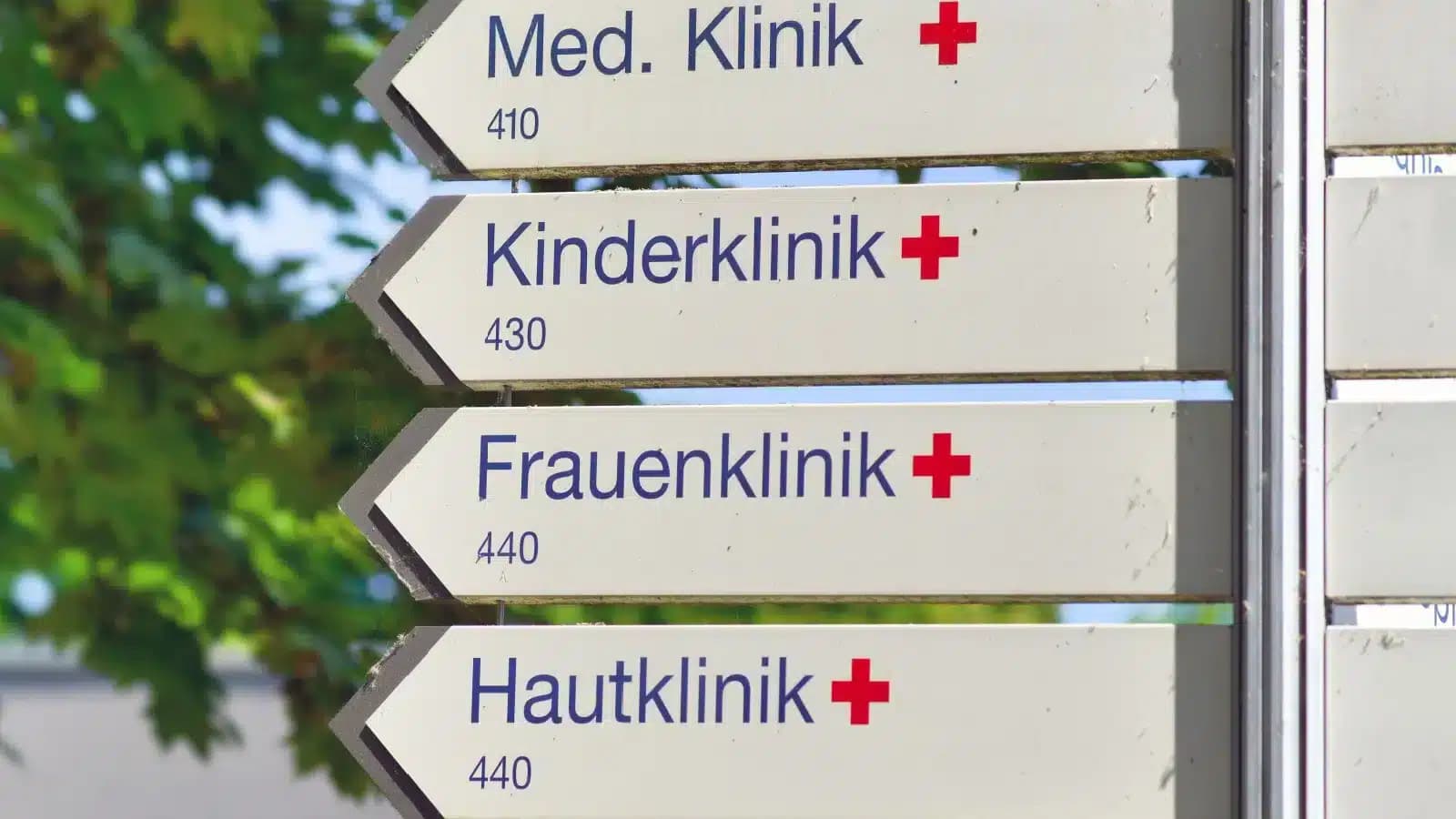
The move itself is a paperwork project. Here's the short version of what trips people up.
Register first, then everything else
Within about two weeks of moving into a place, you register your address, the Anmeldung, at the local citizens' office. That single certificate is the key to your bank account, tax ID, phone contract, and residence permit, so book the appointment the moment you have a lease, because the slots vanish fast in big cities.
Health insurance is step one
You cannot get a residence permit without proof of coverage. Most employees are enrolled in the statutory system automatically, while the self-employed and anyone earning above roughly 77,400 euros a year can opt for private insurance. It can be cheaper when you're young and healthy but hard to leave later. If you need a bridge policy while you settle in, a partner like ExpatInsure can cover the gap.
Taxes: plan for two returns
German income tax is progressive, running from 14 percent up to 42 percent for most higher earners, on top of social contributions of roughly 20 percent of your gross pay. The good news is the first 12,000 euros or so are tax-free, and the old solidarity surcharge is gone for most people. As a US citizen you still file with the IRS every year, but the US-Germany tax treaty, the Foreign Earned Income Exclusion, and foreign tax credits keep most movers from paying twice. Line up a cross-border accountant before your first German payday.
Banking, money, and language
You will want a local account and, before long, a Schufa credit record, which landlords quietly love. Moving a big pile of dollars into euros? A currency specialist like Moneycorp usually beats your bank's exchange rate. And while you can get by in English in the big cities, German opens doors at work, at the Rathaus, and on the road to permanent residence and citizenship, so many people start classes with something like Lingoda before they even land.
Driving, schools, and the rest
Your US license is generally fine for your first six months. After that, whether you can simply swap it depends on your home state's agreement with Germany, and drivers from some states face a test, so check early. Families will find public schools free and international options in every big city. None of this is hard on its own, but all of it runs on appointments, so start a checklist the week you arrive.
This guide is dated on purpose
Germany updates its numbers every year. The Blue Card salary floors, 63 euro transit ticket, tax brackets, and health contribution rates all shift, usually upward. We date this guide so you can see how fresh it is, but always confirm the current figures with an official source or advisor before you file. When in doubt, an official German government page beats anything you read on a blog, including this one.
07 · Where to live
Three cities Americans actually move to

Berlin
Capital and creative hub
Startups, art, and nightlife in a capital that is unusually English-friendly and still cheaper than most in Western Europe. It has the biggest American scene by far, though rents are climbing fast.

Munich
High salaries, high rents
Bavaria's polished capital pays the best and feels the safest, with the Alps an hour away for weekends. The catch is Germany's priciest housing and a more traditional streak.
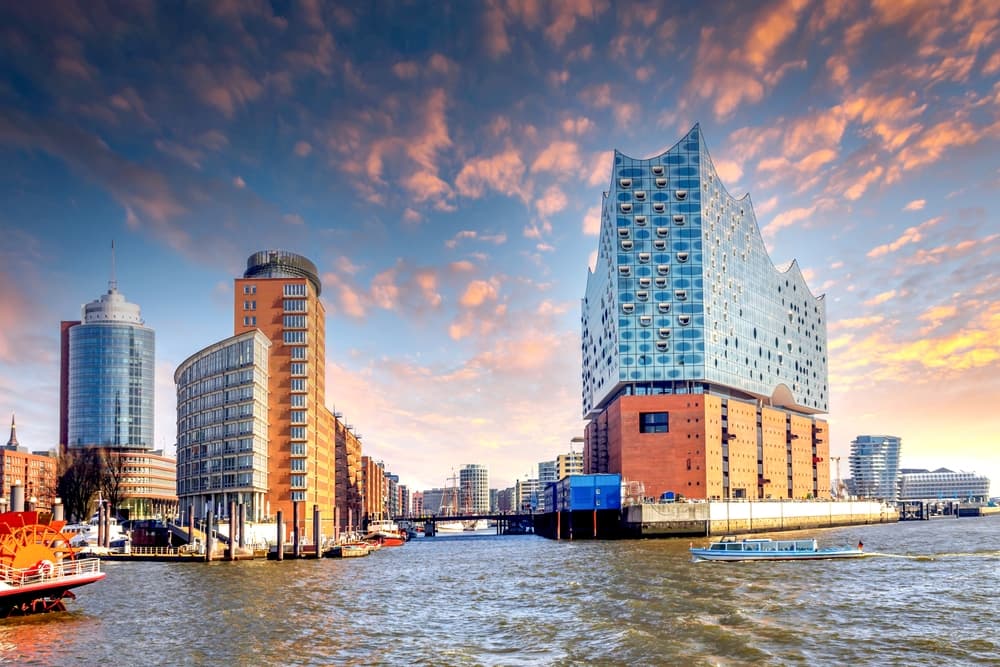
Hamburg
Port city with green space
Canals, parks, and an easygoing northern mood, plus strong media, logistics, and trade jobs. Locals are famously reserved and the rain is part of the deal.

Leipzig
Cheap and creative
The most affordable of Germany's big cities, with Bach's church, a vast converted cotton mill full of galleries, and an arts scene built by people priced out of Berlin. It is eastern Germany, so there are fewer English-language jobs than in Berlin or Munich, and the winter is long and gray.

Cologne
Cathedral, Rhine, carnival
The cathedral came through the bombing that took most of the rest, so a medieval front stands over a largely postwar city. Carnival in February shuts everything down for days, and Kolsch arrives in small glasses until you put your coaster on top. Friendlier than most German cities, and plainer to look at.

Düsseldorf
Corporate and Japanese
Germany's corporate relocation city, with a Japanese community large enough to keep its own supermarkets and school around Immermannstrasse, and the Konigsallee for spending whatever the posting pays. Altbier here, and never order a Kolsch. Comfortable, well run, and short on romance.
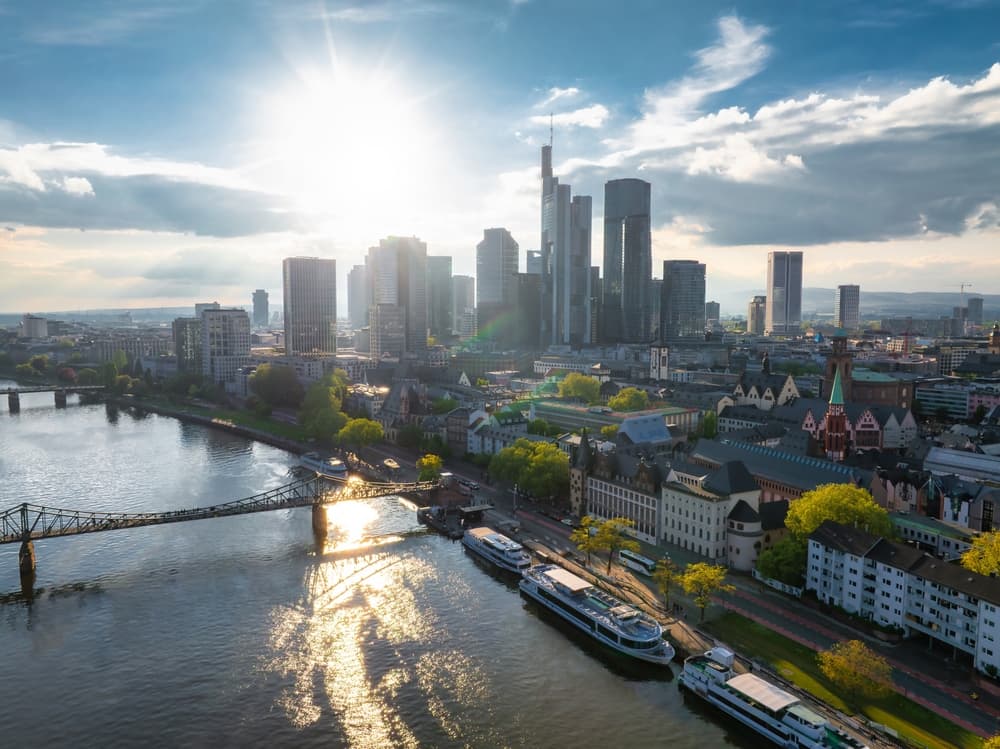
Frankfurt
Banking and the airport
Germany's banking capital and the one real skyline in the country, with the busiest airport for flights home and about a third of residents holding a foreign passport. Apple wine and old taverns hold on across the river in Sachsenhausen. People come for a posting and leave, so friendships turn over fast.
The people who make it easier
You do not have to piece this together alone. Over the years we have vetted the people who move Americans to Germany for a living, from visa and relocation specialists to the folks who sort out insurance, mortgages, currency, and German lessons. These are partners we trust to treat you well, grouped by the part of the move they handle best.


Simon Conn
International Mortgage Lending
An international mortgage broker who arranges home loans for foreign buyers in Germany and across Europe. Useful once you are ready to stop renting.
Learn more
Moneycorp
Currency Exchange
A currency specialist for turning dollars into euros at better rates than most banks, whether it's a one-time transfer or a recurring pension.
Learn more
ExpatInsure
Global Health Insurance
Global health insurance built for expats, handy for bridge coverage before your German policy kicks in or if you go the private route.
Learn more
Lingoda
Language Learning
Online German classes with small groups and flexible scheduling, so you can start building the language before you arrive.
Learn moreGo deeper
Two things worth reading before you take the next step, both deeper than a landing page can go.
Germany Healthcare Report
Healthcare guide for Germany
A free deep dive into how German health insurance actually works, from statutory versus private to what it costs a family.
Moving To Germany
A webinar for US citizens considering relocating to Germany. Covering self employment, freelance, artist visa, employment, blue card, remote working, family reunification, permanent residency, studies & more. Plus your path to dual citizenship.
Our step-by-step walkthrough of the move, from picking a visa to landing an apartment.
Find your people before you land
Germany
Expatsi Community
Swap notes with other Americans who are planning, packing, or already unpacking in Germany. It's the fastest way to get real answers on visas, apartments, and city picks, from people who are just a few months ahead of you and remember exactly what you are about to face.
Join the Germany communityGermany questions, answered
How much money do I need to move to Germany?
Budget roughly 2,200 euros a month for one person and 3,550 for a couple, all in, though the big cities run higher. For most visas you also have to prove financial means, whether that is a salary, savings in a blocked account, or steady income.
Do I have to speak German?
To get in, often no. The Blue Card and many jobs run in English, especially in tech. To thrive, yes. German is what you need for daily errands, most jobs outside international firms, permanent residence, and citizenship. Starting early pays off.
How does healthcare work when I first arrive?
Coverage is mandatory, and you can't get a residence permit without it. Employees are usually enrolled in the statutory system automatically, while the self-employed and higher earners can go private. Many newcomers use an expat bridge policy for the first weeks while they get set up.
Will I pay taxes in both the US and Germany?
You will file in both, but you likely will not be taxed twice. Germany taxes residents on worldwide income, and the U.S. taxes its citizens wherever they live. The US-Germany treaty, the Foreign Earned Income Exclusion (FEIE), and foreign tax credits usually cancel out the overlap. Use a cross-border accountant.
Does Germany have a retirement visa?
No. Unlike Portugal, Spain, or France, Germany has no dedicated passive-income or retirement visa. Retirees usually have to qualify through family ties, citizenship by descent, or a residence permit for other purposes that proves long-term financial security and health insurance.
Can I keep my US citizenship if I become German?
Yes. Since the citizenship reform took effect in June 2024, Germany allows dual citizenship, so you can naturalize and keep your U.S. passport. You generally need five years of residence (three with strong integration), B1 German, and a citizenship test.
Do Americans need a visa to move to Germany?
For a visit, no. You get 90 days visa-free in the Schengen area. To live, work, or study long term, yes, you need a residence permit. Americans can apply at a German consulate before traveling, or enter first and apply at the local immigration office, but you cannot start working until the permit is issued.
How long until I can get permanent residence or citizenship?
Permanent residence usually comes after five years, or as little as 21 months on a Blue Card with good German. Citizenship typically takes five years, or three with strong integration, and you can keep your U.S. passport.
Sources
- Residence Visa for US citizens · Federal Foreign Office (Germany) (checked 2026-07-30)
- EU Blue Card Germany 2026 salary thresholds · Jobbatical (checked 2026-07-30)
- More Americans are moving to Germany than the reverse · The Local (checked 2026-07-30)
- How to move to Germany from the USA: 2026 guide · Feather (checked 2026-07-30)
- The Deutschland-Ticket · Deutsche Bahn (checked 2026-07-30)
- Germany income tax and social security 2026 · CountryTaxCalc (checked 2026-07-30)
- Cannabis Act (Germany) · Wikipedia (checked 2026-07-30)
- German visa options for American citizens · Experts for Expats (checked 2026-07-30)

See if Germany is your match
Take the free Expatsi Test and get matched with the countries, cities, and visas that fit your life, Germany included.
navy