North Macedonia for Americans, checked September 2026
Moving to North Macedonia: the 2026 guide for Americans
Lakeside Ohrid and the capital, Skopje, are easy on a U.S. income, but the residence rules were written for workers, students and families. Here's how Americans stay past 90 days, and what it takes.
This guide walks through the permits Americans can realistically use, the paperwork calendar that trips people up, healthcare and banking, and the vetted partners who can take the hard parts off your plate.

Reviewed and updated October 22, 2026 · 14 min read
01 · The case for North Macedonia
Lake towns, mountain air and a slower calendar
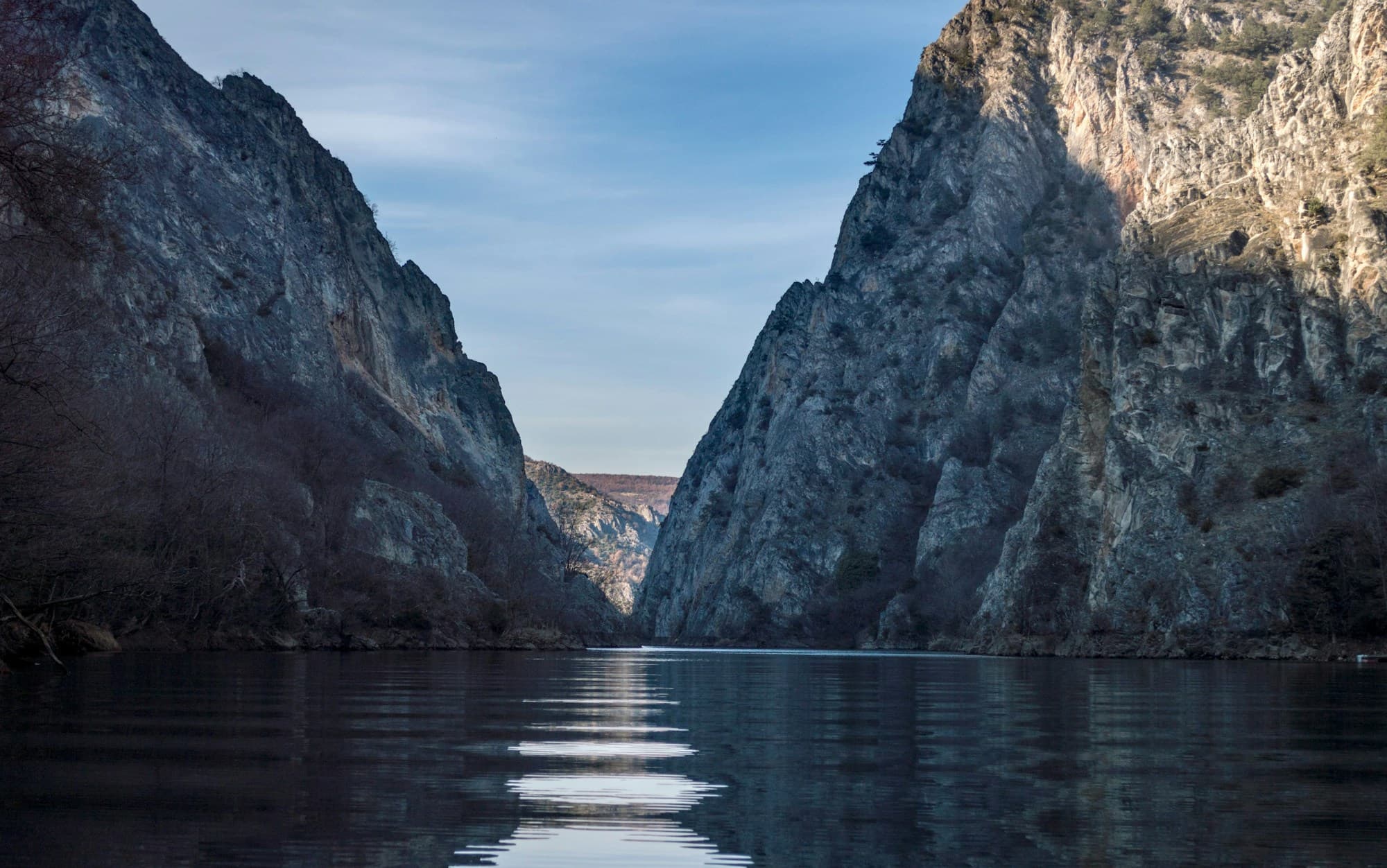
North Macedonia is a small, landlocked country of about 2.06 million people in the Balkans, with Skopje as its capital. Americans who look at it seriously tend to be weighing the same three things: how far their money goes, how hard it is to stay legally, and whether they can be happy without a big expat scene around them.
The money side is the easy sell, and the next chapter has the numbers. One detail worth knowing up front is the currency. The denar isn't the euro, but it has held steady against it since January 2002 at about 61.5 denars to the euro in August 2026. In other words, you can plan in euros without worrying that a bad month will wreck your budget.
Scouting is simple, too. Americans can visit without a visa for up to 90 days within a six-month period, which is enough time to rent an apartment in two or three towns and see a winter or a summer for yourself. The U.S. State Department rates North Macedonia Level 1, exercise normal precautions, in an advisory last updated in January 2025.
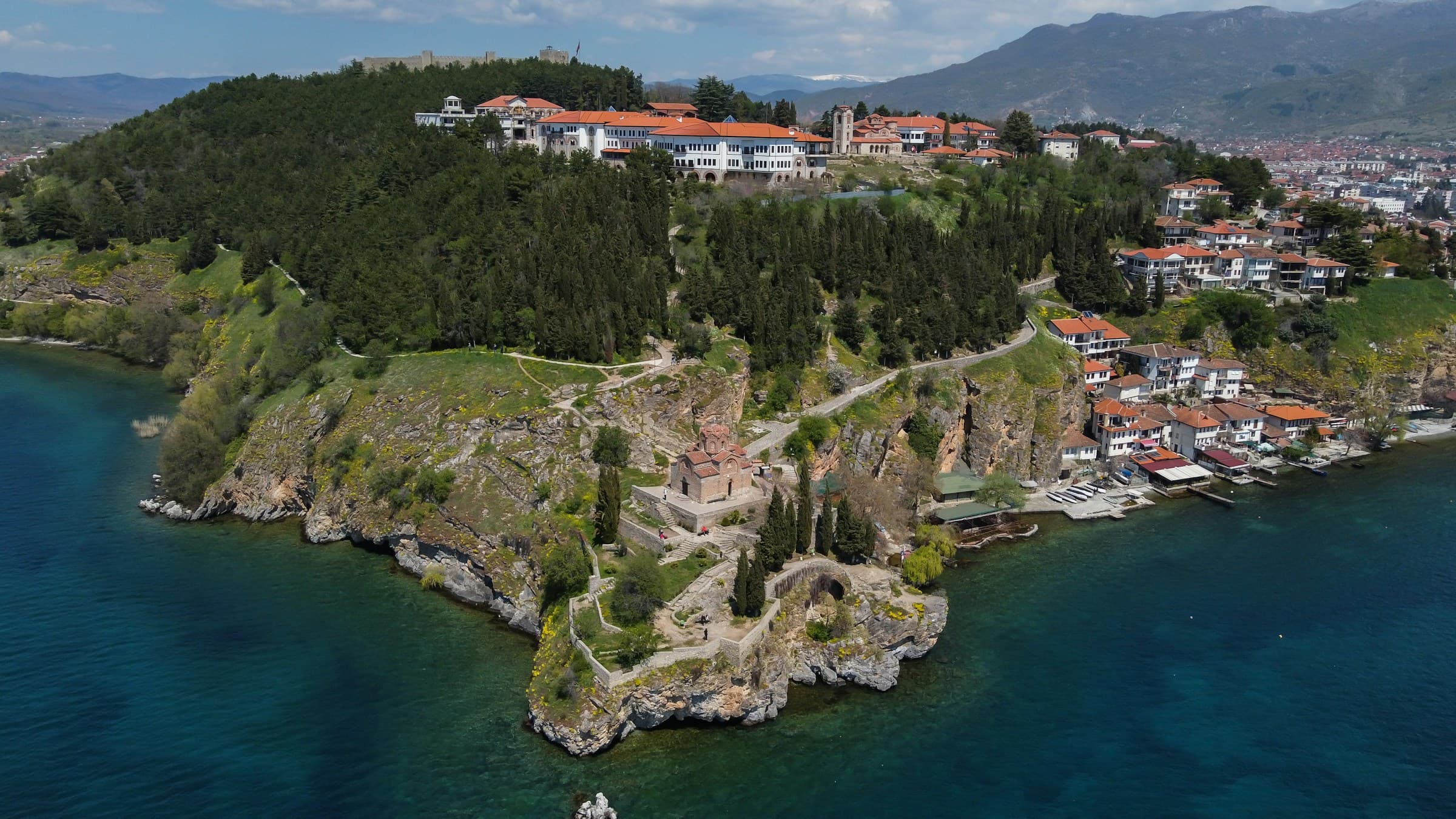
The country itself is mountains, lakes and river gorges, with four real seasons. Our data counts about 220 sunny days a year and an average temperature near 54°F. Ohrid, a lakeside town on UNESCO's World Heritage list, is the one people fall for on vacation. Skopje is the practical base, home to the ministries, the embassies and the widest choice of services. Plus the time difference is workable, with Skopje six hours ahead of New York, so a U.S. afternoon meeting lands in your evening.
Politically, it's a NATO ally with a cooperative relationship with the U.S.
Reasons to think twice
North Macedonia suits a specific kind of mover, and it's better to know now whether that's you.
First, the residence system wasn't built for retirees or remote workers. The official grounds for temporary residence are work, study, exchanges, training, volunteering, research, medical treatment, family reunion and humanitarian reasons. A digital nomad visa was proposed in 2021 and still hadn't passed parliament by mid-2026. For people living on a pension or investments, the realistic door is buying a home, which chapter 03 covers.
Second, don't move for a passport. Naturalization takes seven years, and the law asks you to give up your previous citizenship. If keeping your U.S. passport matters to you, that ends the conversation. Plan on long-term residence as the goal.
Third, Skopje's winter air is bad. IQAir puts the city's 2024 average fine-particle pollution at 4.3 times the World Health Organization guideline, and it gets worse in heating season, when wood, coal and fuel-oil smoke gets trapped in the valley. If you have asthma or a heart or lung condition, spend a January there before you sign a lease.
Fourth, you'll be building your own community. Our data rates the American community as tiny and English proficiency at 55 out of 100, so a few words of Macedonian go a long way.
Finally, EU membership isn't close. North Macedonia has been a candidate since 2005; as of July 2026 its talks were stuck in a dispute with Bulgaria. Move for what the country is today, not for rights it might get later.
- Cost of living (single)
- $1,000/mo
- Safety index
- 65/100
- Internet speed
- 40 Mbps
- English proficiency
- 55/100
- Currency
- Macedonian denar (MKD)
- Capital
- Skopje
02 · The numbers
A North Macedonia budget, line by line
$1,700
Monthly budget, couple
comfortable, rent included
$1,000
Monthly budget, single
comfortable, rent included
$2,750
Monthly budget, family
housing included
$350
Rent, 1-bed city center
$250 outside the center
$7
Inexpensive meal out
neighborhood restaurant
$29
Monthly transit pass
city buses
$19
Home internet, monthly
about 40 Mbps
$480
Local minimum wage, monthly
MKD 26,046 net since March 2026
What the averages leave out
The cards above are national averages from our 2026 data, in U.S. dollars. They're a good starting point, but check listings in the exact town you're considering. A lake-view apartment in Ohrid in July and a flat on the edge of Bitola aren't the same market.
The local wage tells you a lot. North Macedonia raised its net minimum wage to MKD 26,046 a month on March 1, 2026, up from MKD 24,379. That's about $480. It's one reason a U.S. income stretches so far here, and also the reason a local job rarely pays the bills an American is used to. If you plan to earn a Macedonian salary, rework the budget from scratch.
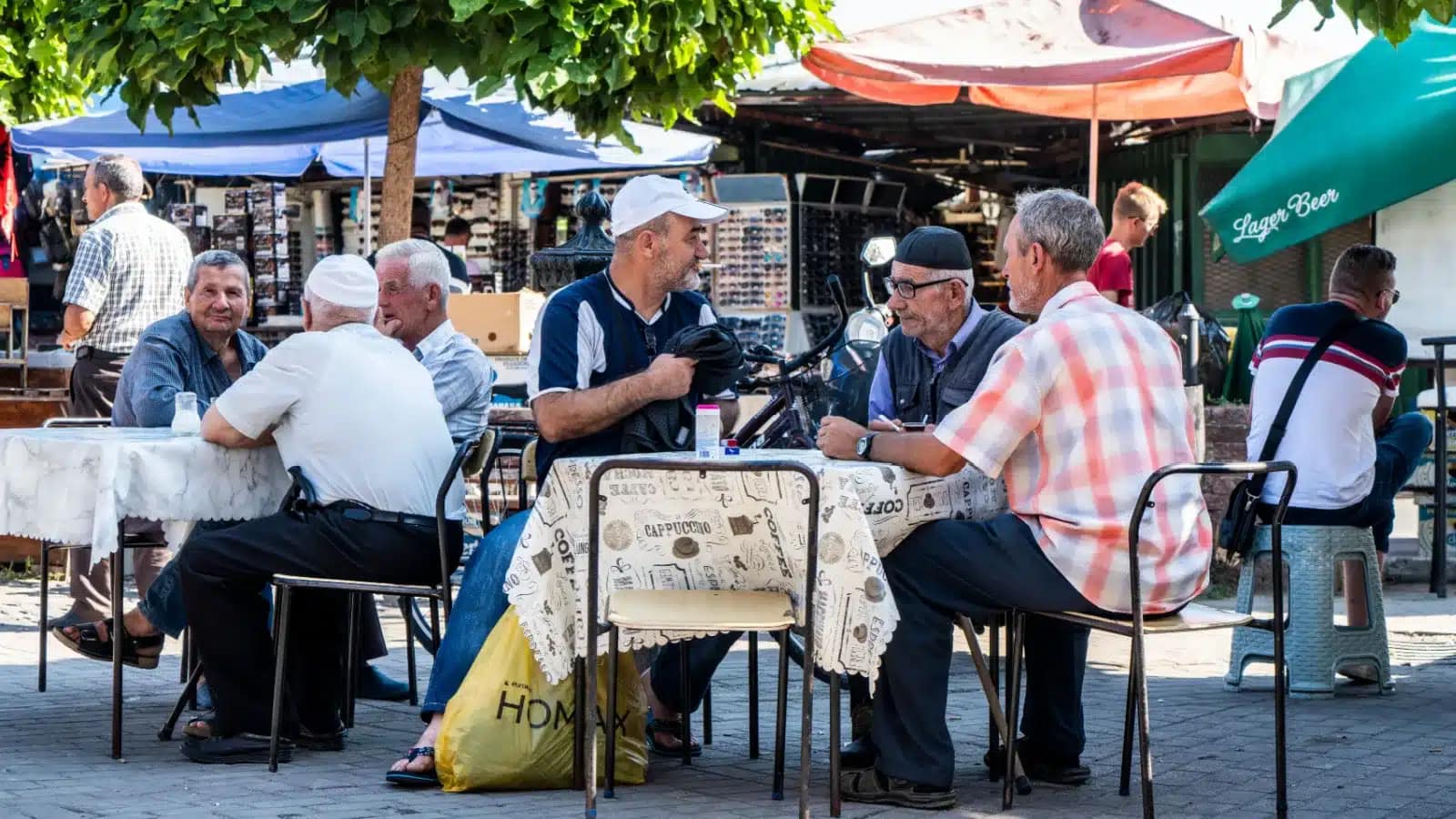
Carry cash. Cards work in hotels, malls, supermarkets and many restaurants, but green markets, bakeries, small restaurants, bazaar stalls and many taxis still want denars. If you're carrying 10,000 euros (about $11,400) or more in cash when you enter or leave, you have to declare it.
Buying instead of renting? The property transfer tax runs 2% to 4% depending on the municipality and is usually paid by the seller. After that, annual property tax is 0.1% to 0.2% of the value, again set locally. Those numbers matter because owning a home is also one of the few residence routes open to Americans living on outside income.
Two costs aren't in the averages at all. One is health coverage: unless you're on a job or joining a Macedonian spouse, your residence application has to show insurance, and you'll likely use private clinics, so budget for a policy and some out-of-pocket visits. The other is flights home, which you'll want to price out before you commit to seeing family several times a year.
Where a home purchase and a residence permit meet
If you're a citizen of an OECD country, which includes the U.S., and you own an apartment or house in North Macedonia worth at least 40,000 euros (about $45,500), you can apply for temporary residence on that basis. You'll still need to show means of support and health insurance. For a retiree whose income arrives from home, that's the route that fits, and it's covered in detail next.
03 · The right path for you
Staying past 90 days: the routes that exist
North Macedonia sorts residence by why you're there, not by where your money comes from. That's the part that surprises Americans, so start by finding the reason that's true for you.
The first 90 days
U.S. citizens don't need a visa for stays of up to 90 days within a six-month period. Your passport should be valid for at least three months past the day you plan to leave. Every foreigner has to register with the local police within 48 hours of arriving. Hotels do it for guests, but in a rental you go to the police station yourself, and skipping it can bring a fine of up to 250 euros (about $285). Overstaying can mean fines, court proceedings or a ban on coming back. To work, study or stay longer, you need a residence permit.
Owning a home: the route for outside income
This is the one retirees and people with investment income should read closely. Citizens of EU or OECD countries who own an apartment, residential building or house worth at least 40,000 euros (about $45,500) can apply for temporary residence. You'll also show means of subsistence and health insurance. The permit runs for up to one year and renews a year at a time. Here's the catch: it won't be renewed if, without good reason, you haven't lived in the country for more than a quarter of the period. This is a residence route, not a holiday-home perk.
A job with a local employer
If a Macedonian company hires you, the permit runs through your employer, and a September 2025 change to the Law on Foreigners streamlined it. Employment-based applicants no longer need to prove financial means or health insurance. Given local wages, this route fits people hired by an international organization, a school or a company that needs an American's skills, more than anyone moving for the lifestyle.
Family, study and other grounds
The other official grounds are study, exchanges, training, volunteering, research, medical treatment, family reunion and humanitarian reasons. Immediate family of Macedonian citizens also skip the financial-means and insurance proof since 2025. Keep in mind that years spent on study, training, volunteering, research or seasonal-work permits don't count toward permanent residence.
How the paperwork runs
The long-stay visa is called a visa D; its fee is 70 euros (about $80), or 35 euros for children 6 to 12. The Foreign Ministry says it's issued after the Ministry of Interior decides to grant you temporary residence, and applications are made in person at a North Macedonian embassy or consulate, between six months and 15 days before you travel. A Skopje immigration firm, Nexa, says you get the visa D abroad first and then apply for the permit after arriving. Confirm the order for your situation with a lawyer before you book anything.
A few rules from the 2025 amendments apply to everyone. Your criminal record certificate only has to come from the country where you lived for the past 12 months, so if you're moving straight from the U.S., that means a U.S. check. If your file is missing something, you get seven days to fix it before it's rejected. Renewals must be filed no earlier than 90 days and no later than five days before your permit expires, and you can no longer file once it has lapsed. Put that window in your calendar the day your permit arrives.
Permanent residence and the citizenship decision
After at least five years of continuous temporary residence, you can apply for permanent residence. You'll need steady income, health insurance, a clean record and enough Macedonian to communicate with the people around you.
Citizenship is a different decision. Naturalization takes at least seven years of legal, continuous residence, plus housing, a permanent income and conversational Macedonian. The law also asks you to renounce your previous citizenship or prove it will be released. If your home country won't release you or sets conditions you can't meet, a signed statement renouncing it is accepted instead, but either way the law treats you as giving up your U.S. passport. Spouses of citizens can apply after three years of marriage and one year of continuous stay, on eased terms. If you want to stay American, permanent residence is the finish line.
Long-stay or special purpose visas
Temporary residence plus the long-stay visa D
The umbrella for every route above: home ownership, a local job, family, or study. Permits last up to a year and are renewed from inside the country.
- Valid US passport
- Completed visa application form
- Passport-sized photos
04 · The practical stuff
Doctors, taxes, banks and the rules of the road
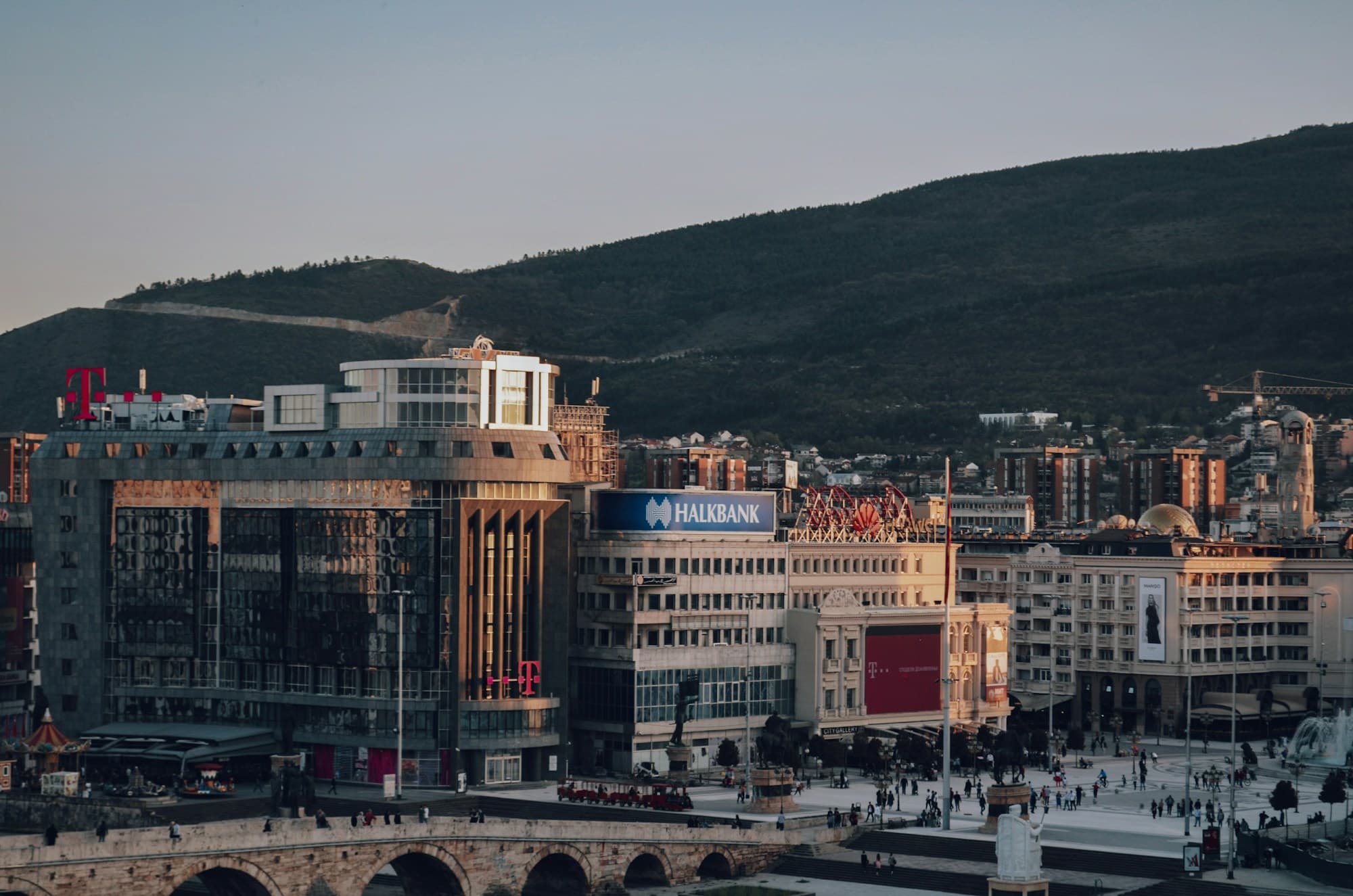
The questions Americans ask once the permit is sorted, answered from official and professional sources as of September 2026.
Healthcare
The public Health Insurance Fund covers citizens and foreigners who are employed or studying in North Macedonia. If you're living on a pension or savings, plan on private coverage, because applicants outside the job and citizen-family routes still have to show insurance, and you'll need travel medical insurance just to enter the country. Our data rates healthcare at 60 out of 100, with access that varies by region.
In practice, expect to lean on private clinics in Skopje and the bigger towns, where finding an English-speaking doctor is usually possible. Some providers expect payment before treatment, so keep a card with room on it. For an ambulance, dial 194. Hunter Schultz, our healthcare coach, can help you judge whether your medical needs fit what's available, and ExpatInsure can set up the private policy.
Taxes
You'll keep filing U.S. returns wherever you live. North Macedonia adds its own layer: you're a tax resident if you hold a permanent or temporary residence permit, or spend 183 days or more there in any 12-month period, and residents are taxed on worldwide income. There's no separate city or regional income tax.
The rate is a flat 10% on most income, and in 2025 the first MKD 10,270 a month (about $190) was tax-free. Salaried workers also pay mandatory contributions totaling 28% of gross pay, and freelancers invoicing foreign clients pay contributions based on their net income.
The complication is that the U.S. and North Macedonia have no income tax treaty. That leaves questions like how your Social Security or IRA withdrawals are treated without the tie-breaker rules a treaty would provide. The foreign tax credit still exists on the U.S. side, but get advice before your first year as a resident, not after it. MyExpatTaxes files U.S. returns for Americans abroad.
Money and banking
The denar is the currency, and it has tracked the euro closely since 2002, so prices stay predictable from month to month. Cards work in larger shops, but plenty of daily life runs on cash. Moneycorp can convert your dollars at better rates than a typical U.S. bank and set up regular transfers for rent and bills.
Safety
The U.S. State Department rates North Macedonia Level 1, exercise normal precautions. Our own data puts its safety index at 65 out of 100, with moderate crime. Use normal big-city sense in Skopje, and check the air-quality forecast in winter as carefully as the weather.
Driving
To drive, you need your U.S. license plus an International Driving Permit, which you can only get in the U.S. before you leave. Winter tires or chains are required from November 15 to March 15, which is worth knowing before you buy a car in October.
This guide is dated on purpose
North Macedonia amended its Law on Foreigners in September 2025, its digital nomad proposal has been pending since 2021, and its EU talks can move quickly once they restart. Everything here reflects the rules as of September 2026. Before you file anything or buy property, confirm the current requirements with the Ministry of Interior or a licensed lawyer.
05 · Finding your spot
Choosing a base: Skopje, the lake, or somewhere in between
Where you settle usually follows two things: which permit you're on and how much winter air you can live with.
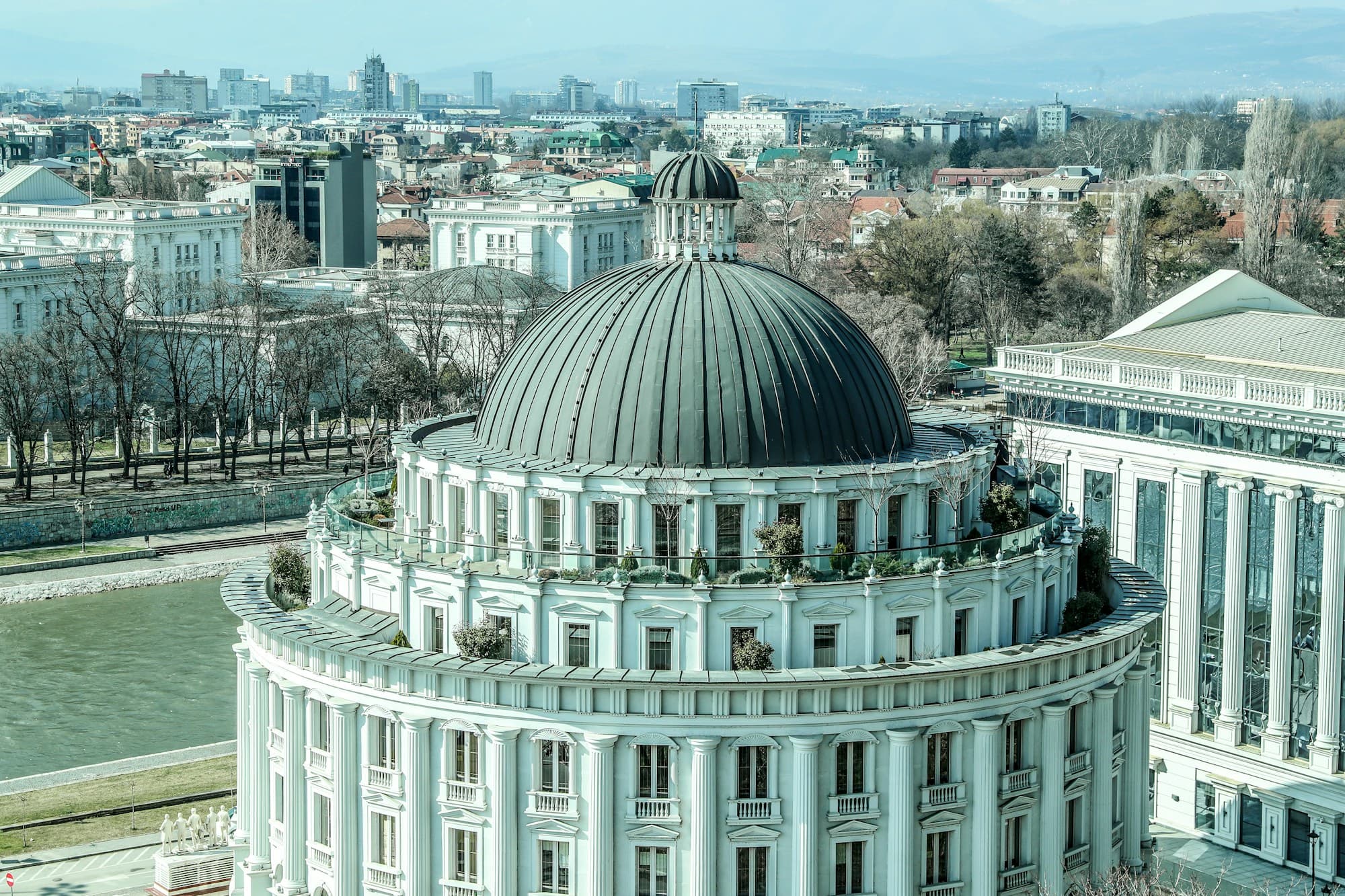
Skopje, the capital, is the default for anyone on a work permit and the easiest place to handle paperwork, find English-speaking doctors and meet other foreigners. Its big drawback is the heating-season smog.
Ohrid, on the lake, is the town people picture from travel photos, with a UNESCO-listed old town and a relaxed pace that suits people living on outside income. Visit in both August and February before you decide, because a tourist town changes character with the seasons. Bitola, in the south, has Ottoman architecture, a busy café culture and Pelister National Park nearby. Tetovo, in the northwest, is multicultural, with a significant Albanian population and mountains close by.
If you're using the home-ownership route, pick the town before you pick the apartment. The permit only renews if you live there for a real part of each year, so choose a place you'll want to be in January as well as July. We're adding North Macedonia city guides, and they'll appear below as each one is published.
06 · You don't do this alone
Who can help from here
North Macedonia doesn't have a well-worn American expat trail, so outside help counts for more here than in the usual destinations. These Expatsi-vetted partners handle the parts of the move that don't depend on being local: health coverage, U.S. taxes, currency, pets, shipping and adjusting to a new culture.
None of them is a Macedonian immigration lawyer. For the residence permit itself, and especially for the order of the visa D and the permit, budget for a local attorney once you know which route you're on.

Hunter Schultz
Healthcare Coach
A healthcare coach with more than 20 years as an expat and a background in air medical transport. His one-hour consultation lines up your prescriptions, specialists and conditions against the care in the place you're considering.
Learn more
ExpatInsure
Global Health Insurance
Andy Seale and Stephanie Edwards arrange international health plans for Americans abroad, including the private coverage a North Macedonian residence application usually asks you to show.
Learn more
MyExpatTaxes
U.S. Expat Tax Service
Online U.S. tax filing built for Americans living overseas, running since 2018. Worth lining up before your first year as a Macedonian tax resident, since there's no U.S. treaty to fall back on.
Learn more
Moneycorp
Currency Exchange
A currency and payments firm operating since 1979, with Kelly Cutchin leading its U.S. clients. It converts dollars at better rates than a typical bank and schedules the recurring transfers for rent and bills.
Learn more
Bodzin Pet Travel Solutions
Pet Relocation
Founder Aliza Bodzin's team plans the vaccines, microchip, crate, paperwork and flight route for dogs and cats moving overseas, so the animals arrive with every form in order.
Learn more
Aqua Moving Services
Worldwide Shipping and Moving Service
Part of the Clearview Group. One survey of your belongings produces three quotes from vetted international movers, so you can compare real prices for shipping a household abroad.
Learn more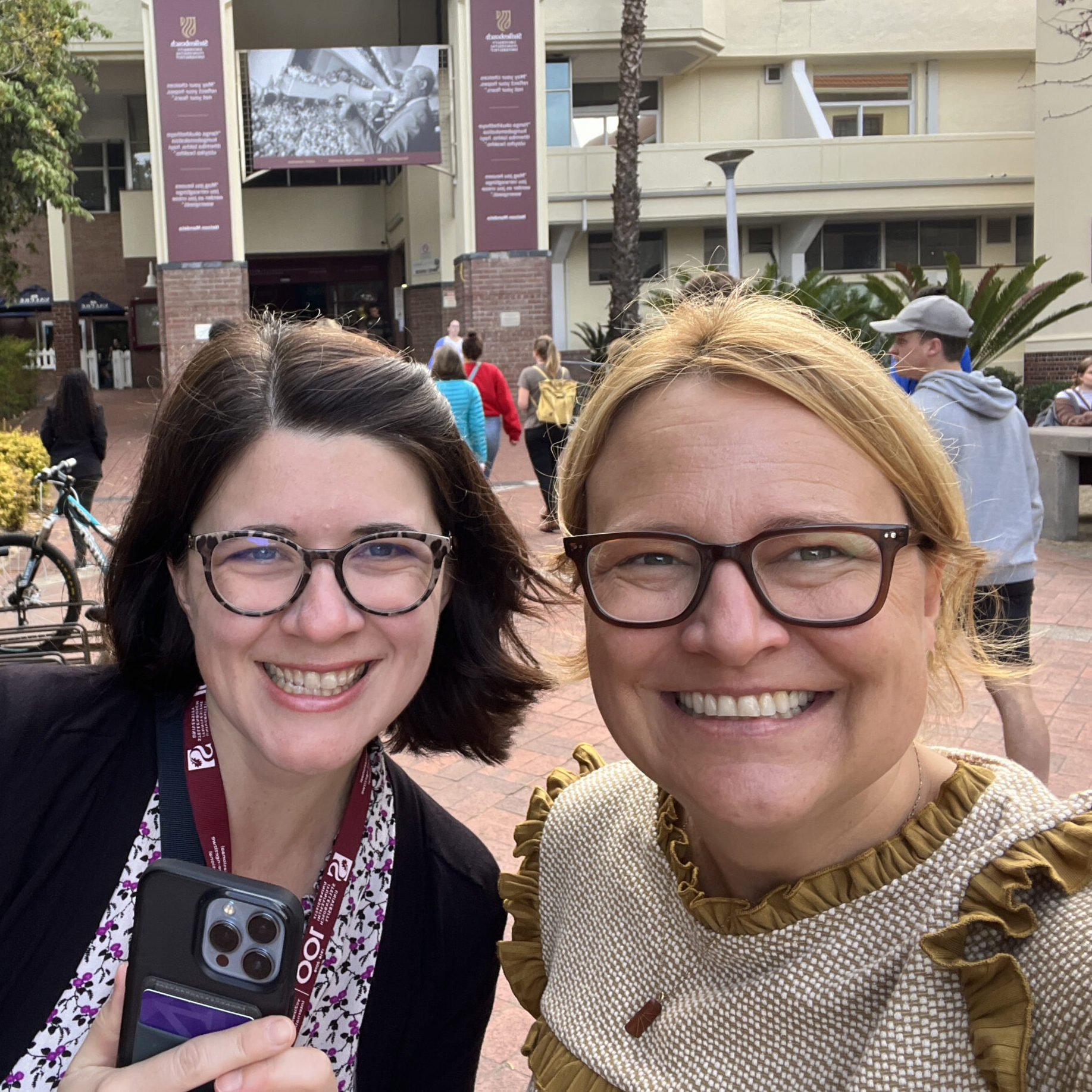
Culturosity Co.
Cultural Skills Coach
Co-founders Jennifer and Janka run intercultural coaching and workshops for people settling into a new country. A good fit for a place where your friendships will mostly be with locals.
Learn more07 · Quick answers
Moving to North Macedonia: frequently asked questions
Is there a digital nomad visa in North Macedonia?
No. A digital nomad visa was proposed in 2021, but it still hadn't passed parliament as of mid-2026. Remote workers can stay up to 90 days in any six-month period as visitors; staying longer means qualifying on another ground, such as owning a home, family ties or a local job.
How much does it cost to live in North Macedonia?
Expatsi's 2026 data puts a comfortable monthly budget at about $1,000 for one person, $1,700 for a couple and $2,750 for a family, rent included. A one-bedroom apartment in a city center averages about $350 a month, and a simple meal out about $7. Add private health coverage and flights home, which the averages don't include.
Can Americans live in North Macedonia without a visa?
Only for short stays. U.S. citizens can stay up to 90 days within a six-month period without a visa, and every foreigner must register with the local police within 48 hours of arriving (hotels do this for guests). To work, study or live there longer, you need a temporary residence permit, which is issued for up to a year and renewed from inside the country.
Does North Macedonia have a retirement visa?
No. The official grounds for temporary residence are work, study, exchanges, training, volunteering, research, medical treatment, family reunion and humanitarian reasons. The route that fits retirees is home ownership: citizens of OECD countries, including the U.S., who own an apartment or house worth at least 40,000 euros (about $45,500) can apply for a one-year renewable permit if they also show means of support and health insurance.
How long does it take to get permanent residence in North Macedonia?
At least five years of continuous temporary residence. You'll also need steady income, health insurance, a clean record and enough Macedonian to communicate day to day. Years spent on study, training, volunteering, research or seasonal-work permits don't count toward the five.
How are Americans taxed in North Macedonia?
You become a Macedonian tax resident if you hold a residence permit or spend 183 days or more there in any 12-month period. Residents pay a flat 10% on most income and are taxed on worldwide income. The U.S. still taxes you as a citizen, and there's no U.S.-North Macedonia income tax treaty, so get cross-border tax advice before your first year as a resident.
Is North Macedonia safe for Americans?
Yes, by official measures. The U.S. State Department rates North Macedonia Level 1, exercise normal precautions, and Expatsi's data puts its safety index at 65 out of 100 with moderate crime. The bigger everyday health concern is winter air pollution in Skopje, where fine-particle levels in 2024 averaged 4.3 times the WHO guideline.
Can I keep my U.S. citizenship if I become a citizen of North Macedonia?
Generally no. Naturalization requires at least seven years of legal, continuous residence, and the Law on Citizenship asks applicants to renounce their previous citizenship or prove it will be released. If the other country won't release you or sets conditions you can't meet, a signed renunciation statement is accepted instead. Talk to a lawyer before you start down this path.
Sources
- North Macedonia International Travel Information · U.S. Department of State (checked September 2026)
- North Macedonia Travel Advisory (Level 1, September 2026) · U.S. Department of State (checked September 2026)
- Types of entry visas for North Macedonia · Ministry of Foreign Affairs of North Macedonia (checked September 2026)
- Visa application procedure · Ministry of Foreign Affairs of North Macedonia (checked September 2026)
- Work visas and permits · Invest North Macedonia (checked September 2026)
- Law on Citizenship (consolidated 2022, English) · Republic of North Macedonia (via Refworld) (checked September 2026)
- Temporary residence and employment of foreigners: key changes under the 2025 amendments · Karanovic & Partners (checked September 2026)
- Temporary residence of foreigners based on real estate ownership · Lawyers Antevski (checked September 2026)
- Kinds of residence permits for foreigners in North Macedonia · Lawyers Antevski (checked September 2026)
- North Macedonia: individual taxes on personal income and residence · PwC Worldwide Tax Summaries (checked September 2026)
- North Macedonia Tax Card 2025 · Eurofast (checked September 2026)
- United States income tax treaties, A to Z · IRS (checked September 2026)
- Minimum wage revised in North Macedonia from 1 March 2026 · WageIndicator (checked September 2026)
- Skopje among top 10 most polluted cities in the world · IQAir (checked September 2026)
- EU presses North Macedonia to alter constitution to aid membership bid · Balkan Insight (checked September 2026)
- Cost of living and country data for North Macedonia · Expatsi (checked September 2026)
Is North Macedonia your kind of place?
Take the free Expatsi Test and compare North Macedonia with other countries on cost, healthcare, climate and safety.
Why not you?