Living in Bitola, North Macedonia's café city below Pelister
A university town of about 69,000 in the far south, a short drive from the Greek border, with a car-free main street and a much smaller English-speaking circle than Skopje's.
- 69,287
- Population (2021)
- $800/mo
- Monthly budget · single
- 55°F / 13°C
- Avg temperature
Plan on roughly $800 a month for one person in Bitola, rent included, with most singles spending between $600 and $1,000. A couple needs about $1,200, and a family of four about $1,800. A one-bedroom in the center rents for about $300 a month, or around $200 farther out. Those are 2026 figures in U.S. dollars.
Bitola suits people who want a lived-in town rather than a resort. Its pedestrian main street, Širok Sokak, runs from Magnolia Square to the City Park and is lined with cafés and neoclassical facades, and university students keep it busy most of the year. The city counted 69,287 residents in 2021.
It's a harder fit if you need English everywhere, specialist care down the road, or a quick trip to a major airport. English is less common here than in Skopje, and getting to a big airport means a drive or a bus ride.

Reviewed and updated October 22, 2026 · 4 min read
At a glance
$800
Monthly budget · single person
$300/mo 1-bed rent, center
72/100
Safety index
$15
Internet / month
55°Fannual average
Jan 35° · Aug 76°
Climate
69,287
Population (2021)
Expatsi estimates, updated Oct 2026, based on rental listings, government statistics, and local reporting. Coverage here is thin, so treat these as a rough guide.
Cost of living
What it costs to live in Bitola
Single person
$600–$1,000/mo
about 75% below Austin, TX
Couple
$900–$1,600/mo
about 75% below Austin, TX
Family of four
$1,400–$2,200/mo
about 75% below Austin, TX
Compared with Austin, TX (Expatsi estimate, 2026).
- $5 −75%
- Inexpensive meal
- $200–$350/mo −85%
- 1-bed rent, center
- $150–$300/mo −85%
- 1-bed rent, outside
- $15/mo −77%
- Internet
- $93/sq ft −86%
- Buy price, center
Expatsi estimates, updated Oct 2026, based on rental listings, government statistics, and local reporting. Coverage here is thin, so treat these as a rough guide.
Daily life
How Bitola lives
- C+ grade, 17th percentile among the cities we track
- Dining & cafésmodest
- B- grade, 28th percentile among the cities we track
- Arts & culturetypical
- C+ grade, 18th percentile among the cities we track
- Parks & outdoorsmodest
- B- grade, 27th percentile among the cities we track
- Schools & educationtypical
- C grade, 12th percentile among the cities we track
- Healthcare accessmodest
- C- grade, 0th percentile among the cities we track
- Bike infrastructuremodest
- B- grade, 26th percentile among the cities we track
- Public transittypical
- B grade, moderate physical accessibility
- Accessibilitymoderate
Graded on OpenStreetMap amenity density relative to the 436 cities we track. Accessibility is the exception: it's graded against a fixed standard (terrain steepness and sidewalk surfaces), not a curve.
Climate
Weather through the year
Annual average 55°F (13°C) · 27 in of rain a year · Source: Open-Meteo Historical Weather API (temps: ERA5-Land 0.1°; precip/sunshine: ERA5 best-match; 1991-2020 normals)
On the ground
Scenes from Bitola
Getting around
Transport in Bitola
In central Bitola, most errands happen on foot. Širok Sokak is closed to cars, and the Roman ruins of Heraclea Lyncestis sit about 1 mile (2 km) from the center, close enough for an afternoon walk.
For anything farther, you'll take a taxi or drive. Uber and other ride-hailing apps don't operate anywhere in North Macedonia. The State Department says taxis from established companies are considered safe, suggests metered cabs to avoid fare disputes, and notes that most take cash only.
Bitola has a railway station, but the State Department calls rail service in the country poor, limited and unreliable, so plan on intercity buses or a car to reach Skopje. The Medžitlija crossing into Greece is about 9 miles (14 km) south of the city, which puts northern Greece within reach for a day out.
Here's the catch: if Pelister National Park and the hill villages are part of the appeal, you'll want a car, and the State Department advises against driving rural mountain roads at night because lighting is poor or missing. Winter tires or chains are required from November 15 to March 15.
- 4.0/sq mi
- Transit stops
- 0.0/sq mi
- Bike infrastructure
- 1.3/sq mi
- Wheelchair-accessible places
Mapped features per square mile from OpenStreetMap.
Keep exploring
Places like Bitola
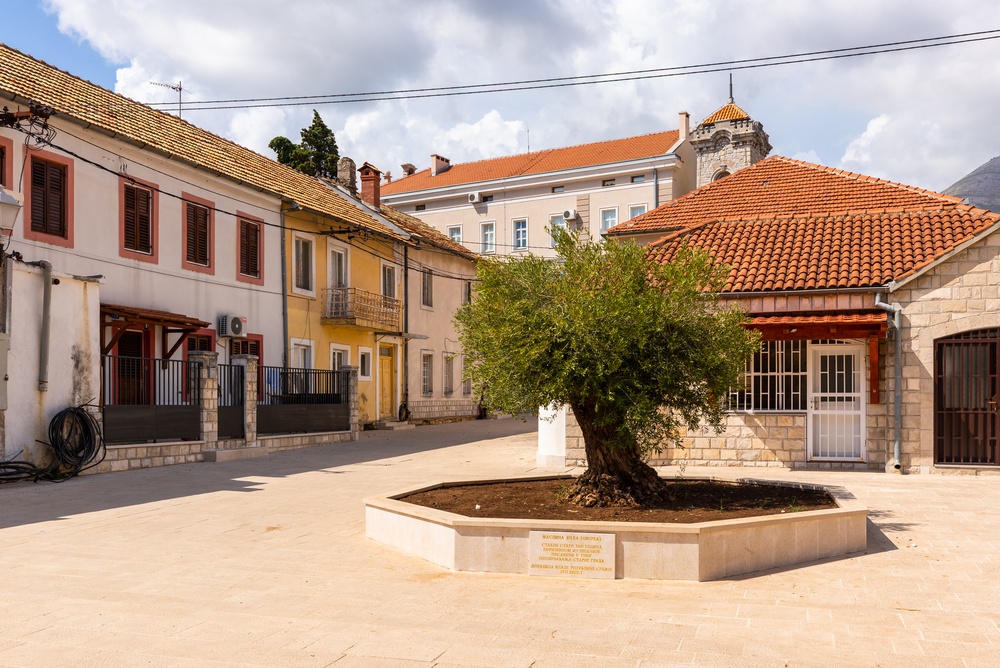
Trebinje
Bosnia and Herzegovina
31.4K people · $900/mo
 Coming soon
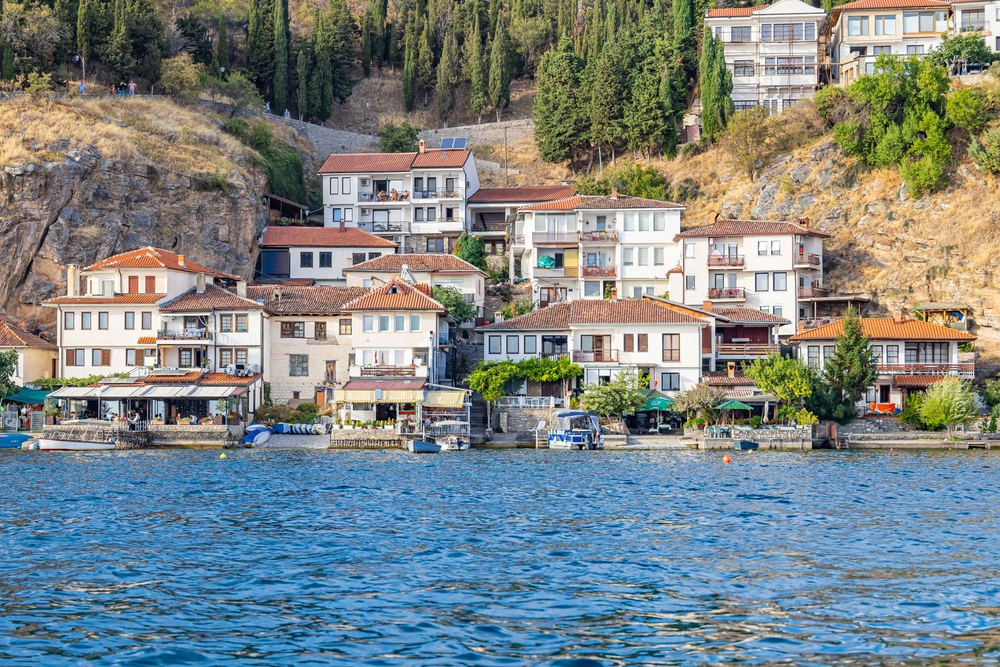
Ohrid
North Macedonia
38.8K people · $1,000/mo
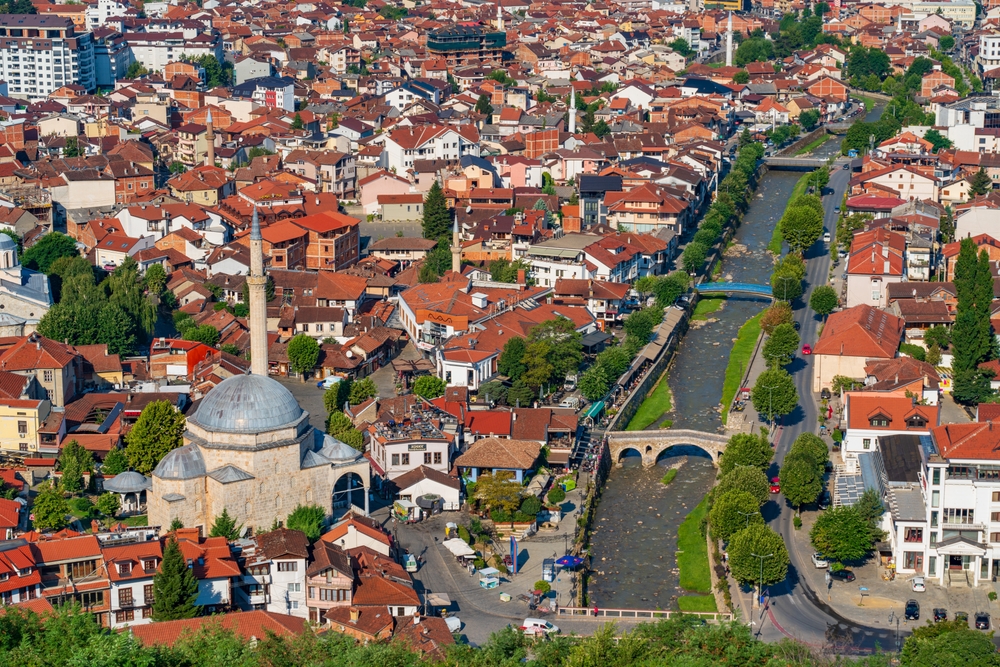
Prizren
Kosovo
187K people · $800/mo
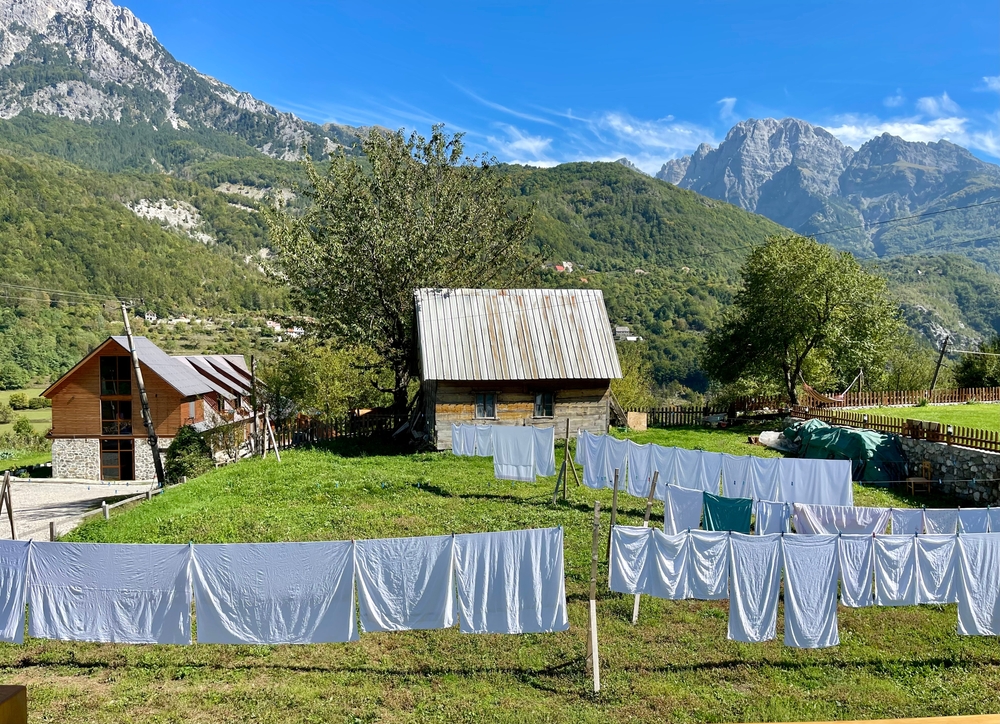
Berat
Albania
40.7K people · $1,000/mo
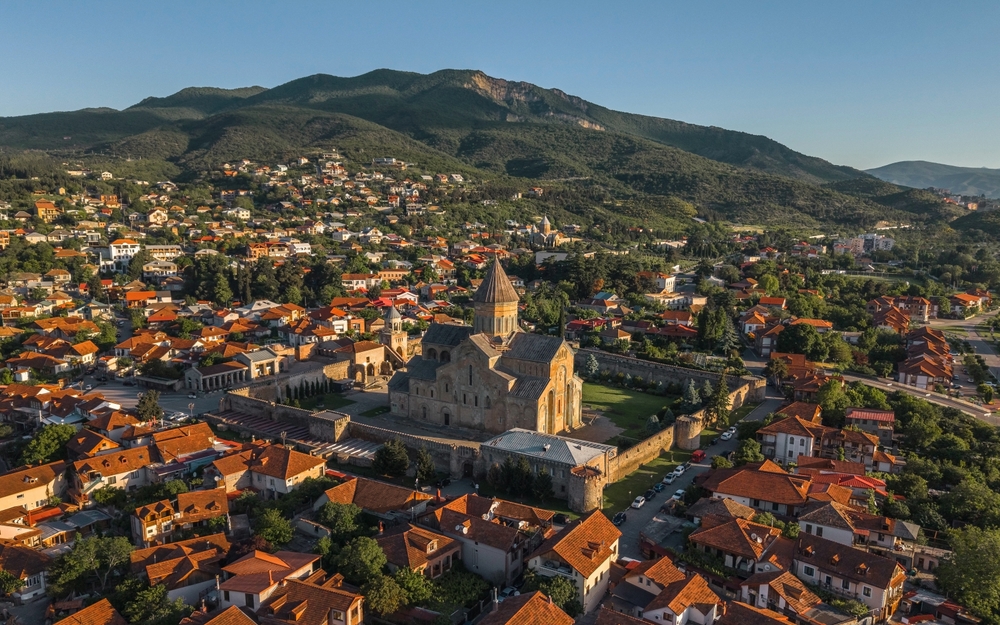
Mtskheta
Georgia
7.6K people · $1,000/mo
Quetzaltenango
Guatemala
207.6K people · $1,200/mo
Community
Community & practical notes
Community: We couldn't find an established American scene in Bitola, so expect your circle to be mostly locals and students from St. Clement of Ohrid University. Some Macedonian goes a long way at offices, markets and taxi stands. One rule applies from day one: every foreigner must register with the local police within 48 hours of arriving. Hotels handle it for guests, but in a rental it's on you.
Healthcare: Clinical Hospital Bitola is the main hospital for the country's southwest, with 24 departments and 520 beds, and it runs oncology and nuclear medicine departments otherwise found only in Skopje. Even so, the State Department rates medical care outside Skopje as substandard, with Ohrid's trauma services the exception. It adds that most providers don't accept U.S. insurance and many want cash before treatment, and Medicare doesn't apply abroad. Carry international coverage that includes evacuation, and expect to go to Skopje for complex care.
Remote work: Home internet runs about $15 a month. Bitola has at least two coworking spaces: IT Crowd, which calls itself the city's first, and Qworkingo, which advertises 24/7 access and 300/300 Mbps Wi-Fi. Neither posts prices online, so ask for a quote.
LGBTQ expats: North Macedonia doesn't legally recognize same-sex couples in any form, and marriage is limited to a man and a woman. A 2019 anti-discrimination law does cover sexual orientation and gender identity. The State Department says LGBTQI+ people still face significant discrimination and that the country has no openly gay-friendly establishments. Skopje has held Pride since 2019; we found no LGBTQ venues or events in Bitola. Don't assume a U.S. marriage will carry a partner's residence permit. Check with a local immigration lawyer before either of you files.
Black Americans: We found no published account of what Black Americans experience living in Bitola, and the State Department's country page doesn't address race. It describes North Macedonia as multi-ethnic and multi-religious, with tensions between groups but little violence. A trial stay of a month or more, plus conversations with Black expats elsewhere in the Balkans, will tell you more than we can.
Limited mobility: Plan carefully. The State Department notes that the law only requires new buildings to be accessible, that most public buildings aren't, and that public transportation for people with disabilities is very limited. The car-free main street helps, but look for a newer building with an elevator close to the center, and visit before you sign a lease.
Retirement: Bitola works for retirees who want a low budget, a regional hospital in town and four real seasons, as long as cold winters suit them: January highs average about 42°F, with lows near 28°F. North Macedonia has no retirement visa. For Americans living on a pension, the route that fits is owning a home worth at least 40,000 euros (about $45,500), renewed a year at a time. Naturalizing means giving up U.S. citizenship. Our North Macedonia guide covers every route, and our retirement visa page compares countries that do offer a pension visa.
Housing
Renting and buying
- 1-bed rent (center)
- $200–$350/mo
- 1-bed rent (outside center)
- $150–$300/mo
- Buy price (center)
- $93/sq ft
- Buy price (outside center)
- $70/sq ft
Expatsi estimates, based on rental listings, government statistics, and local reporting. Coverage here is thin, so treat these as a rough guide.
Good to know
Frequently asked questions
Is Bitola safe for Americans?
Yes, for normal daily life. Bitola scores 72 out of 100 on Expatsi's safety index, and the U.S. State Department rates North Macedonia Level 1, its lowest advisory level: exercise normal precautions. The bigger practical risks are on the road, especially rural mountain driving after dark, where the State Department warns lighting is poor or missing.
Can Americans retire in Bitola?
Yes, but not on a retirement visa, because North Macedonia doesn't have one. Americans living on a pension or savings usually qualify for temporary residence by owning a home in the country worth at least 40,000 euros (about $45,500), plus proof of income and health insurance. The permit is renewed yearly and won't be renewed if you've spent too little time in the country. Americans can visit visa-free for up to 90 days within six months to try Bitola first.
How much does it cost to live in Bitola, North Macedonia?
A single person spends about $800 a month in Bitola, rent included, with a typical range of $600 to $1,000 as of 2026. A couple needs about $1,200 a month and a family of four about $1,800. A one-bedroom apartment in the center rents for around $300 a month.
Do you need a car in Bitola?
Not for daily life in the center, where Širok Sokak is pedestrian-only and most errands are walkable. You'll want one for Pelister National Park, the surrounding villages and trips to Skopje or Greece. There's no Uber or other ride-hailing in North Macedonia, so without a car you'll rely on taxis, which mostly take cash, and intercity buses.
What is the weather like in Bitola?
Bitola has four distinct seasons. January highs average about 42°F with lows near 28°F, while July and August highs average about 84°F to 85°F. The city sits at about 1,890 feet and gets roughly 27 inches of rain and snow a year, with the driest weather in midsummer.
What is healthcare like in Bitola?
Clinical Hospital Bitola serves the whole southwest of North Macedonia, with 24 departments including oncology and nuclear medicine. The U.S. State Department still describes care outside Skopje as substandard, says most providers don't take U.S. insurance, and notes many want payment up front. Plan on international health coverage with evacuation and on traveling to Skopje for complex treatment.
Do people speak English in Bitola?
Not as widely as in Skopje. You'll find English among some younger people and in places that serve visitors, but expect to need basic Macedonian at government offices, markets, pharmacies and with taxi drivers. Taking lessons before or soon after you move makes daily life much easier.
Can I work remotely from Bitola?
Yes, practically speaking. Home internet costs about $15 a month, and the city has coworking spaces including IT Crowd and Qworkingo, which advertises 24/7 access. The catch is legal, not technical: North Macedonia has no digital nomad visa, so remote workers need another residence ground, such as owning a home, to stay past 90 days.
See how Bitola fits your life
Take the free Expatsi Test and compare North Macedonia with other countries on what actually matters: cost, healthcare, climate, and safety.
Why not you?