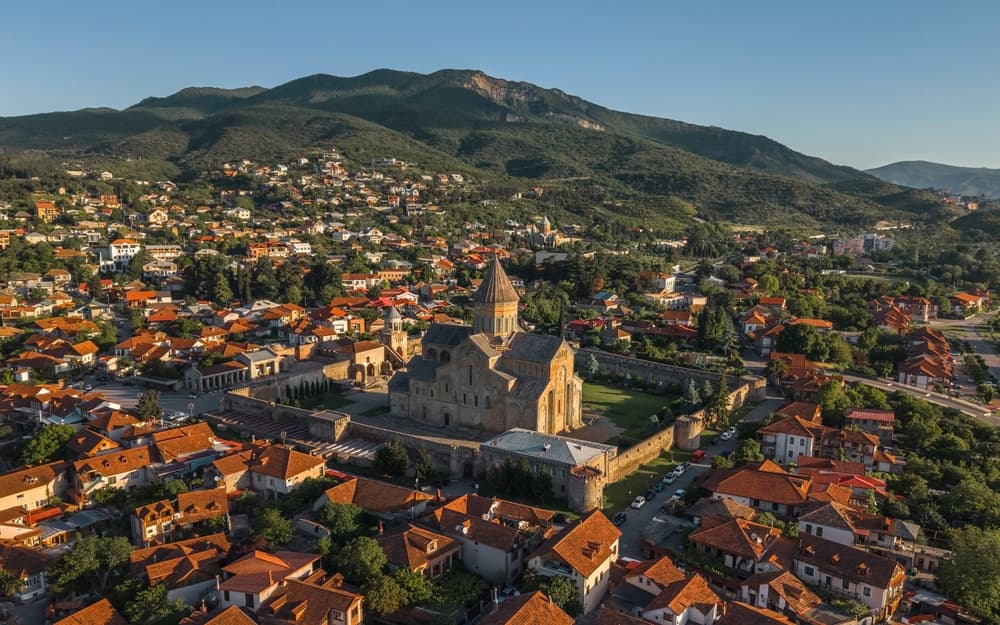
Mtskheta: a quiet cathedral town 12 miles from Tbilisi
What it costs, how safe it is and who it suits, in Georgia's ancient capital where two rivers meet.
- 7,606
- Population (2021)
- $1,000/mo
- Monthly budget · single
- 57°F / 14°C
- Avg temperature
Plan on roughly $1,000 a month for one person in Mtskheta, with most single budgets falling between $700 and $1,200 in our 2026 figures. Couples land near $1,400 and a family of four near $2,100. A one-bedroom in the center rents for about $350 a month, or about $250 a little farther out.
Mtskheta is a town of about 7,600 people (2021 count) where the Aragvi and Mtkvari rivers meet, roughly 12 miles northwest of Tbilisi. Three UNESCO-listed churches anchor it: Svetitskhoveli Cathedral and Samtavro Monastery in town, and Jvari on the hilltop across the river. It fits retirees and remote workers who want small-town quiet with the capital close enough for a weekly run.
It's a weaker fit if you want restaurants, nightlife and other foreigners outside your door, or if you'd rather not rely on Tbilisi for specialists, big shopping and a social life.

Reviewed and updated October 15, 2026 · 4 min read
At a glance
$1,000
Monthly budget · single person
$350/mo 1-bed rent, center
78/100
Safety index
$15
Internet / month
57°Fannual average
Jan 37° · Jul 78°
Climate
7,606
Population (2021)
Expatsi estimates, updated Oct 2026, based on rental listings, government statistics, and local reporting. Coverage here is thin, so treat these as a rough guide.
Cost of living
What it costs to live in Mtskheta
Single person
$700–$1,200/mo
about 70% below Austin, TX
Couple
$1,100–$1,800/mo
about 70% below Austin, TX
Family of four
$1,600–$2,600/mo
about 75% below Austin, TX
Compared with Austin, TX (Expatsi estimate, 2026).
- $5 −75%
- Inexpensive meal
- $250–$450/mo −82%
- 1-bed rent, center
- $200–$300/mo −81%
- 1-bed rent, outside
- $15/mo −77%
- Internet
Expatsi estimates, updated Oct 2026, based on rental listings, government statistics, and local reporting. Coverage here is thin, so treat these as a rough guide.
Daily life
How Mtskheta lives
- C grade, 11th percentile among the cities we track
- Dining & cafésmodest
- C grade, 15th percentile among the cities we track
- Arts & culturemodest
- C grade, 6th percentile among the cities we track
- Parks & outdoorsmodest
- C grade, 7th percentile among the cities we track
- Schools & educationmodest
- C grade, 9th percentile among the cities we track
- Healthcare accessmodest
- B- grade, 31st percentile among the cities we track
- Bike infrastructuretypical
- C+ grade, 19th percentile among the cities we track
- Public transitmodest
- C grade, challenging physical accessibility
- Accessibilitychallenging
Graded on OpenStreetMap amenity density relative to the 369 cities we track. Accessibility is the exception: it's graded against a fixed standard (terrain steepness and sidewalk surfaces), not a curve.
Climate
Weather through the year
Annual average 57°F (14°C) · 17 in of rain a year · Source: Meteostat station normals (37549, 1991-2020; 26km SE of Mtskheta at 467m, in the same Kura valley; sunshine from 1981-2010)
On the ground
Scenes from Mtskheta
Getting around
Transport in Mtskheta
The old center is small enough to cover on foot. Svetitskhoveli, Samtavro and the main shopping street sit close together. Jvari is a different story: it stands on a hilltop across the river, so most people drive or take a taxi up.
For Tbilisi, marshrutka minibuses leave Didube bus station, at Didube metro, every 20 to 30 minutes from early morning, and the ride takes under half an hour. Going back, you flag one down at the stop in town. Bolt covers the trip too. The State Department says marshrutkas are often overcrowded and poorly maintained, and U.S. Embassy staff aren't allowed to ride them, so plenty of foreigners stick to Bolt. A passenger train also runs, but its schedule is sporadic and the station is well outside the center.
For daily life you'll probably want a car, since the town's own shops are limited. Drive defensively: the State Department warns that reckless driving is common, pedestrians don't get the right-of-way and night driving outside cities is risky. Expect busy weekends when Tbilisi day-trippers arrive, and road closures around the Svetitskhovloba church festival.
- 2.5/sq mi
- Transit stops
- 0.7/sq mi
- Bike infrastructure
- 0.5/sq mi
- Wheelchair-accessible places
Mapped features per square mile from OpenStreetMap.
Keep exploring
Places like Mtskheta
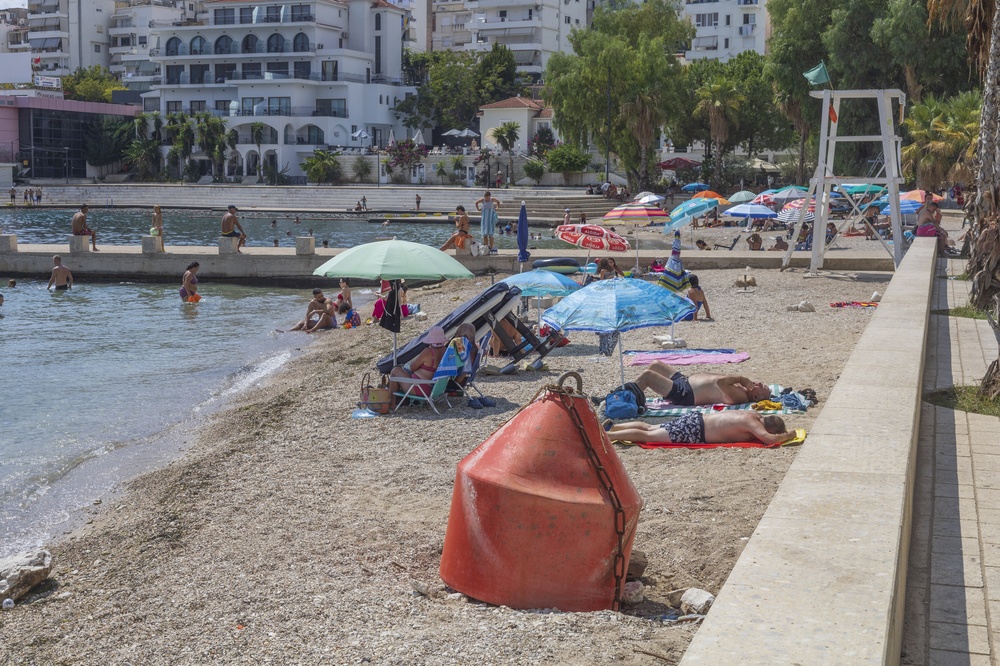
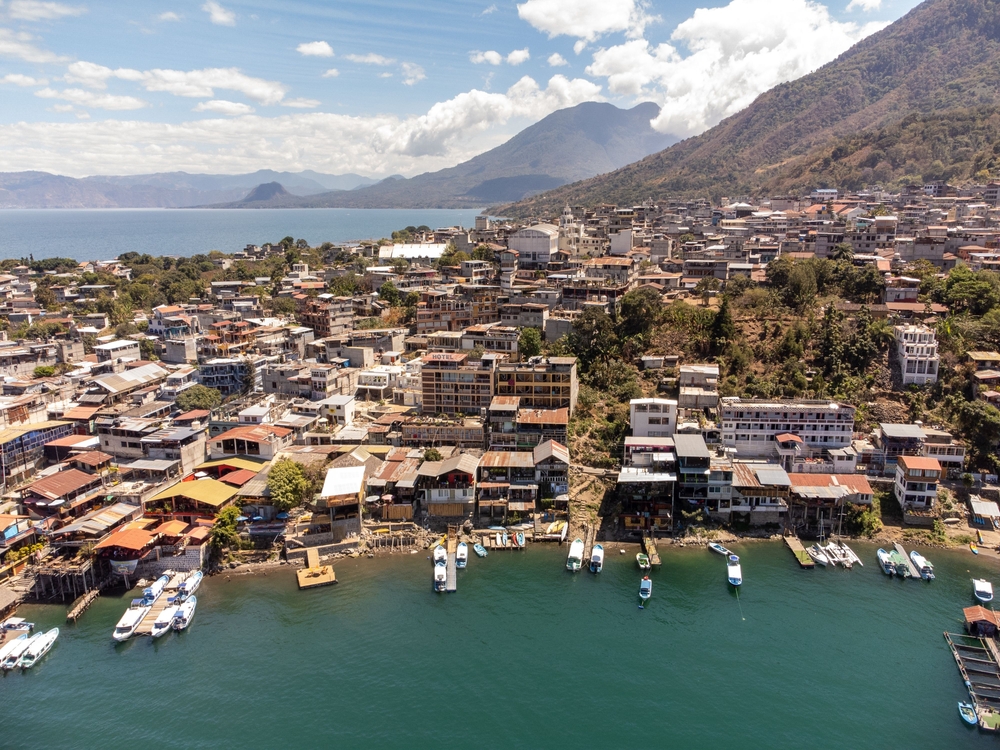
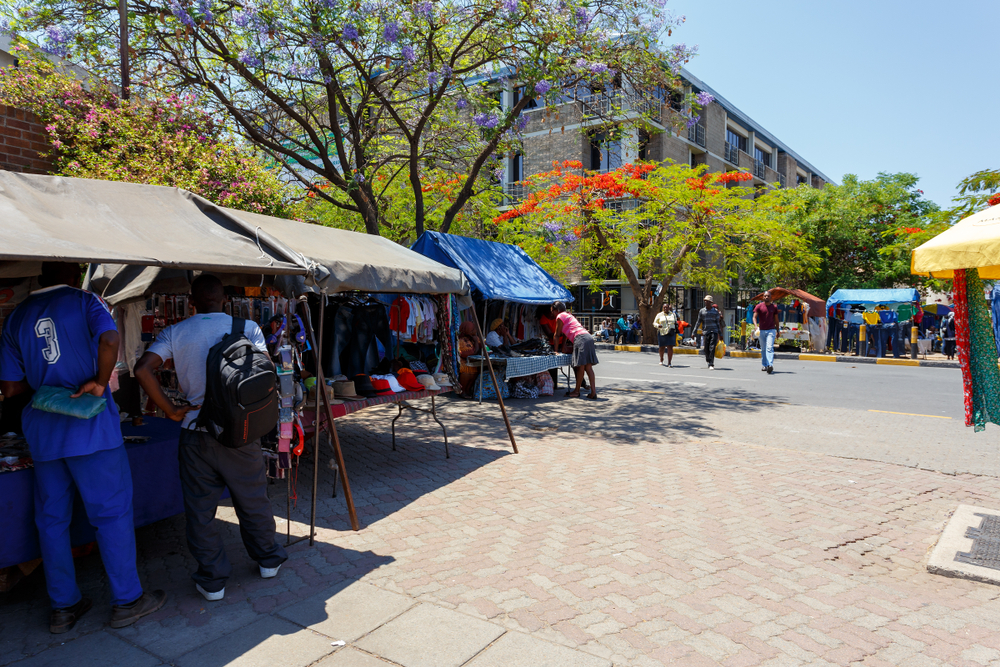
Community
Community & practical notes
A Georgian town first
Most foreigners you'll meet in Mtskheta are visiting for the day, not living here. Neighbors, landlords and shopkeepers are local, so a translation app and a few Georgian greetings help a lot. Expect your circle of other expats to be mostly in Tbilisi.
Healthcare
Mtskheta has its own regional hospital on Samkhedro Street, but for specialists or anything serious, plan on Tbilisi. The State Department calls care there adequate though below U.S. standards, and says facilities outside the major cities are limited. Most providers want cash, sometimes up front, and won't take U.S. insurance or Medicare. Ambulances are rare outside Tbilisi, so people often drive themselves. Buy international health coverage through ExpatInsure that includes medical evacuation.
Internet and remote work
Our figures put home internet at about $15 a month. We couldn't find a dedicated coworking space in town, so plan to work from home and head into Tbilisi when you want a desk. Run a video call on the line before you sign a lease.
LGBTQ expats
Same-sex relations are legal, but a law in force since December 2024 bans public events that support or discuss same-sex relationships. Georgia also doesn't recognize same-sex marriages performed abroad, so a U.S. marriage carries no legal weight here. The State Department reports frequent discrimination and harassment, and some attacks. Mtskheta is home to the cathedral at the center of Georgian Orthodox life, and a small town gives you far less anonymity than the capital.
Black Americans
We found almost nothing written about Black Americans living in Mtskheta, and the State Department's Georgia page doesn't address race. Before a long lease, rent short-term for a few weeks, and ask Black expats who've lived in Georgia, through online groups, how daily life went for them.
Limited mobility
This is a hard place to live with limited mobility. The State Department says accessibility in Georgia is limited or nonexistent on public transit, in lodging and in general infrastructure. Jvari's hilltop site really needs a car. If stairs or curbs are a daily obstacle, Tbilisi gives you more newer buildings with elevators to choose from, though access there is uneven too.
Retiring here
Mtskheta works for retirees who want a quiet, historic town, can drive, and don't mind real hospital care being a trip to Tbilisi. Winters are cool, with January highs averaging about 44°F, and July and August highs average near 89°F. U.S. citizens can live in Georgia visa-free for up to 365 days, which is enough to test every season before committing. Our Georgia guide covers what comes after that year, and our retirement visa page compares countries with dedicated retiree routes.
Housing
Renting and buying
- 1-bed rent (center)
- $250–$450/mo
- 1-bed rent (outside center)
- $200–$300/mo
Expatsi estimates, based on rental listings, government statistics, and local reporting. Coverage here is thin, so treat these as a rough guide.
Good to know
Frequently asked questions
Is Mtskheta safe for Americans?
Crime is low: our data gives Mtskheta a safety index of 78 and a crime index of 22. The State Department rates Georgia Level 1, exercise normal precautions, with Do Not Travel warnings only for the Russian-occupied regions of South Ossetia and Abkhazia. The bigger day-to-day risk is the road, where the State Department says reckless driving is common.
What is the weather like in Mtskheta?
It has four clear seasons. January highs average about 44°F with lows just below freezing, while July and August highs average near 89°F. It's fairly dry, with about 17 inches of precipitation a year.
Is Mtskheta a good place to retire?
It can be, if you want a quiet historic town and can drive. The town has a regional hospital, but specialists and serious care are in Tbilisi, roughly 12 miles away. Ambulances are rare outside Tbilisi and most providers want cash, so carry international health coverage with medical evacuation.
How much does it cost to live in Mtskheta, Georgia?
Our 2026 figures put a single person's monthly budget at about $1,000, within a range of roughly $700 to $1,200, and a couple's at about $1,400. A one-bedroom apartment in the center rents for around $350 a month. Health coverage and a car, which you'll likely want here, are the costs that move the total most.
How do you get from Mtskheta to Tbilisi?
Marshrutka minibuses run between Mtskheta and Didube bus station in Tbilisi every 20 to 30 minutes from early morning, and the ride takes under half an hour. Bolt also covers the trip. A train runs too, but its schedule is sporadic and the Mtskheta station is far from the center.
Do you need a car to live in Mtskheta?
Most people will want one. The historic center is walkable, but shops in town are limited and regular trips to Tbilisi add up. Drive carefully: the State Department warns of reckless driving, poor lighting and livestock on roads at night outside cities.
Can Americans live in Mtskheta without a visa?
Yes, for up to 365 days. The State Department says U.S. citizens may enter, live, work or study in Georgia without a visa for that long, and overstays are fined. To stay longer, you need a Georgian residence permit, which is handled by the Ministry of Justice.
See how Mtskheta fits your life
Take the free Expatsi Test and compare Georgia to over 100 countries on what actually matters: cost, healthcare, climate, and safety. About five minutes.
Why not you?