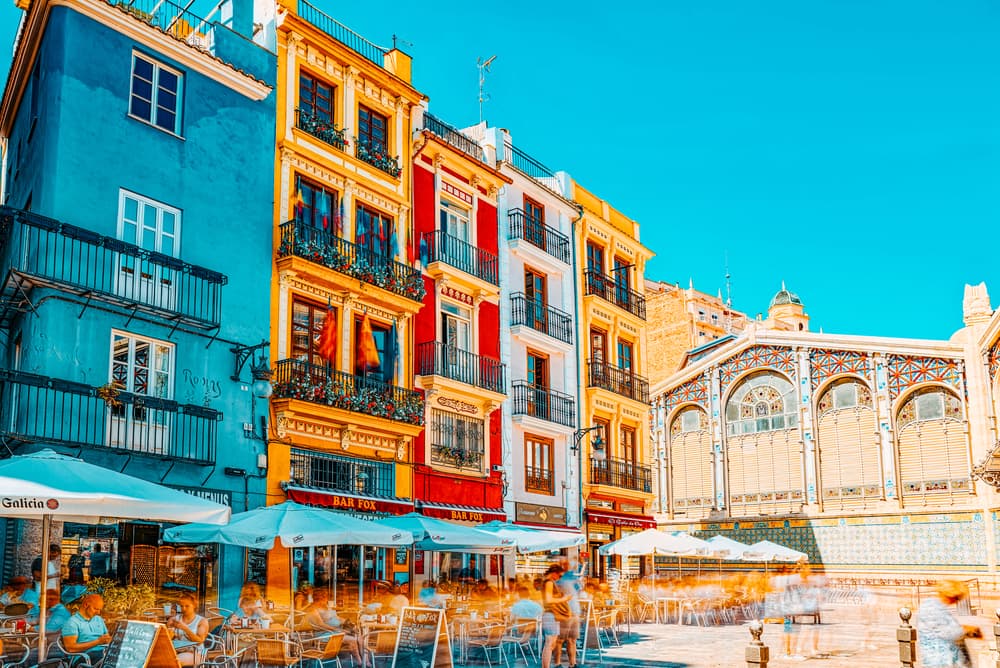
Valencia: a big city with a beach and a five-mile park
Mediterranean weather, flat and unusually bikeable streets, and a daily life that still runs in Spanish.
- 840,792
- Population (2025)
- $2,600/mo
- Monthly budget · single
- 66°F / 19°C
- Avg temperature
Budget about $2,600 a month in U.S. dollars for one person in Valencia, around $3,700 for a couple, and roughly $5,200 for a family. A one-bedroom runs about $1,350 in the center and closer to $1,000 in outer neighborhoods like Benimaclet or Patraix.
That buys Spain's third-largest city, about 841,000 people, and a five-mile park running through the middle of it where the Turia river used to be. The river was moved south of town after a catastrophic flood in 1957; residents later fought off a plan to pave the empty bed into a highway. Valencia suits remote workers, families and retirees who want a working Spanish city rather than a resort.
The honest drawback is that Valencia is no longer the bargain its reputation suggests. Of the 19 Spanish cities we hold data on, only Barcelona costs a single person more, leaving Valencia now level with Madrid. Central rents have climbed as more foreigners arrive, and the paperwork moves slowly: residency appointments, the famous cita previa, can take months to land.
At a glance
$2,600
Monthly budget · single person
$1,350/mo 1-bed rent, center
68/100
Safety index
$35
Internet / month
66°Fannual average
Jan 54° · Aug 80°
Climate
840,792
Population (2025)
Expatsi estimates, updated Aug 2026, based on rental listings, government statistics, and local reporting.
Cost of living
What it costs to live in Valencia
Single person
$2,300–$2,900/mo
about 15% below Austin, TX
Couple
$3,300–$4,100/mo
about 20% below Austin, TX
Family of four
$4,600–$5,800/mo
about 35% below Austin, TX
Compared with Austin, TX (Expatsi estimate, 2026).
- $15 −25%
- Inexpensive meal
- $1,200–$1,500/mo −31%
- 1-bed rent, center
- $900–$1,100/mo −26%
- 1-bed rent, outside
- $35/mo −46%
- Internet
- $40/mo −3%
- Transit pass
- $441/sq ft −32%
- Buy price, center
Expatsi estimates, updated Aug 2026, based on rental listings, government statistics, and local reporting.
Daily life
How Valencia lives
- A grade, 91st percentile among the cities we track
- Dining & cafésstandout
- A- grade, 75th percentile among the cities we track
- Arts & culturestrong
- A+ grade, 96th percentile among the cities we track
- Parks & outdoorsstandout
- A grade, 87th percentile among the cities we track
- Schools & educationstandout
- A grade, 90th percentile among the cities we track
- Healthcare accessstandout
- A+ grade, 99th percentile among the cities we track
- Bike infrastructurestandout
- A+ grade, 99th percentile among the cities we track
- Public transitstandout
- A+ grade, good physical accessibility
- Accessibilitygood
Graded on OpenStreetMap amenity density relative to the 298 cities we track. Accessibility is the exception: it's graded against a fixed standard (terrain steepness and sidewalk surfaces), not a curve.
Climate
Weather through the year
Annual average 66°F (19°C) · 18 in of rain a year · Source: Meteostat station normals (08285, 1991-2020)
On the ground
Scenes from Valencia
Getting around
Transport in Valencia
Valencia is a city where most residents get through the week without a car. Metrovalencia runs metro and tram lines linking the center, port, beaches and the airport; EMT buses fill in the rest. Budget about $40 a month for transit. Fares here are unusually political: the region has repeatedly made travel free or half-price for younger riders and then moved the deadline, so check what is in force when you arrive.
The bike network is the quiet star of Valencia. The old riverbed works as a car-free expressway across the city, protected lanes run along most major streets, and the Valenbisi bike share puts a stand every few blocks in the central districts, with the first half hour of each ride free on a subscription. The ground is flat enough that none of it takes effort.
Walkability in the center is excellent. Ciutat Vella, Ruzafa and the Eixample are dense, mixed-use districts where a pharmacy, market and three cafes sit within a few blocks of any apartment.
A car only earns its keep if you settle in a suburban town beyond the metro or want regular trips into the interior. Inside the city it becomes a liability. Ciutat Vella is a residential priority area with restricted access. Street parking is scarce and paid. A citywide low-emission zone has been drafted, delayed and argued over for years, so check the current rules before shipping a vehicle.
- 105/sq mi
- Transit stops
- 279/sq mi
- Bike infrastructure
- 230/sq mi
- Wheelchair-accessible places
Mapped features per square mile from OpenStreetMap.
Keep exploring
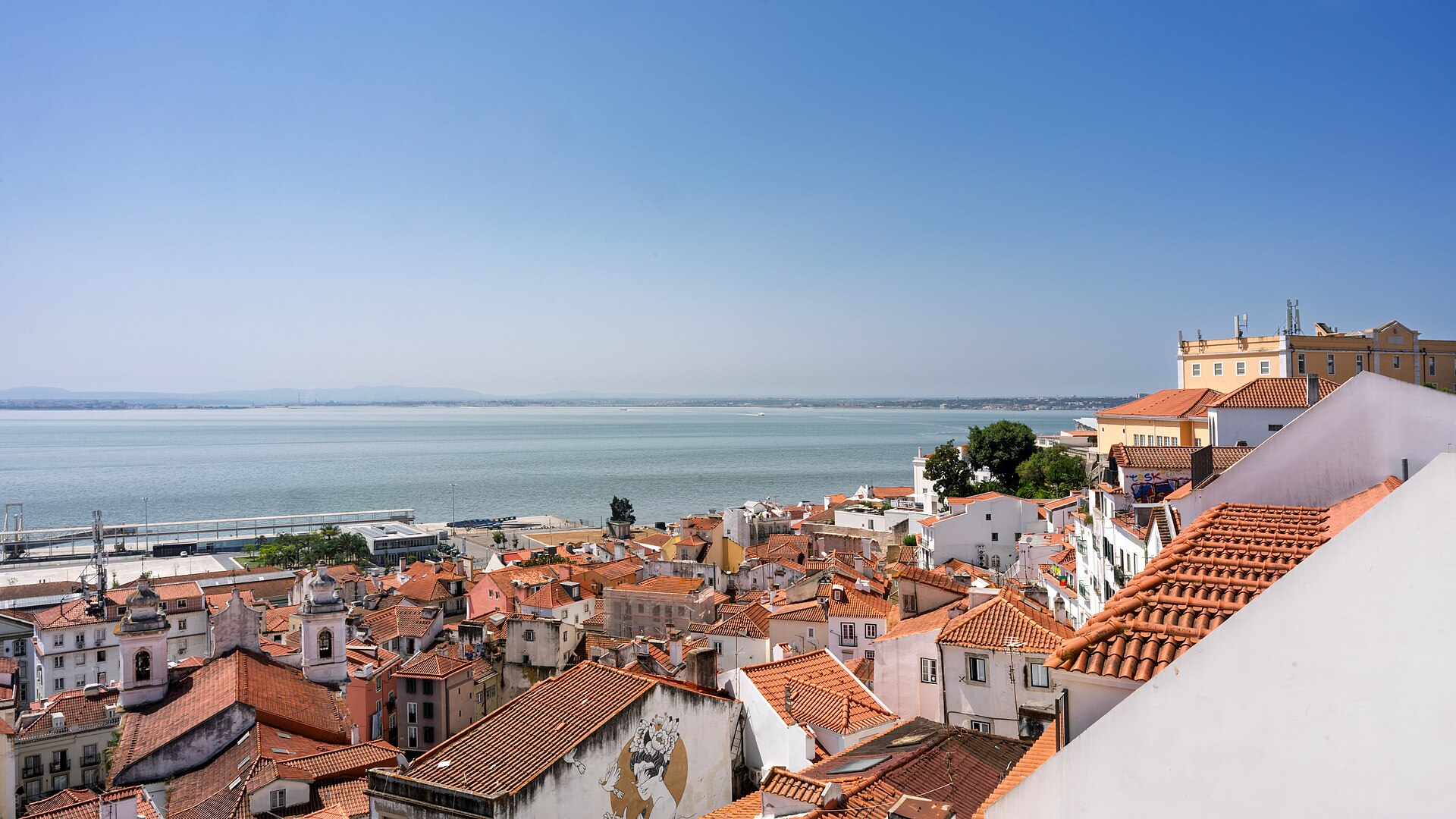
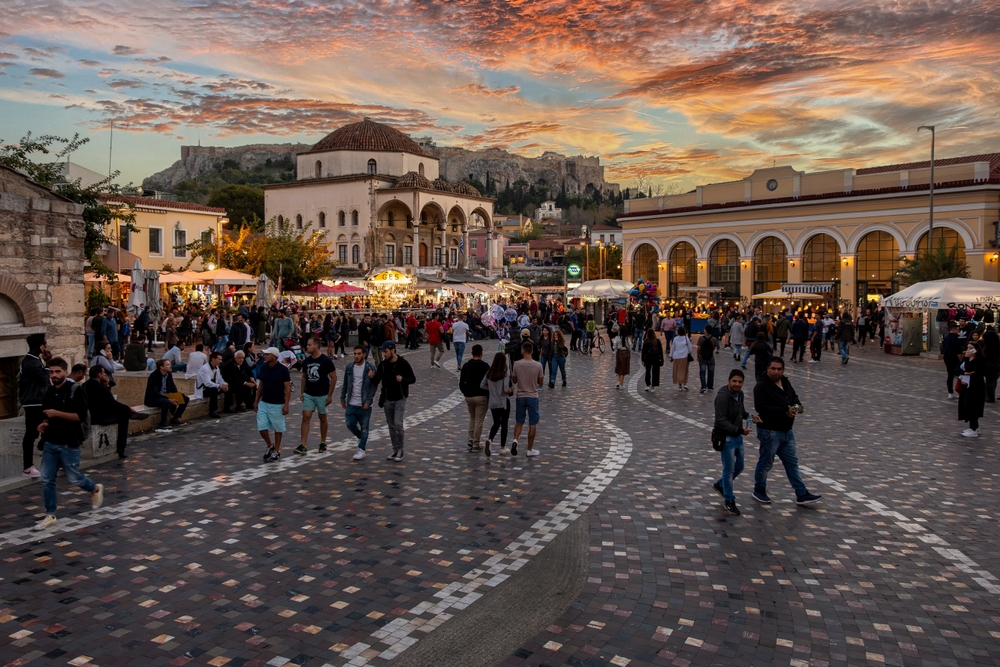
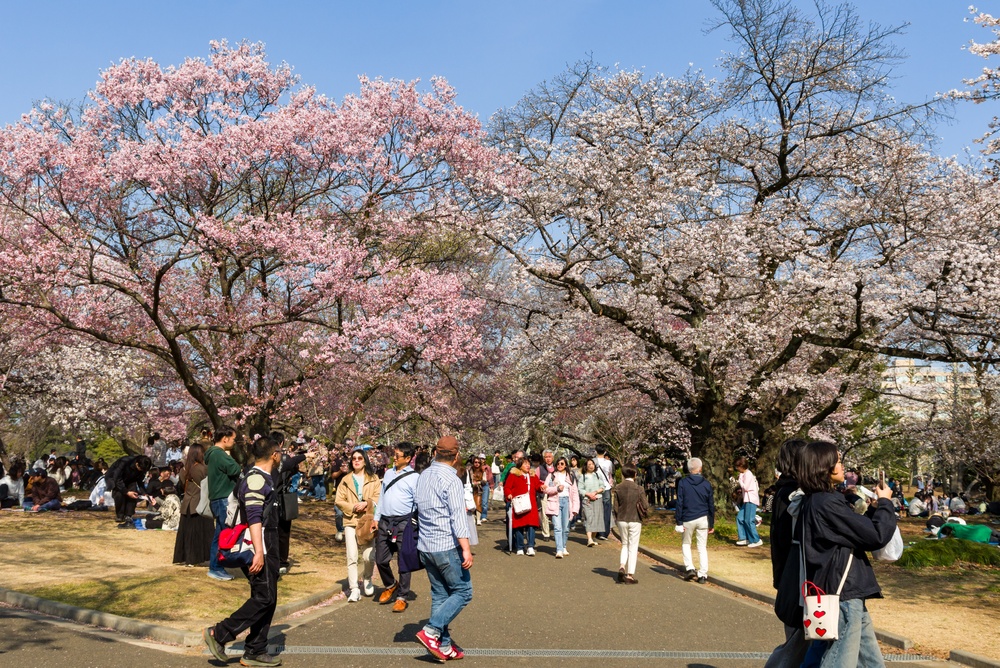
Places like Valencia

Community
Community & practical notes
The expat scene: Close to one in five Valencia residents holds a foreign passport, and the city takes in more arrivals from abroad than almost anywhere in Spain. Ruzafa is the social center of it; El Cabanyal draws the beach-and-renovation crowd, while Benimaclet has the students and cheaper rents. English carries you through the expat circuit, but this is a Spanish-speaking and Valencian-speaking city. Life gets easier once you can handle a market stall and phone call in Spanish.
Healthcare: The friction here is administrative rather than clinical. Nearly every new arrival carries private Spanish cover because a visa demands it. Signing on at a health center later needs your padrón and your residency card, with each requiring its own appointment.
Limited mobility: Geography does much of the work here. The built-up city sits on a coastal plain about 50 feet above sea level, with no real hill inside it. Metrovalencia says every station and stop on its network has ramps or lifts except València Sud. The EMT bus fleet is low-floor, most of it kneeling with an automatic ramp and belted wheelchair space. The exceptions are real: the lanes of Ciutat Vella have narrow or broken sidewalks, and older buildings often have no elevator. Ask about the ascensor before signing a lease, and be sure to check the metro's accessibility map before counting on a station.
Getting online: Fiber is everywhere and cheap. Coworking is spread through the central neighborhoods rather than concentrated in any one building. The startup side is anchored by the Marina de Empresas campus at the port. Local salaries are modest, so most Americans here earn from U.S. clients or employers, the setup Spain's digital nomad visa was written for.
Retiring here: Spain's non-lucrative visa is the standard retirement route. It asks for proof of passive income set at a multiple of the IPREM index, reset each year, plus private health insurance and a clean background check, and it does not let you work. Five years of residence opens the door to long-term residency. Becoming a tax resident also puts your worldwide income in scope here, so talk to a cross-border advisor first. Compare retirement visa options and read our full Spain guide.
Housing
Renting and buying
- 1-bed rent (center)
- $1,200–$1,500/mo
- 1-bed rent (outside center)
- $900–$1,100/mo
- Buy price (center)
- $441/sq ft
- Buy price (outside center)
- $279/sq ft
Expatsi estimates, based on rental listings, government statistics, and local reporting.
Good to know
Frequently asked questions
How much does it cost to live in Valencia, Spain?
One person needs roughly $2,600 a month here, a couple about $3,700, and a family about $5,200. Rent averages $1,000 for a one-bedroom outside the center and about $1,350 inside it, and an inexpensive restaurant meal is about $15. All figures are U.S. dollars.
Is Valencia good for remote workers?
Very. Fiber internet is about $35 a month, coworking is concentrated in Ruzafa, the Eixample and El Cabanyal, and Spain's digital nomad visa was designed for foreign remote workers. The time difference means U.S. East Coast meetings land in your late afternoon and evening, which suits some schedules and wrecks others.
Can I retire in Valencia?
Yes, and many Americans do. The non-lucrative visa is the usual path: prove sufficient passive income, carry private health insurance, and renew until you qualify for long-term residency at five years. It does not permit work, and Spain taxes residents on worldwide income, so get cross-border tax advice before choosing it as your base.
How does healthcare work for expats in Valencia?
Most visas require you to carry private Spanish health insurance, which buys quick access to private hospitals. Once you are a resident contributing to the system, Spain's well-regarded public healthcare opens up. The main hassle is bureaucratic rather than medical: registering requires your residency card and town-hall registration, each its own appointment.
Do I need a car in Valencia?
No, and most residents manage without one. Metro and tram lines, EMT buses and a good protected bike network cover the city, and the ground is flat enough to cycle year round. A car makes sense only if you live in an outlying town or head into the interior often. Inside the city it is mostly a nuisance, between the restricted historic core and scarce paid parking.
What is the weather like in Valencia?
Mediterranean, with hot summers and mild winters. August averages daily highs near 87°F and nights near 73°F, January highs near 62°F and nights near 46°F, and the year averages 65.5°F. Rain adds up to only about 18 inches (459 mm), and it does not arrive evenly: July is nearly dry, while September and October are the wettest months and the season for the gota fría, or DANA, storms. The DANA of 29 October 2024 killed more than 200 people across Valencia province. The city proper was largely spared because the Turia was diverted around it in the 1960s, and the towns south of that channel took the worst of it.
How do I move to Valencia from the US?
Americans can visit for 90 days visa-free, but living there requires a residence visa arranged through a Spanish consulate before you move. The main routes are the digital nomad visa for remote workers, the non-lucrative visa for people with passive income, and work or student visas. Expect several months, plus more appointments after you arrive for your residency card and town-hall registration.
Is Valencia safe for Americans?
Yes, with normal city precautions. Valencia scores 68 on the safety index with a crime index of 32, a little below the middle of the Spanish cities we track, which run from 56 in Barcelona to 85 in Oviedo. OSAC's Spain report says violent crime is not prevalent, but that foreigners are the targets of choice for pickpockets on transit, in airports and in tourist areas. In practice that means the old town, the beach in summer and crowded metro cars.
See how Valencia fits your life
Take the free Expatsi Test and compare Spain to nearly 200 countries on what actually matters: cost, healthcare, climate, and safety. About five minutes.
Why not you?