Complete guide to moving to Portugal
Moving to Portugal: the complete 2026 guide for Americans
Sunny weather, healthcare that actually works, a big English-speaking crowd, and a cost of living well below a US coastal city. Here's how Americans really make the move, and who handles the hard parts for you.
The honest, up-to-date playbook: what it really costs, which visa fits your situation, and who does the paperwork so you don't have to.

Reviewed and updated September 28, 2026 · 14 min read

01 · The case for Portugal
Why Portugal, and who it's really for

For ten years running, Portugal has been the number-one landing spot for Americans headed to Europe. Here's the honest version of why, and who should probably look somewhere else.
Start with the setting. Portugal sits on the southwest edge of Europe with about 250 sunny days a year, a long Atlantic coast, and an average temperature around 63 degrees. What keeps pulling people in is the mix: a calm, safe, walkable way of life, plus the practical things folks actually worry about. There's a public healthcare system that works. English is spoken almost everywhere you'd want to live, around 80 out of 100 on proficiency. And your dollars stretch a lot further than they do in Boston or San Diego.
It's genuinely safe, too. Portugal scores about 78 out of 100 on safety, with low violent crime, and it lands near the top of global peace rankings year after year. Day to day, that looks like walking or taking a train instead of driving, eating lunch out because it's affordable and good, and a slower pace than you're used to. For a lot of people in their 50s and 60s, that slower pace is the whole point.
It's also an easy base for the rest of your life. Lisbon and Porto both have direct flights to the US, and once you're in, the rest of Europe is an affordable flight or a train ride away. Portugal is tolerant and easygoing, it ranks high on LGBTQ acceptance, and it's about as pet-friendly as Europe gets, which matters more than people expect when they're planning the move with a dog or two.
You also won't be the first one there. A large, settled community of Americans and other English speakers is already on the ground, which means the support network exists: doctors who speak English, lawyers who know American clients, tax advisors, and a Facebook group for every city. Expatsi works with vetted people on the ground for exactly this reason, and you'll meet several of them further down.
Here's the catch
Portugal isn't right for everyone, and we'd rather say so now than after you've shipped your furniture. There are three honest reasons it might not fit.
First, if you need a local paycheck, think hard. Portuguese wages are low and the job market is tough for non-EU citizens. Portugal works best when your money comes from outside the country: a pension, Social Security, a remote job, investments, or your own business. If you're counting on finding work in Lisbon to pay your Lisbon rent, the math rarely works.
Second, if you want a passport fast, that door is closing. As of May 2026, Portugal's new nationality law stretches the wait for citizenship from five years to ten for most Americans. You can still get residency and build a real life there, but don't move expecting a quick EU passport.
Third, the paperwork is real. Turns out moving to Europe involves bureaucracy, and we were a little shocked too. Portugal's immigration agency, AIMA, has a serious backlog, and appointments and renewals test everyone's patience. None of it is a dealbreaker. It's just why the people who move smoothly almost always hire someone to handle it.
Still reading? You're probably a good fit. The rest of this guide covers what it costs, which visa matches your situation, how healthcare and taxes work, where people actually live, and who can do the hard parts for you.
- Cost of living (single)
- $1,850/mo
- Safety index
- 78/100
- English proficiency
- 80/100
- Internet speed
- 120 Mbps
- Capital
- Lisbon
- Currency
- Euro (EUR)
02 · The numbers
What it actually costs to live in Portugal
$2,850
Monthly budget, couple
all in, comfortable
$1,850
Monthly budget, single
all in, comfortable
$1,050
Rent, 1-bed city center
$850 outside center
$13
Inexpensive meal out
about $20 in the US
$47
Monthly transit pass
most cities walkable
$43
Home internet, monthly
about 120 Mbps
$4,700
Monthly budget, family
housing included
78/100
Safety index
low crime

As of 2026, a couple can live comfortably in Portugal on about $2,850 a month, all in. A single person lands closer to $1,850, and a family with kids around $4,700 once you fold in housing. Compare that to the $6,000 to $8,000 the same couple might burn through in a US coastal city, and you can see why people make the move on a fixed income that wouldn't go far back home.
Here's where the money goes. Eating out is genuinely affordable, with a simple meal around $13 and a good bottle of wine costing less than a coffee at home. Getting around is affordable too, with a monthly transit pass near $47, and plenty of expats in Lisbon or Porto skip owning a car entirely. Home internet is fast and runs about $43 a month for roughly 120 Mbps. Groceries, utilities, and a gym membership all land well below what you're paying now, and healthcare, which we'll get to, is a fraction of US prices.
The wild card is housing. A one-bedroom in a city center averages about $1,050, and $850 a bit further out, but those are averages and Lisbon is the outlier. The bad news is that Lisbon rents have climbed hard in recent years, and Portugal's reputation for prices far below a comparable US city holds up better in Porto, the smaller cities, and the interior than it does in the capital today. If your budget is tight, look past Lisbon.
Why the budget and the visa line up
A retired American couple on Social Security plus modest savings can live well in Portugal. That same couple is also exactly who qualifies most easily for the D7 visa, which, as of 2026, asks you to show stable income of about 920 euros a month for one person and a bit more for a couple. The budget and the visa rules line up on purpose, which is why the D7 is the go-to path for retirees. More on that right now.
03 · The right path for you
Your visa path, matched to why you're moving

Portugal has several ways in, and the right one comes down to where your money comes from, not what you'd prefer. Find the situation that sounds like you.
People get overwhelmed here, and they shouldn't. You don't need to memorize all seven Portuguese visa categories. You need the one that matches your income, and an expert to handle the rest. Four of them matter for most Americans, and they sort cleanly by your situation.
Retiring or living on passive income: the D7
The D7 is the most popular path for American retirees, and for good reason. It was built for income that shows up whether or not you work: Social Security, a pension, rental income, dividends. As of 2026, you'll need to show stable passive income of about 920 euros a month for one person and roughly 1,380 euros for a couple, plus around 11,040 euros in savings in a Portuguese bank. In return you get residency, access to the healthcare system, and the right to bring your spouse. It usually takes around 60 days to process at the consulate, and it renews on a simple schedule. One thing to know: the D7 is strictly for passive income, so a salary or active freelance work won't count toward the threshold on its own. If your retirement income is steady, this is very likely your visa.
Investing for residency: the Golden Visa
The Golden Visa is for people who want an EU base without living there full time. You qualify through a qualifying investment, as of 2026 most often an investment fund of about 500,000 euros, since Portugal closed the real estate route back in 2023. The draw is the tiny stay requirement: about two weeks a year keeps it active, which is why it suits investors who aren't ready to leave the US yet. You can apply for permanent residency after five years while spending most of your time at home. The rules are genuinely complicated and they keep moving, so nobody does this one alone.
Working remotely: the D8
The D8 is the digital nomad visa, for people who earn from companies outside Portugal. You keep your American job or your freelance clients and live in Portugal legally. The income bar is higher than the D7, about 3,680 euros a month as of 2026 (four times the minimum wage), since it's aimed at working-age earners rather than retirees. It renews on a schedule and counts toward residency. If you've already got a remote job and a boss who's fine with you logging in from Lisbon, this is the one.
Starting a business: the D2
The D2 is for entrepreneurs and the self-employed who want to start or run a business in Portugal. It's the most demanding of the four because you'll need a real business plan, a Portuguese tax number, and proof you can fund the thing, but it's a genuine path to residency. Freelancers with a book of foreign clients sometimes land here too. If you're bringing a company or building one, this is your lane.
A few other routes exist, including jobseeker, work, and student visas. They rarely fit Americans moving on retirement, remote, or investment income, so we don't lead with them. If one applies to you, our team can map it.
Passive Income Visa
The most popular path for American retirees
For income that arrives whether or not you work: Social Security, pensions, rentals, dividends. Full residency and healthcare access.
- Proof of sufficient passive income (e.g., pensions, rental income, dividends)
- Clean criminal record
- Valid health insurance
Golden Visa (Residency by Investment)
An EU base without living there full-time
Residency through a qualifying investment, now mostly 500,000-euro funds as of 2026 (the real estate route ended in 2023). Only about a week a year in-country required.
- Investment in scientific/technological research, cultural heritage preservation, or creation of at least 10 jobs in Portugal (real estate no longer eligible)
- Minimum stay: 7 days per year or 14 days per 2-year period
- Clean criminal record
Digital Nomad Visa
For remote employees and freelancers
Keep your job with a non-Portuguese company and live in Portugal legally. Renews annually and counts toward residency.
- Proof of remote work or self-employment for a foreign company
- Minimum monthly income of €3,680 (as of 2026)
- Clean criminal record
Entrepreneur Visa
For founders and the self-employed
Start or run a business in Portugal. The most demanding of the four, but a real path to residency and citizenship.
- Valid passport
- Viable business plan or proof of entrepreneurial activity
- Sufficient funds (approx. €10,000)
04 · The practical stuff
Healthcare, taxes and banking

The three things every American asks about, answered straight, including where the rules just changed.
Healthcare
This one surprises people in a good way. Portugal has a universal public system, the SNS, that residents can use, plus a private sector that's affordable by American standards. Most expats use both: the public system for serious or expensive care, and private insurance for speed and English-speaking doctors. Private coverage often runs about $50 to $100 a month, roughly what some Americans pay as a copay at home. Quality is solid, around 70 out of 100 on access. Dentists and specialists are affordable enough that plenty of people simply pay out of pocket and skip the drama. The honest caveat is that public wait times can be long, which is exactly why people carry private insurance alongside it. You'll need proof of coverage for your visa either way, and you can register with the public SNS once your residency comes through.
Taxes
Here's the catch, and it's a real one. As an American you're dealing with two tax systems at once, because the US taxes its citizens wherever they live and Portugal taxes its residents on worldwide income. The famous NHR tax break that drew so many people closed to new arrivals at the end of 2023. A narrower version exists for certain science and tech roles, but the deal most retirees moved for is gone. Done right, tools like the Foreign Earned Income Exclusion and foreign tax credits keep most people from being taxed twice. Done wrong, you overpay or fall out of compliance. Beacon Global Advisors, one of our partners, keeps American 401(k)s, IRAs, and investments working once you've left, and keeps you square with both countries. Talk to someone before you move, not after.
Banking
You'll want a Portuguese bank account for rent, utilities, and your visa, and opening one is straightforward once your paperwork is in order. First you'll get a NIF, the Portuguese tax number that every other step depends on, and most people set both up with help before they even arrive. The part nobody warns you about is the US side: some American brokerages restrict or close accounts once you're a non-resident, so where your investments live is part of the plan, not an afterthought. If you're buying property, Simon Conn, another partner, arranges international mortgages for buyers across more than 50 countries, Portugal included.
This guide is dated on purpose
Visa timelines, the Golden Visa, and Portuguese tax law have all shifted in the past two years, and the citizenship change is brand new as of May 2026. Everything here reflects the rules as of July 2026. Before you file anything, confirm the current rules with a licensed professional. The experts below stay current so you don't have to.
05 · Finding your spot
Where to live in Portugal
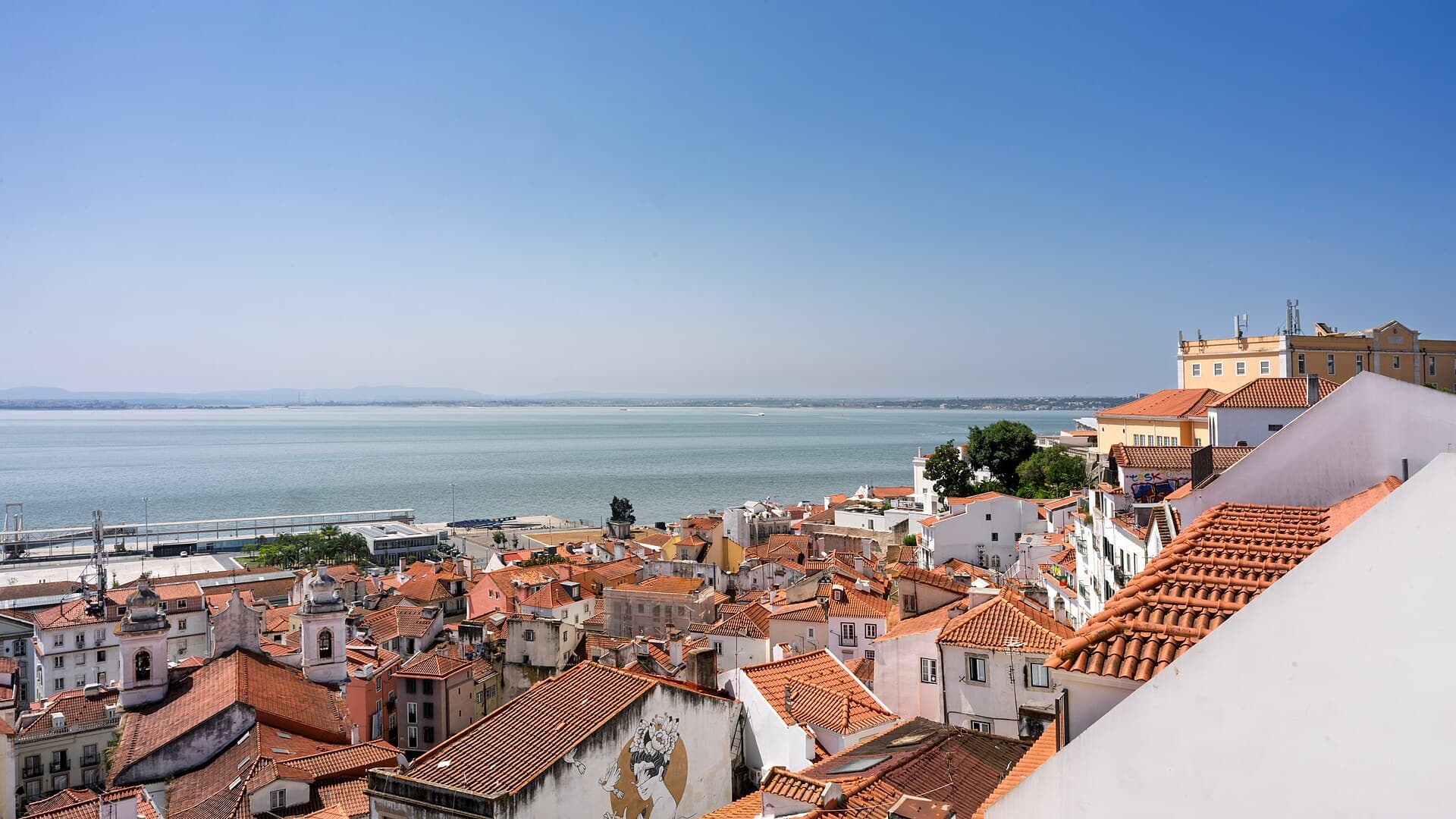
Lisbon
City life and culture
The capital is walkable, historic, and the most international city in the country, with the most direct flights home and the deepest expat network. Also the priciest place to rent, and prices have climbed, so it's the one to love if your budget can handle it.

Porto
Value and charm
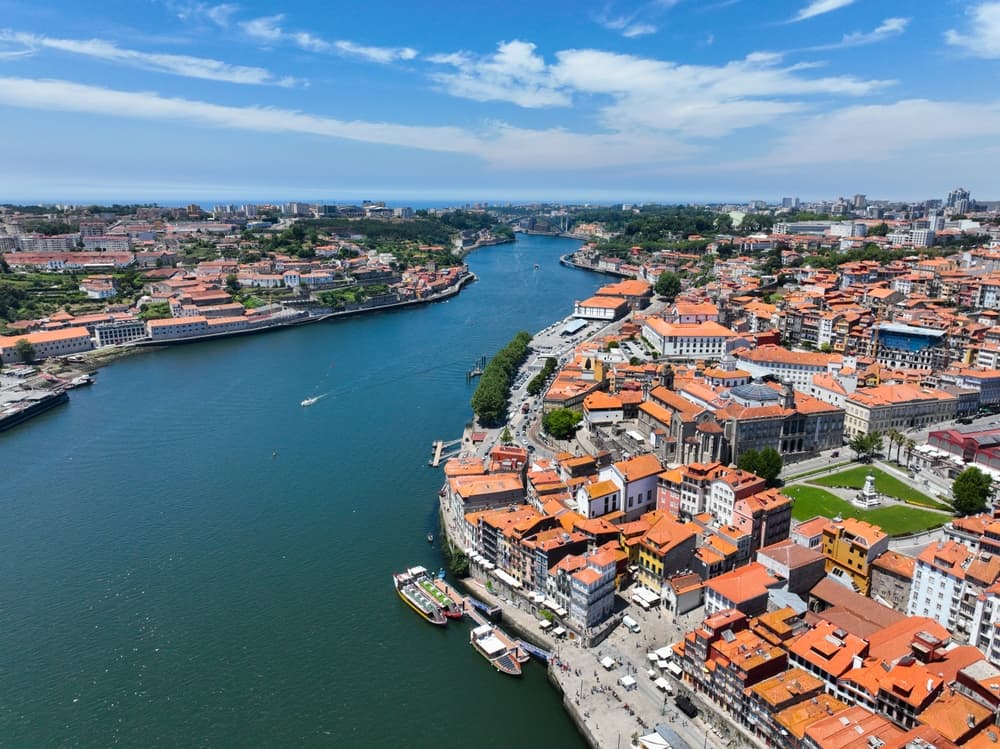
Smaller and easier on the wallet than Lisbon, Porto has a gorgeous riverfront and a food and wine scene people fall hard for. The pick for anyone who wants a real city without Lisbon prices, and the north stretches a budget further.

Cascais
Coastal and family
Seaside towns like Cascais and Setubal sit within reach of Lisbon, so you get the beach and the airport. A favorite with families and remote workers who want the coast without giving up a big city nearby.
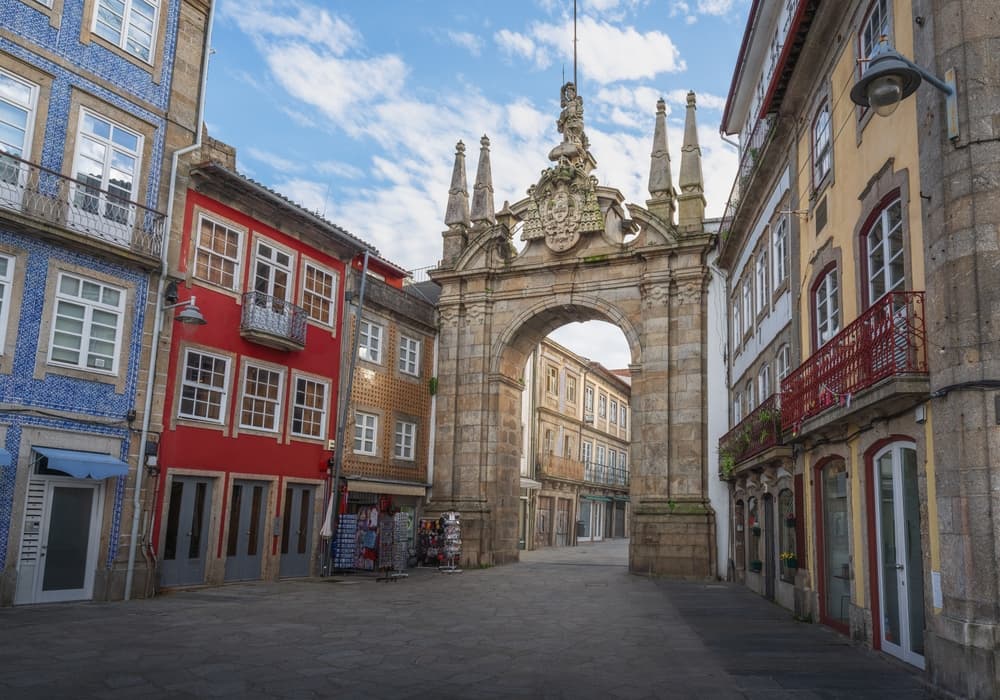
Braga
Young and historic
One of Portugal's oldest cities and the heart of the green north, Braga pairs baroque churches with a big university crowd, so it feels young and lively without a tourist crush. Rents run well under Porto, which is about 45 minutes away by train, and the tech scene keeps growing.

Coimbra
History and value
Halfway between Lisbon and Porto on the Mondego river, Coimbra is built around one of Europe's oldest universities, so it's walkable, cultured, and full of students. Noticeably cheaper than the big cities, with a top university hospital. The catch is a slower pace and a thin job market.
Silver Coast
Surf and small towns
The coast between Lisbon and Porto trades resorts for fishing villages, surf towns like Ericeira and Peniche, and medieval Obidos. Greener and much cheaper than the Algarve, with big Atlantic waves and cooler water. You'll want a car here, since the towns are spread out.

Lagos
Sun and expat scene
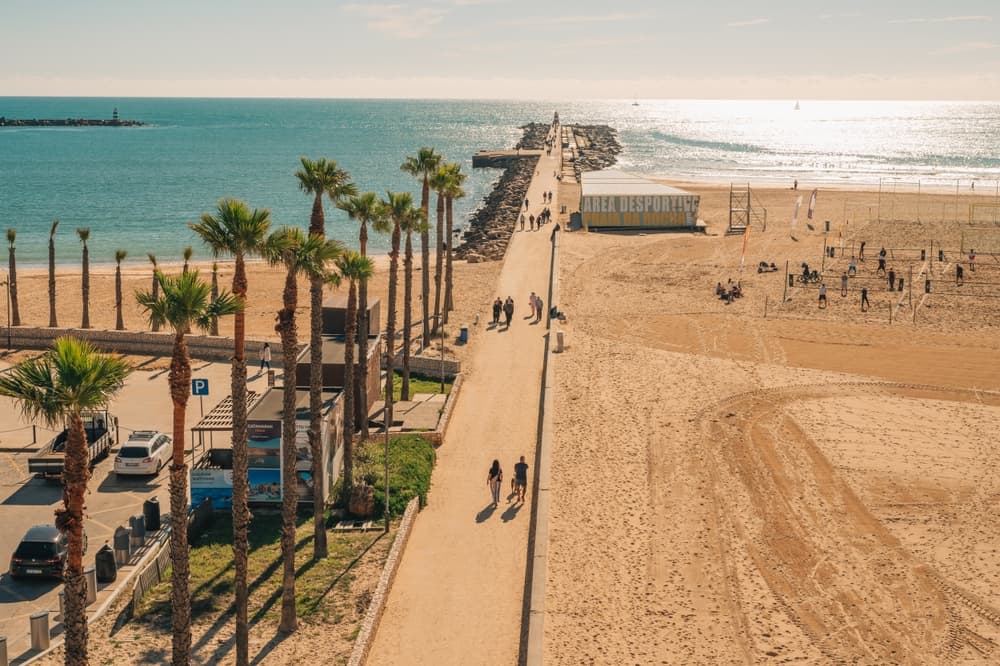
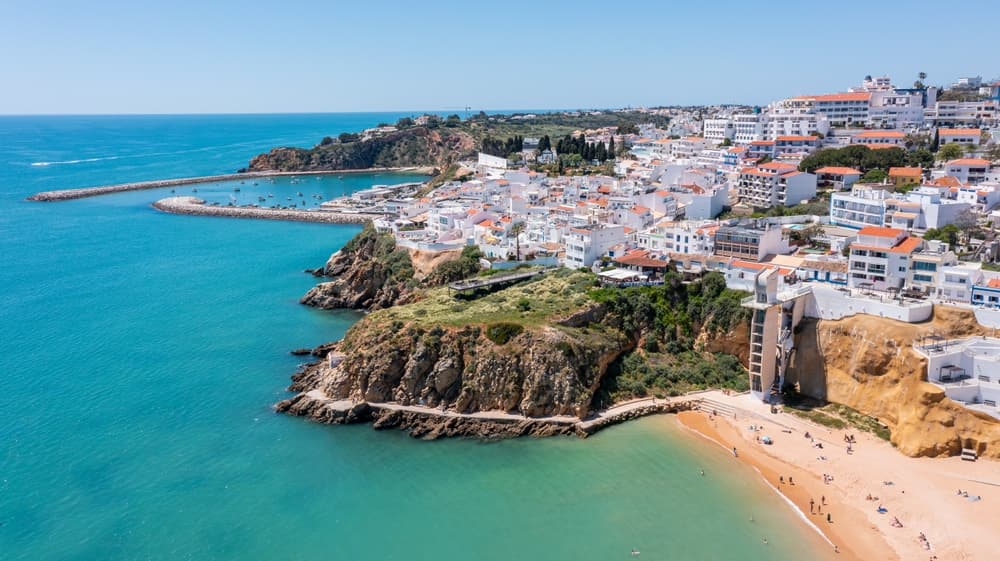
On the western Algarve, Lagos pairs golden cove beaches and dramatic cliffs with a marina, a walkable old town, and one of the country's biggest international crowds. It stays busy through winter instead of shutting down, so it's an easy landing spot for remote workers and retirees alike.
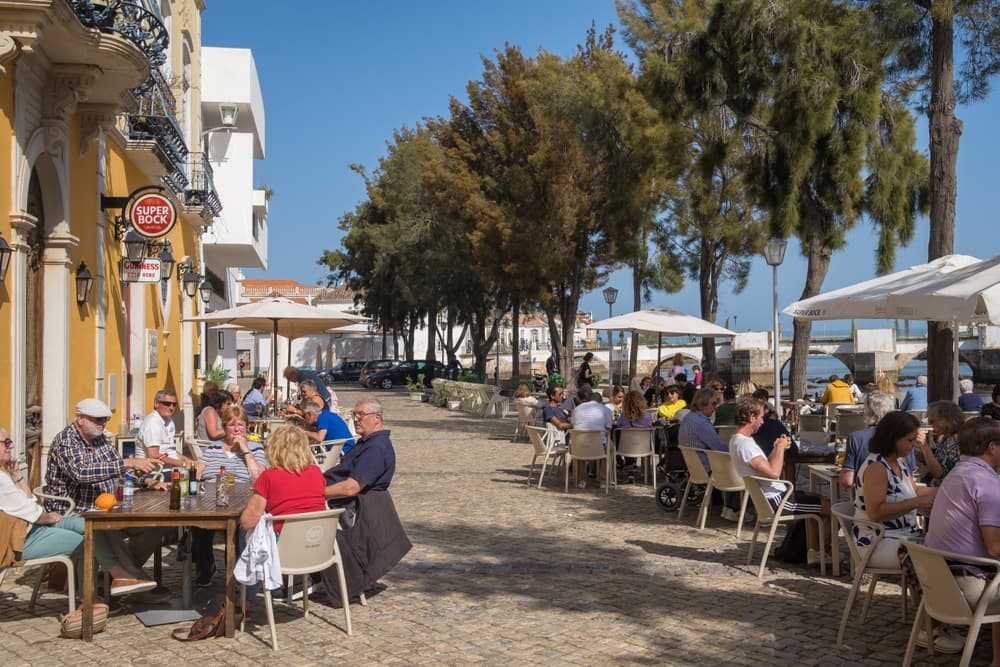
Tavira
Quiet and traditional
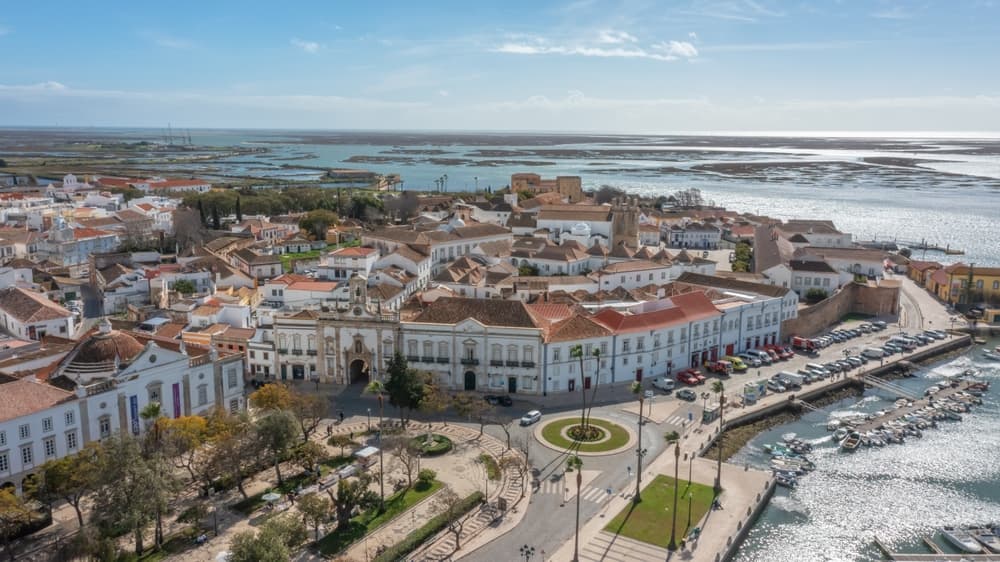
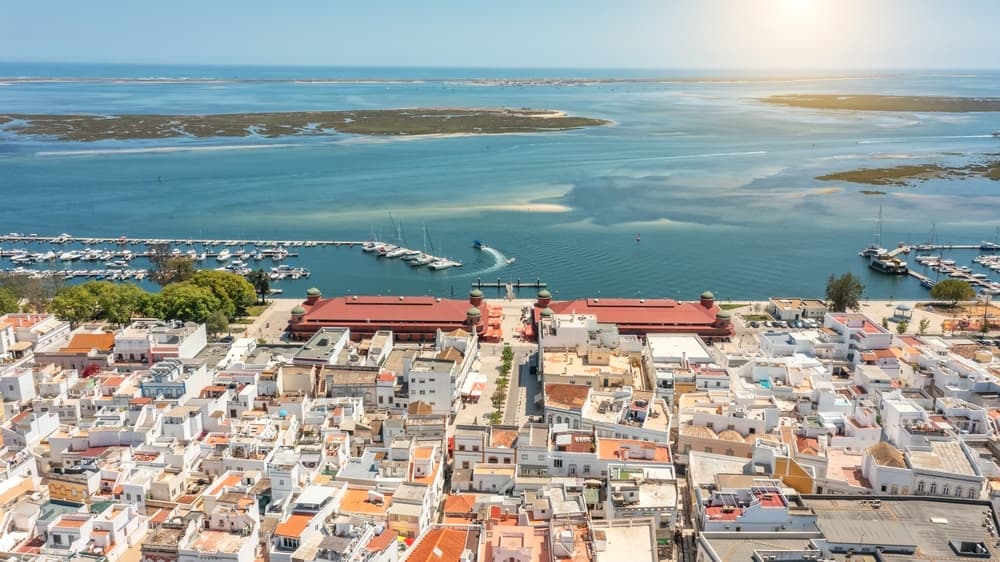
Over on the calmer eastern Algarve, Tavira is a whitewashed town on the Gilao river, with a Roman bridge, a castle, and island beaches you reach by a short ferry. Retirees love the slow, traditional feel and the better value, and you'll hear far more Portuguese than out west.
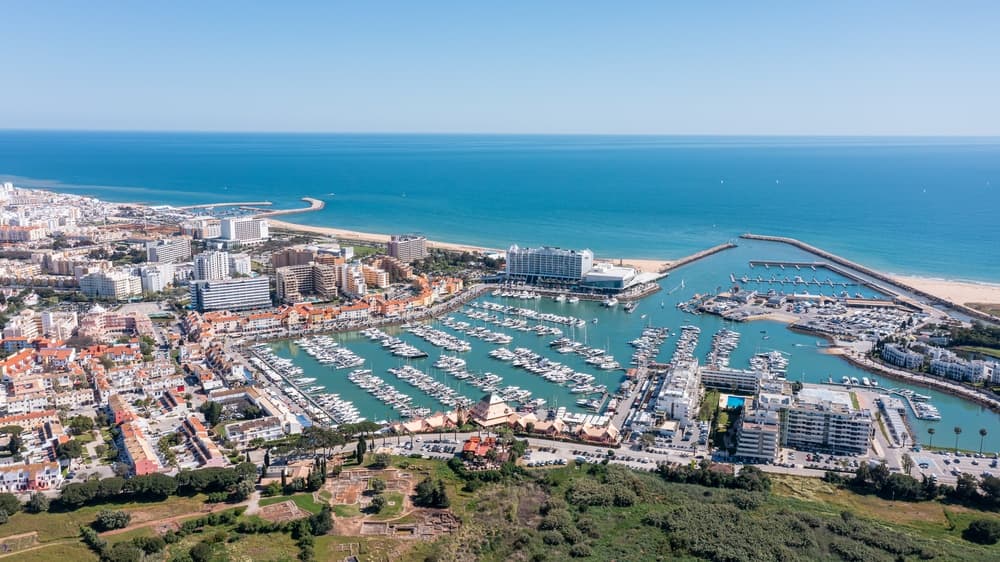
Algarve
The expat coast
Portugal's southern coast as a whole, with cliff-backed coves, golf, and the biggest English-speaking community in the country. Towns differ a lot: Lagos and Tavira stay alive year-round, while the resort strips go quiet in winter. Pick the town, not the region.
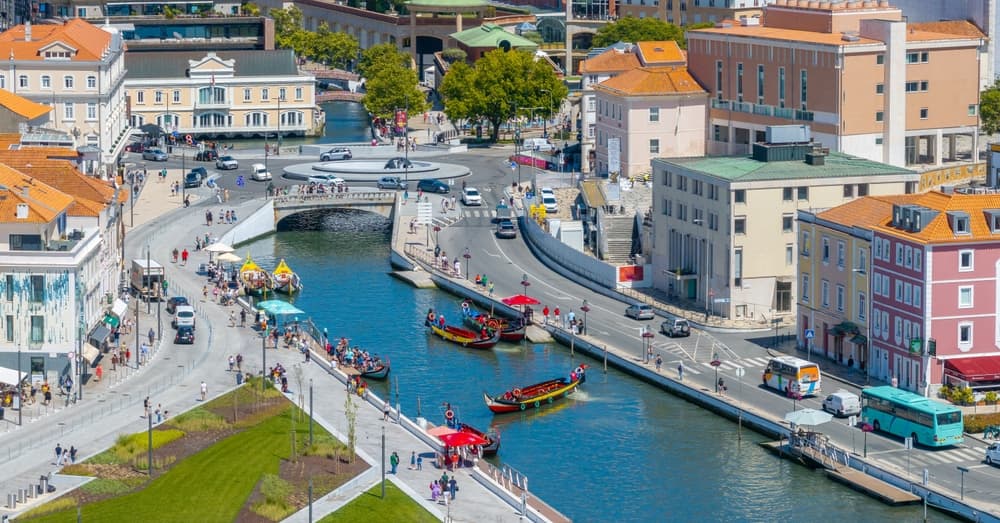
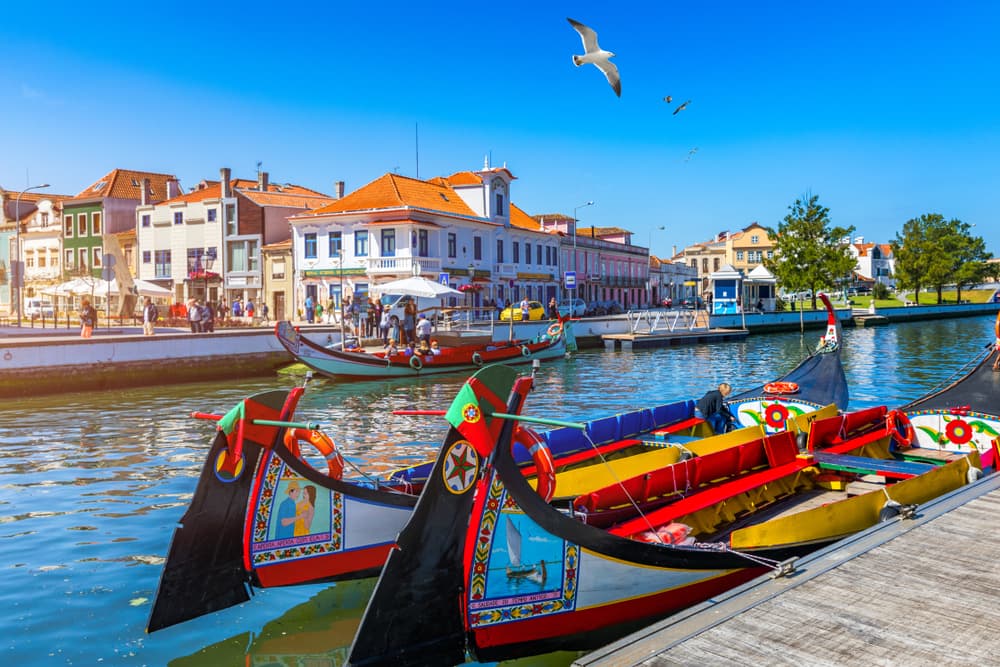
Aveiro
Canals and calm
A flat, bikeable canal town an hour south of Porto, with painted boats, art nouveau tilework, and a big university crowd that keeps it lively. It's cheaper than Porto and a lot quieter, with lagoon beaches ten minutes away. For people who want small-city ease over nightlife.
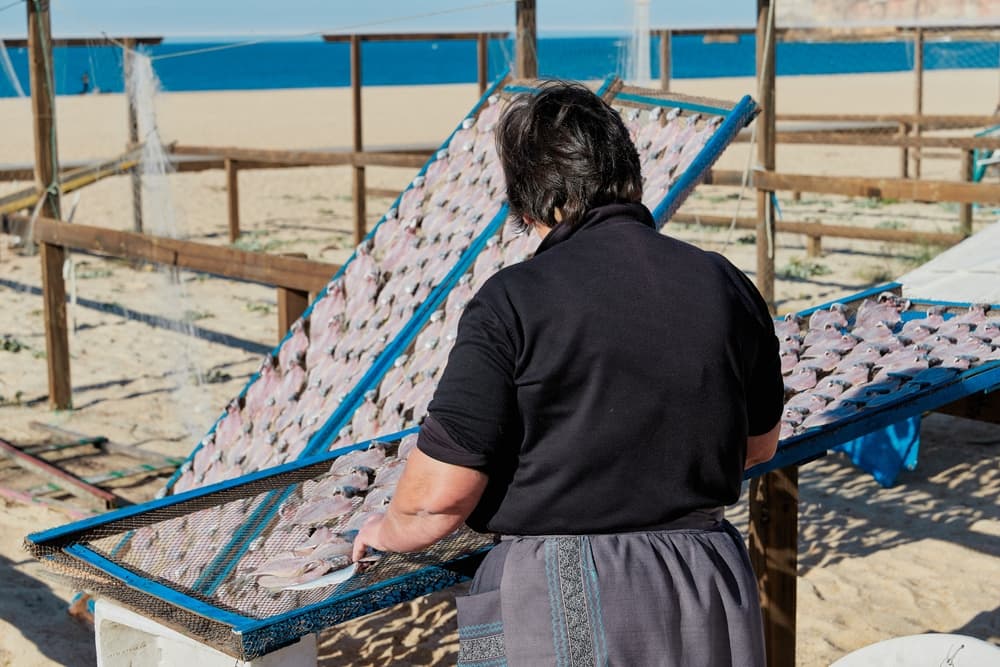
Nazaré
Big waves, small town
A fishing town on the Silver Coast where an undersea canyon throws up the biggest surfable waves on earth, so winter brings tow-in crews and crowds on the headland. The rest of the year it is quiet, cheap, and thoroughly Portuguese. You will want a car and some Portuguese.
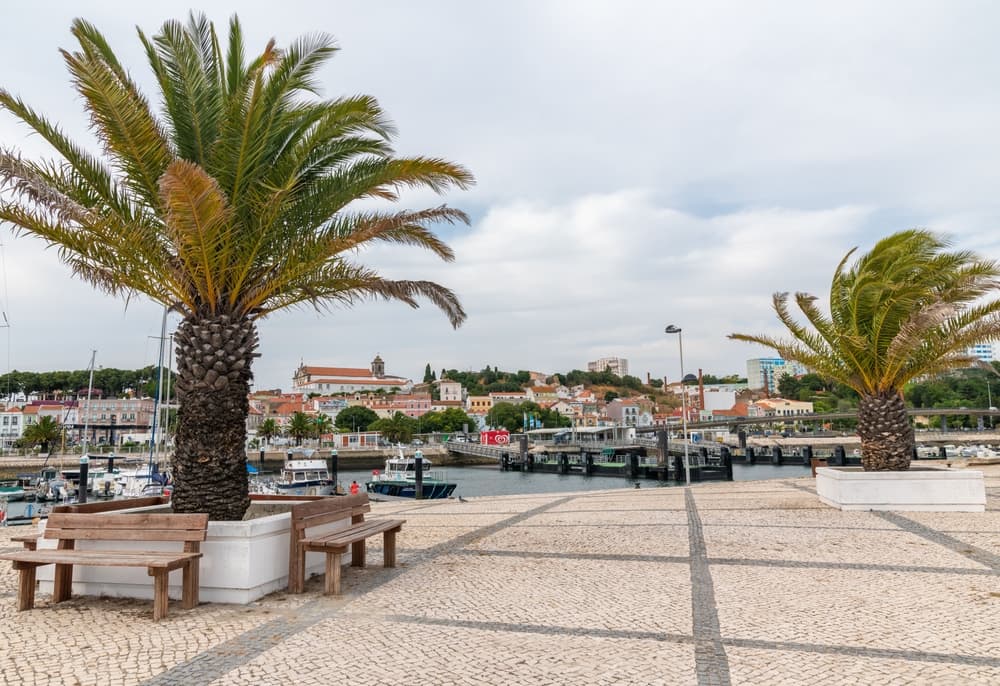
Setúbal
Dolphins and cuttlefish
A working port on the Sado estuary under an hour from Lisbon, with a resident pod of bottlenose dolphins, the Arrabida hills behind it, and fried cuttlefish on every menu. A ferry crosses to the white sand of the Troia peninsula. Industrial in parts, and short on polish.
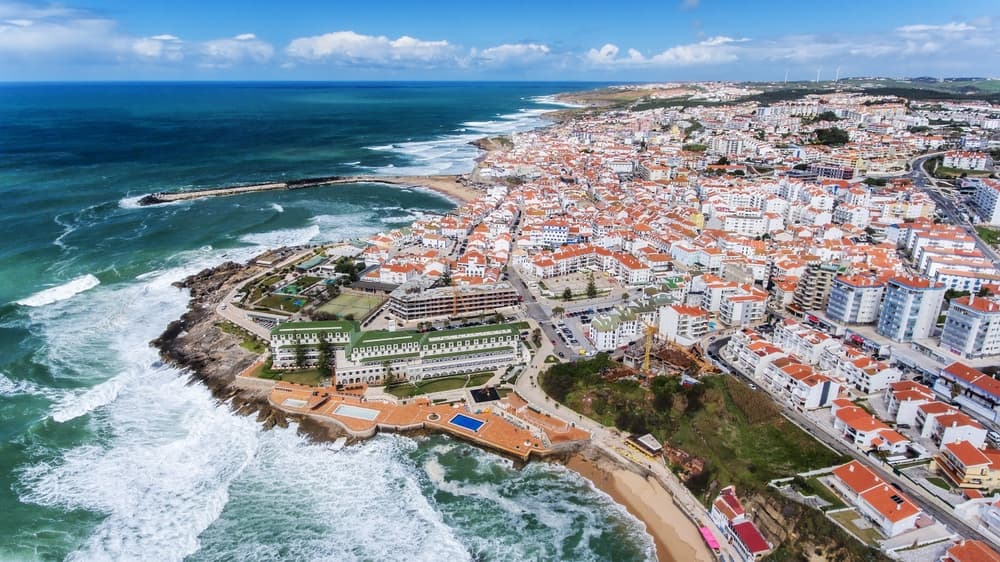
Ericeira
Surf reserve town
Europe's only World Surfing Reserve, a whitewashed clifftop village 45 minutes from Lisbon with several breaks within walking distance and a steady crowd of surfers and remote workers. For its size it is expensive, near Lisbon prices, and winter storms shut the beaches down.

Vila Nova de Gaia
Across the river
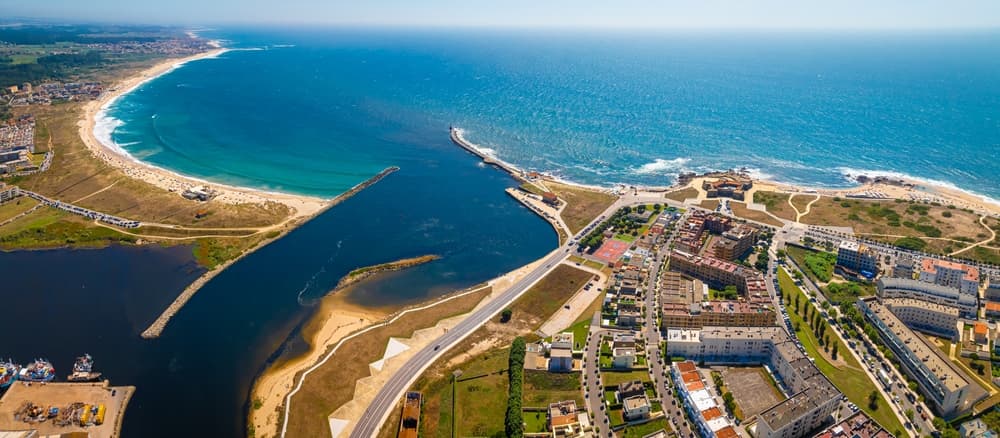
Porto's other bank, where the port wine lodges keep their cellars and a cable car drops down to the waterfront. The metro puts you in the middle of Porto in about ten minutes, and the Atlantic beaches at Miramar start where the city ends. Traffic over the bridges is the daily tax.






06 · You don't do this alone
The vetted experts who actually move you
You've already met a few of them in this guide. Reading is the easy part. These are the Expatsi-vetted people who handle the visa, the paperwork, the money, and life once you land.
One thing we've learned from helping thousands of Americans plan a move: the people who do it smoothly almost always have help. Not because they couldn't figure it out, but because doing it once yourself, in a second language, against a real bureaucracy, is a lot harder than handing it to someone who's done it 200 times. Here are the people we trust, grouped by what they do best.

Holborn Assets
Portugal Golden Visa
Europe's leading residency-by-investment team. Jason Swan has advised on more than 250 successful Golden Visa applications since 2021 and is a qualified financial advisor for Americans abroad. Based in the Algarve.
Learn more
Viv Europe
Portugal Relocation Specialist
Has helped more than 1,000 families move to Portugal since 2020: visas, paperwork, insurance, and real estate, start to finish. They also host Expatsi's Portugal scouting trips, just below.
Learn more
Heather L.
Portugal Local Guide
An American who moved from Florida to Portugal in 2024. The one to call for detail-heavy moves: budgets, timelines, packing a container, bringing the pets, and finding your feet once you land.
Learn more
Simon Conn
International Mortgage Lending
More than 40 years arranging overseas property finance. Sources mortgages for buyers in 50-plus countries, with a network for the legal, insurance, and currency pieces too.
Learn more
Beacon Global Advisors
Financial Planning
Keeps American finances working after you leave: 401(k)s, IRAs, investment access, and staying compliant with both the US and Portugal. The people to call about taxes before you go.
Learn more
Pathways
Alternative Education Coach
An education consultant in Lisbon who helps families sort out international schools, homeschooling, and hybrid options when moving kids from an American to a European system.
Learn more
Bodzin Pet Travel Solutions
Pet Relocation
A pet travel concierge run by founder Aliza Bodzin. They plan the whole flight-and-paperwork trail for your dog or cat, from vaccines and the microchip to the crate and the customs forms, so your animals land in Portugal without drama.
Learn more
Moneycorp
Currency Exchange
A currency and international-payments specialist working since 1979, led for US clients by Kelly Cutchin. They move your dollars into euros at better rates than a bank and set up the recurring transfers your rent and bills will need.
Learn more
ExpatInsure
Global Health Insurance
Expatsi's international health-insurance partner, led by Andy Seale and Stephanie Edwards. They set you up with the private coverage your visa requires and English-speaking doctors, the policy most Americans carry alongside the public SNS.
Learn more
Lingoda
Language Learning
An online language school with small live classes on your schedule. Handy for getting your Portuguese to the A2 level a citizenship application later asks for, and for the everyday words that make daily life and paperwork easier.
Learn more07 · Try before you commit
See it first: Expatsi scouting trips
The surest way to know if Portugal is right for you is to go. Walk the neighborhoods, meet the experts in person, and see real homes before you decide anything.
You can read every guide on the internet and still not know how a place feels until you're standing in it. That's the whole idea behind our scouting trips. You travel with a small group and a local host, meet the visa, healthcare, and tax experts face to face, and tour the actual neighborhoods and homes you'd be choosing between. Trips run through Porto and Lisbon, or add the Algarve if the sunny coast is calling, and they're hosted by the same on-the-ground team that helps people settle in for good. People come home either certain they've found their spot or certain it's not for them, and both answers are worth the trip.
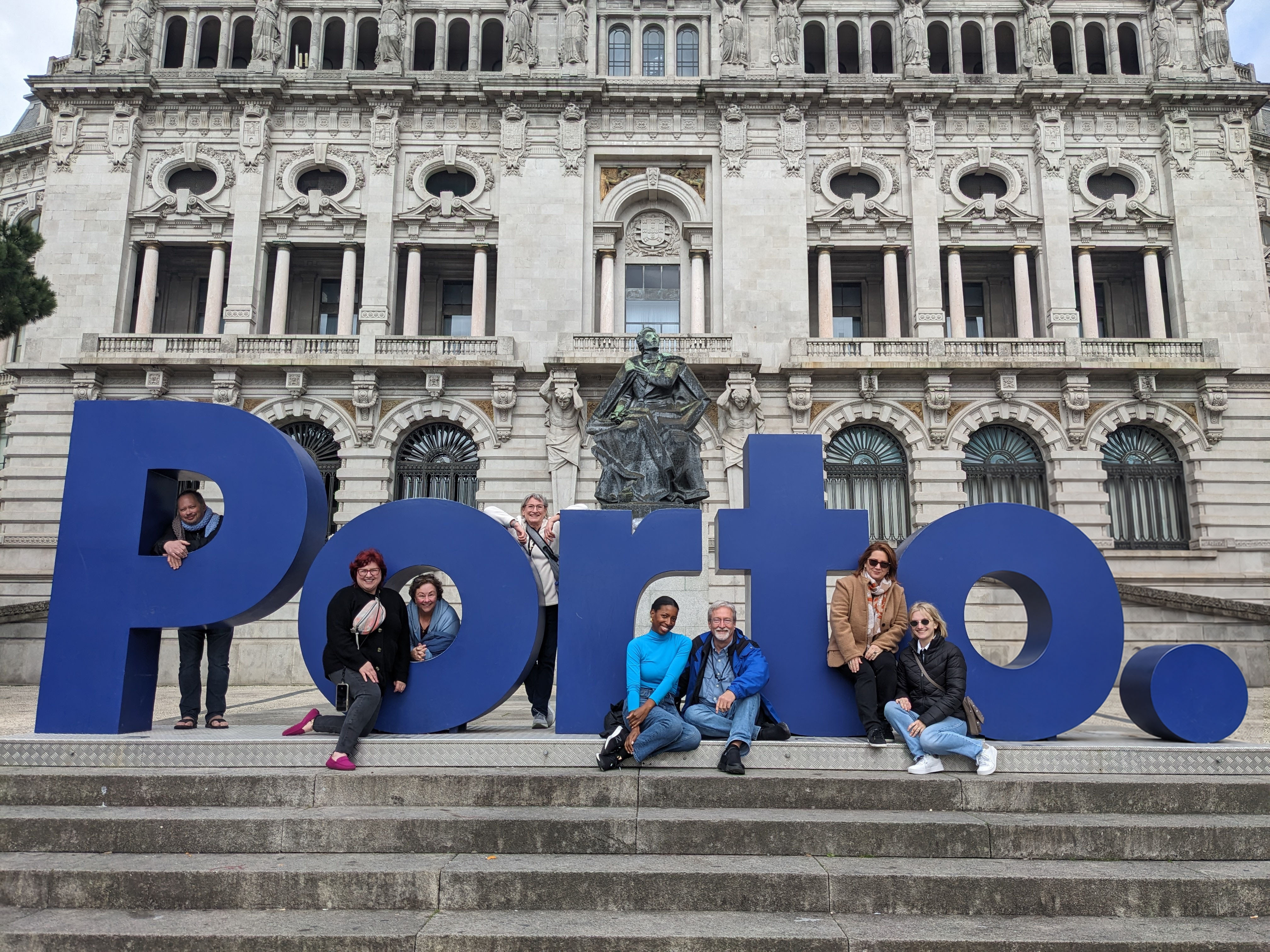
Algarve
5 nights · Feb 24-Mar 1 or Apr 15-20, 2027 · hosted by Tânia Teixeira, Viv Europe
- Daily tours of cities, neighborhoods, and real estate options with local guides
- Q&A session in Lisbon with experts
- 5 nights
From $1,399 per person
See this trip
Portugal
10 nights · Feb 14-24 or Apr 5-15, 2027 · hosted by Tânia Teixeira, Viv Europe
- Seminar & opening dinner with experts in visas, healthcare, & taxes
- Daily tours of cities, neighborhoods, and real estate options with local guides
- Q&A session in Lisbon with experts
From $1,999 per person
See this tripPortugal webinars and guides
Want to go deeper before you talk to anyone? Here's the Portugal shelf from our library, from a half-day crash course to a healthcare report you can read today.
Portugal In A Day
Watch this half day session all about Portugal. Learn how to qualify for the most common visas, what to expect on a scouting trip, how to manage your finances abroad and more!
A half-day crash course on Portugal in one sitting: the common visas, scouting trips, and the money, start to finish.
How To Move To Portugal - Visa Pathways
Join this webinar to learn about the different visa options for relocating to Portugal, and discover the pathways that can make your move smoother and more attainable.
The visa-pathways walk-through, so you can spot which route fits your income before you spend a euro.
How To Retire To Portugal
Discover what it takes to retire in Portugal, from residency options and healthcare to lifestyle benefits that make it one of Europe’s top retirement destinations.
Retiring? This one covers residency, healthcare, and daily life, aimed squarely at the D7 crowd.
Portugal Golden Visa
Golden Visa Expert Jason Swan answers all of your questions regarding Portugal's Golden Visa
Golden Visa expert Jason Swan, who you met above, answers the real investor questions on camera.
Expat Finances in Portugal
So you want to move to Portugal? Make sure you watch this webinar to set real financial expectations for the move and how to manage your finances and taxes once there.
The money session: what expat finances and taxes really look like once you're living there.
Portugal Healthcare Report
Healthcare guide for Portugal
Our free Portugal healthcare report, if you'd rather see the public-and-private picture on paper.
Connect with people like you

Portugal
Expatsi Community
Moving is easier when you're not doing it alone. Our Portugal group is full of Americans at every stage: some still deciding, some already unpacking in Porto, all happy to answer the questions Google can't. Come ask yours.
Join the Portugal community08 · Quick answers
Moving to Portugal: frequently asked questions
Can I bring my pets?
Yes, and plenty of people do. Cats and dogs come over with the right vaccinations, paperwork, and a microchip. It takes planning, especially for the flight, which is one of the practical things our on-the-ground experts help families sort out.
How much money do I need to move to Portugal?
As of 2026, a couple can live comfortably on about $2,850 a month, all in, and a single person on roughly $1,850. For the D7 retirement visa you'll also need to show stable passive income of about 920 euros a month for one person (the 2026 minimum wage), a bit more for a couple, plus around 11,040 euros in savings in a Portuguese bank.
When is the best time to make the move?
There's no perfect month, but most people start six to twelve months ahead, because gathering documents and getting a visa appointment takes time. A scouting trip in spring or fall is a popular first step before committing to anything.
What about US taxes if I live in Portugal?
You'll file in both countries, since the US taxes citizens worldwide and Portugal taxes residents worldwide. Most people avoid being taxed twice using the Foreign Earned Income Exclusion and foreign tax credits, but the NHR break closed to new arrivals at the end of 2023. This is the one to get professional advice on before you move.
How long does it take to become a Portuguese citizen now?
Longer than it used to. Portugal's new nationality law took effect on 19 May 2026 and raised the residency requirement for most non-EU nationals, including Americans, from five years to ten. The clock now starts when your first residence card is issued. Plan around residency first, and treat citizenship as a longer game.
Do I need to speak Portuguese?
Not to get started. English is widely spoken, around 80 out of 100 on proficiency, and you can live comfortably in Lisbon, Porto, or the Algarve while you learn. Basic Portuguese helps with daily life and paperwork, and a citizenship application later on requires an A2 level.
Is the Portugal Golden Visa still worth it in 2026?
It can be, but it changed. The real estate route ended in 2023, as of 2026 it's mostly a 500,000-euro investment-fund program, and the citizenship clock is longer. It's still the best fit for investors who want EU residency without living in Portugal full time. Talk to a specialist about the current rules.
Can I move to Portugal as an American retiree?
Yes, and it's the most common path. The D7 visa was built for exactly this. If your income comes from Social Security, a pension, rentals, or dividends and clears about 920 euros a month, the 2026 minimum wage, you very likely qualify.
Sources
- Means of subsistence, National Visas (2026 minimum wage 920 euros, PCM Regulatory Decree 139/2025) · Portuguese Ministry of Foreign Affairs (checked July 2026)
- Portugal D7 Visa: 2026 passive income requirements · Global Citizen Solutions (checked July 2026)
- Portugal D8 Digital Nomad Visa 2026: income four times the minimum wage · Get Golden Visa (checked July 2026)
- Portugal Nationality Law (Lei Organica 1/2026): 7- and 10-year naturalisation, in force 19 May 2026 · Sovereign Group (checked July 2026)
- Portugal Golden Visa: 2026 citizenship rules and updates · Global Residence Index (checked July 2026)
- Cost of living and country data for Portugal · Expatsi (checked July 2026)
See how Portugal fits your life
Take the free Expatsi Test and compare Portugal to nearly 200 countries on what actually matters: cost, healthcare, climate, and safety. About five minutes.
Why not you?