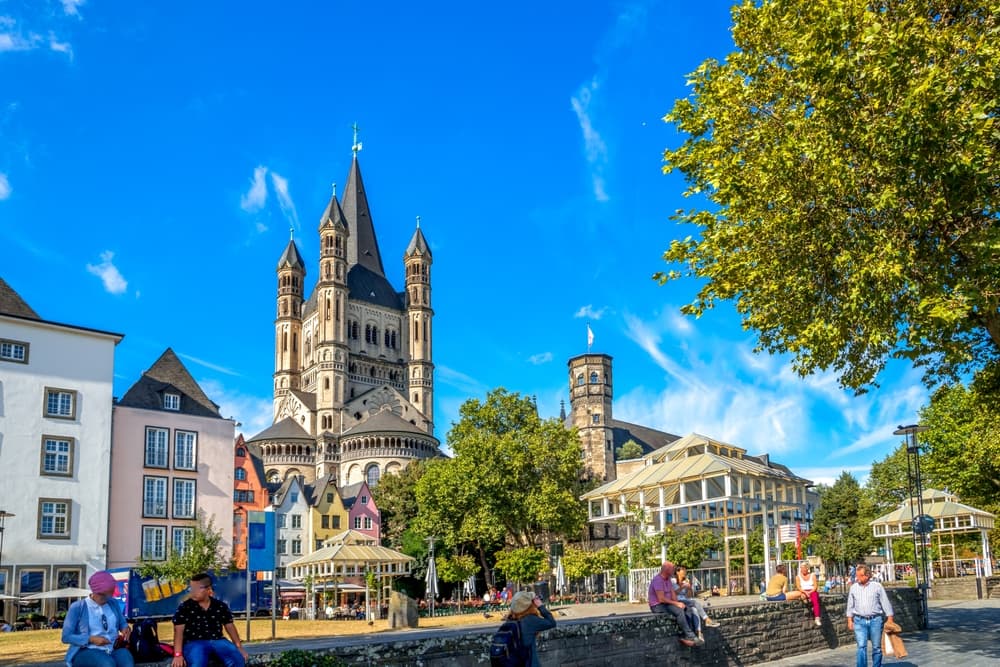
Living in Cologne on about $2,500 a month
Costs, safety, weather and the residence question for Americans weighing a move to the Rhine city known for carnival and Kölsch.
- 1,087,353
- Population (2023)
- $2,500/mo
- Monthly budget · single
- 53°F / 12°C
- Avg temperature
Plan on about $2,500 a month for one person in Cologne, in U.S. dollars as of 2026, with most singles landing between $2,200 and $2,800. A couple spends about $3,800 and a family of four about $6,100. A one-bedroom in the center rents for around $1,200, or about $900 farther out, and a monthly transit pass is about $70.
That puts Cologne level with Düsseldorf and a step below Berlin and Frankfurt, which both come in at $2,800 for a single person in our data. For a city of about 1.1 million with a big university hospital and a very social local culture, that's a fair price. It suits people who want a large German city that doesn't feel formal: remote workers, families, and retirees who have a residence route sorted out.
Here's the catch: Cologne isn't a pretty city. The cathedral survived the wartime bombing that destroyed most of the rest, so much of what you'll live in is plain postwar building. It also has the lowest safety index of the seven German cities we cover, at 62. On the plus side, it has the mildest average temperature of that group, about 53F across the year.

Reviewed and updated September 26, 2026 · 4 min read
At a glance
$2,500
Monthly budget · single person
$1,200/mo 1-bed rent, center
62/100
Safety index
$40
Internet / month
53°Fannual average
Jan 39° · Jul 69°
Climate
1,087,353
Population (2023)
Expatsi estimates, updated Aug 2026, based on rental listings, government statistics, and local reporting.
Cost of living
What it costs to live in Cologne
Single person
$2,200–$2,800/mo
about 20% below Austin, TX
Couple
$3,300–$4,300/mo
about 15% below Austin, TX
Family of four
$5,400–$6,800/mo
about 25% below Austin, TX
Compared with Austin, TX (Expatsi estimate, 2026).
- $16 −20%
- Inexpensive meal
- $1,050–$1,300/mo −38%
- 1-bed rent, center
- $800–$1,000/mo −33%
- 1-bed rent, outside
- $40/mo −38%
- Internet
- $70/mo +70%
- Transit pass
- $627/sq ft −4%
- Buy price, center
Expatsi estimates, updated Aug 2026, based on rental listings, government statistics, and local reporting.
Daily life
How Cologne lives
- A grade, 88th percentile among the cities we track
- Dining & cafésstandout
- A grade, 93rd percentile among the cities we track
- Arts & culturestandout
- B+ grade, 69th percentile among the cities we track
- Parks & outdoorsstrong
- A grade, 92nd percentile among the cities we track
- Schools & educationstandout
- A- grade, 83rd percentile among the cities we track
- Healthcare accessstrong
- A- grade, 72nd percentile among the cities we track
- Bike infrastructurestrong
- B+ grade, 64th percentile among the cities we track
- Public transitstrong
- A grade, good physical accessibility
- Accessibilitygood
Graded on OpenStreetMap amenity density relative to the 369 cities we track. Accessibility is the exception: it's graded against a fixed standard (terrain steepness and sidewalk surfaces), not a curve.
Climate
Weather through the year
Annual average 53°F (12°C) · 31 in of rain a year · Source: Meteostat station normals (D2968, 1991-2020; sunshine from 1981-2010)
On the ground
Scenes from Cologne
Getting around
Transport in Cologne
Cologne runs on the KVB Stadtbahn, a light rail system that goes underground through the center and runs as a regular street tram farther out. Two lines continue south into Bonn's network, so a job or a day out in Bonn is a transit ride. Buses fill in the gaps, and S-Bahn and regional trains tie Cologne to Düsseldorf and the rest of the Rhine-Ruhr. Our data puts a monthly pass at about $70.
Give the network some patience. The North-South line, set back by a 2009 construction collapse that killed two people, isn't due to reach full capacity until 2029. The tunnel section at Neumarkt is already running at capacity during busy times.
The city is mostly flat, which makes cycling easy. KVB-Rad, the bike share, gives the first 30 minutes of every ride free to anyone with a Deutschlandticket or VRS subscription bought from KVB. For flights, the S19 S-Bahn links the main station and Cologne/Bonn Airport about every 20 minutes, and some ICE and regional trains stop at the airport too. If you live anywhere central, you won't need a car.
- 35/sq mi
- Transit stops
- 28/sq mi
- Bike infrastructure
- 283/sq mi
- Wheelchair-accessible places
Mapped features per square mile from OpenStreetMap.
Keep exploring
Places like Cologne
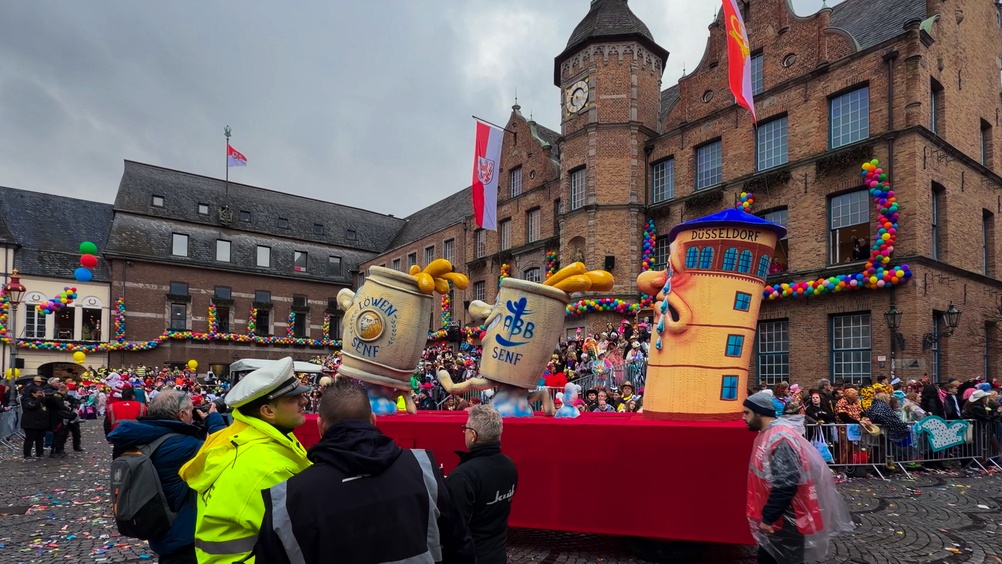
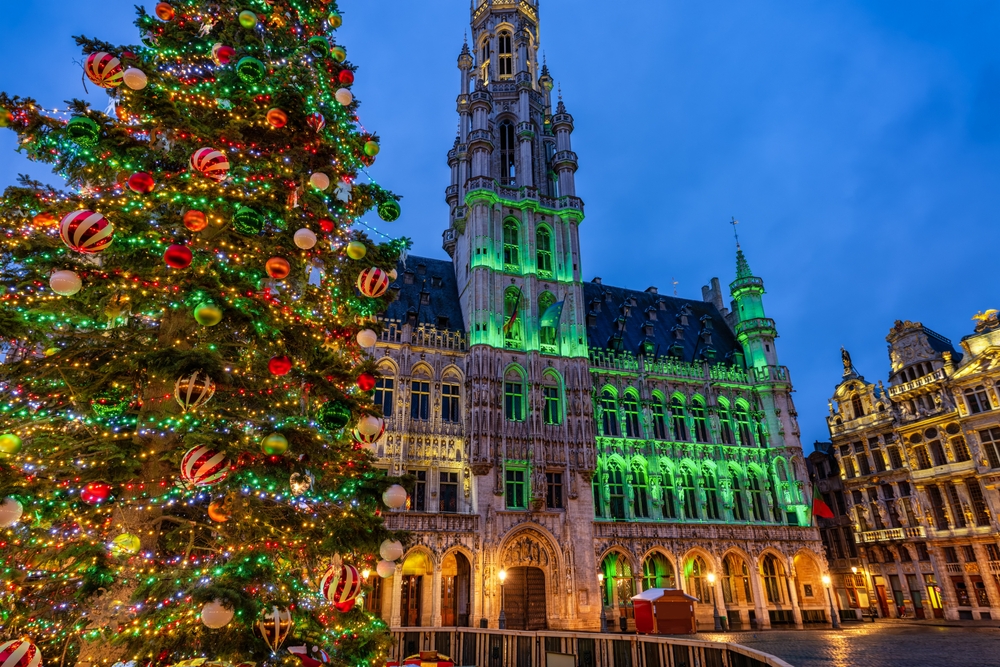

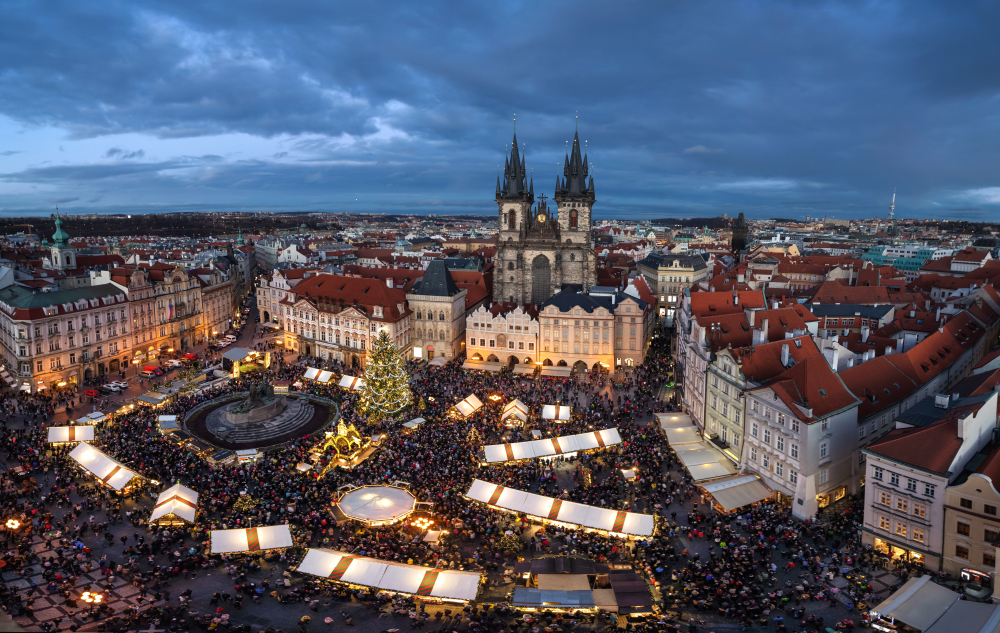

Community
Community & practical notes
The expat scene: Cologne has a name for being friendlier than most German cities. People talk at the bar, and the local Kölsch beer comes in small glasses that keep arriving until you put your coaster on top. Newcomers often look at Ehrenfeld, the Belgian Quarter, Südstadt, Nippes, and Sülz or Lindenthal near the university, and each has its own pace. English carries you socially and at international employers, but city offices work in German.
Carnival: The season opens every November 11, and street carnival takes over from February 4 to 10, 2027. The Rose Monday parade is billed as Germany's largest and draws about a million people; much of the city shuts down for those days. Join in or book a trip away; there isn't much middle ground.
Healthcare: Health insurance is mandatory in Germany, statutory or private, and you'll need proof of it for a residence permit. University Hospital Cologne (Uniklinik Köln) is the city's big teaching hospital, and its International Office can go with patients to appointments and translate. For everyday care, you'll register with a family doctor (Hausarzt); other expats are the best source for English-speaking ones.
Schools: Cologne International School is a private IB school covering grades 1 to 12, with bilingual German and English primary classes and mostly English teaching from grade 6. German public schools are free and teach in German.
Remote work: Home internet runs about $40 a month. Cologne is six hours ahead of New York most of the year, so a U.S. workday lands in your afternoon and evening.
Limited mobility: The city is mostly flat, and most Stadtbahn stations are step-free by elevator or ramp. KVB publishes a "Touren ohne Treppen" map that marks each station green, yellow or red, so you can plan around the ones that aren't step-free. The weak spot is platform height: some stations serve both high-floor and low-floor trains, and a few of those can't be made level. When you look at apartments in older buildings, ask about the elevator (Aufzug) first.
Retirement: Cologne works for retirees who want a major hospital close by and transit good enough to live without a car. Germany has no dedicated retirement visa, though. Most retirees apply for a general residence permit for people who can support themselves, with health insurance, and approval is up to the local immigration office. Americans can enter visa-free and apply from inside Germany. Compare it with countries that do offer a retiree visa in our retirement visa guide, and read the full Germany guide before you commit.
Housing
Renting and buying
- 1-bed rent (center)
- $1,050–$1,300/mo
- 1-bed rent (outside center)
- $800–$1,000/mo
- Buy price (center)
- $627/sq ft
- Buy price (outside center)
- $460/sq ft
Expatsi estimates, based on rental listings, government statistics, and local reporting.
Good to know
Frequently asked questions
Do you need a car in Cologne?
Most people living centrally don't. The KVB light rail and buses cover the city, two lines run on to Bonn, and a monthly pass costs about $70 as of 2026. The city is flat enough for cycling, and the S19 train reaches Cologne/Bonn Airport about every 20 minutes.
Can Americans retire in Cologne?
Yes, but Germany has no dedicated retirement visa. Most American retirees apply for a general residence permit for people who can support themselves, showing enough income or savings and German-standard health insurance. Approval is at the immigration office's discretion. Americans can enter visa-free and apply from inside Germany.
Is Cologne a good place for Americans to move to?
It's a good fit if you want a big, sociable German city at a mid-range price, with good transit, a university hospital and an international IB school. It's a weaker fit if you want old-town charm everywhere, sunny winters, or a dedicated retirement visa, which Germany doesn't offer.
What is the weather like in Cologne?
Cologne has mild summers and gray, damp winters. Average highs reach about 77F in July, and January averages a high near 43F and a low near 35F. Rain is spread across the year, about 31 inches in total, and the darkest months are November through January.
How much is rent in Cologne?
A one-bedroom apartment in central Cologne rents for about $1,200 a month as of 2026, usually between $1,050 and $1,300. Farther from the center, a one-bedroom runs about $900.
When is carnival in Cologne?
Cologne's carnival season opens on November 11 each year. The main street carnival runs from Thursday, February 4, through Ash Wednesday, February 10, 2027, with the Rose Monday parade on February 8. Much of the city closes or slows down for those days.
Is Cologne safe for Americans?
Cologne scores 62 on our safety index and 38 on crime. That's the lowest safety score among the seven German cities we cover (Munich scores 80), so use the same street sense you would in any large U.S. city.
How much does it cost to live in Cologne, Germany?
Expect about $2,500 a month for one person in Cologne as of 2026, with most singles spending between $2,200 and $2,800. A couple spends about $3,800 and a family of four about $6,100. Those figures are in U.S. dollars.
See how Cologne fits your life
Take the free Expatsi Test and compare Germany to nearly 200 countries on what actually matters: cost, healthcare, climate, and safety. About five minutes.
Why not you?