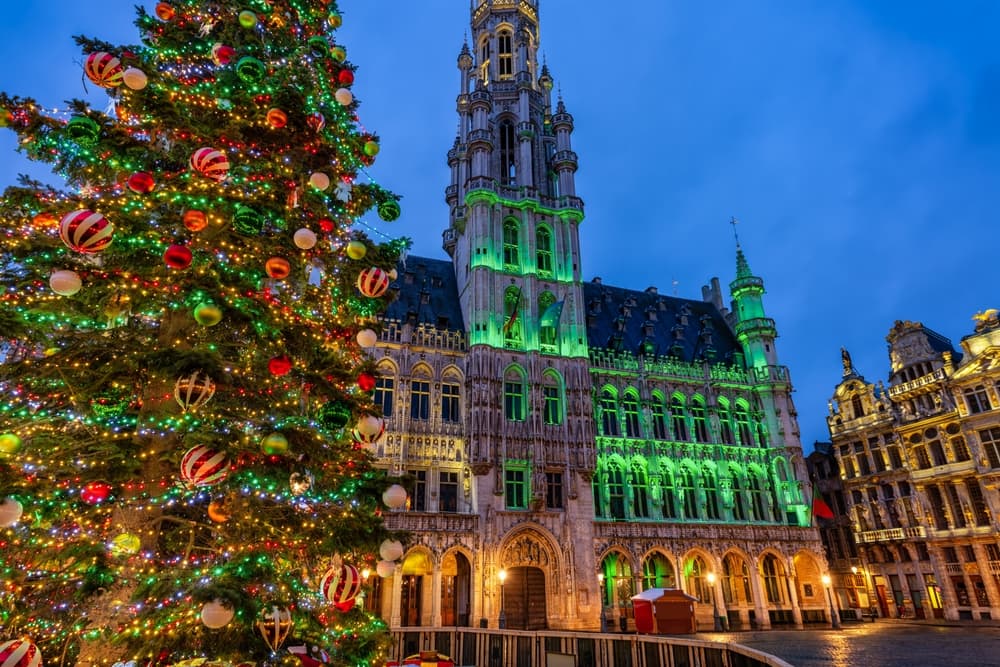
Living in Brussels: costs, safety and daily life in the EU capital
A French- and Dutch-speaking city where English gets you far, six hours ahead of Eastern, with nonstop flights to New York, Chicago and Washington.
- 195,546
- Population (2024)
- $2,400/mo
- Monthly budget · single
- 52°F / 11°C
- Avg temperature
Plan on about $2,400 a month for one person in Brussels as of 2026, with most single budgets landing between $2,000 and $2,900. A couple should budget around $3,800, and a family of four around $5,600. Rent is the biggest line: a one-bedroom averages about $1,300 a month in the center and about $1,050 further out.
Brussels suits people with a job, a degree program or a partner here who want an international city where English gets them through most of the week. It hosts the main EU institutions, French and Dutch share every street sign, and about 37% of residents held a non-Belgian nationality in 2023. Many newcomers start in Ixelles or Saint-Gilles.
The trade-offs are crime and gray skies. Pickpocketing is common, and drug-related shootings have hit parts of communes like Anderlecht. The weather is mild and damp, with average highs near 43°F in January and 74°F in July.

Reviewed and updated October 15, 2026 · 4 min read
At a glance
$2,400
Monthly budget · single person
$1,300/mo 1-bed rent, center
55/100
Safety index
$55
Internet / month
52°Fannual average
Jan 39° · Jul 66°
Climate
195,546
Population (2024)
Expatsi estimates, updated Oct 2026, based on rental listings, government statistics, and local reporting.
Cost of living
What it costs to live in Brussels
Single person
$2,000–$2,900/mo
about 25% below Austin, TX
Couple
$3,200–$4,500/mo
about 15% below Austin, TX
Family of four
$4,600–$6,600/mo
about 30% below Austin, TX
Compared with Austin, TX (Expatsi estimate, 2026).
- $22 +10%
- Inexpensive meal
- $1,050–$1,550/mo −33%
- 1-bed rent, center
- $850–$1,250/mo −22%
- 1-bed rent, outside
- $55/mo −15%
- Internet
- $60/mo +45%
- Transit pass
- $483/sq ft −26%
- Buy price, center
Expatsi estimates, updated Oct 2026, based on rental listings, government statistics, and local reporting.
Daily life
How Brussels lives
- A grade, 95th percentile among the cities we track
- Dining & cafésstandout
- A+ grade, 98th percentile among the cities we track
- Arts & culturestandout
- A- grade, 71st percentile among the cities we track
- Parks & outdoorsstrong
- A+ grade, 95th percentile among the cities we track
- Schools & educationstandout
- A grade, 90th percentile among the cities we track
- Healthcare accessstandout
- A grade, 91st percentile among the cities we track
- Bike infrastructurestandout
- A grade, 93rd percentile among the cities we track
- Public transitstandout
- B+ grade, moderate physical accessibility
- Accessibilitymoderate
Graded on OpenStreetMap amenity density relative to the 369 cities we track. Accessibility is the exception: it's graded against a fixed standard (terrain steepness and sidewalk surfaces), not a curve.
Climate
Weather through the year
Annual average 52°F (11°C) · 34 in of rain a year · Source: Meteostat station normals (06447, 1991-2020)
On the ground
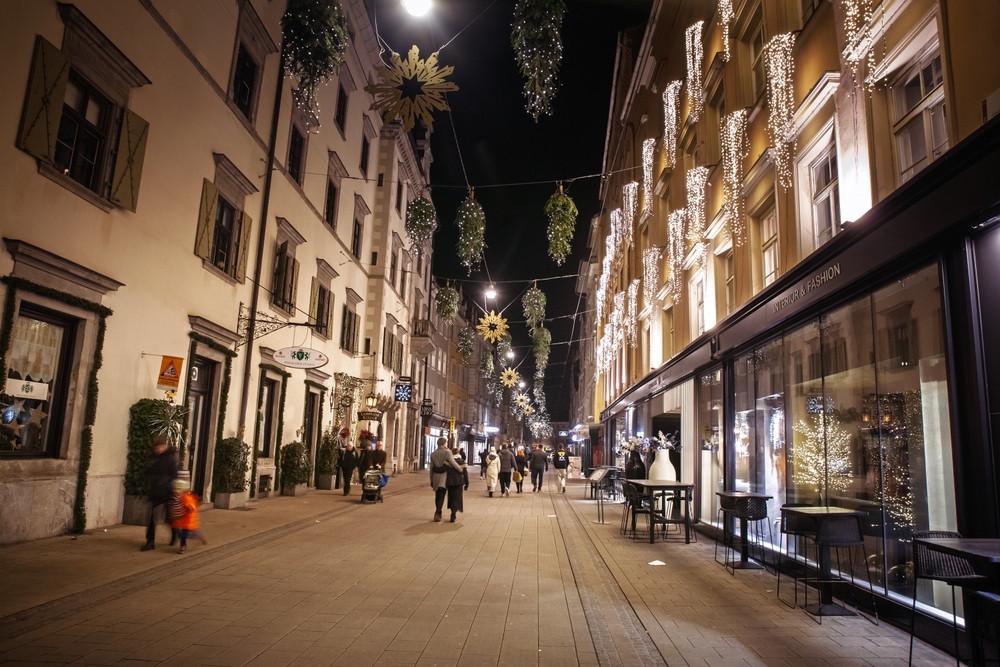
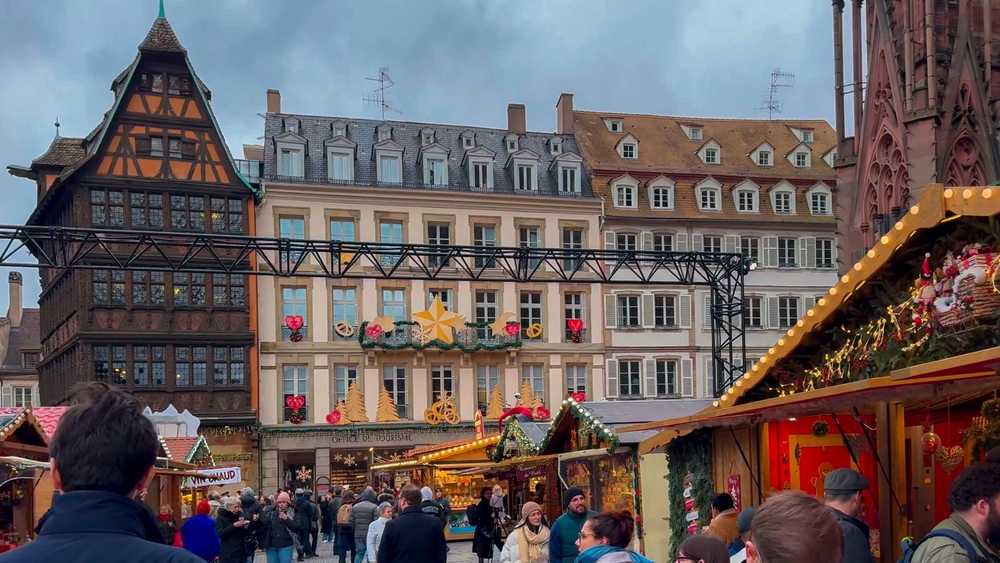
Scenes from Brussels
Getting around
Transport in Brussels
You can live here without a car. STIB runs the metro, trams and buses across the region, and you can tap a contactless bank card or phone at the validator from day one, then move to a MOBIB card for passes. A monthly pass runs about $60. After the metro closes, Noctis night buses cover Friday and Saturday nights from midnight to 3 a.m., and Villo! bike share has stations in all 19 communes.
Belgian rail handles everything beyond the city. Trains from Brussels Airport reach Brussels-Central in about 18 minutes, with six direct trains an hour, and the same platforms send direct trains to Leuven, Antwerp and Ghent. Paris, London and Amsterdam are one change of trains away.
A car is more hassle than help in town. The whole Brussels-Capital Region is a low emission zone, enforced around the clock, and a car registered outside Belgium has to be registered with the zone (it's free) before you drive in. If you want a car for weekend trips, check it against the rules at lez.brussels before you ship or buy it.
- 73/sq mi
- Transit stops
- 103/sq mi
- Bike infrastructure
- 163/sq mi
- Wheelchair-accessible places
Mapped features per square mile from OpenStreetMap.
Keep exploring
Places like Brussels

Community
Community & practical notes
Community: Brussels is a region of 19 communes, and the one you pick shapes your rent, your town hall and your week. The City of Brussels itself has about 196,000 people (2024), a fraction of the whole. Ixelles draws many people who work at the EU institutions, Saint-Gilles is a more affordable neighbor with a busy arts scene, and families tend to look at Etterbeek, Woluwe-Saint-Pierre and Uccle for schools and green space.
LGBTQ expats: Belgium adopted same-sex marriage in 2003; Brussels Pride takes over the center each year around mid-May. RainbowHouse, on Rue du Marché au Charbon, gathers more than fifty LGBTQ associations. Trained volunteers welcome newcomers there on Saturday afternoons and point them to legal, social, medical or psychological help.
Black Americans: Matonge, in Ixelles, is where the Congolese diaspora gathers and expresses its culture, and it's a center of anti-racism activism too. Belgium's colonial past in Congo is still an open public argument, from protests over statues of Leopold II to clashes between police and demonstrators in Matonge itself. Talk to Black residents and read local reporting before you choose a commune.
Healthcare: Everyone who lives in Belgium joins a mutual health insurance fund; Brussels has a wide choice of public, private and university hospitals. If you live in the region and don't have a family doctor yet, the free 1710 line (weekdays, 8 a.m. to 7 p.m.) helps you find one, and the volunteer-run Community Help Service helpline lists English-speaking doctors and dentists. Hospitals ask for a deposit and proof of fund membership on admission, so join a fund soon after you register. For emergencies, dial 112.
Limited mobility: Transit is the better half of the story. By September 2026, 85% of metro and premetro stations had elevator access from street to platform, with lifts planned for the last ten. Surface stops lag: only about a quarter of bus and tram stops are accessible without help. Buses carry ramps that drivers deploy on request, and STIB takes assistance bookings in advance, which is worth doing at unstaffed stations.
Internet and schools: Home internet costs about $55 a month. For American families, the International School of Brussels in Watermael-Boitsfort opened in 1951 as the American School of Brussels; it had about 1,300 students from 65 countries in 2024 and teaches the International Baccalaureate.
Retirement: Belgium has no retirement visa with a published income figure. The consulate lists retirement as a long-stay visa category, but files are judged case by case, so well-documented income and health coverage matter more than any single number. Brussels can work for retirees who want walkable neighborhoods, a deep hospital network and nonstop flights home. It's a harder fit if you're chasing sunshine. Compare countries with clearer routes under retirement visa options, and see every route in our Belgium guide.
Housing
Renting and buying
- 1-bed rent (center)
- $1,050–$1,550/mo
- 1-bed rent (outside center)
- $850–$1,250/mo
- Buy price (center)
- $483/sq ft
- Buy price (outside center)
- $372/sq ft
Expatsi estimates, based on rental listings, government statistics, and local reporting.
Good to know
Frequently asked questions
How much does it cost to live in Brussels?
Plan on about $2,400 a month for one person in Brussels as of 2026, rent included, with most single budgets between $2,000 and $2,900. A couple should budget around $3,800. Rent is the biggest expense: a one-bedroom averages about $1,300 a month in the center.
Can you live in Brussels speaking only English?
For a while, yes. Brussels is officially bilingual in French and Dutch, but English carries you far, especially around the EU institutions and in communes like Ixelles. Your town hall, landlord and children's local school will work in French or Dutch, so learning one of them pays off if you're staying.
Can Americans retire in Brussels?
Yes, but it isn't simple. Belgium has no retirement visa with a published minimum income. The Belgian consulate lists retirement as a long-stay visa category and judges each file case by case, so you'll need stable, well-documented income and health coverage. It's worth having a professional review your file before you apply.
Is Brussels safe for Americans?
Pickpocketing is common. In February 2025 a series of drug-related shootings hit parts of Anderlecht, including one that killed a 19-year-old at Clémenceau metro station. Check recent local news for the specific commune and street before you sign a lease, and keep the usual city habits on transit and in crowds.
How do Americans move to Brussels?
The main routes for Americans are a job offer, a self-employed professional card, a university place or a partner already living in Belgium. You apply for a long-stay D visa at the Belgian consulate covering your U.S. state, then register at your commune's town hall within eight working days of arriving.
Do you need a car in Brussels?
No. Metro, trams, buses and Villo! bike share cover the region, and you can pay transit fares by tapping a contactless bank card. The whole Brussels-Capital Region is a low emission zone, and cars registered outside Belgium must be registered with the zone, free of charge, before entering.
Where do expats live in Brussels?
Ixelles is popular with people who work at the EU institutions, and neighboring Saint-Gilles is a more affordable option with a busy arts scene. Families tend to look at Etterbeek, Woluwe-Saint-Pierre and Uccle for schools and green space. Brussels has 19 communes, and each runs its own town hall.
See how Brussels fits your life
Take the free Expatsi Test and compare Belgium to over 100 countries on what actually matters: cost, healthcare, climate, and safety. About five minutes.
Why not you?