Complete guide to moving to Honduras
A $1,500 pension gets you Honduran residency. Where you live decides the rest.
The 2026 guide for Americans weighing Roatán, the mainland and everything between: real costs, the residency routes, healthcare during a public-health emergency, and the safety picture without spin.
What a month costs, which residency matches your income, how healthcare and taxes work, and the specialists who handle the parts you shouldn't do alone.

Reviewed and updated September 27, 2026 · 13 min read
01 · The case for Honduras
What Honduras offers, and what it asks of you
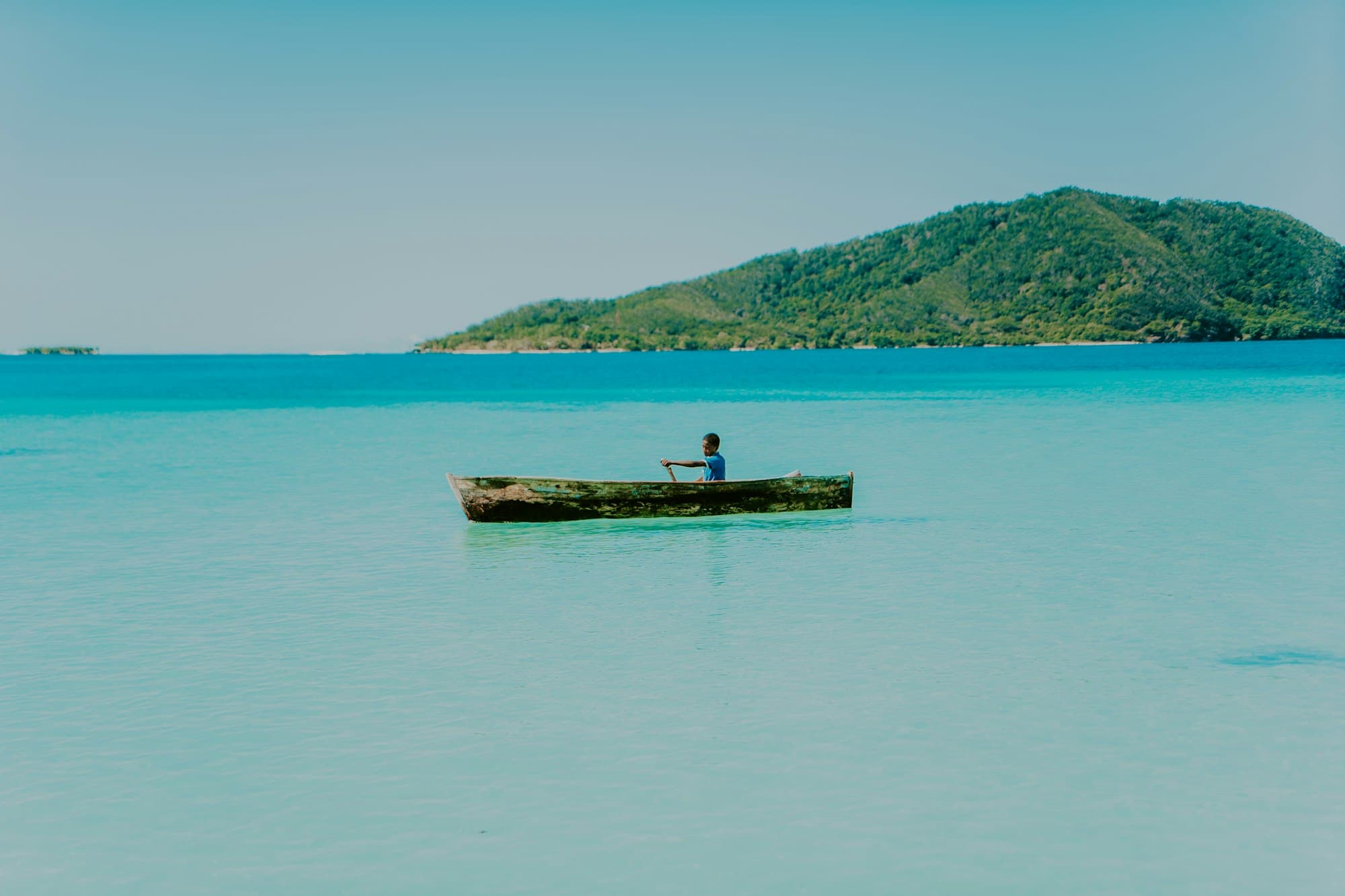
Honduras sits between Guatemala, El Salvador and Nicaragua, with a long Caribbean coast in the north, a short stretch of Pacific in the south, and green mountains in between. Three things put it on an American's list: it's close, it's affordable, and the residency bar for retirees is low.
Close means a few hours in the air. Roatán, the biggest of the Bay Islands, has year-round daily flights from Miami on American and near-daily flights from Houston on United. On the mainland, Palmerola International Airport opened in October 2021 about 37 miles from Tegucigalpa, replacing the old Toncontín airport. Honduras stays on Central Standard Time all year, so it's one to two hours behind Eastern, by season. Calling family or keeping U.S. work hours is easy.
Affordable means our 2026 data puts a single person at about $1,100 a month and a couple at about $1,950, with a one-bedroom in a city center around $400. The islands run higher, and the numbers chapter below shows by how much.
The low bar is the pensionado route. Show a stable, permanent pension of at least $1,500 a month, paid into a Honduran bank, and you can apply for residency. Honduras also taxes only income earned inside the country, so the pension you bring from home usually isn't taxed there.
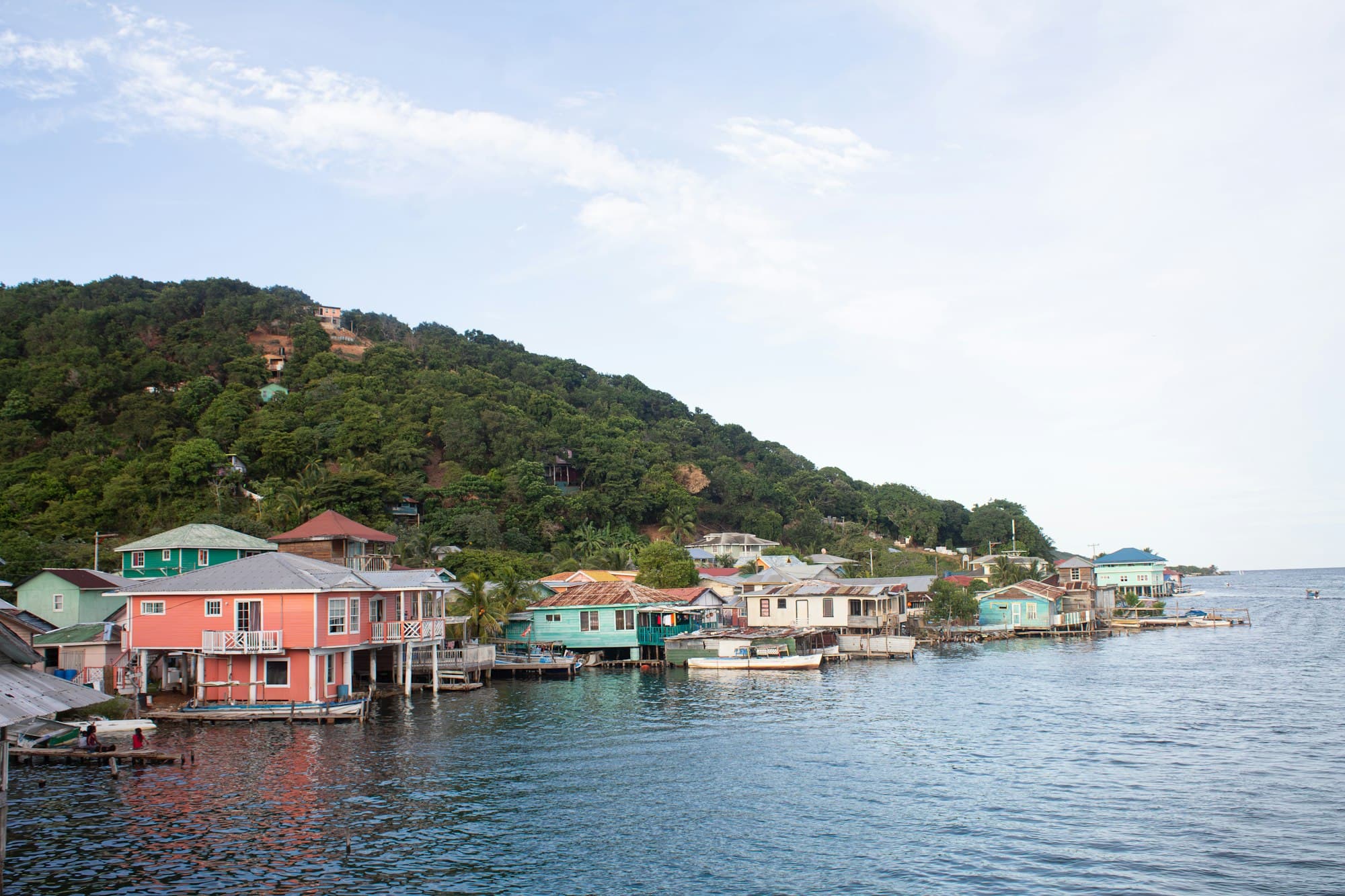
Then there's the place. The Bay Islands have English-speaking communities descended from British settlers who arrived in the 18th century, a big draw for Americans who don't speak Spanish yet. Inland, the Maya ruins at Copán are a UNESCO World Heritage site near the Guatemala border, and Lake Yojoa, the country's largest lake, sits at about 2,300 feet on the highway between Tegucigalpa and San Pedro Sula. The climate is tropical, with an average temperature around 81°F.
Here's the catch
Honduras is a harder move than its price tag suggests. Four honest reasons it might not fit you.
First, safety. The U.S. State Department rates Honduras Level 3, Reconsider Travel, in an advisory updated in August 2026, and says not to travel to Gracias a Dios department at all. Homicides are falling, from 26.2 per 100,000 people in 2025 to a pace of 24.6 in 2026, but that's still high, and it isn't spread evenly. Where you live and how you get around matter a lot.
Second, public healthcare. Congress declared a health emergency in February 2026, citing tens of thousands of patients waiting for surgery and chronic medicine shortages. You'll use private hospitals and pay for them.
Third, work. Pensionado and rentista residents can invest in a business but can't take paid work. Remote workers have no dedicated visa at all.
Fourth, paperwork. Filing runs through a Honduran lawyer with power of attorney, every U.S. document must be legalized and officially translated, and a decision takes months, not weeks.
If you have a steady pension, pick your base with care, and carry private health coverage plus evacuation insurance, Honduras can work well. The rest of this guide shows how.
- Cost of living (single)
- $1,100/mo
- Safety index
- 35/100
- English proficiency
- 30/100
- Internet speed
- 25 Mbps
- Currency
- Honduran lempira (HNL)
- Capital
- Tegucigalpa
02 · The numbers
What a month in Honduras costs
$1,950
Monthly budget, couple
all in, mainland
$1,100
Monthly budget, single
all in, mainland
$3,250
Monthly budget, family
housing included
$400
Rent, 1-bed city center
$350 outside center
$8
Inexpensive meal out
local restaurant
$47
Monthly transport
local transit
$46
Home internet, monthly
about 25 Mbps
35/100
Safety index
high crime level
Where the money goes
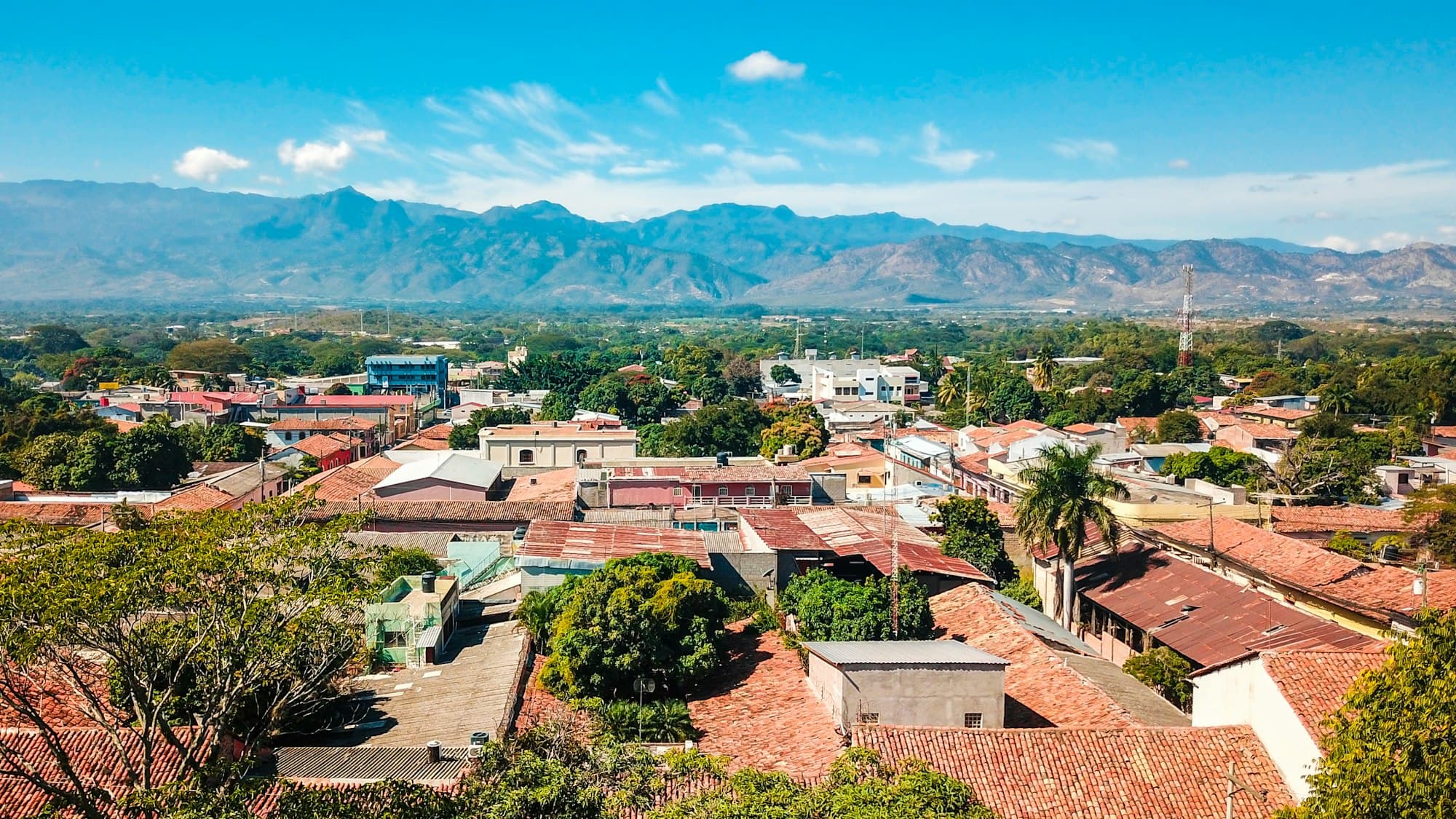
As of 2026, our data puts a couple at about $1,950 a month, all in, and a single person at about $1,100. A family with kids lands near $3,250. Those are mainland figures, and the thing that moves them most is where you live.
On Roatán, a 2026 cost guide has one person budgeting $1,200 to $1,800 a month at the lower end and $1,500 to $2,500 for a comfortable life in West End. Rent drives the gap. A one-bedroom runs $800 to $1,200 in West End and West Bay, $500 to $800 around French Harbour, and $300 to $500 in Coxen Hole and local neighborhoods.
On the mainland, a one-bedroom in a city center averages about $400, and about $350 further out. A simple meal out runs about $8, a month of local transport about $47, and home internet about $46 for roughly 25 Mbps.
The currency is the lempira. In September 2026 a dollar sold for about 27 lempiras. Sales tax is 15%, with an 18% rate on a short list of items, so check whether a quoted price includes it.
Two costs people leave out of the spreadsheet: private health insurance, because the public system won't be your plan, and evacuation coverage if you live on an island. Allianz puts a Caribbean evacuation to Florida at around $20,000, and an air ambulance at up to $50,000.
Why a $1,500 pension goes a long way here
The pensionado route asks for $1,500 a month in pension income. Our data puts a single person's all-in mainland budget at about $1,100 and a couple's at about $1,950, so one qualifying pension plus some savings covers a couple's life on the mainland. Roatán's west end takes more. The pension has to be paid into a Honduran bank, which also gets your everyday banking set up.
03 · Residency routes
Pick your route by where your money comes from
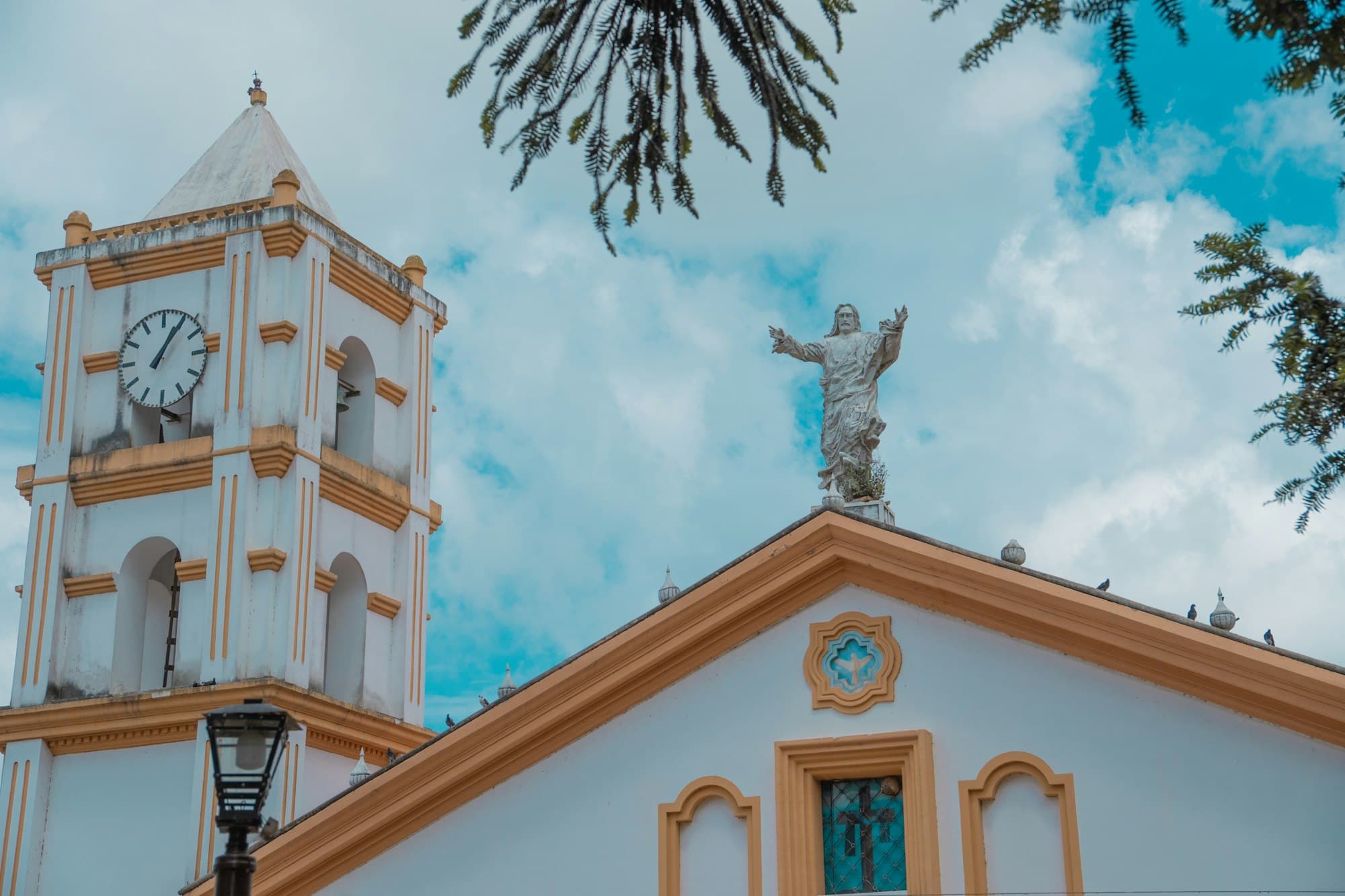
Honduras sorts residency by the source of your money. For Americans living on their own money, it comes down to three routes, all decided by the Secretaría de Gobernación, Justicia y Descentralización and filed through a Honduran lawyer. The migration regulation sets the fee at $300 for each, and lawyers expect a decision in 5 to 6 months.
Before you apply: the 90-day window
Americans enter visa-free for up to 90 days with a passport valid for at least six months. Those 90 days are shared with Guatemala, El Salvador and Nicaragua, and the clock starts at your first entry stamp in any of the four, so a bus to Guatemala buys no time. To reset it, you have to leave the region altogether for Mexico, Belize, Costa Rica, Panama or a flight out. A 30-day extension is possible. Use the window to scout neighborhoods and interview lawyers before you commit to a home base.
The paperwork, in order
For the pensionado and rentista routes, the steps run roughly like this. First, order your U.S. documents: an FBI background check, proof of your income, and your birth or marriage certificates if family is coming. Second, get each one legalized and officially translated the way Honduras requires. Third, sign a power of attorney so a Honduran lawyer can file for you. Fourth, set up the Honduran bank account your income will be paid into. Fifth, your lawyer files with Gobernación and pays the $300 fee. Then you wait for the decision and collect your resident card. A Honduran law firm's 2023 guide adds a card charge of $20 for each year of validity, so budget for that at every renewal.
Retiring on a pension: pensionado
Built for retirees. You need a stable, permanent pension of at least $1,500 a month, received through a Honduran bank. The file includes criminal-record certificates, a medical certificate, a passport copy and a certificate showing your pension is permanent. The legalization and official translation run through Honduras's Foreign Ministry or a Honduran consulate, so order the FBI check and pension letters early. The residence is permanent, but the card is renewed every year. Spending more than 12 consecutive months outside Honduras without permission can cost you the status. You can't take paid work, though you can invest in a business.
Living on other steady income: rentista
If your money comes from rentals, dividends or other passive income rather than a pension, the rentista route asks for at least $2,500 a month from a stable source, also received through a Honduran bank. The same work rule applies: no paid job, investing is fine. The card renews yearly here, too.
Putting money into a business: inversionista
Investor residency, in the most recent law-firm guidance we found, calls for an investment of at least $50,000 plus a certificate of deposit of at least $5,000 with the Central Bank of Honduras. It fits someone building or buying a real business. The published details are older than the other two routes, so get current terms from a lawyer.
Working for a Honduran employer
Foreign employees need work authorization tied to their job. Under a July 2025 ministerial order, foreign workers can apply for residency once they have at least two years of continuous legal residence.
Remote workers
Honduras has no digital nomad visa. Quiet laptop work for foreign clients during a tourist stay is common, but that's a gray area, not a status. The same July 2025 order, Acuerdo Ministerial 374-2025, lets foreigners who don't fit the classic categories apply by showing at least 50% of the income those categories require. That could open a door for remote workers below the rentista bar. It's new, so ask a Honduran lawyer whether it fits your case.
Studying
Our data lists a student visa for people enrolled at a Honduran school. The school's international office is the place to start.
The citizenship question
Foreigners from outside Central America, Spain and Latin America can naturalize after more than three consecutive years of residence. The hitch: Honduras's constitution asks applicants to renounce their prior nationality first unless a dual-nationality treaty applies, and we found no such treaty with the U.S. If keeping your U.S. passport matters, treat residency as the goal, not citizenship.
Resident Visa
Pensionado, rentista and investor residency
Permanent residence for a stable pension, other passive income, or a business investment. No paid work, and the card renews yearly.
- Valid U.S. passport
- Proof of income or investment in Honduras
- Police clearance certificate
Work Visa
Work authorization tied to your job
For employees of Honduran companies. After two years of continuous legal residence, workers can apply for residency.
- Valid U.S. passport
- Job offer from Honduran employer
- Work contract approved by Honduran Ministry of Labor
Student Visa
For students enrolled at a Honduran school
Start with the school's international office and ask about the current paperwork.
- Valid U.S. passport
- Letter of acceptance from Honduran educational institution
- Proof of financial support
04 · The practical stuff
Healthcare, taxes, money and safety
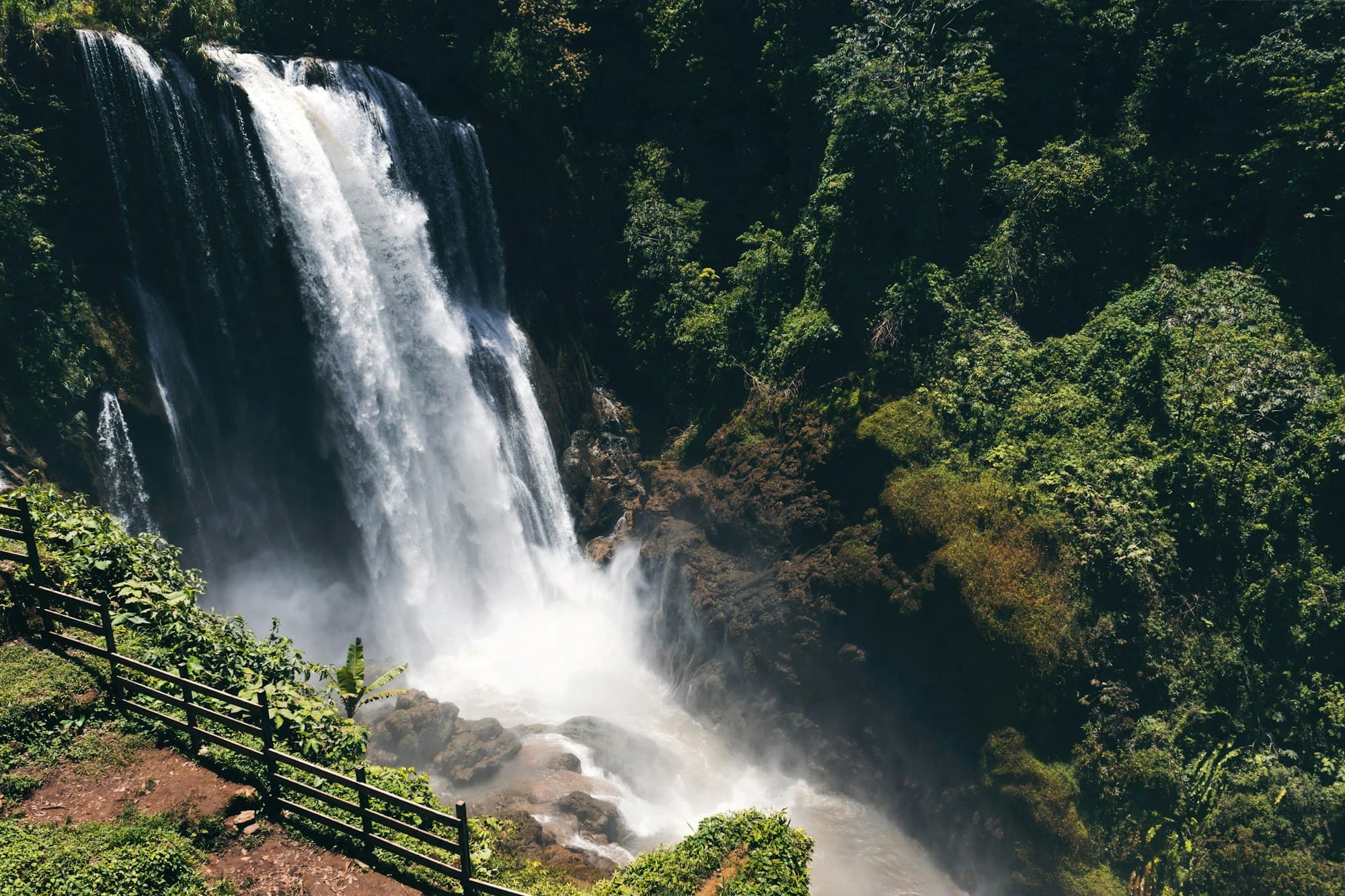
The four things that decide whether a move to Honduras goes smoothly, answered straight.
Healthcare
Plan on private care. The public system has been under a declared emergency since February 2026, running until February 2027 and open to extension, over tens of thousands of patients waiting for surgery and chronic shortages of medicines. In Tegucigalpa, expat guides most often name Honduras Medical Center, Hospital Viera and Centro Médico Hondureño. In San Pedro Sula, the names are Hospital del Valle and CEMESA. The State Department says both cities have adequate facilities for advanced emergency surgery, and that care often doesn't meet U.S. standards.
Visits are affordable. Expat guides report about $25 to $50 for a general practitioner and $40 to $80 for a specialist. The harder rule: hospitals often want payment or proof of good insurance before they'll admit you, and Medicare doesn't apply overseas, so carry international coverage. On the islands, add evacuation insurance. As of July 2026, a voluntary route into IHSS, the national social security system, for people with fixed income was only handled in Francisco Morazán, which means a trip to Tegucigalpa to sign up. Talk to Hunter Schultz, our healthcare coach, and ExpatInsure, our insurance partner, before you pick a base.
Taxes
Honduras taxes only income earned from Honduran sources, so Social Security, a U.S. pension and foreign dividends usually aren't taxed there. Honduran-source income is exempt up to 228,324.32 lempiras a year, about $8,450, then taxed at 15%, 20% and 25%. The U.S. still taxes you as a citizen wherever you live. Honduras has no comprehensive tax treaties or general foreign tax credit, which matters mostly if you earn money locally. MyExpatTaxes, one of our partners, files U.S. returns for Americans abroad.
Money and property
Your residency income has to land in a Honduran bank, so opening an account is part of the process. Moneycorp, another partner, moves dollars into lempiras and sets up recurring transfers. Be careful buying land. The constitution reserves land within 40 kilometers (about 25 miles) of the coasts and borders, and on the islands, for Hondurans by birth, with urban land in those zones handled by a separate law. The State Department warns that fraudulent deeds are common and that some Americans have arrived to find people living on their property. Rent first and hire your own lawyer to check title before you buy.
Safety
The U.S. advisory names murder, armed robbery and kidnappings as common. Honduras recorded 1,236 homicides in the first half of 2026, and rates vary a lot by department: Copán's was 37.9 per 100,000 in 2025, well above the national 26.2. U.S. government staff aren't allowed to travel between cities after dark--a sensible rule for you, too. Weather is the other risk. Hurricanes Eta and Iota in 2020 killed around 100 Hondurans and caused more than $10 billion in damage.
This guide is dated on purpose
Honduras issued new residency guidelines in July 2025, swore in a new president, Nasry Asfura, in January 2026, declared a public-health emergency in February 2026, and saw its U.S. travel advisory updated in August 2026. Everything here reflects the rules as of September 2026. Confirm current requirements with a Honduran lawyer before you file, and check the State Department advisory before you book.
05 · Finding your spot
Where Americans settle in Honduras
Your choice of base shapes your costs, your healthcare and your safety more than almost anything else on this page.
If English matters, start with the Bay Islands. Roatán has English-speaking communities, direct U.S. flights and the widest spread of rents, from local neighborhoods around Coxen Hole to the beach areas of West End and West Bay. The tradeoff is distance from the mainland hospitals, which is why evacuation insurance matters here.
On the mainland, Tegucigalpa and San Pedro Sula are big, busy cities with the private hospitals the State Department points to for serious surgery. Copán Ruinas, next to the Maya site in the western hills, draws people who want a small town, though its department's homicide rate is above the national average, so choose your street with care. Lake Yojoa, on the highway between the two big cities, suits birders and anyone who wants to be within reach of both.
Our Honduras city guides will appear below as we publish them.
Honduras city guides
Where to live in Honduras
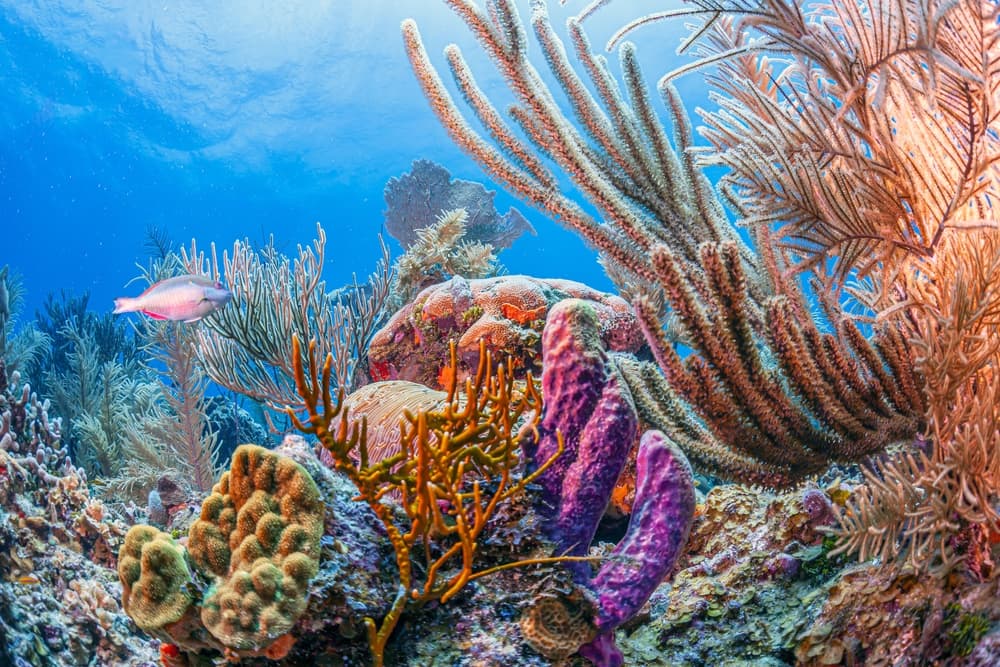
Roatán
English-speaking island
The biggest Bay Island, with English-speaking communities, daily flights from Miami and near-daily from Houston, and reef diving off West End and West Bay. It's an easy first move abroad for people without Spanish. The catch is that island prices run well above the mainland and the national advisory is Level 3.
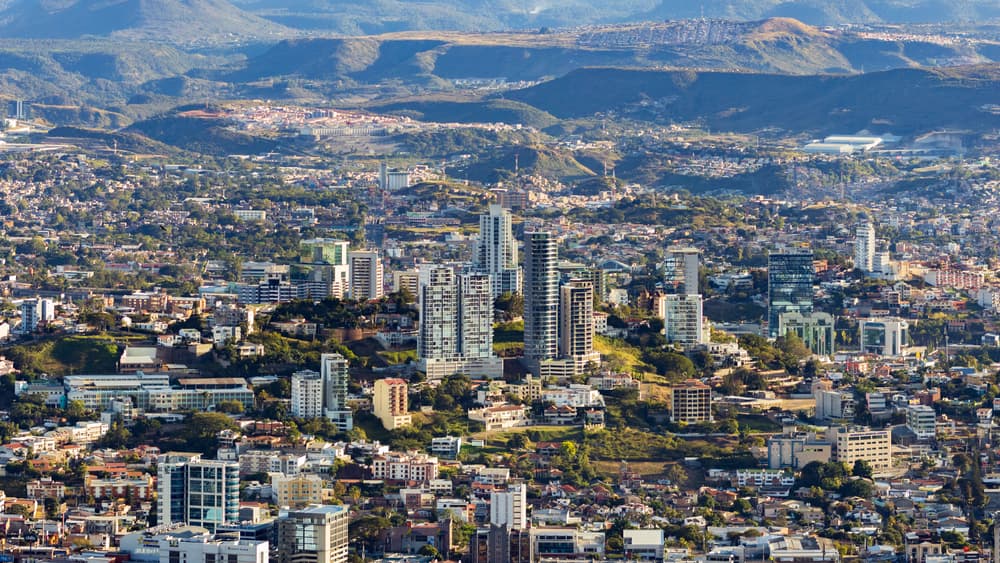
Tegucigalpa
Mountain capital
The capital in a highland valley, with Honduras Medical Center and other private hospitals and the Palmerola airport roughly 37 miles away. Expats stick to a few guarded neighborhoods and use private drivers. The catch is safety: the national advisory is Level 3, and getting around town takes planning.
06 · Your move team
The people who handle the hard parts
Honduras is a move where help pays for itself: documents that must be legalized and translated, a lawyer who files for you, private health coverage, and income that has to land in a Honduran bank.
We don't have a Honduras-based partner yet, so these are Expatsi-vetted specialists who work with Americans moving anywhere, grouped by what they do. For the residency filing itself, you'll hire a Honduran lawyer.

Hunter Schultz
Healthcare Coach
A healthcare coach with more than 20 years of expat living and a background in air medical transport. His one-hour consultation maps out a care plan for your destination, which in Honduras starts with choosing a base near the right hospital.
Learn more
ExpatInsure
Global Health Insurance
Expatsi's international health-insurance partner, led by Andy Seale and Stephanie Edwards. They match you with the private coverage you'll rely on in Honduras.
Learn more
Legalize That Doc
Document Preparation
Melissa Di Nardo's team procures, apostilles and legalizes U.S. documents such as FBI background checks, birth and marriage certificates, and pension verification letters, with a plan for which to start first.
Learn more
MyExpatTaxes
U.S. Expat Tax Service
Tax software built for Americans abroad since 2018, for filing your U.S. return from overseas, complex cases included.
Learn more
Moneycorp
Currency Exchange
A currency and international-payments specialist since 1979, led for U.S. clients by Kelly Cutchin. They can lock an exchange rate for up to two years and set up the transfers that carry your income south.
Learn more
Bodzin Pet Travel Solutions
Pet Relocation
A pet travel advisory and concierge service run by founder Aliza Bodzin, planning the trip and the paperwork for dogs and cats moving abroad.
Learn more
Miss Rosa Spanish Lessons
Spanish Language Teacher
Agustina, a Spanish teacher who has lived and taught in Argentina, Mexico and Brazil, runs structured online lessons. Worth it on the mainland, where daily life happens in Spanish.
Learn more07 · Quick answers
Moving to Honduras: frequently asked questions
Is Honduras safe for Americans in 2026?
The U.S. State Department rates Honduras Level 3, Reconsider Travel, in an advisory updated in August 2026, and Level 4, Do Not Travel, for Gracias a Dios department. The national homicide rate was 26.2 per 100,000 people in 2025 and is on pace for 24.6 in 2026. Rates vary widely by department, so choose your area carefully and avoid driving between cities after dark, a rule the State Department applies to its own staff.
Can Americans buy property in Honduras?
Yes, with limits. The Honduran constitution reserves land within 40 kilometers (about 25 miles) of the coasts and borders, and on the islands, for Hondurans by birth, while urban land in those zones falls under a separate law. The State Department warns that fraudulent deeds are common, so use your own lawyer and verify the title before paying anything.
Will Honduras tax my Social Security or pension?
Usually not. Honduras taxes only income earned from Honduran sources, so U.S. Social Security, pensions and foreign dividends generally aren't taxed there. The U.S. still taxes its citizens wherever they live, so you'll keep filing a U.S. return.
How long can a U.S. citizen stay in Honduras without a visa?
Up to 90 days as a tourist, with a U.S. passport valid for at least six months. That allowance is shared with Guatemala, El Salvador and Nicaragua, so moving between those four countries doesn't reset it; you have to leave the region. A tourist stay can be extended by 30 days.
Does Honduras have a digital nomad visa?
No. Remote workers either stay as tourists, up to 90 days plus a 30-day extension, or qualify for residency. The rentista route asks for at least $2,500 a month in stable income, and a July 2025 ministerial order lets people outside the usual categories apply by showing at least half the required income. A Honduran lawyer can tell you whether that fits your situation.
Can I become a Honduran citizen and keep my U.S. passport?
Probably not. Foreigners from outside Central America, Spain and Latin America can naturalize after more than three consecutive years of residence, but the Honduran constitution requires renouncing your prior nationality unless a dual-nationality treaty applies, and no such treaty with the U.S. turned up in our research. Get legal advice in both countries before applying.
How much money do I need to retire in Honduras?
Honduras's pensionado residency asks for a stable, permanent pension of at least $1,500 a month, received through a Honduran bank. For day-to-day costs, Expatsi's 2026 data puts a single person at about $1,100 a month and a couple at about $1,950 on the mainland. Roatán costs more: a 2026 guide has one person spending $1,500 to $2,500 a month for a comfortable life in West End.
How long does Honduran residency take to get?
Lawyers expect 5 to 6 months for a pensionado or rentista decision. Applications are filed through a Honduran lawyer with power of attorney, the government fee is $300, and every U.S. document must be legalized and officially translated. After approval, the resident card is renewed every year.
Sources
- Requisitos para obtener residencia en calidad de pensionado · Secretaría de Gobernación, Justicia y Descentralización (checked September 2026)
- Gobernación emite nuevos lineamientos para otorgamiento de residencia migratoria (Acuerdo Ministerial 374-2025) · Canal 8, Government of Honduras (checked September 2026)
- Residencia permanente como rentista o pensionado en Centroamérica · Consortium Legal (checked September 2026)
- ¿Cómo funciona la residencia como inversionista en Honduras? · Consortium Legal (checked September 2026)
- Honduras Travel Advisory · U.S. Department of State (checked September 2026)
- Honduras International Travel Information · U.S. Department of State (checked September 2026)
- Honduras: Individual taxes on personal income · PwC Worldwide Tax Summaries (checked September 2026)
- Constitución de la República de Honduras (Arts. 24 and 107) · Georgetown University, Political Database of the Americas (checked September 2026)
- Honduras activa un régimen de emergencia sanitaria por un año · Infobae (checked September 2026)
- Honduras registra 1,236 homicidios en el primer semestre de 2026 · Infobae (checked September 2026)
- Moving to Honduras 2026: Visas, Costs, Safety and Where Foreigners Settle · The Rio Times (checked September 2026)
- Healthcare in Honduras for Expats 2026 · The Rio Times (checked September 2026)
- Taxes in Honduras for Expats 2026 · The Rio Times (checked September 2026)
- Honduras Digital Nomad Visa: What Actually Exists (2026) · Genki (checked September 2026)
- Cost of living and country data for Honduras · Expatsi (checked September 2026)
See how Honduras fits your life
Take the free Expatsi Test and compare Honduras with other countries on what matters to you: cost, healthcare, climate and safety.
Why not you?