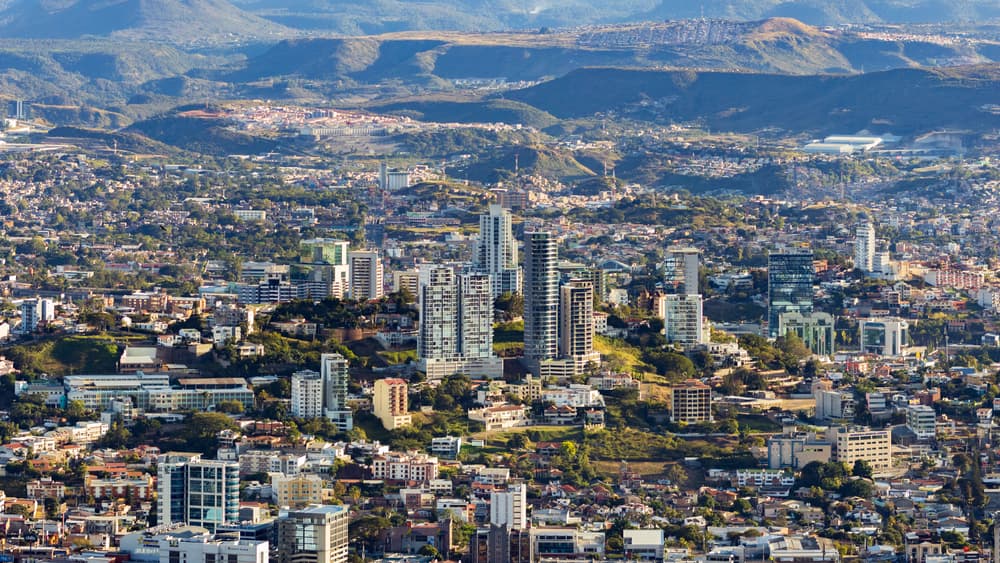
Tegucigalpa: Honduras's highland capital, lived from a few guarded colonias
Mild weather at about 3,250 feet, the country's main private hospitals, and a crime picture that decides where you live and how you get around.
- 1,055,729
- Population (2013)
- $1,400/mo
- Monthly budget · single
- 72°F / 22°C
- Avg temperature
Plan on about $1,400 a month for one person in Tegucigalpa, going by our 2026 data, with most single budgets landing between $1,100 and $1,700. A one-bedroom in the center rents for around $650, or about $400 farther out. Expect to sit toward the top of that range if you want a guarded building in one of the safer eastern neighborhoods.
The capital makes the most sense for people with a reason to be here: a job with an embassy, an aid group or a company, kids enrolled at an international school, or a health situation that calls for private hospitals close by. Daily life runs in Spanish.
It's a hard fit if you picture strolling to cafés and exploring on your own. The State Department rates Honduras Level 3, Reconsider Travel, and its overseas security office rates Tegucigalpa critical for crime. Most foreigners live in a handful of neighborhoods and ride, rather than walk, nearly everywhere.

Reviewed and updated October 15, 2026 · 4 min read
At a glance
$1,400
Monthly budget · single person
$650/mo 1-bed rent, center
28/100
Safety index
$45
Internet / month
72°Fannual average
Jan 68° · Apr 75°
Climate
1,055,729
Population (2013)
Expatsi estimates, updated Oct 2026, based on rental listings, government statistics, and local reporting.
Cost of living
What it costs to live in Tegucigalpa
Single person
$1,100–$1,700/mo
about 55% below Austin, TX
Couple
$1,800–$2,600/mo
about 50% below Austin, TX
Family of four
$2,500–$3,900/mo
about 60% below Austin, TX
Compared with Austin, TX (Expatsi estimate, 2026).
- $7 −65%
- Inexpensive meal
- $550–$750/mo −67%
- 1-bed rent, center
- $350–$450/mo −70%
- 1-bed rent, outside
- $45/mo −31%
- Internet
- $111/sq ft −83%
- Buy price, center
Expatsi estimates, updated Oct 2026, based on rental listings, government statistics, and local reporting.
Daily life
How Tegucigalpa lives
- B- grade, 38th percentile among the cities we track
- Dining & caféstypical
- B grade, 42nd percentile among the cities we track
- Arts & culturetypical
- B- grade, 28th percentile among the cities we track
- Parks & outdoorstypical
- B+ grade, 56th percentile among the cities we track
- Schools & educationstrong
- A- grade, 77th percentile among the cities we track
- Healthcare accessstrong
- C- grade, 0th percentile among the cities we track
- Bike infrastructuremodest
- C+ grade, 18th percentile among the cities we track
- Public transitmodest
Graded on OpenStreetMap amenity density relative to the 369 cities we track. Accessibility is the exception: it's graded against a fixed standard (terrain steepness and sidewalk surfaces), not a curve.
Climate
Weather through the year
Annual average 72°F (22°C) · 37 in of rain a year · Source: Meteostat station normals (78720, 1991-2020)
On the ground
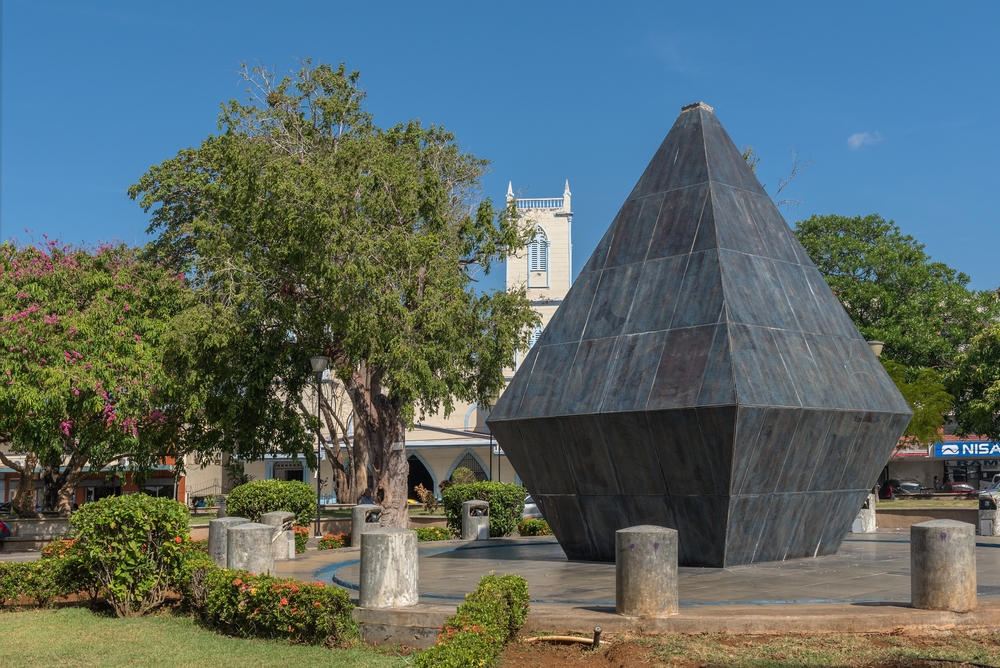
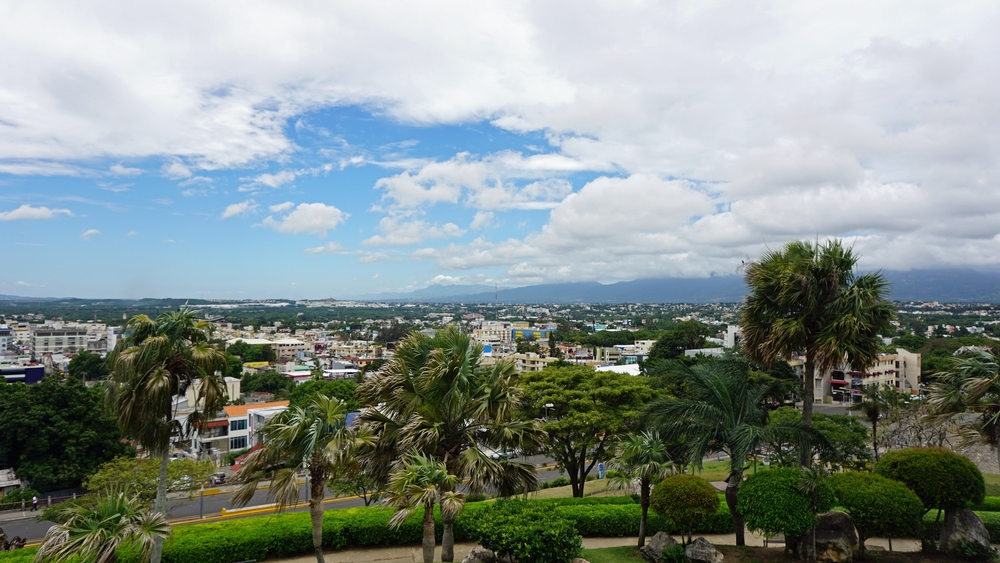
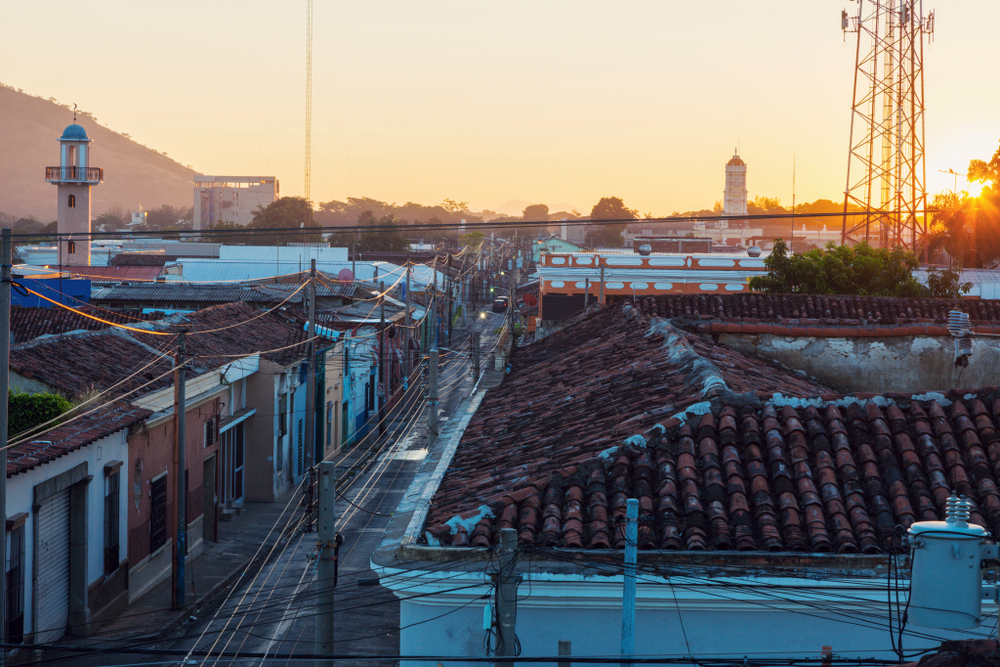
Scenes from Tegucigalpa
Getting around
Transport in Tegucigalpa
Plan on a car, a driver you trust or a ride-hailing app for almost every trip. The State Department advises against walking in Tegucigalpa, citing both crime and traffic, and says robberies of pedestrians by thieves on motorcycles are common.
Uber runs in the city around the clock, and many residents use it or keep a regular driver on call. Skip the public minibuses, which the State Department says not to ride, and don't flag taxis down on the street. The overseas security office (OSAC) warns that gangs control some taxi services in big cities, that public transport is a regular extortion target, and that shared colectivo taxis are best avoided.
If you drive yourself, drive defensively. OSAC notes traffic laws are loosely enforced and the historic center gets badly congested, and the State Department says roads are often poorly lit. Protests near Congress, the Presidential Palace, the universities and along Boulevard Suyapa can close roads for hours.
International flights use Palmerola, about 37 miles northwest of the city, which opened in October 2021. Toncontín, the old airport in town, now handles domestic flights on small planes. U.S. Embassy staff aren't allowed to drive between cities after dark, with the Palmerola run as an exception; it's a sensible rule for any other road trip, too.
- 2.1/sq mi
- Transit stops
- 0.0/sq mi
- Bike infrastructure
- 0.9/sq mi
- Wheelchair-accessible places
Mapped features per square mile from OpenStreetMap.
Keep exploring
Places like Tegucigalpa
Community & practical notes
Settling into Tegucigalpa: neighborhoods, care and routines
Who's here: The foreign crowd is mostly people the capital brings in: diplomats, aid and development staff, teachers and company employees, plus Americans with Honduran family. It's a working-city community, not a retiree scene. Most settle east of the center. OSAC names Colonia Palmira and San Carlos as lower-risk, though muggings happen there too, and lists Villa Nueva, El Rincón, Kennedy and Comayagüela among the higher-crime neighborhoods. It also notes street crime inside gated communities, so visit a building at different times of day before you sign.
Healthcare: Expat guides most often name Honduras Medical Center, Hospital Viera and Centro Médico Hondureño. OSAC says few doctors in the city trained in the U.S. The State Department warns that hospitals often want payment upfront or proof of good insurance, may hold you until the bill is paid, and that ambulances aren't widely available. Medicare doesn't pay abroad, so carry international coverage that includes medical evacuation. Healthcare coach Hunter Schultz, one of our partners, can build a care plan with you, and ExpatInsure can quote the coverage.
Working remotely: Home internet runs about $45 a month in our data. Regus has a center in Torre Nova 2 at Novacentro Los Próceres and sells coworking day passes (listed from $49 a day in 2026) and multi-day access plans.
Schools: The American School of Tegucigalpa, founded in 1946, is a private, coeducational international school in Lomas del Guijarro running from nursery through grade 12. Ask any school directly about current accreditation, fees and openings.
Limited mobility: This is a tough city on a wheelchair or walker. Honduran law bans disability discrimination, but the State Department says it isn't consistently enforced and that accessibility is limited in transport, lodging and general infrastructure. Since walking isn't advised anyway, plan on door-to-door rides and check elevators, ramps and building entrances in person.
LGBTQ expats: Honduras has no legal restrictions on consensual same-sex relationships, but the State Department notes that crimes against gay and lesbian people may go unpunished. Police have harassed patrons at gay nightclubs, and public affection calls for care. Many people keep a lower public profile here and build their circle through work and trusted friends first.
Black Americans: We couldn't find reporting on Black Americans' experience in Tegucigalpa, and the State Department's Honduras page doesn't address race. Before you commit, talk with Black expats already living in Honduras and spend a few weeks here on a trial stay.
Retiring here: Tegucigalpa works for retirees who want to be close to the country's main private hospitals or near family, and who are fine with a life built around drivers and guarded buildings. If you'd rather walk to the market or find an English-speaking circle, other parts of Honduras fit better. Our retirement visa guide compares residency routes across countries, and our Honduras moving guide covers the pensionado route, taxes and where Americans settle.
Housing
Renting and buying
- 1-bed rent (center)
- $550–$750/mo
- 1-bed rent (outside center)
- $350–$450/mo
- Buy price (center)
- $111/sq ft
- Buy price (outside center)
- $79/sq ft
Expatsi estimates, based on rental listings, government statistics, and local reporting.
Good to know
Frequently asked questions
What airport do you fly into for Tegucigalpa?
International flights use Palmerola International Airport, about 37 miles northwest of the city, which opened in October 2021. Toncontín, the old airport in town, now handles domestic flights on small planes.
What is the weather like in Tegucigalpa?
Mild for the tropics, thanks to the altitude. The dry season runs roughly November through April, and rain picks up from May to October, peaking around September. April is warmest, with average highs near 86F, and January and February nights average lows near 60F. The city gets about 37 inches of rain a year.
Is Tegucigalpa safe for Americans?
It's a high-risk city that Americans do live in, but only with strict routines. The State Department rated Honduras Level 3, Reconsider Travel, in August 2026, citing crime and terrorism, and its overseas security office rates Tegucigalpa critical for crime. Residents tend to live in guarded buildings east of the center, ride with known drivers or Uber instead of walking or taking buses, and avoid road trips after dark.
Does Uber work in Tegucigalpa?
Yes. Uber operates in Tegucigalpa around the clock, and it's one of the safer ways to get around. The State Department advises against riding public minibuses or hailing taxis on the street.
How much does it cost to live in Tegucigalpa?
Expatsi's 2026 data puts a couple at about $2,200 a month and a family of four at about $3,200, in U.S. dollars. A simple restaurant meal runs about $7. Renting in a guarded building in one of the safer eastern neighborhoods pushes a budget toward the high end.
Can I retire in Tegucigalpa?
Yes. Honduras offers residency to retirees with a permanent pension, filed through a Honduran lawyer. The capital's draw for retirees is its private hospitals; the tradeoff is a driver-dependent life in a city the State Department flags for crime.
See how Tegucigalpa fits your life
Take the free Expatsi Test and compare Honduras to over 100 countries on what actually matters: cost, healthcare, climate, and safety. About five minutes.
Why not you?