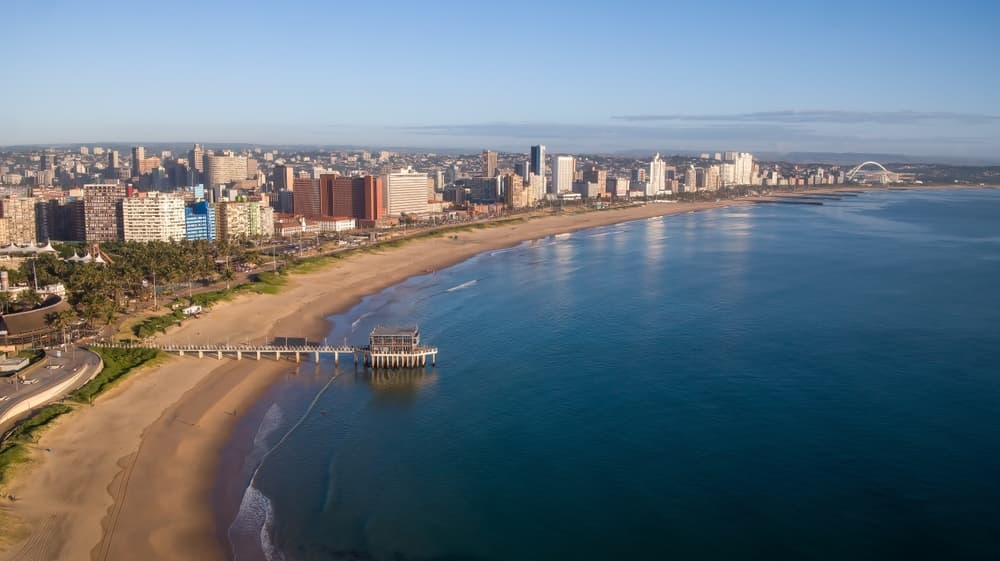
Durban: Indian Ocean living for about $1,400 a month
What it costs, how safe it is, and what daily life looks like in South Africa's warm-water port city, for Americans thinking about a move or retirement.
- 595,061
- Population (2011)
- $1,400/mo
- Monthly budget · single
- 70°F / 21°C
- Avg temperature
A single person in Durban spends around $1,400 a month in U.S. dollars, and most land somewhere between $1,200 and $1,700. Couples should budget about $2,200 and a family of four about $3,500. A one-bedroom near the center rents for about $600 a month, or around $450 farther out. Those are 2026 figures.
Durban is South Africa's warm-water city. The Indian Ocean stays swimmable in July, the food carries the stamp of a large Indian South African community (this is home of the bunny chow tradition), and the beachfront runs for miles. Most newcomers settle north of the center in Umhlanga, where private hospitals, malls and coworking spaces sit a short drive from the sand.
It suits retirees and remote workers who want sea air on a moderate budget. It's a harder fit if you dislike humid summers, get frustrated by uneven municipal services, or don't want to plan your days around security.

Reviewed and updated October 9, 2026 · 4 min read
At a glance
$1,400
Monthly budget · single person
$600/mo 1-bed rent, center
30/100
Safety index
$40
Internet / month
70°Fannual average
Jul 63° · Feb 77°
Climate
595,061
Population (2011)
Expatsi estimates, updated Oct 2026, based on rental listings, government statistics, and local reporting.
Cost of living
What it costs to live in Durban
Single person
$1,200–$1,700/mo
about 55% below Austin, TX
Couple
$1,800–$2,600/mo
about 50% below Austin, TX
Family of four
$2,700–$4,300/mo
about 55% below Austin, TX
Compared with Austin, TX (Expatsi estimate, 2026).
- $6 −70%
- Inexpensive meal
- $500–$700/mo −69%
- 1-bed rent, center
- $350–$550/mo −67%
- 1-bed rent, outside
- $40/mo −38%
- Internet
- $139/sq ft −79%
- Buy price, center
Expatsi estimates, updated Oct 2026, based on rental listings, government statistics, and local reporting.
Daily life
How Durban lives
- C grade, 15th percentile among the cities we track
- Dining & cafésmodest
- B- grade, 25th percentile among the cities we track
- Arts & culturetypical
- B- grade, 35th percentile among the cities we track
- Parks & outdoorstypical
- C grade, 14th percentile among the cities we track
- Schools & educationmodest
- C+ grade, 18th percentile among the cities we track
- Healthcare accessmodest
- C- grade, 0th percentile among the cities we track
- Bike infrastructuremodest
- B- grade, 29th percentile among the cities we track
- Public transittypical
Graded on OpenStreetMap amenity density relative to the 298 cities we track. Accessibility is the exception: it's graded against a fixed standard (terrain steepness and sidewalk surfaces), not a curve.
Climate
Weather through the year
Annual average 70°F (21°C) · 38 in of rain a year · Source: Meteostat station normals (68588, 1991-2020)
On the ground
Scenes from Durban
Getting around
Transport in Durban
Plan on a car or ride-hailing apps for most trips. Uber and Bolt are South Africa's two biggest ride-hailing platforms, and both work in central Durban and Umhlanga. Many newcomers in the northern suburbs drive for groceries and school runs and use an app for evenings out.
The municipal People Mover is the handy exception. Its buses loop through the city center and along the beachfront, with ramps for wheelchairs and strollers. It's great for a day on the Golden Mile and much less useful for getting to and from the suburbs.
A bigger change is arriving slowly. Go! Durban, the city's bus rapid transit network, got its name in 2012 and is still rolling out. As of September 2026, no bus had run on its first corridor, between Pinetown and Bridge City, and public service there was expected in December 2026. Routes toward the city center and Umhlanga come in later stages, with no firm dates yet.
If you drive, follow the State Department's advice for South Africa: keep doors locked and windows closed, and avoid driving outside metro areas at night.
- 7.5/sq mi
- Transit stops
- 0.0/sq mi
- Bike infrastructure
- 1.8/sq mi
- Wheelchair-accessible places
Mapped features per square mile from OpenStreetMap.
Keep exploring
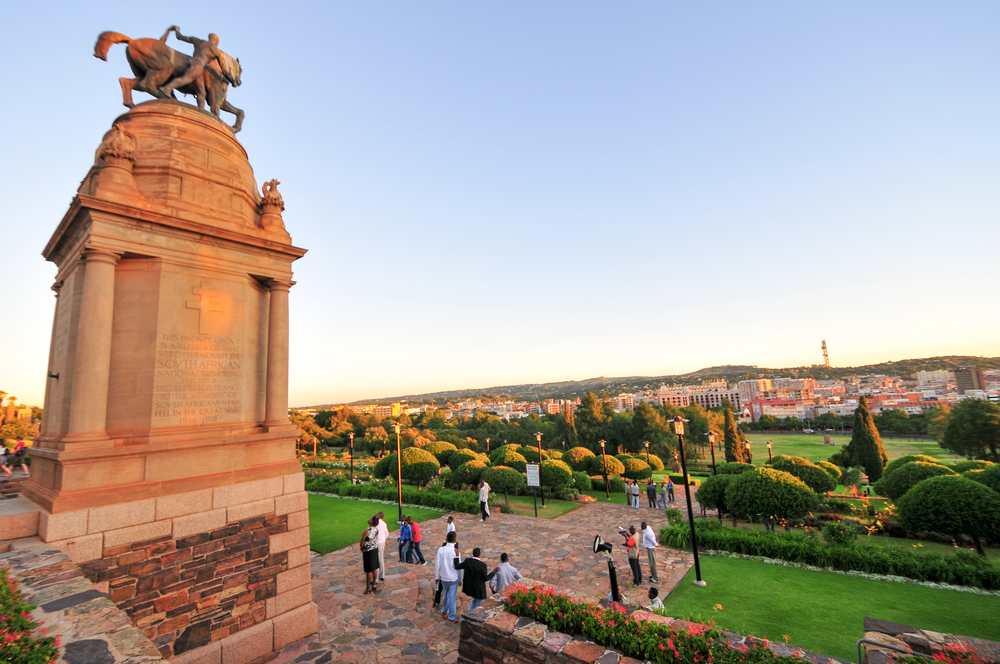
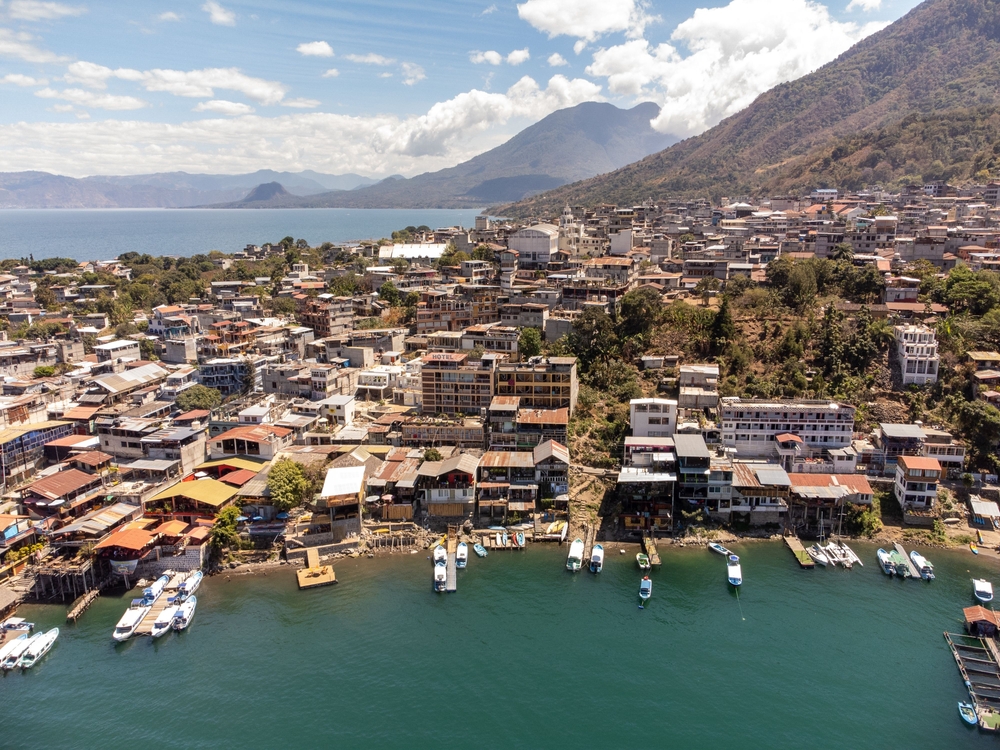
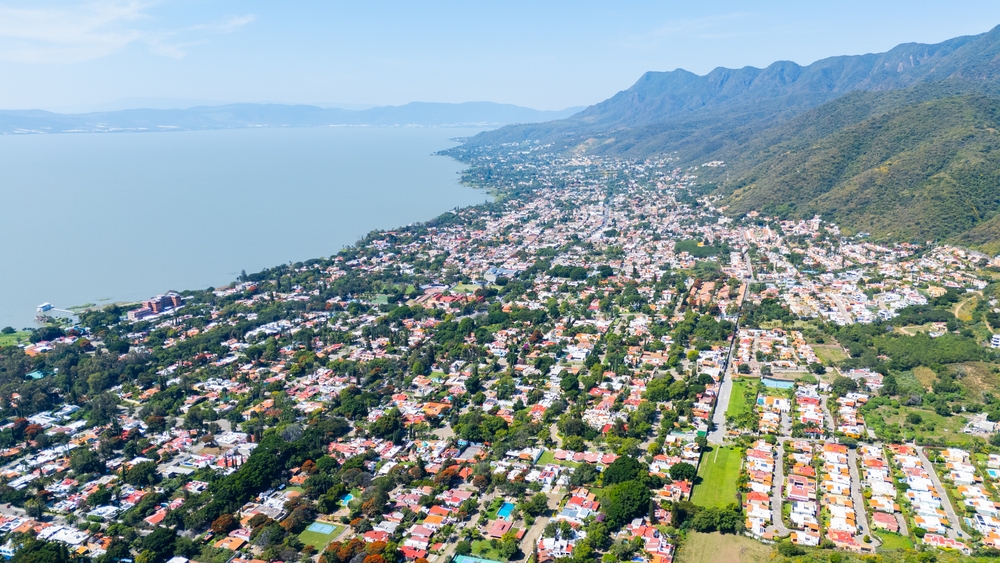
Places like Durban
Community
Community & practical notes
Community: Durban's mix is its draw: a large Indian South African community, Zulu culture, and a surf-town beachfront. Umhlanga is where most foreigners land, with Spaces and Regus coworking centers, big malls and a beach promenade close together.
LGBTQ expats: South Africa has no legal restrictions on same-sex relationships, though Durban holds an annual Pride parade. In July 2026, hundreds marched through the city center to Gugu Dlamini Park, and the speaker of the KwaZulu-Natal Legislature addressed the crowd.
Black Americans: South Africa has no formal repatriation program for Black Americans, so you'll use the same visas as any other U.S. citizen. More Black Americans have been choosing South Africa in recent years, and Durban gets a serious look for its warm ocean and costs below Cape Town's.
Healthcare: Plan on private care. Umhlanga Hospital, part of the Netcare group, has a 24-hour emergency department, and Netcare St Augustine's and Life Entabeni serve the areas closer to the center. Public hospitals such as Addington are often crowded, with long waits. Private hospitals may ask for a deposit before admitting you, and Medicare doesn't cover you abroad, so set up a local medical scheme or international coverage before you need it.
Remote work: Home internet runs about $40 a month. Durban is six to seven hours ahead of Eastern, by season, so a U.S. East Coast workday lands in your afternoon and evening. South Africa had gone 341 straight days without load shedding (scheduled national blackouts) as of April 2026, but local "load reduction" cuts still hit some areas. Ask landlords about backup power before you sign.
Limited mobility: Mixed. The beachfront promenade runs over 5 miles from Blue Lagoon to the harbor mouth, and its newest stretch was built wheelchair friendly. People Mover buses have ramps. Away from the beachfront and the malls you'll depend on a car, so look for a building with an elevator and ask whether it runs on backup power.
Retirement: Durban works for retirees who can budget for private healthcare and like warmth, with average highs near 83°F in January and 74°F in July. South Africa's retired person visa is built for people living on a pension or retirement income. Compare it with other countries on our retirement visa page, and see the full picture in our South Africa guide.
Housing
Renting and buying
- 1-bed rent (center)
- $500–$700/mo
- 1-bed rent (outside center)
- $350–$550/mo
- Buy price (center)
- $139/sq ft
- Buy price (outside center)
- $93/sq ft
Expatsi estimates, based on rental listings, government statistics, and local reporting.
Good to know
Frequently asked questions
How much does it cost to live in Durban as an American?
A single person in Durban typically spends about $1,400 a month in U.S. dollars (2026 figures), with most budgets between $1,200 and $1,700. A couple needs around $2,200 a month. Rent for a one-bedroom apartment near the center averages about $600.
Do you need a car in Durban?
For most people, yes. The municipal People Mover bus covers the city center and beachfront, but suburbs like Umhlanga rely on cars and ride-hailing apps such as Uber and Bolt. Durban's Go! Durban rapid bus network is still rolling out, with its first corridor expected to open to the public in December 2026.
Can I retire in Durban?
Yes. South Africa offers a retired person visa for people living on a pension or other retirement income, and Durban's mild winters and private hospitals draw retirees. Budget for private health coverage, since Medicare doesn't apply abroad and private hospitals may ask for a deposit before admitting you.
Where do expats live in Durban?
Umhlanga, north of the city center, is the usual choice for foreigners. It puts private hospitals, coworking spaces, large malls and a beachfront promenade within a short drive of each other.
Is Durban safe for Americans?
Durban takes planning. The U.S. State Department says violent crime, including robbery and carjacking, is common in South Africa, and it advises against walking alone, especially after dark. Most foreigners live in secure buildings in suburbs like Umhlanga, use Uber or Bolt at night, and drive with doors locked and windows closed.
What is the weather like in Durban?
Durban is warm all year. Average highs sit near 83°F in January and 74°F in July, and July nights average around 52°F. The wettest months run from October through February, and summers are humid.
Is Durban LGBTQ friendly?
South Africa has no legal restrictions on same-sex relationships, and Durban holds an annual Pride parade through the city center. In July 2026, hundreds marched, and the speaker of the KwaZulu-Natal Legislature addressed the crowd.
See how Durban fits your life
Take the free Expatsi Test and compare South Africa to over 100 countries on what actually matters: cost, healthcare, climate, and safety. About five minutes.
Why not you?