Country guide
Japan on $1,500 a month is real. Staying past six months is the hard part.
A working guide to the routes in, what a month costs, and the rule changes already on the calendar for 2027.
That's the whole monthly budget for one person, at about 156 yen to the dollar. The yen is doing the work. For anyone earning in dollars, the money here has quietly become the easy part of the decision. The visa isn't. Japan runs no retirement visa, no golden visa and no residency by investment, and its remote-work permit stops dead at six months. This guide walks every route Americans use, what each one asks for and who it fits, with the rules as they stood in September 2026.

Reviewed and updated September 18, 2026 · 13 min read
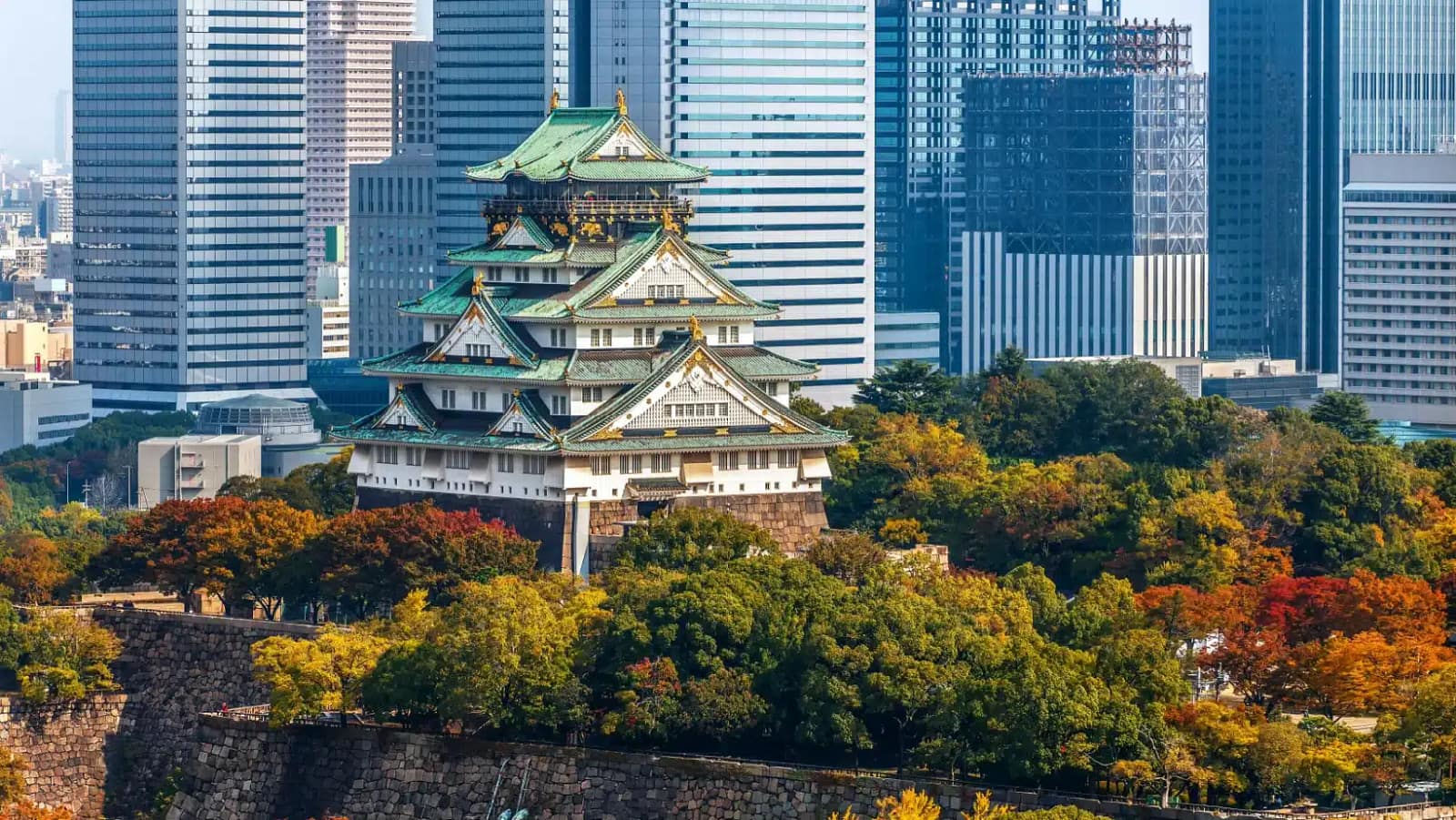
01 · The case for Japan
What your dollars buy in Japan now
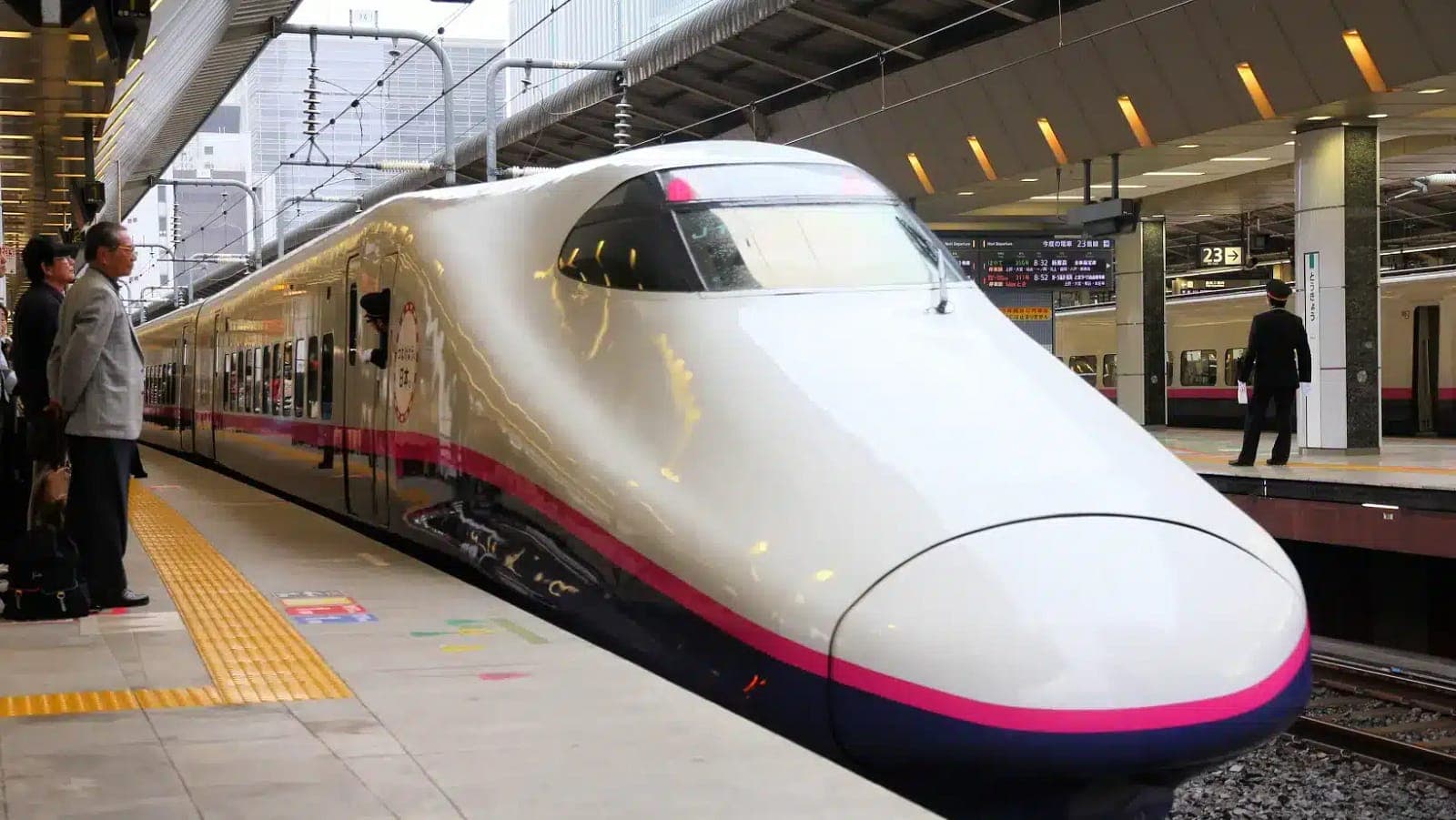
Start with what works
Trains leave on the minute and reach almost everywhere, so a car is optional in every city we cover. Violent crime is low enough that the State Department keeps Japan in its calmest advisory tier. Public health insurance is mandatory and cheap, and it caps what a bad month can cost you. Japan gets the boring things right, and boring is what daily life is made of.
For an American earning dollars, the arithmetic has quietly flipped. Tokyo used to be shorthand for punishing prices. A weak yen turned it into a city where one person's whole monthly budget lands near what a one-bedroom alone costs in Denver.
Japan suits three kinds of people especially well: employees whose skills a Japanese company will sponsor. Founders with real capital. And anyone who wants a dense, walkable, safe city and doesn't need to own the ending.
Here's the catch
The language isn't optional, nor is it easy. Japan placed 96th out of 123 countries in the 2025 EF English Proficiency Index, in the lowest of its five bands, an eleventh straight year of decline. Tokyo and Yokohama score better than the national average. Nowhere in Japan scores like Amsterdam.
Then there's the door itself. Japan spent 2025 and 2026 making long stays harder, not easier. Entrepreneurs now need six times the capital they needed in 2024. Permanent residents can lose that status from 2027 if they let taxes slide. Naturalization screening got stricter in April 2026. Nothing here is hostile. It's a country that's decided to be selective while its prices are cheap, which is an unusual combination and the thing to plan around.
- Safety index
- 80/100
- English proficiency
- 20/100
- Currency
- Japanese Yen (JPY)
- Capital
- Tokyo
- Population
- 124.6M
02 · The money
Japan on an American budget
$1,500
Monthly budget, one person
national average, all in
$2,600
Monthly budget, a couple
comfortable, not frugal
$600
One-bedroom, city center
smaller than an American one-bedroom
$7
Lunch at a counter
and it will be good
Cheap country, expensive city
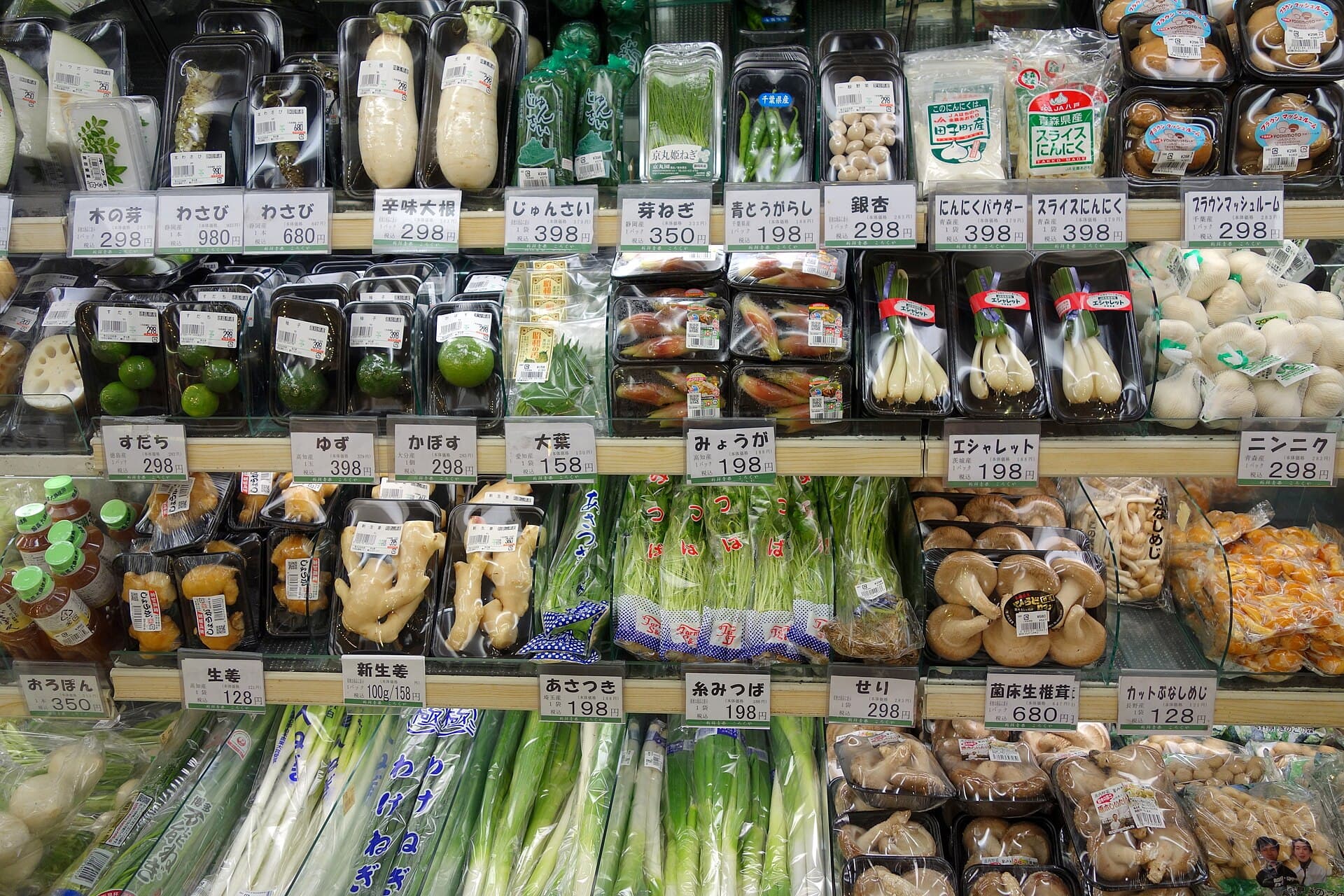
Those figures are national, and Japan's spread between its capital and everywhere else is wide. The $600 figure buys a one-bedroom near the middle of an average Japanese city. In central Tokyo, the same apartment is closer to $900 or $1,200 and will be smaller than you expect. In Fukuoka or Sapporo it can be under $450.
The everyday numbers are what surprise people. A monthly transit pass is about $56. Home internet is about $35. Lunch at a counter is about $7, and it isn't a sad sandwich. Groceries are the one line that runs high, because fruit and beef are expensive and imported goods carry a premium.
What breaks a budget in Japan is almost never the monthly rate. It's the move-in. A standard lease wants four to six months of rent before you get keys, split between a deposit, a non-refundable gift to the landlord, an agency fee, a guarantee-company fee and insurance. On a $700 apartment, that's $2,800 to $4,200 in a single wire transfer. Budget it as a line item, not a surprise.
Why the cheap part and the hard part go together
This is the shape of the Japanese decision, and it's unusual. The cost of living is set by a currency market, and that market has moved in your favor. The cost of entry is set by policy, and policy has moved against you. So the question worth your energy isn't whether you can afford Japan. It's which door you qualify for and how long that door stays open.
03 · Daily life
Life at street level
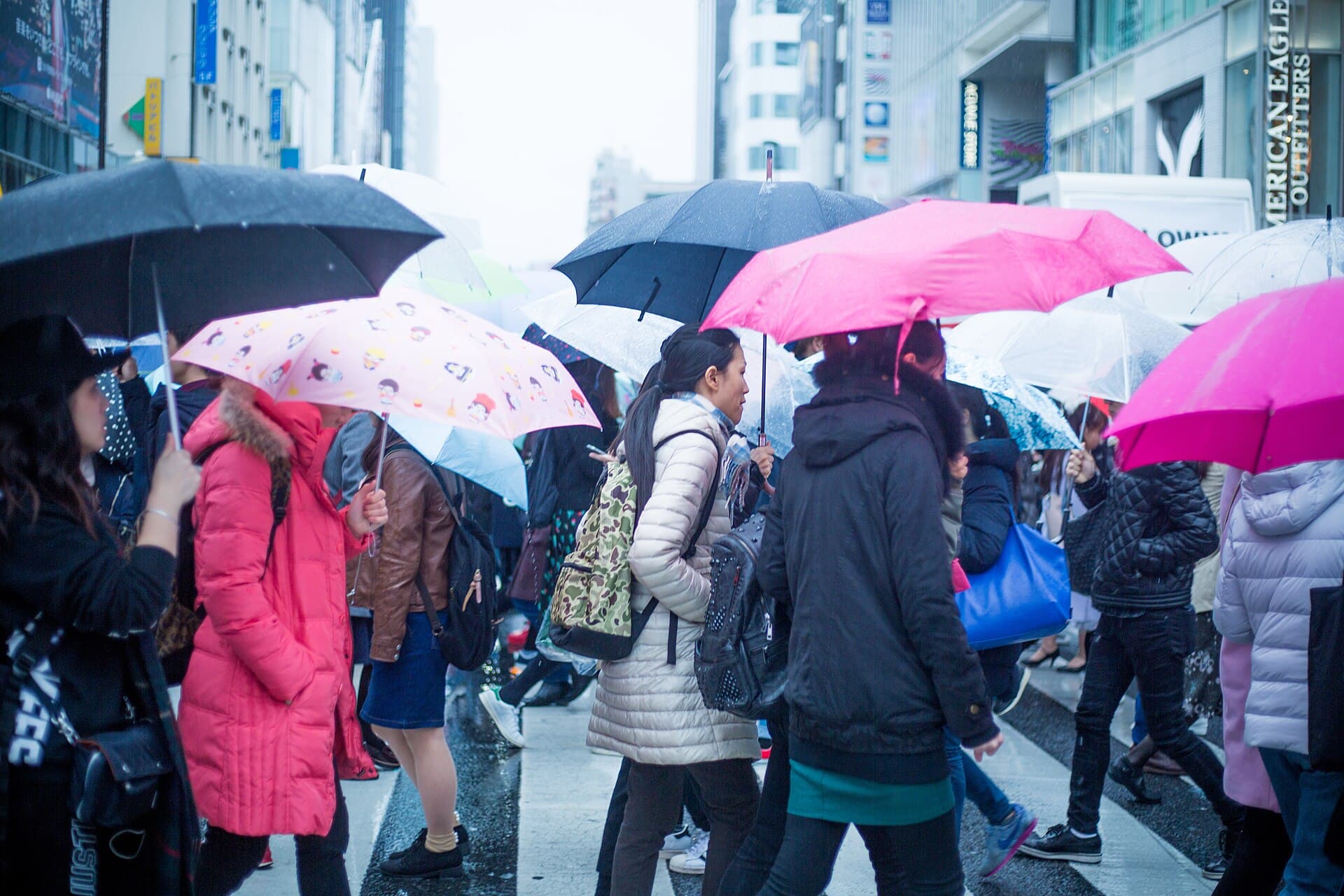
Life without a car
You'll walk and take trains, and you will like it. Tokyo, Osaka, Nagoya, Fukuoka and Sapporo all run subway networks you can live on, and the pass is cheaper than car insurance. Outside the big cities a car starts to matter, and rural Japan is car country. The trade is crowds. Rush hour on a Tokyo line is a physical experience, and apartments are small because land near a station is not.
The language is the whole job
Plan on studying Japanese from your first month, not your first year. Doctors, ward offices, landlords and leases all run in Japanese. Reading is the harder half because you need two syllabaries plus a couple of thousand characters before a rental contract stops being a wall. The payoff is steep. Japanese ability earns points on the skilled visa system, and it's now written into the rules for entrepreneurs.
Four seasons and a fault line
Japan has real seasons, including a hot sticky summer and rainy June. The north gets serious snow. Typhoons arrive between summer and fall and stop the trains for a day. Earthquakes are constant and mostly unnoticed, and the country is better prepared for them than anywhere else on earth. Buildings put up since 1981 meet the modern seismic code, which is worth checking before you sign anything.
What wears Americans down
Not the food, the transit or the safety. It's being permanently slightly outside. Offices are hierarchical and hours can be long. Rules get followed exactly as written. Some landlords still say no to foreign tenants. Americans who thrive here tend to be the ones who find the formality restful rather than cold.
The details that catch people out
The residence card rules you
It carries your status and address, you register changes at the ward office within 14 days, and a mismatch shows up at renewal.
Banking takes a card first
Banks want a residence card and a registered local address before they open an account, which is what makes the six-month nomad status awkward.
Apartments arrive empty
Empty can mean no light fixtures and no stove. Furnished share houses and monthly places exist for the first few months.
Homeschooling is not a thing
Compulsory schooling is taken literally. International schools exist in the big cities and they're not cheap.
It is a long flight
Around 13 hours nonstop from the East Coast and 10 from the West. Tokyo is a day ahead of New York, so calls home become an early-morning habit.
English-speaking doctors are findable
Public insurance works everywhere, but English-language clinics cluster in Tokyo, Osaka and Yokohama, and some of them don't take it at all.
04 · The routes in
The ways in, and none of them is retirement
A job offer, which is the main door
The work visa is Japan's main door, and it starts with a Japanese employer, not with you. The company applies for a Certificate of Eligibility on your behalf. You take that to a consulate. The status then runs one to five years and renews. Tech, finance, teaching, engineering and skilled trades all have real demand. The catch is simple: no employer, no visa.
The skilled-worker fast lane
Japan scores professionals on a points table covering salary, degree, age, experience and Japanese ability. Reach 70 points and permanent residency opens after three years instead of ten. Reach 80 points and it opens after one. A separate track called J-Skip skips the points math for very high earners and is treated like an 80-point file. If you're a senior engineer at a Japanese company, you're probably closer to this than you think.
Starting a business costs six times what it did
The Business Manager visa was Japan's self-funded route, and it was rewritten in October 2025. Paid-in capital went from about $32,000 to about $192,000, which Japan sets in yen at 30 million. You also need at least one full-time employee who is Japanese or holds permanent residence, upper-intermediate Japanese from you or that employee, three years of management experience or a master's degree, a business plan certified by a licensed professional, and real premises. Home offices no longer count. Existing holders have until October 2028 to comply.
Remote work, for exactly six months
Japan's digital nomad status is real and has run since March 2024. It wants about $64,000 of annual income from outside Japan, which Japan sets at 10 million yen, plus private medical insurance. It lasts six months, can't be extended, and you have to spend six months outside the country before reapplying. Here's the part the brochures skip. You get no residence card, so you can't sign a normal lease or open a Japanese bank account. Treat it as a long trial, not a move.
A long stay, if you have the savings
The closest thing Japan has to a retirement visa is a designated-activities status for long stays. You need to be 18 or over and show savings of more than about $192,000 held by you and your spouse, which Japan also sets at 30 million yen. Private medical insurance and six months of bank statements come with it. The status runs six months and can be extended to a year. Then it ends. No work of any kind is allowed, including remote work for an employer back home, dependent children can't come, and none of that time counts toward permanent residency.
School, or a Japanese spouse
A student visa covers language school as well as university, and two years of full-time Japanese is how plenty of people buy themselves a runway. Marriage to a Japanese citizen is the shortest family route: three years of marriage plus a year of living here opens permanent residency.
The visa table, and what it leaves out
| Visa | Category | Application cost | Processing | Difficulty | Guide |
|---|---|---|---|---|---|
| Business Manager Visa | self employment | — | ~30 days | 3/5 | Guide |
| Digital Nomad Visa | digital nomad | — | ~30 days | 2/5 | Guide |
| Student Visa | student | — | ~30 days | 2/5 | Guide |
| Work Visa | skilled work | — | ~53 days | 3/5 | Guide |
About that data table
Three things about the table above. The application-cost column is empty because our data carries no fee for these routes; consular fees rose on July 1, 2026 to 15,000 yen for a single entry, about $96, the first increase since 1978. The difficulty score is printed out of ten but scored out of five, so every Japanese route looks easier there than it is. The digital nomad entry still describes the permit as unpublished, which stopped being true in March 2024. We've flagged all three for our data team.
05 · The fine print
Renting, doctors, taxes and the yen
Renting costs more than the rent
Almost every lease needs a guarantor. Foreign residents use a rent guarantee company instead of a person. That costs half to one month of rent up front, plus a yearly fee. Standard leases run two years, and many charge a renewal month at the end. If the upfront pile is the problem, public UR housing is the workaround worth knowing: no key money, no agency fee, no guarantor, and a deposit of about two months.
Healthcare is the bargain
Anyone staying three months or more has to join public insurance, either through an employer or through the national scheme at the ward office. You then pay 30 percent of the bill at the counter. A high-cost benefit caps a standard earner's share at roughly $510 in any single month, which Japan sets at 80,100 yen, plus a slice of the excess. Premiums are calculated from last year's income, so a new arrival with no Japanese earnings pays close to the flat minimum in year one. Your My Number card doubles as the insurance card.
Taxes, and the five-year cliff
For your first five years, Japan treats you as a non-permanent resident and taxes your Japanese income plus any foreign income you bring in. Cross five years inside any ten and Japan taxes your worldwide income. National rates run 5 to 45 percent, with a 2.1 percent surcharge on the tax itself and around 10 percent of local inhabitant tax on top. Two other rules bite later. Leaving with financial assets over about $641,000 can trigger an exit tax on unrealized gains. And Japan's inheritance tax reaches 55 percent once you pass 10 years here. You keep filing a 1040 the whole time, so get this modeled by an accountant who works both systems while you still have a U.S. address.
Moving money, and buying a house
Japan is unusually open on property. Foreigners can buy freehold with no nationality or visa test at all. The country counted about 9 million empty homes in its 2023 housing survey, 13.8 percent of the stock, and rural houses really do sell for the price of a used car. None of it gets you residency; mortgages are hard without permanent residence; and a renovation quote can easily beat the purchase price.
This guide is dated on purpose
Two Japanese numbers move on their own. The yen is one. Everything above converts at about 156 yen to the dollar, its mid-September 2026 level, and a stronger yen makes every dollar figure here look worse. The rules are the other. Three separate tightenings land between October 2025 and April 2027, so check the date on any Japan guide you read, including this one, and confirm thresholds with the Immigration Services Agency on the day you file.
06 · Where to live
Japan city guides, as they go live
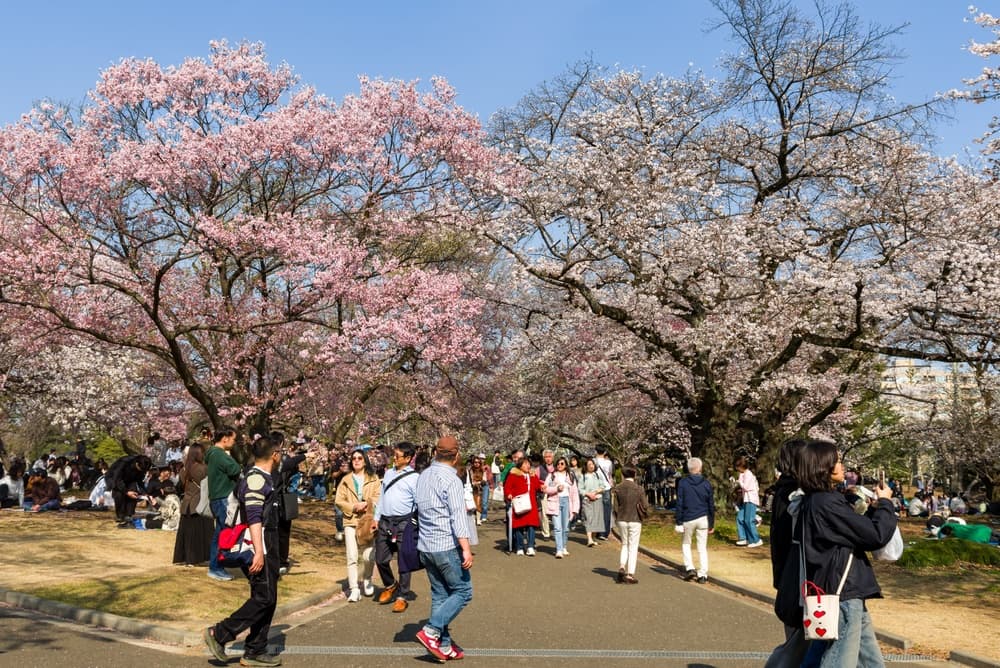
Tokyo
Dense and walkable
Trains run on the minute and the streets are safe at any hour, so a quiet base like Setagaya or Nakameguro with a station five minutes away works well. English-speaking clinics cluster here more than anywhere else in Japan. The catch is small apartments and a move-in bill of several months' rent.
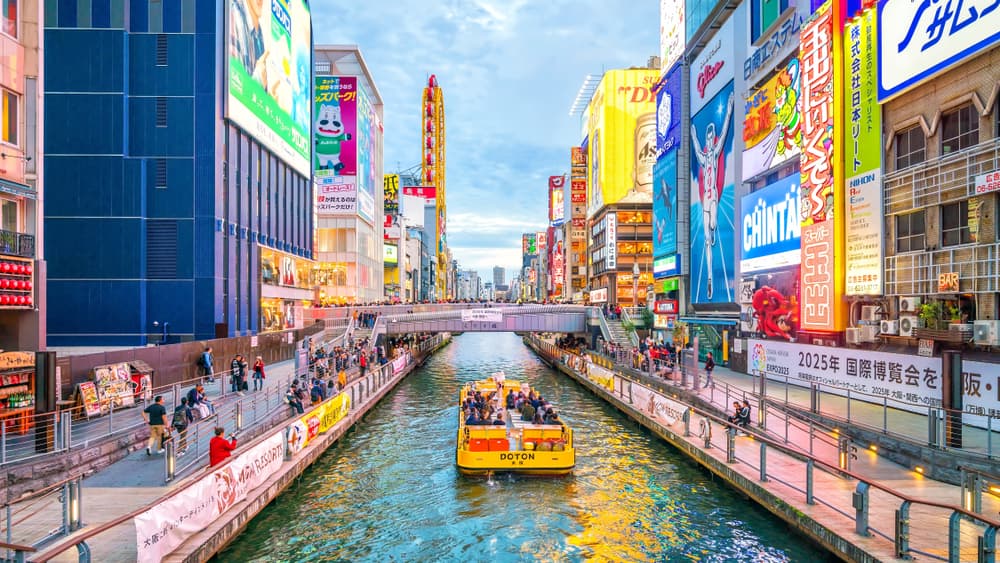
Osaka
Loud, friendly, food-first
A big city that feels less formal than Tokyo, with a name for people who chat with strangers and a food scene built on takoyaki and okonomiyaki. Umeda and Namba put the subway at your door, and Kyoto and Kobe are a short train ride away. You'll still need Japanese for the lease.
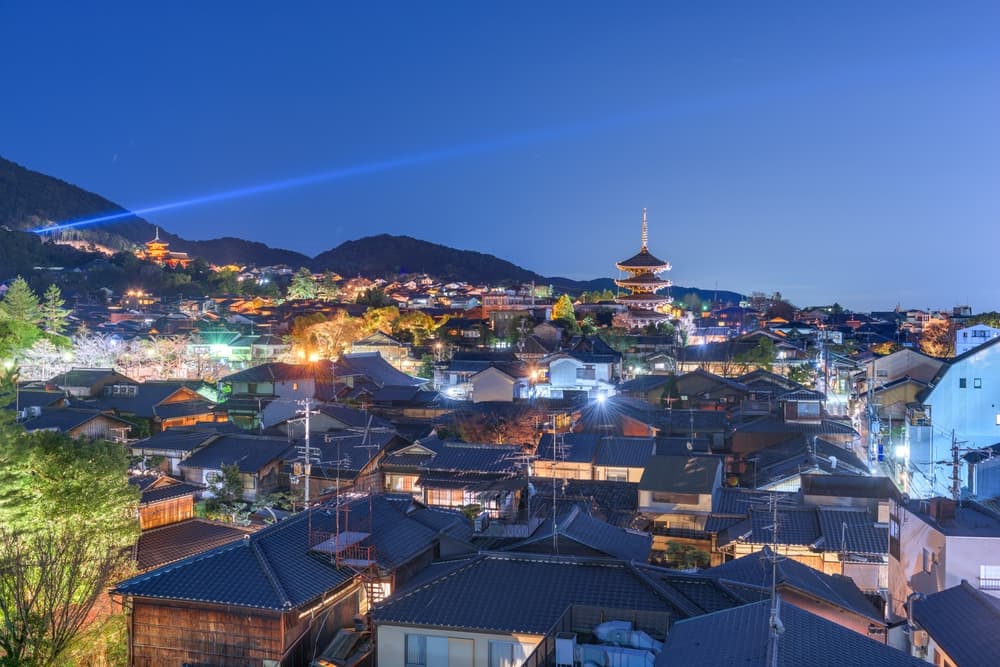
Kyoto
Temples and slow streets
Old imperial capital where life runs around temple gardens, wooden machiya streets, cherry blossom in spring and red maples in November. Quiet residential pockets near the Kamo River suit cyclists on the flat grid. The catch is tourist crowds on buses and at the big sights, and a small subway so most trips are by bus.
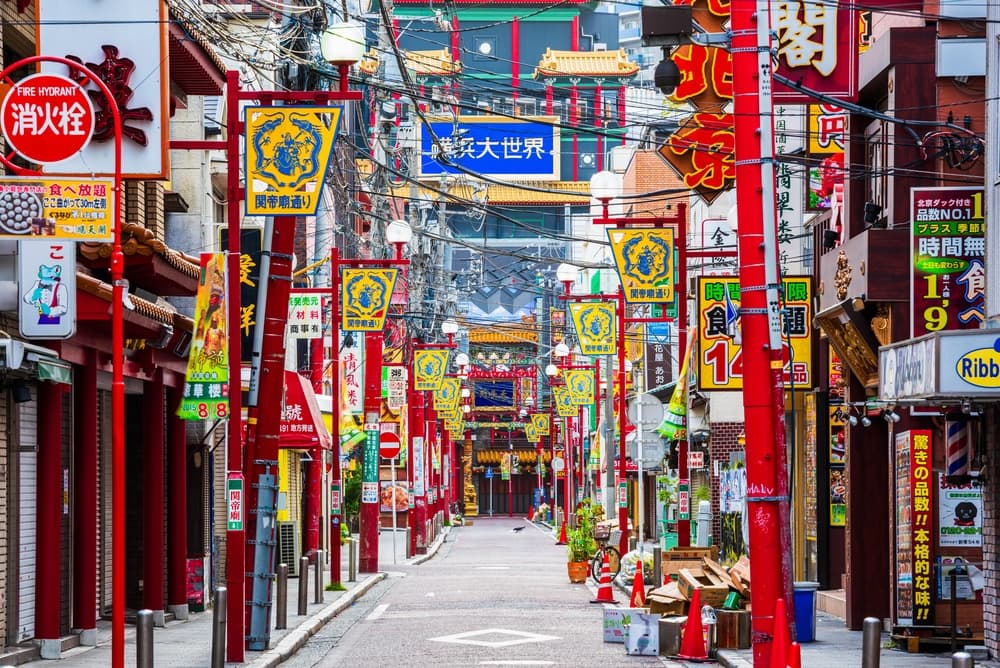
Yokohama
Quieter than Tokyo
A port city about half an hour from central Tokyo by train, with sea air, wider streets and more space for the rent. Minato Mirai and Motomachi suit people who want city life without the Tokyo crush. The catch is that most English-speaking work is still in Tokyo, so many residents commute.
Tokyo is the default, not the only answer
Tokyo
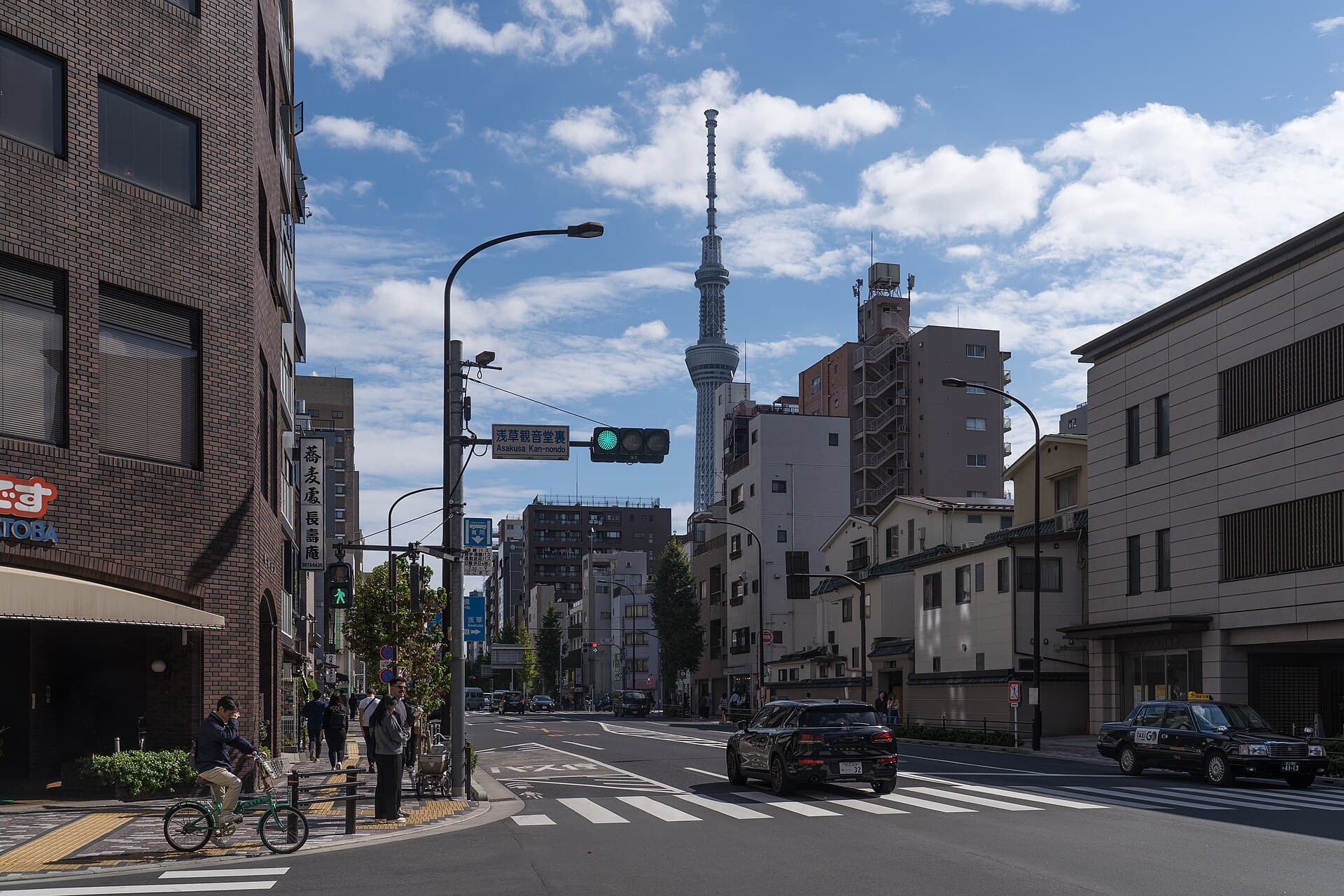
The default. It's also the priciest and easiest place to get by in English. Greater Tokyo holds around 37 million people, so think in neighborhoods rather than in the city. The eastern and western wards cost meaningfully less than Minato or Shibuya.
Osaka
Cheaper, blunter and funnier than Tokyo, with the same transit quality and a serious food culture. Rents run well below the capital and the airport connects to the rest of Asia. Kansai's accent and directness suit a lot of Americans better.
Fukuoka
The value pick. A coastal city on Kyushu with a startup push, an airport near downtown and rents that make the cost row above look generous. Winters are mild.
Kyoto
Beautiful, smaller, and far more conservative about renting to foreigners than its tourist reputation suggests. Best for people tied to a university or a craft.
Sapporo
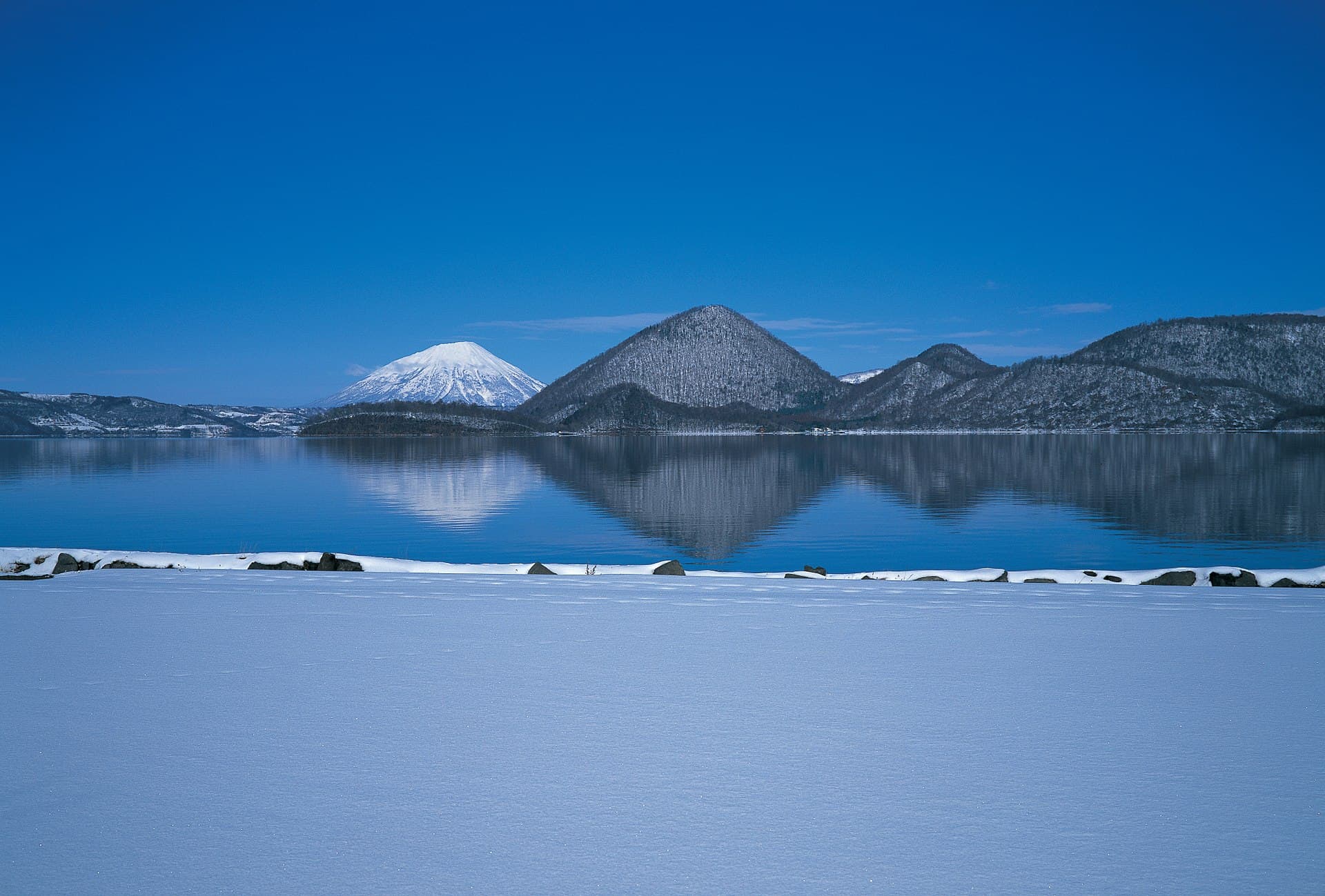
Cheap, spacious and properly cold, with ski country an hour away. Hokkaido is also where Japan's shrinking population shows up first, which cuts both ways.

07 · Help, if you want it
The help that matters here
Japan's paperwork doesn't run through consultants. It runs through two counters: the Immigration Services Agency, which decides your status, and your local ward office, which registers your address and enrolls you in insurance and pension. Both work in Japanese, and both are fast when your file is complete. So the bottleneck is rarely advice. It's the half of the file somebody else has to produce: an employer's Certificate of Eligibility, a landlord's signature, or since October 2025, a licensed scrivener's sign-off on a business plan. The groups below follow where the time goes.

ExpatInsure
Global Health Insurance
Private medical insurance matters here in two narrow cases, not as a replacement for the public system. Both the six-month remote-work status and the long-stay savings route require a policy, and the nomad rules set a specific coverage floor in yen.
Learn more
Moneycorp
Currency Exchange
Currency broker. A Japanese move front-loads one uncomfortably large transfer, because the deposit, the key money and the fees all clear before you get keys. The rate you happen to catch that week is worth more than any fee you could negotiate.
Learn more
Go deeper
Read these before the paperwork starts. One of them will change your plan.
How To Move To Japan
Thinking about relocating to Japan but not sure where to start? This webinar is your step-by-step guide to making the move with clarity and confidence. Whether you're considering a temporary stay, permanent residency, or exploring citizenship options.
Our own walkthrough of the Japanese routes, recorded for members.
Learning a Language
Tips for starting and staying motivated in learning a new language.
Read this one first. On a country that scores in the bottom band for English, the language plan is the immigration plan.
Can I get healthcare?
Our partner Hunter Schultz explains what you need to know if you're concerned about healthcare abroad.
How coverage works when you leave the U.S. system, including the gap before you enroll.
The people who moved last year
Japan
Expatsi Community
Our Japan group is where people compare ward offices, guarantor companies and language schools, and where somebody has already made the mistake you're about to make.
Join the communityThe questions that decide it
How long does it take to get permanent residency in Japan?
Ten years is the standard rule, and at least five of those have to be on a work or residence status. There are real shortcuts. Seventy points on the skilled-professional table cuts it to three years. Eighty points, or the J-Skip track, cuts it to one. Marriage to a Japanese citizen needs three years of marriage plus a year living in Japan. Clean tax and social-insurance records matter more than applicants expect, and from April 2027 willful non-payment can cost you the status after you have it. One thing to be clear about: permanent residency is the realistic destination here, not citizenship. Japan doesn't permit dual nationality, so naturalizing means handing back your U.S. passport.
Does Japan have a digital nomad visa, and can I renew it?
Yes, and no. Japan has issued a six-month remote-work status since March 2024 for people earning about $64,000 a year or more from outside the country, set in yen at 10 million, with private medical insurance required. It cannot be extended or renewed, and you have to spend six months outside Japan before applying again. Holders get no residence card, which in practice means no standard apartment lease and no Japanese bank account.
How much money do you need to live in Japan?
Figure on roughly $1,500 all in for a single person, and about $2,600 for two, on national averages priced in September 2026. Central Tokyo runs higher, mostly on rent. Regional cities like Fukuoka and Sapporo run lower. The figure people forget is the move-in cost on a Japanese lease. That's commonly four to six months of rent, paid before you get keys.
Can an American retire in Japan?
Not on a retirement visa, because Japan does not have one. The closest route is a designated-activities status for long stays: you must be 18 or over and show savings of more than about $192,000, which Japan sets at 30 million yen, held by you and your spouse, plus private medical insurance. It gives you six months, extendable once to a year, and that is the ceiling. No work is permitted, including remote work for an American employer, and children cannot come along. Retirees who settle in Japan for good almost always do it through a Japanese spouse or a business.
Do I need to speak Japanese to live in Japan?
To live well, yes. Japan ranked 96th out of 123 countries in the 2025 EF English Proficiency Index, in the lowest band, so English will not carry daily life outside a handful of international workplaces. Medical appointments, leases and government offices all run in Japanese. Language ability also has immigration value: it earns points toward faster permanent residency, and upper-intermediate Japanese is now written into the rules for entrepreneurs.
Will I pay tax in Japan and the United States?
You'll file in both, and a tax treaty plus foreign tax credits are what stop you paying twice. For your first five years Japan taxes your Japanese income plus foreign income you remit into the country. Once you have lived in Japan more than five of the past ten years, Japan taxes your worldwide income, with rates from 5 to 45 percent plus a 2.1 percent surcharge and about 10 percent of local tax. Americans keep filing a 1040 regardless. Price the overlap with an accountant who works both systems, and do it while you still have a U.S. address.
Is Japan safe to live in?
Very, in the ways people mean when they ask. Violent crime is low, the State Department keeps Japan in its calmest advisory tier, and cities feel safe at night. The real risk is geological. Japan sits on the Pacific Ring of Fire, earthquakes are routine, and typhoons disrupt late summer. Preparation is normal life here: buildings built since 1981 meet the modern seismic code, warnings reach your phone in seconds, and a serious tsunami bulletin is issued within about three minutes.
Can an American buy a house in Japan?
Yes, with no nationality or visa requirement at all, which makes Japan one of the most open property markets in the developed world. Japan counted about 9 million vacant homes in its 2023 housing survey, 13.8 percent of all housing, and rural ones sell for very little. Two warnings. Buying property gives you no immigration status whatsoever. And mortgages are hard to get without permanent residence, so cash is the practical answer.
Sources
- Long Stay for sightseeing and recreation · Japan Ministry of Foreign Affairs (checked 2026-09-18)
- Designated activities: Digital Nomad · Japan Ministry of Foreign Affairs (checked 2026-09-18)
- Visa (Others) · Embassy of Japan in the United States (checked 2026-09-18)
- Business Manager visa reforms take effect · KPMG (checked 2026-09-18)
- International Tax 2026: Japan · Chambers and Partners (checked 2026-09-18)
- Japan health system profile · Commonwealth Fund (checked 2026-09-18)
- English Proficiency Index 2025, Japan · EF Education First (checked 2026-09-18)
- Japan drops to 96th in English ranking · Nippon.com (checked 2026-09-18)
- Japan travel advisory · U.S. State Department (checked 2026-09-18)
- Permanent residency before ten years · ACROSEED Immigration Lawyers (checked 2026-09-18)
- Naturalization screening from April 2026 · ACROSEED Immigration Lawyers (checked 2026-09-18)
- Permanent residency and the 2024 revocation reform · Tree Global Partners (checked 2026-09-18)
- National Health Insurance guidebook 2026 · Nerima City, Tokyo (checked 2026-09-18)
- Japan's 9 million vacant homes, 2023 housing survey · Akiya Japan (checked 2026-09-18)
- Renting as a foreigner: costs and guarantors · Cove Japan (checked 2026-09-18)
- USD/JPY exchange rate · Trading Economics (checked 2026-09-18)
Is Japan the right trade for you?
Talk to an Expatsi advisor about your personalized expat roadmap and the partners who help you navigate it.