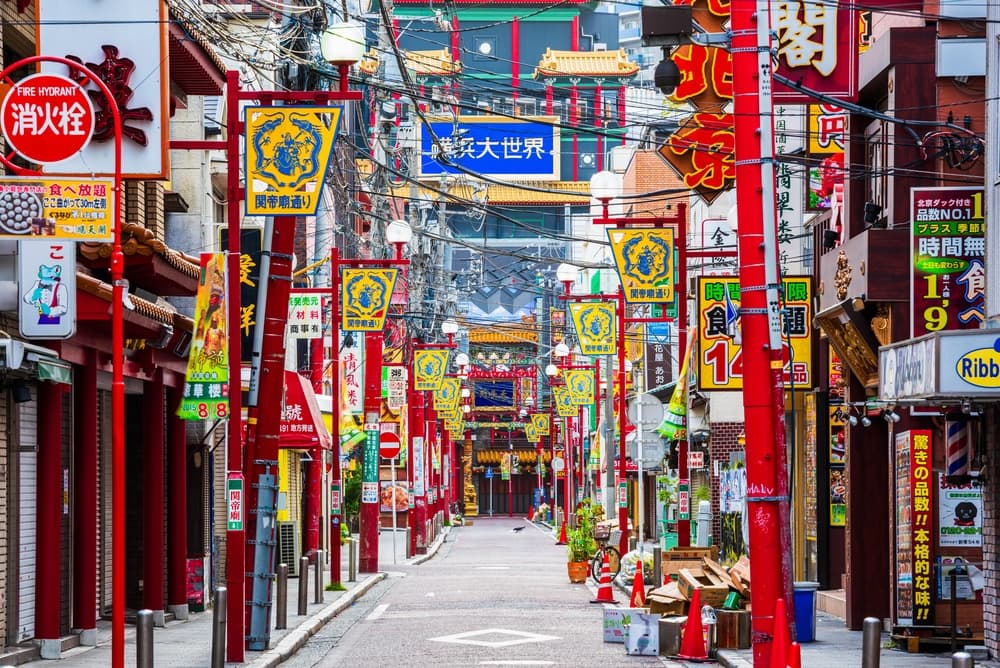
Yokohama: a port city with room to breathe, half an hour from Tokyo
What a month costs, how safe it is, and who it suits, for Americans thinking about moving to Japan's big port city.
- 3,757,630
- Population (2020)
- $2,000/mo
- Monthly budget · single
- 60°F / 15°C
- Avg temperature
Budget about $2,000 a month if you're moving to Yokohama on your own; depending on how you live, the realistic band is $1,600 to $2,400. Couples land near $3,000, and a family of four near $4,400. Rent explains most of the spread: around $800 for a one-bedroom close to the center, about $550 farther out. All figures are in U.S. dollars, as of 2026.
With about 3.76 million people (2020 count), Yokohama is a big city in its own right, yet central Tokyo is about half an hour away by train. It suits people with a Tokyo job who want wider streets and sea air at home, remote workers paid in dollars, and anyone drawn to waterfront neighborhoods like Minato Mirai and Motomachi.
It's a tougher fit if you need English to get through the week or want to retire here on savings. Most English-speaking work is still in Tokyo, the ward office runs in Japanese, and Japan's long-stay option for people with savings tops out at a year.

Reviewed and updated October 9, 2026 · 4 min read
At a glance
$2,000
Monthly budget · single person
$800/mo 1-bed rent, center
82/100
Safety index
$35
Internet / month
60°Fannual average
Jan 42° · Aug 80°
Climate
3,757,630
Population (2020)
Expatsi estimates, updated Oct 2026, based on rental listings, government statistics, and local reporting.
Cost of living
What it costs to live in Yokohama
Single person
$1,600–$2,400/mo
about 35% below Austin, TX
Couple
$2,500–$3,500/mo
about 35% below Austin, TX
Family of four
$3,600–$5,100/mo
about 45% below Austin, TX
Compared with Austin, TX (Expatsi estimate, 2026).
- $7 −65%
- Inexpensive meal
- $650–$950/mo −59%
- 1-bed rent, center
- $450–$650/mo −59%
- 1-bed rent, outside
- $35/mo −46%
- Internet
- $75/mo +82%
- Transit pass
- $604/sq ft −7%
- Buy price, center
Expatsi estimates, updated Oct 2026, based on rental listings, government statistics, and local reporting.
Daily life
How Yokohama lives
- A grade, 89th percentile among the cities we track
- Dining & cafésstandout
- A- grade, 81st percentile among the cities we track
- Arts & culturestrong
- B- grade, 39th percentile among the cities we track
- Parks & outdoorstypical
- A- grade, 76th percentile among the cities we track
- Schools & educationstrong
- A grade, 87th percentile among the cities we track
- Healthcare accessstandout
- B grade, 40th percentile among the cities we track
- Bike infrastructuretypical
- A- grade, 82nd percentile among the cities we track
- Public transitstrong
- A+ grade, good physical accessibility
- Accessibilitygood
Graded on OpenStreetMap amenity density relative to the 298 cities we track. Accessibility is the exception: it's graded against a fixed standard (terrain steepness and sidewalk surfaces), not a curve.
Climate
Weather through the year
Annual average 60°F (15°C) · 63 in of rain a year · Source: Meteostat station normals (47670, 1971-2000; no sunshine data); sunshine: Yokohama (1991–2020 normals extremes 1896–present) via en.wikipedia.org/wiki/Yokohama
On the ground
Scenes from Yokohama
Getting around
Transport in Yokohama
Yokohama runs on rails. Two municipal subway lines handle much of the local travel: the Blue Line between Shonandai in the southwest and Azamino in the north, and the Green Line from Nakayama to Hiyoshi by way of Center Kita and Center Minami, the hub of the Kohoku New Town suburbs. JR and private railways carry commuters into central Tokyo in about half an hour, a trip plenty of residents make every workday. Plan on about $75 a month for transport.
Choose your neighborhood by your commute. Living near a station on the line you'll use most matters more than which ward you pick, especially if you're heading into Tokyo daily.
Do you need a car? For most people, no. Trains handle daily life and the Tokyo run, and a rental covers the occasional trip out of town.
- 58/sq mi
- Transit stops
- 3.3/sq mi
- Bike infrastructure
- 45/sq mi
- Wheelchair-accessible places
Mapped features per square mile from OpenStreetMap.
Keep exploring
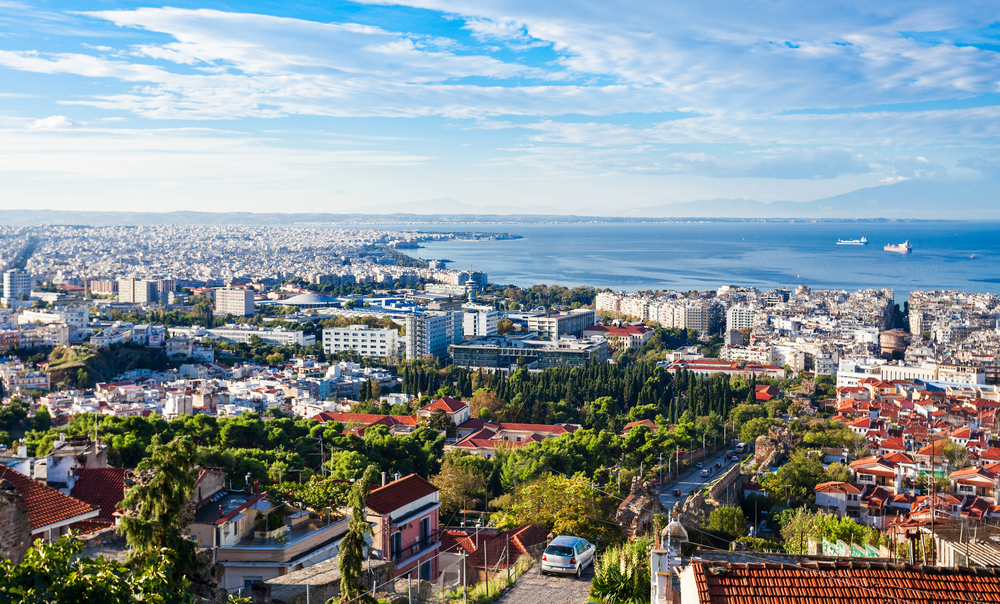
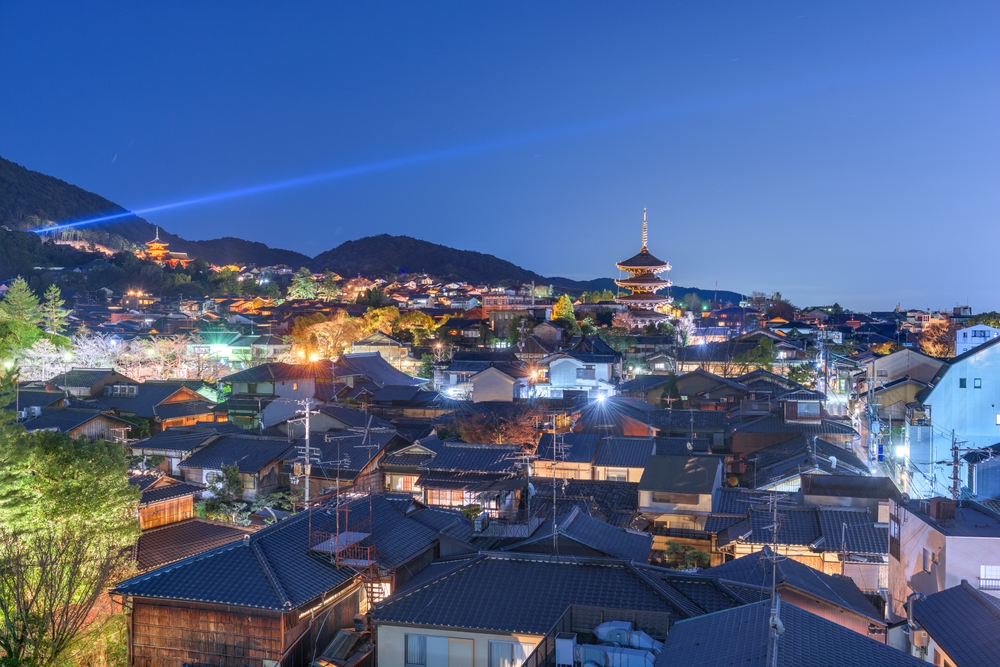
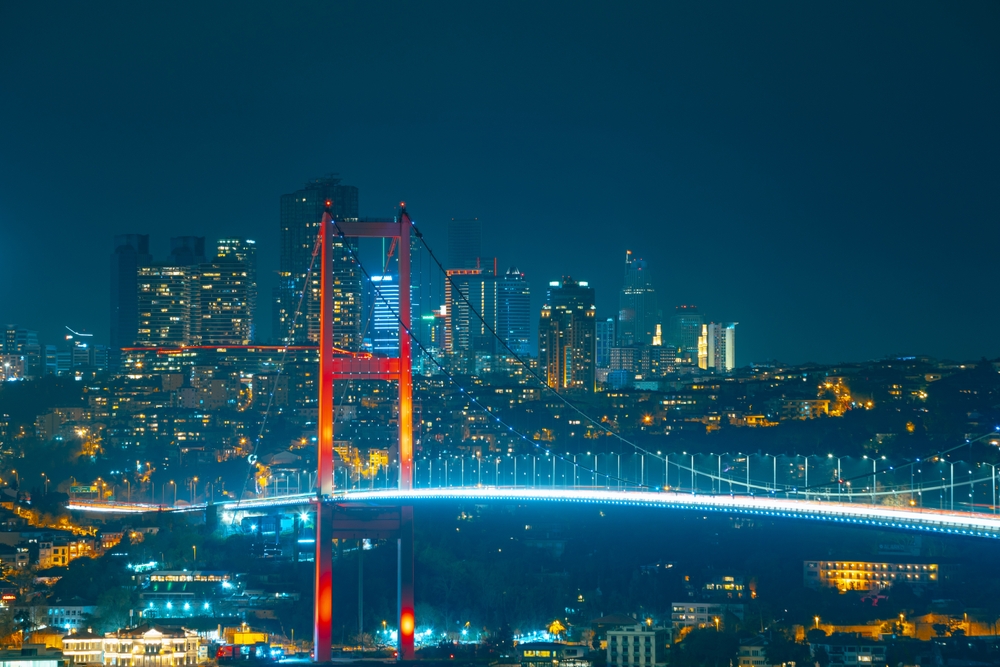
Places like Yokohama
Settling in
The practical side of a Yokohama move
Getting help in English
Yokohama's multilingual information center offers free consultations in 12 languages, English included, Monday through Friday from 10 a.m. to 4 p.m. (045-222-1209). Start there for everyday paperwork or a call you'd rather not make in Japanese. Questions about your residence status go to the Immigration Services Agency instead.
Healthcare
Our guide to moving to Japan explains how the public health insurance system works. To find a doctor who speaks English, the city points residents to the Japan Tourism Agency's English search for medical institutions and keeps its own list of hospitals with foreign-language staff. Its night and holiday emergency clinic phone lines don't operate in foreign languages, so keep a Japanese-speaking contact handy. Sort out medications before you fly: the State Department says U.S. prescriptions aren't honored in Japan, and some drugs, Adderall among them, are illegal there.
Working remotely
Home internet runs about $35 a month. Japan is 13 to 14 hours ahead of Eastern, by season, so a 10 a.m. call in New York lands at 11 p.m. or midnight in Yokohama.
LGBTQ expats
Japan doesn't recognize same-sex marriage. Six appeals on the question went to the Supreme Court's Grand Bench in March 2026, and a ruling could come as early as 2027. Yokohama has run a partnership oath system since December 2, 2019, but its certificate isn't legally binding, the process is in Japanese, and a foreign partner needs a certificate of single status from their embassy with a Japanese translation. Plan on each partner qualifying for a visa on their own.
Black Americans
The State Department rates Japan Level 1, its lowest advisory, and says hate-related violent crime is rare. It also notes that some U.S. citizens report being targeted for discrimination because of their race or nationality. Talk with Black Americans already living in Japan before you commit to a lease.
Limited mobility
Japanese law bans discrimination against people with disabilities, though the State Department notes accessibility rules are rarely enforced in older buildings. Access in Yokohama varies by station and by building, so check the elevators on your daily route before you sign for an apartment.
Retiring in Yokohama
The waterfront, the trains and the slower pace than Tokyo appeal to retirees, but the visa is the hurdle. Japan's closest option is a long-stay status for people with savings of more than 30 million yen. It's granted for 6 months, can be extended to a maximum 1-year period, requires private medical travel insurance, and doesn't allow dependent children to come along. Our guide to moving to Japan covers the routes that lead to residency, and our guide to retirement visas compares countries built for retirees.
Housing
Renting and buying
- 1-bed rent (center)
- $650–$950/mo
- 1-bed rent (outside center)
- $450–$650/mo
- Buy price (center)
- $604/sq ft
- Buy price (outside center)
- $390/sq ft
Expatsi estimates, based on rental listings, government statistics, and local reporting.
Good to know
Frequently asked questions
How far is Yokohama from Tokyo?
Central Tokyo is about half an hour from Yokohama by train, which is why many residents live in Yokohama and commute to work in Tokyo.
Can same-sex couples move to Yokohama together?
Yes, but Japan doesn't recognize same-sex marriage, so each partner generally needs their own visa. Yokohama offers a partnership oath certificate, which isn't legally binding. Six marriage appeals are before Japan's Supreme Court, with a ruling possible as early as 2027.
How much does it cost to live in Yokohama?
Plan on about $2,000 a month for one person in Yokohama, or about $3,000 for a couple, in U.S. dollars as of 2026. Rent is the biggest variable, with a one-bedroom near the center around $800 a month.
What is the weather like in Yokohama?
Summers are hot and humid, with August average highs near 86F. Winters are mild, with January average lows around 35F. September is usually the wettest month, and the city gets about 63 inches of rain a year.
Do I need to speak Japanese to live in Yokohama?
You'll get by on day one without it, but daily life is much easier with some Japanese. Ward office procedures, leases and emergency clinic phone lines run in Japanese. The city's multilingual information center offers free help in English on weekdays.
Is Yokohama safe for Americans?
Yes. Yokohama scores 82 out of 100 on Expatsi's safety index, and the U.S. State Department rates Japan Level 1, its lowest travel advisory. The same advisory notes that some Americans report discrimination based on race or nationality.
Can I retire in Yokohama?
Not easily. Japan's closest option for retirees is a long-stay status for people with savings of more than 30 million yen. It's granted for 6 months and can be extended to a maximum 1-year period, so it isn't a path to settling permanently.
See how Yokohama fits your life
Take the free Expatsi Test and compare Japan to over 100 countries on what actually matters: cost, healthcare, climate, and safety. About five minutes.
Why not you?