Complete guide to moving to Costa Rica
Moving to Costa Rica: the honest 2026 guide for Americans
Retirees and remote workers thrive here, and skilled workers hit a wall. Here's the no-spin version: what it costs, the residency that fits your money, and who does the paperwork.
The no-spin playbook: real costs, the residents Costa Rica actually wants, the visa that fits your income, and the one thing that trips up skilled workers.

By Jen Barnett, Co-founder, Expatsi
Reviewed and updated September 28, 2026 · 12 min read
01 · The case for Costa Rica
Why Costa Rica, and who it's really for

Costa Rica is one of the easiest countries in the world for an American to actually settle in, as long as you aren't counting on a local paycheck. That's the whole story in one sentence, and the rest of this guide unpacks it. Here's the honest version of why people love it, and who should probably look elsewhere.
Start with the basics. It's a small, stable democracy that has gone more than 75 years without an army; it runs a public healthcare system that consistently ranks among the best in Latin America; and it's genuinely close to home. San Jose is about a three-hour flight from Miami, the country sits on Central time with no daylight savings, so you're an hour off the East Coast and the workday lines up with the U.S. You don't have to disappear to the other side of the planet to make this move.
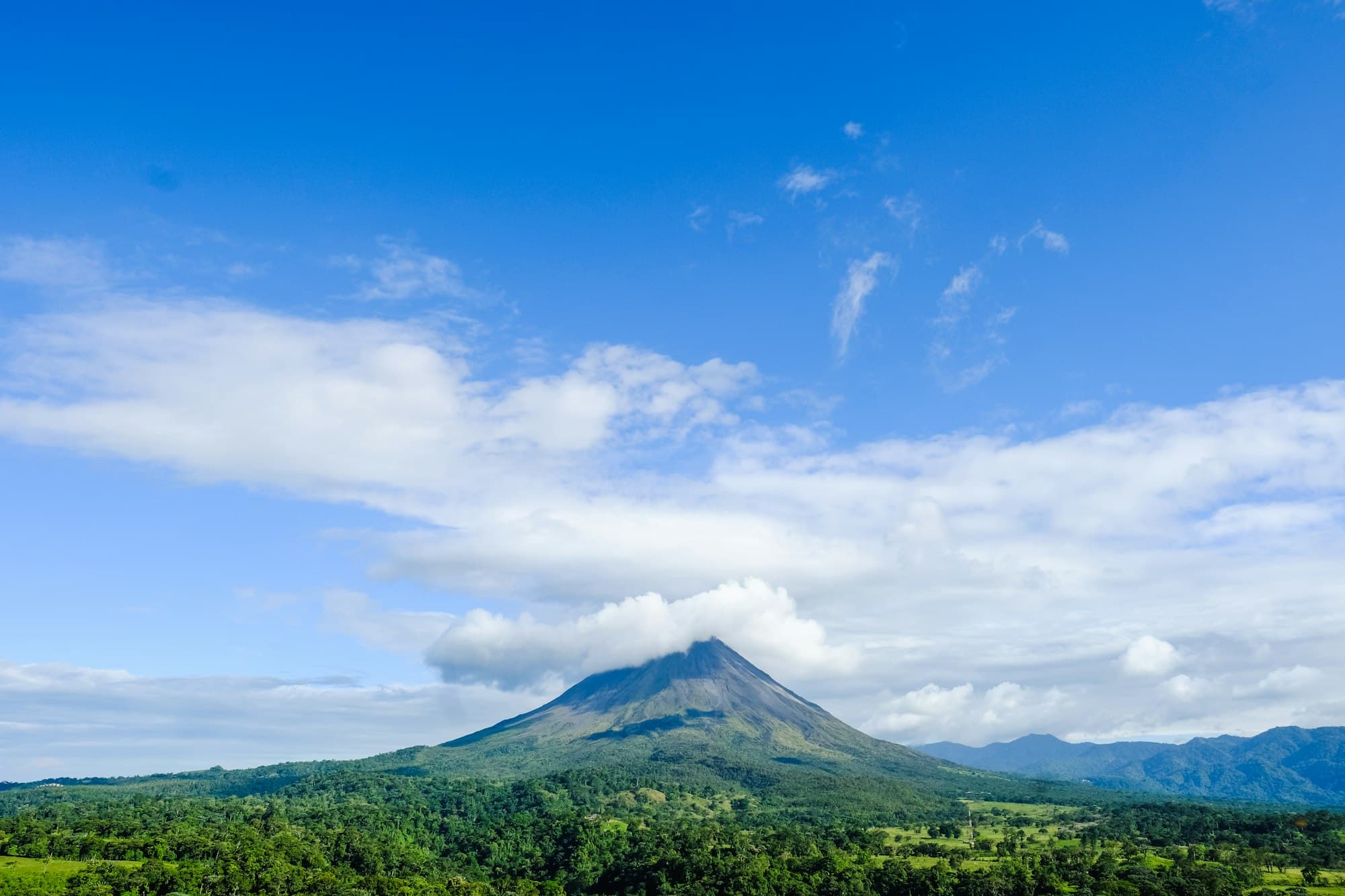
It's also just a good life. This is the pura vida country: rainforest, two coastlines, volcanoes, and cloud forest, with some of the richest biodiversity on earth packed into a place the size of West Virginia. Two seasons run the calendar, a dry season from about December to April and a green season the rest of the year, when afternoon rains keep everything lush and the crowds thin out. It scores high on friendliness, it's welcoming to LGBTQ folks and families, and the outdoors is right outside your door. English is common in the expat and beach towns, though you'll want some Spanish anywhere off the tourist track. And you won't be a pioneer: close to 70,000 Americans already live here, so the doctors, accountants, and Facebook groups that make a move easier already exist.
Here's the catch
Costa Rica isn't for everyone, and we'd rather say so up front. It's not the bargain it was a decade ago; the beach and Central Valley expat hubs have caught up to mid-range U.S. prices, and imported goods and a new car cost a fortune. The bureaucracy is real, residency can take the better part of a year, and pura vida cuts both ways when you're waiting on a permit. Internet is solid in the cities and patchy in the mountains. And here's the big one, the thing that trips people up most: if your plan is to get hired by a Costa Rican employer, this is a hard country to do it in. More on that in a minute, because it's the difference between thriving here and hitting a wall.
- Cost of living (single)
- $1,700/mo
- Safety index
- 60/100
- English proficiency
- 55/100
- Internet speed
- 60 Mbps
- Capital
- San José
- Currency
- Costa Rican colón (CRC)
02 · The numbers
What it actually costs to live in Costa Rica
$2,900
Monthly budget, couple
all in, comfortable
$1,700
Monthly budget, single
all in, comfortable
$4,800
Monthly budget, family
housing included
$800
Rent, 1-bed city center
$550 outside the center
$10
Inexpensive meal out
cheaper than the US
$53
Home internet, monthly
about 60 Mbps
60/100
Safety index
low violent crime
200
Sunny days a year
tropical, about 25C
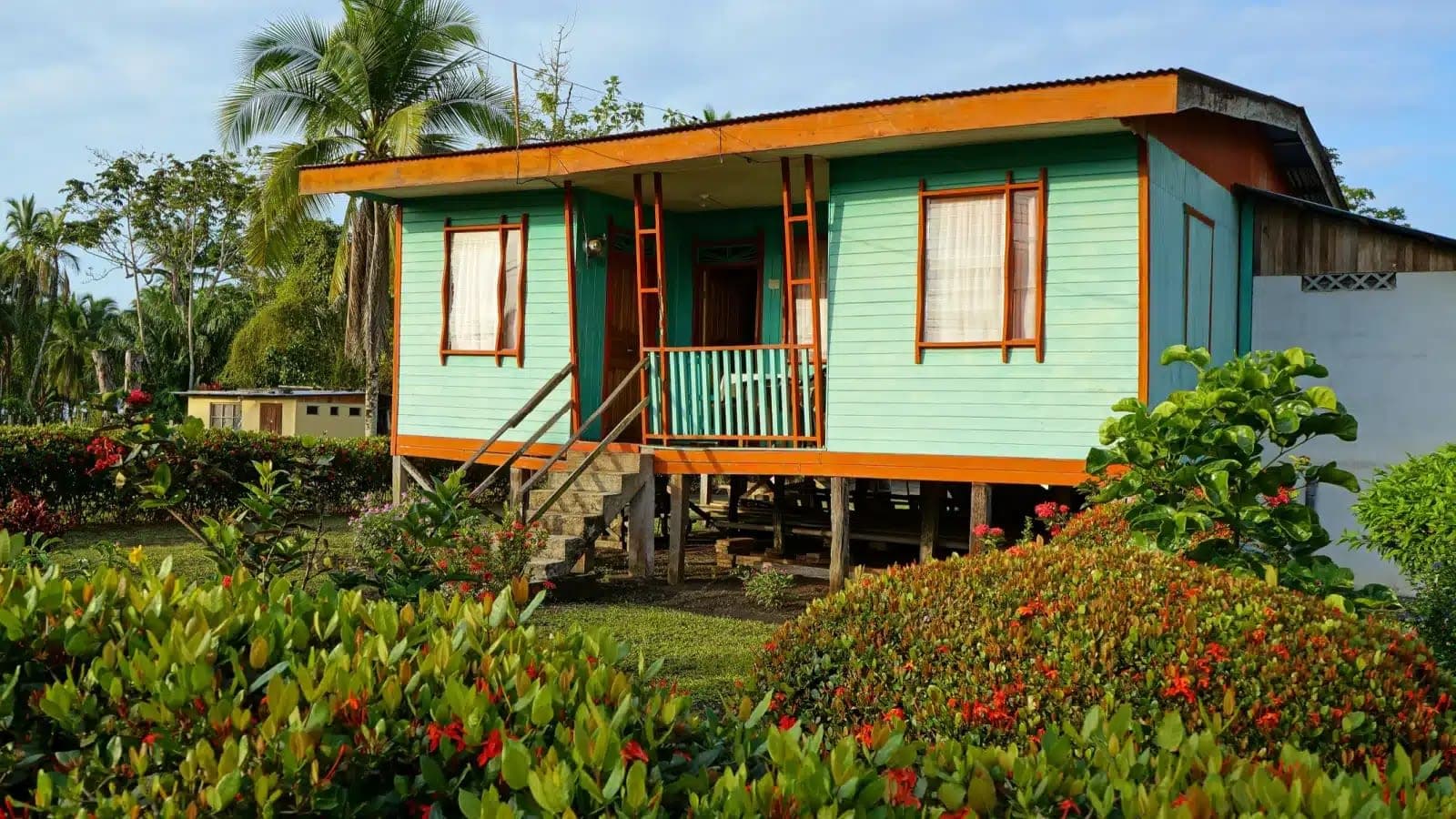
Here's the honest headline: Costa Rica is cheaper than the U.S., but it's no longer dirt cheap. A single person lives comfortably on about $1,700 a month all in, a couple on around $2,900, and a family closer to $4,800 once you fold in rent. Those are Expatsi estimates in U.S. dollars as of 2026, so treat them like a planning guide, not a quote. In the popular expat pockets like Escazu, Santa Ana, and Tamarindo, they run higher.
Where you save is the day-to-day and the healthcare. A simple meal out is about $10, home internet about $53, and public healthcare through the Caja costs a modest slice of your income instead of a $1,500 family premium. For a retired couple, dropping U.S. health insurance premiums alone can cover a real chunk of the monthly budget. A one-bedroom rents for about $800 in a city center and $550 outside it. The good news is you can dial your budget up or down just by picking your town.
Where it bites is anything imported. Cars are taxed heavily, electronics and brand-name groceries cost more than back home, and gringo pricing is real until you learn the local spots. Live like a Tico and Costa Rica is affordable. Try to recreate a U.S. suburban lifestyle with imported everything and see the savings vanish fast.
Why the budget and the visas line up
Notice a theme forming? Costa Rica's residency options are built almost entirely around money you already have coming in: a pension, passive income, savings, or an investment. That isn't an accident. The country would rather welcome people who spend money here than hand them the local jobs. So if your income travels with you, the budget above and the visas below fit together neatly. If it doesn't, keep reading, because that's the hard case.
03 · Who thrives here, and who struggles
Who Costa Rica works for, and who it fights
Costa Rica sorts newcomers into two groups fast: people whose income comes from somewhere else, and people who need to earn it here. The first group thrives. The second has a fight on its hands. Here's where you'd land.
Retirees
This is the classic Costa Rica move, and the country makes it easy. If you have a lifetime pension of at least $1,000 a month, and Social Security counts, you qualify for the Pensionado residency, and one pension covers both spouses. Warm weather, good healthcare, and a slower pace: it's why the retiree community here runs decades deep.
Remote workers and the financially independent
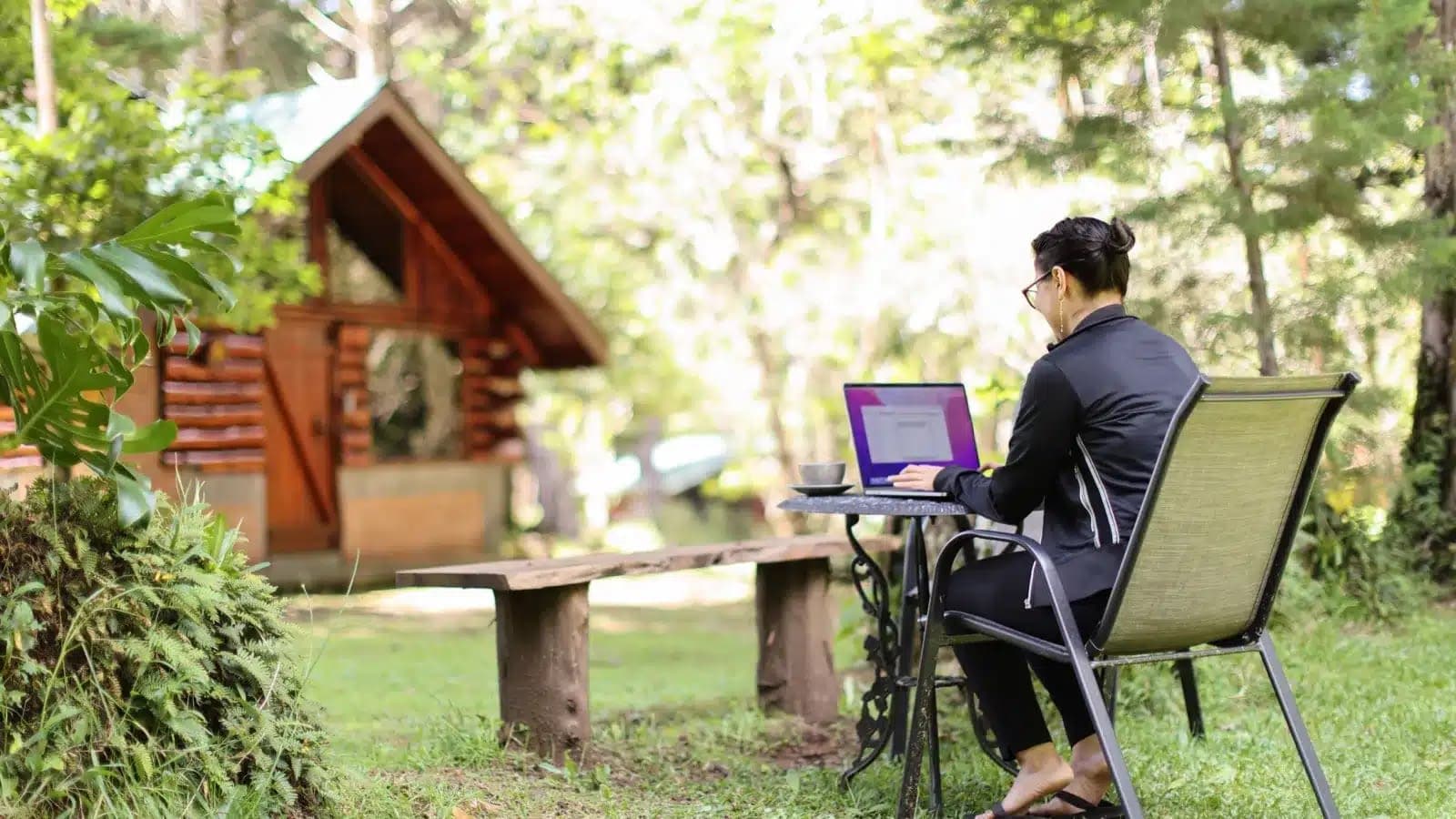
If you work online for clients or an employer outside Costa Rica, you're the country's favorite kind of newcomer right now. The Digital Nomad visa is quick and your foreign income is tax-free here. Living off investments, rental income, or savings instead? The Rentista route is built for you. Both let you enjoy the country without needing a cent of local income.
Investors and business owners
Buy qualifying property or start a business and the Investor residency opens up, with a path to permanent status and the right to run your own company. You still can't take a salaried local job on it, but you can own the business that does the hiring.
The catch: skilled workers who need a local job
Now the hard part. If your plan is to get hired by a Costa Rican company, brace yourself, because there is no easy skilled-worker visa here. Costa Rica protects local jobs hard: an employer has to prove that no qualified Costa Rican or resident can do the role before they can sponsor you, the permit is tied to that one employer, and it can take three to eight months. Local salaries are low by U.S. standards, too. Nurses, engineers, and tradespeople who'd be courted elsewhere routinely find the door here is narrow. The realistic play is to arrive with income of your own, or to buy or build a business, not to job-hunt.
The residency Costa Rica is built for
Retirees
A $1,000 monthly pension is enough, and one pension covers a couple.
Remote workers
Work online for foreign clients and your income is tax-free here.
The financially independent
Live on investments, rental income, or savings through the Rentista.
Investors and founders
Buy property or build a business and get residency to match.
Families and slow-lifers
Good healthcare, safe towns, and homeschooling is allowed.
Job seekers
The one hard case: no easy skilled-worker visa, and local pay is low.
04 · The right path for you
Your residency, matched to your situation
Costa Rica has four main residency routes for Americans, and almost everyone fits one of them. Here's the plain-English version, with the honest numbers.
Pensionado, for retirees
The retiree route. Show a lifetime pension of at least $1,000 a month from Social Security, a government plan, disability, or a qualifying private fund, and you're in. One pension covers your spouse, too. You get temporary residency first, then permanent residency after three years. You can't take a local job, but you can live well and own a business. See the full Pensionado breakdown.
Rentista, for the financially independent
Built for people who aren't retired but have money coming in. Prove $2,500 a month in stable income for two years, or park a $60,000 deposit in a Costa Rican bank that pays back to you at $2,500 a month, and you qualify. It covers the family and leads to permanent residency in three years. Here's how the Rentista works.
Digital Nomad, for remote workers
The quickest option by far. Show about $3,000 a month in remote income from outside the country, or $4,000 for a family, carry health insurance, and you can stay a year, renewable for a second. Your foreign income is exempt from Costa Rican tax. The catch: it doesn't lead to permanent residency, so it's a great trial run but not a forever plan. See the Digital Nomad visa.
Investor, for buyers and founders
Invest $150,000 in property, a business, or an approved project and you get residency, a path to permanent status in three years, and the right to run your own company. Heads up: that $150,000 figure came from a 2021 incentive law whose window to file just closed in July 2026, and it may be moving back toward $200,000. Confirm the current number before you count on it. See the Investor visa.
One more path we can't sugarcoat is getting hired locally, which runs through an employer-sponsored special-category permit. As covered above, it's slow and hard. If that's your only option, talk to us before you build a plan around it.
Whichever route you take, the long game is the same. Except for the nomad visa, they all put you on one clock: temporary residency now, permanent residency after three years, and eligibility for citizenship after seven. Costa Rica lets you keep your U.S. passport, so this is about adding options, not giving one up.
Every Costa Rica visa, side by side
| Visa | Category | Application cost | Processing | Difficulty | Guide |
|---|---|---|---|---|---|
| Digital Nomad Visa | digital nomad | $100 | ~90 days | 2/5 | Guide |
| Financially Independent Visa (Rentista) | self employment | $2,815 | ~90 days | 3/5 | Guide |
| Investor Visa | investment | $2,815 | ~90 days | 4/5 | Guide |
| Retiree Visa (Pensionado) | retirement | $2,815 | ~90 days | 3/5 | Guide |
05 · The practical stuff
Healthcare, taxes and banking
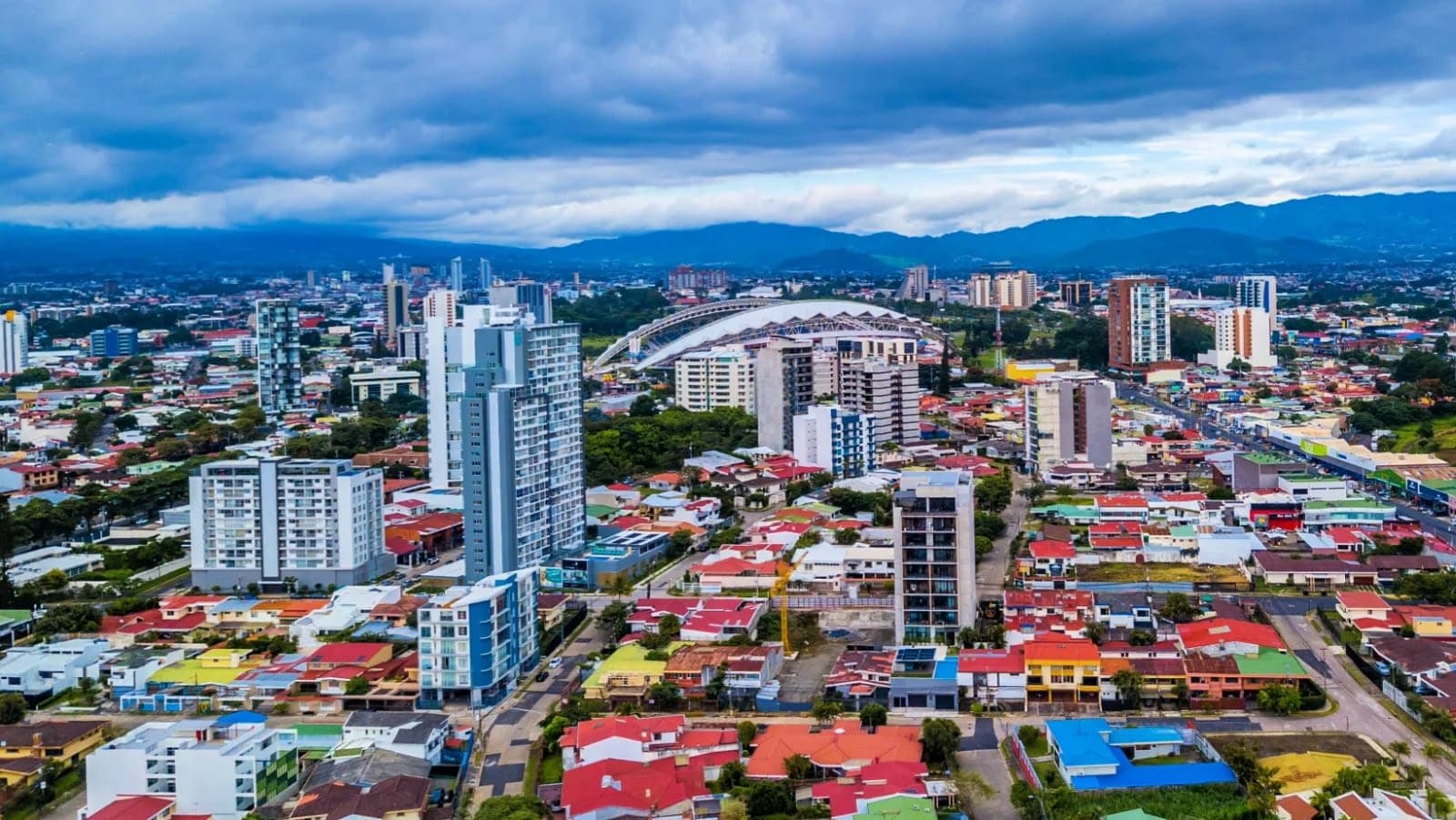
The three things every American asks about, answered straight.
Healthcare
This is a real draw. Once you have residency you join the Caja, Costa Rica's public health system, and pay a monthly contribution based on your income, often somewhere around 7-11% of what you declare. That covers doctors, hospitals, and prescriptions with little else out of pocket. Two honest caveats: the Caja can mean long waits for non-urgent care, and the Digital Nomad visa doesn't put you in it, so nomads carry private insurance. Most expats keep an affordable private plan alongside the public one for speed. ExpatInsure, one of our partners, sets up the coverage that fills those gaps.
Taxes
Here's the catch, and it's mostly good news. Costa Rica only taxes income earned inside Costa Rica, so your U.S. pension, foreign dividends, and remote paycheck generally aren't taxed here at all. But you're American, so you still file with the IRS every year no matter where you live; the Foreign Earned Income Exclusion (FEIE) and foreign tax credits keep most people from paying twice. Get advice before you move, especially on how your retirement accounts are treated. Moneycorp, our currency partner, moves your dollars into colones at better rates than a bank and sets up the recurring transfers your rent will need.
Banking
Opening a local account is far easier once you hold your residency ID, the DIMEX card. Plenty of people run U.S. and Costa Rican accounts side by side and pay for the big things in dollars, which is normal here. You can also drive on your U.S. license for the first stretch and convert to a Costa Rican one once you're a resident. And if you're buying a home rather than renting, Simon Conn, another partner, arranges international mortgages for buyers across more than 50 countries, Costa Rica included.
This guide is dated on purpose
Costa Rica's numbers move. The investor threshold, the income minimums, and the Caja percentages all shift, and a 2021 incentive law that set several of them reached its filing deadline in July 2026. Everything here reflects the rules as of July 2026. Before you file anything, confirm the current figures with a licensed immigration attorney. The people below do exactly that for a living.
06 · Finding your spot
Where to live in Costa Rica
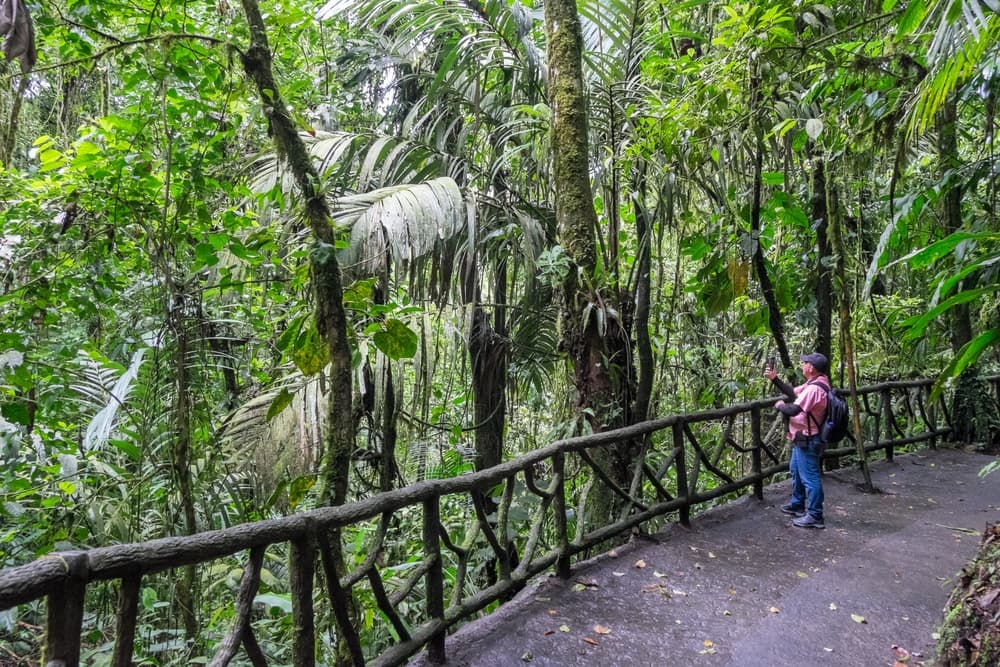
La Fortuna
Volcano, waterfalls, and hot springs
The adventure hub at the foot of Arenal Volcano, with waterfalls, hanging bridges, hot springs, and Lake Arenal on the doorstep. It's greener, rainier, and more touristy than the coast, with a smaller expat scene and a longer drive to a big hospital. Great for people who want jungle over beach.
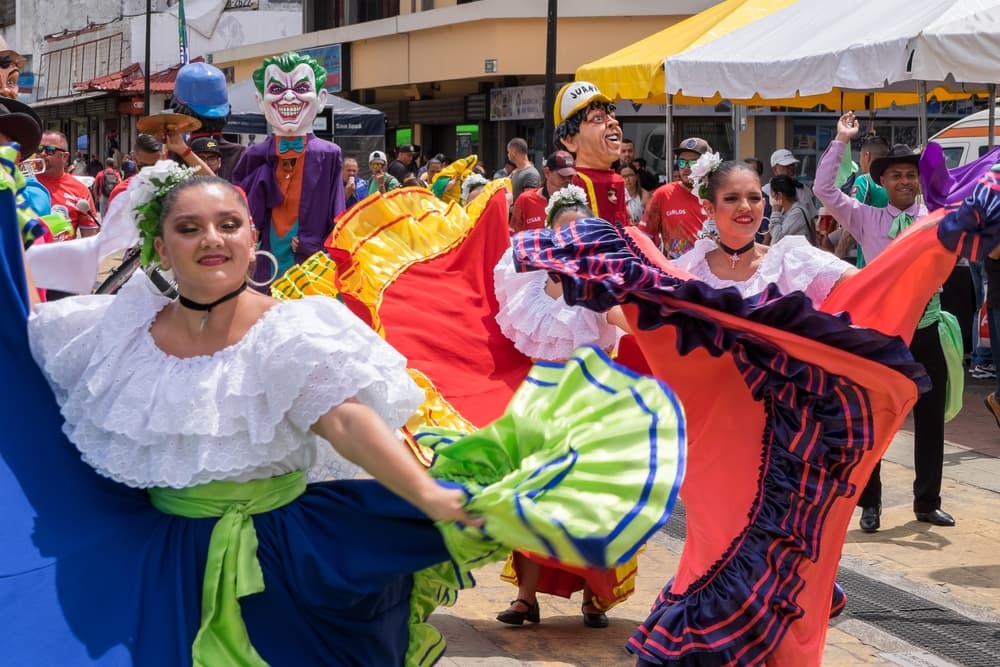
San José
Capital, hospitals, and airport
The capital, up in the Central Valley, where the weather is spring-like and the services are the best in the country: top private hospitals, universities, and the main international airport a short drive away. Urban and traffic-heavy, but the softest landing, and where most newcomers start.
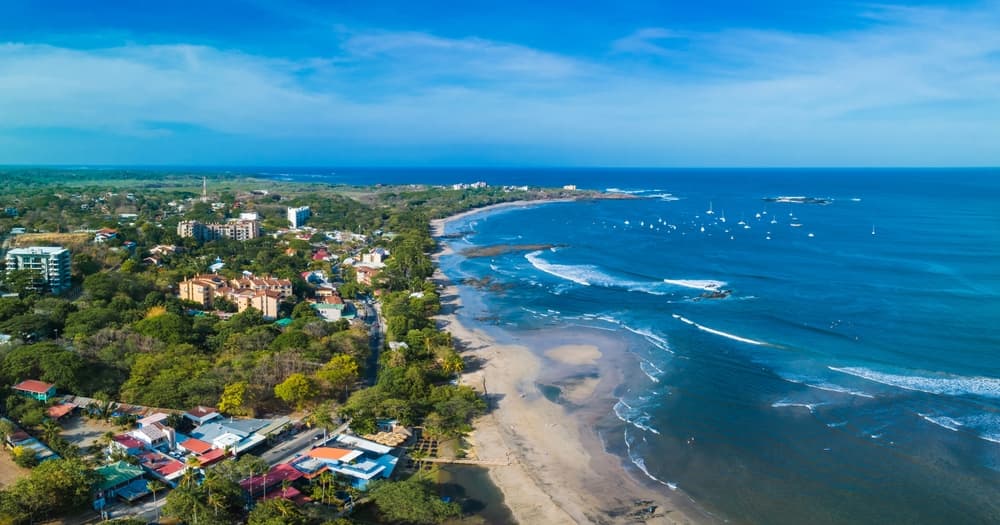
Tamarindo
Sun, surf, and expats
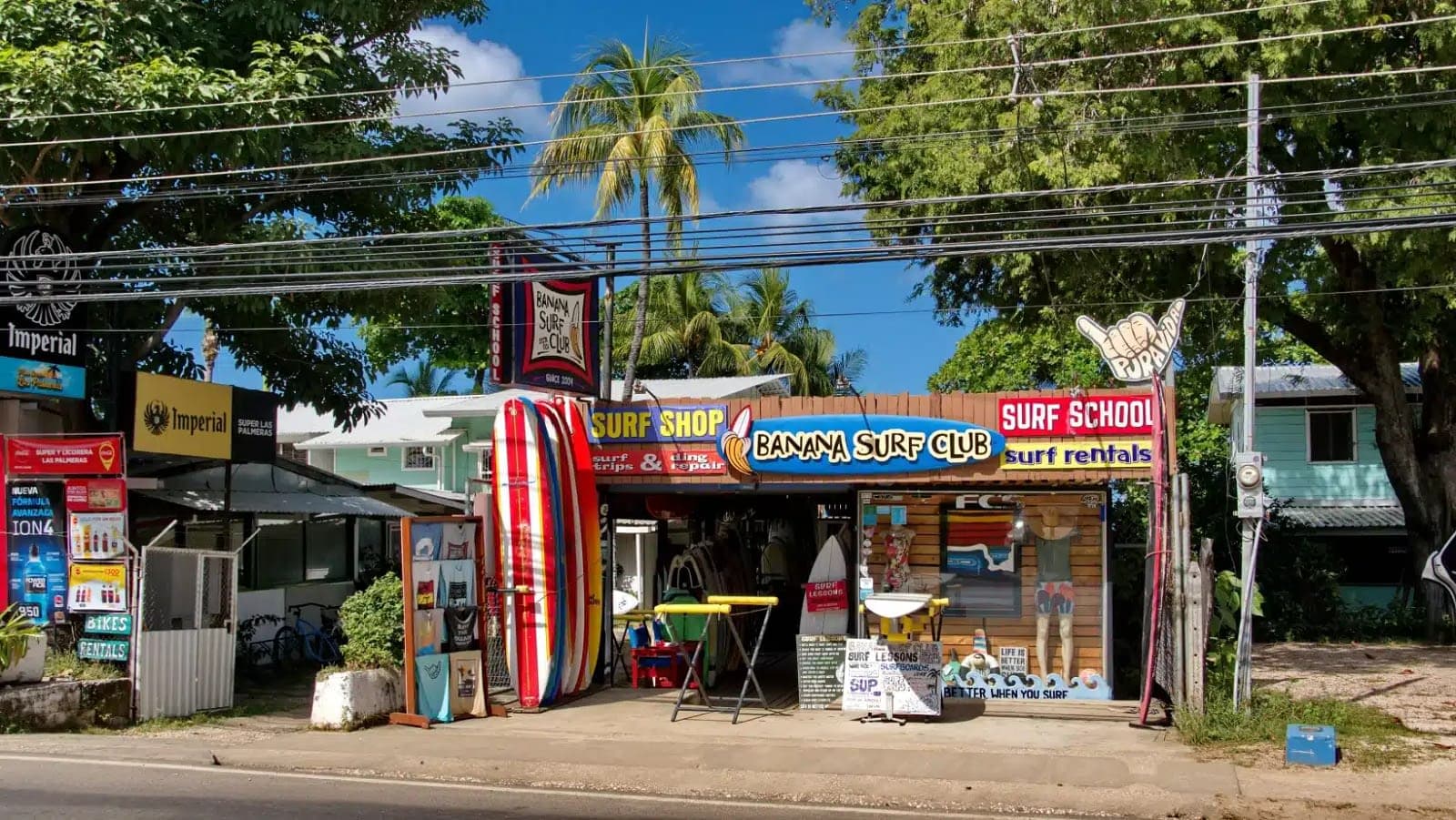
The marquee Guanacaste beach town on the Nicoya coast: reliable dry-season sun, beginner-friendly surf, and one of the country's deepest expat and nomad communities. Liberia's international airport is about 90 minutes away. The catch is the price right at the water and the crowds in high season.
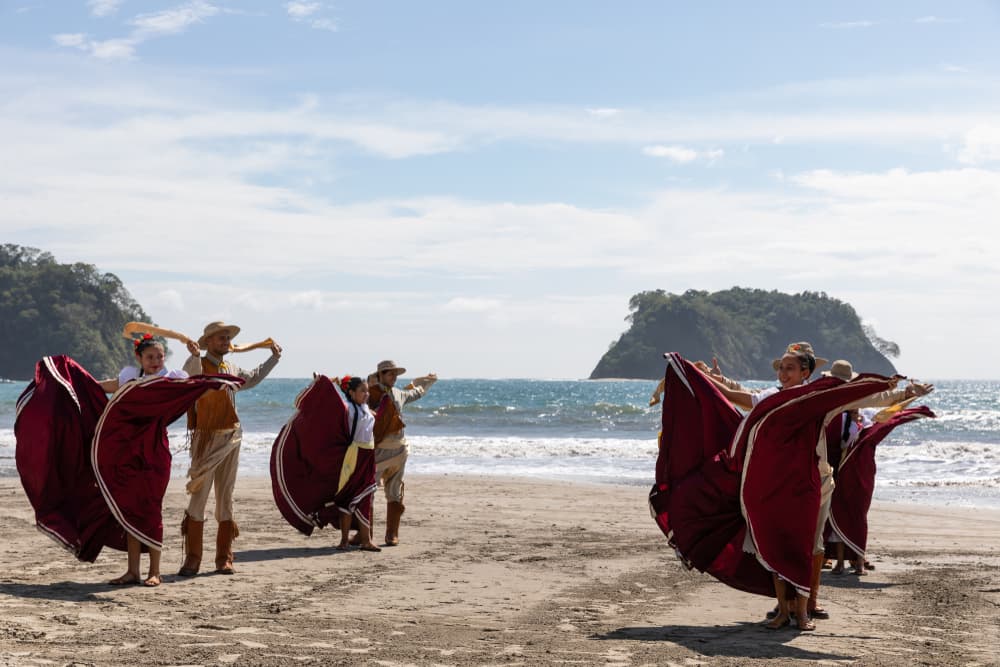
Guanacaste
Pacific beaches, dry heat
Costa Rica's northwest, where Liberia's airport takes direct US flights and the beach towns spread south from there, Tamarindo and Nosara among them. The dry season runs December to April and turns the hills brown and hot. Towns are far apart, so a car is not optional.

Monteverde
Cloud forest and Quakers
A cloud forest settlement founded by American Quakers in 1951, cool and misty the year round, where the commercial zip line was invented and ecotourism now pays for nearly everything. The roads in are famously rough and unpaved. For people who want fog and forest over beach and heat.
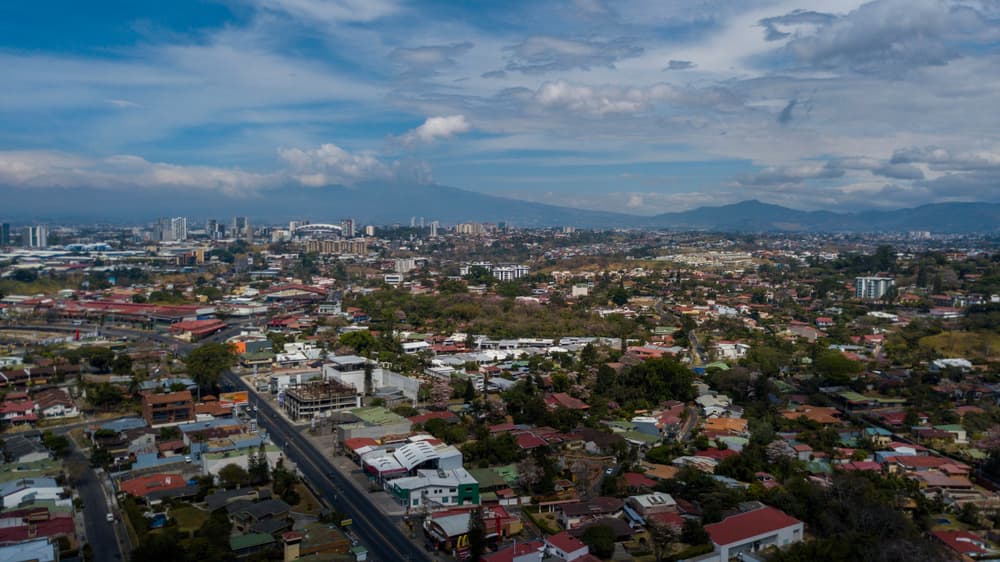
Escazú
San Jose's upscale suburb
The comfortable San Jose suburb where the private hospitals, international schools, and American-style malls all cluster, tucked under the hills west of the capital. Plenty of people here never learn Spanish. Traffic into the city is punishing, and this is the least Costa Rican corner of Costa Rica.
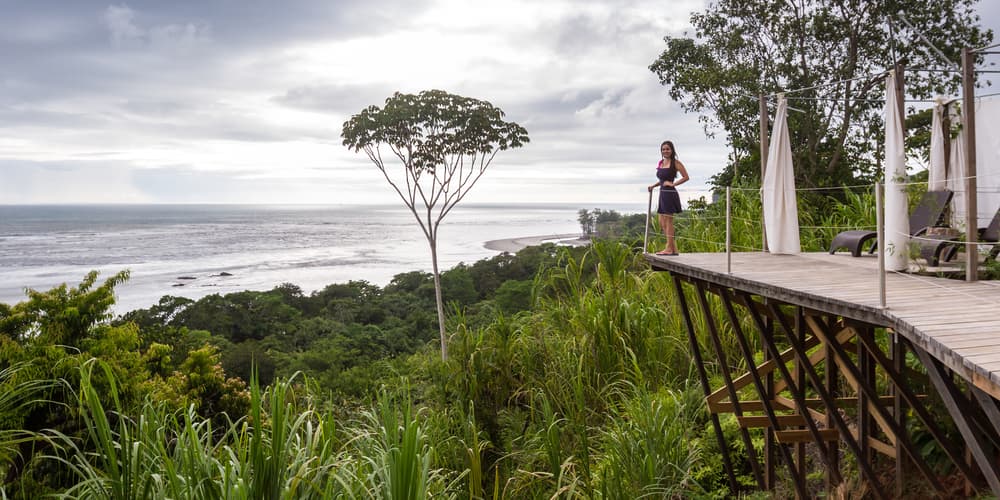
Southern Pacific
Where jungle meets sea
The Costa Ballena run from Dominical through Uvita to Ojochal, where rainforest drops straight into the water and a sandbar shaped like a whale's tail sits off the national park. Humpbacks calve here much of the year. One of the wettest coasts in the country, and the roads show it.
07 · You don't do this alone
The vetted people who get you there
You've seen the theme by now: the move itself is the easy part, and the paperwork is where people get stuck. These are the Expatsi-vetted partners who handle the visa, the property, the money, and the settling in, so you're not fighting a foreign bureaucracy alone.
One thing we've learned from helping thousands of Americans plan a move: the people who do it smoothly almost always have help on the ground. Not because they couldn't figure it out, but because doing it once yourself, in Spanish, against Costa Rican timelines, is a lot harder than handing it to someone who's done it hundreds of times. Here are the people we trust, grouped by what they do best.

StartAbroad
Costa Rica Relocation Specialist
Zach and Anna are our on-the-ground team in Costa Rica, with more than 20 years living abroad between them. They handle the whole move end to end: visas, real estate, shipping, cars, even the pet. They also host our Costa Rica scouting trips.
Learn more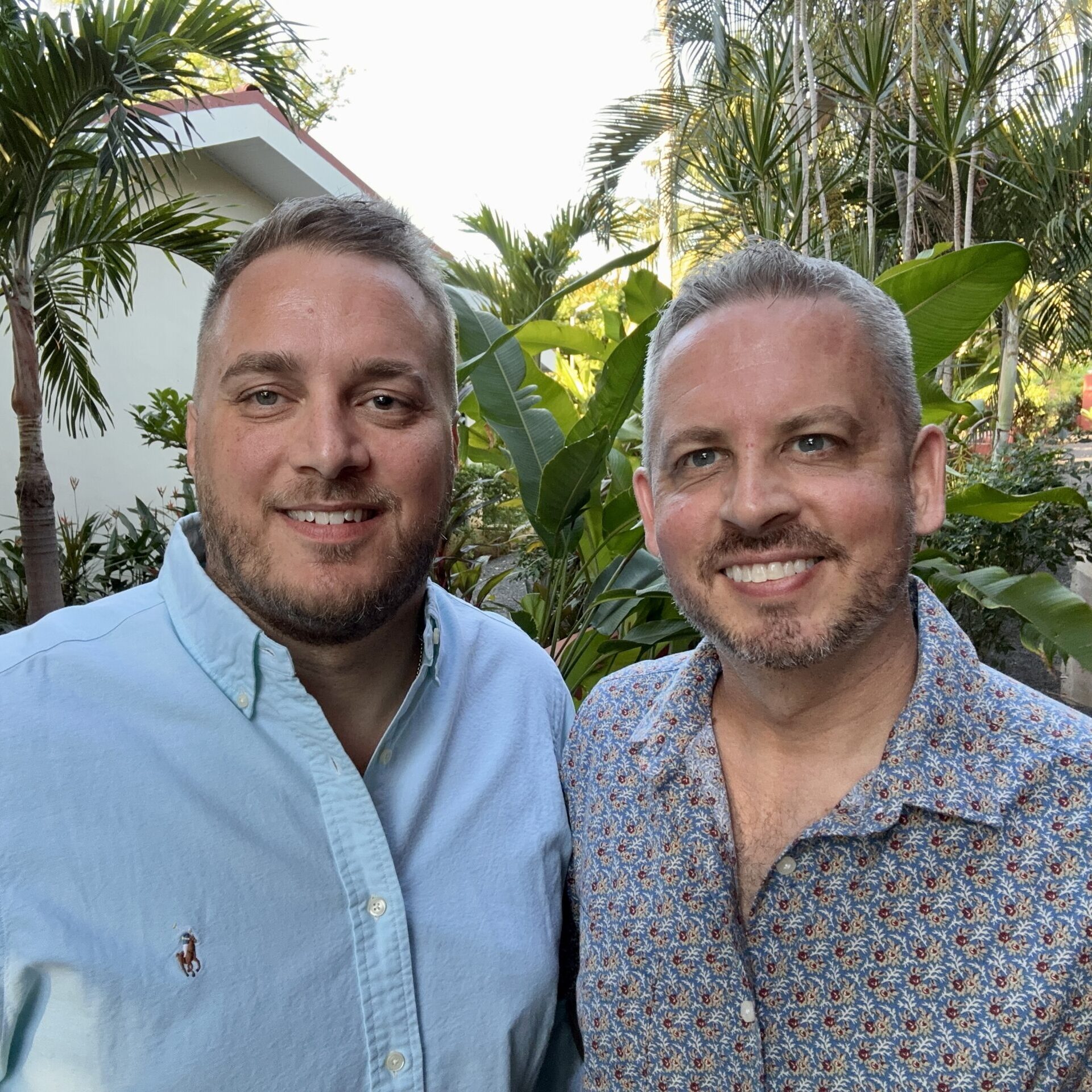
Robbie Parker & Steve Clayson
Costa Rica Local Guide
Robbie and Steve are an American couple who made the move themselves and now help others do the same. Honest, LGBTQ-friendly real estate and the day-to-day local knowledge you only get from people who actually live it.
Learn more
ExpatInsure
Global Health Insurance
Expatsi's international health-insurance partner. They set up the private coverage that gets you past Caja wait times and covers nomads who aren't in the public system yet.
Learn more
Moneycorp
Currency Exchange
A currency specialist led for U.S. clients by Kelly Cutchin. They move your dollars into colones at better rates than a bank and set up the recurring transfers your rent and bills will need.
Learn more
Simon Conn
International Mortgage Lending
More than 40 years arranging overseas property finance, sourcing mortgages for buyers in 50-plus countries, Costa Rica included, for when you're ready to buy instead of rent.
Learn more08 · Try before you commit
See it first: Expatsi scouting trips
You can read every guide on the internet, this one included, and still not know how a place feels until you're standing in it. That's the whole idea behind our scouting trips. You travel with a small group and a local host, sit down with the visa, healthcare, and tax experts in person, and tour the actual Central Valley and Pacific-coast towns you'd be choosing between, from Escazu and Heredia to Tamarindo and Nosara. They're hosted by Zach and Anna, the same team that helps people settle in for good. Folks come home either certain they've found their spot or certain it isn't for them, and both answers are worth the trip.
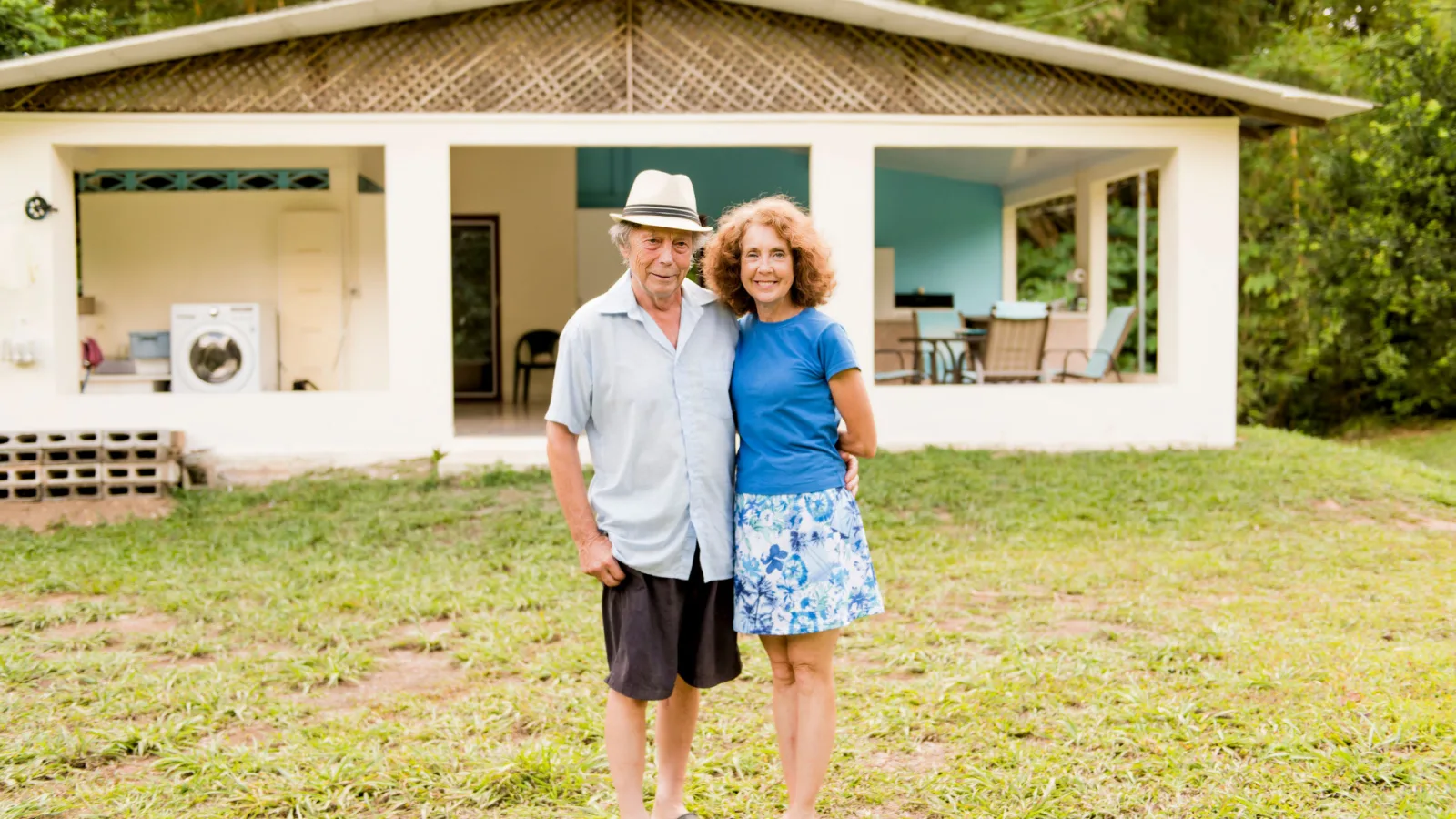
San José / Tamarindo
7 nights · Nov 7-14, 2026 · hosted by Zach Gerth & Anna Sosdian
- Seminar & opening dinner with experts in visas, healthcare, & taxes
- Accommodations, breakfast, and group transportation
- 7 nights
From $2,999 per person
See this tripCosta Rica webinars and guides
Want to go deeper before you talk to anyone? Here's the Costa Rica shelf from our library, from a full move-planning webinar to a healthcare report you can read today.
Moving To Costa Rica
Thinking about relocating to Costa Rica? Join Zach and Anna, experienced expats and relocation experts, for this in-depth webinar where They'll share everything you need to know about making the move. Learn about residency options, cost of living, real estate, healthcare, and the best places to settle. With firsthand insights and practical tips, Zach and Anna will help you navigate the process smoothly and avoid common mistakes. don't miss this opportunity to get expert advice and ask your questions live!
Our full walk-through of moving to Costa Rica in one sitting: the visas, the money, and the steps, start to finish.
Expat Finances in Costa Rica and Panama
Expat Finances for Costa Rica and Panama is a focused webinar for anyone planning a move to either country. You’ll learn how investments, income, cost of living, and currency work in both destinations, so you can compare financial realities and plan your move with clarity and confidence.
The money session: what expat finances and taxes really look like once you're living in Costa Rica or Panama.
Costa Rica Healthcare Report
Healthcare guide for Costa Rica
Our free Costa Rica healthcare report, if you'd rather see the public-and-private picture on paper.
Connect with people like you
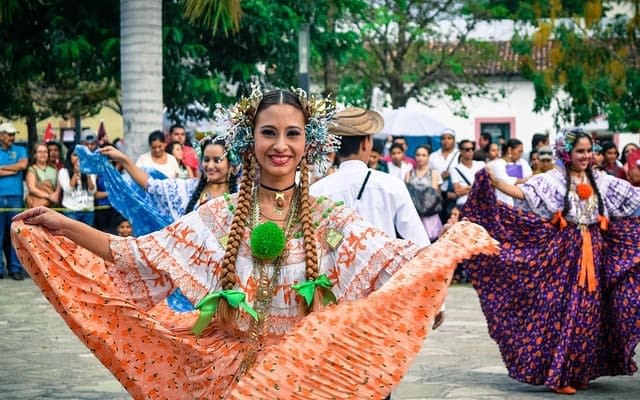
Costa Rica
Expatsi Community
Moving is easier when you're not doing it alone. Our Costa Rica group is full of Americans at every stage: some still deciding, some already unpacking in Escazu or Tamarindo, all happy to answer the questions Google can't. Come ask yours.
Join the Costa Rica community09 · Quick answers
Moving to Costa Rica: frequently asked questions
Does Costa Rica tax my US income?
Generally no. Costa Rica only taxes income earned inside the country, so your U.S. pension, dividends, and remote paycheck usually aren't taxed here. You still file a U.S. return every year, but the Foreign Earned Income Exclusion (FEIE) and foreign tax credits keep most people from paying twice. Get personalized tax advice before you move.
How much money do I need to move to Costa Rica?
For living costs, budget roughly $1,700 a month for one person and $2,900 for a couple, all in, as a 2026 estimate. For residency, the income bar depends on the route: $1,000 a month from a pension for the Pensionado, $2,500 a month for the Rentista, about $3,000 a month in remote income for the Digital Nomad visa, or a $150,000 investment for the Investor visa.
How long does residency take, and can I become a citizen?
Expect the process to run several months to about a year, so start early and keep your documents apostilled and translated. You get temporary residency first, then permanent residency after three years, and you can apply for citizenship after seven years of legal residency. Costa Rica allows dual citizenship.
Is the healthcare any good?
Yes. The public Caja system covers residents for a monthly contribution based on income and ranks among the best in Latin America. The trade-off is wait times for non-urgent care, so most expats keep an affordable private plan alongside it. Digital Nomad visa holders aren't in the Caja and need private insurance for their stay.
Which visa is right for me?
If you have a lifetime pension, look at the Pensionado. If you have investment or passive income, the Rentista. If you work online for foreign clients, the Digital Nomad visa. If you want to buy property or start a business, the Investor visa. The visa comparison above lays all four out side by side with the current requirements.
Is Costa Rica safe?
It's one of the safer countries in the region, with no army and a long democratic history, and violent crime is low in the places expats live. Petty theft is the main thing to watch, so use the same street sense you would in any city. Costa Rica scores about 60 out of 100 on our safety index.
Can I get a job in Costa Rica as an American?
It's hard. Costa Rica protects local jobs, so an employer has to prove no qualified Costa Rican can do the role before they can sponsor you, and that permit is tied to one employer and can take three to eight months. Most Americans who work here either run their own business or earn income from outside the country. If landing a local job is your only plan, talk to an expert before you commit.
Do I need to speak Spanish?
You can get by with English in the big expat and beach towns, but life is much smoother with Spanish, and it becomes essential once you leave the tourist track or deal with government offices. A few months of lessons before you go pays off fast.
Sources
- Costa Rica Work Permit: What Foreigners Can and Cannot Do Legally · ExpatDen (checked July 2026)
- Costa Rica Work Visa: employer sponsorship and the Special Category permit · Remote People (checked July 2026)
- Consequences of the Expiration of Law No. 9996 (investor threshold may revert to $200,000) · Costa Rica Immigration Experts (checked July 2026)
- Costa Rica Residency by Investment: Inversionista, Rentista, and Pensionado thresholds · Golden Visa Map (checked July 2026)
- Costa Rica residency 2026: requirements, costs and timeline · Investing Costa Rica (checked July 2026)
- Cost of living and country data for Costa Rica · Expatsi (checked July 2026)
See how Costa Rica fits your life
Take the free Expatsi Test and compare Costa Rica to nearly 200 countries on what actually matters: cost, healthcare, climate, and the visa that fits your money. About five minutes.
Why not you?