Move to Costa Rica on Your Own Income
The Rentista visa is built for financially independent people, not just retirees.
Show steady income or a bank deposit, and you're in.


Why Costa Rica
Why financially independent Americans pick Costa Rica
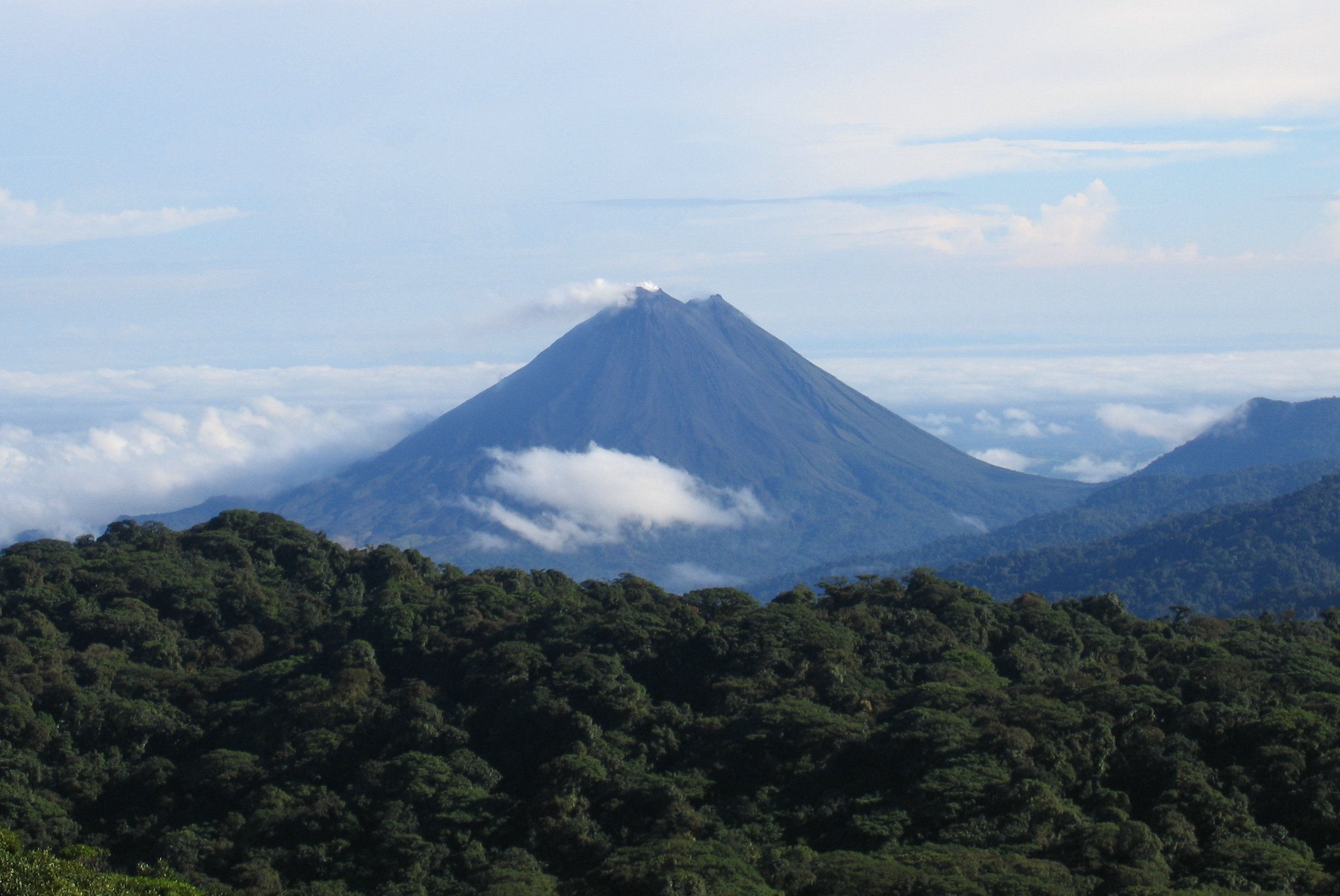
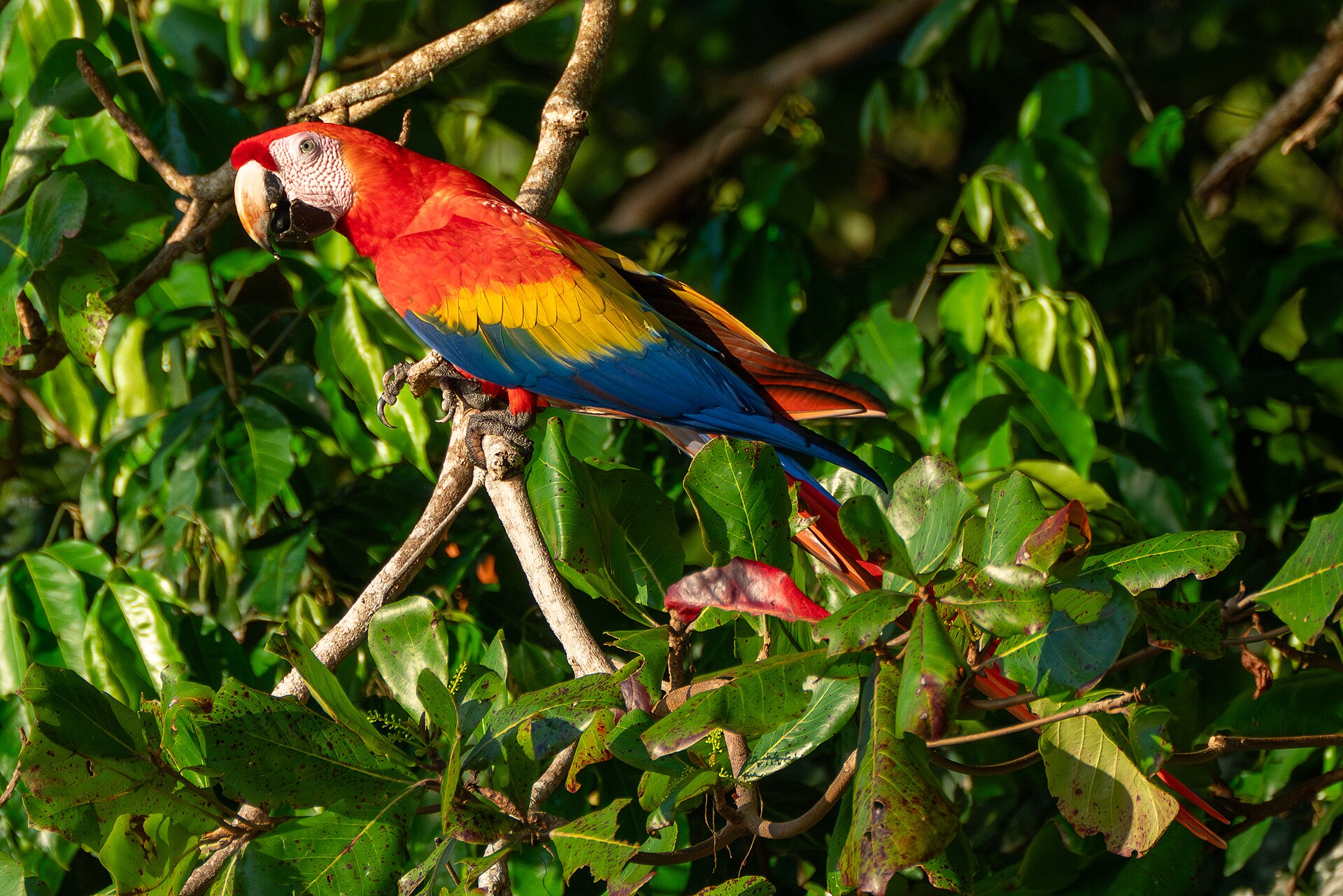
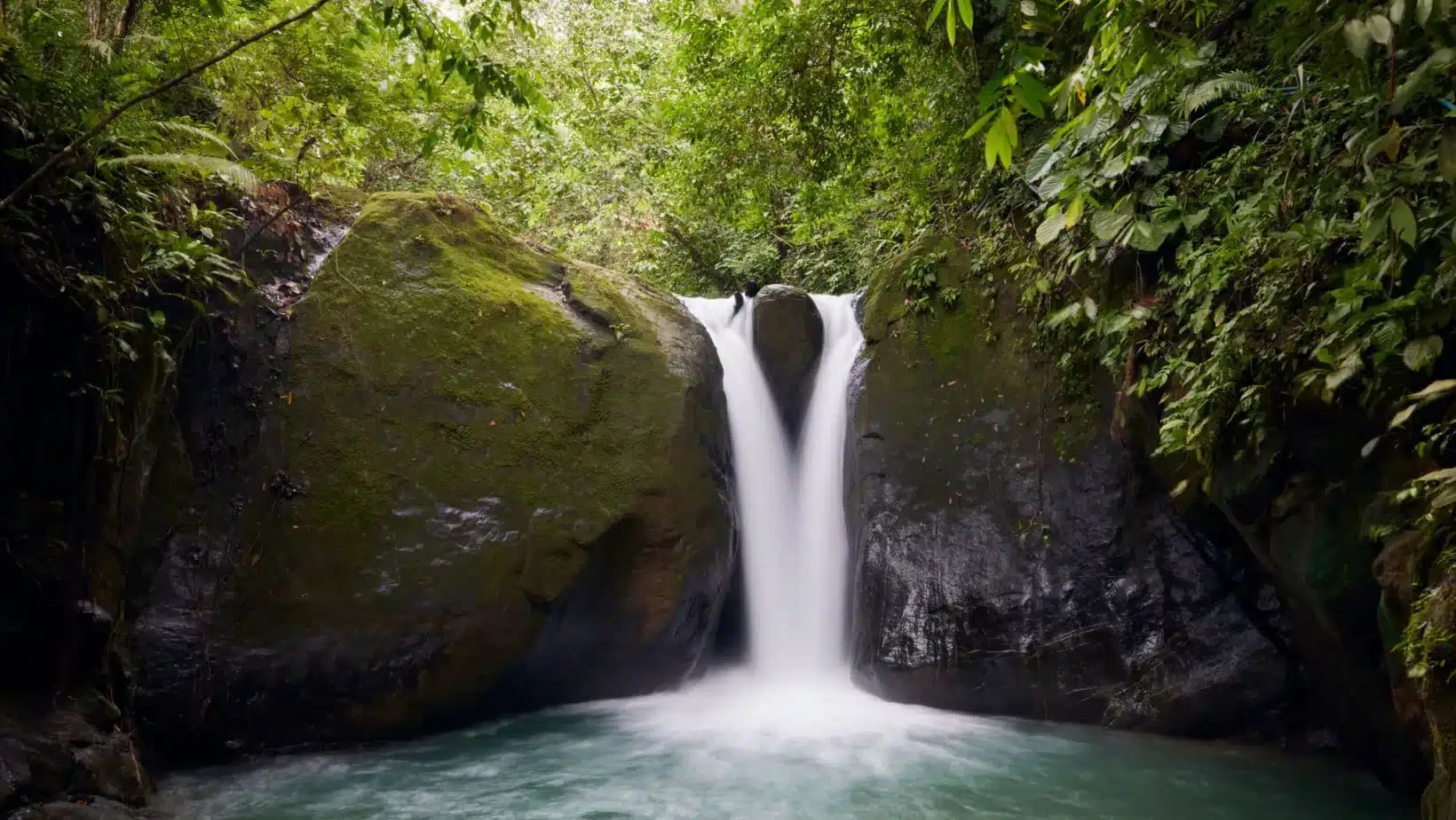
It's close to home, it's calm, and Costa Rica doesn't tax your foreign income. It also offers biodiversity, from jungles to Central Valley and the Pacific coastline.
- About 3 hours to Miami, 1 hour behind EST
- A couple lives well on about $2,900 a month
The Rentista at a glance
$2,500
Guaranteed monthly income
or a $60,000 deposit
3 years
Until permanent residency
temporary first
$0
Local tax on foreign income
territorial system

How it works
The Rentista, in plain English
Prove $2,500 a month in guaranteed income for two years, or park $60,000 in a Costa Rican bank that pays you $2,500 a month. The deposit stays yours.
- Income can be from investments, rent, an annuity, or a trust
- Here's the catch: no local job, but you can own a business
- You join the public health system (Caja), about 9-10% of declared income
Financially Independent Visa (Rentista)
For those who can demonstrate stable income or a significant deposit. Temporary residency is granted first; permanent residency is possible after three years if at least 180 days per year are spent in Costa Rica.
- Government cost
- $2,815
- Processing time
- ~90 days
- Timeline
- Temporary, then permanent after 3 years
- Difficulty
- Moderate
Key requirements
- Proof of stable income of at least $2,500/month or a $60,000 deposit in a Costa Rican bank for two years
- Medical insurance valid in Costa Rica
Rentista vs. Pensionado
Rentista or Pensionado? Close, but not the same
They look like twins, but they aren't. Both visas ban local jobs, qualify for permanent residency after three years, and need you to join the Caja. The difference is your income source.
- Pensionado: $1,000 a month from a lifetime pension, for retirees
- Rentista: $2,500 a month guaranteed for two years, from any source
- Pension for life? Pick Pensionado. Living on investments? Pick Rentista.

Scouting trips
See it before you commit
Before you move a dollar, spend a week living like a resident. Expatsi runs a San José and Tamarindo scouting trip with local hosts StartAbroad.
- Tour real neighborhoods, not resorts
- Meet the pros you'll actually use
- Tour healthcare facilities
- Explore housing options
- Help you understand what daily life actually feels like
Costa Rica pros we trust
StartAbroad
Costa Rica Relocation Specialist
Handles the Rentista paperwork, banking, and the move end to end.
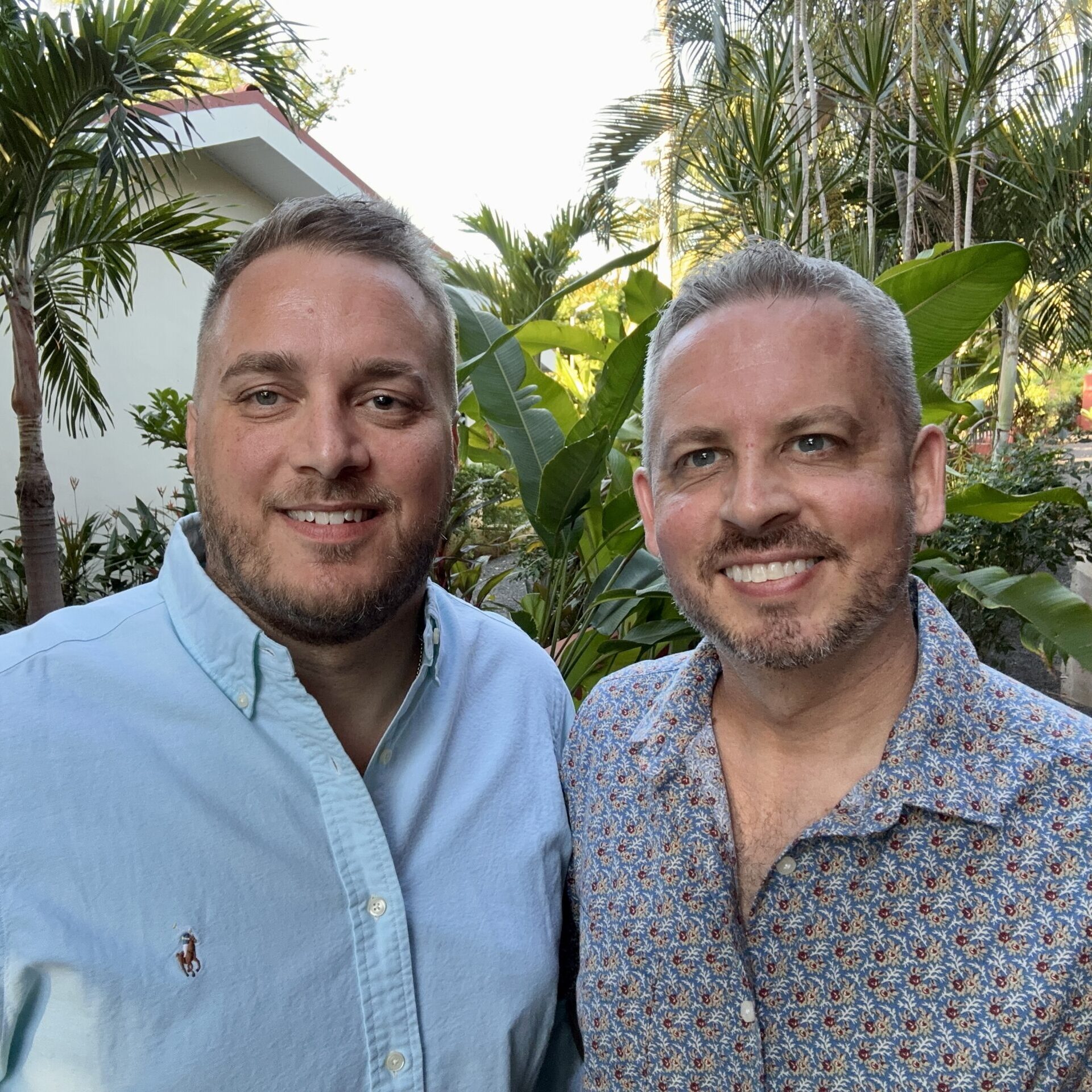
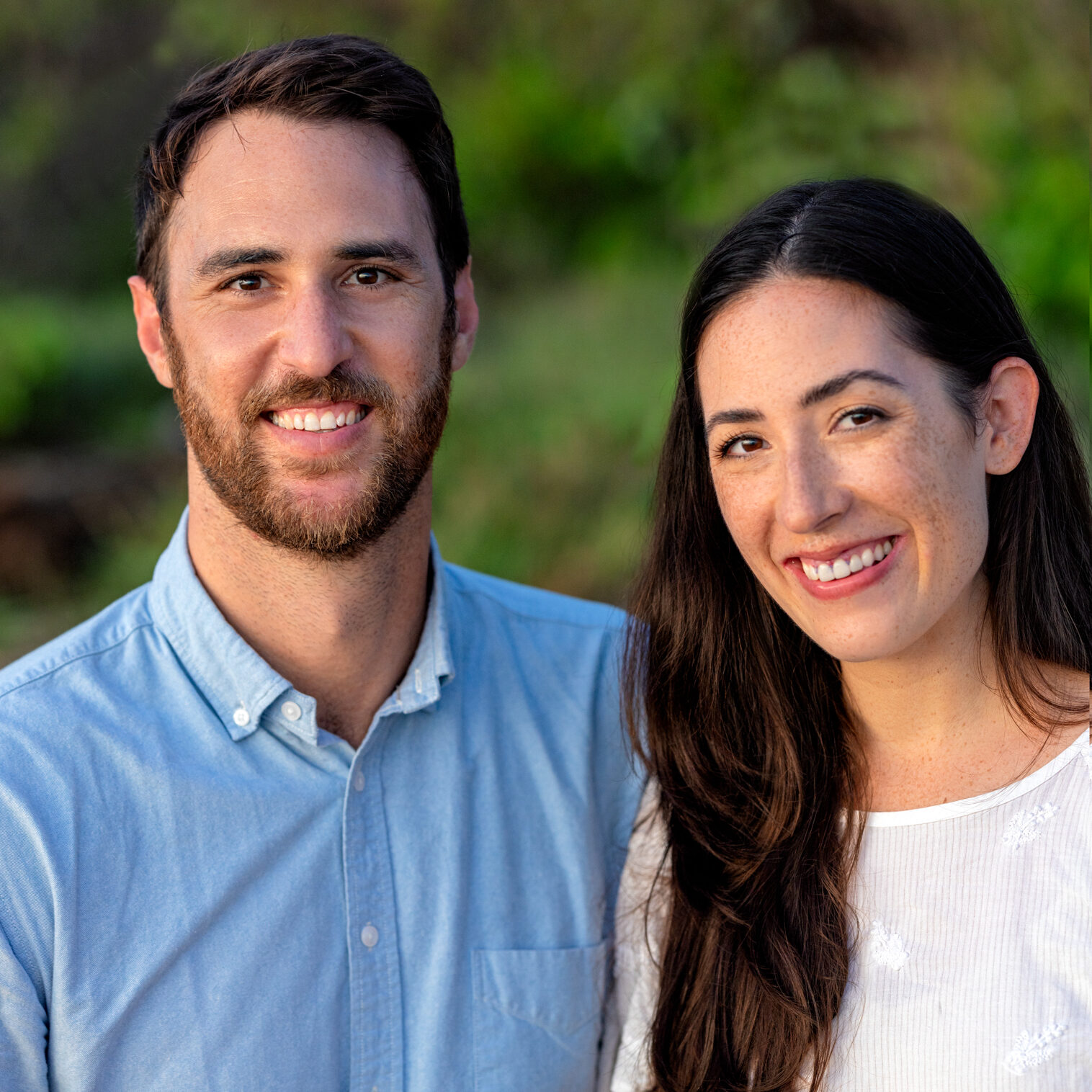
Robbie Parker & Steve Clayson
Costa Rica Local Guide
Live there and help you find the right town and home, and know the LGBTQ+ scene.
Where to live
Where Rentistas settle
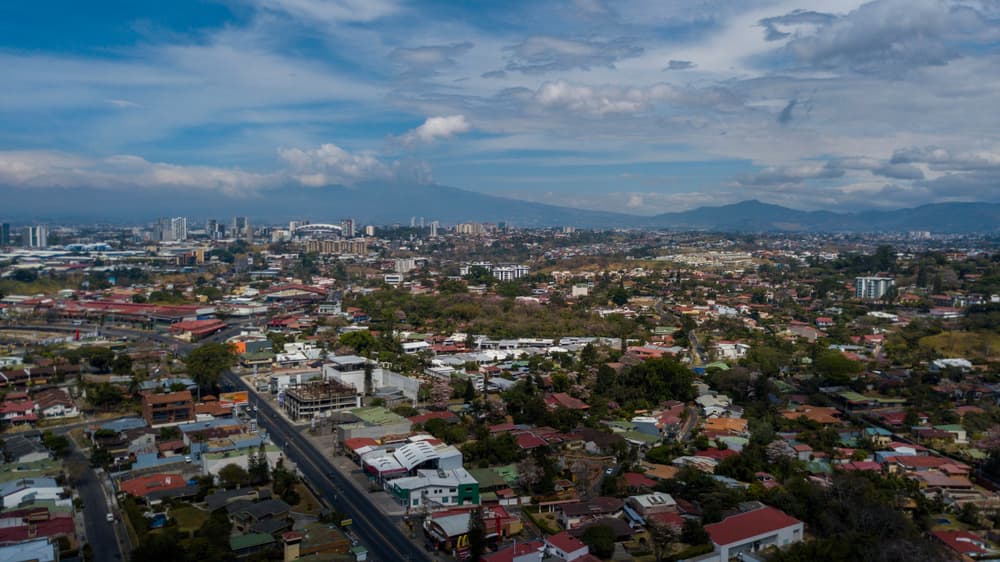
Escazú
San Jose's upscale suburb
The comfortable San Jose suburb where the private hospitals, international schools, and American-style malls all cluster, tucked under the hills west of the capital. Plenty of people here never learn Spanish. Traffic into the city is punishing, and this is the least Costa Rican corner of Costa Rica.
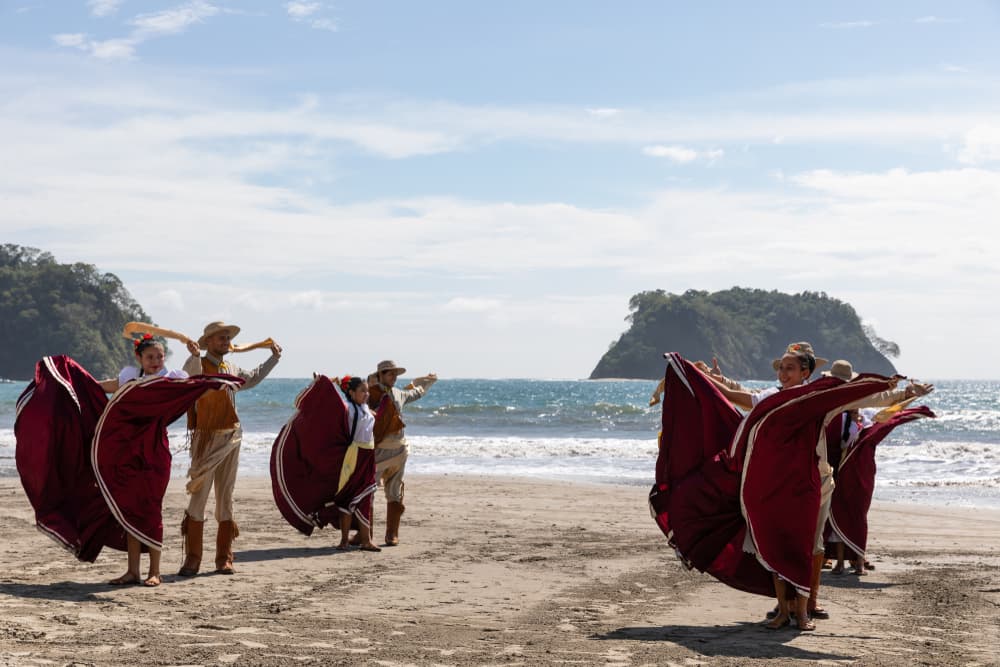
Guanacaste
Pacific beaches, dry heat
Costa Rica's northwest, where Liberia's airport takes direct US flights and the beach towns spread south from there, Tamarindo and Nosara among them. The dry season runs December to April and turns the hills brown and hot. Towns are far apart, so a car is not optional.

Monteverde
Cloud forest and Quakers
A cloud forest settlement founded by American Quakers in 1951, cool and misty the year round, where the commercial zip line was invented and ecotourism now pays for nearly everything. The roads in are famously rough and unpaved. For people who want fog and forest over beach and heat.
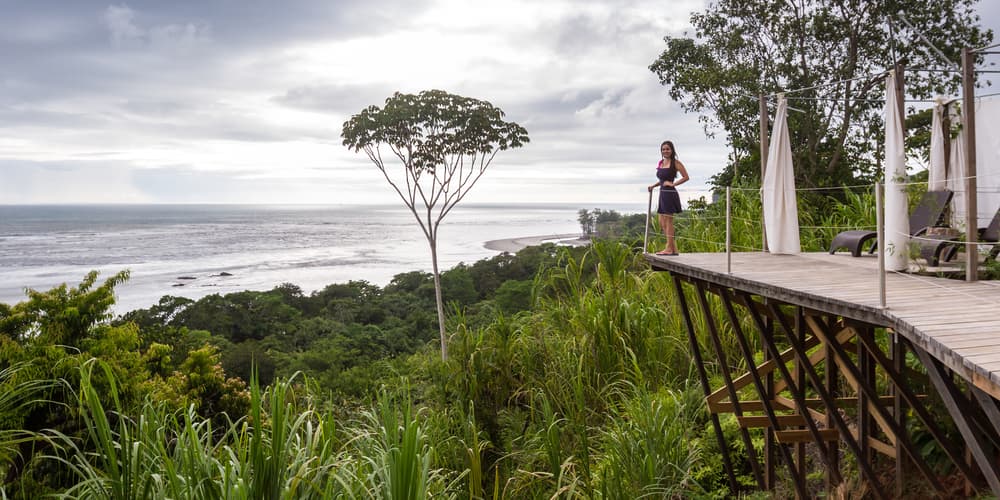
Southern Pacific
Where jungle meets sea
The Costa Ballena run from Dominical through Uvita to Ojochal, where rainforest drops straight into the water and a sandbar shaped like a whale's tail sits off the national park. Humpbacks calve here much of the year. One of the wettest coasts in the country, and the roads show it.
Costa Rica Rentista FAQ
Will Costa Rica tax my income?
Costa Rica only taxes income earned from inside the country, so your foreign income isn't taxed there. As a U.S. citizen, you'd still file U.S. taxes. The foreign earned income exclusion won't cover passive income, so talk to a cross-border accountant for best results when filing taxes.
How much income do I need for the Rentista visa?
You show a guaranteed $2,500 a month for at least two years, or you deposit $60,000 in a Costa Rican bank and draw it down at $2,500 a month. Either way, that deposit stays your money.
Does the $2,500 cover my family?
Yes. The requirement covers you, your spouse, and children under 25 on one application. You don't add $2,500 per person.
Can I work in Costa Rica on a Rentista visa?
You can't as an employee for a local company. You can own a business, take dividends, and earn foreign or passive income. Once you reach permanent residency, you can work freely.
How long does approval take?
The government's target is about 90 days; in practice ,many cases run six months to a year. You'll get temporary residency first, then apply for permanent residency after three years.
Do I need health insurance?
Yes. Rentista residents enroll in and pay into Costa Rica's public health system, the Caja, usually around 9 to 10% of the income you declare.
How is the Rentista different from the Pensionado?
The Pensionado needs $1,000 a month from a lifetime pension and is built for retirees. The Rentista needs $2,500 a month from any steady source, so it fits investors, early retirees, and people living on savings. Both lead to permanent residency after three years.
Other Costa Rica visas
Keep Your Job. Move to Costa Rica.
Live in Costa Rica for up to two years, tax-free, on the money you earn from home.
Invest in Costa Rica, get residency to match
A qualifying investment of about $150,000 earns Costa Rican residency, territorial taxes, and a path to citizenship.
Retire in Costa Rica on Social Security
The Pensionado visa asks for just $1,000 a month in lifetime passive income, with no minimum age to qualify.

You can actually do this.
We'll help with the visa, the money, and the move.
Why not you?