Indonesia country guide
Indonesia costs less than anywhere else we've guided. The permits don't.
A single person lives here on about $750 a month. Bali, where nearly every American actually goes, runs two to three times that.
Then you meet the permits. The remote-work route wants $60,000 a year in foreign income. The self-funded route wants $130,000 sitting in an Indonesian state bank. And no matter which one you pick, you can't own the land under your house. Below: what each part of the country actually costs, the five ways to stay past a tourist visa, and the tax and property rules that decide whether any of it works.

Reviewed and updated September 18, 2026 · 15 min read
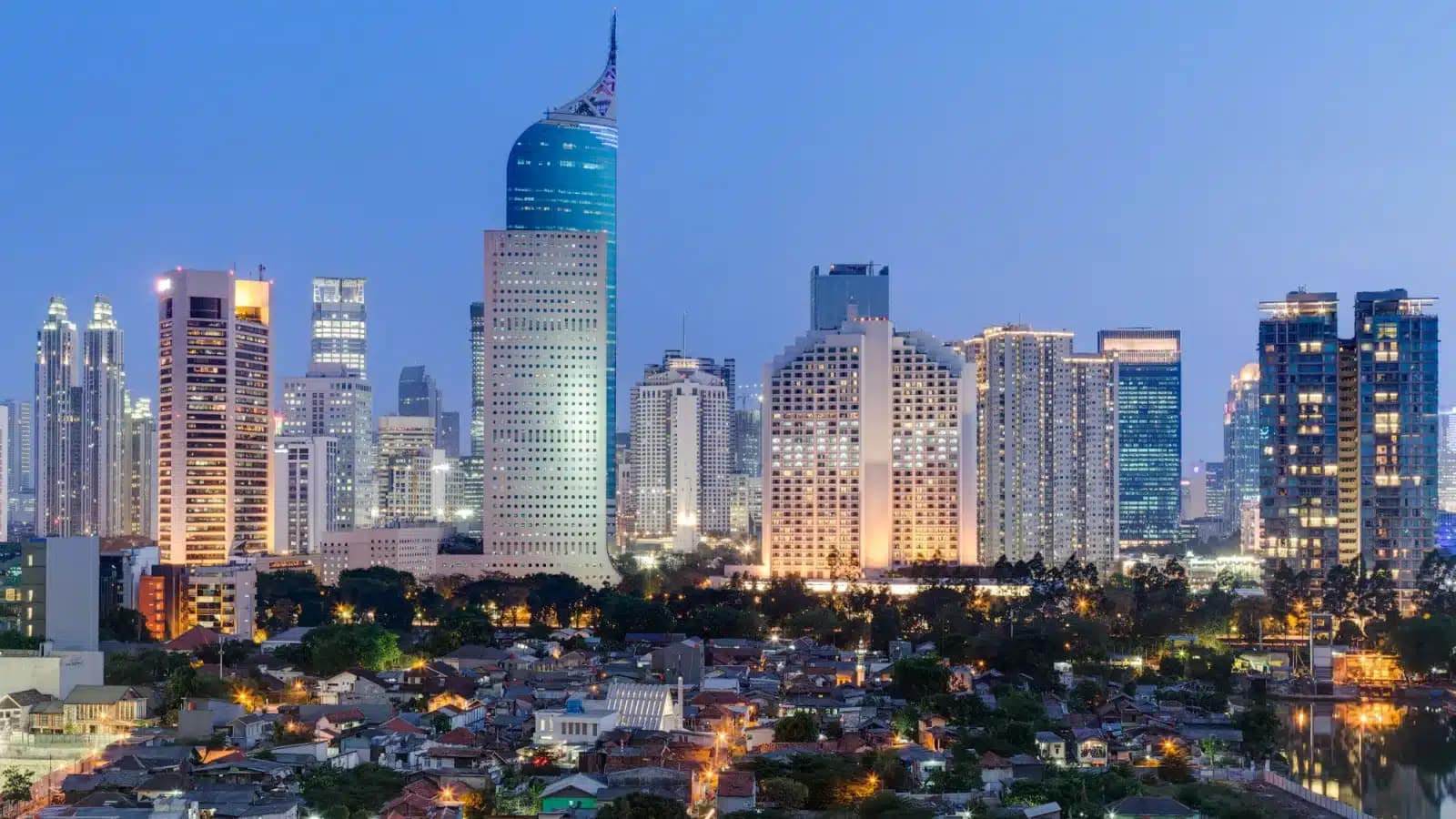
01 · The case for Indonesia
Seventeen thousand islands, and almost everyone goes to one of them

Indonesia is the fourth most populous country on earth and the largest archipelago in it. Roughly 17,000 islands and three time zones. Americans who move here almost all land on one island: Bali. That single fact shapes everything else on this page.
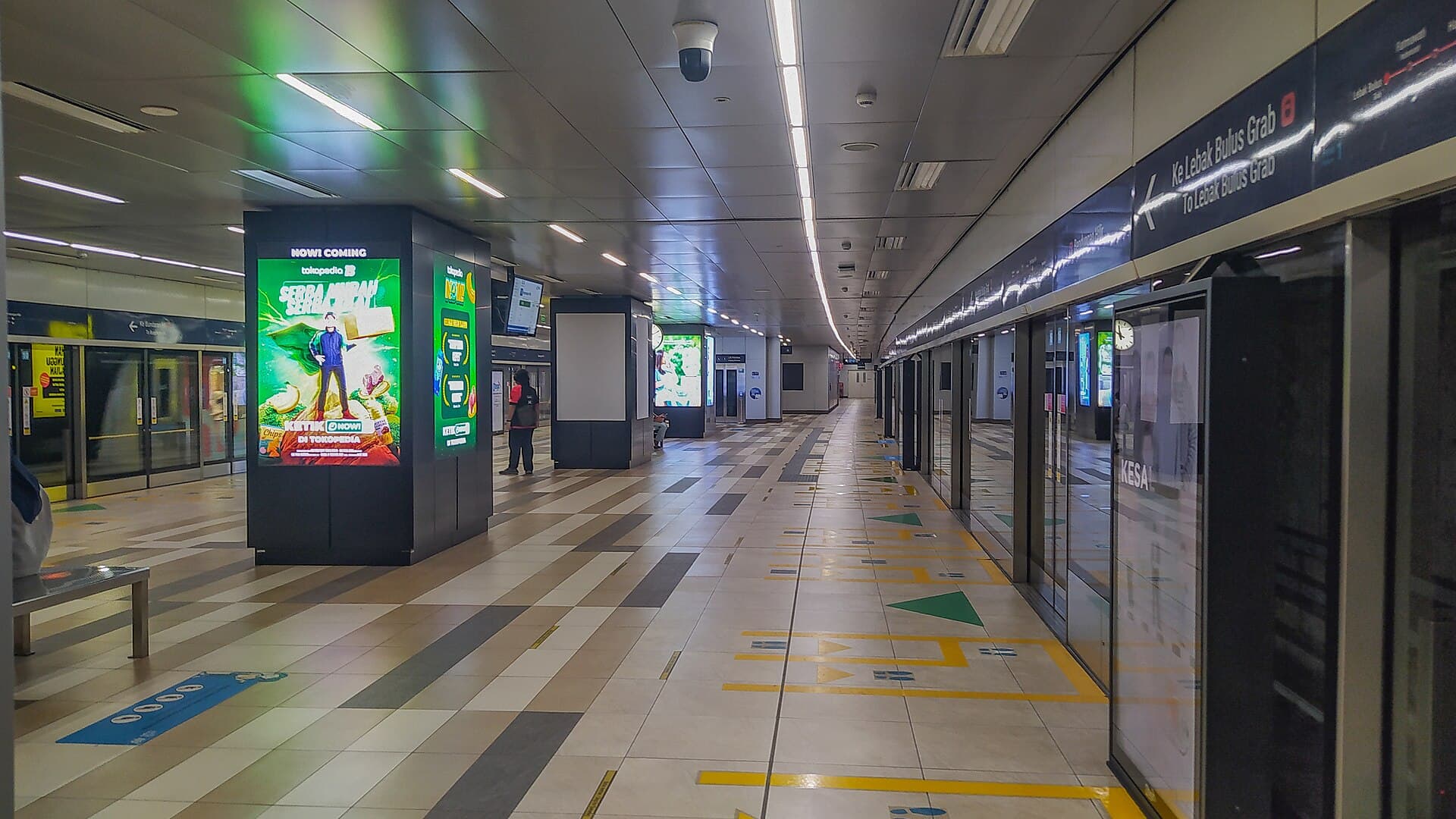
What's good is the math. An inexpensive meal out costs about $2. Downtown one-bedrooms sit near $300, and home internet runs about $23. It's warm all year, roughly 80F on average, with about 245 sunny days. Jakarta got a real metro in 2019, and the archipelago is a ridiculous place to travel from, with Singapore, Bangkok and Kuala Lumpur all a short hop away.
Indonesia also finally built a legal route for remote workers. The E33G Remote Worker KITAS arrived in April 2024. Before that, people who worked online from Canggu did so on tourist visas and hoping nobody asked.
The profiles this suits
Salaried remote employees with a foreign contract who can document the income. People with real savings who'd rather park $130,000 than qualify for anything. Retirees on a solid pension who want to be near a beach and don't need world-class hospitals down the road. Surfers, divers and anyone whose hobby is the ocean. And Americans who want to be in Asia on Asian prices without Japan's paperwork or Singapore's rents.
Here's the catch
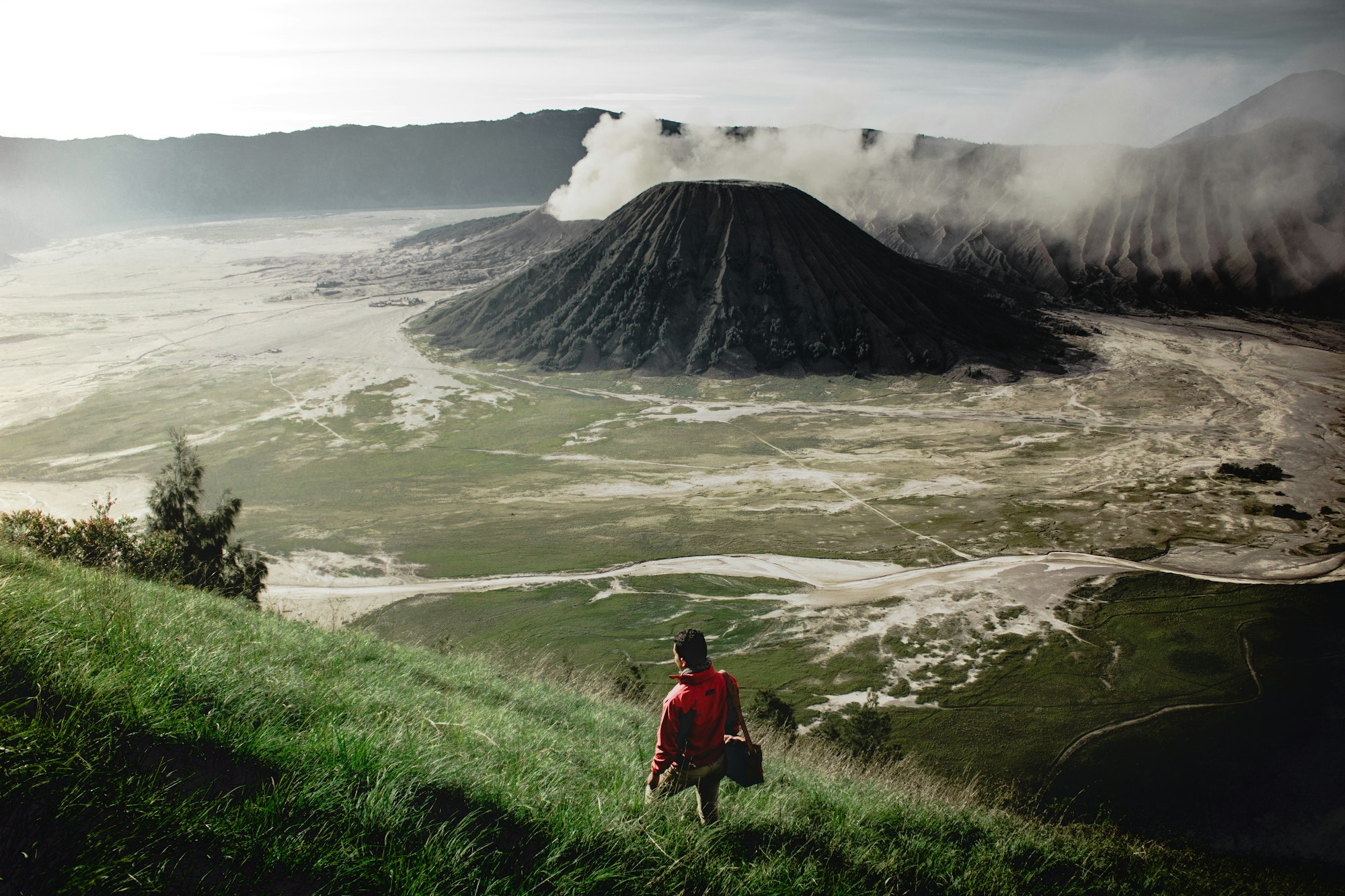
The gap between Indonesia and Bali is wider than it looks from a distance, and it runs the expensive way. Healthcare is the real one: the State Department says flatly that most foreigners here with the resources leave the country for anything beyond basic procedures. You'll never hold freehold title to land. Indonesia doesn't recognize dual citizenship, so the long game ends at permanent residency unless you're willing to surrender your U.S. passport. A criminal code that took effect in January 2026 put cohabitation and sex outside marriage on the books. And this is the Ring of Fire: 127 active volcanoes, more than any other country, and about 4,000 earthquakes a year.
- Safety index
- 55/100
- Language
- Bahasa Indonesia
- Currency
- Indonesian Rupiah (IDR)
- Capital
- Jakarta
- Population
- 277M
02 · The money
Four numbers, and none of them are Bali's
$750
Monthly budget, one person
National average, everything included
$1,300
Monthly budget, a couple
A family budget runs $2,350
$300
One-bedroom, city center
About $200 outside the center
$2
An inexpensive meal out
Transit runs about $10 a month
The gap between the country and the island

Those four numbers are honest apply nationally. They describe living in Yogyakarta or Bandung or Surabaya. They don't describe the place you're probably picturing.
Our own Bali reporting puts a comfortable solo person there at $1,800 to $2,500 a month, with a couple nearer $2,500 to $3,500. A Canggu villa with three bedrooms and a pool sits between $700 and $1,400. Coworking is $100 to $180 a month. That's two to three times the national figure; that gap has been widening since 2022 as remote-worker demand pushed Canggu rents up. If you're reading a blog that promises a $500 villa in Bali, it's outdated.
Food is where the cheap country stays cheap everywhere. A plate of rendang or nasi goreng at a warung costs a couple of dollars in Jakarta and Ubud alike. Imported groceries and Western restaurants are where budgets quietly break. They break hardest in the expat neighborhoods where the imported groceries are.
Why the budget and the visa disagree
Read the two halves of this page together. The cost figures above undercut every other country we've guided. The income and deposit thresholds further down are among the steepest in Southeast Asia. Indonesia isn't screening for people who need somewhere affordable. It's screening for people who already have money and would like to spend it somewhere warm. Thailand's remote-work route asks for savings in the low five figures. Indonesia's asks for $60,000 a year of income.
03 · Daily life
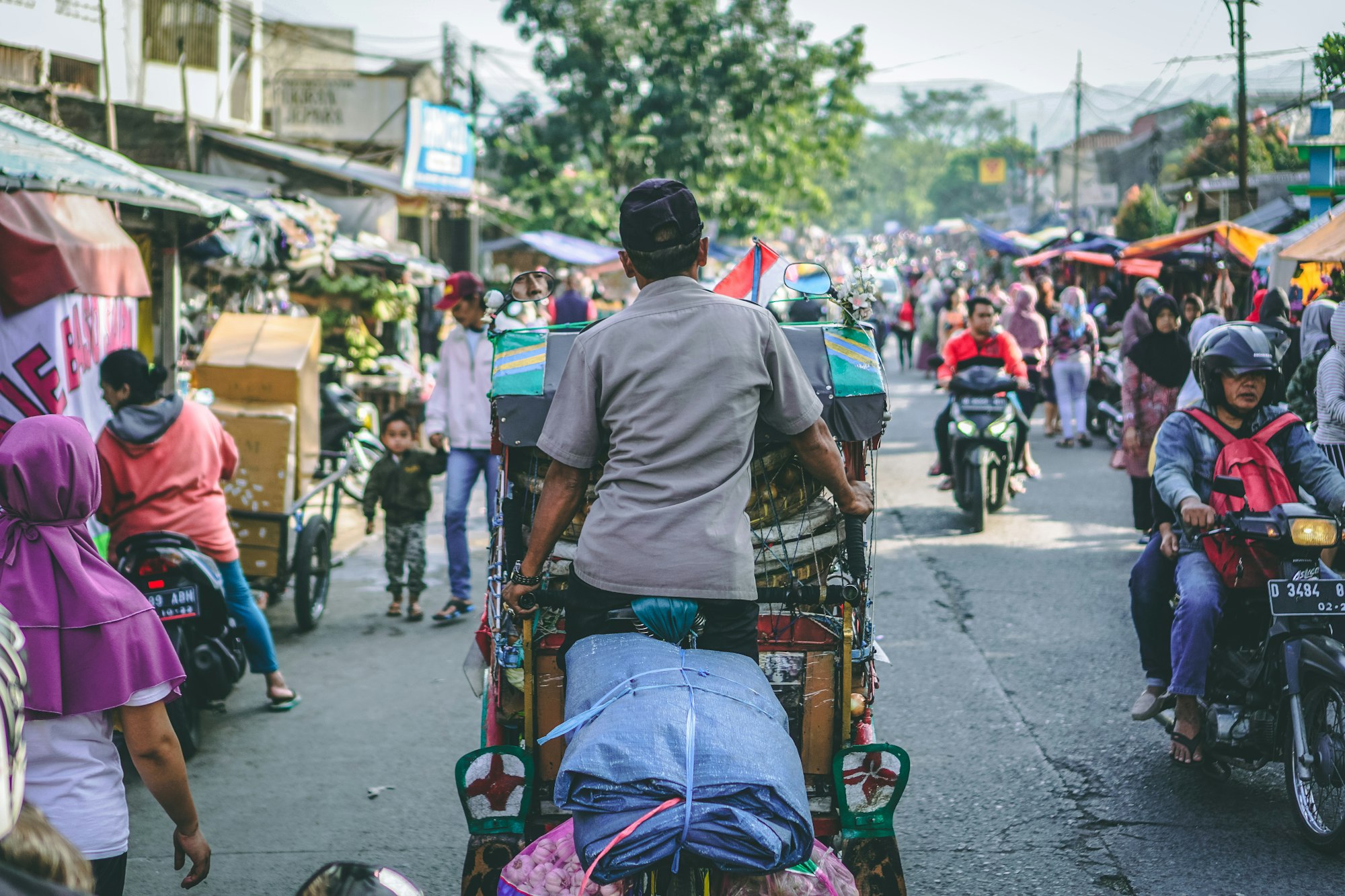
Heat, traffic, and a language you will need
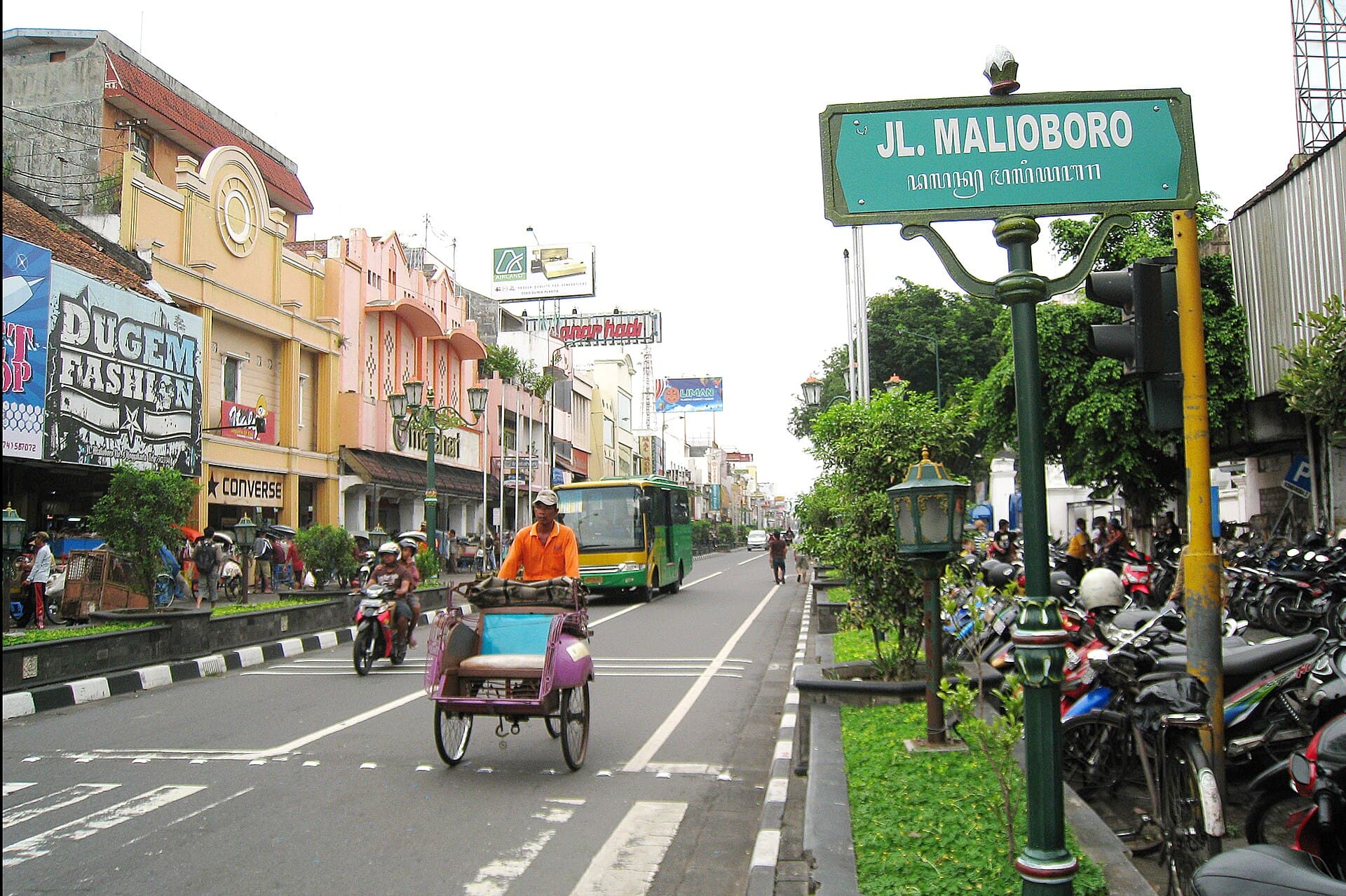
How you'll move around
Jakarta has a metro, a commuter rail network and the TransJakarta bus system. All are clean, cheap and useful. Outside Jakarta, public transit thins out fast; our transit-quality score for the country is 35 out of 100, which is why the scooter is the default. Here's what is worth knowing before you rent one: a U.S. driver's license alone isn't recognized here, and the State Department says you need an International Driving Permit. Insurers routinely deny motorbike claims where the rider had no valid license or helmet.
Two seasons and a haze season
There's a rainy season from November into March or April, then a dry one from June to October. Flooding is the most common weather disaster in the country; Jakarta is literally sinking, which makes its floods worse. The dry months bring the other problem: forest and land fires push smoke across whole regions, and the State Department's blunt summary is that air quality in Indonesia is generally poor all year.
Bahasa is easy to start, slow to finish
Bahasa Indonesia is one of the friendliest languages an English speaker can pick up. There's no verb conjugation, no grammatical gender, no tones, and it's written in the Latin alphabet. You'll be ordering food in two weeks. The catch is that it's a second language for most Indonesians too, who grow up speaking Javanese or Sundanese or Balinese at home, and our English-proficiency score for the country is middling. In Canggu and central Jakarta you'll get by in English just fine. At an immigration office, hospital admissions desk or land office, you won't.
What wears people down
Bureaucracy, mostly. Our own country notes flag the visa and work-permit processes as a drawback, and the paperwork rewards patience over cleverness. Then the small things: traffic that turns a short trip into an hour, tap water you can't drink, and a quirk in the drug laws that catches people out. Marijuana and CBD are illegal, regardless of any prescription, as are amphetamine-based ADHD medications like Adderall and Vyvanse. Indonesia publishes no list of banned medicines, and drug offenses here can carry the death penalty.
And the connection, if you work online. Indonesia's median fixed broadband runs about 46 Mbps, which puts it outside the global top hundred, because fiber still reaches only about 72 percent of districts. Coworking spaces in Bali and Jakarta are fine. Much of the archipelago isn't.
Details that change the plan
It's a long way
Roughly 17 hours of flying from the East Coast, 15 from the West, and Jakarta sits 12 hours ahead of Washington.
Two provinces are off-limits
The State Department says do not travel to Central Papua or Highland Papua because of civil unrest. The rest of the country is Level 2.
Aceh runs on Sharia
One province enforces Islamic law, and the advisory warns it can be applied to non-Muslims and foreigners alike.
Medevac is the real policy
Ambulances can take 45 minutes. Hospitals often want a deposit up front. Buy evacuation coverage, not just medical.
Overstaying is priced per day
One million rupiah, about $60, for every day past your permit, plus possible detention and a re-entry ban.
Bali charges admission
Foreign visitors pay a tourist levy of 150,000 rupiah, roughly $9, separate from the visa.
04 · The routes
The permits, and what each one costs you
A tourist visa or a visa on arrival gets you 30 days, extendable once. Everything past that is a KITAS, a limited stay permit. Working on a tourist visa is illegal. Immigration has been enforcing it, and the fact that your clients are all in Ohio makes no difference.
E33G, if you work for a foreign employer
Indonesia's remote-work permit, live since April 2024. You need $60,000 a year of foreign income, an employment contract with a company registered outside Indonesia, about $2,000 in the bank across the last three months, and international health insurance. Travel insurance doesn't count. It runs one year. A few things the marketing pages skip. First, you cannot take a single rupiah from an Indonesian client, even one, even paid in dollars. Second, freelancers sit in genuinely unsettled territory: the rule names an employment contract with a foreign employer, some agencies file on client contracts instead, and immigration hasn't published a clear answer. What happens at the end of year one is also contested. Agencies variously describe a hard stop, a straight extension, and an exit-and-refile with a few weeks spent outside the country. Ask your agent to put their answer in writing.
E33F and E33E, if you have stopped working
Two different retirement permits. The E33F runs a year at a time, up to five years total, on pension income of about $1,500 a month, a one-year lease, insurance, a sponsor, and an arrangement to employ an Indonesian domestic worker. That last requirement is real and surprises people. The E33E, marketed as Silver Hair, runs five years and wants a $50,000 deposit in a state-owned Indonesian bank, plus about $3,000 a month in income. The age floor has historically been age 55 for the one-year route and age 60 for Silver Hair, but 2026 guidance is inconsistent about whether age 55 still opens the door. Confirm it for your nationality before you plan around it. Neither permit lets you work.
The Second Home Visa, if you can park the money
Five or ten years, no sponsor, no age limit, no annual renewal. You commit to depositing 2 billion rupiah, about $130,000, into an account in your own name at a state-owned bank, or to buying qualifying property. The money stays yours and earns interest. You just can't draw it below the line while the visa is live. Sources disagree on the property alternative, which sits an order of magnitude higher. Your spouse, children and parents ride along with no separate financial test. After three years of residence, it can convert to a KITAP.
The Golden Visa, which is mostly not for individuals
A passive investor puts $350,000 into Indonesian government bonds, listed shares, mutual funds or a state-bank deposit for five years, or $700,000 for ten. Founding a company instead means $2.5 million for five years or $5 million for ten. Before you take this seriously, look at who uses it. By May 18, 2026 the program had issued 1,274 permits against Rp 52.1 trillion of investment, about $2.95 billion, and corporate investors were 97.7 percent of that money. Individuals who didn't found a company contributed about $10.2 million of it. This is a corporate market-access tool that a handful of wealthy individuals also use.
E23, if an Indonesian company hires you
The standard work permit, and the only one here built around an Indonesian salary. Your employer drives it: they file an RPTKA workforce plan, then the work permit, then your visa and KITAS. The whole chain is online since the 2024 reform. You can't start this one yourself.
The two Indonesian visas in our database
| Visa | Category | Application cost | Processing | Difficulty | Guide |
|---|---|---|---|---|---|
| Social Media Content Visa (C5A) | work | $50 | ~5 days | 3/5 | Guide |
| Student Visa (C316) | student | $50 | ~7 days | 3/5 | Guide |
About that data card
Three things up there need a footnote. The table holds two Indonesian routes, and neither is one Americans normally use: every permit described above is missing from our database, including the E33G. The $50 figure is a visa fee, not what the route costs; budget government charges plus an agent. The difficulty column prints out of ten while the stored values only run one to five, so both rows read easier than they are. We've flagged all three for the data team.
05 · The practical stuff
Tax residency, hospitals, and the land you cannot own
When Indonesia starts taxing you
Indonesian tax residents are taxed on worldwide income at 5 to 35 percent. The brackets start at 5 percent on the first 60 million rupiah, roughly $3,600, and reach 35 percent above 5 billion. You become a resident by spending more than 183 days here in twelve months, or by being present with the intent to reside, and holding a KITAS is evidence of intent. So the day count is not the whole test.
You'll read that the remote-work visa carries an automatic exemption on foreign income. Be careful with that. There is a real four-year Indonesian-source-only regime under the Job Creation Law, but PwC's reading is that it applies to foreigners who meet certain skill requirements, and it may not apply at all where you're using a tax treaty on the same income. Whether a remote worker qualifies is unsettled. Meanwhile you still file a 1040 every year, plus FBAR if your foreign accounts cross $10,000 at any point.
What happens if you get properly sick
Read this one twice. The State Department's summary is that most foreigners in Indonesia who have the resources leave the country for anything beyond basic procedures. Jakarta has strong private hospitals. Bali handles emergencies and refers complicated cases out, usually to Singapore. Hospitals commonly want payment or a sizable deposit before they admit you, ambulances aren't reliably available, and Medicare covers none of it.
BPJS Kesehatan, the national scheme, is mandatory if you work in Indonesia for six months or more, at 5 percent of salary split four to one between employer and employee. Read that sentence carefully: it keys on working, not on living. E33G, Second Home and retirement permit holders generally aren't enrolled through it, and the E33G separately requires international health insurance for your whole stay.
You'll never own the land
Freehold title, Hak Milik, is reserved for Indonesian citizens by the 1945 Constitution and the Basic Agrarian Law of 1960. Not restricted - reserved. Any transfer of freehold to a foreigner is void by operation of law, the land reverts to the state, and the price you paid isn't recovered through the title system. Nominee arrangements where a friendly local holds the certificate for you are illegal and void, but they're everywhere in Bali.
What you can legally hold is Hak Pakai, a registered right to use, which runs 30 years plus 20 plus 30 for a maximum of 80. It's available only to foreigners who hold a KITAS or KITAP, so your visa and house are the same question. There's also strata title on qualifying apartments, a straight lease, or ownership through a foreign investment company. Landed houses are capped near 2,000 square meters. Budget 9 to 14 percent of the price in round-trip transaction costs.
Rupiah, cards, and getting money in
The rupiah quotes in the thousands, so prices look alarming until you recalibrate. Cards work in cities and malls. Warungs, drivers and small landlords want cash. Card skimming is common enough that the State Department names it, so use ATMs at bank branches. You can carry no more than 100 million rupiah, about $6,000, across the border in either direction. Opening a local account is paperwork-heavy and generally needs a KITAS, which is why a multi-currency account is the usual first move.
This guide is dated on purpose
Indonesia moved its retirement age floors and its immigration fees during 2026, and the rupiah moves every day, so the figures above are a snapshot. Dollars here were converted in September 2026 at roughly 16,600 rupiah. The rupiah amount is the one a government office will apply. The dollar is a reference that decays. Re-price it the morning you file.
06 · Where to live
Indonesian city guides, as we add them
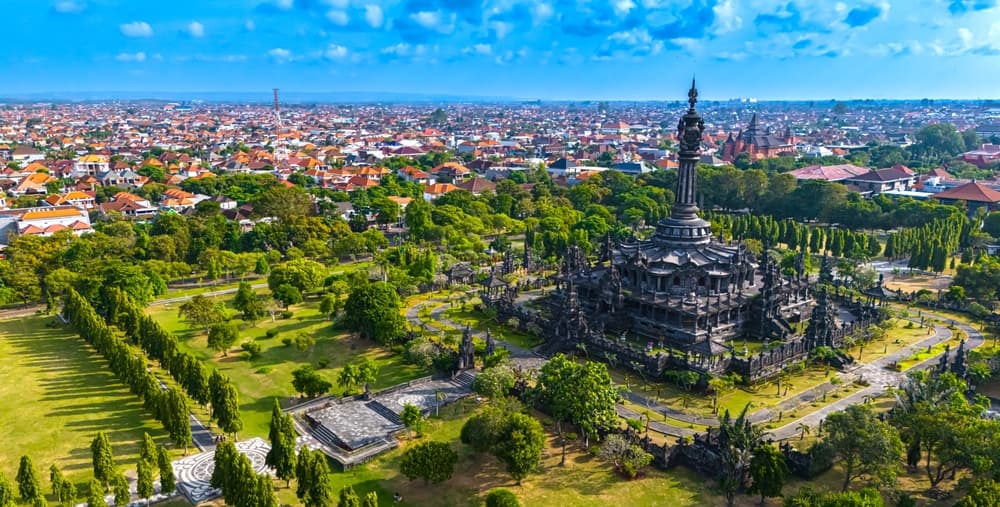
Bali
South Bali base
The practical side of the island: Sanur's flat seafront path, Denpasar's shops and clinics, and the airport close by. It's where people end up for hospitals and international schools. The catch is traffic that turns short trips into an hour, scooters as the default, and no freehold land for foreigners.
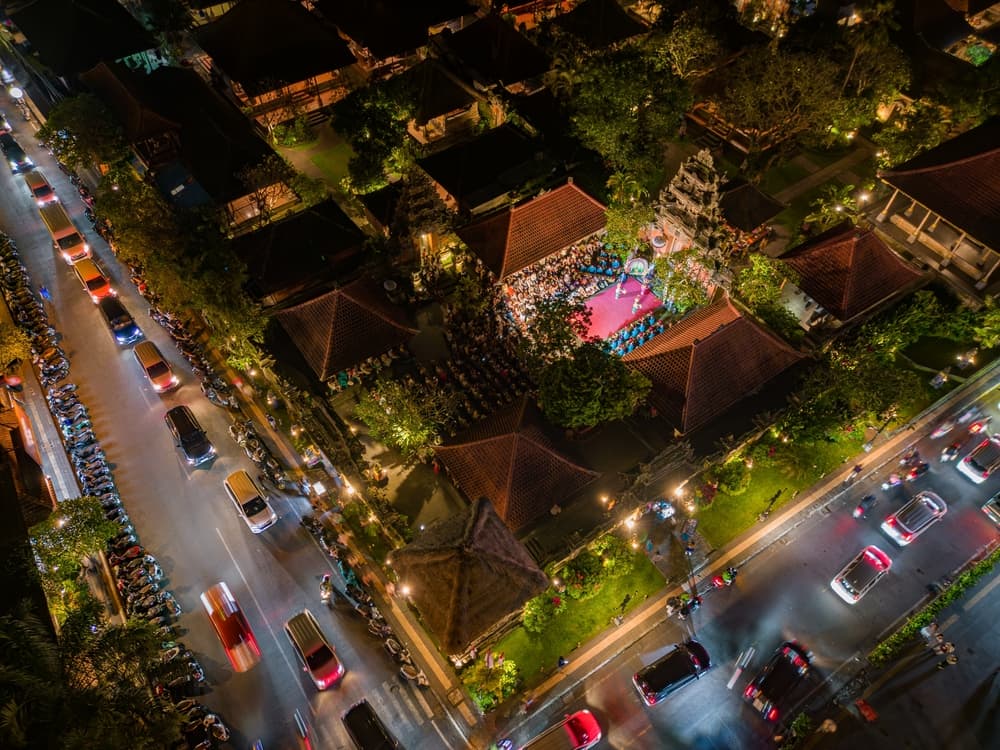
Ubud
Rice fields and yoga
Rice terraces, yoga studios and a strong cafe scene in Bali's cultural heart, with villa lanes in Penestanan and Sayan a short ride from the center. Slow mornings and art classes are the draw. The catch is clogged central traffic and a long drive to the airport, the beaches and Denpasar's big hospitals.
Canggu
Surf and coworking
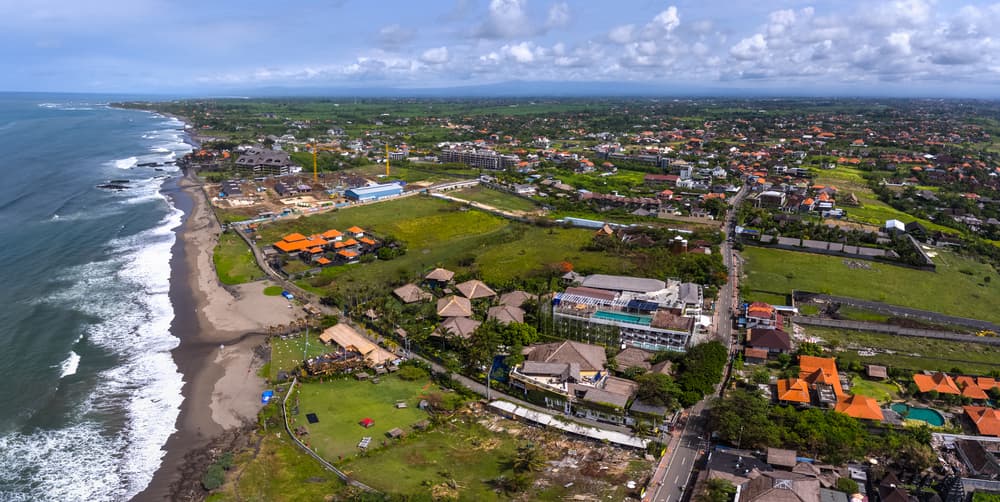
A surf town on Bali's southwest coast with coworking spaces, brunch cafes and villas down rice-field lanes in Berawa and Batu Bolong. It's the island's remote-worker hub. The catch is traffic on narrow roads and rents that have climbed since 2022, so it's no longer the bargain old blogs describe.
Jakarta
Big-city business base
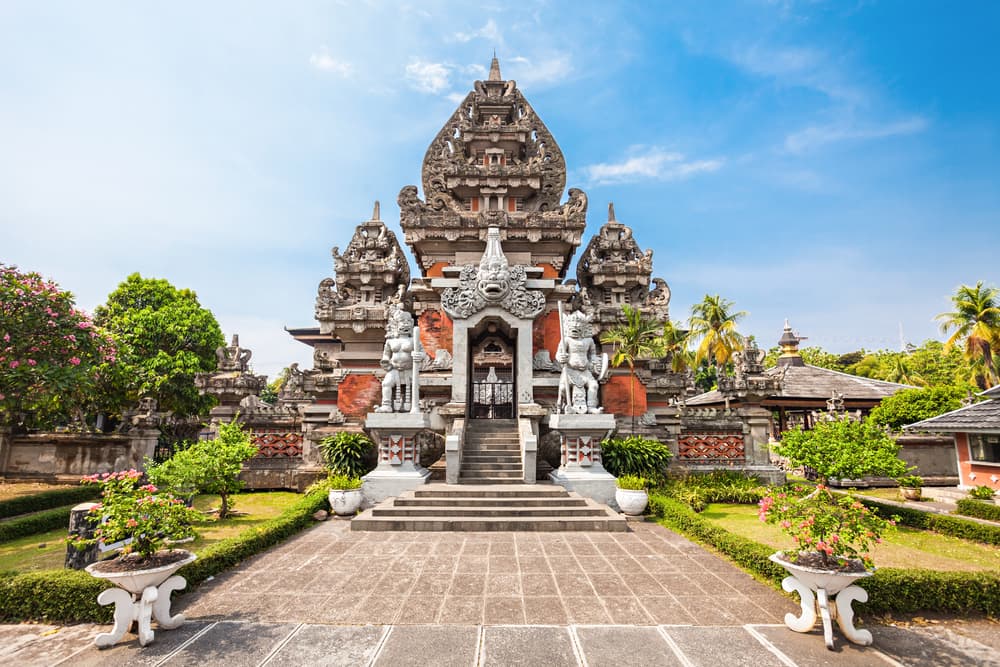
A sprawling megacity where expat life centers on South Jakarta, around Kemang, SCBD and Senopati, with an MRT line, big malls and large private hospitals. It suits people here on assignment or doing business. The catch is rainy-season flooding, traffic that eats hours and air that's often poor.
Jakarta, Bali, and the three nobody mentions
Jakarta
The capital, and the reason to be here is work. It's the city with the metro, corporate jobs and the hospitals you'd choose on purpose. It's also the traffic and the air quality everyone warns you about, and rents in central apartments run well above the national figure.
Bali
Where nearly every American ends up, and really three or four places at once. Canggu is young, crowded and expensive. Ubud is yoga, rice terraces and a slower crowd. Sanur skews older and quieter. Denpasar is the actual city the others hang off. Bali has the deepest foreign community and shortest average stay.
Yogyakarta
Java's cultural and university city, and cheap even by local standards. Walkable, full of students, and close to Borobudur and Prambanan. The trade-off is that almost nothing happens in English.
Bandung
Three hours from Jakarta and about 2,500 feet higher, which buys you cooler evenings. A design and coffee city with a young population. Weekend traffic from Jakarta is the standing complaint.
Surabaya
The second-largest city, an industrial port, and almost entirely off the expat map. Worth knowing exists if your work is in shipping, manufacturing or East Java logistics.
07 · Help
The sponsor you are required to have
Indonesia is unusual in that using an agent is closer to a legal requirement than a convenience. Applications run through one government portal, evisa.imigrasi.go.id, and the remote-work permit needs a local Indonesian sponsor, which in practice means a visa agency supplies the sponsor letter and files for you. So the question isn't whether to hire somebody. It's which pieces you hand over and which ones nobody in Indonesia can help you with because they sit in the United States.


MyExpatTaxes
U.S. Expat Tax Service
MyExpatTaxes handles the return you keep owing Washington. Bring up treaties in the first conversation, not the last: Indonesia's four-year regime can switch off on exactly the income you claim a treaty against, which is a trap you want priced before you move.
Learn more
Flamingo Compliance | Tax Residency and Visa Tracker Platform
Tax Residency and Visa Tracker Platform
Flamingo tracks presence across borders and across U.S. states. That second half is the one people forget: the state you left can keep taxing you long after Indonesia has started, and leaving the country is not the same as leaving a domicile.
Learn more
ExpatInsure
Global Health Insurance
ExpatInsure writes international policies. On an Indonesian page the number to argue about is the evacuation limit and whether the policy direct-bills: BIMC, Siloam and Pondok Indah do, and a hospital that bills your insurer won't ask you for a deposit at the door.
Learn more
Moneycorp
Currency Exchange
Moneycorp moves currency. Indonesia's self-funded routes turn on one enormous transfer into a specific state-owned bank rather than a monthly trickle, and that is exactly the transaction where the spread costs real money.
Learn moreGo deeper
Three things to read while you are still deciding.
Picking the Wrong Country
What to do if your chosen country doesn't turn out to be the right fit.
A lot of people pick Bali from a photograph. This one is about what that costs.
Do I have enough money?
Our partners at Beacon Financial outline how much money a move abroad could cost you as well as how much you may need to retire.
Every Indonesian route tests a savings balance or an income floor before it tests your budget, so run this one before you price a villa.
Can I get healthcare?
Our partner Hunter Schultz explains what you need to know if you're concerned about healthcare abroad.
Indonesia is the country where this question reshapes the whole plan, because complicated cases get referred out to Singapore.
Where the E33G gets argued over
Visa Path: Digital nomad visa
Expatsi Community
We don't have an Indonesia group yet, but the remote-work visa conversation happens here, across every country that runs one. It's the right room for the E33G questions this page can't settle, like what your agent told you about renewal.
Join the communityStraight answers on Indonesia
What is healthcare like in Indonesia?
Fine for everyday medicine in big cities, thin for anything serious. The State Department says most foreigners here with the resources leave the country for procedures beyond the basics. Jakarta's private hospitals are strong. Bali stabilizes emergencies and refers complex cases to Singapore. Hospitals often want a deposit before admitting you. The load-bearing purchase is a policy with a large evacuation limit.
Does Indonesia have a digital nomad visa?
Yes, since April 2024. The E33G Remote Worker KITAS gives you a year, and it wants $60,000 a year of foreign income, an employment contract with a company registered outside Indonesia, about $2,000 in the bank over three months and international health insurance. You cannot bill any Indonesian client on it. Freelancers without a formal employment contract sit in unsettled territory, so get your agent's view in writing first.
Is Indonesia safe for Americans?
Indonesia sits at Level 2 of the four advisory tiers, the exercise-increased-caution band, for natural disasters, unrest and terrorism. It tells Americans to stay out of Central Papua and Highland Papua entirely. Our safety score is 55 out of 100 with a moderate crime level. Petty theft, snatch-and-grab and card skimming are the everyday risks, and Bali gets named specifically. The bigger statistical danger is the roads.
Can I retire in Indonesia?
Yes, on one of two permits. The E33F runs a year at a time, up to five years total, on pension income near $1,500 a month plus a lease, insurance, a sponsor and an arrangement to employ a domestic worker. Silver Hair, the E33E, runs five years on a $50,000 deposit in a state-owned bank and about $3,000 a month. The floors have run from age 55 for the E33F and age 60 for Silver Hair, and 2026 guidance is inconsistent, so verify yours.
How much does it cost to live in Indonesia?
We put one person at roughly $750 a month and a couple at $1,300, everything included. That is cheaper than any other country we've guided. Downtown one-bedrooms sit near $300 and drop toward $200 further out. A meal is $2 and transit about $10 a month. Bali is the exception and it is not a small one: a comfortable single there runs $1,800 to $2,500.
Can I become an Indonesian citizen?
Only by giving up your American one. Indonesia does not recognize dual nationality, and naturalizing requires renouncing your prior citizenship, five continuous years of residence, Indonesian language and civics, and presidential approval. Realistically the ceiling for most Americans is KITAP, permanent residency, which the Second Home Visa can reach after three years.
Will I pay Indonesian tax if I live in Bali?
Probably, and the 183-day rule is not the whole test. Indonesian tax residents are taxed on worldwide income at 5 to 35 percent, and you become one either by passing 183 days in twelve months or by being present with intent to reside. Holding a KITAS counts as evidence of intent. A four-year Indonesian-source-only regime exists but is tied to skill requirements, and you keep filing a U.S. return either way.
Can foreigners own property in Bali?
Not the land. Freehold title is reserved for Indonesian citizens, and a transfer of it to a foreigner is void by law, with the land reverting to the state. What you can hold is Hak Pakai, a registered right to use running up to 80 years, but only while you hold a KITAS or KITAP. Nominee deals where a local holds the certificate for you are illegal and common. Hire your own lawyer, not the seller's.
Sources
- Indonesia Travel Advisory · U.S. State Department (checked 2026-09-18)
- Indonesia: Taxes on personal income · PwC Worldwide Tax Summaries (checked 2026-09-18)
- Indonesia: Golden Visa Program Introduced · Fragomen (checked 2026-09-18)
- Golden visa nears US$3 billion before its two-year mark · IMI Daily (checked 2026-09-18)
- E33G Remote Worker Visa: requirements, rules and tax · Emerhub (checked 2026-09-18)
- Remote Worker KITAS E33G · Lets Move Indonesia (checked 2026-09-18)
- Retirement Visa: E33F and E33E requirements and age · Emerhub (checked 2026-09-18)
- Second Home Visa E33: requirements and deposit · Emerhub (checked 2026-09-18)
- Requirements for the Second Home Visa · ASEAN Briefing (checked 2026-09-18)
- Property ownership: the foreign buyer framework · Victaura (checked 2026-09-18)
- Can foreigners own property in Indonesia? · Lawzana (checked 2026-09-18)
- Health insurance in Indonesia: a guide for expats · Feather (checked 2026-09-18)
- Speedtest Global Index, Indonesia · Ookla (checked 2026-09-18)
- Indonesian Citizenship Law factsheet · CILIS, University of Melbourne (checked 2026-09-18)
Indonesia rewards people who do the paperwork first
Speak with an Expatsi advisor about your goals. We'll put together the roadmap that gets you there.
Why not you?