Montevideo: stability, the Rambla, and a beach-town pace
A 13-mile waterfront promenade, the best corruption-index score in South America, and a residency path that's open to retirees.
- 1,302,954
- Population (2023)
- $1,800/mo
- Monthly budget · single
- 62°F / 17°C
- Avg temperature
Budget about $1,800 a month in U.S. dollars to live alone in Montevideo, around $2,800 as a couple, or roughly $4,300 for a family. A one-bedroom in the center averages about $750, and about $600 outside it. That covers a real life here, not a scraping-by one: dinner out at a neighborhood parrilla runs about $14, and the Rambla is free every day.
Montevideo suits people who want stability more than spectacle. Uruguay posts the best score in South America on Transparency International's corruption index, residency is attainable, and the city of about 1.3 million moves at a pace closer to a large beach town than a capital. Retirees, remote workers on U.S. salaries, and families drawn to Uruguay's secular public institutions all find a foothold here.
The honest drawbacks: it can feel quiet, even sleepy, and street crime is a real problem, which is why the safety score below is middling. The restaurant scene leans heavily on beef and pizza, and imported goods carry real markups. If you need big-city energy, Buenos Aires is a ferry ride away, and some people want that ferry more often than they expected.
At a glance
$1,800
Monthly budget · single person
$750/mo 1-bed rent, center
48/100
Safety index
$40
Internet / month
62°Fannual average
Jul 51° · Jan 73°
Climate
1,302,954
Population (2023)
Expatsi estimates, updated Aug 2026, based on rental listings, government statistics, and local reporting.
Cost of living
What it costs to live in Montevideo
Single person
$1,600–$2,000/mo
about 40% below Austin, TX
Couple
$2,500–$3,100/mo
about 40% below Austin, TX
Family of four
$3,800–$4,800/mo
about 45% below Austin, TX
Compared with Austin, TX (Expatsi estimate, 2026).
- $14 −30%
- Inexpensive meal
- $650–$800/mo −62%
- 1-bed rent, center
- $500–$650/mo −56%
- 1-bed rent, outside
- $40/mo −38%
- Internet
- $60/mo +45%
- Transit pass
- $297/sq ft −54%
- Buy price, center
Expatsi estimates, updated Aug 2026, based on rental listings, government statistics, and local reporting.
Daily life
How Montevideo lives
- B grade, 53rd percentile among the cities we track
- Dining & caféstypical
- A- grade, 83rd percentile among the cities we track
- Arts & culturestrong
- B- grade, 26th percentile among the cities we track
- Parks & outdoorstypical
- B+ grade, 63rd percentile among the cities we track
- Schools & educationstrong
- A- grade, 75th percentile among the cities we track
- Healthcare accessstrong
- B+ grade, 58th percentile among the cities we track
- Bike infrastructurestrong
- B- grade, 31st percentile among the cities we track
- Public transittypical
- A+ grade, good physical accessibility
- Accessibilitygood
Graded on OpenStreetMap amenity density relative to the 298 cities we track. Accessibility is the exception: it's graded against a fixed standard (terrain steepness and sidewalk surfaces), not a curve.
Climate
Weather through the year
Annual average 62°F (17°C) · 47 in of rain a year · Source: Meteostat station normals (86580, 1991-2020)
On the ground
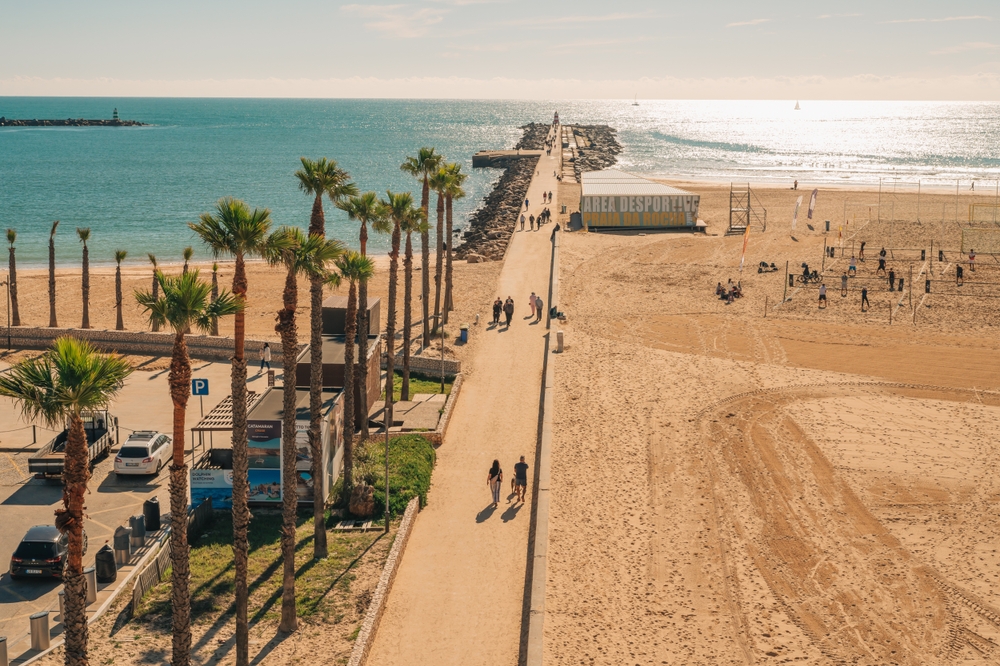
Scenes from Montevideo
Getting around
Transport in Montevideo
Montevideo runs on buses. The STM system (Sistema de Transporte Metropolitano) covers the whole city, run by operators like CUTCSA and COETC, and you pay with a rechargeable STM card you pick up with your passport at an Abitab shop. There's no metro or tram, but buses on main corridors like 18 de Julio come every 6 to 12 minutes at peak, and a monthly transport budget of about $60 covers regular riding.
The city is genuinely walkable in the neighborhoods where most Americans land. Pocitos, Punta Carretas, Cordón, and Ciudad Vieja are flat, gridded, and dense with bakeries, pharmacies, and produce shops, so daily errands happen on foot.
Taxis and ride-hailing apps, including Uber and Cabify, are cheap by U.S. standards and fill the gaps, especially after buses thin out late at night.
A car is optional in the city and most expats skip one at first. It earns its keep for regular trips to the beach towns east along the coast or the interior, since intercity coaches out of Tres Cruces are decent but a car opens up far more of the country. Imported vehicles are expensive, so many residents buy used locally.
- 8.2/sq mi
- Transit stops
- 12/sq mi
- Bike infrastructure
- 5.7/sq mi
- Wheelchair-accessible places
Mapped features per square mile from OpenStreetMap.
Keep exploring
Places like Montevideo
Community
Community & practical notes
Community: The expat scene is smaller and quieter than in Mexico or Portugal, which is part of the appeal. Americans, Argentines and Brazilians mix with a long-established European-descended population without much of an expat bubble. English is not widely spoken outside professional circles, so Spanish matters more here than in flashier destinations. Facebook groups and meetups in Pocitos and Ciudad Vieja are the usual entry points.
Healthcare: Uruguay runs a mutualista system, private nonprofit plans tied to specific hospital networks, and a membership costs a fraction of U.S. insurance. Hospital Británico is where English speakers usually land, and it holds JCI accreditation. The friction is age: many mutualistas stop taking new members between 60 and 65, or accept older applicants only for a sizable fee. Médica Uruguaya is the one expats name as historically having no upper limit, and public ASSE takes any legal resident regardless of age or condition.
LGBTQ+ life: Uruguay legalized same-sex marriage in August 2013, two years ahead of the United States, with joint adoption preceding it in 2009. The 2018 Comprehensive Trans Law lets people change their documents without surgery or diagnosis, putting gender-affirming care in the public system. Montevideo declares September its Diversity Month and closes it with the Marcha por la Diversidad. The scene is small and folded into ordinary nightlife instead of one district. The remaining gap is enforcement; activists point to thin budgets behind the trans law.
Limited mobility: Montevideo is flat, and that is the one thing genuinely in its favor: the coastal neighborhoods are level walking. Everything else is harder. The State Department tells travelers to expect very limited accessibility in public transport and lodging, and says sidewalks and crosswalks are often in poor repair. Buses are hit or miss, and many residents with limited mobility lean on taxis.
Remote work: Home fiber runs about $40 a month, and Antel has run fiber to roughly 96 percent of the country, so speed is rarely the problem. Sinergia opened Uruguay's first coworking space in 2014 and now runs several buildings. There's a real tech sector too, anchored by dLocal, Globant and Zonamerica. The time zone sits one or two hours ahead of U.S. Eastern, so stateside meetings are painless.
Retirement: Residency requires showing regular income, with no minimum written into Uruguayan law. Permanent residency is granted up front, and legal residents can apply for citizenship after three years if married, five if single. Nothing requires you to buy property. Compare programs in our guide to retirement visa options, and get the full picture in our Uruguay guide.
Housing
Renting and buying
- 1-bed rent (center)
- $650–$800/mo
- 1-bed rent (outside center)
- $500–$650/mo
- Buy price (center)
- $297/sq ft
- Buy price (outside center)
- $186/sq ft
Expatsi estimates, based on rental listings, government statistics, and local reporting.
Good to know
Frequently asked questions
Can I retire in Montevideo on Social Security?
Yes, for many retirees. A single person's budget of about $1,800 a month is within reach of a solid Social Security benefit, and a couple needs around $2,800. Pension and Social Security income both count toward Uruguay's residency requirement. The thing to settle before you commit is whether a mutualista health plan will take you at your age.
How does healthcare work for expats in Montevideo?
Legal residents pick a mutualista and pay a flat monthly fee plus small copays, with no deductible and no lifetime cap. That covers consultations, specialists, imaging, surgery and hospital stays in that network. Two things surprise Americans: you are joining a single hospital's system rather than buying portable insurance, and dental, optometry and psychotherapy are mostly not included. Sort your plan out early, because enrollment is where the age rules bite.
How do I move to Montevideo from the US?
Americans enter Uruguay visa-free as tourists and can start the residency application from inside the country. The core requirement is proof of regular income, plus an FBI background check and an apostilled birth certificate. Uruguay grants permanent residency directly instead of routing you through a temporary permit first, though the process still takes roughly a year end to end. Most people arrive, rent, and hire an escribano or immigration lawyer to run the paperwork.
What is the weather like in Montevideo? Does it get cold?
Montevideo has a temperate climate with four real seasons and an annual average around 62 F (16.9 C). January is the peak of summer, with average highs near 82 F and nights near 65 F. July is the low point, with average highs near 58 F and nights near 43 F. The complaint is the damp wind off the river plus homes that often lack central heating, so it feels colder indoors than it reads. Rain totals about 1,197 mm a year and falls remarkably evenly, with no dry season to plan around.
How much does it cost to live in Montevideo?
Plan on about $1,800 a month for one person, around $2,800 for a couple, and roughly $4,300 for a family, all in U.S. dollars. For a single person the realistic range runs $1,600 to $2,000 depending on neighborhood and habits. Rent is the manageable part: a one-bedroom averages about $750 in the center and about $600 outside it.
Is Montevideo safe for Americans?
Montevideo's safety index sits at 48, which is middling, and that number is the honest signal. The State Department renewed Uruguay at Level 2, exercise increased caution, in July 2026, naming Montevideo among the departments where crime is most common and noting that even upscale neighborhoods like Pocitos, Punta Carretas and Carrasco are not immune. The pattern is mostly property crime: phone snatching by pairs on motorcycles, and street robbery in Ciudad Vieja and along stretches of the Rambla. Most expats live here without trouble, but Uruguay's regional reputation oversells the day to day picture in the capital.
Where do expats live in Montevideo?
Most Americans land in the coastal neighborhoods: Pocitos for apartment living near the beach, Punta Carretas for a quieter upscale feel, Parque Rodó for a younger park-side vibe, and Carrasco for houses and families. All sit along the Rambla. Ciudad Vieja, the historic center, is atmospheric but better for visiting than for a first rental.
Do I need a car in Montevideo?
Not for city life. The STM bus network covers the city thoroughly, about $60 a month covers regular riding, and the main expat neighborhoods are flat and walkable. A car earns its keep if you want frequent weekends in the coastal towns east of the city, but imported vehicles are pricey, so most newcomers wait before buying.
See how Montevideo fits your life
Take the free Expatsi Test and compare Uruguay to nearly 200 countries on what actually matters: cost, healthcare, climate, and safety. About five minutes.
Why not you?