Peru
In Peru, $1,000 a month buys residency that never expires
One person lives comfortably in Lima's expat districts on about $1,500 a month, and for a good deal less almost anywhere else in the country.
This guide is the practical version. What a month costs in Lima and outside it, every legal route in, the crime and politics worth weighing, and a naturalization rule that a signed law is about to stretch from two years to five.

Reviewed and updated September 18, 2026 · 13 min read
01 · The case for Peru
Cheap, big, and more urban than you think
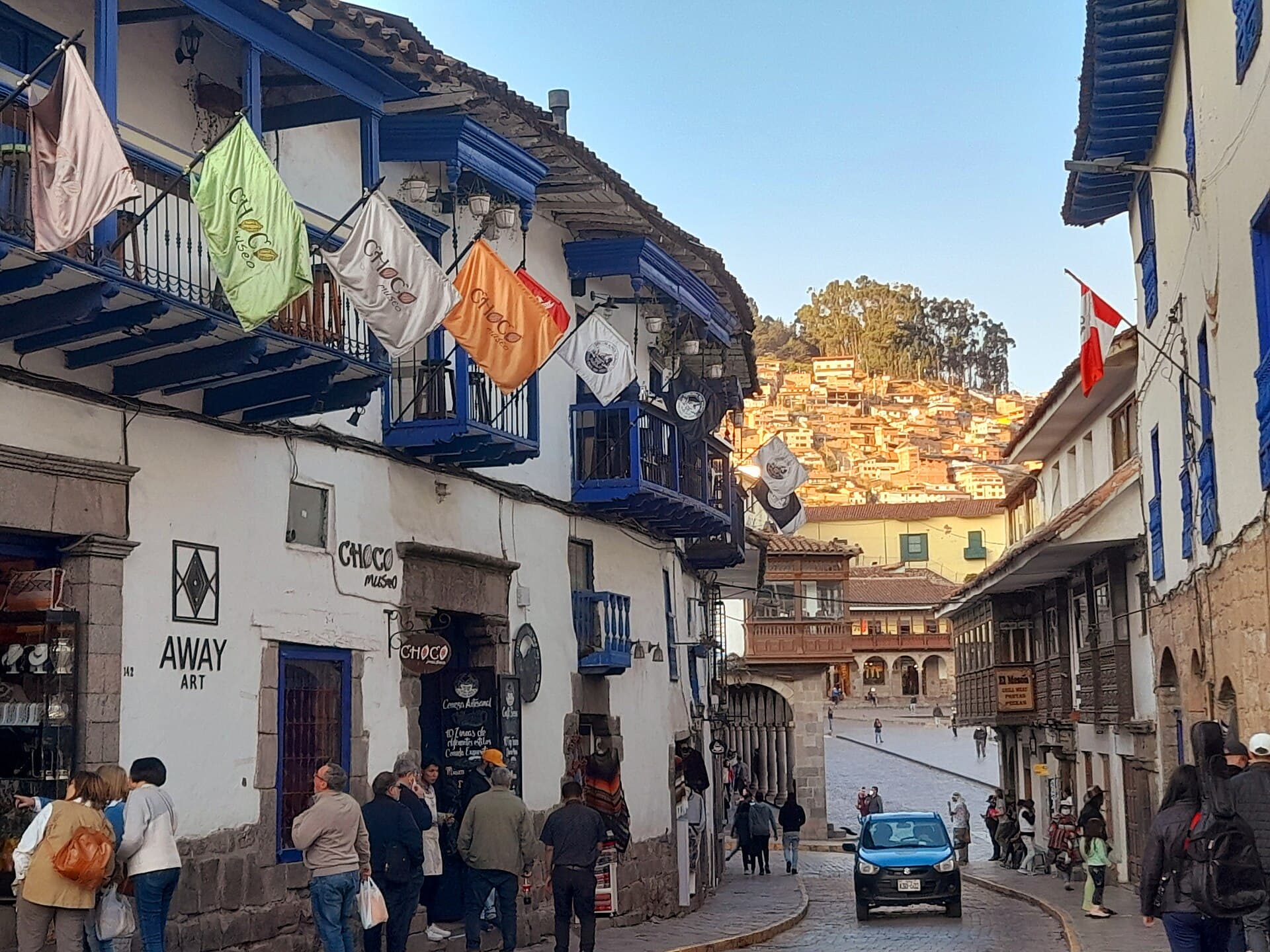
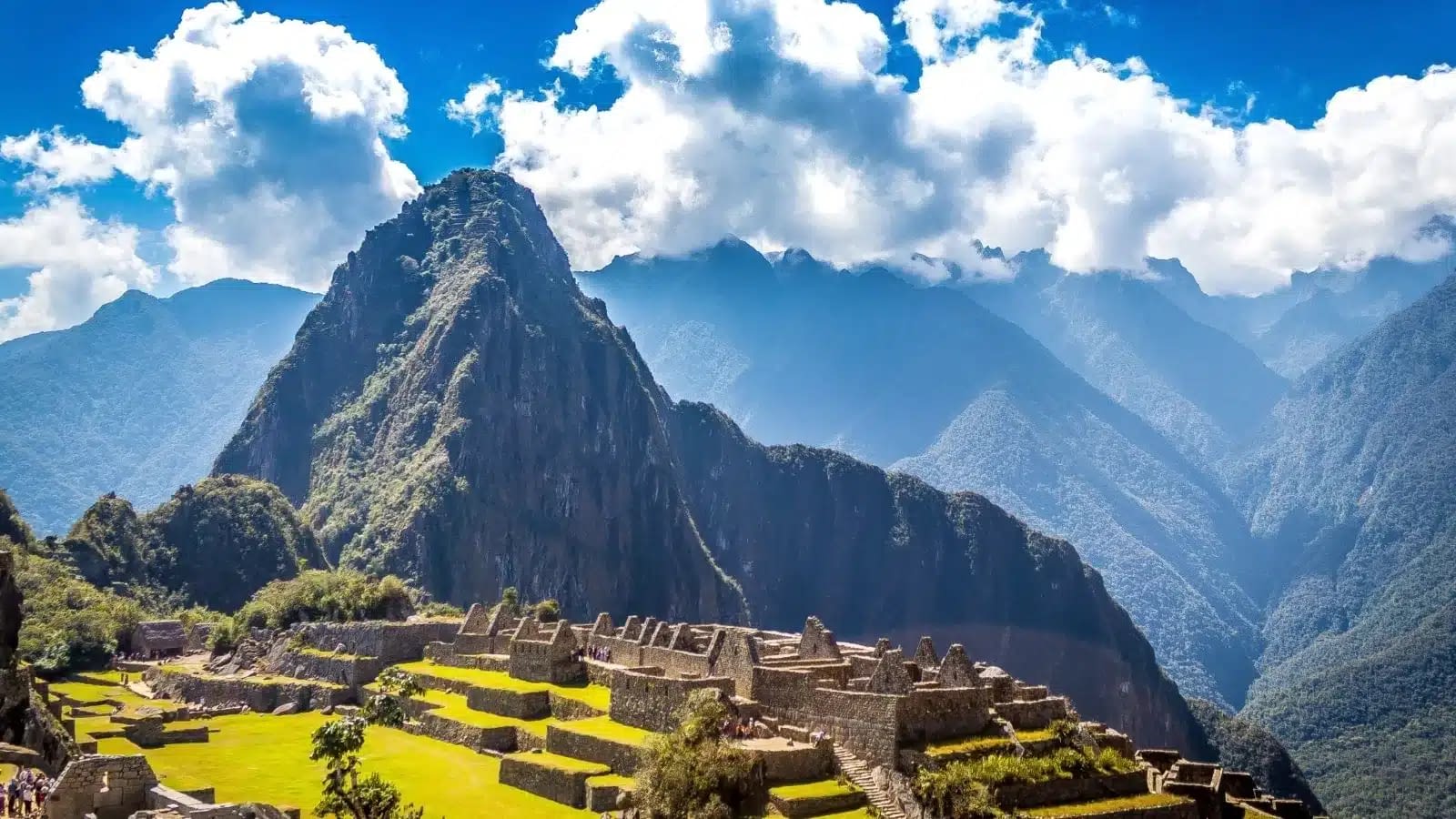
Peru's tourist story is Cusco, the train and the ruins. Its resident story is a different country.
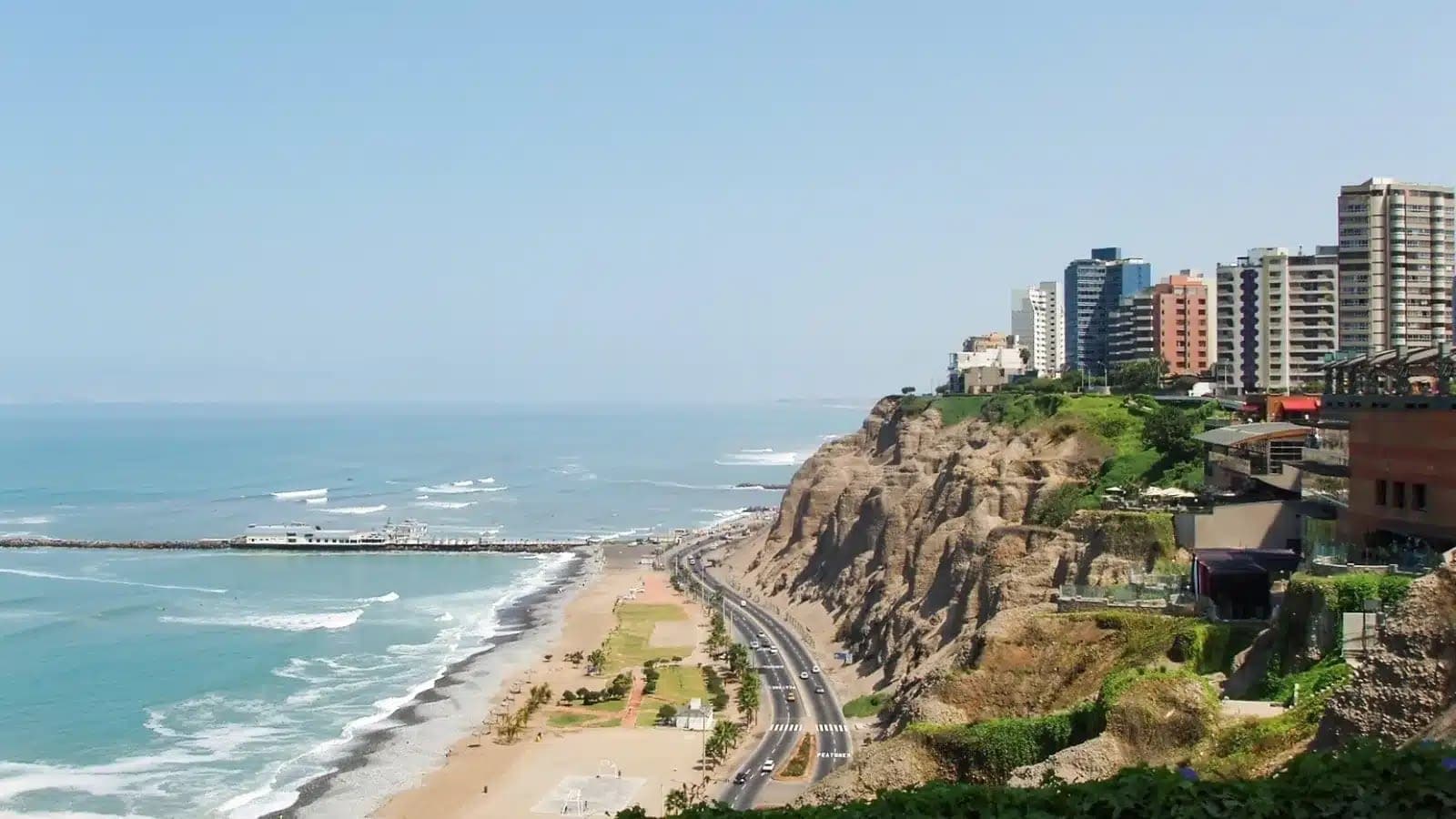
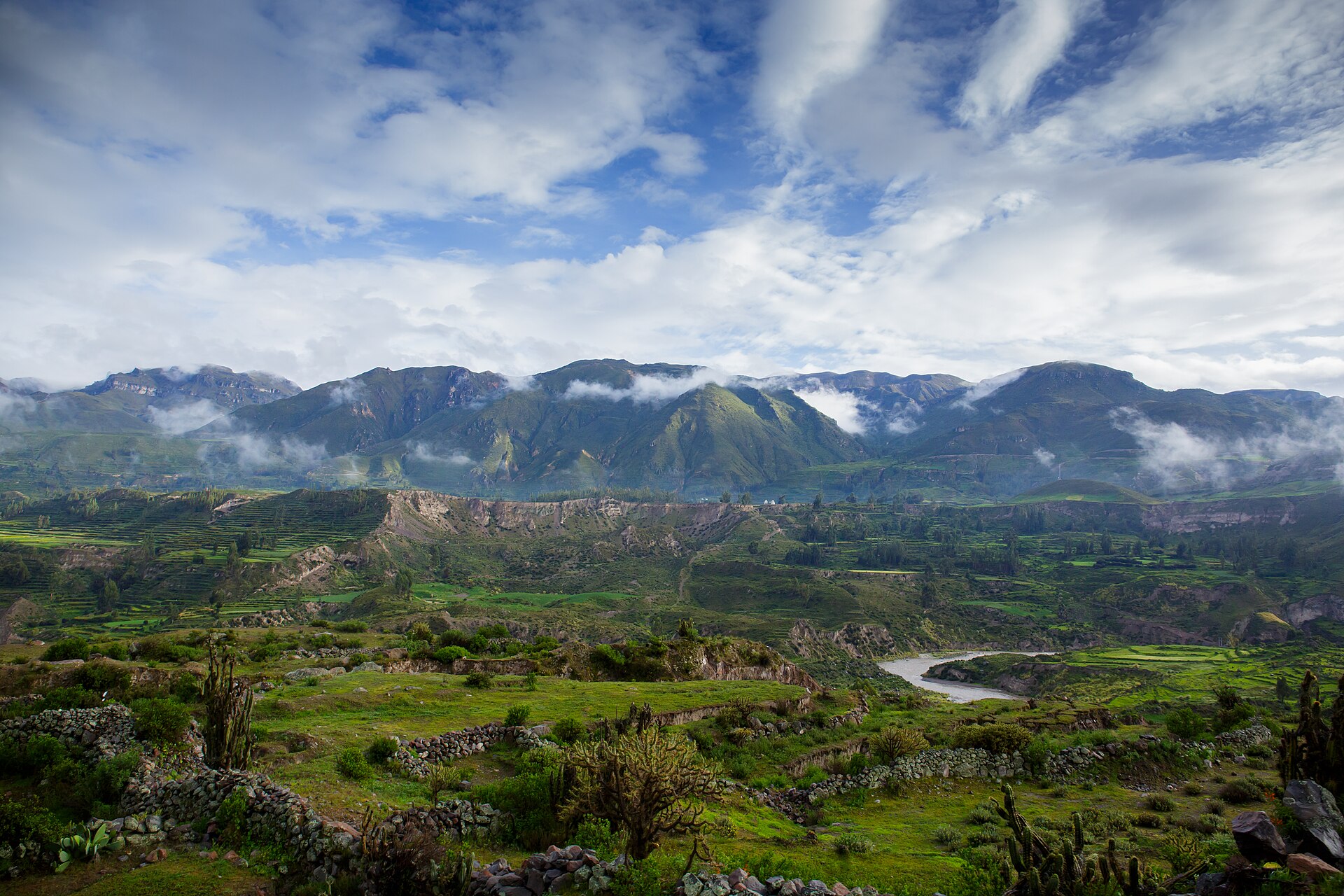
Lima holds roughly a third of Peru's people. It has a cliff-top park system over the Pacific that you can run on every morning, private clinics with English-speaking front desks, and a food culture where the neighborhood set lunch is an argument rather than a compromise. Arequipa and Trujillo are smaller, cheaper and drier. The Andes and the Amazon are short domestic flights, not expeditions.
Then there's the money. Peru's rentista route asks a foreigner to document $1,000 a month in permanent income from abroad. That's the whole income test, and the residence it grants carries no expiry date.
Here's the catch
The government is a revolving door: Congress has removed three sitting presidents since 2022. Street crime is the first risk the State Department names, ahead of terrorism and unrest, and it says robberies happen in daylight with witnesses standing there. The digital nomad visa that half the internet describes cannot be filed. And the two-year road to a Peruvian passport has a signed law waiting to make it five.
- Safety index
- 55/100
- English proficiency
- 35/100
- Currency
- Peruvian sol (PEN)
- Capital
- Lima
- Population
- 34.5M
02 · What a month costs
Peru in four prices
$1,050
One person, a month, nationwide
Our country data, and not a Miraflores number
$700 to $1,000
Furnished one-bedroom in Miraflores
Barranco starts nearer $600
$4
The menú del día, three courses
Roughly the same lunch in any district
$25 to $50
A doctor's visit at a top Lima clinic
Cash or card up front if you carry no local plan
National averages are not Lima prices

Set the two figures beside each other. Our country data has a single person at roughly $1,050 a month across Peru as a whole, with $1,700 for two. Miraflores is not Peru as a whole.
In the districts Americans tend to pick, a furnished one-bedroom runs $700 to $1,000, and new buildings on the good streets reach $1,400. Add food, transport, utilities and a private health plan, and a comfortable single budget in Miraflores or San Isidro lands between $1,300 and $1,600. Two people sharing one apartment sit near $2,000 to $2,800, depending on how often you eat out in a city that keeps tempting you to.
Two things surprise new arrivals. Long leases here are normally unfurnished, so furnished units are a premium product and cost 15 to 25 percent more. Most buildings bill a separate monthly mantenimiento charge for security, cleaning and water, usually S/150 to S/400, which is roughly $45 to $120.
Leave the capital and the arithmetic shifts again. Arequipa and Cusco run about a third under Lima for the same square footage. Groceries are the one line that stays expensive, especially imported brands. Eating out is the part that feels like a bargain.
Why the same number shows up twice
Peru's rentista visa asks for $1,000 a month in permanent income from abroad. Our national estimate for one person is $1,050. That closeness isn't a coincidence, it's the shape of the country: the residency bar sits at roughly what an ordinary household spends. In Lima's expat districts, you'll want more than the legal minimum, and the visa will not care. It tests the income, not the lifestyle.
03 · Who Peru suits
Four people this works for, and one it doesn't
The retiree with a work pension
This is the fit Peru's rules were written for. Document a pension, Social Security payment or annuity worth $1,000 a month, and add $500 a month for each family member on the file. Peruvian law then goes one step further: income from a pension earned through personal work is exempt from Peruvian income tax. The exemption stops at pensions. Dividends, interest and foreign rent are not covered.
The remote worker who can live with a grey area
Peru wrote a digital nomad category into law in November 2023 and never switched it on. Remote workers run tourist stays instead, which carry no work rights of any kind. The legal route for freelance income is the independent worker permit, which tests income at roughly the rentista level and does let you work.
The buyer who wants a business, not a condo
Peru's investor route is not a golden visa. It wants about $147,000 into a Peruvian company, plus a signed commitment to create at least five Peruvian jobs inside two years. A condo purchase buys you no immigration status at all.
The person who wants the Andes on a weekday
Desert coast, high sierra and rainforest sit inside one country and one set of cheap domestic flights. If the outdoors is the point, the geography does most of the work for you.
And the person who should look elsewhere
If you need English to earn, Peru is hard work. If you want a settled political system, Peru's not there yet. And if you are part of a same-sex couple, know that Peru recognizes neither same-sex marriage nor civil unions, including ones performed abroad.
04 · The steady parts
Six things that don't wobble
The sol
Peru's currency moved only a few percent against the dollar over the past year, and it traded near 3.4 through 2026.
One clock, all year
Peru never changes its clocks. That puts you on Eastern time in winter and an hour behind it in summer.
Emergency care is a right
Peruvian law obliges any facility to treat an emergency regardless of documents or ability to pay, and the health regulator enforces it.
Two passports, no argument
The constitution allows dual nationality outright. Nobody will ask you to hand back the U.S. passport.
Cash still works
Cards are normal in Lima. Outside the big districts, plenty of the country still runs on soles in hand.
A coast without winter
Lima sits at sea level and stays mild year round. It also sits under the garúa, a grey coastal fog, from about May to November.
05 · The ways in
The routes that exist, and the one that doesn't
Peru's immigration framework is Legislative Decree 1350, and everything runs through Migraciones' digital agency. You choose a calidad migratoria, upload your file as a single PDF and pay a state fee that is usually under $50. The money goes on apostilles, sworn translations and, for almost everyone, an attorney.
Before any of that, Americans enter without a visa. The legal ceiling is 183 days inside any 365, and the officer at the desk decides what you actually get, which is often ninety days with an extension available afterward. Overstaying is billed by the day and settled at the airport on your way out.
Rentista, for pensions and passive income
A document from the paying country showing net permanent income of $1,000 a month or better, plus a sworn statement that the money reaches Peru through a bank the Peruvian regulator supervises. Add $500 a month per family member. The residence is indefinite. You can't take paid work in Peru on it, and you lose it if you stay out of the country more than six months at a stretch.
Trabajador independiente, for freelancers
The route for people invoicing foreign clients. It tests income at roughly the same level as the rentista, and unlike the rentista it permits work.
Trabajador, for a job here
Your employer registers the contract with the labor ministry first, and you need a permit to sign a contract before you sign one. That's the step that people discover late. Peruvian rules also cap how much of a company's staff can be foreign.
Inversionista, for founders
About $147,000 into a Peruvian company, or a Peruvian company capitalized at the same figure, plus a written pledge to create at least five Peruvian jobs within two years. Granted for a year and renewed.
Estudiante, for enrollment
Tied to an accredited program and the admission letter that proves it.
And the one that is not open
The digital nomad residence written into Peruvian law in November 2023 doesn't appear on Migraciones' published list of procedures. There's no form, fee or stated requirements, so there's nothing to file. Several sites publish a full set of requirements anyway.
Peru's residence categories, side by side
| Visa | Category | Application cost | Processing | Difficulty | Guide |
|---|---|---|---|---|---|
| Investor Visa | investment | — | ~30 days | 4/5 | Guide |
| Retirement Visa (Rentista) | retirement | — | ~20 days | 3/5 | Guide |
| Student Visa | student | — | ~15 days | 3/5 | Guide |
| Work Visa | skilled work | — | ~30 days | 4/5 | Guide |
About that data card
Three columns in that table need a footnote, and then one note about the money. The processing figures are legal decision windows, not what files take: Migraciones has 30 business days to answer, and a case that draws corrections runs one to three months in practice. The difficulty column is scored out of five in our data and displayed out of ten, which flatters every Peruvian route on that table. The application-cost column is blank because Peru's state fees are small. The real bill is apostilles, translations and an attorney, which runs several hundred to a couple thousand dollars. Every dollar figure on this page was converted at about 3.4 soles, the rate in September 2026. Run it again on the day you file.
06 · The naturalization rule
Two years is still the rule, and a signed law says five
Under the nationality law still in force, a foreigner with two continuous years of legal residence in Peru can apply to naturalize, and rentistas are included. Peru allows dual citizenship, so the American passport stays in the drawer.
In August 2025 Congress passed and the president signed Ley 32421, which replaces that law. It raises the residence requirement from two years to five. It adds an income test of ten tax units a year, about $16,000, formally declared to Peru's tax authority. And it stretches the route through marriage to a Peruvian from two years to four.
Here's the part that matters for timing. The new law does not take effect until the executive publishes its implementing regulation, and in the sources we checked in September 2026 that hadn't happened. Until it does, the two-year rule governs. The law also says applications filed before the switch are judged under the rules in force on the day they were filed.
So the honest advice is boring and time-sensitive. If a two-year path to a passport is the reason Peru is on your list, check the status of that regulation before you make it the reason you move. And do not assume the window is still open a year from now.
Separately, three continuous years of residence earns Peru's permanent status, which ends renewals altogether, as long as you never spend more than 183 straight days outside the country.
07 · Where to live
Peru city guides are on the way
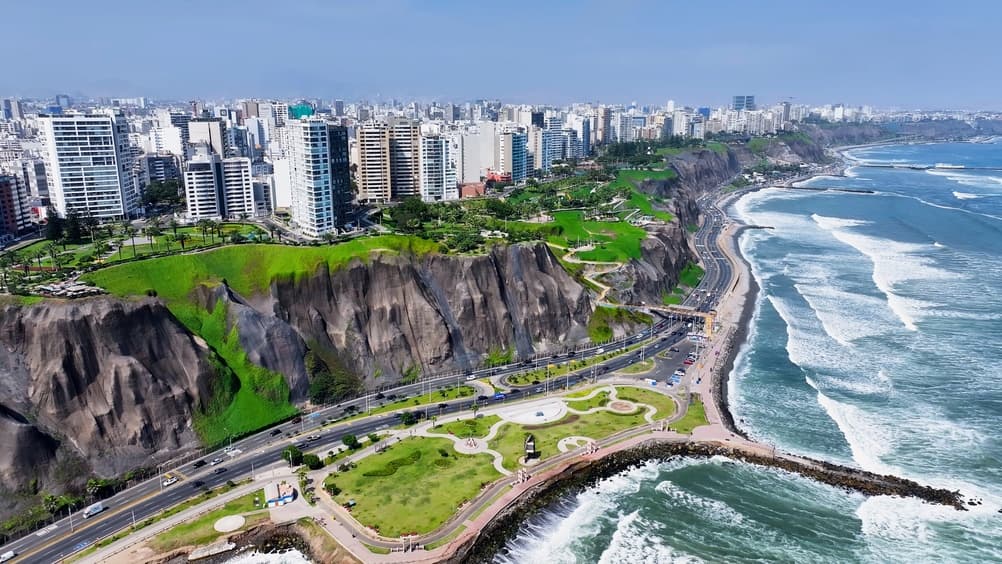
Lima
Cliff-top capital
The default landing spot, with Miraflores, San Isidro and Barranco above the Pacific. It has English-friendly clinics and a serious food scene. The garúa fog hides the sun from May to November, and street crime is always the first thing to plan around.
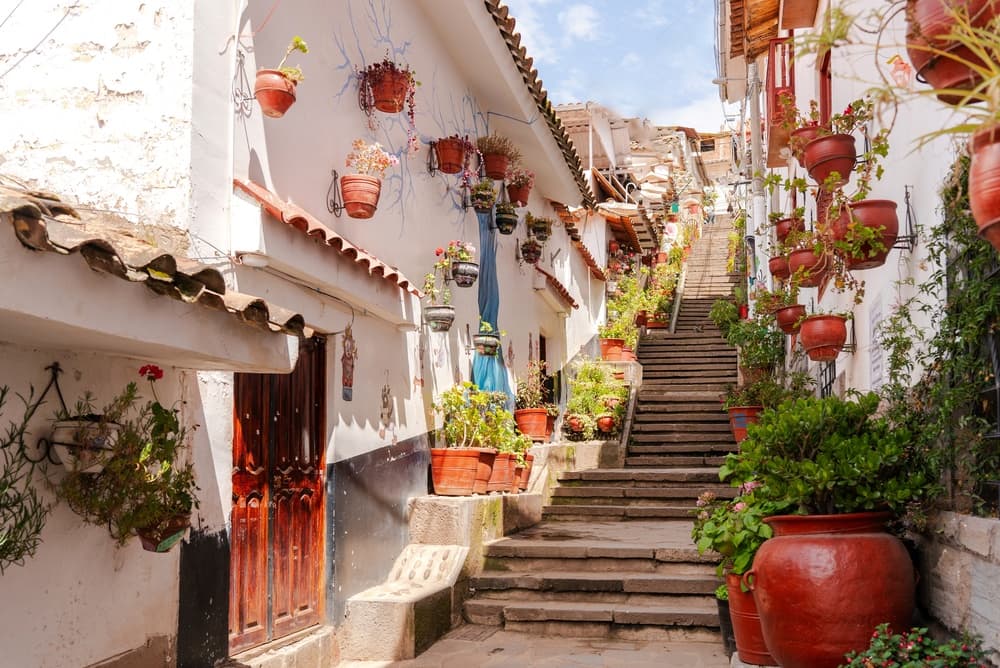
Cusco
Inca capital at altitude
A stone-lane colonial center at about 11,150 feet with Machu Picchu a train ride away. The Inca history is everywhere. The altitude is a real medical question and complex cases are flown to Lima.
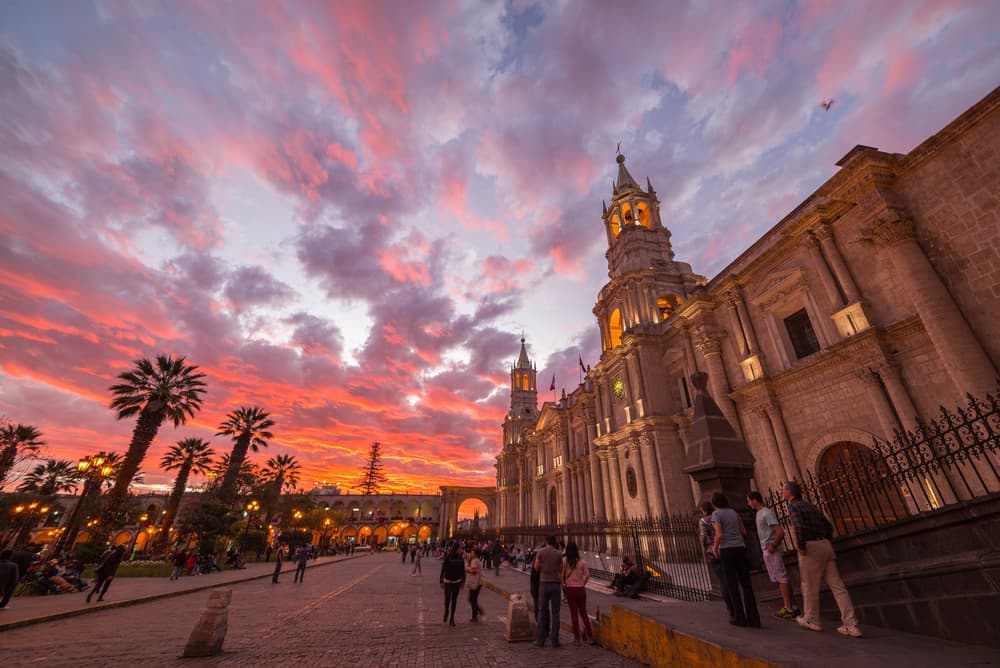
Arequipa
White city under volcanoes
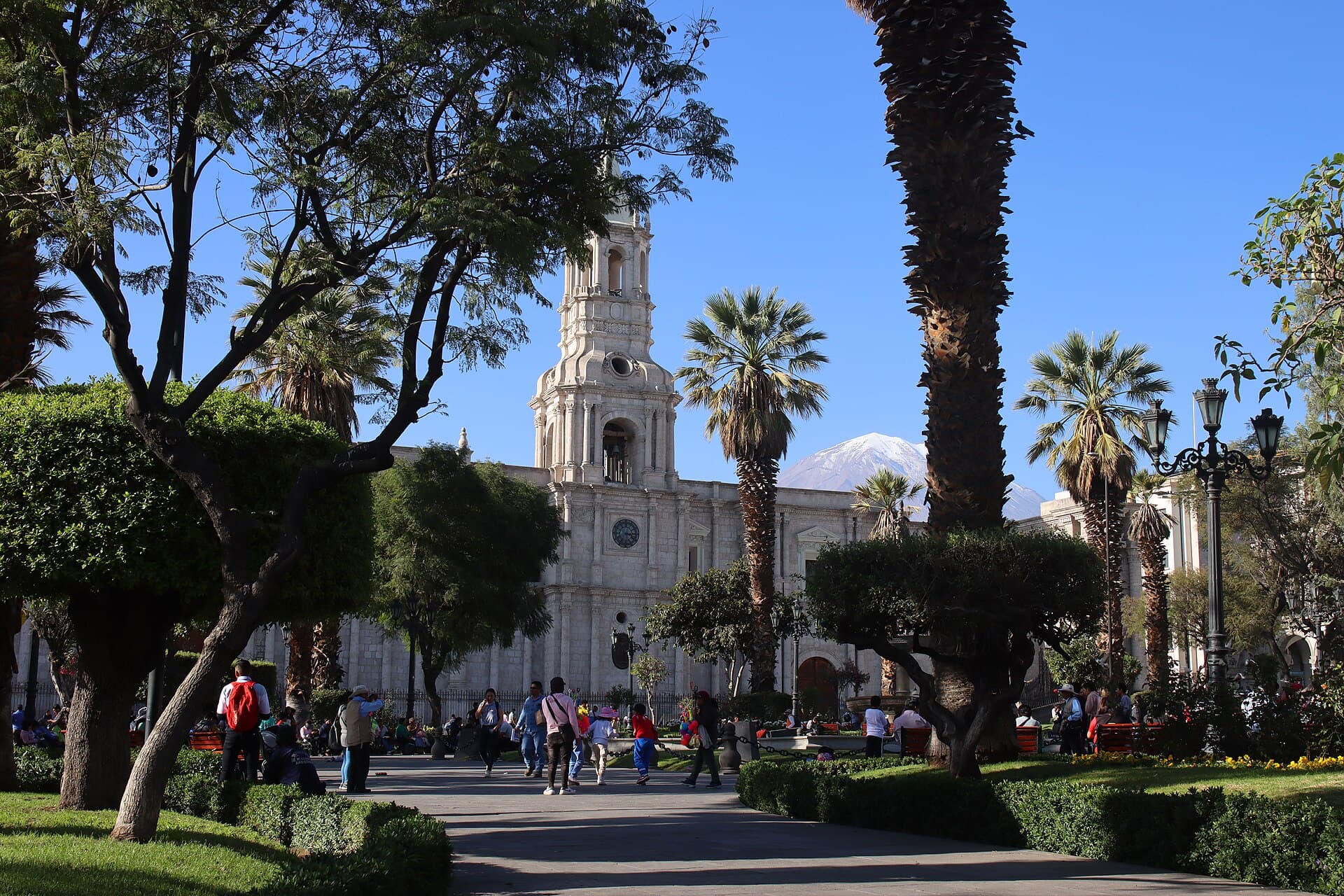
A white volcanic-stone center under El Misti, at about 7,600 feet, with dry, sunny weather, real hospitals and its own picantería food tradition. It's calmer than Lima. Earthquakes are part of life here, and the thin air takes a week or two to get used to.
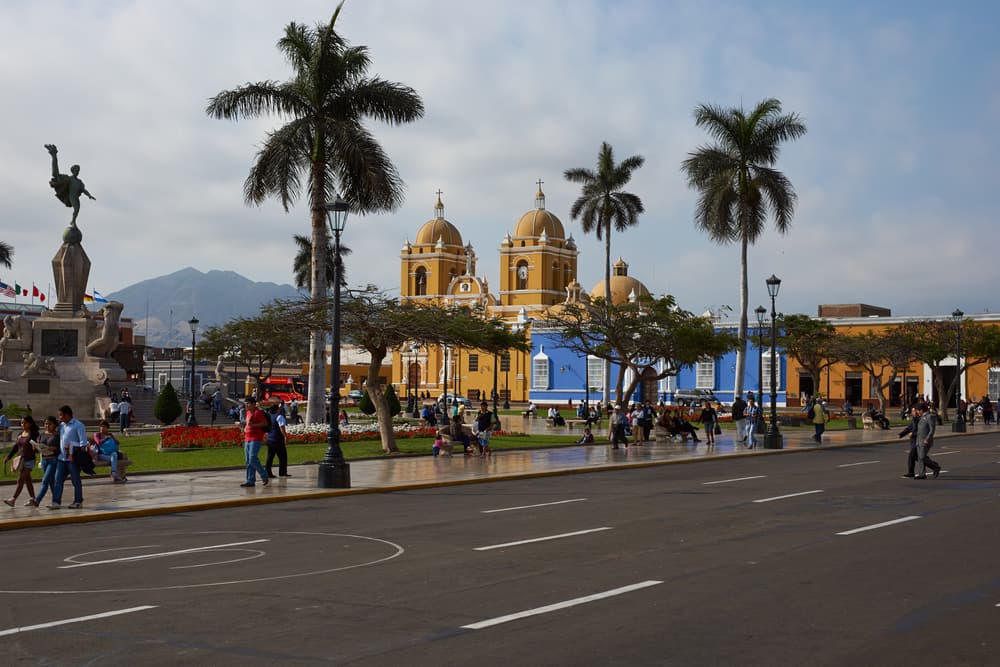
Trujillo
Warm colonial north
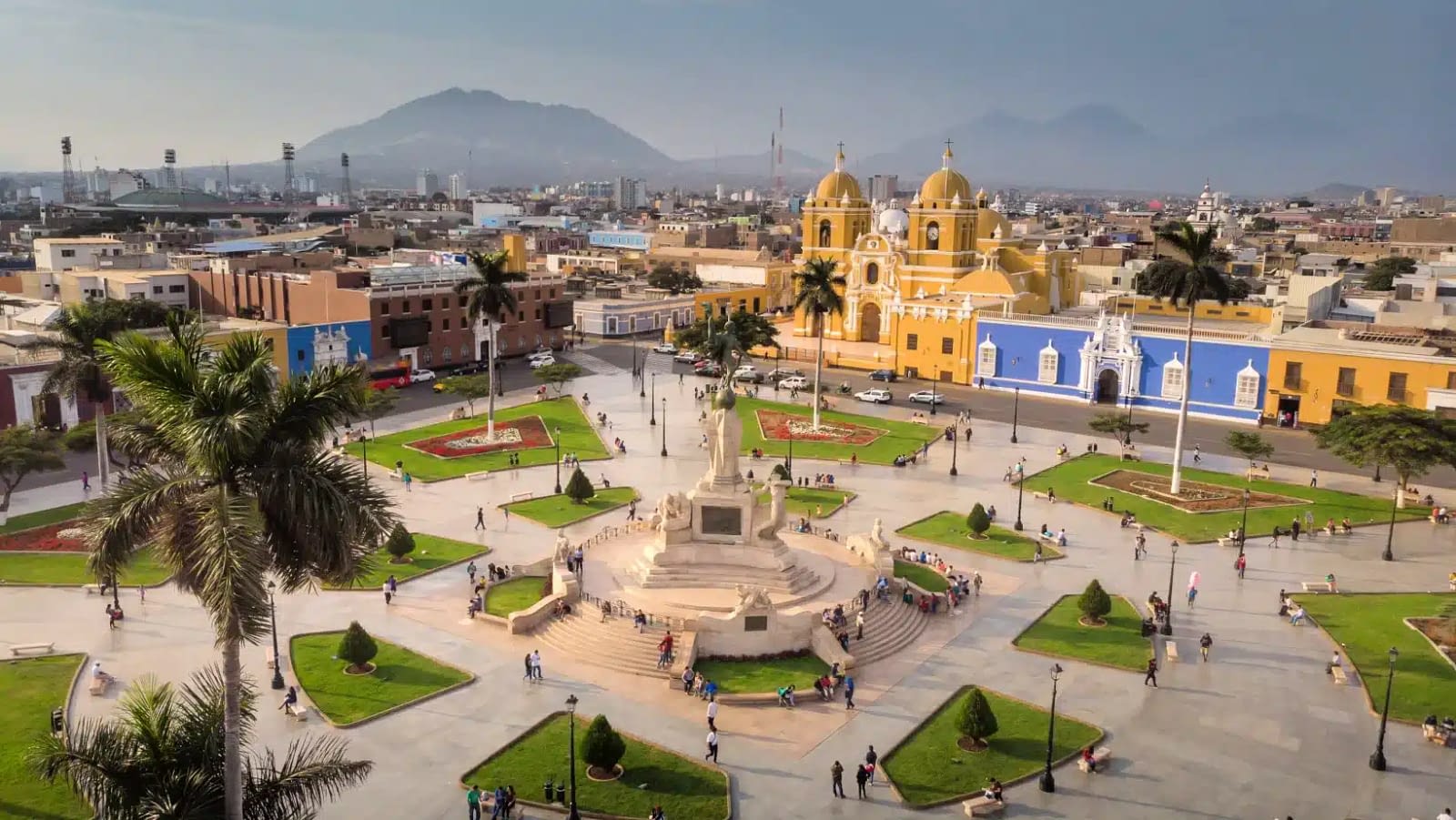
A colonial center with mild, dry weather all year, the surf town of Huanchaco about 20 minutes out and the Chan Chan ruins on the way. Prices stay low. The catch is extortion crime: La Libertad was put under a state of emergency in 2026, and you'll need Spanish from day one.
Five addresses worth considering
Miraflores and San Isidro
The default landing spot. Cliff-top parks over the Pacific, walkable streets, and the place where clinics, coworking spaces and English-speaking services cluster. Buildings here come with a doorman and a maintenance fee as standard rather than a luxury.
Barranco
Next door and a few hundred dollars cheaper. Murals, galleries, a bar scene and a shorter walk to the water. The buildings are older, so internet quality varies address by address.
Arequipa
A white-stone city at 7,600 feet under a volcano, with real hospitals and a dry, bright climate. The altitude is gentle enough that most people settle into it in a day or two.
Cusco
Beautiful, and the hardest of these to be honest about. It sits at about 11,150 feet, which is a real medical question if you manage blood pressure or diabetes. A lot of buildings still run on old copper lines. Complex medical cases get flown to Lima.
Trujillo and the northern coast
A colonial center, warm all year, one-bedrooms at $300 to $700. Fewer services, far fewer foreigners, and you'll need Spanish from the first week.
08 · The honest part
Nine presidents, and a street-crime problem
The government
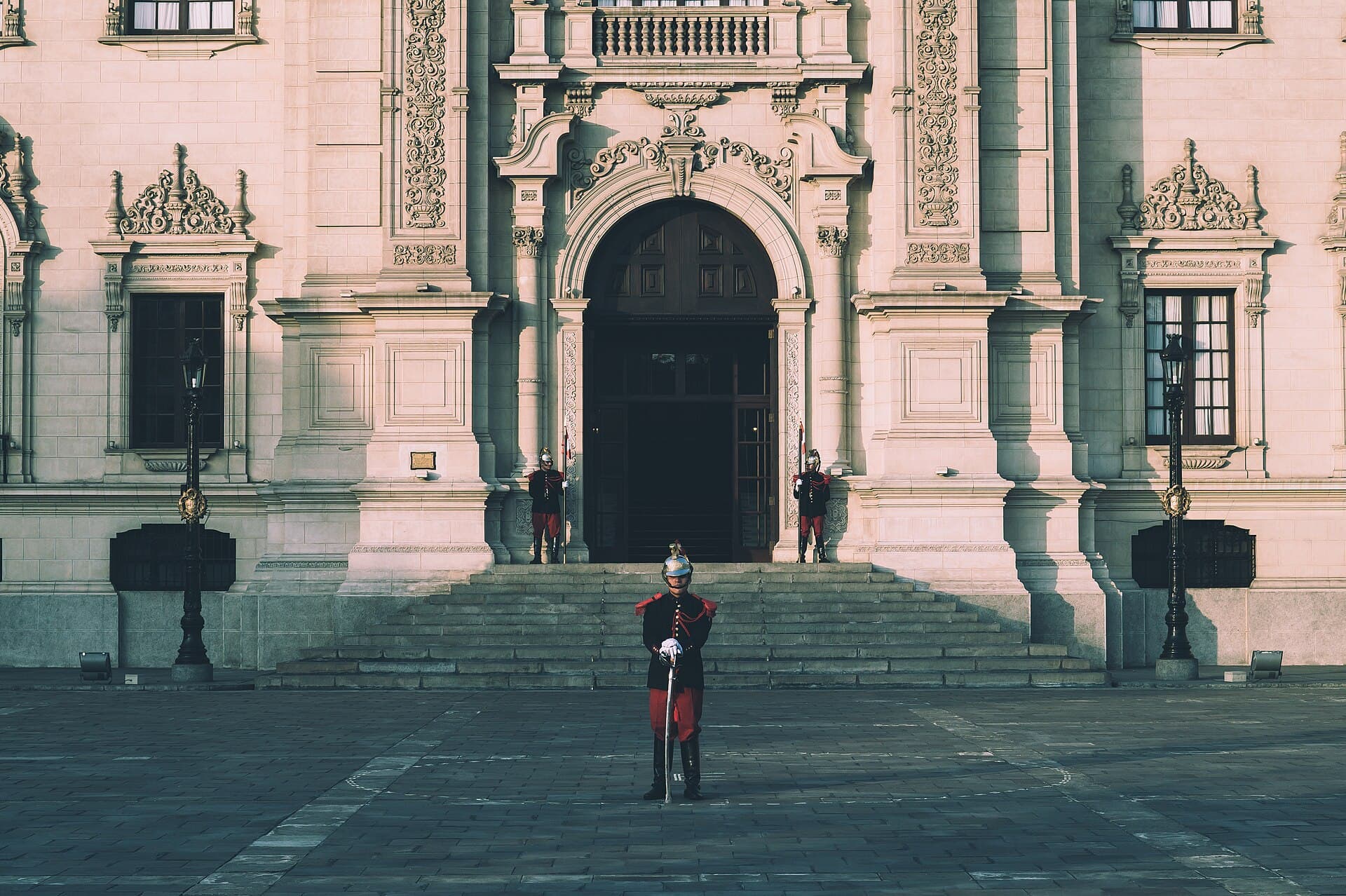
Peru swore in its ninth president in a decade in July 2026, after Keiko Fujimori won a runoff by fewer than fifty thousand votes. The three presidents before her didn't finish their terms. Congress removed Pedro Castillo in 2022, Dina Boluarte in October 2025, and José Jerí four months after that. None of it broke the economy. Public debt has sat near a third of GDP, among the lowest in Latin America, and the central bank has held its policy rate under five percent for years. A wobbly state on top of a steady balance sheet is the thing to understand about Peru.
What that means on a Tuesday
Demonstrations are frequent, and they close roads, rail lines and sometimes airport access with no warning. For a resident that is the practical political risk, well ahead of anything else.
Crime, in the U.S. government's own words
The State Department reissued its Peru advisory in September 2026 and left the rating where it was, the second of its four levels, with crime the first reason listed. Its own wording is that petty theft, carjackings, muggings and assaults happen "even in daylight hours and with many witnesses around." Express kidnappings to an ATM are described as rare. Criminal roadblocks exist outside Lima. U.S. government staff in Peru are barred from driving mountain roads at night.
The map matters more than the level
Three areas carry a Do Not Travel rating: the Colombian border strip in Loreto, the VRAEM river valley, and the cities of Abancay, Ayacucho, Huancavelica and Huancayo. The same advisory says in as many words that Cusco, the Sacred Valley, the Inca Trail and Machu Picchu are not in the affected area. A lot of coverage gets that backwards.
Ask somebody who already moved
Peru
Expatsi Community
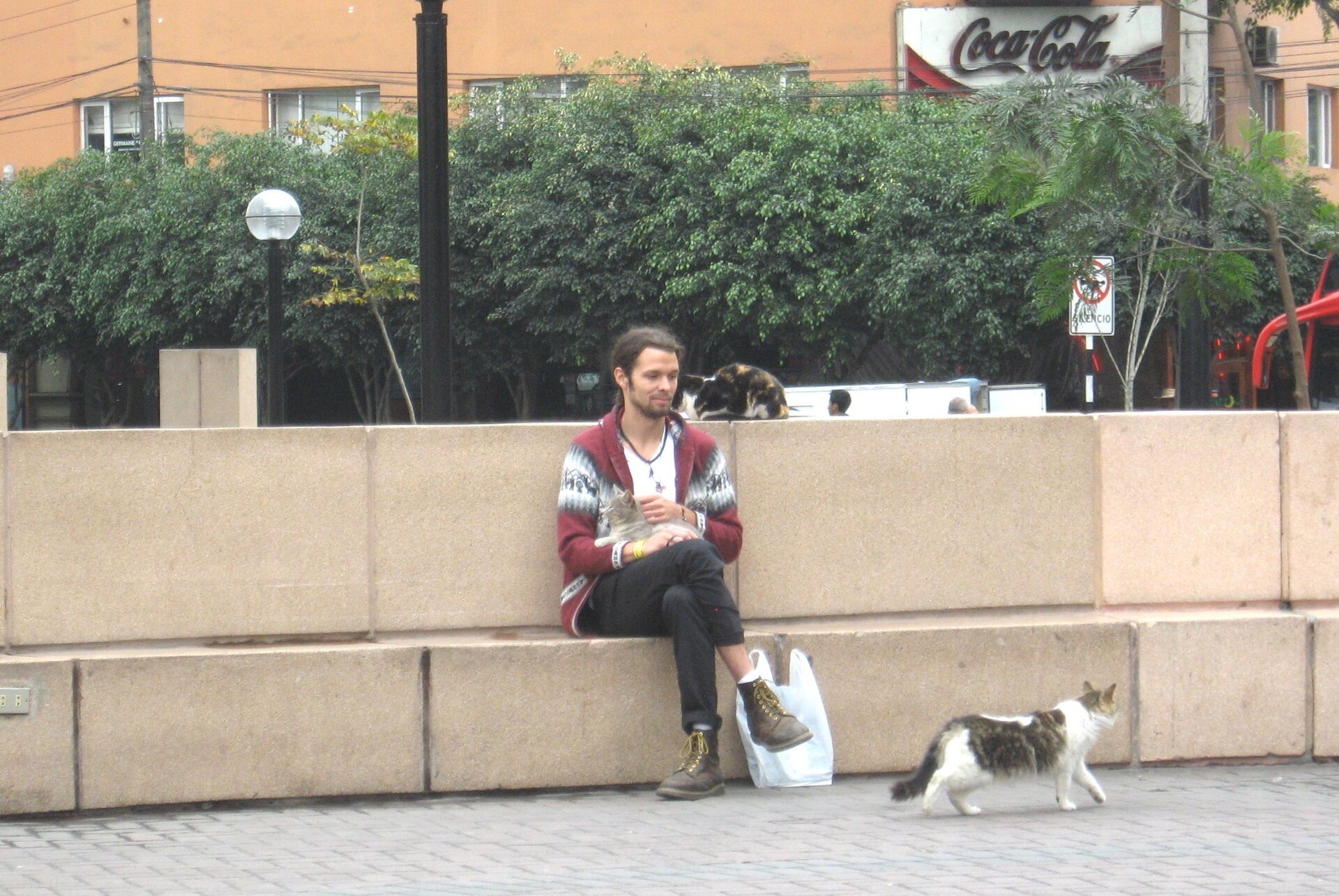
Our Peru room is where the specific questions land. Which district, which clinic, which lawyer, and what the carné appointment was really like.
Join the community09 · The practical chapter
Doctors, the tax office, and one plastic card
Three systems, and the one you will use
Peru runs three health systems in parallel. MINSA and its SIS insurance are the public safety net. EsSalud is the contributory system that formal employees join through a payroll contribution. The private sector treats about a tenth of the country and holds most of the capacity an American would recognize. A foreign resident with a carné and no other coverage can sign up for SIS Para Todos online and use public facilities free, and almost nobody does, because private care is cheap.
A local plan from Rímac, Pacífico or MAPFRE runs $100 to $250 a month. Lima's expat-facing clinics are Anglo Americana, Ricardo Palma, Clínica Internacional and Delgado, and most bill international insurers directly. Outside Lima the quality drops fast, and serious cases get flown to the capital. That is the argument for evacuation coverage, and the State Department makes it, too.
When Peru starts taxing you
You become a Peruvian tax resident after more than 183 days of presence in any twelve-month window, and here is the useful wrinkle: the change takes effect on January 1 of the following year, not on the day you cross. From that point Peru taxes worldwide income on a scale running from 8 percent up to 30 percent, with the first seven tax units exempt. Sales tax is 18 percent. Washington and Lima have never signed a tax treaty, so your protection against double taxation is the foreign tax credit rather than a treaty article, and you file a 1040 every year regardless. RGB Avocats, the Peruvian firm on our list below, publishes the statutory basis for the rentista pension exemption if you want to read it in the original.
The carné de extranjería
Approval isn't the finish line. The carné is the resident ID card that opens bank accounts, signs leases and gets you a tax number, and Peruvian institutions want it rather than your passport. Budget a few weeks after approval to collect it, and expect to notify Migraciones within fifteen business days every time you change address.
Who to hire, and for what




Go deeper
All three of these are free, and each answers a question Peru raises early.
Do I have enough money?
Our partners at Beacon Financial outline how much money a move abroad could cost you as well as how much you may need to retire.
Work out your own floor before you trust anybody else's.
Can I get healthcare?
Our partner Hunter Schultz explains what you need to know if you're concerned about healthcare abroad.
The general version of Peru's Lima-or-everywhere-else problem.
Learning a Language
Tips for starting and staying motivated in learning a new language.
English proficiency here is low. Start this one before you start the paperwork.
What Americans ask us about Peru
How long can Americans stay in Peru without a visa?
The legal maximum is 183 days inside any 365-day period. The immigration officer decides your stay on arrival and often stamps ninety days, which you can extend at a Migraciones office. Overstaying carries a daily fine that you settle at the airport when you leave.
Is healthcare in Peru good?
In Lima, private care is good and cheap: a specialist visit runs $25 to $50 and a local insurance plan $100 to $250 a month. Outside Lima it thins out quickly, and complex cases are flown to the capital, which is why residents carry evacuation coverage.
What is the income requirement for Peru's rentista visa?
Migraciones requires net permanent income of $1,000 a month or more from a source outside Peru, such as a pension or an annuity, and a sworn statement that the money enters Peru through a supervised bank. Each accompanying family member adds $500 a month.
Is Peru safe to live in?
Peru sits at Level 2 on the State Department's four-level scale, meaning exercise increased caution, and crime is the first reason given. Street robbery and phone theft are the everyday risks, including in daylight. Three regions carry a Do Not Travel rating, and Cusco, the Sacred Valley and Machu Picchu are not among them.
How much money do you need to move to Peru?
Two numbers. To qualify for the rentista residence you document $1,000 a month in permanent income from abroad, plus $500 a month for each family member. To live comfortably in Lima's expat districts, budget $1,300 to $1,600 for one person, and $2,000 to $2,800 if there are two of you.
How long does it take to get Peruvian citizenship?
Two continuous years of legal residence, under the law currently in force. Ley 32421, signed in August 2025, raises that to five years and adds an income test. It only takes effect once its implementing regulation is published.
Does Peru tax my pension or Social Security?
If you hold rentista status, income from a pension earned through personal work, including Social Security, is exempt from Peruvian income tax by statute. The exemption covers pensions only. Dividends, interest, capital gains and foreign rental income are taxed once you become a Peruvian tax resident.
Does Peru have a digital nomad visa?
Not one you can use. Peru created a digital nomad residence category in law in November 2023, but Migraciones has never published the procedure, so there is no form, fee or requirement list. Remote workers use tourist stays, which permit no paid work, or the independent worker permit.
Sources
- Solicitar calidad migratoria para rentista residente · Superintendencia Nacional de Migraciones (checked September 2026)
- Cambio a calidad migratoria permanente residente · Superintendencia Nacional de Migraciones (checked September 2026)
- Ley 28072, que regula la calidad migratoria rentista · Congreso de la República (checked September 2026)
- Ley 32421, Nueva Ley de Nacionalidad · El Peruano (checked September 2026)
- Principales cambios en la nueva Ley de Nacionalidad · Migraciones (checked September 2026)
- La nueva Ley de Nacionalidad en Perú · RGB Avocats (checked September 2026)
- Peru Travel Advisory, Level 2, issued September 2026 · U.S. Department of State (checked September 2026)
- Peru: Individual taxes on personal income · PwC Tax Summaries (checked September 2026)
- Peru residency categories and the digital nomad visa · Expat Focus (checked September 2026)
- Expats in Lima face US$1,000 Miraflores rents · The Rio Times (checked September 2026)
- Keiko Fujimori inaugurated as Peru's president · NPR (checked September 2026)
- USD to PEN mid-market rate · Xe (checked September 2026)
Run your own numbers against Peru
Speak to an Expatsi advisor about your specific needs. We'll help you develop the roadmap for moving abroad.
Why not you?