
Munich: order, safety, and the Alps an hour away
Bavaria's capital pairs top-tier transit, safety, and Alpine weekends with the highest rents in Germany.
- 1,510,378
- Population (2023)
- $3,200/mo
- Monthly budget · single
- 51°F / 10°C
- Avg temperature
Budget about $3,200 a month in U.S. dollars to live alone in Munich, around $4,700 for a couple, and roughly $7,300 for a family of four. Rent drives most of that: a one-bedroom averages about $1,750 in the center and about $1,300 outside it, which makes Munich the most expensive rental market in Germany.
What you get for the money is a city of about 1.5 million that scores 80 out of 100 on safety, the highest of any German city we cover. The job market's anchored by BMW, Siemens, Allianz, and a dense tech scene, salaries are the highest in the country, and the Alpine foothills are about an hour south by train. Neighborhoods like Schwabing, Haidhausen, and Glockenbachviertel give you cafe life and old-world architecture without big-city grit. It suits professionals with a job offer, families who want good schools and parks, and anyone who wants order, safety, and nature in one package.
The honest drawback is the housing hunt itself. Apartments in Munich are scarce. Landlords can pick from dozens of applicants, so finding a long-term lease routinely takes months. Plan a furnished sublet for your first stretch and expect the search to be a part-time job.
At a glance
$3,200
Monthly budget · single person
$1,750/mo 1-bed rent, center
80/100
Safety index
$40
Internet / month
51°Fannual average
Jan 34° · Jul 68°
Climate
1,510,378
Population (2023)
Expatsi estimates, updated Aug 2026, based on rental listings, government statistics, and local reporting.
Cost of living
What it costs to live in Munich
Single person
$2,800–$3,600/mo
about the same as Austin, TX
Couple
$4,100–$5,200/mo
about the same as Austin, TX
Family of four
$6,400–$8,200/mo
about 10% below Austin, TX
Compared with Austin, TX (Expatsi estimate, 2026).
- $18 −10%
- Inexpensive meal
- $1,550–$1,950/mo −10%
- 1-bed rent, center
- $1,150–$1,500/mo −4%
- 1-bed rent, outside
- $40/mo −38%
- Internet
- $70/mo +70%
- Transit pass
- $1,147/sq ft +76%
- Buy price, center
Expatsi estimates, updated Aug 2026, based on rental listings, government statistics, and local reporting.
Daily life
How Munich lives
- A grade, 93rd percentile among the cities we track
- Dining & cafésstandout
- A+ grade, 98th percentile among the cities we track
- Arts & culturestandout
- A- grade, 73rd percentile among the cities we track
- Parks & outdoorsstrong
- A+ grade, 98th percentile among the cities we track
- Schools & educationstandout
- A+ grade, 96th percentile among the cities we track
- Healthcare accessstandout
- A grade, 90th percentile among the cities we track
- Bike infrastructurestandout
- A- grade, 73rd percentile among the cities we track
- Public transitstrong
- A grade, good physical accessibility
- Accessibilitygood
Graded on OpenStreetMap amenity density relative to the 298 cities we track. Accessibility is the exception: it's graded against a fixed standard (terrain steepness and sidewalk surfaces), not a curve.
Climate
Weather through the year
Annual average 51°F (10°C) · 37 in of rain a year · Source: Meteostat station normals (10865, 1991-2020)
On the ground
Scenes from Munich
Getting around
Transport in Munich
Munich runs its transit under the MVV umbrella, and it's the main reason plenty of residents here never bother owning a car. The U-Bahn covers the city, the S-Bahn commuter rail links the suburbs and the airport, and trams and buses fill the gaps. Trains are frequent, clean, and run on a schedule you can actually trust. Budget about $70 a month for transit, which is essentially the price of the Deutschlandticket: one nationwide pass covering local and regional transport anywhere in Germany, though not the fast ICE and IC trains. It replaced zone math for most people.
The city is also genuinely walkable and heavily biked. The center is compact, sidewalks are wide, and a large network of bike lanes and paths, including routes through the Englischer Garten and along the Isar river, means plenty of people commute by bicycle most of the year.
A car makes little sense inside the city. Parking is scarce and expensive, and the center is a low-emission zone that requires an environmental sticker. Where a car earns its keep is with weekend range: Alpine trailheads, Bavarian lakes, and small towns that trains reach slowly or not at all. Many expats solve that with car-sharing services or occasional rentals instead of ownership.
- 49/sq mi
- Transit stops
- 99/sq mi
- Bike infrastructure
- 570/sq mi
- Wheelchair-accessible places
Mapped features per square mile from OpenStreetMap.
Keep exploring
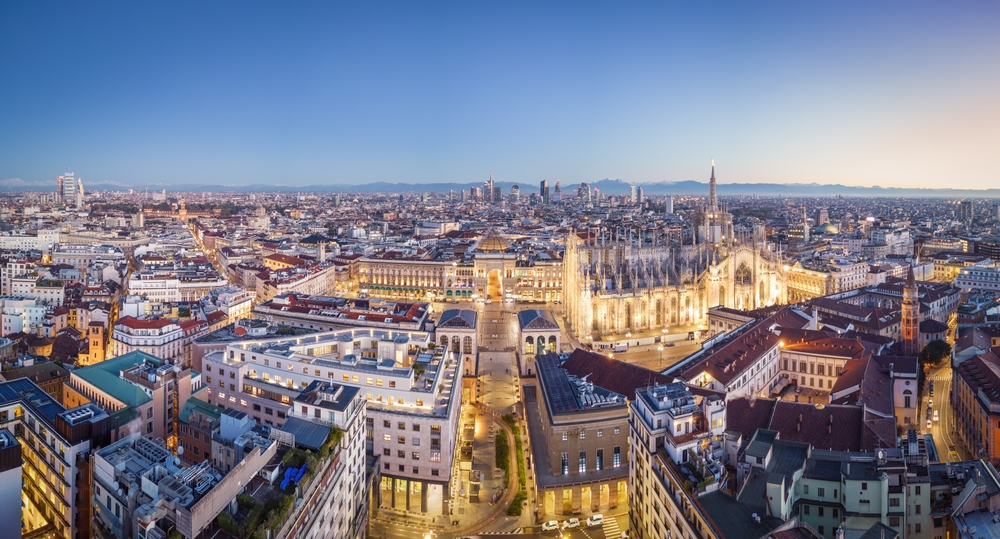
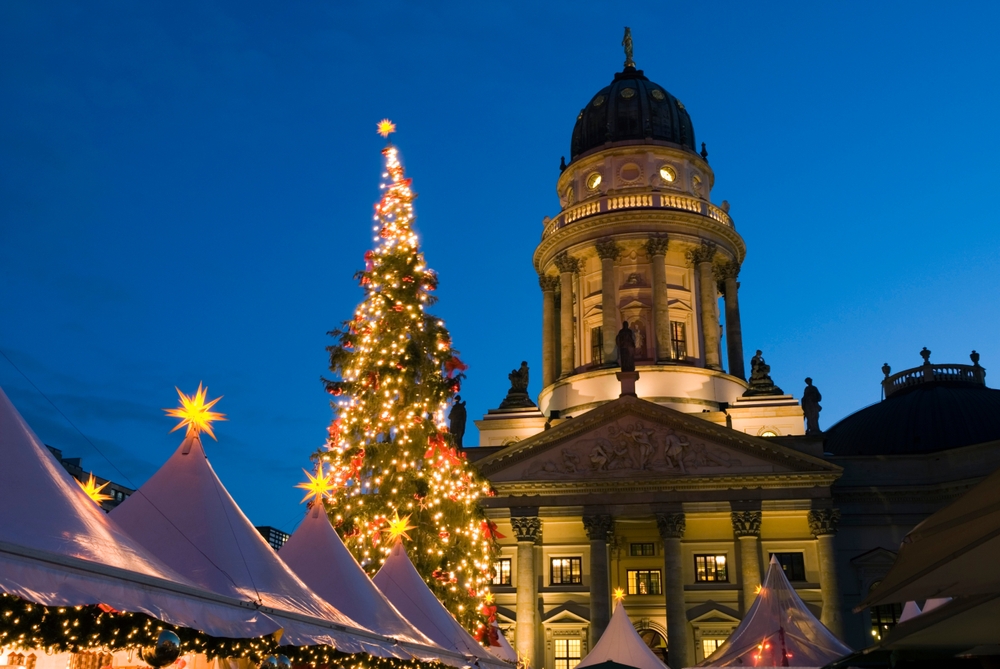
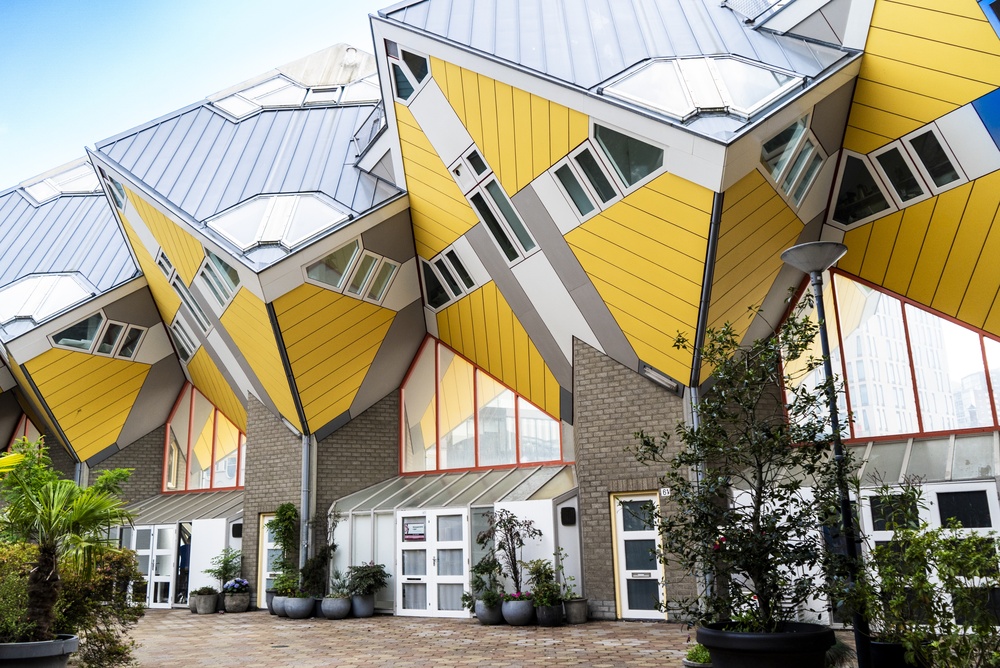
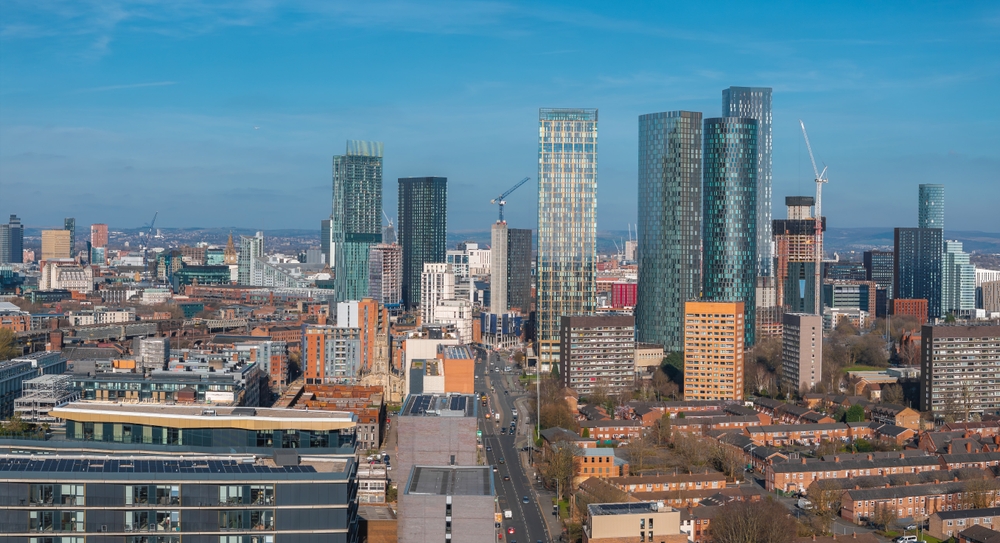
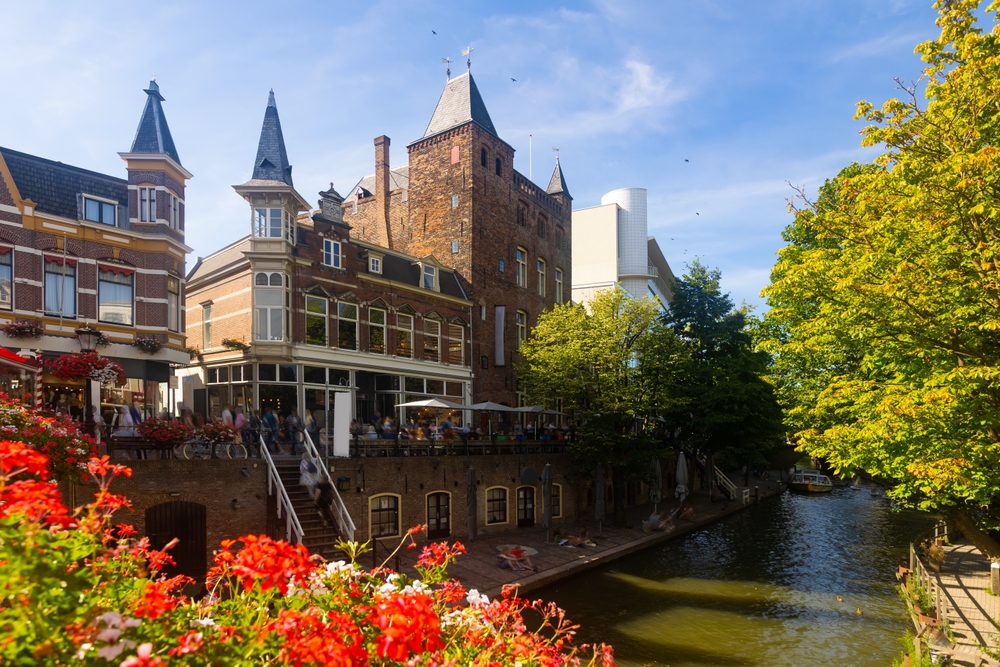
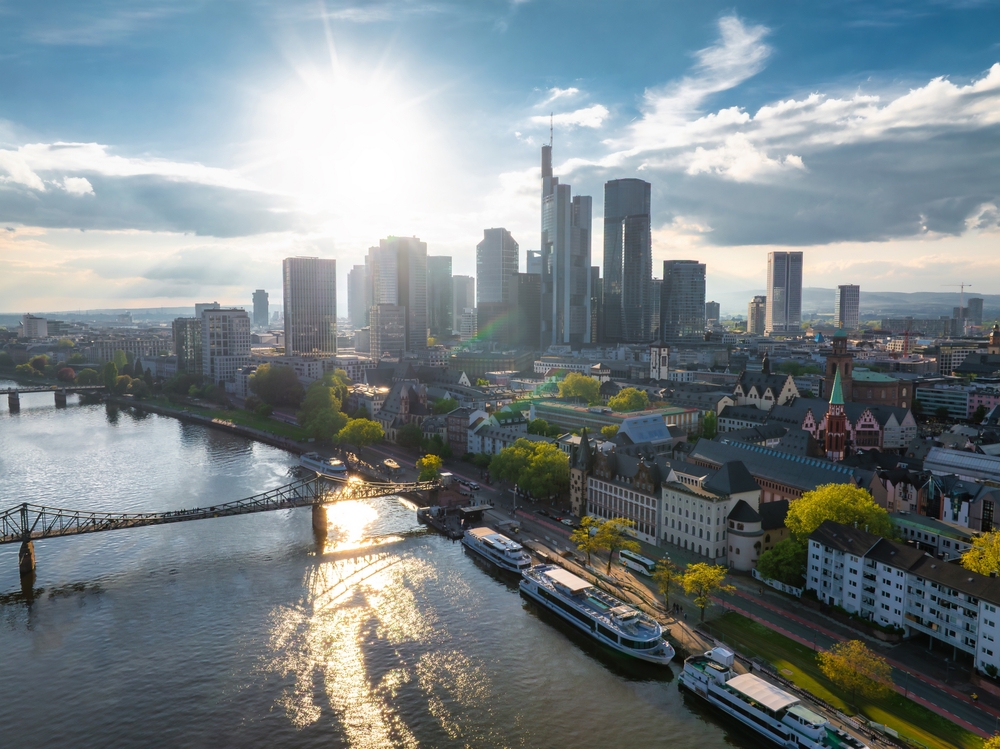
Places like Munich
Community
Community & practical notes
Community: Munich is an international city by German standards. Close to a third of residents hold a foreign passport; the big employers and universities pull in engineers and researchers from everywhere; and English works fine in tech offices and central neighborhoods. That said, Bavarians are famously reserved at first, and building a local rather than expat social circle takes effort. Meetup groups, sports clubs, and the beer garden habit of sharing a table with strangers all help. Learning German is still what opens up daily life and bureaucracy, so be patient with socializing and your language skills.
Healthcare: Germany requires health insurance for residency, full stop. Employees earning under the statutory threshold join public insurance (GKV) automatically through payroll; higher earners, freelancers, and retirees can choose private coverage, and your permit application will demand proof of it. Munich is unusually well covered, with two university hospitals, LMU Klinikum and the TUM Klinikum rechts der Isar, that both run dedicated international patient offices with English-speaking coordinators. The real friction is administrative: a first appointment with a specialist can take weeks, and paperwork arrives in German.
Schools: The English-language options are strong, but the biggest campuses sit outside the city and families commute. Munich International School is in Starnberg, about 20 km southwest, and the Bavarian International School has its main campus in Haimhausen to the north plus a Munich primary campus. Inside the city, you have St. George's British International School and the European School Munich, which offers the European Baccalaureate, along with bilingual German-English options such as Phorms. Places at the popular schools go early, so apply well before you move.
Remote work: Home internet runs about $40 a month, and fiber access keeps expanding across the city. Coworking is easy to find in the center, Schwabing, and around the Werksviertel. The constraint is the clock rather than the connection: Munich is six hours ahead of New York, so an American workday runs into your evening. If you eventually want local employment, Munich hires in automotive, semiconductors, insurance, aerospace, and software.
Limited mobility: Munich is one of the easier European cities for wheelchair users. The terrain is flat, sidewalks are wide and well maintained, and about 88% of mapped paths are smooth surfaces with an average slope under 1%. The MVV says every U-Bahn station has step-free access to the platform by lift or ramp, most S-Bahn stations do too, and the city runs a free weekday escort service for passengers who need a hand getting across town. Older buildings without elevators are the main gap, so screen apartments carefully.
Retirement: Germany has no dedicated retirement visa. Retirees apply for a general residence permit under a discretionary clause of the residence act, showing pension or investment income sufficient to live on plus German-compliant health insurance. There's no published income threshold, the local foreigners office decides case by case, and the first permit usually runs a year before renewal. It's a workable route but not a rubber stamp. Compare programs across countries in our guide to retirement visa options, and get the fuller picture in our Germany guide.
Housing
Renting and buying
- 1-bed rent (center)
- $1,550–$1,950/mo
- 1-bed rent (outside center)
- $1,150–$1,500/mo
- Buy price (center)
- $1,147/sq ft
- Buy price (outside center)
- $804/sq ft
Expatsi estimates, based on rental listings, government statistics, and local reporting.
Good to know
Frequently asked questions
How do Americans move to Munich?
Most arrive through work. A job offer plus an EU Blue Card or a skilled worker permit is the common route, and the Opportunity Card lets qualified people come to job hunt. Americans can enter visa-free and apply at the local foreigners office after arriving, but you must register your address within about two weeks of moving in.
What is it like living in Munich as an American?
Orderly, expensive, and greener than most American cities its size. Close to a third of residents hold a foreign passport, so you will not be a novelty, and English carries you through tech offices and central neighborhoods. Government counters and older landlords are another matter, and Bavarians take a while to warm up, so German pays off fast.
How much does it cost to live in Munich?
Living in Munich costs about $3,200 a month for one person, $4,700 for a couple, and $7,300 for a family of four. Rent is the biggest line: roughly $1,750 for a one-bedroom in the center and $1,300 further out. An inexpensive restaurant meal runs about $18, home internet about $40, and a transit pass about $70.
Can I retire in Munich?
You can, but Germany has no dedicated retirement visa, so it takes more paperwork than Portugal or Spain. Retirees apply for a general residence permit under a discretionary clause of the residence act, proving pension or investment income plus German-compliant health insurance. There is no published income minimum and the local foreigners office decides case by case.
What is the weather like in Munich?
Four real seasons at 519 meters of elevation. July and August bring average highs near 77F with hotter spells on top, while January and February nights average a few degrees below freezing. The annual average is about 51F. Munich is also the wettest big German city at roughly 37 inches a year, and most of that falls as summer thunderstorms rather than winter drizzle.
Is Munich wheelchair accessible?
Better than most European cities of its age. The city is flat, about 88% of mapped paths are smooth surfaces, and the MVV says every U-Bahn station has step-free access to the platform by lift or ramp. Most S-Bahn stations are accessible and a free weekday escort service will accompany you across town. Older walk-up apartment buildings are the real obstacle.
Is Munich safe?
Yes, by the standards of any large city. Munich scores 80 out of 100 on our safety index, the highest of any German city we cover, and Bavaria consistently records the lowest crime rates in the country according to the US State Department's OSAC. Pickpocketing around the Hauptbahnhof and at Oktoberfest is the realistic risk, not violent crime.
See how Munich fits your life
Take the free Expatsi Test and compare Germany to nearly 200 countries on what actually matters: cost, healthcare, climate, and safety. About five minutes.
Why not you?