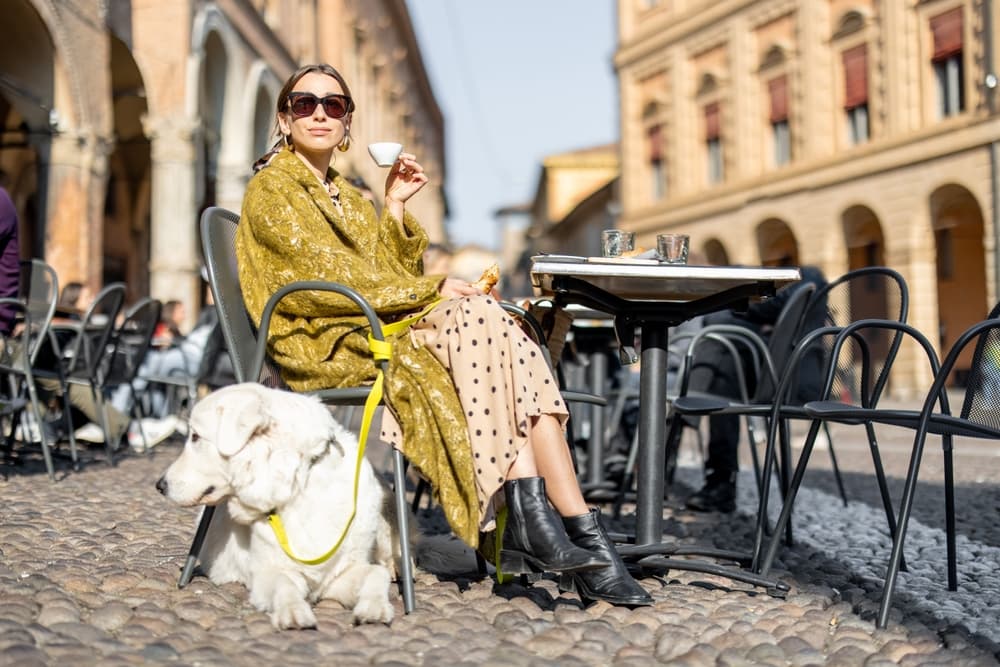
Bologna: Italy's best food city, lived in rather than performed
A porticoed university town in Emilia-Romagna where you can eat better than in Rome or Florence and pay less rent doing it.
- 387,971
- Population (2023)
- $2,300/mo
- Monthly budget · single
- 58°F / 14°C
- Avg temperature
Budget about $2,300 a month in U.S. dollars for a single person in Bologna, around $3,500 for a couple, and roughly $5,500 for a family. A one-bedroom apartment averages about $1,100 in the historic center and about $850 outside it, though the large student population keeps the rental market tighter than those figures suggest. This is the capital of Emilia-Romagna, the region that gave the world tortellini, mortadella, and ragu, and the food culture here is not a tourist performance. It's just how people eat.
Bologna suits people who want a real, working Italian city rather than a postcard. It's home to the oldest university in the Western world, so the population skews young and left-leaning. The calendar stays full of concerts and film series, and English gets you further here than in most mid-sized Italian cities. Its porticoes, about 38 miles of covered walkway and UNESCO listed since 2021, mean you can cross most of the center in the rain without an umbrella.
The honest drawback is the climate paired with competition for apartments. Summers in the Po Valley are hot and humid, winters are gray and often foggy. Every autumn, the university's students come back hunting the same one-bedrooms you are.
At a glance
$2,300
Monthly budget · single person
$1,100/mo 1-bed rent, center
61/100
Safety index
$30
Internet / month
58°Fannual average
Jan 39° · Jul 78°
Climate
387,971
Population (2023)
Expatsi estimates, updated Aug 2026, based on rental listings, government statistics, and local reporting.
Cost of living
What it costs to live in Bologna
Single person
$2,000–$2,600/mo
about 25% below Austin, TX
Couple
$3,100–$3,900/mo
about 25% below Austin, TX
Family of four
$4,800–$6,200/mo
about 30% below Austin, TX
Compared with Austin, TX (Expatsi estimate, 2026).
- $20 ±0%
- Inexpensive meal
- $1,000–$1,250/mo −44%
- 1-bed rent, center
- $750–$950/mo −37%
- 1-bed rent, outside
- $30/mo −54%
- Internet
- $45/mo +9%
- Transit pass
- $441/sq ft −32%
- Buy price, center
Expatsi estimates, updated Aug 2026, based on rental listings, government statistics, and local reporting.
Daily life
How Bologna lives
- A- grade, 82nd percentile among the cities we track
- Dining & cafésstrong
- A grade, 87th percentile among the cities we track
- Arts & culturestandout
- B+ grade, 61st percentile among the cities we track
- Parks & outdoorsstrong
- A grade, 86th percentile among the cities we track
- Schools & educationstandout
- A- grade, 71st percentile among the cities we track
- Healthcare accessstrong
- A grade, 92nd percentile among the cities we track
- Bike infrastructurestandout
- A grade, 89th percentile among the cities we track
- Public transitstandout
- A- grade, good physical accessibility
- Accessibilitygood
Graded on OpenStreetMap amenity density relative to the 298 cities we track. Accessibility is the exception: it's graded against a fixed standard (terrain steepness and sidewalk surfaces), not a curve.
Climate
Weather through the year
Annual average 58°F (14°C) · 31 in of rain a year · Source: Open-Meteo Historical Weather API (temps: ERA5-Land 0.1°; precip/sunshine: ERA5 best-match; 1991-2020 normals)
On the ground
Scenes from Bologna
Getting around
Transport in Bologna
Bologna's public transport is bus-based, run by TPER, with a dense network that covers the center and the first ring of suburbs well. A monthly urban pass runs about $45. The city hasn't had trams since 1963, though two lines are now well into construction, with passenger service expected in 2027. For now, buses do the work.
The historic center is the real transit system. It's compact, mostly flat, and threaded with porticoes, so daily errands happen on foot for most residents. Much of the center is a limited traffic zone, camera-enforced from 7am to 8pm every day; driving without a resident permit earns automatic fines. Cycling is common and the city's been adding protected lanes, though cobblestones and porticoed sidewalks make some routes bumpy.
Bologna Centrale is one of Italy's busiest rail junctions, which matters more than any local transit detail. High-speed trains reach Florence in about 35 minutes and Milan in just over an hour, so weekend travel around Italy is genuinely easy without a car. Marconi airport sits just outside town, connected to the station by the Marconi Express monorail.
A car makes sense only if you settle in the hills or smaller towns outside the city. Inside Bologna it becomes a liability: ZTL fines, scarce parking, and a center you can cross faster on foot really discourage ownership.
- 67/sq mi
- Transit stops
- 131/sq mi
- Bike infrastructure
- 69/sq mi
- Wheelchair-accessible places
Mapped features per square mile from OpenStreetMap.
Keep exploring
Places like Bologna
Community
Community & practical notes
Community: Bologna's foreign community is smaller and less English-speaking than Rome's or Milan's, anchored by the university. Exchange students, researchers, and a steady trickle of American food pilgrims who stayed make up much of it. Expect to need functional Italian for bureaucracy, landlords, and most friendships outside academic circles. The upside is that you'll integrate into an actual Italian city, rather than an expat bubble.
Healthcare: Italy's national health service (SSN) covers legal residents. Once you have residency, register with the local health authority (AUSL), pay an annual fee if you're not employed in Italy, and get assigned a family doctor. Emilia-Romagna is one of the country's strongest regional systems, ranked second nationally behind Veneto in the health ministry's most recent review. The limit is access rather than quality: paperwork is in Italian, offices keep short hours, and specialist waits in the public system can stretch months. Many foreign residents carry private insurance for faster appointments.
Limited mobility: Bologna is easier than most medieval Italian cities, but the old building stock still sets the limit for where you can go. The center sits on flat ground, which helps, though the hills begin immediately to the south. City rules cap the step at a shop entrance at 2.5 centimeters; when a wheelchair user toured the center for a local paper, he found few businesses actually complying, so cafes and shops are hit and miss. The porticoes shelter you from the weather but often have steps and uneven stone underfoot, and wheelchair-adapted taxis are hard to book. TPER buses carry ramps and a reserved wheelchair space; the Marconi Express airport train is also step-free. The city council approved tougher accessibility rules in January 2026, in force since February, so this should slowly improve.
Remote work: Home fiber runs about $30 a month, and coverage in the city is good. Coworking options exist around the center and the university district, and the city hosts a tech and packaging-machinery economy (this region is Italy's "packaging valley") plus employers like Ducati and Lamborghini in the metro area. Italy's digital nomad visa, introduced in 2024, gives remote workers a legal route to residency, albeit with income and insurance requirements attached.
Retirement: Italy's main path for retirees is the elective residence visa, which requires proving substantial passive income (pensions, investments, rents; employment income does not count) and securing housing before you apply. Consulates apply the income bar inconsistently and often above the official minimum, so plan for a documentation-heavy process. Once resident, you can buy into the national health system. Compare retirement visa options and see our full Italy guide.
Housing
Renting and buying
- 1-bed rent (center)
- $1,000–$1,250/mo
- 1-bed rent (outside center)
- $750–$950/mo
- Buy price (center)
- $441/sq ft
- Buy price (outside center)
- $316/sq ft
Expatsi estimates, based on rental listings, government statistics, and local reporting.
Good to know
Frequently asked questions
Do I need a car in Bologna?
No. The center is compact, flat, and largely closed to non-resident cars through a camera-enforced limited traffic zone, and TPER buses cover the city for about $45 a month. High-speed trains from Bologna Centrale reach Florence in about 35 minutes and Milan in just over an hour. A car only earns its keep if you live in the surrounding hills.
What is the weather like in Bologna?
The annual average is about 57.5 F (14.2 C), with roughly 31 inches (793 mm) of precipitation a year. That average hides real seasons: summers in the Po Valley are hot and humid, and winters are chilly, gray, and often foggy. The covered porticoes make walking pleasant in almost any weather.
How does healthcare work for expats in Bologna?
Legal residents can register with Italy's national health service through the local AUSL office and get a family doctor; retirees and other non-workers typically pay an annual enrollment fee. Emilia-Romagna ranks second among Italian regions in the health ministry's most recent review, but paperwork is in Italian and specialist waits can be long. Many expats add private insurance for faster appointments.
How do Americans move to Bologna?
You need a long-stay visa before arriving: common routes are the elective residence visa for people with passive income, the digital nomad visa for remote workers, a student visa through the University of Bologna, or a work visa through an employer. After arrival you apply for a residence permit (permesso di soggiorno) and register locally. Start with the consulate that covers your U.S. state, since requirements vary.
Do people speak English in Bologna?
More than in most mid-sized Italian cities, thanks to the university's international students and faculty, but far less than in Amsterdam or Lisbon. You can manage daily life in English at first, though landlords, government offices, and doctors mostly work in Italian. Learning the language makes both bureaucracy and friendships dramatically easier.
How much does it cost to live in Bologna?
Plan on about $2,300 a month for a single person, around $3,500 for a couple, and roughly $5,500 for a family, all in U.S. dollars. A one-bedroom averages about $1,100 in the center and $850 outside it. An inexpensive restaurant meal runs about $20.
Is Bologna safe?
Bologna scores 61 on the safety index against a crime index of 39, which puts it in the moderately safe range typical of mid-sized European cities. Violent crime is rare; the practical concerns are pickpocketing around the train station and petty theft in nightlife areas. Most residents walk the center at night without much thought.
Can I retire in Bologna?
Yes, most retirees use Italy's elective residence visa, which requires documented passive income such as pensions or investments and a place to live lined up before you apply. Consulates review these applications strictly. Once you are a legal resident you can register with Italy's national health service, and Bologna's roughly $3,500-a-month couple's budget is workable on many American retirement incomes.
See how Bologna fits your life
Take the free Expatsi Test and compare Italy to nearly 200 countries on what actually matters: cost, healthcare, climate, and safety. About five minutes.
Why not you?